1. Joining a Club
You don't need to buy a boat to become a sailor.
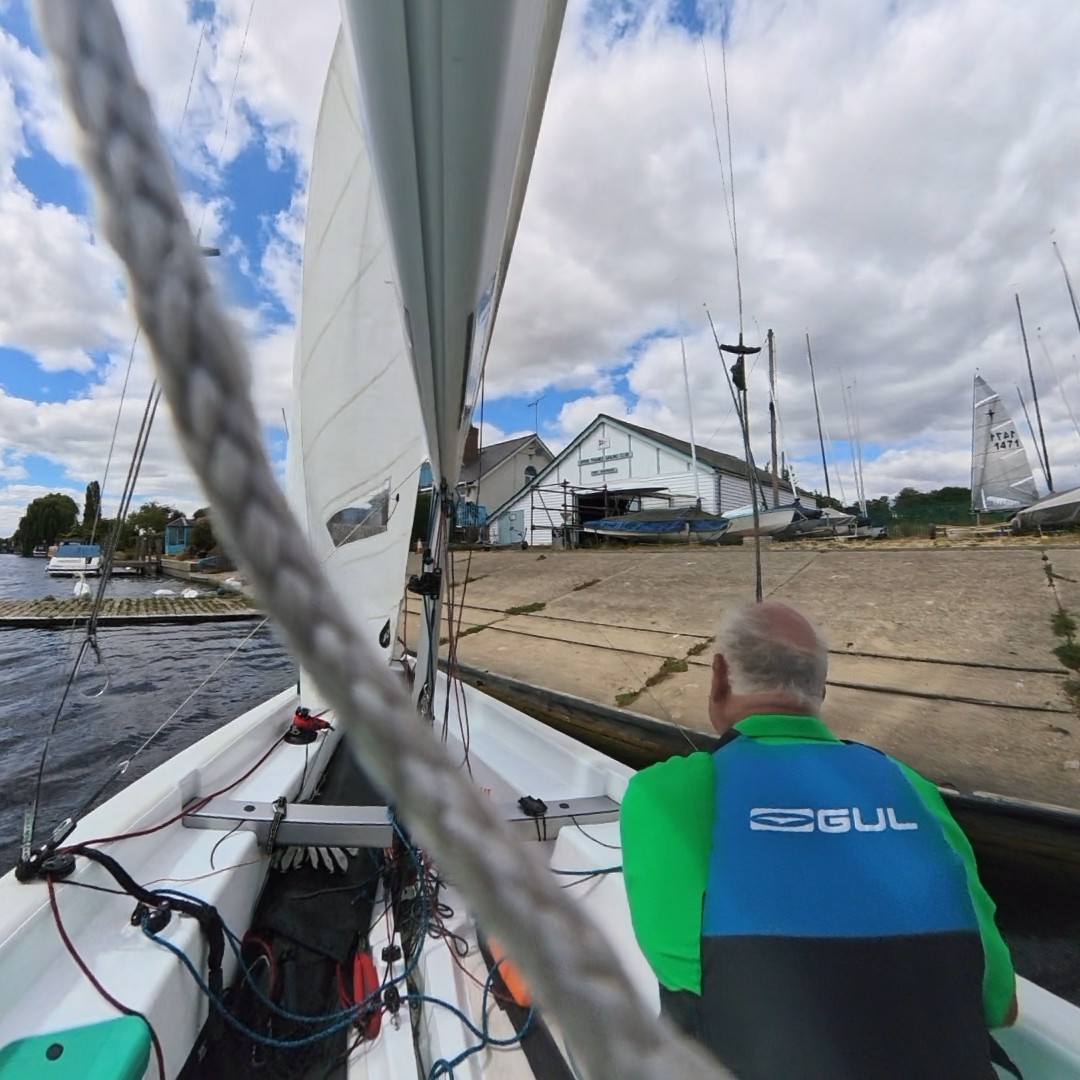
Your first boat might belong to a sailing club — or to someone who simply needs another pair of hands.
Join a club. Borrow the kit. Get on the water. Learn by doing. There has never been a better time to start.
Essential Boat Terms: 75 Key Terms Every New Sailor Should Know.
When I first began my sailing journey, I started with just a few basic terms, but the list quickly expanded to 75 essential boat terms that every new sailor should know. Understanding these common sailing terms is crucial, ideally before you even step foot in a dinghy. This comprehensive list will help you feel more confident and prepared as you start your adventure on the water.
2. Your First Visit to a Club
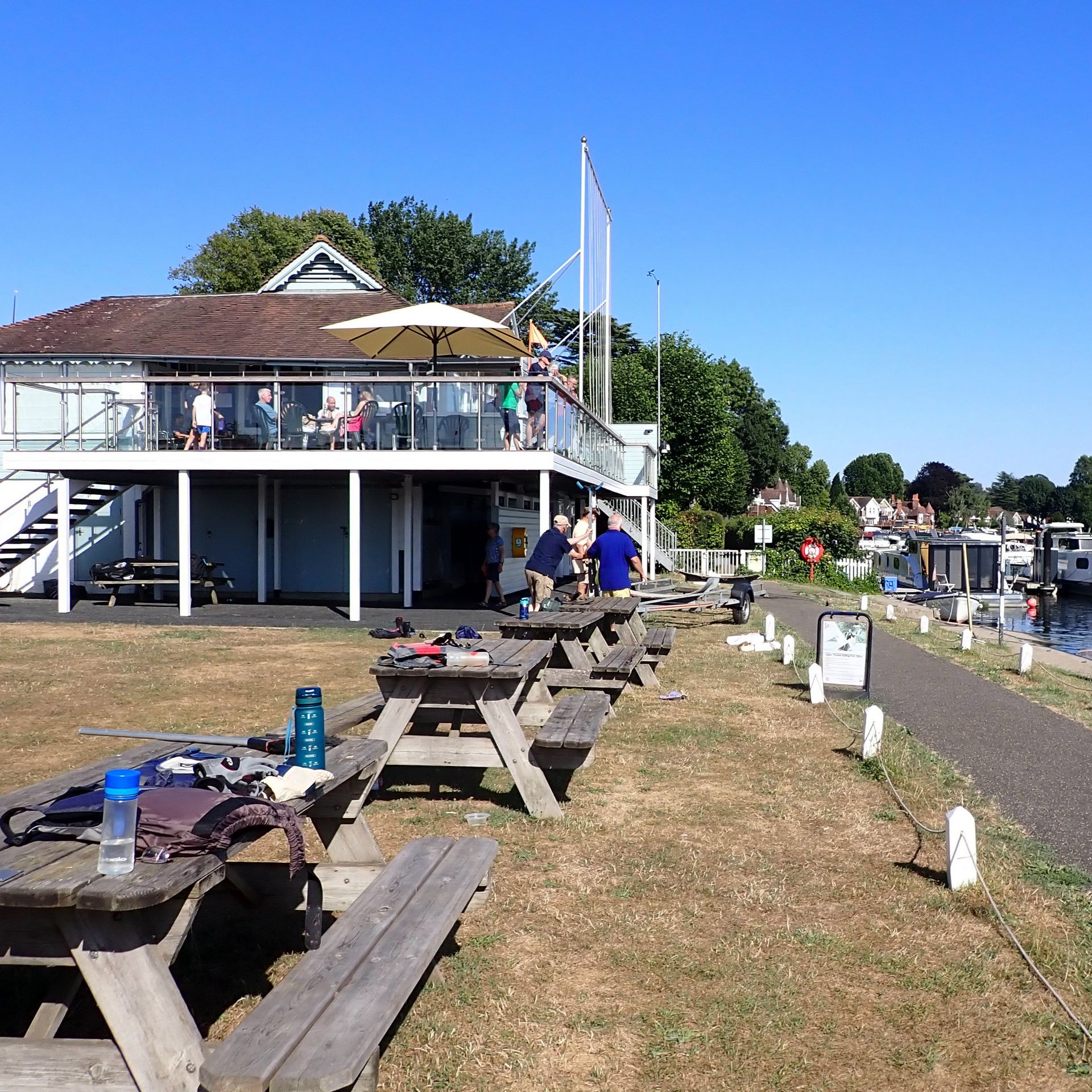
Sailing clubs can look mysterious from outside.
Boats everywhere. Strange ropes. Racing flags. People speaking a language involving sheets, halyards and kickers.
But walk inside and say, "I'd like to learn to sail."
You may be surprised how quickly someone says: "Come with me."
You don't need to own a boat to become a sailor. You need an opportunity to get on the water.
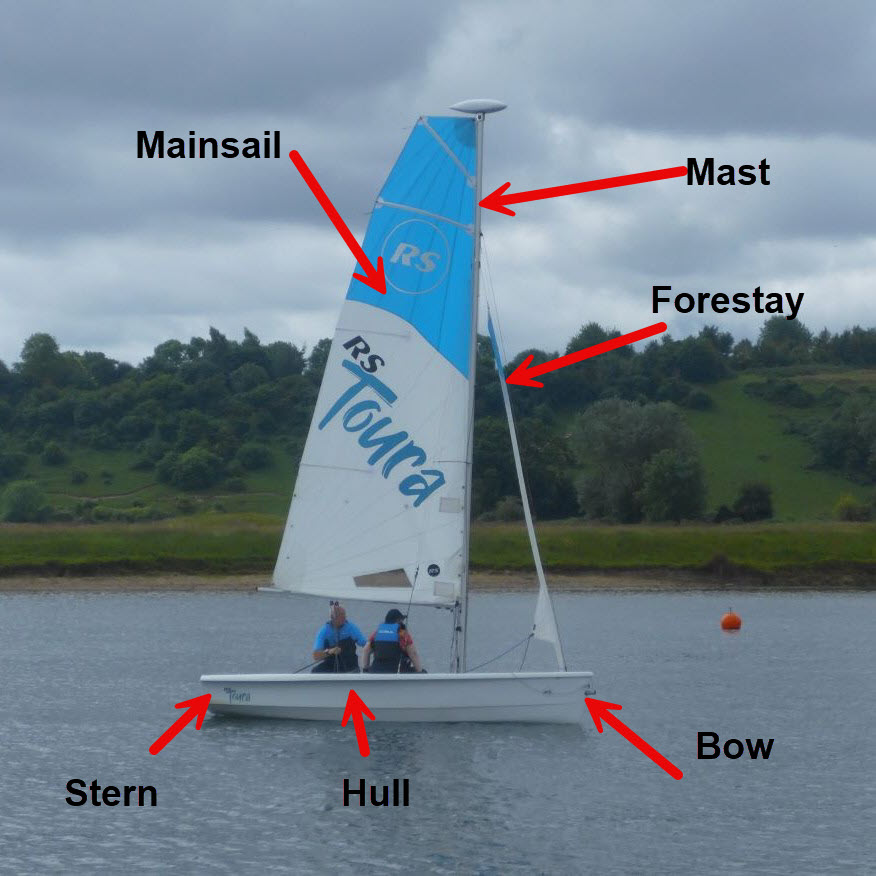
3. Meet the Sailing Dinghy — What Are All the Bits Called?
A sailing dinghy can look like a baffling collection of ropes, poles and bits of metal.
But learn just 15 basic names — bow, stern, mast, boom, jib, sheets, halyards, tiller and the rest — and suddenly the whole boat begins to make sense.
Lesson 3 in my Learn to Sail series: Meet the Sailing Dinghy.
Practical challenge: stand beside a boat and see how many parts you can identify before someone helps you.
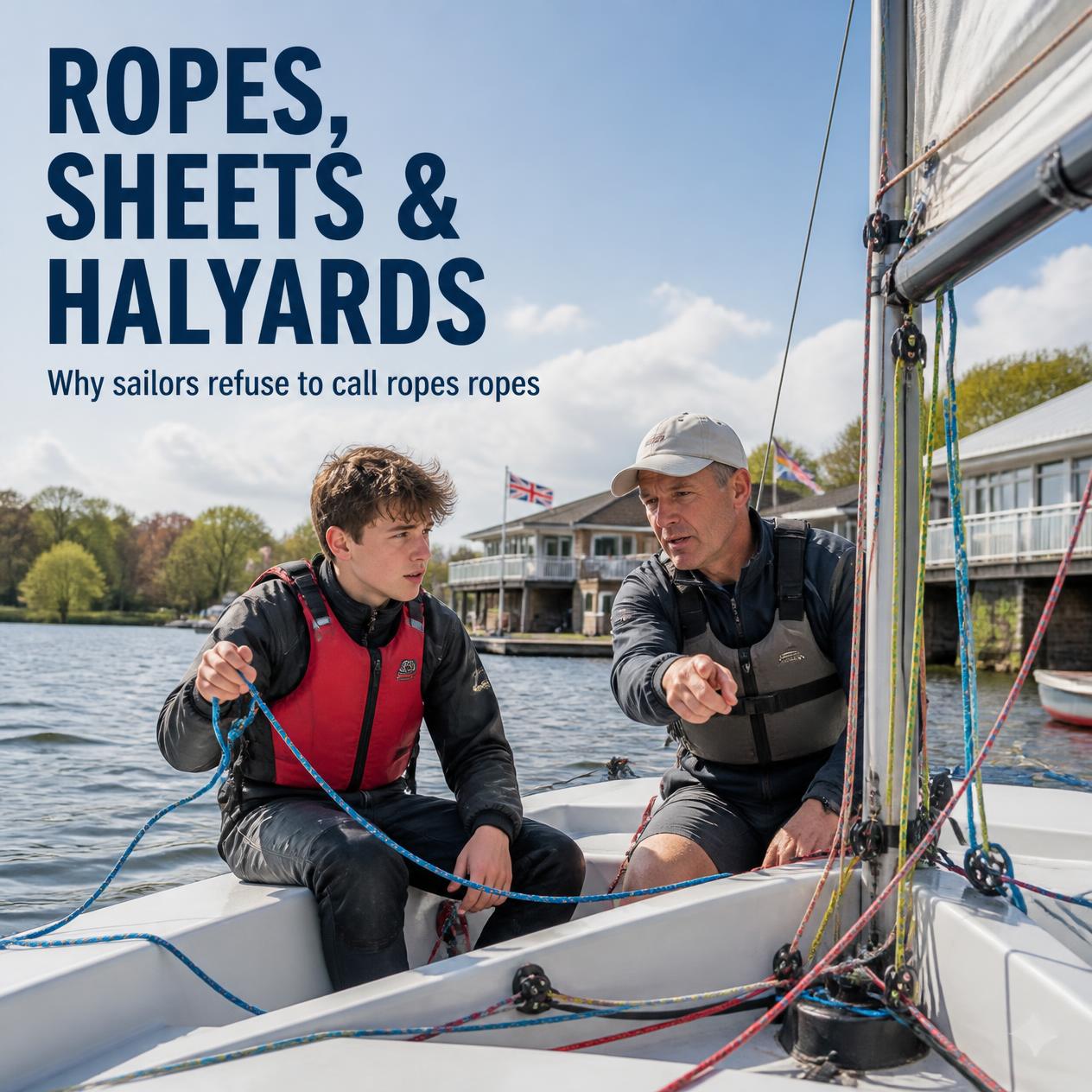
Lesson 4:Ropes, Sheets and Halyards —
Learning the language of sailing.
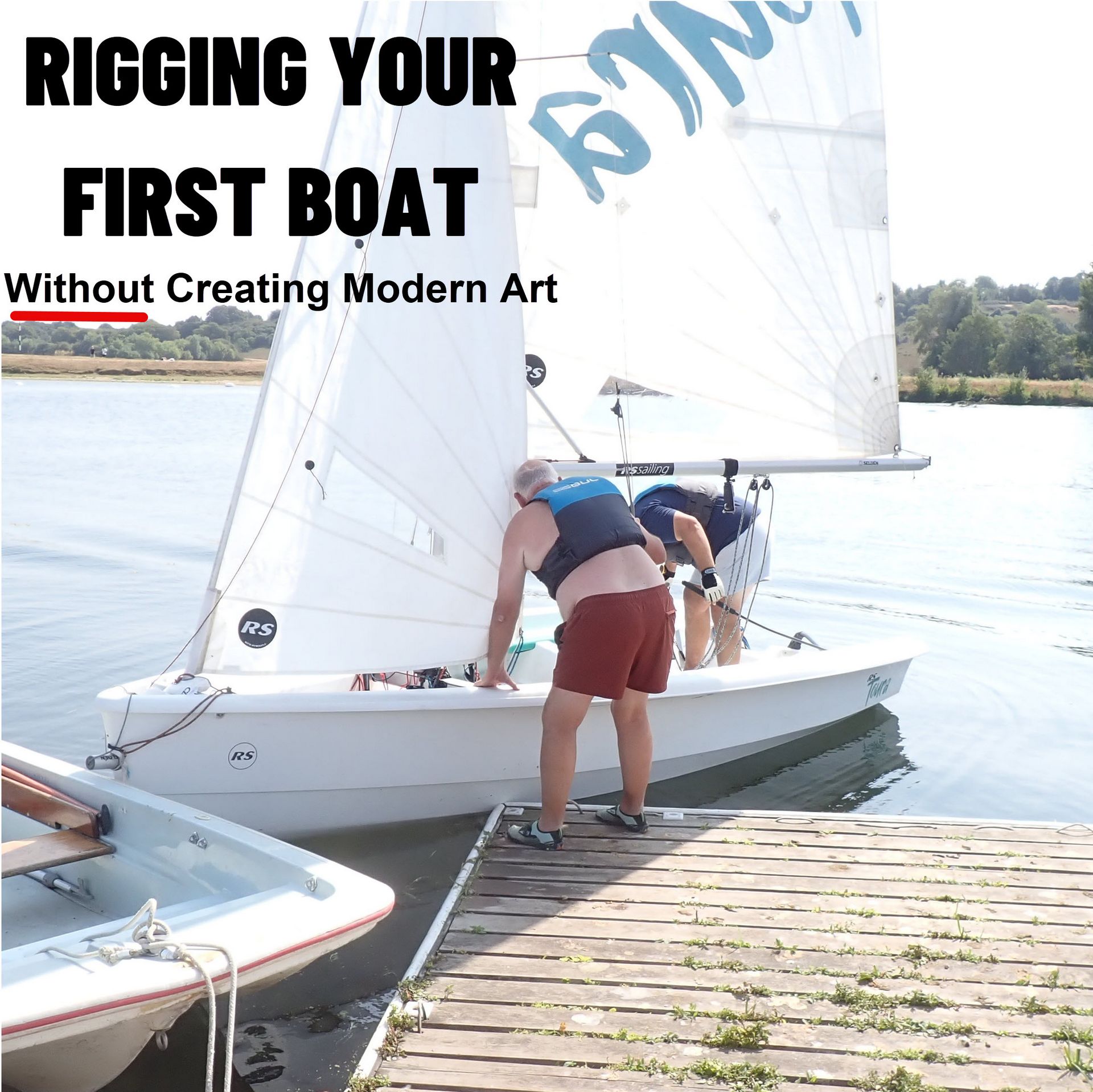
Lesson 5 of my beginner sailing series: Rigging Your First Boat Without Creating Modern Art.
There are plenty of ropes on a sailing boat. Sailors just seem determined not to call most of them ropes. Sheet. Halyard. Painter. Kicker. Outhaul… But there is a reason for the strange language. "Ease the jib sheet" is rather more useful than "pull that rope over there."
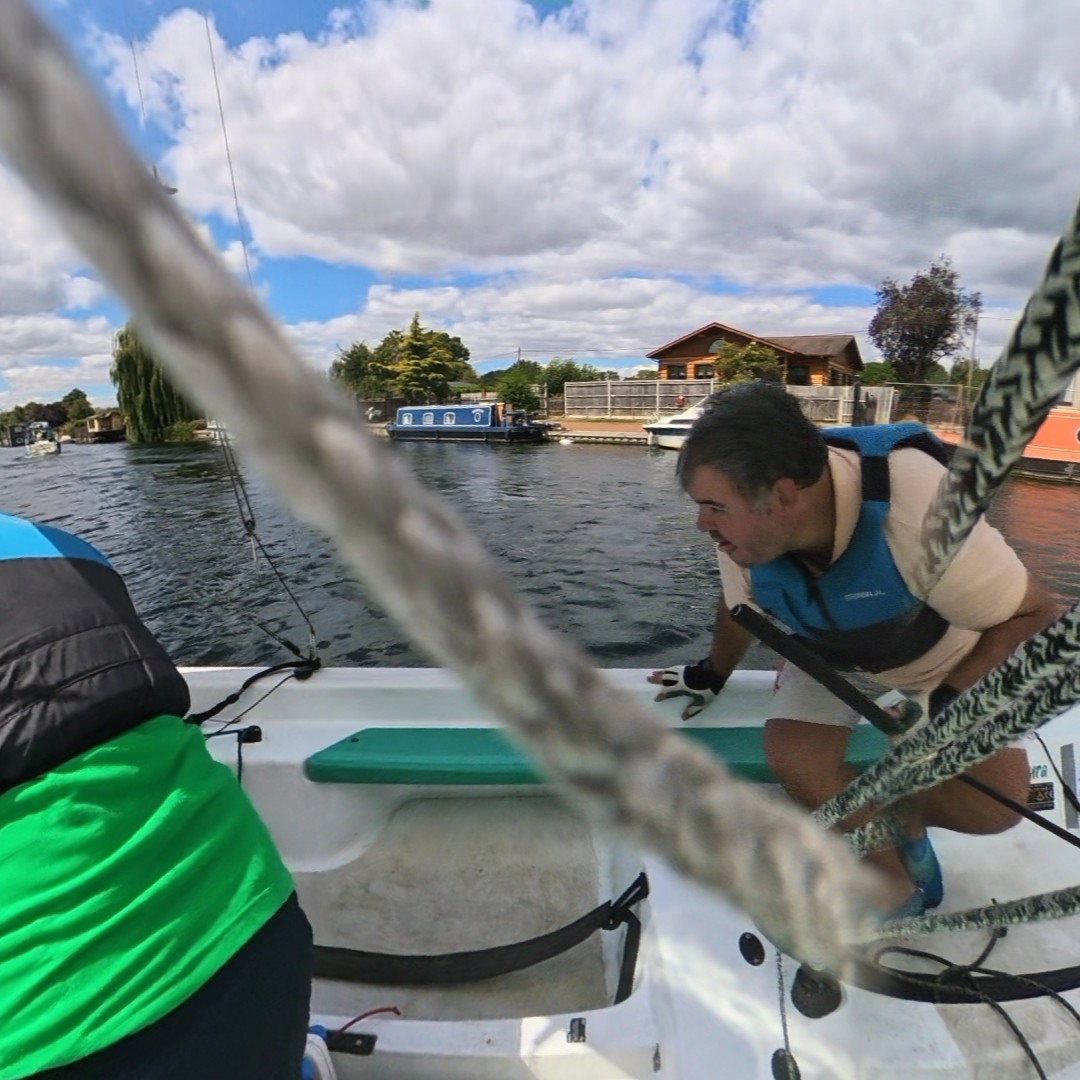
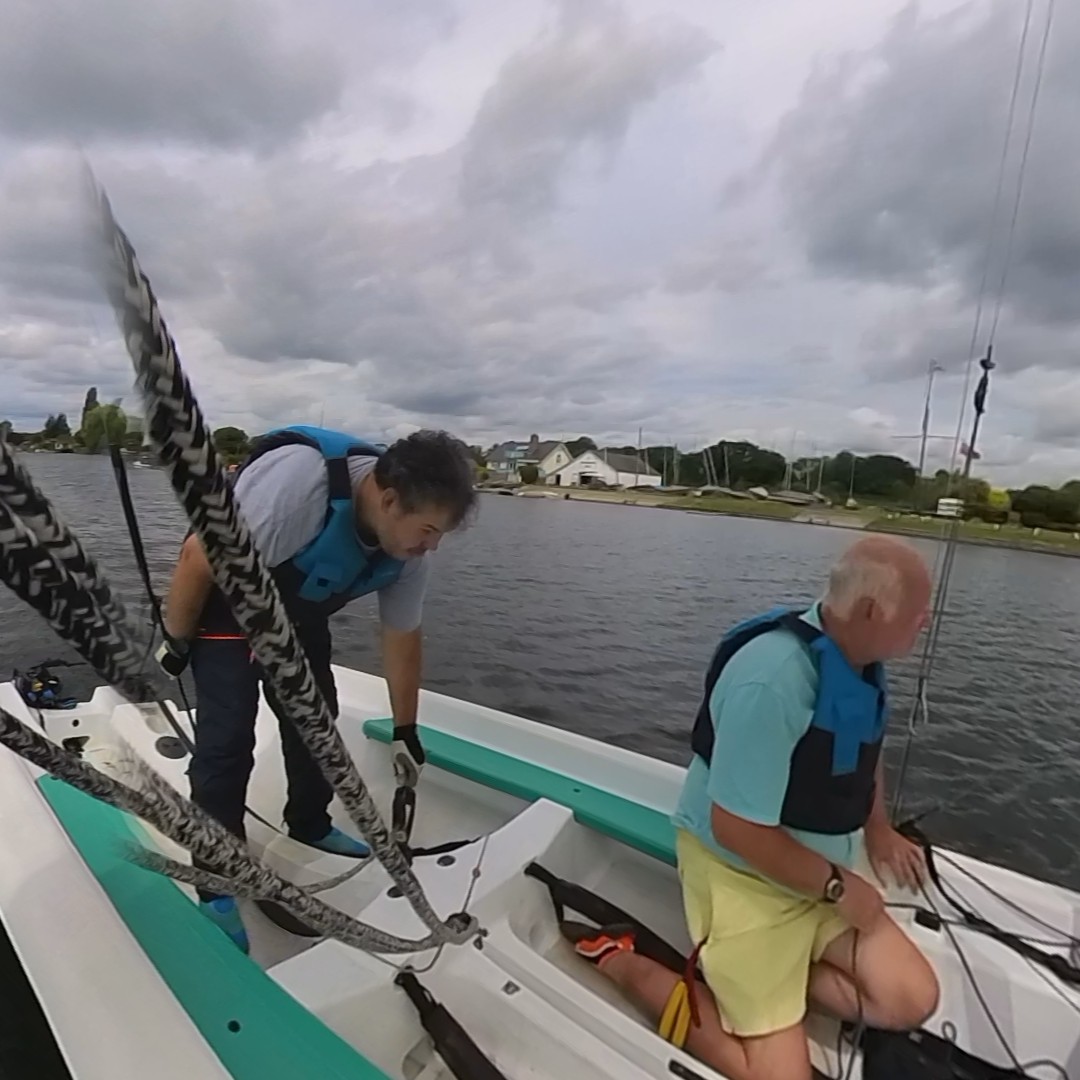
Rigging your first sailing dinghy can look like someone emptied a bag of ropes, sails and metal fittings over a boat and said, "Good luck."
But there is a sequence.
Boat. Bung. Rudder. Centreboard. Sails. Sheets. Controls. Check.
Do it three times and the mystery starts disappearing.
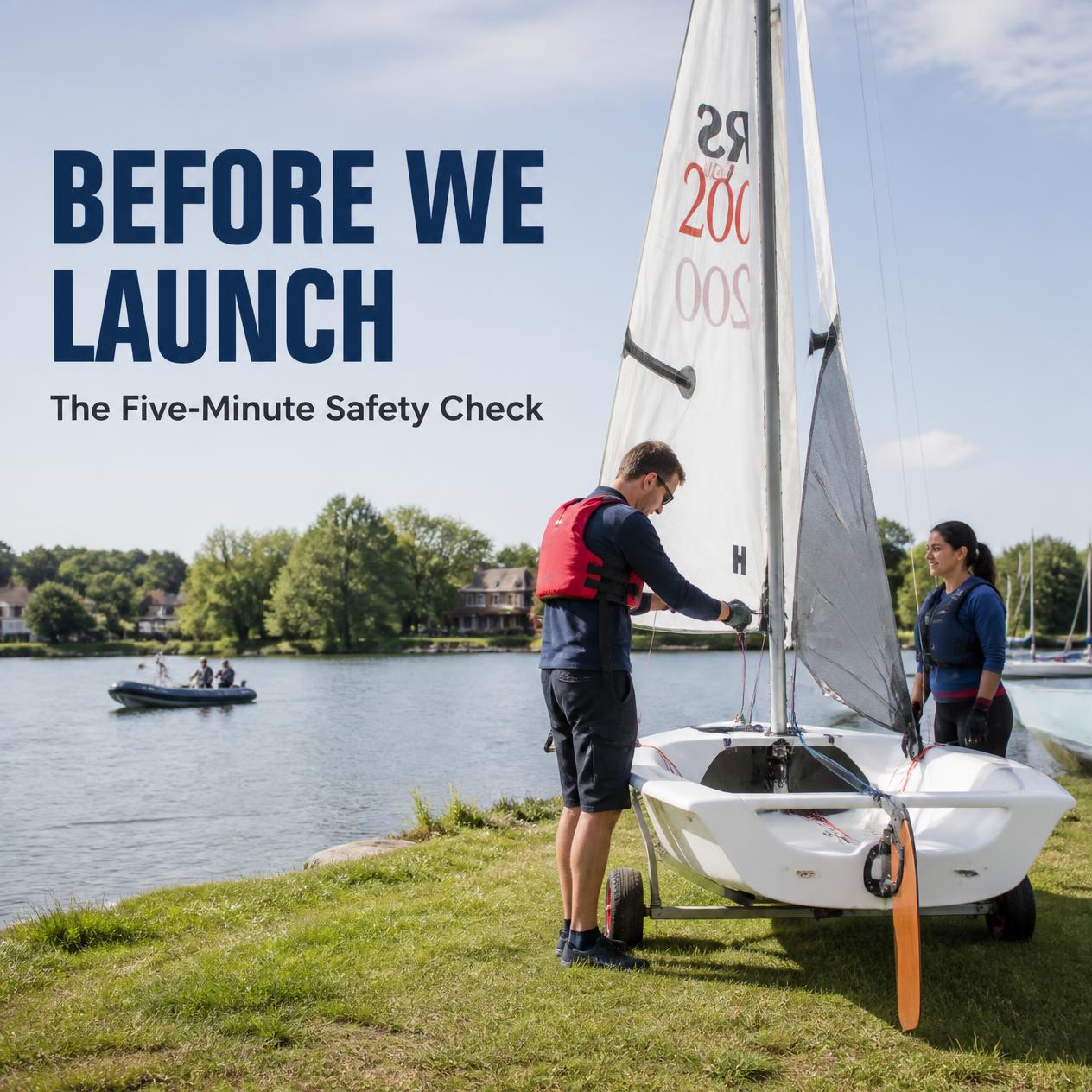
Lesson 6 Before We Launch — The Five-Minute Safety Check
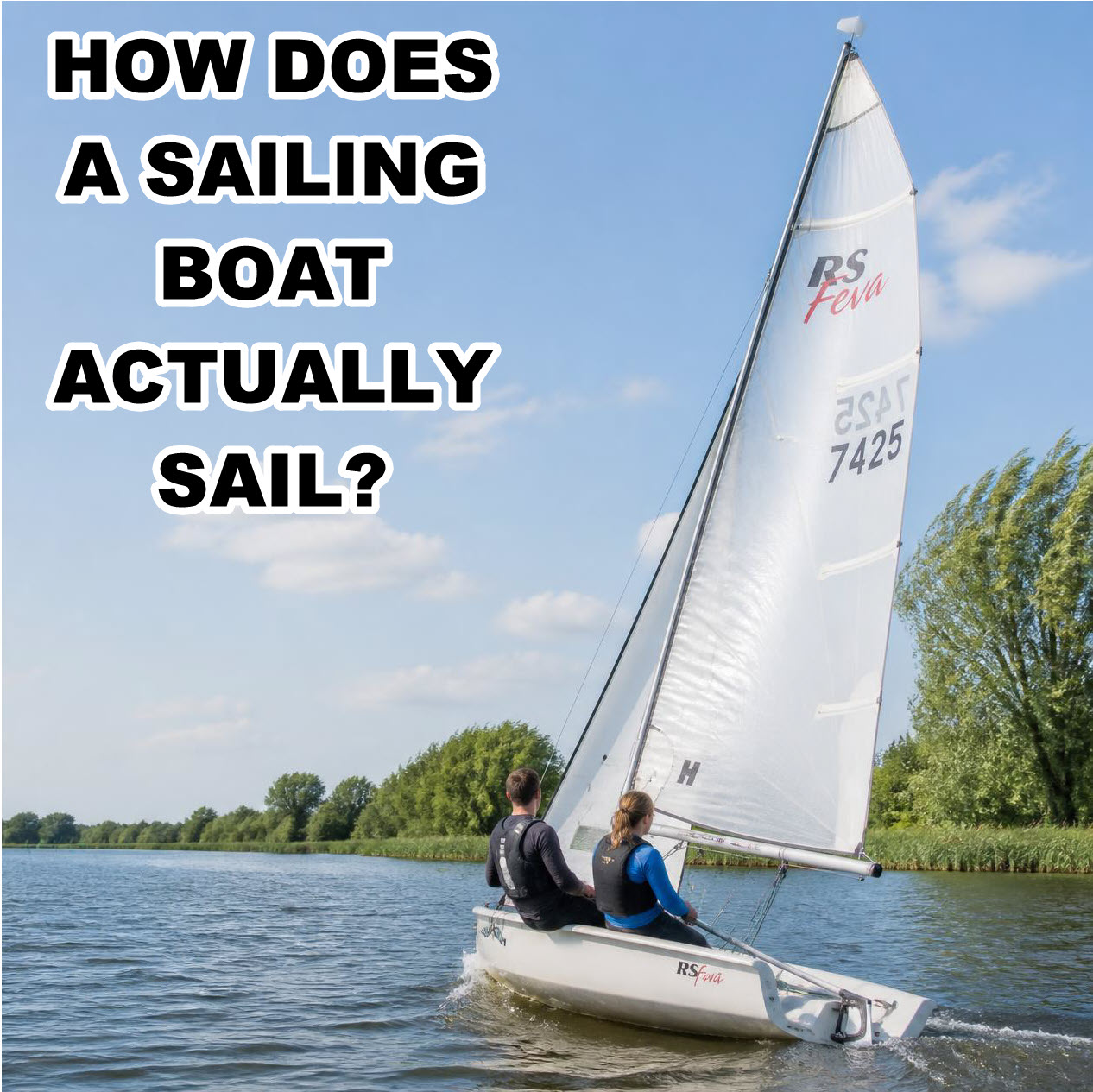
Lesson 7: How Does a Sailing Boat Actually Sail?
Before you launch a sailing dinghy, spend five minutes checking:
Buoyancy aid ✅
Weather ✅
River ✅
Bung ✅
Rudder & centreboard ✅
Clothing & footwear ✅
Safety cover ✅
Where you're allowed to sail ✅
The best safety equipment is sometimes simply stopping to think before pushing off.
The surprising thing about sailing isn't going downwind. It's that a boat can make progress TOWARDS the wind. The secret is the partnership between the sail above the water and the centreboard below it.
Lesson 8 Points of Sail — Your First Sailing Road Map
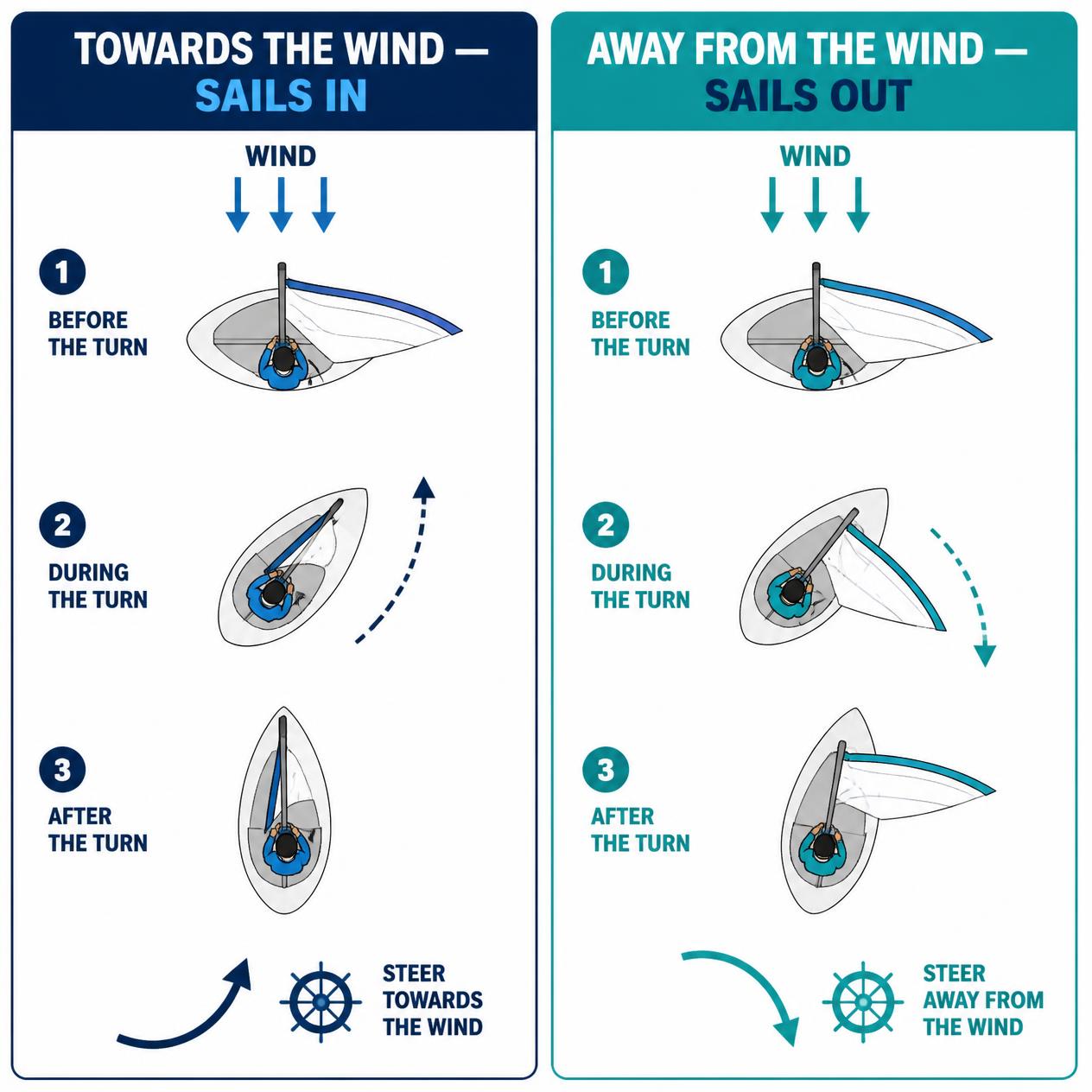
Sailing feels mysterious until somebody gives you a clock face. Wind from 12 o'clock. Close hauled -> close reach -> beam reach -> broad reach -> run. And one beautifully simple rule: Towards the wind, sails in.
Away from the wind, sails out. Once you understand the points of sail, the whole boat starts making sense.
Lesson 9 Your First Ten Minutes at the Helm
Your first few minutes steering a sailing dinghy can be wonderfully confusing. Want the boat to go left? Move the tiller right. Then overcorrect. Then correct the correction. Then discover you've invented sailing in zig-zags.
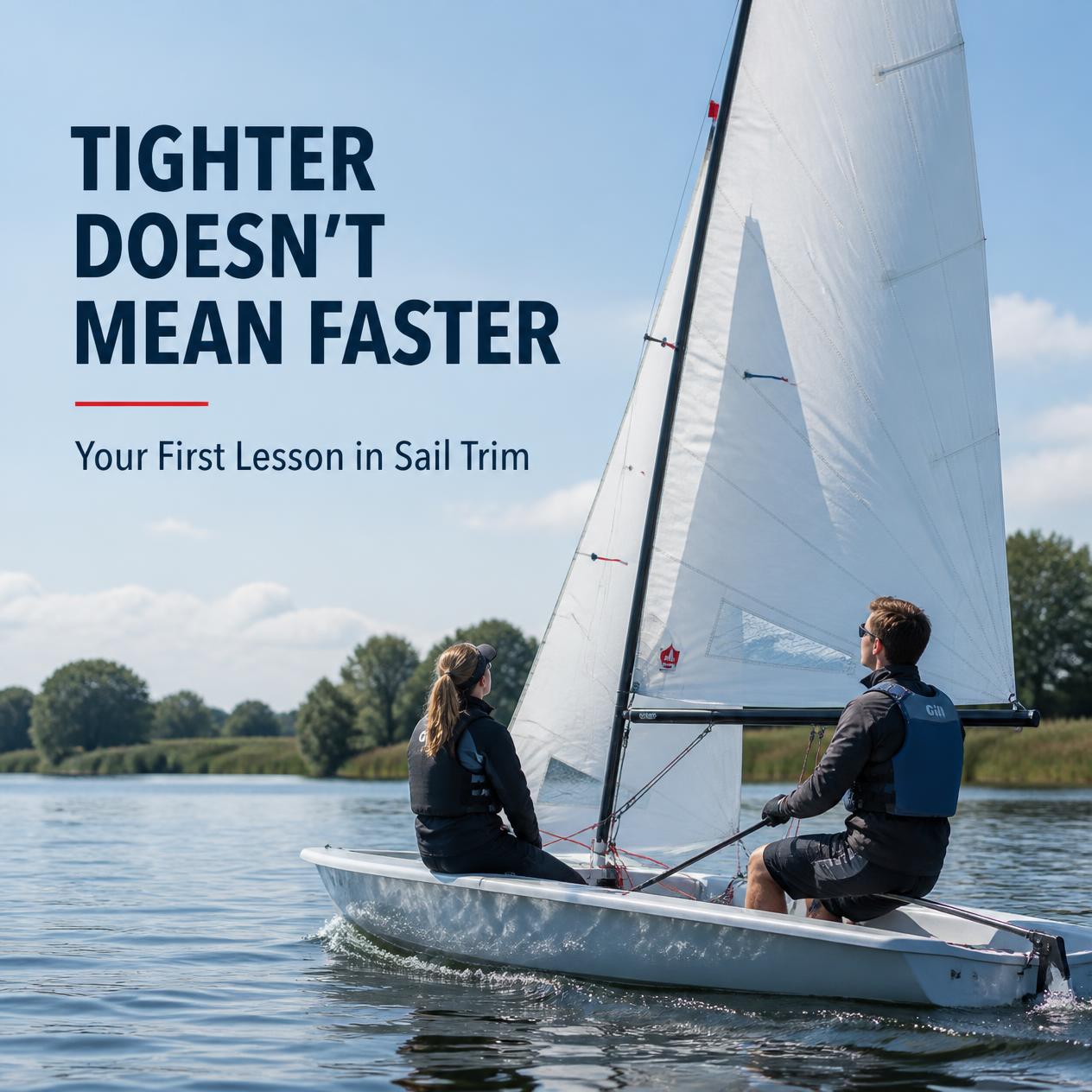
Lesson 10 Making the Boat Go Faster — Your First Lesson in Sail Trim
Pulling the mainsheet harder doesn't necessarily make a sailing boat faster. Sometimes the fastest thing you can do is ease it. Beginner's rule:" Ease the sail until it starts to complain, then pull it in just enough to make it happy."
Lesson 11 Tacking — How to Turn Through the Wind Without Getting Hit by the Boom
Tacking looks complicated the first time you try it.Turn towards the wind.
The sails flap.
The boom comes across.
Duck.
Change sides.
Straighten the rudder.
Sail away.
Easy — once you know the sequence.
Lesson 12 Gybing — The Turn Beginners Are Told to Be Careful About
Gybing frightens many beginner sailors because the boom can cross the boat very quickly. But the answer isn't to fear it. Understand the wind. Control the mainsheet. Expect the boom. Duck. Turn smoothly. A good gybe can be almost effortless.
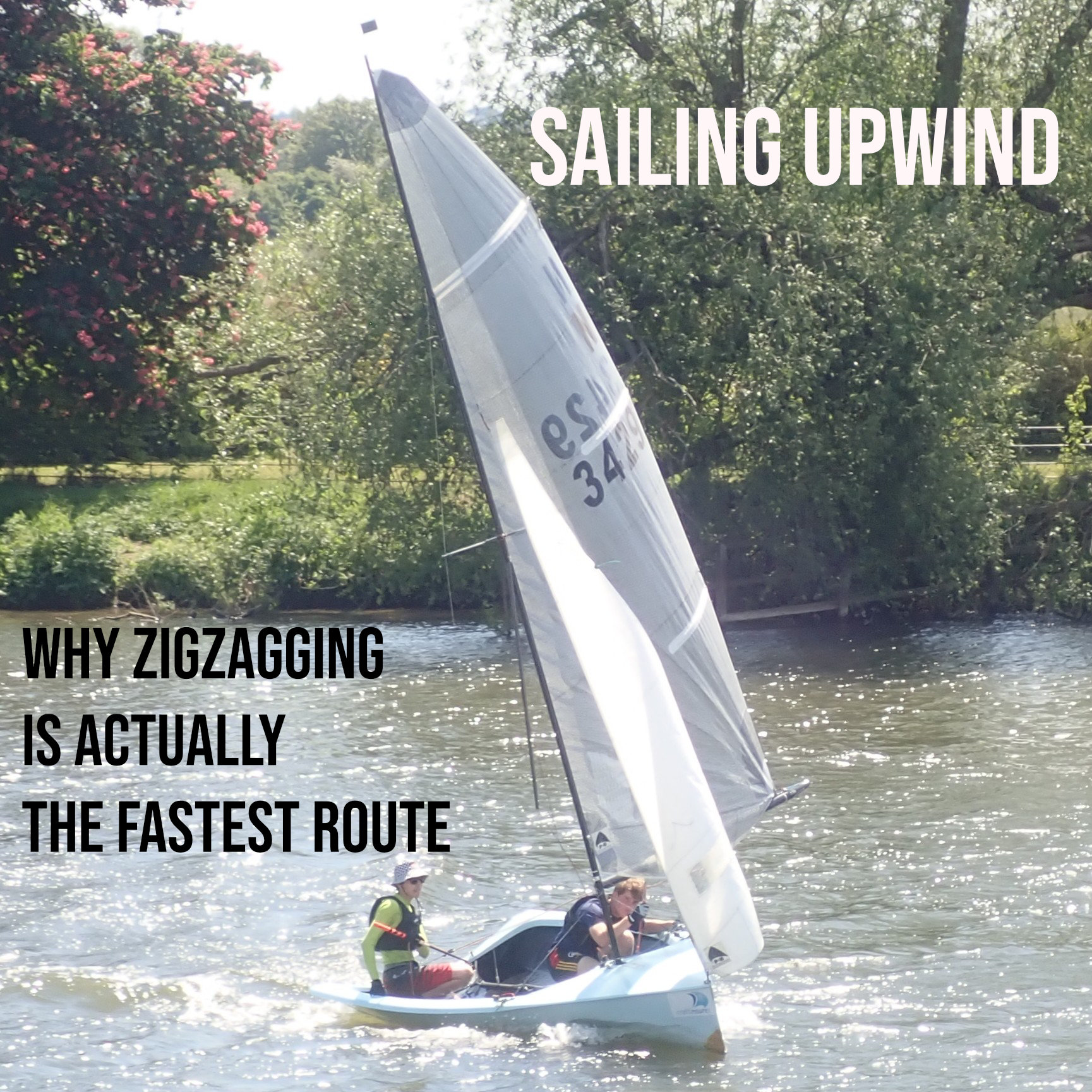
Sometimes the fastest way to your destination is to sail away from it. A sailing boat can't sail directly into the wind, so getting upwind means close-hauled sailing, tacking, watching wind shifts — and learning that pointing higher isn't always faster.
Lesson 14. Coming Home — How to Slow Down, Stop and Arrive Where You Intended
Sailing boats don't have brakes.
So how do you stop one exactly where you want?
The answer is one of the most useful beginner sailing skills: remove the power, turn towards the wind and plan the approach long before you reach the pontoon.
The best landing is usually the least dramatic one.
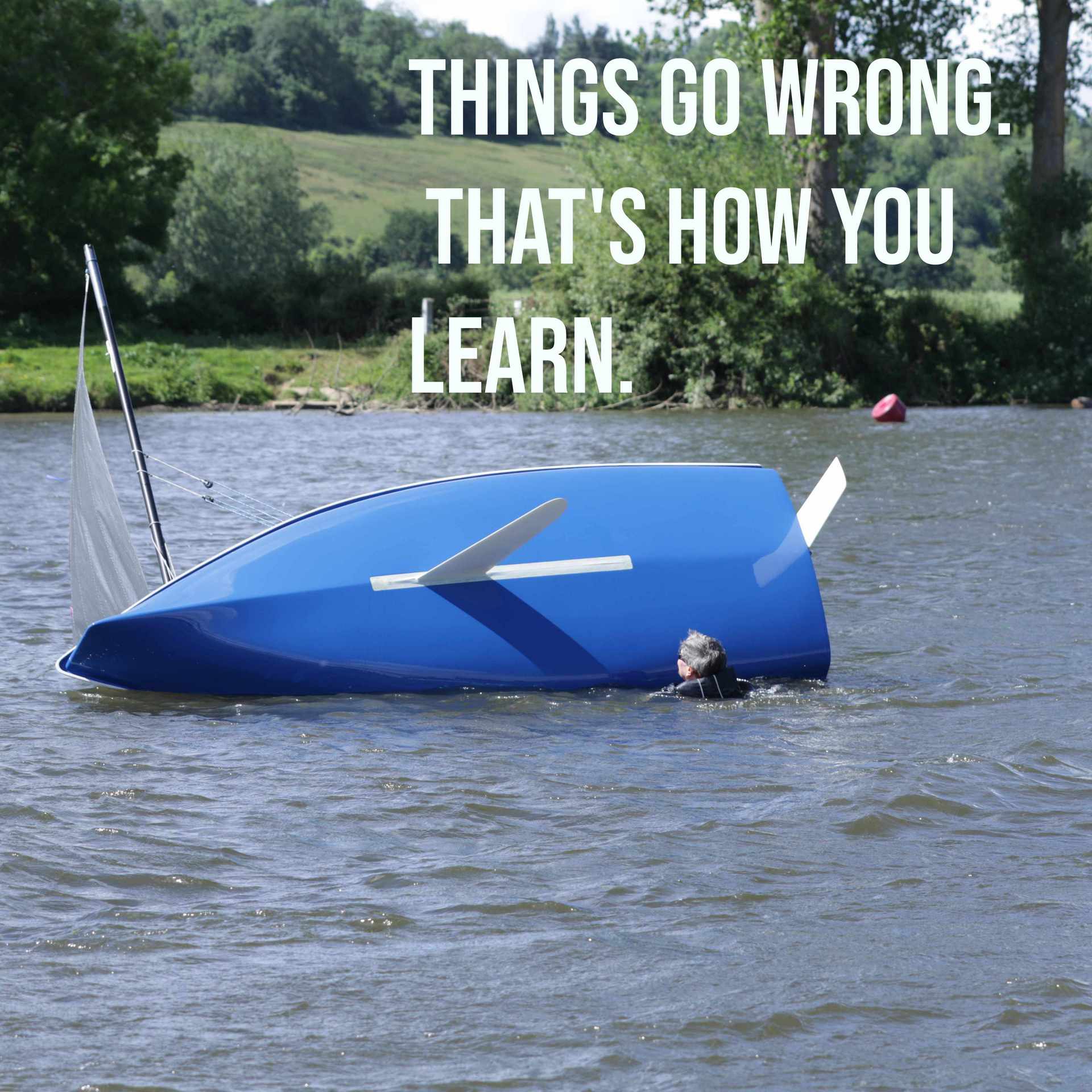
Lesson 15. What Happens When Things Go Wrong?
Every experienced sailor has been stuck head-to-wind, lost steering, run aground, suffered an unexpected gybe — and quite possibly capsized.
Learning to sail isn't learning never to make mistakes.
It's learning how to recover from them.
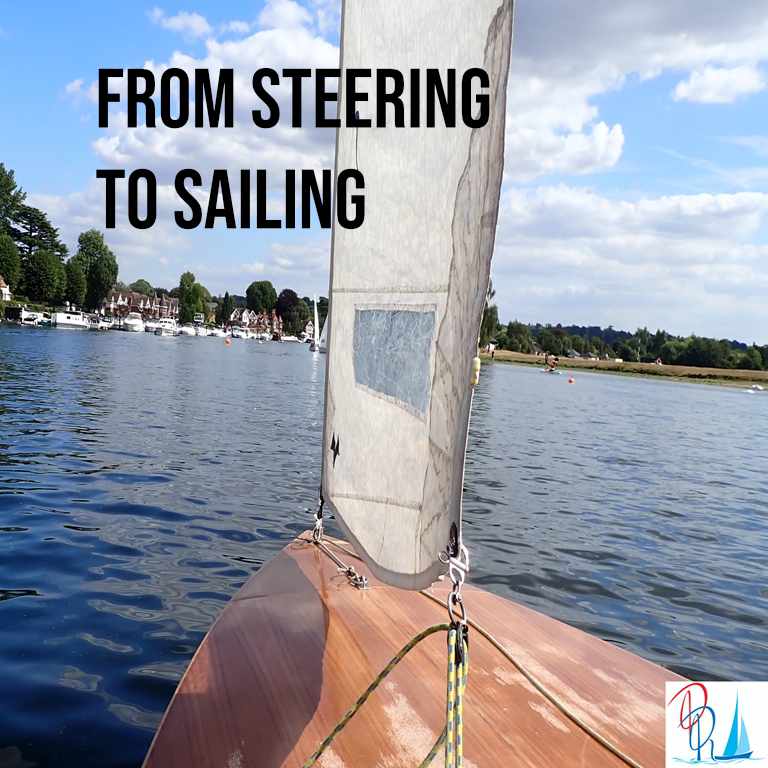
Lesson 16. From Steering the Boat to Sailing the Boat — Your First Lesson in Tactics
There is a moment when learning to sail suddenly changes.
You stop thinking only about the tiller, mainsheet and keeping the boat moving……and start asking:
Where should I actually sail?
That is when boat-handling becomes tactics — reading the wind, planning ahead and choosing your route.
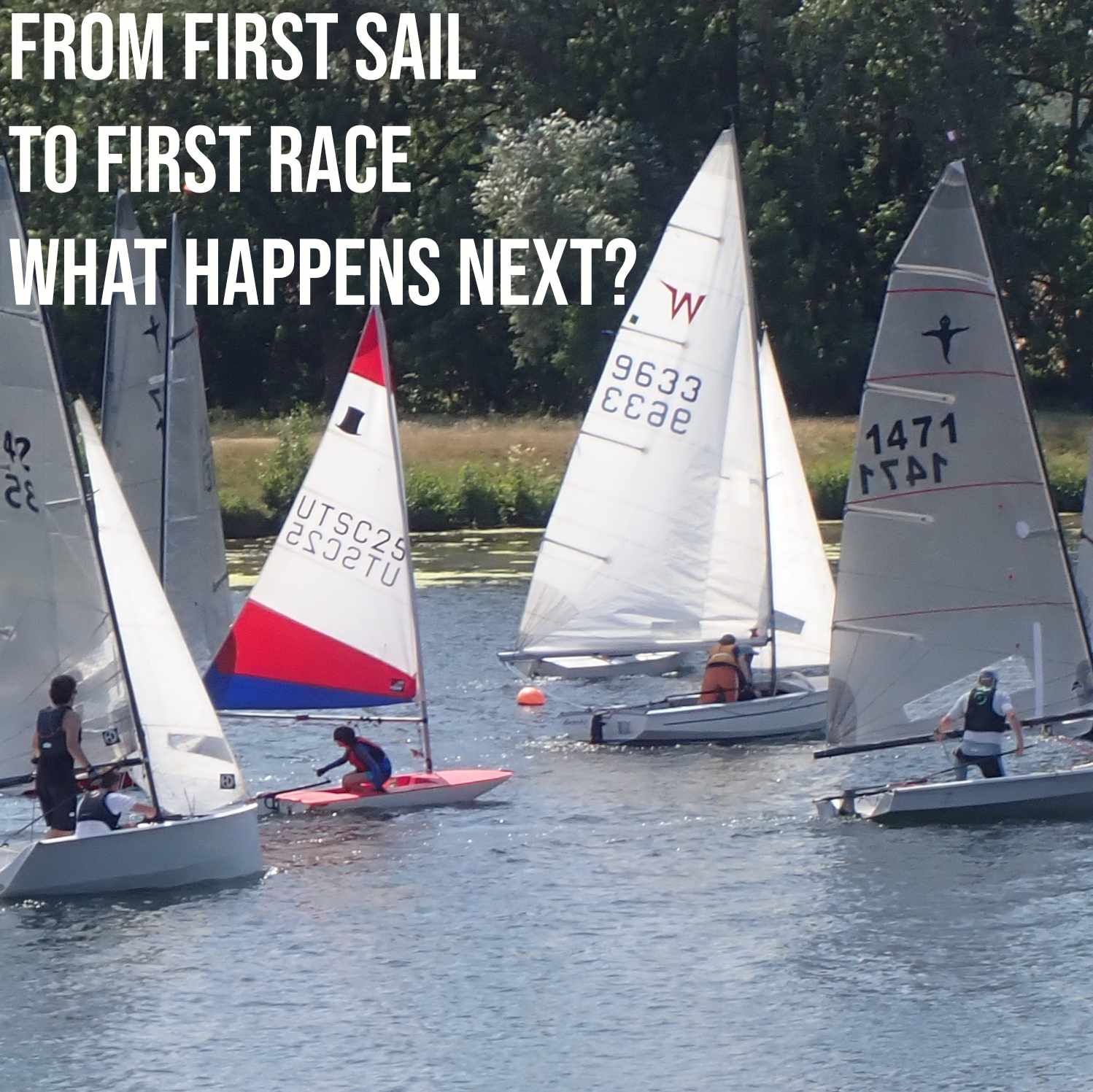
Lesson 17. From First Sail to First Race — What Happens Next?
Finishing last in your first sailing race might teach you more than another afternoon reading a manual.
First sail → crewing → coaching → independent sailing → racing → spinnakers, trapezes, yachts, traditional boats… perhaps even an A-Rater.
But you never have to race.
Sometimes the perfect destination is simply another afternoon on the water.
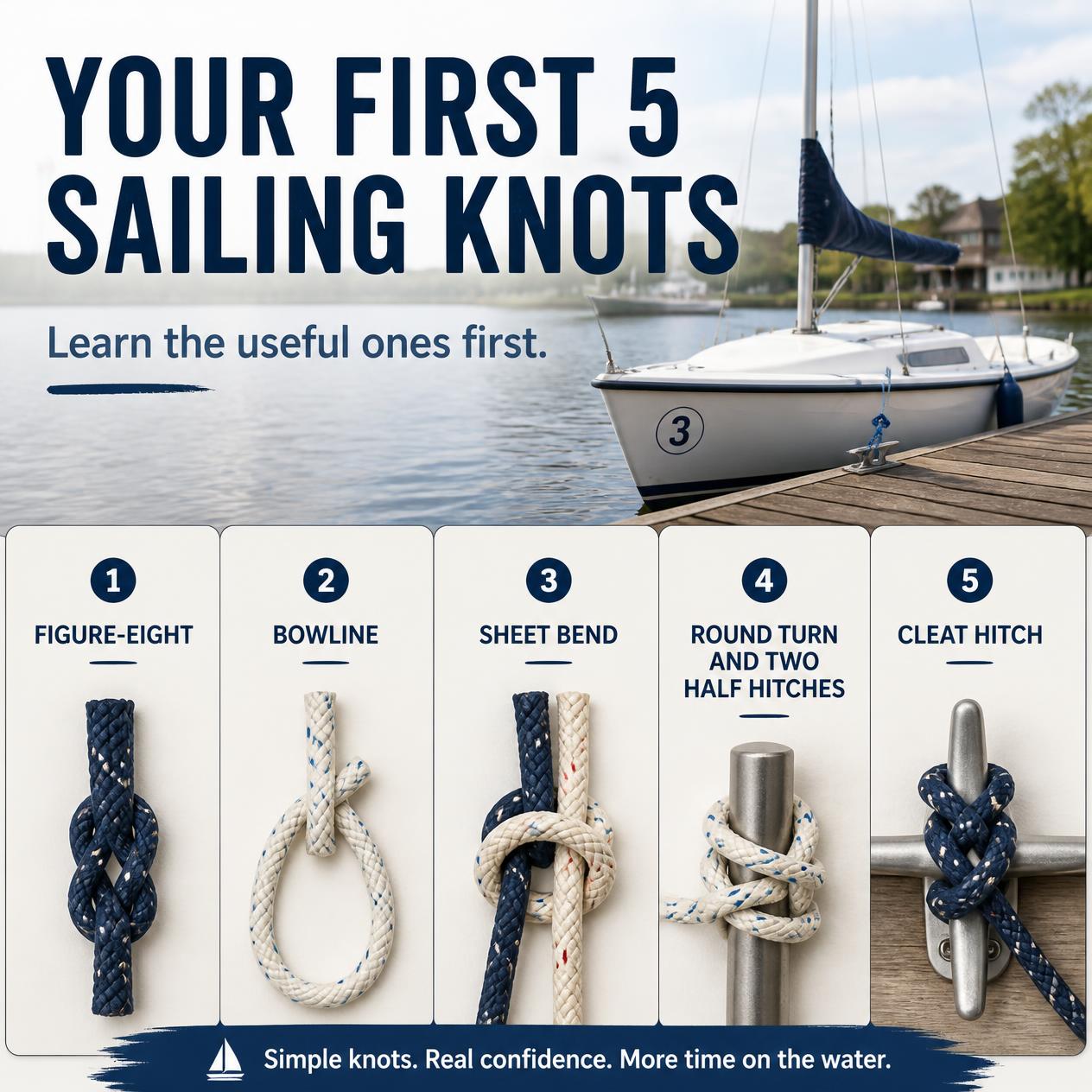
Lesson 18. Your First Sailing Knots — Only Learn the Ones You Actually Need
You do NOT need to learn 20 sailing knots before getting into a boat.
Start with five:
Figure-eight
⛵ Bowline
⛵ Sheet bend
⛵ Round turn & two half hitches
⛵ Cleat hitch
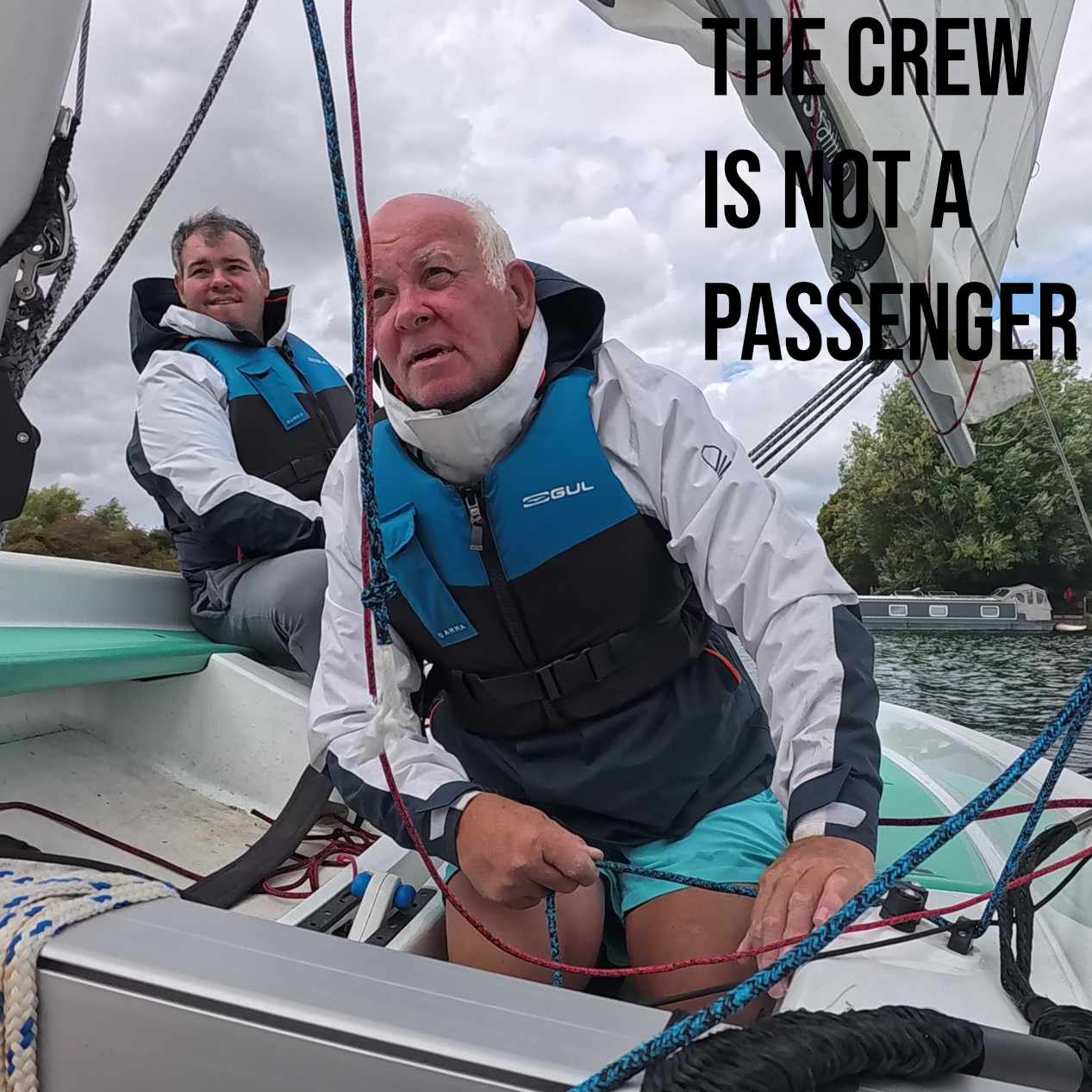
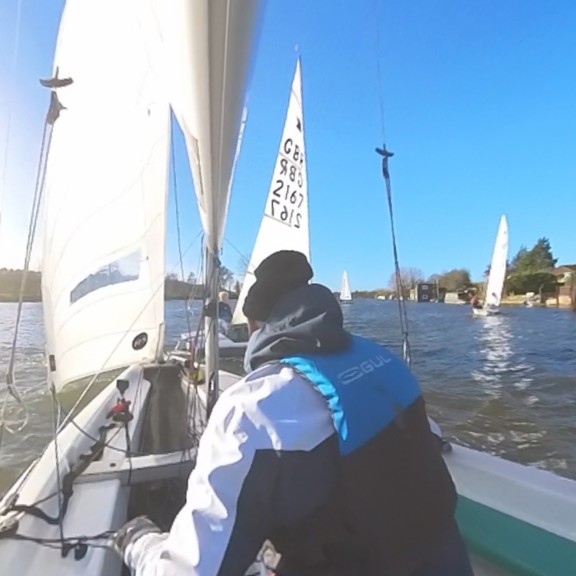
Lesson 19. Some of the Most Skilled Sailors Aren’t Holding the Tiller — Why the Crew Matters
Beginners often assume the person holding the tiller is "the captain".
But the crew may be trimming the jib, balancing the boat, spotting gusts, watching traffic, calling tactics — and later controlling the spinnaker.
Some of the most skilled sailors aboard aren't holding the tiller.
Lesson 20 — Which Boat Should You Learn In?
Which is the best boat to learn to sail in?
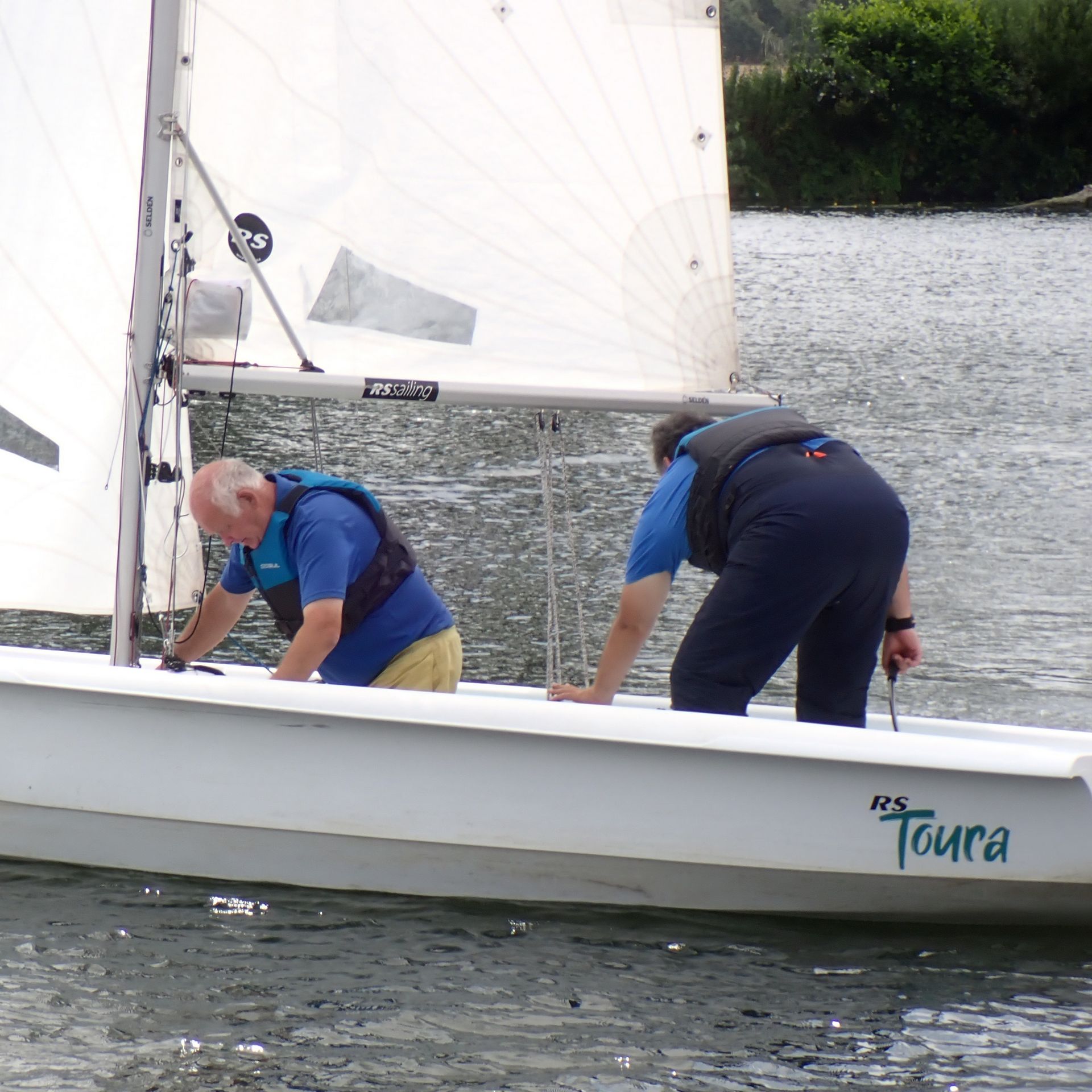
Optimist? Topper? Zest? Wayfarer? RS Toura? Keelboat?
Often, none of those answers matters as much as this:
The best beginner boat is the one your club has available, with someone competent beside you.