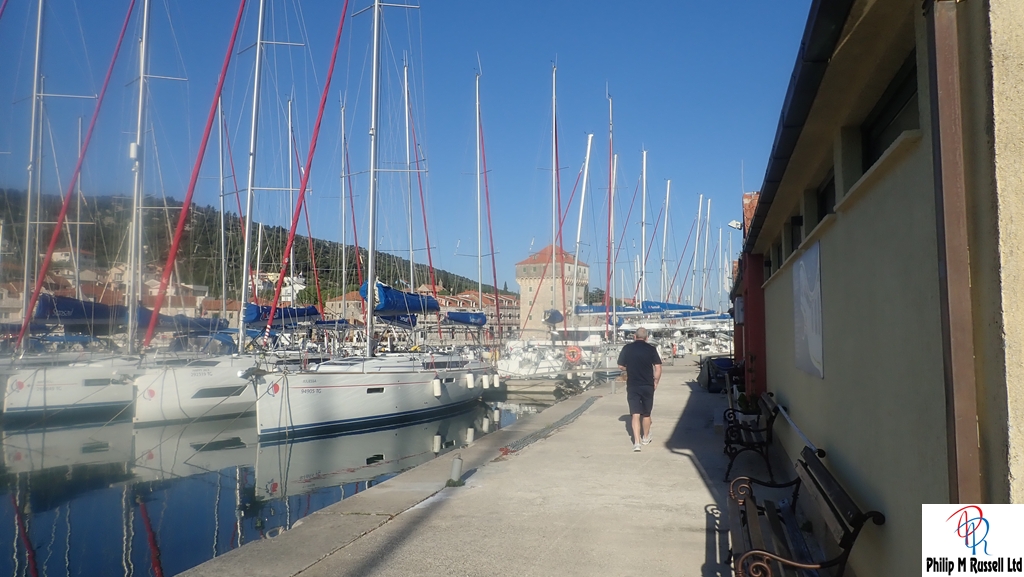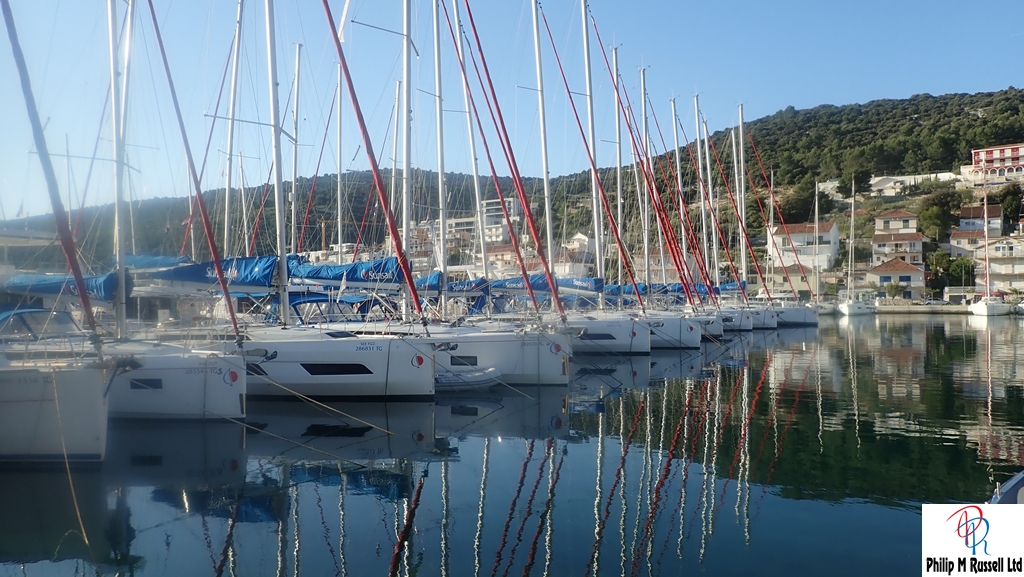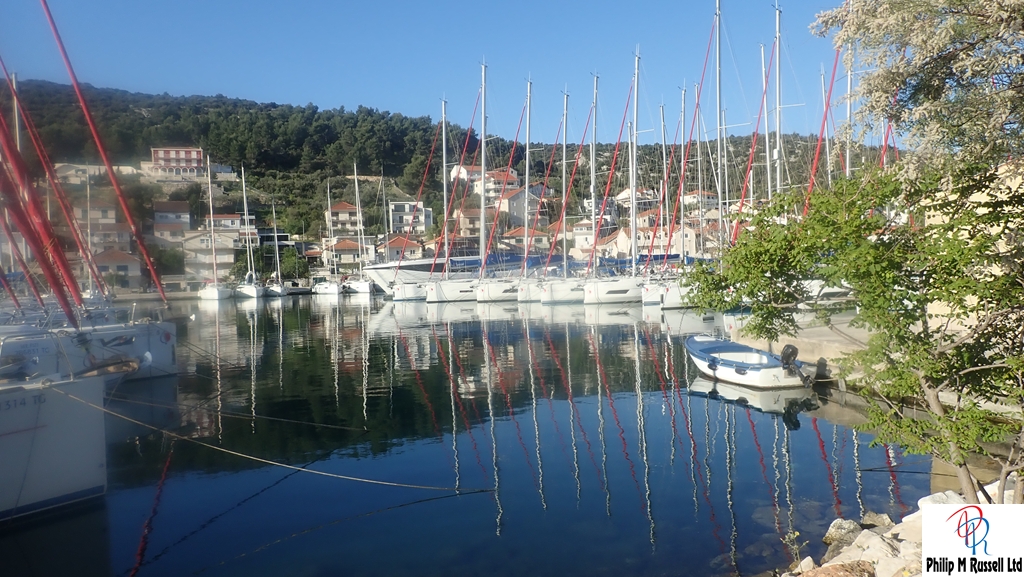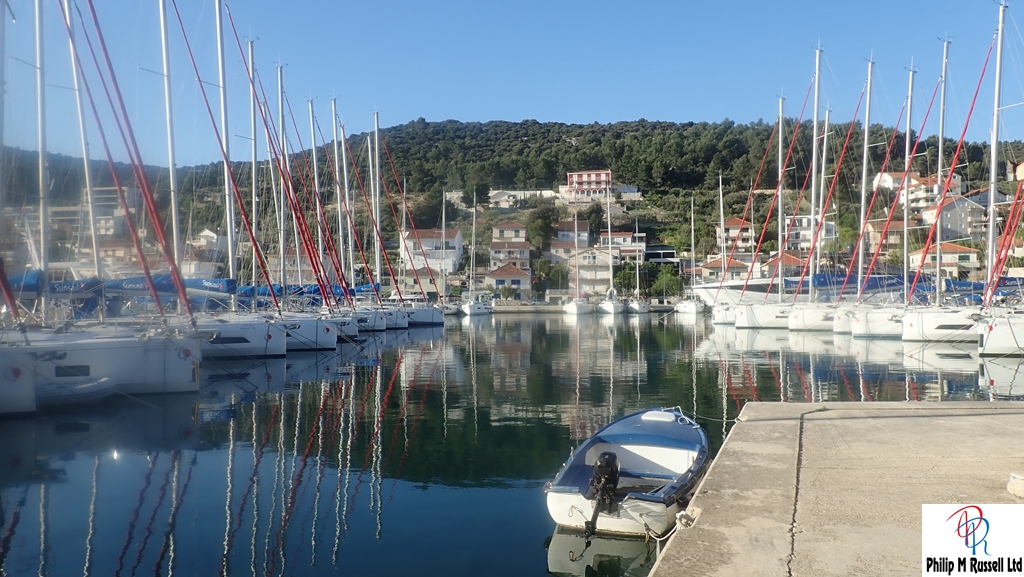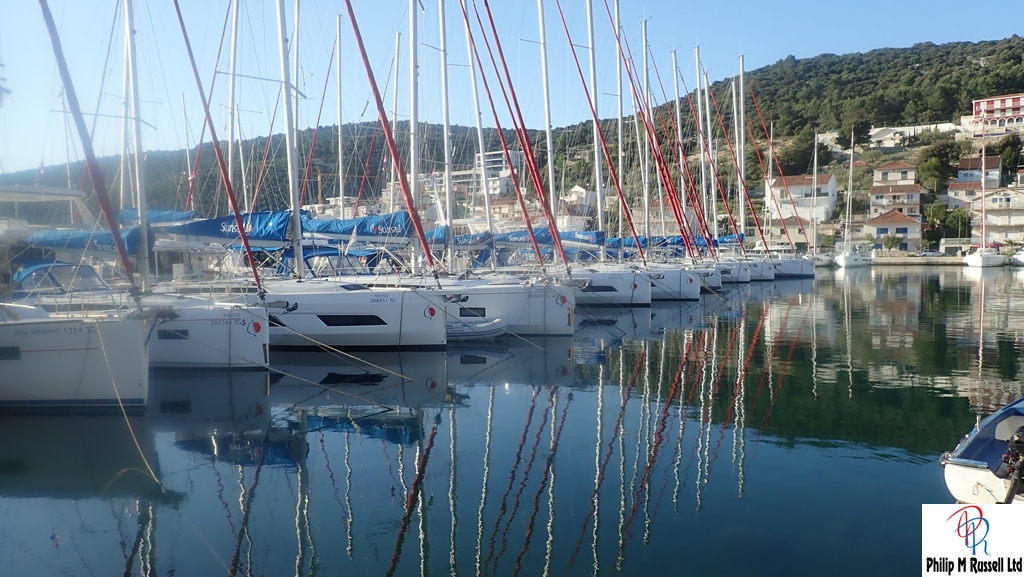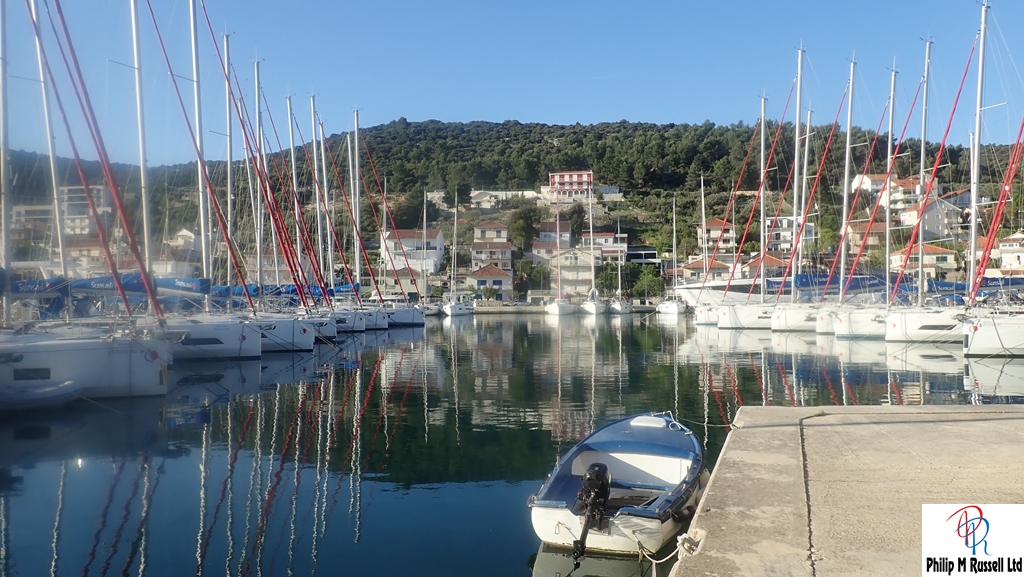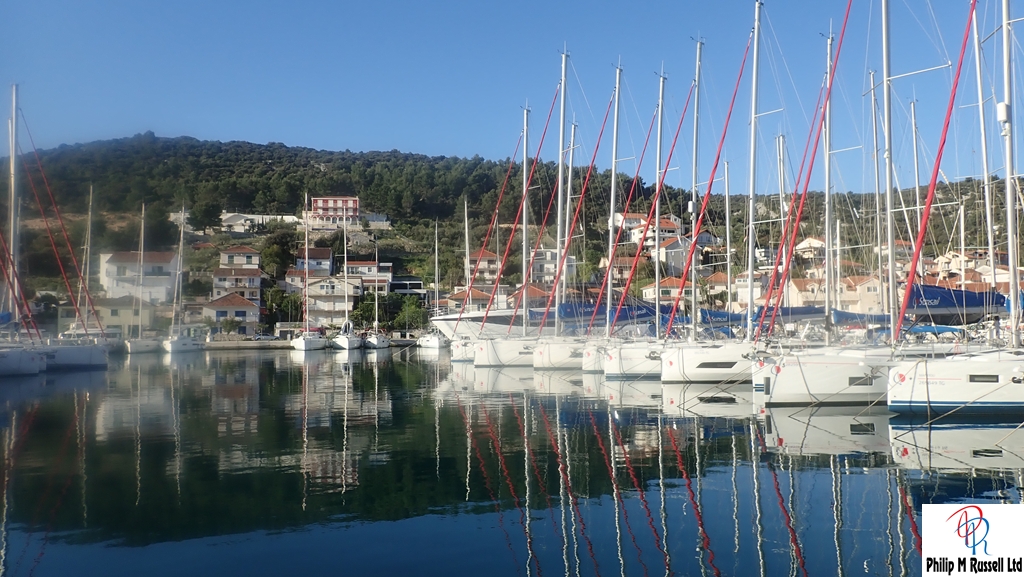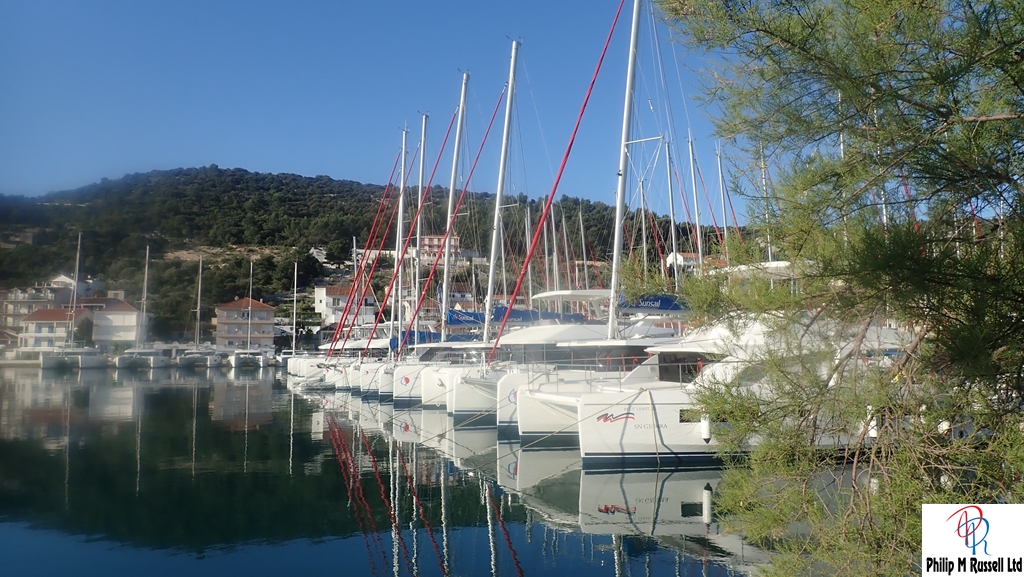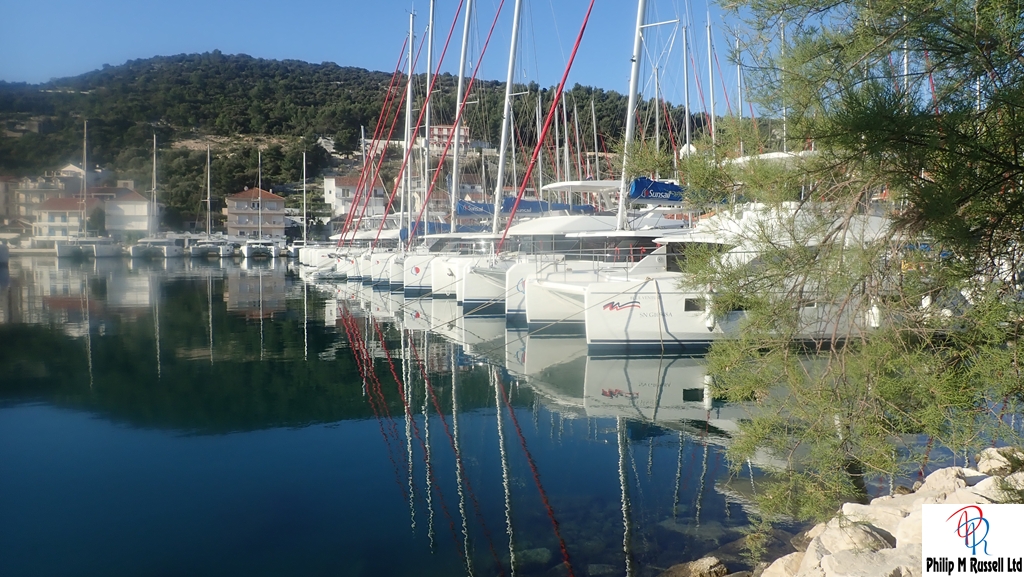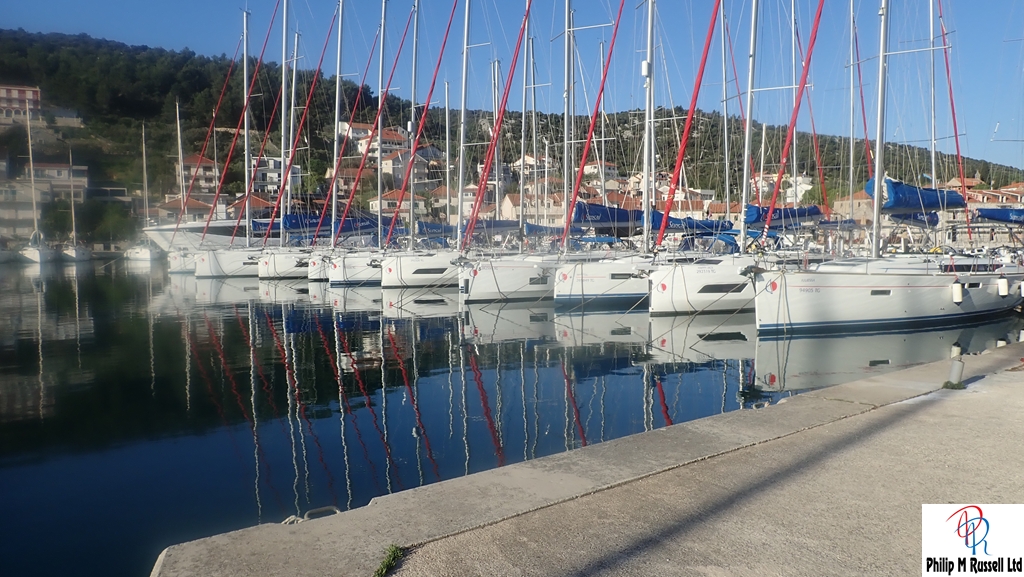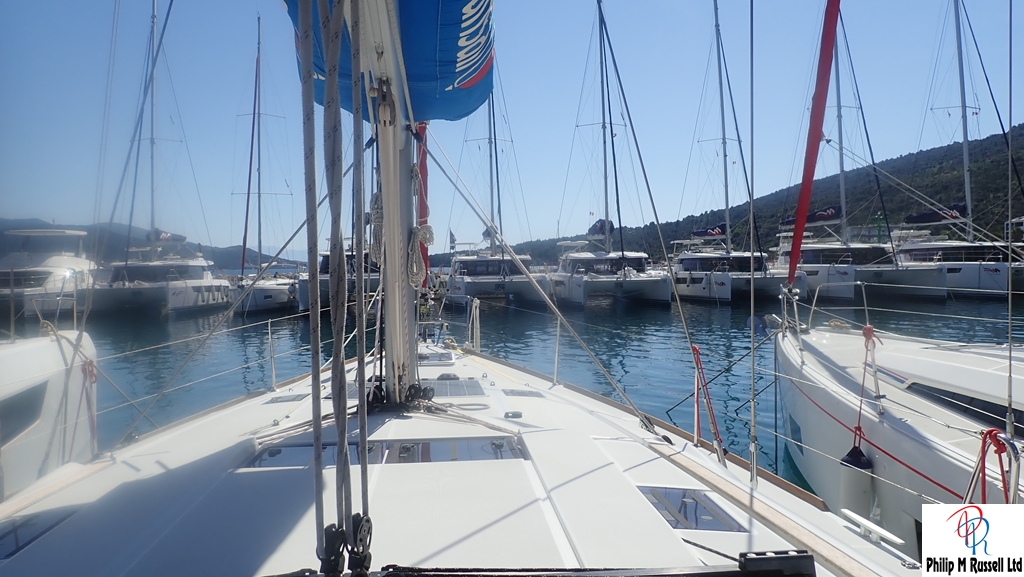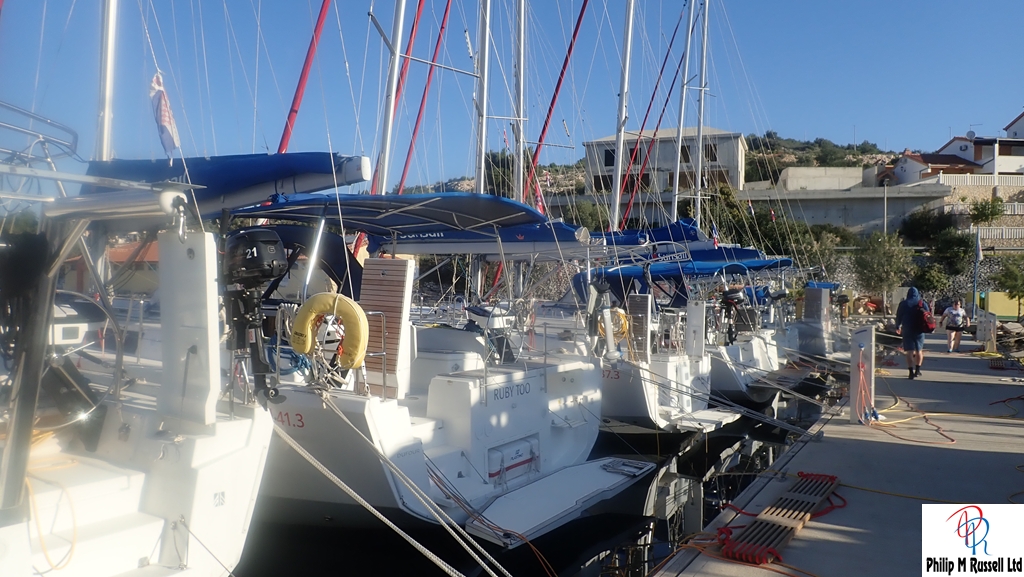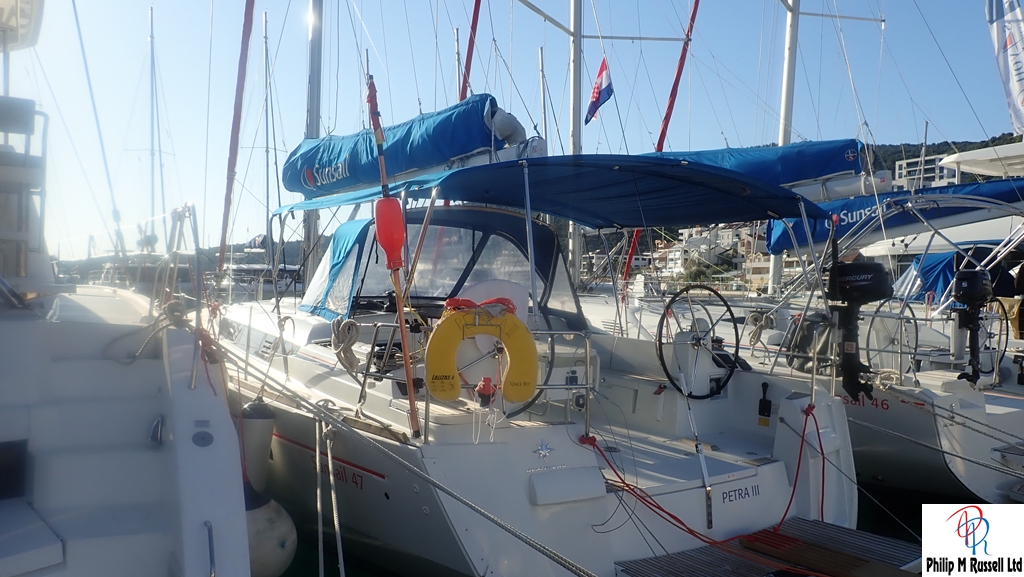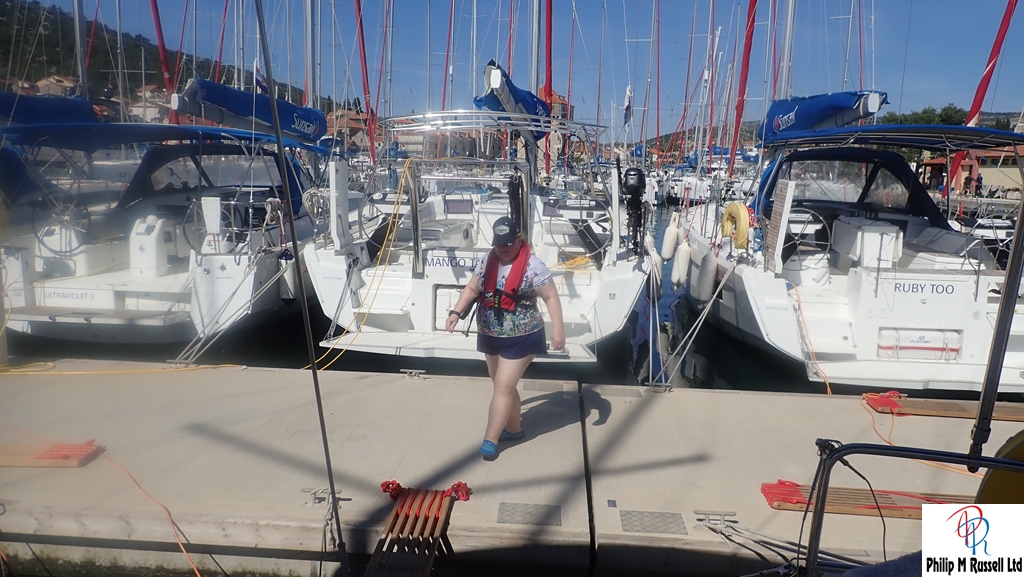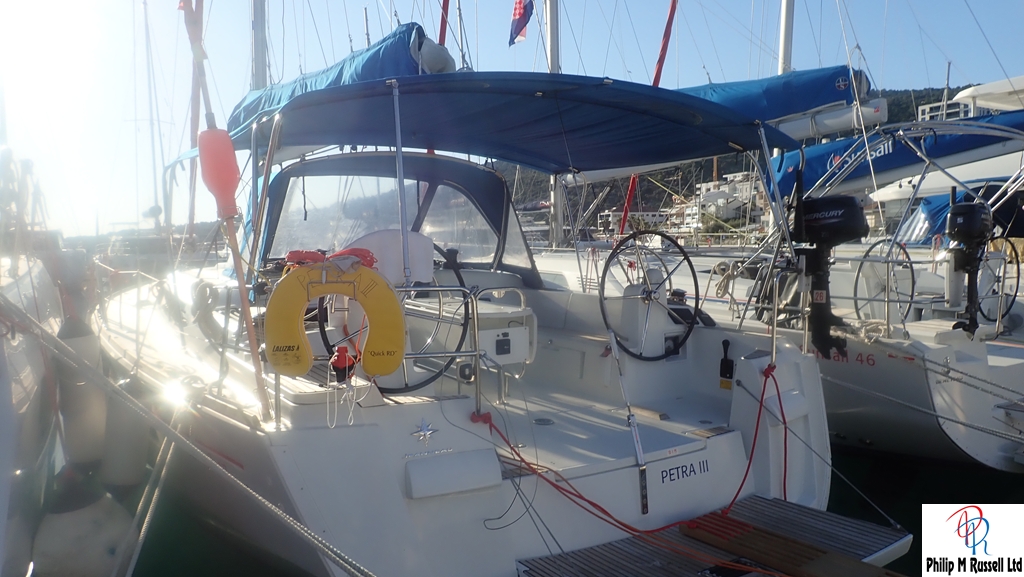
We woke up early, around 7:15am. I got dressed and made the
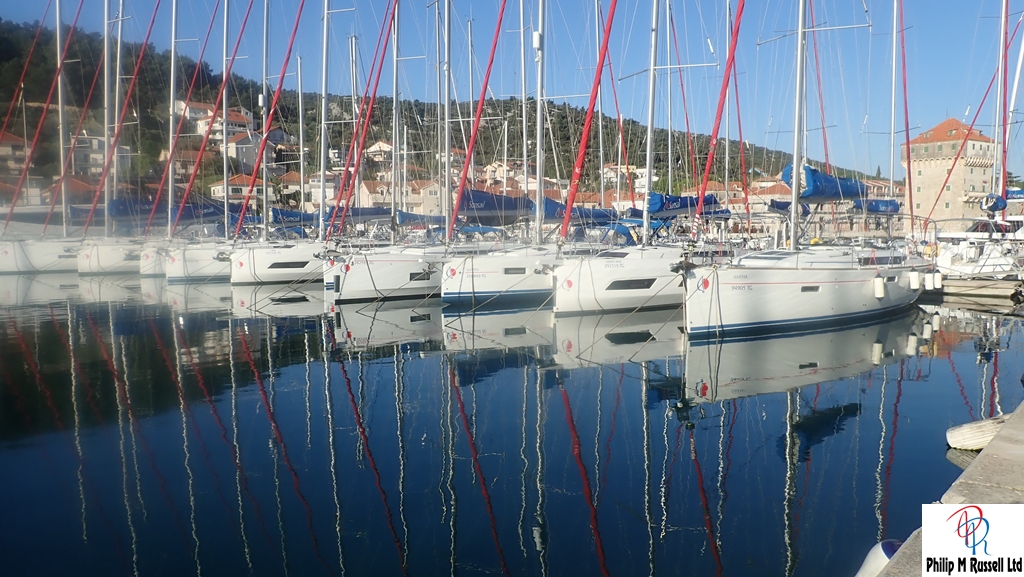
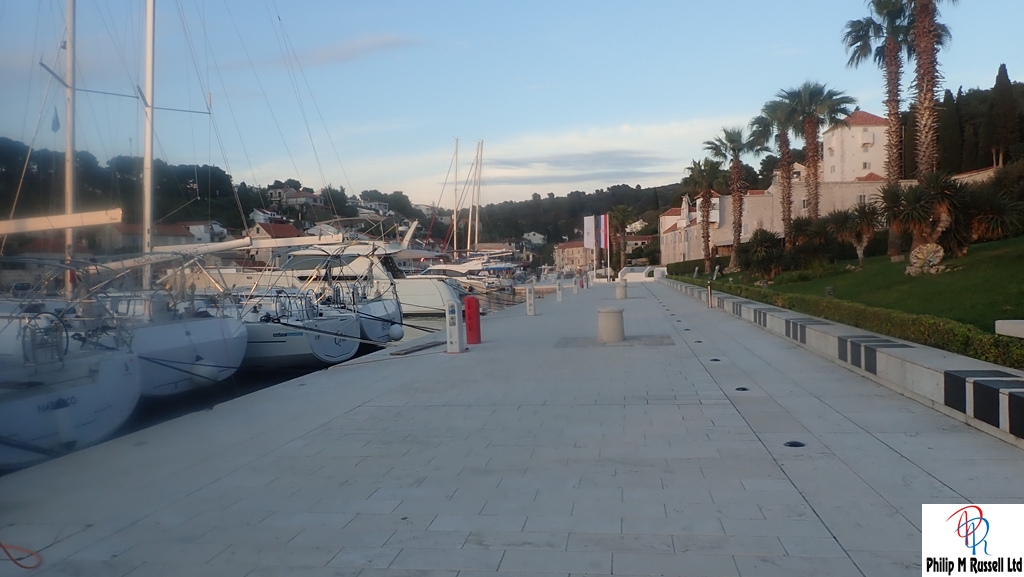
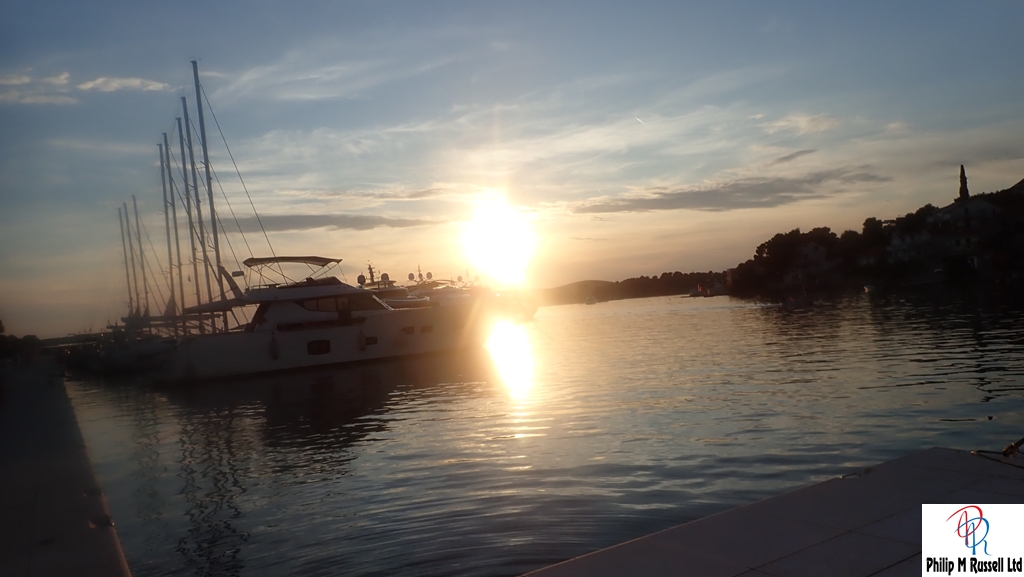
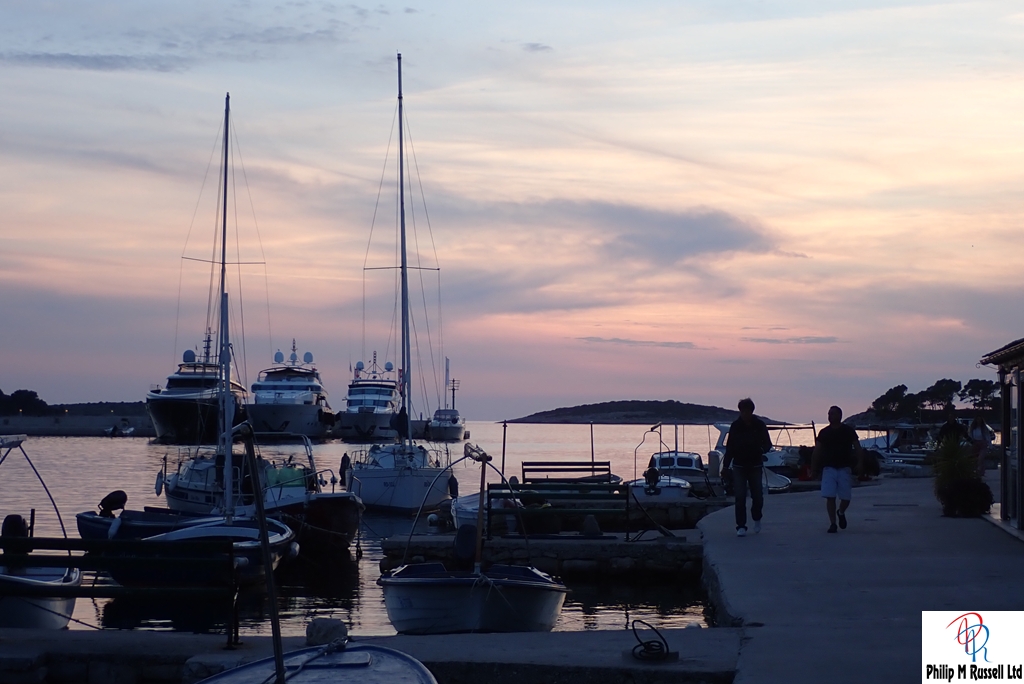
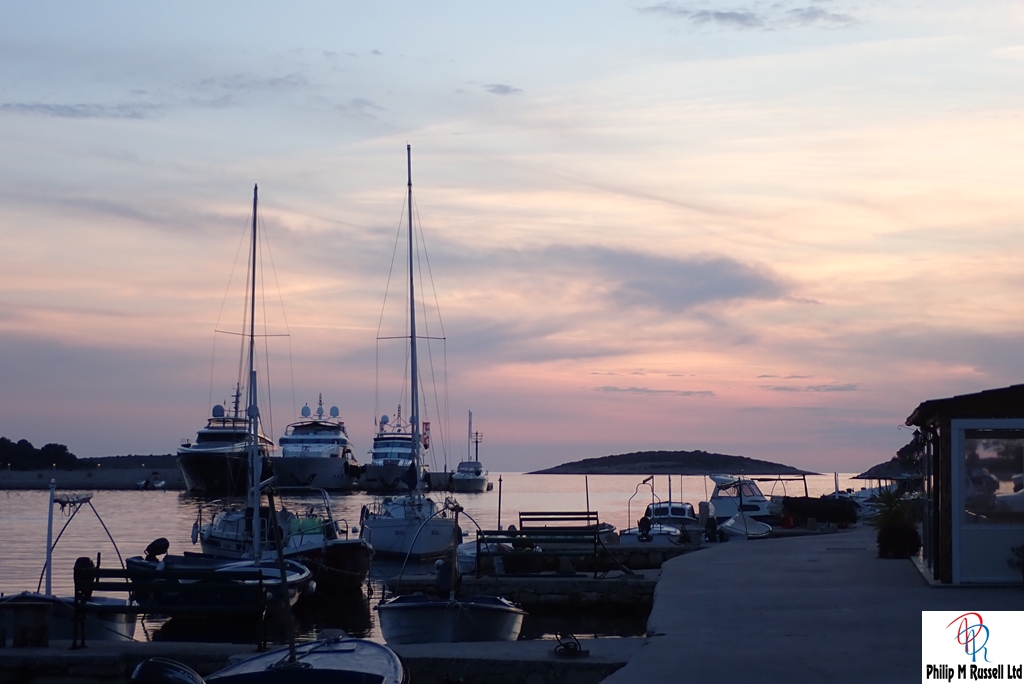
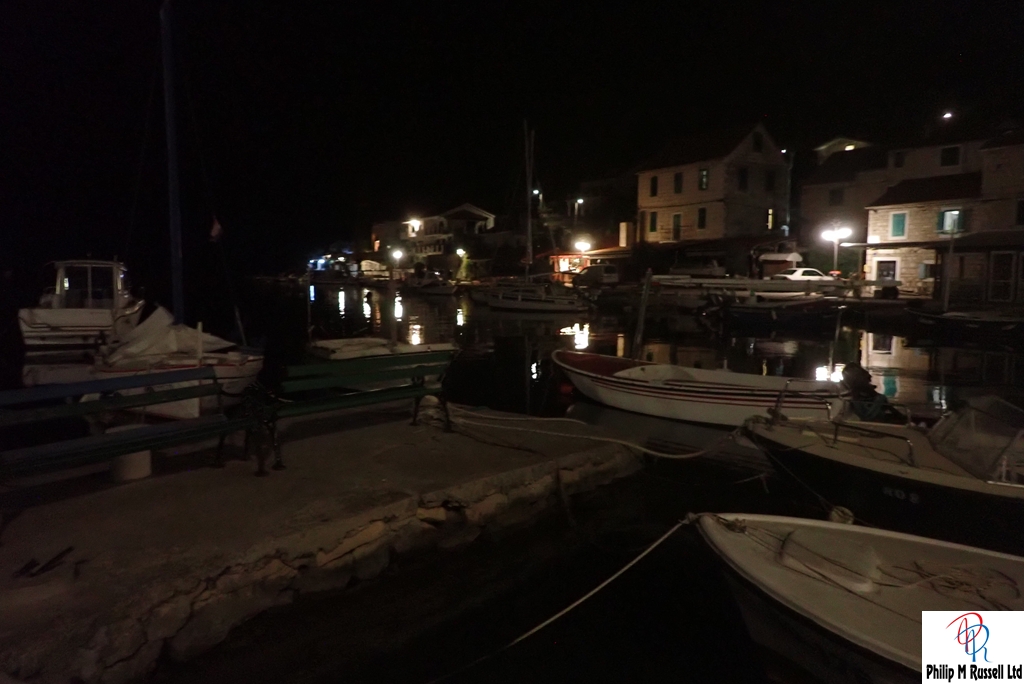
short walk to the shore facilities. The water was perfectly still and the light
over the marina was beautiful, so naturally I hurried back for the camera
before breakfast.
Breakfast consisted of finishing off the sliced loaf Ros had
bought so that it did not go to waste. Thankfully, it turned out to be rather
good bread, especially with strawberry jam.
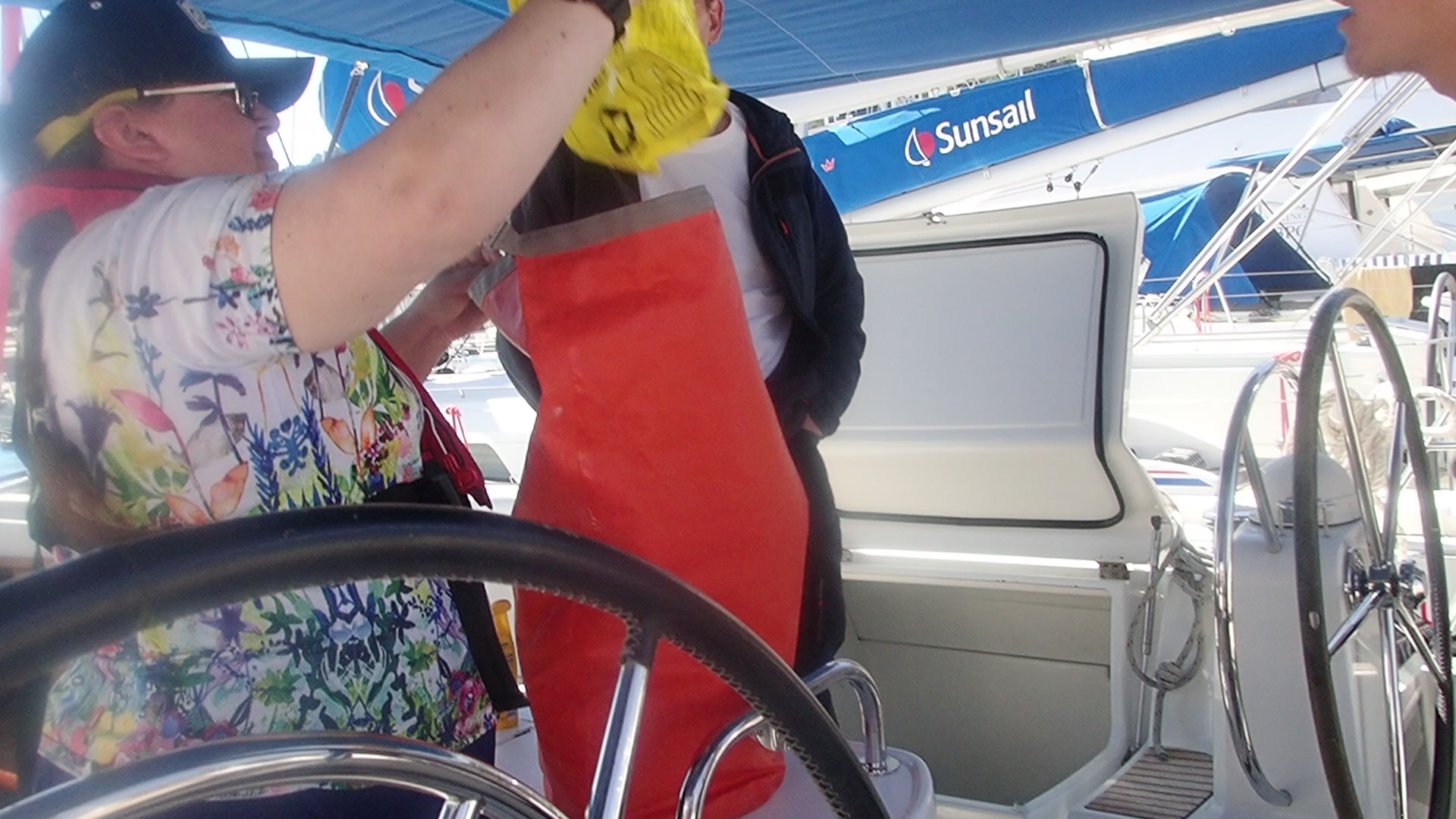
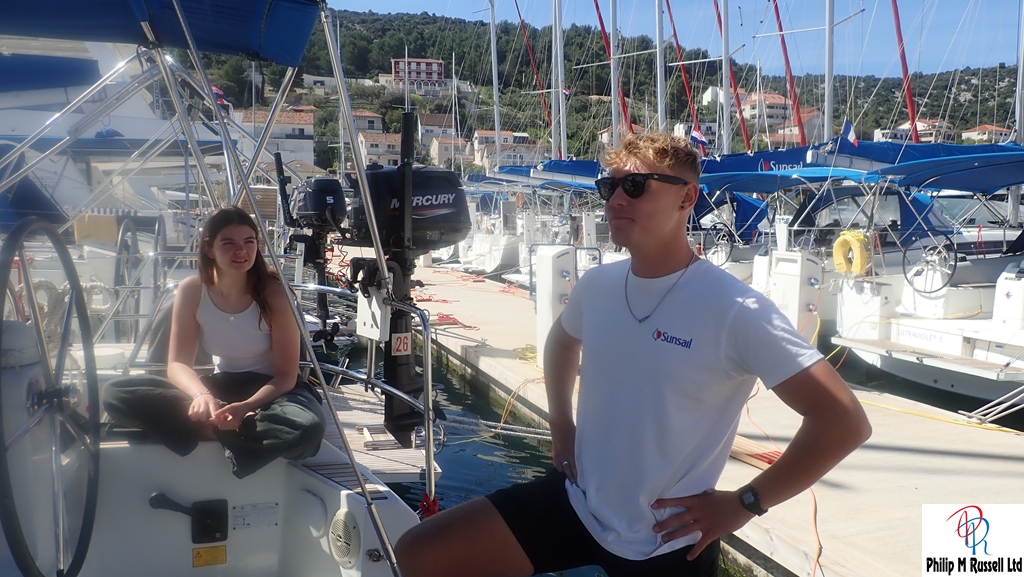
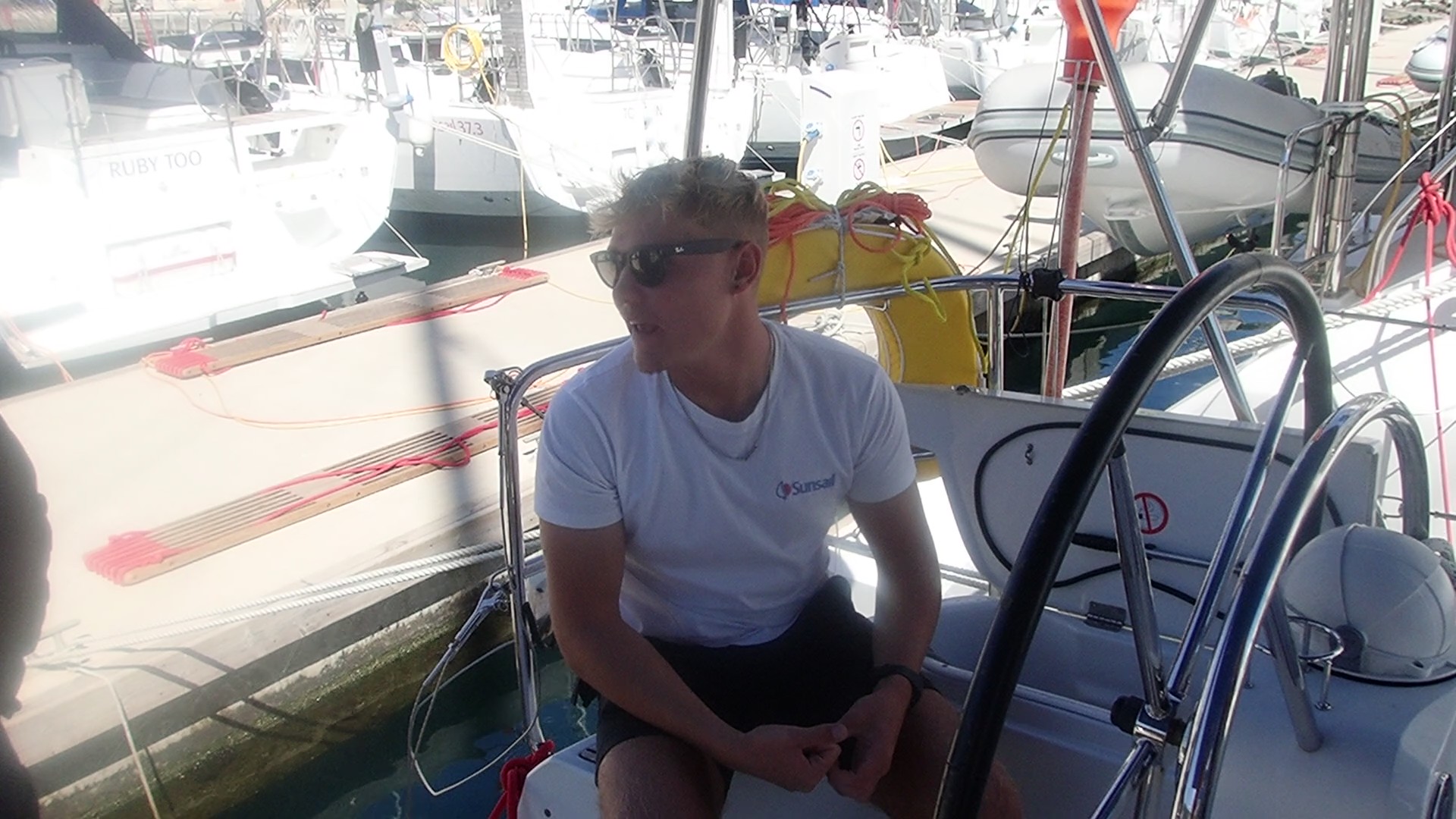
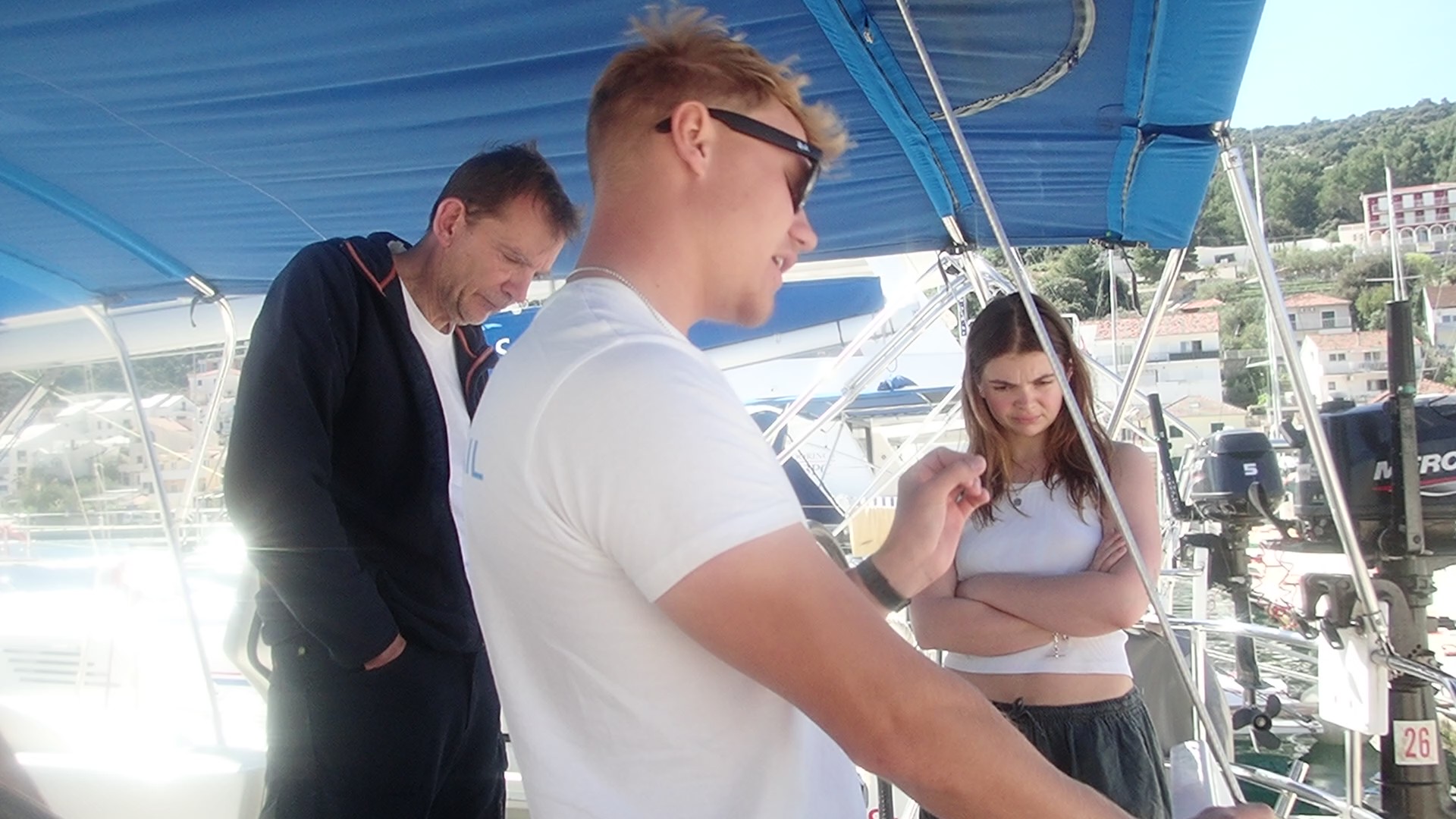
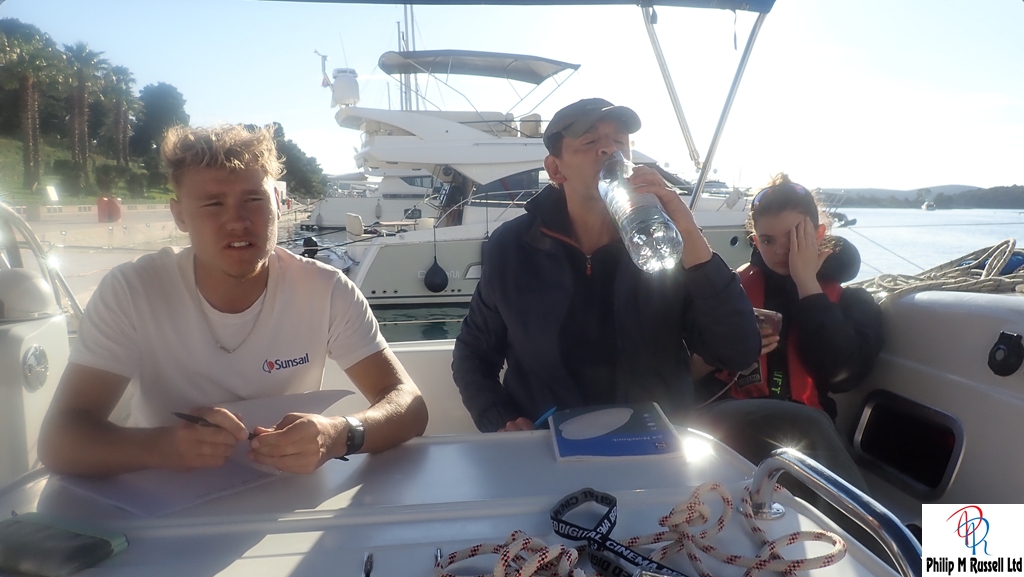
Soon afterwards, our instructor Tadek arrived and explained
the plan for the day. Shortly after that, Steve and Judy from Sailing Fair Isle
appeared ready to film, although there was one immediate problem — the cabin
was far too dark for useful filming. They wisely decided to disappear until
after the lengthy safety briefing.
During our first discussions, Tadek had already worked out
everyone’s experience level.
John and Emily had previously completed their Day Skipper
course some years ago but had not really used the skills since, so they were
effectively on a refresher course.
Rosamund and I, despite never having stepped aboard a yacht
before, had both completed our RYA Level 1 sailing courses, while I had also
completed Level 2 and we both held Powerboat Level 2 qualifications. That meant
Tadek could skip over some of the absolute basics and move more quickly onto
the things we genuinely did not know.
The first major task of the day was an extensive safety
briefing.
We learnt about:
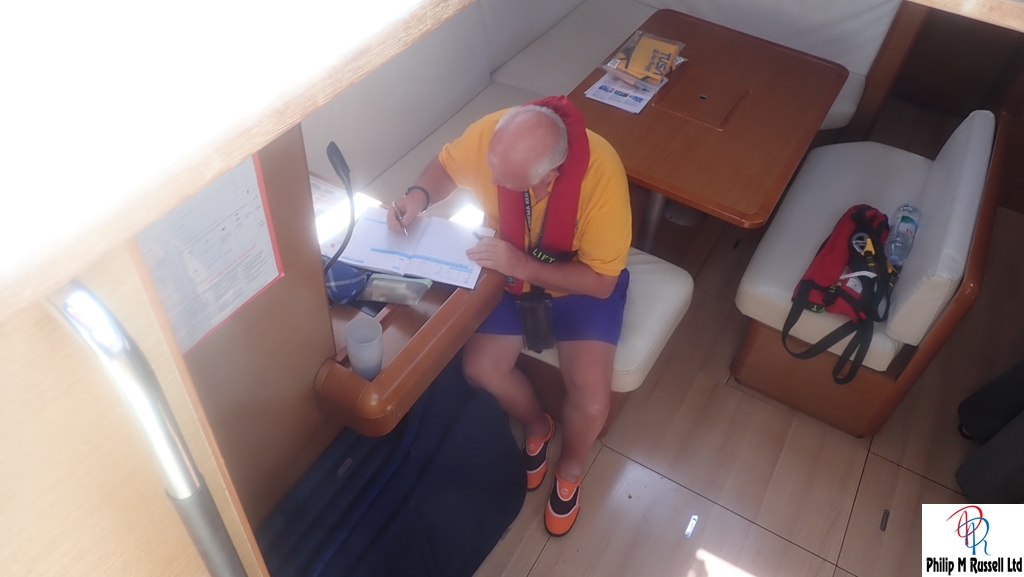
Then came the paperwork where we effectively signed our
lives away, filling in emergency contact forms and declaring medical
conditions.
I had nothing particularly exciting to declare, but Ros felt
it was important to mention her inability to consistently distinguish left from
right, or indeed port from starboard.
Once the paperwork was complete, we moved on deck to
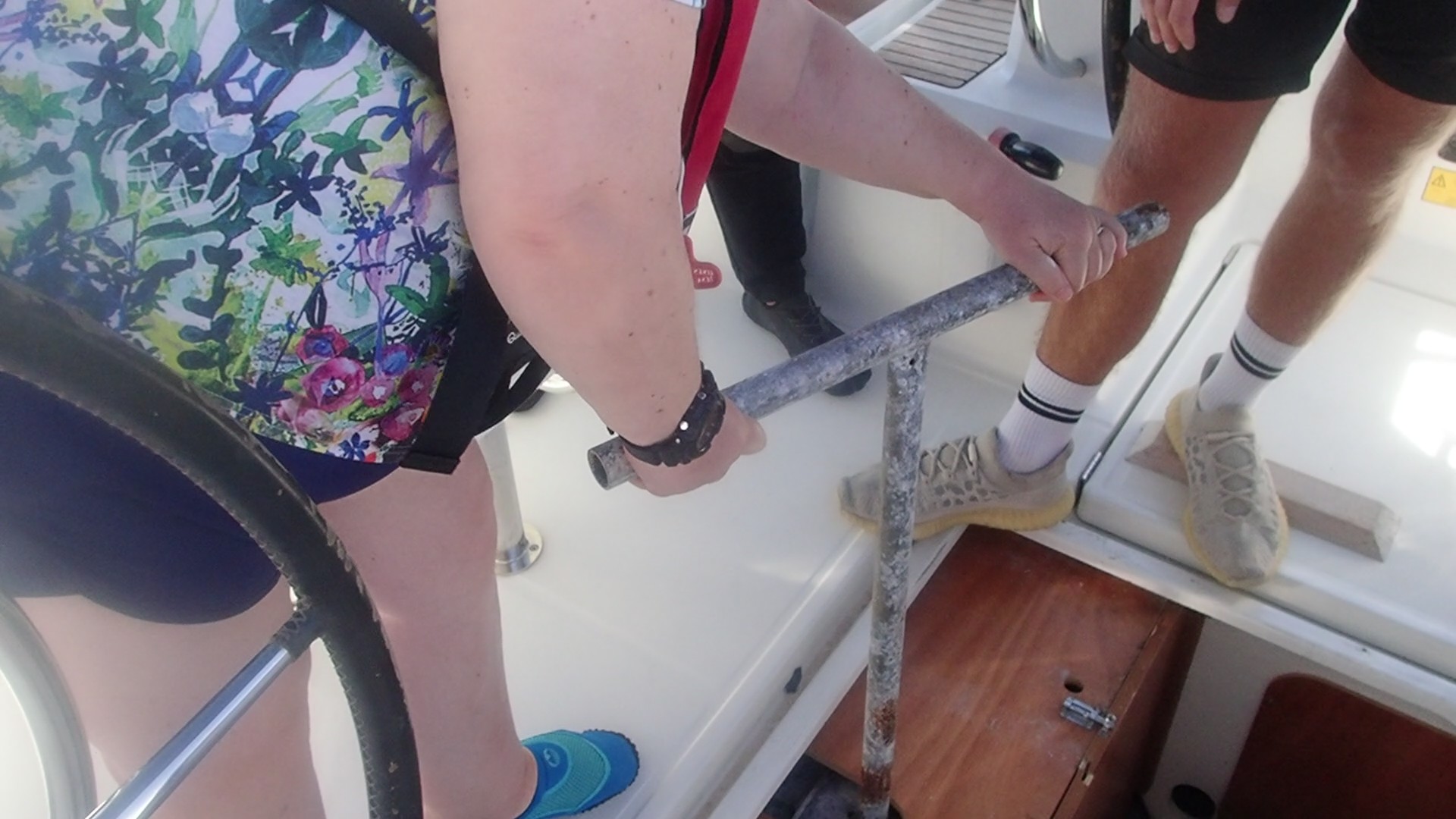
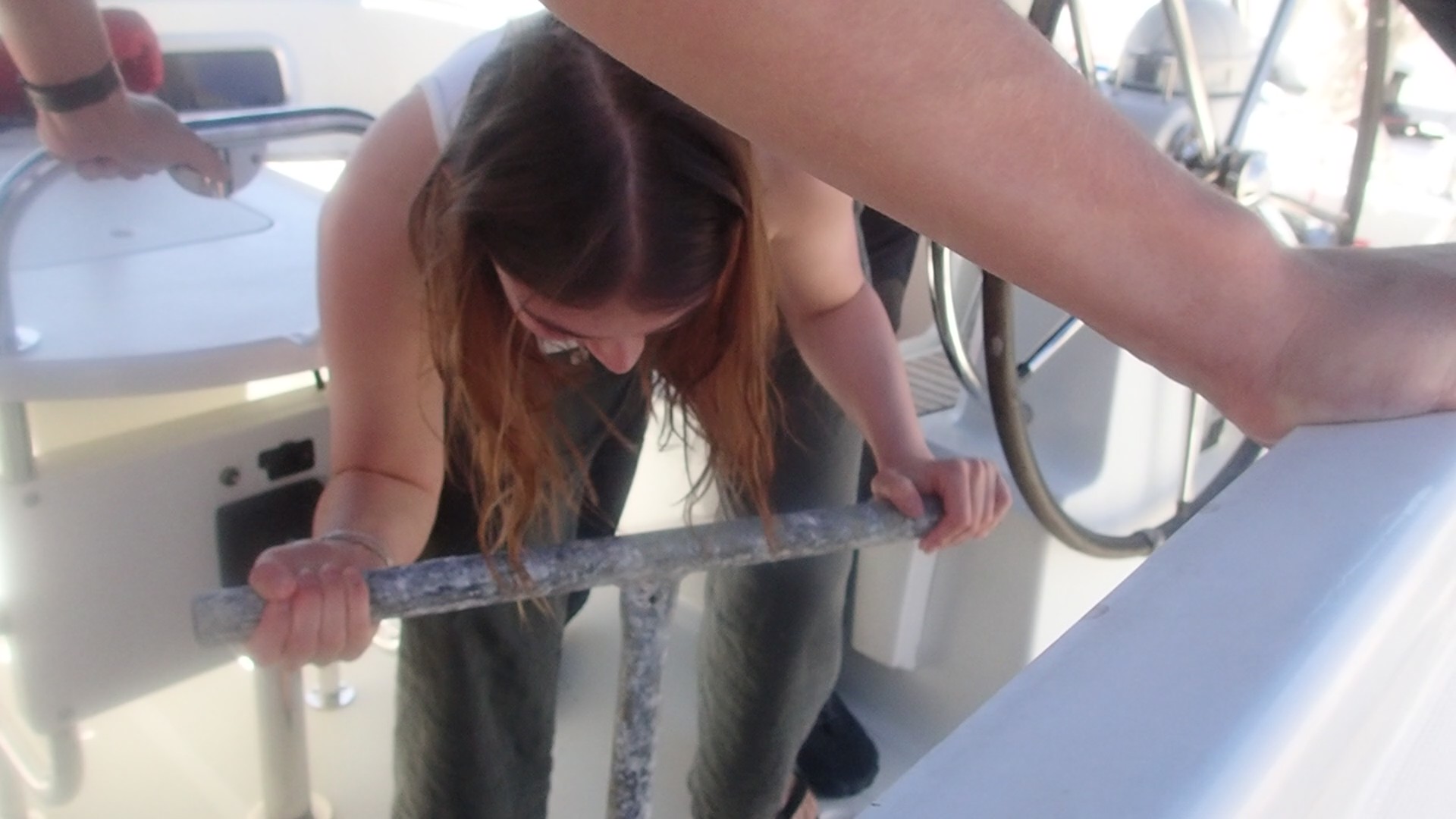
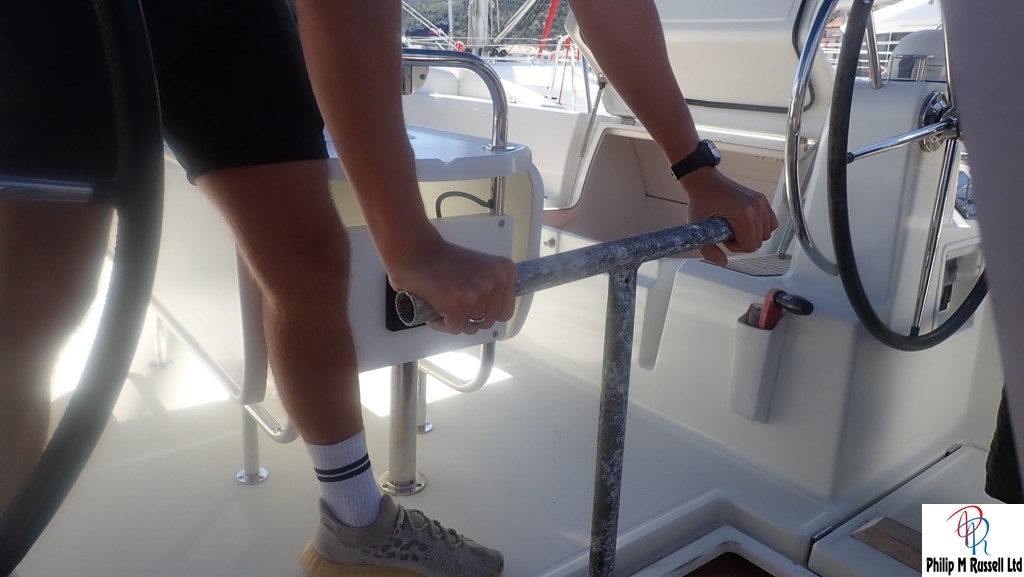
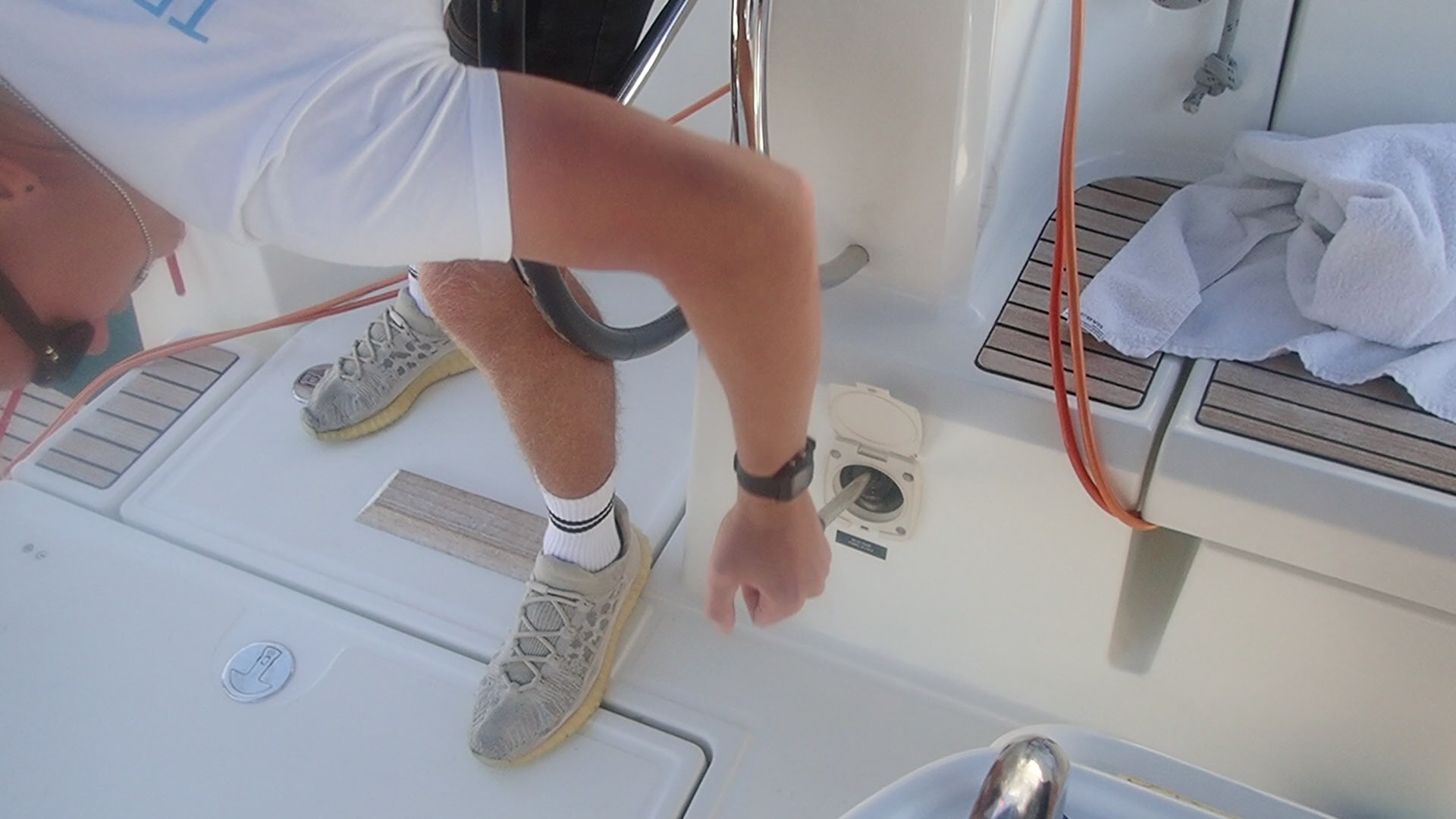
identify all the various systems and safety equipment. The most memorable item
was undoubtedly the whipstaff — the emergency steering system — which appeared
to require the strength of three Olympic rowers to move.
We located the liferaft and were carefully informed why we
ideally never wanted to use it. We discussed flares, emergencies, fires,
flooding and every possible disaster scenario imaginable. By the end of the
hour-and-a-half briefing, we felt simultaneously safer and slightly more
nervous.
Once the briefing finally finished, Steve and Judy returned
to film us preparing the yacht for departure and interviewing Tadek on the
foredeck for their documentary series.
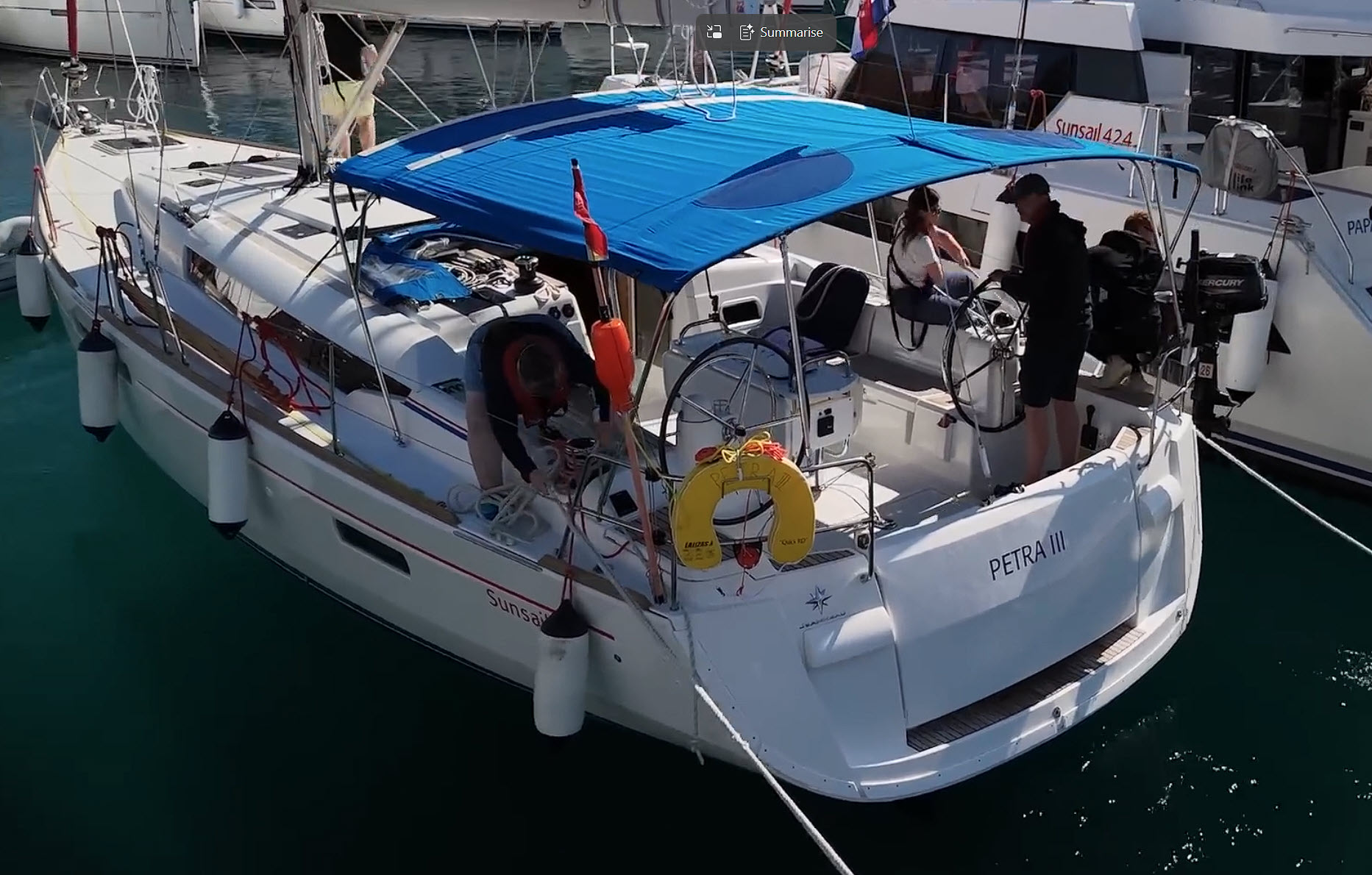
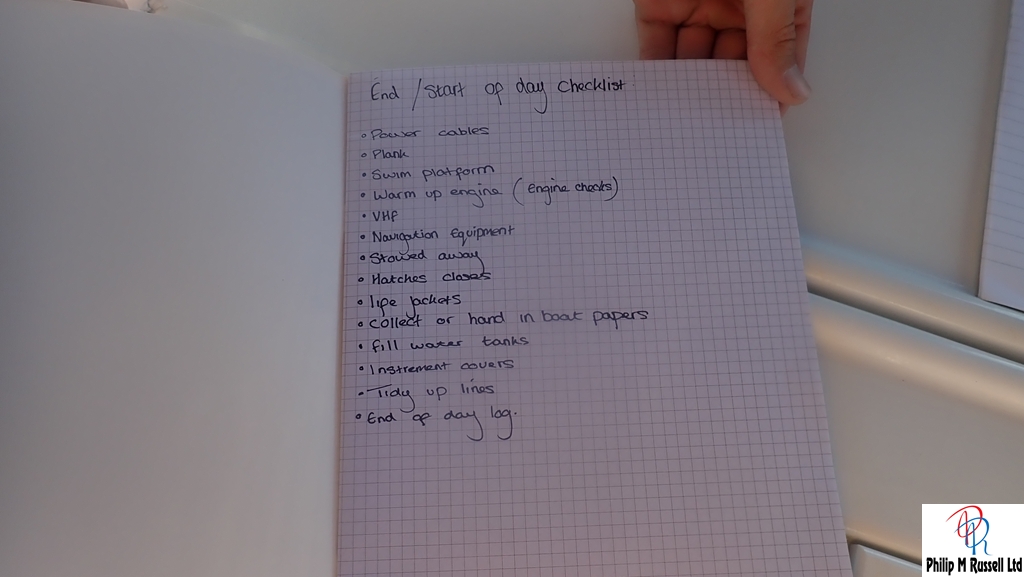
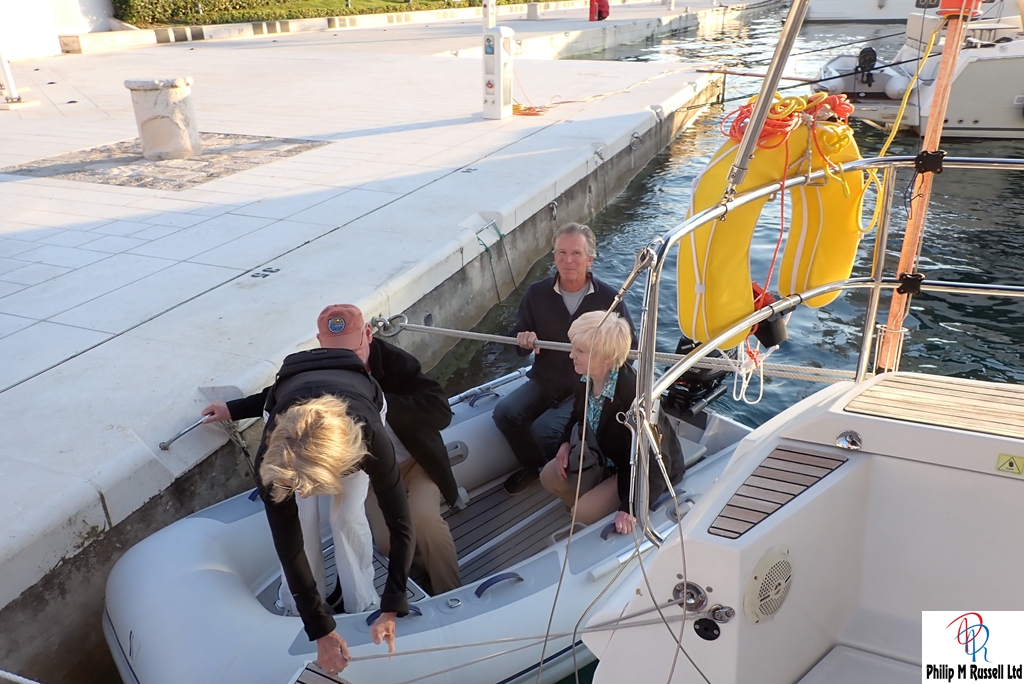
Our first practical task was removing and securing the
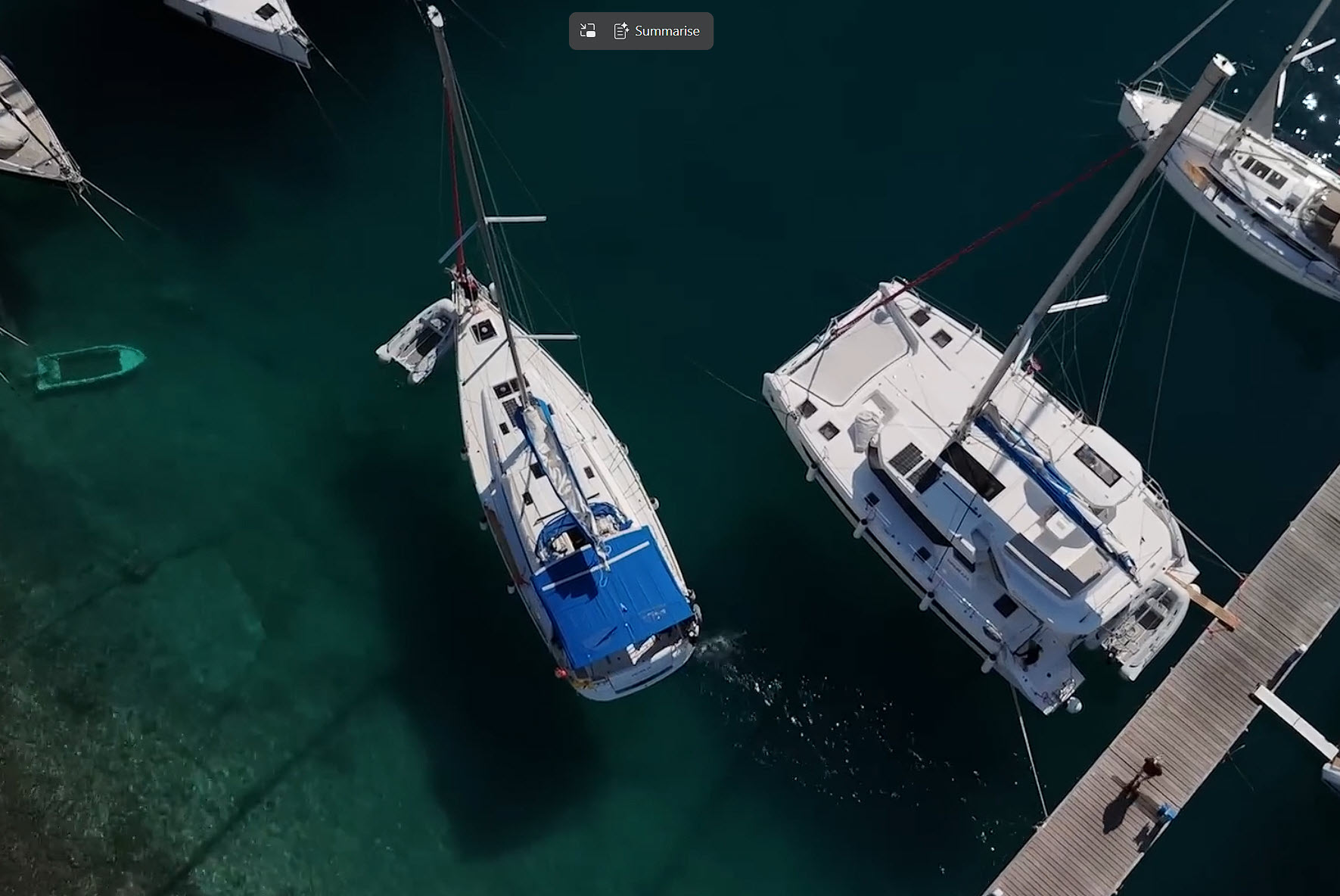
gangplank. Steve had the drone in the air to record our departure.
John and I managed this successfully.
Then we prepared the stern for departure, warmed up the
engine, and released the mooring lines in sequence. Tadek demonstrated how
simply changing throttle settings could swing the bow one way or another with
remarkable precision.
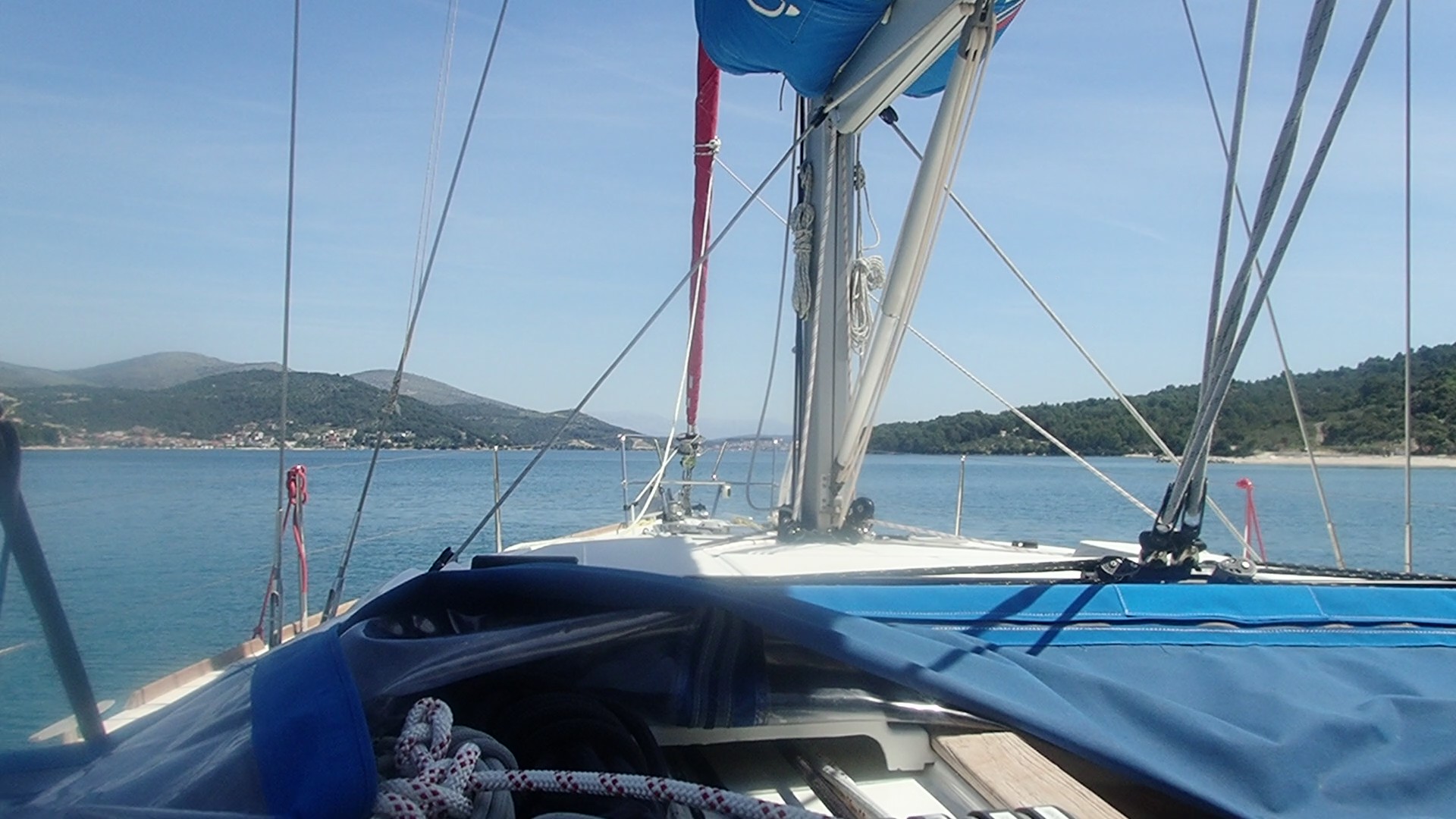
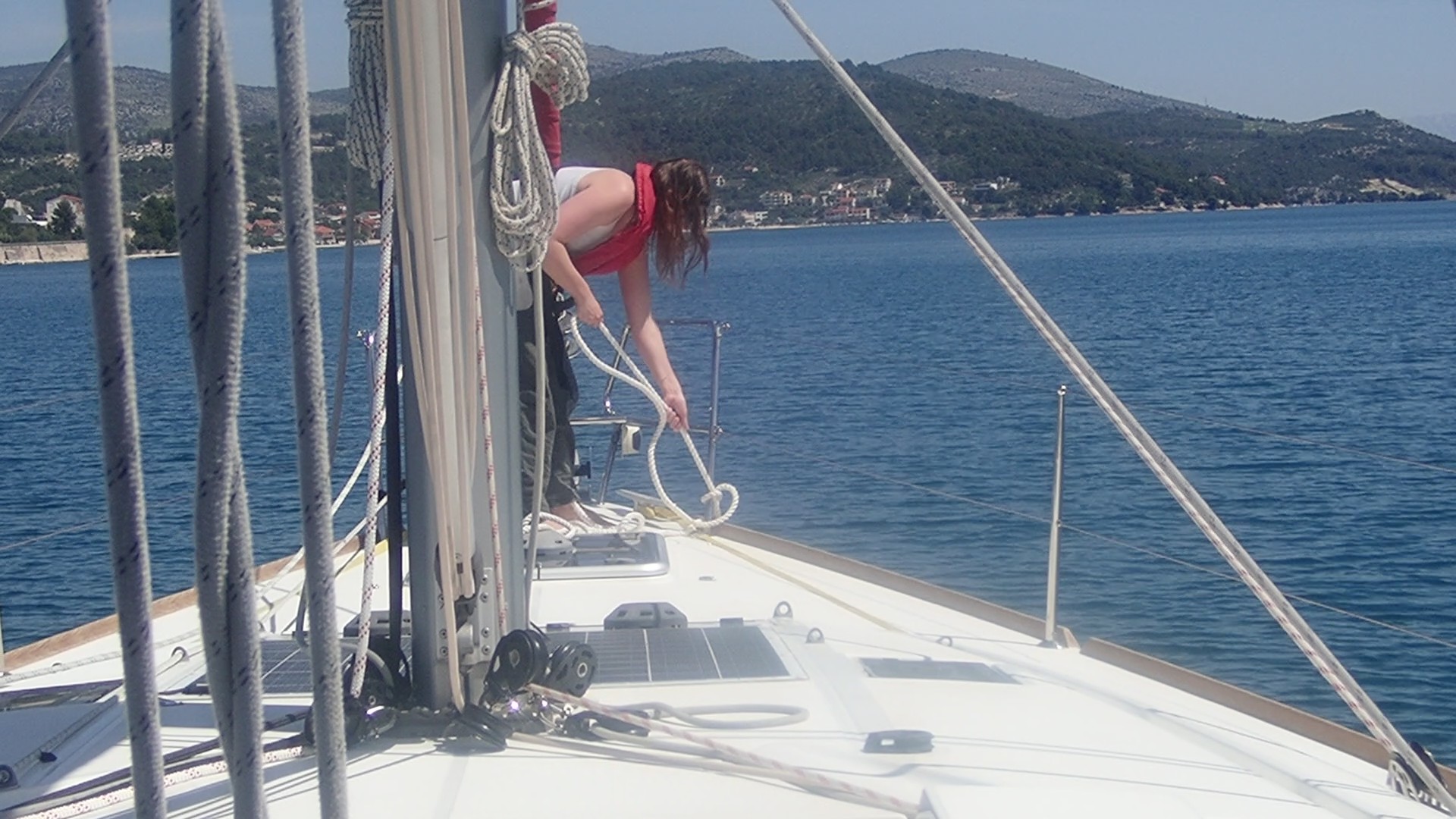
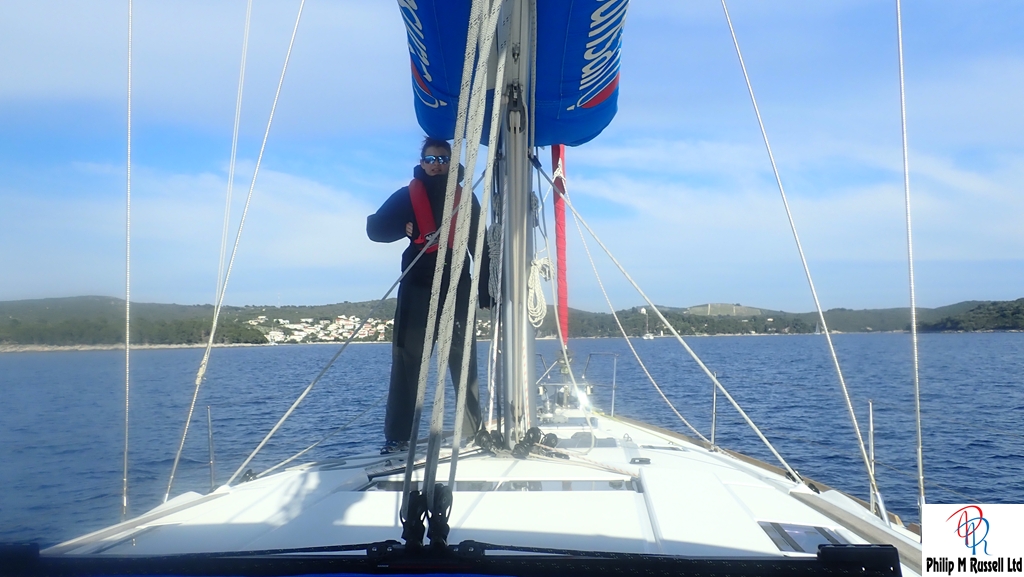
My first official duty was standing on the bow as lookout
while we manoeuvred out into the busy marina channel.
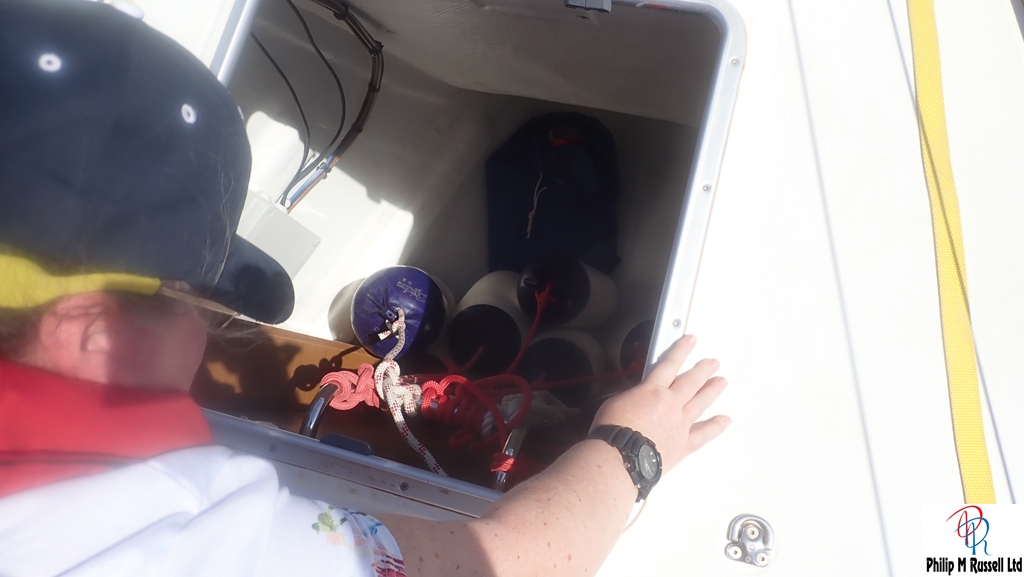
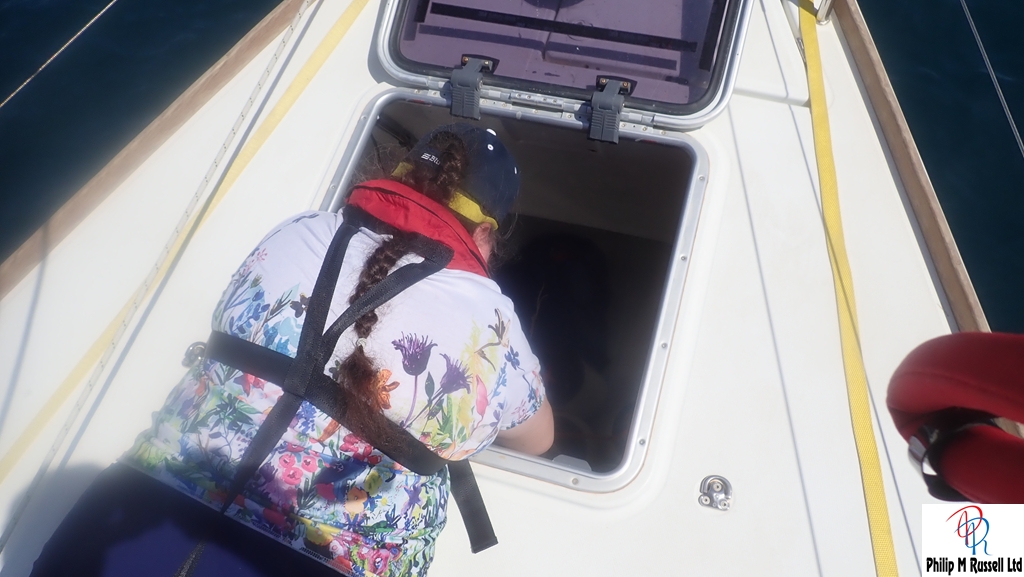
Next came the fenders.
These had to be removed from the side of the boat and
carefully secured in the sail locker. Some people simply threw them in. Tadek,
however, believed in doing things properly.
This involved lying flat on the deck and reaching deep into
the sail locker to tie each one individually to the ladder rung below. It was
surprisingly awkward and an excellent introduction to the glamorous world of
yacht crew work.
Once clear of the marina and out near the headland, Tadek
decided it was time for the most important exercise of the day — the man
overboard drill.
A bucket and buoy attached together by rope became our
unfortunate “casualty”, which I ceremonially threw overboard.
My job was then to point continuously at the “person in the
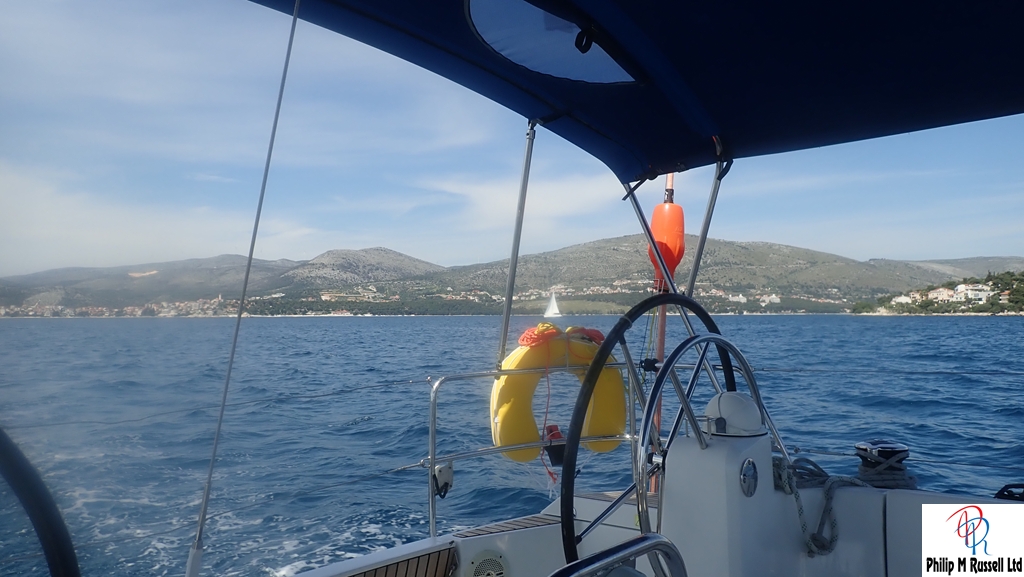
water” while the boat manoeuvred back around. Emily prepared the horseshoe
lifebuoy and Danbuoy — the long floating marker pole used to make casualties
easier to spot.
Eventually we returned alongside and recovered the bucket
and buoy from the windward side of the boat.
Nobody fell in.
Which was encouraging.
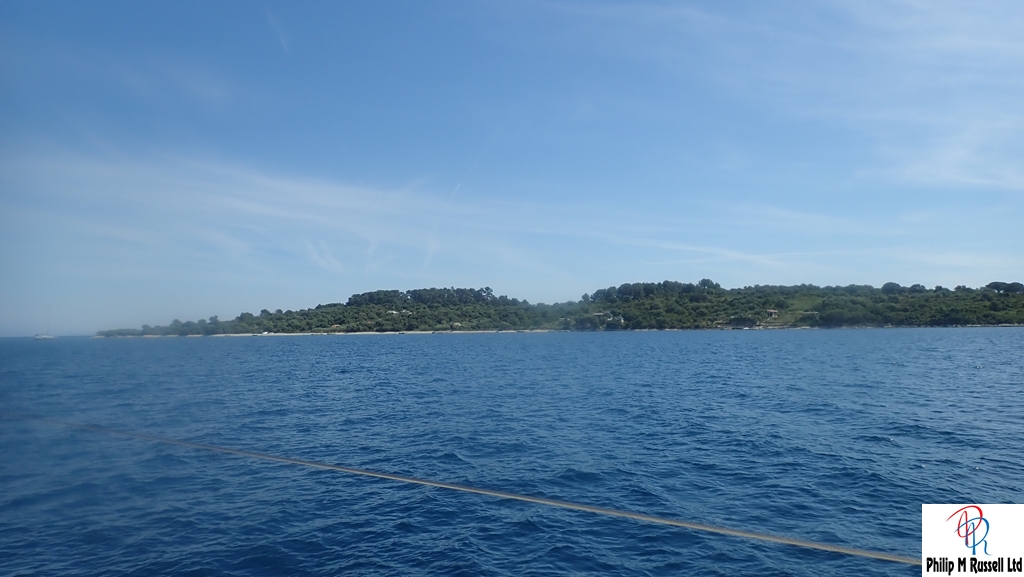
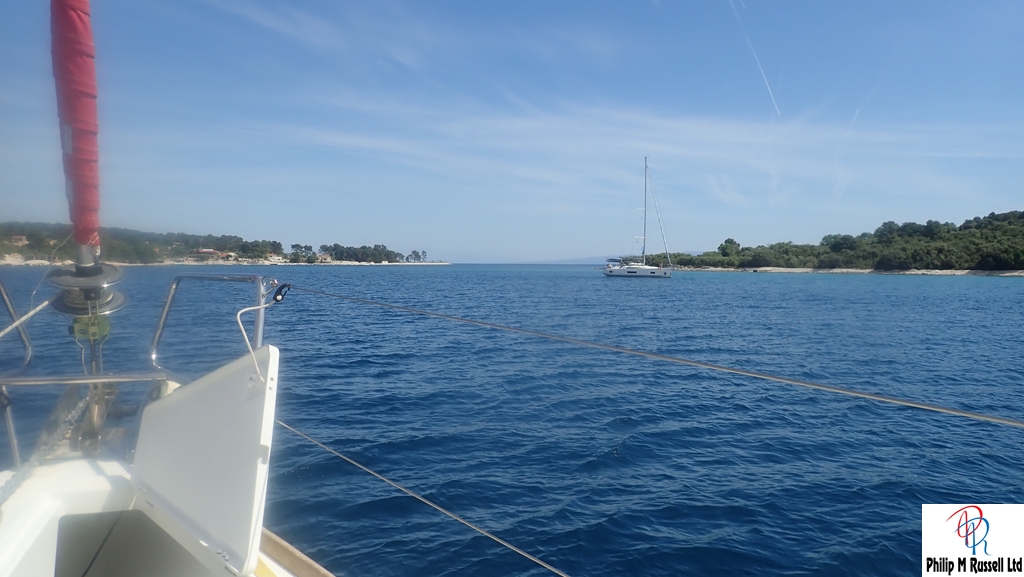
With the drill completed, we motored through the main
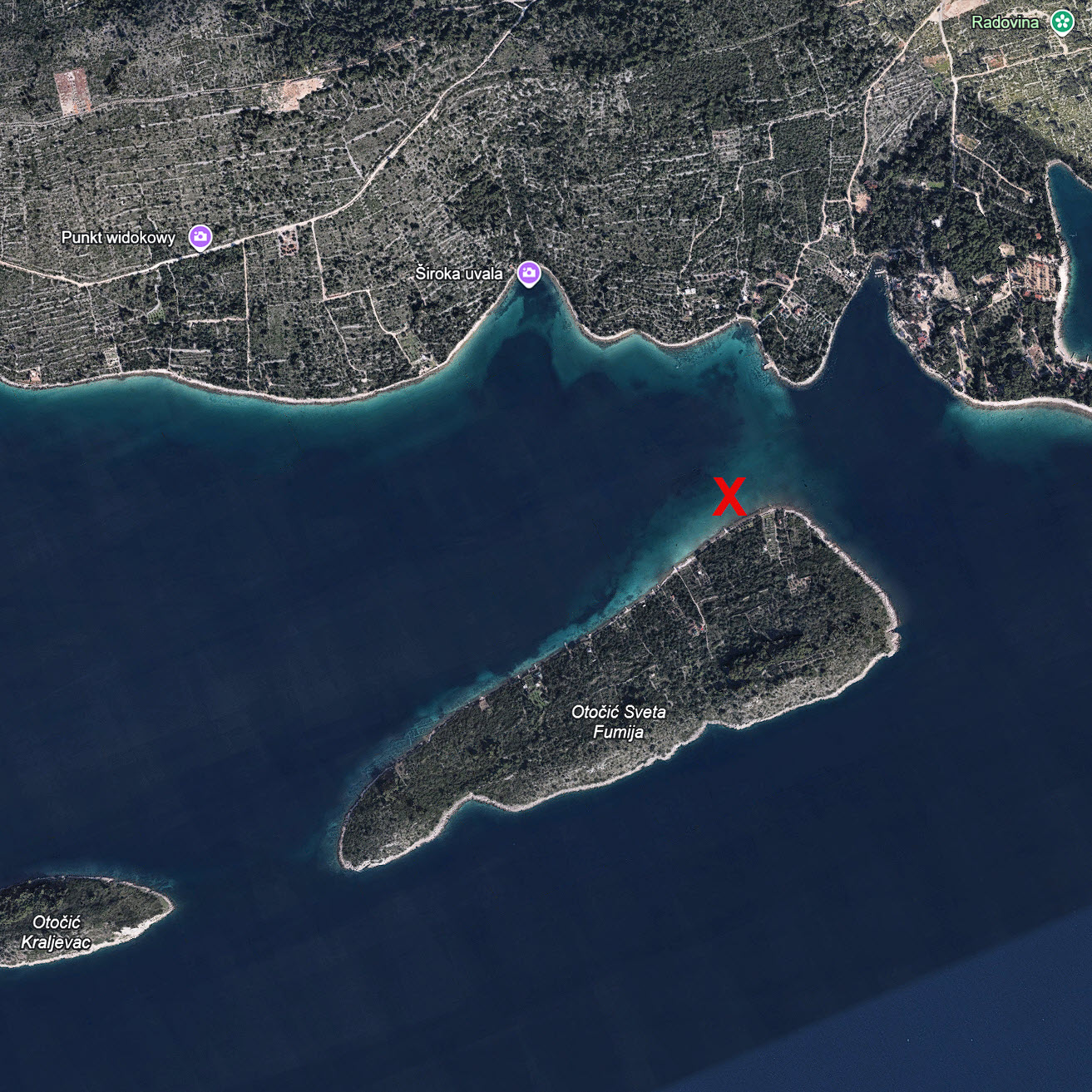
channel towards Fumija, a small island north of Čiovo — the very island we had
unsuccessfully tried to drive to a few days earlier.
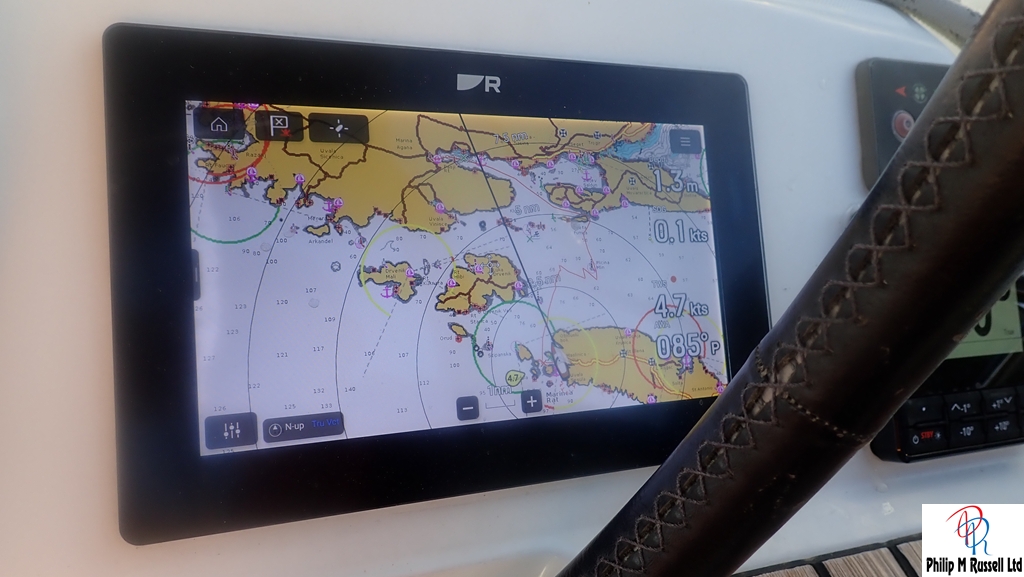
The journey lasted about an hour and a half and covered
around five nautical miles under engine power.
Lunch spot - To Anchor in the shallow part off of Fumija
43°28'53.15"N
16°14'12.74"E
as opposed to what it said in the Ships Log 43°30'25.4"N 16°016'10.306"E which placed the boat somewhere on a hill in Čiovo
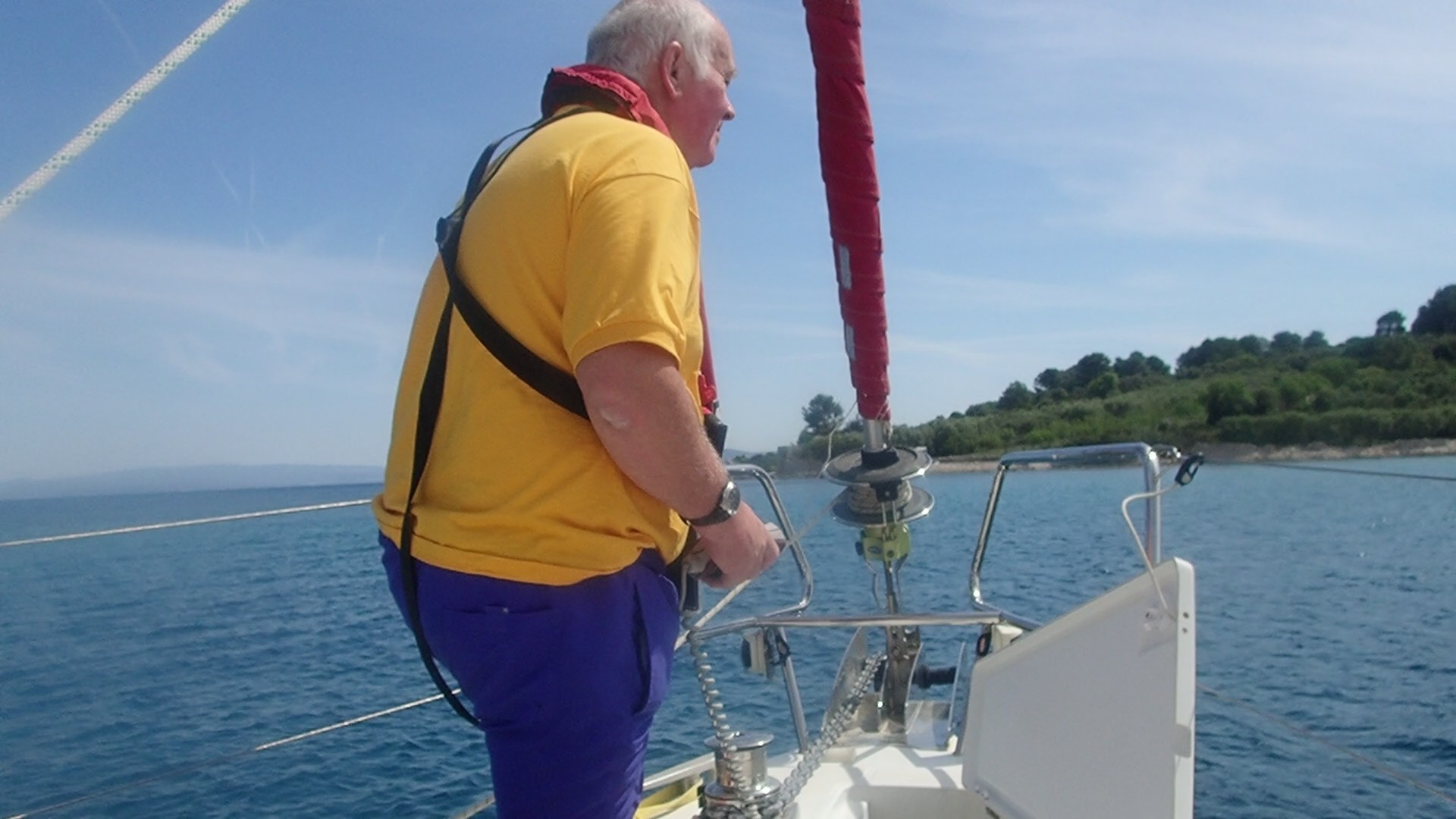
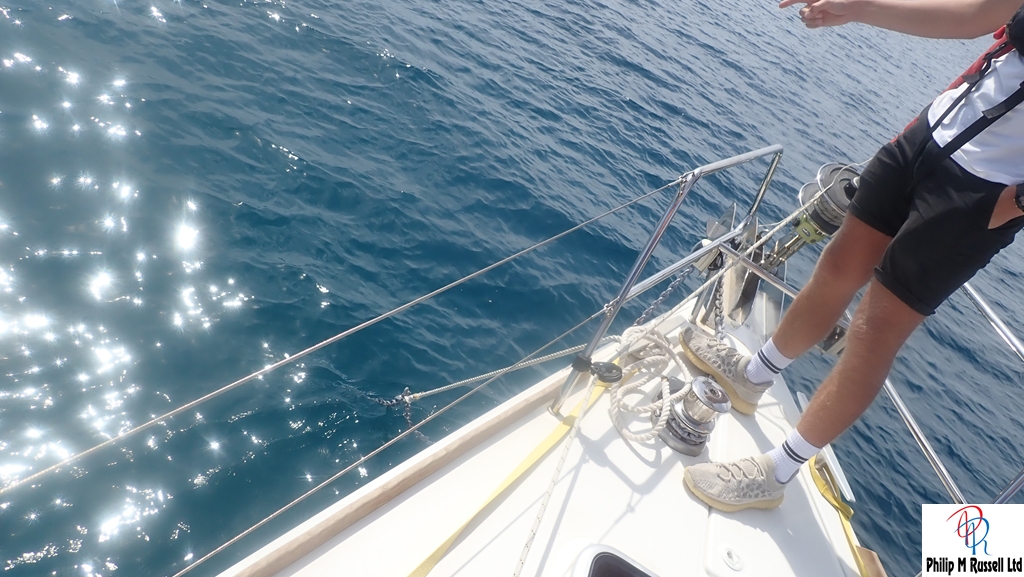
At Fumija, we learnt how to anchor properly.
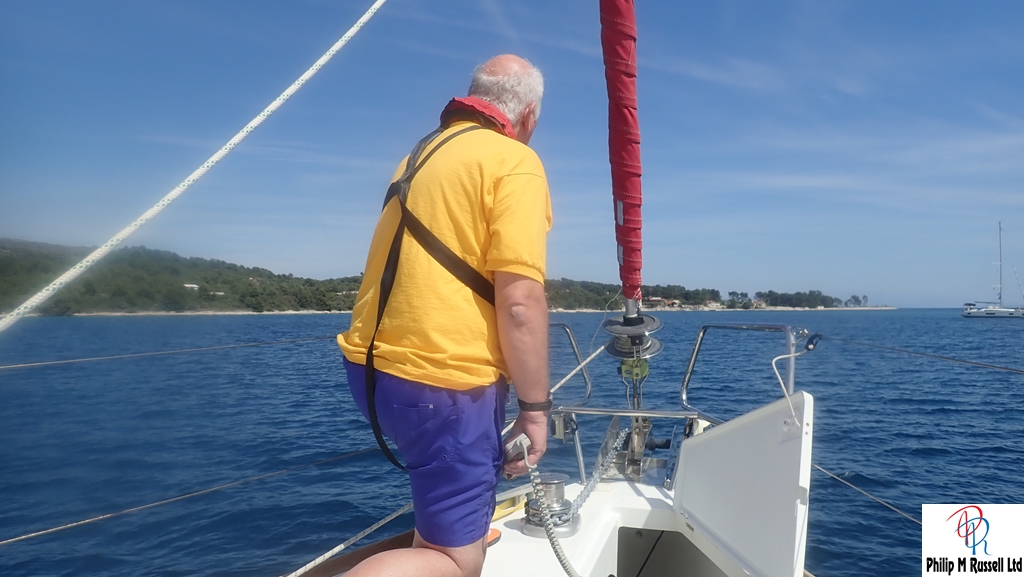
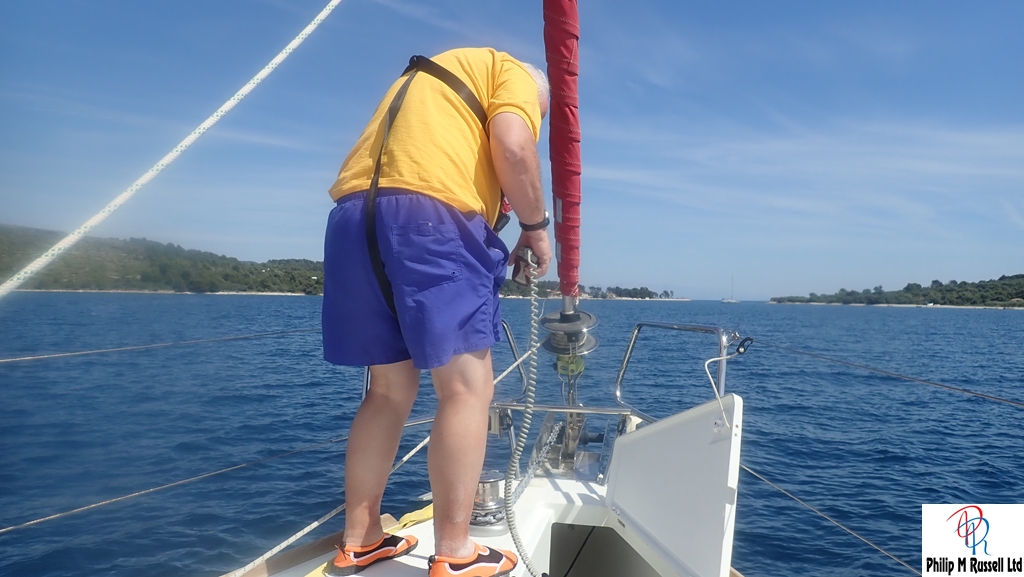
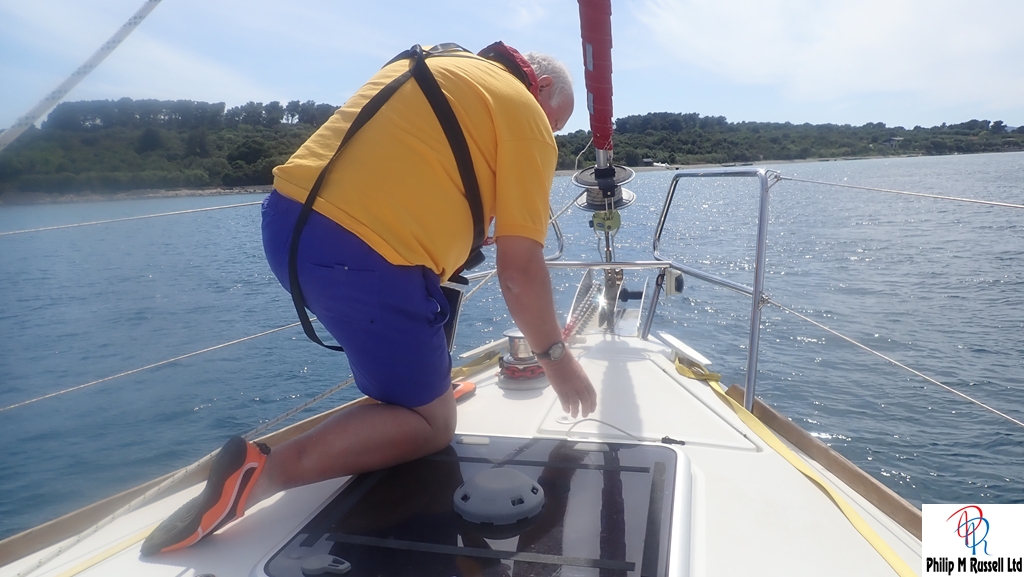
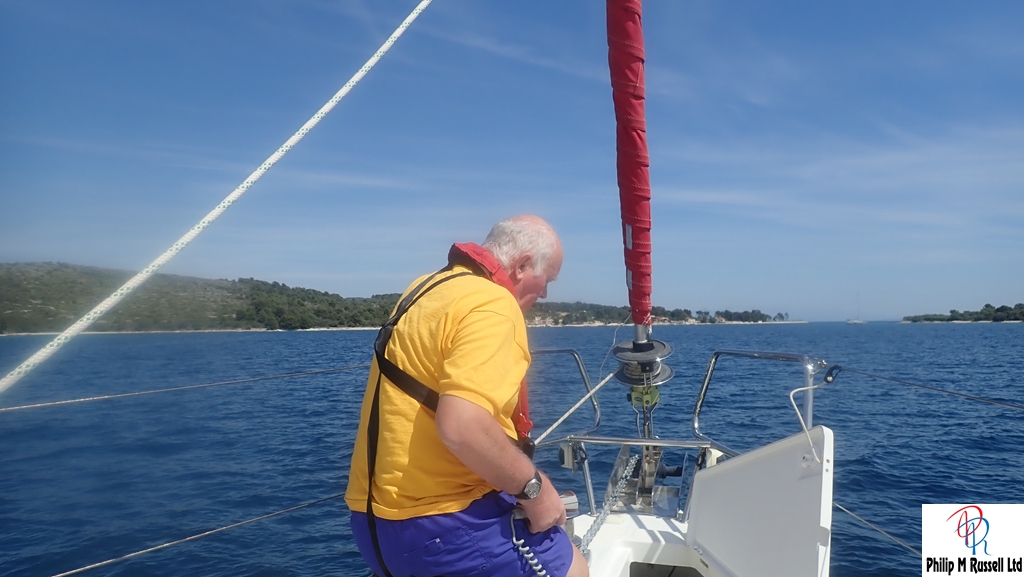
This became my responsibility. I lowered the anchor chain
while carefully counting the coloured markers every ten metres.
One finger meant 10 metres.
Two fingers meant 20 metres.
Three fingers meant 30 metres.
And finally four fingers signalled 40 metres of chain deployed.
Meanwhile Tadek explained to John and Emily how to reverse
gently against the anchor to ensure it was properly dug into the seabed.
Lunch was simple but perfectly acceptable — bread, cheese,
ham and, in my case, what can only be described as an industrial-strength slice
of lettuce.
After lunch it was time to recover the anchor.
This involved hauling the chain back aboard while signalling
to the helm which direction the chain was leading so the boat could remain
positioned correctly above the anchor.
Indicating “the chain is behind us” using arm gestures took
rather more practice than expected.
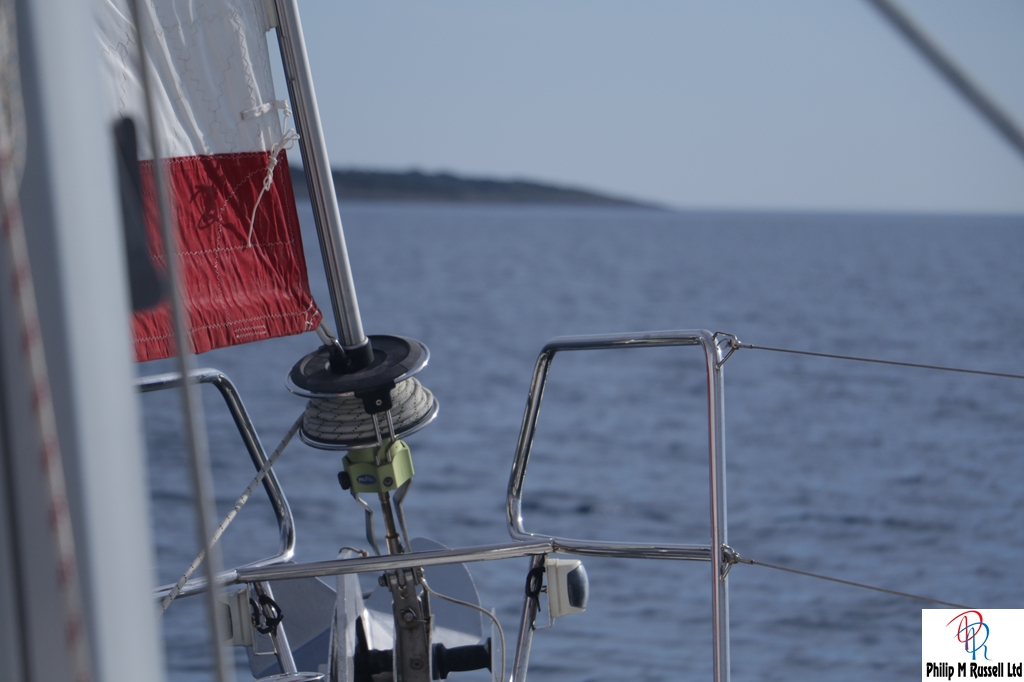
Heading towards the island of Šolta and the harbour of Maslinica,
the wind began to build slightly and it was finally time to hoist the sails.
The weather looked threatening enough for wet weather
jackets, although in the end it never actually rained.
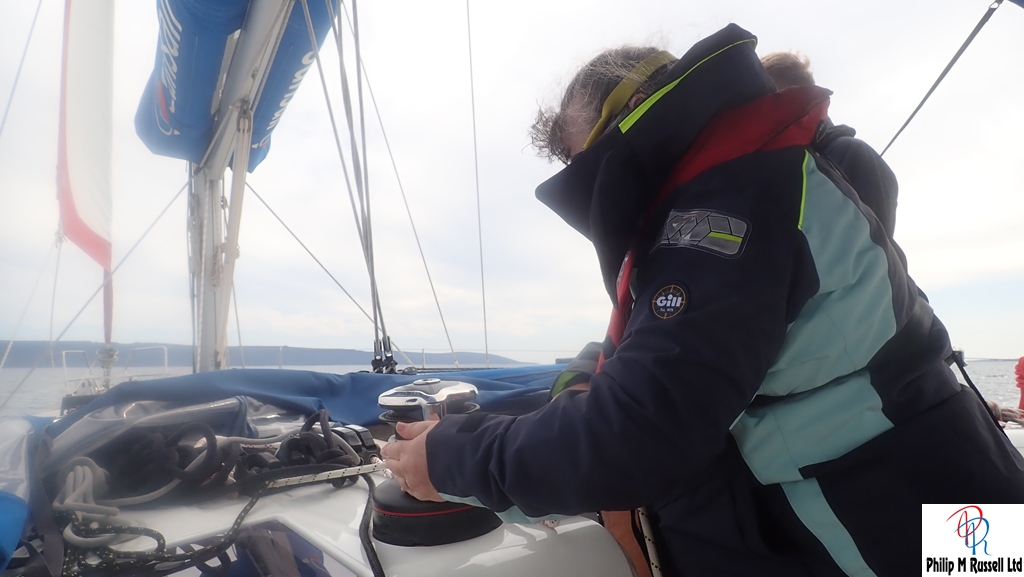
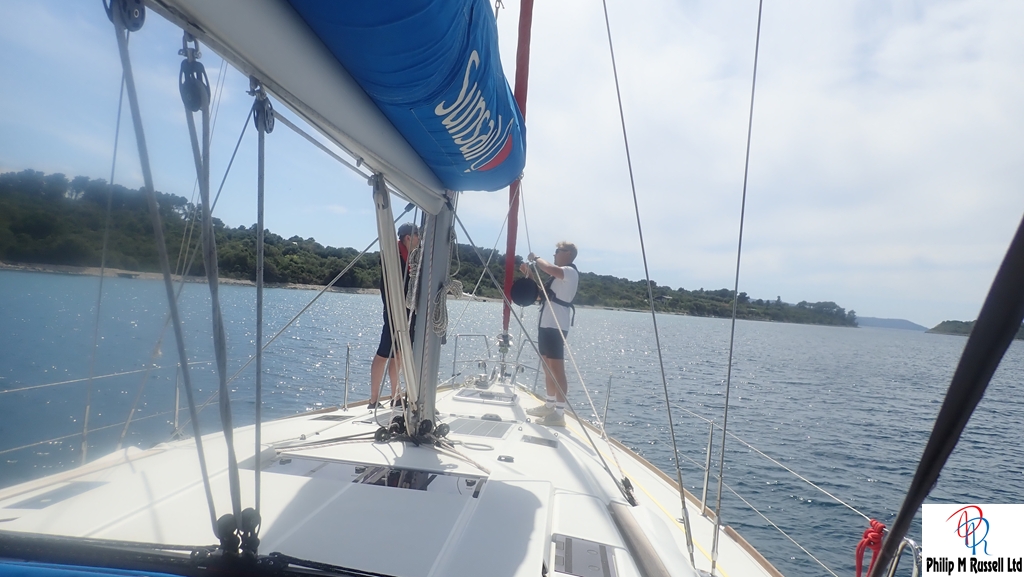
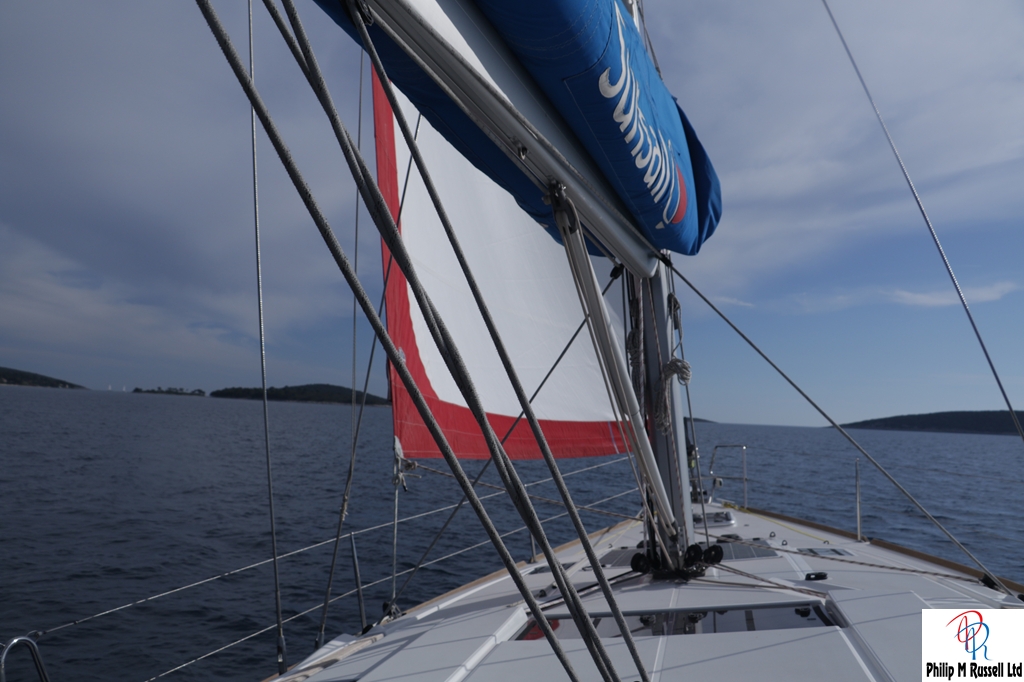
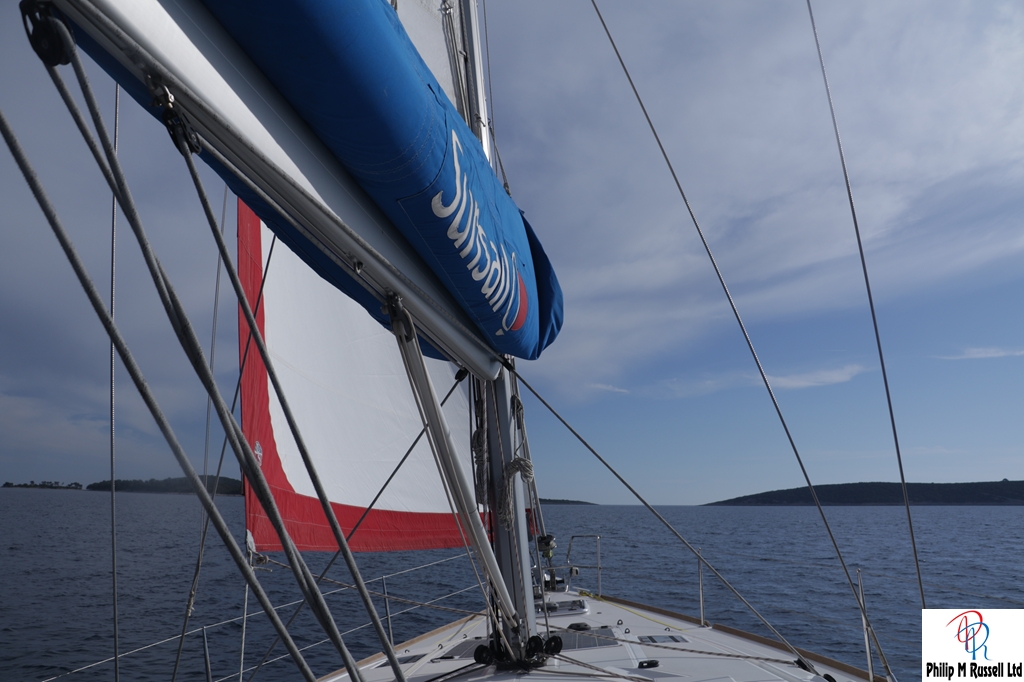
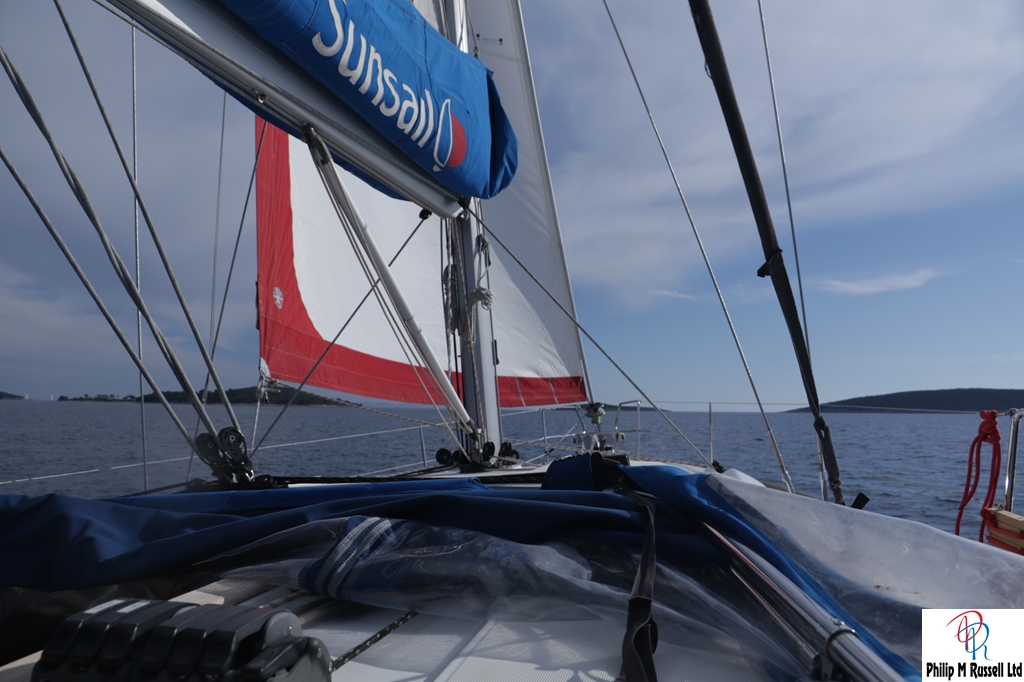
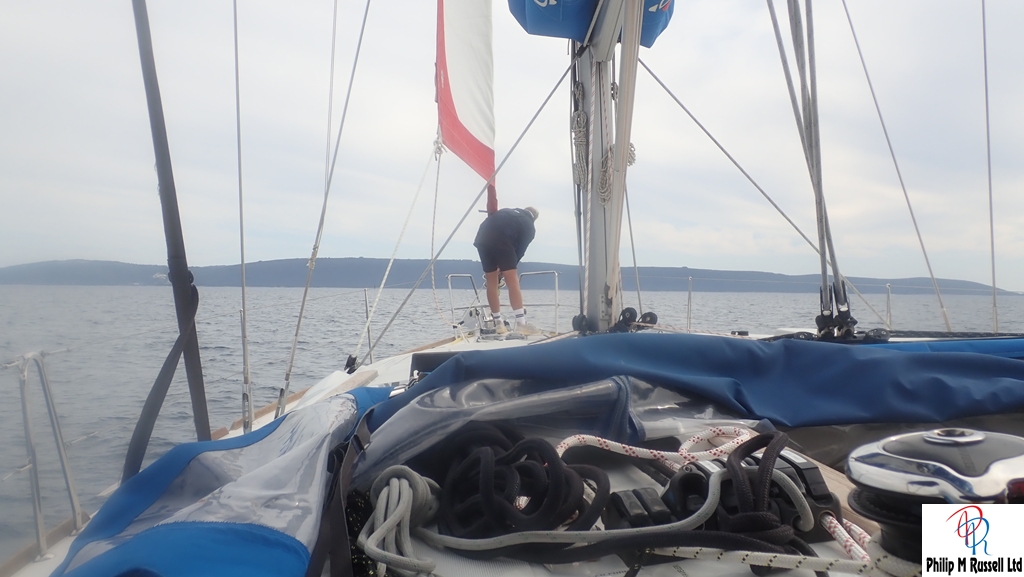
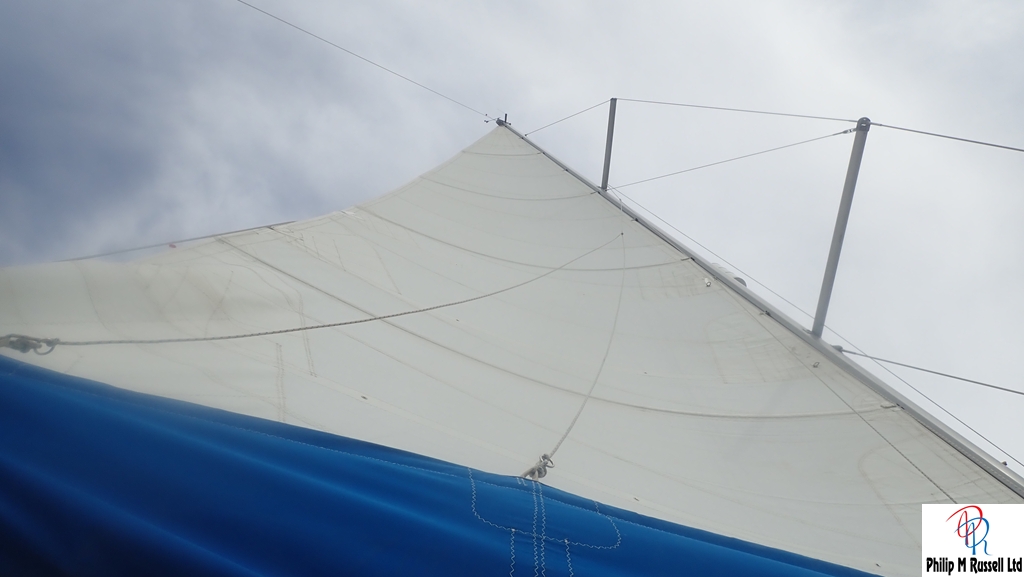
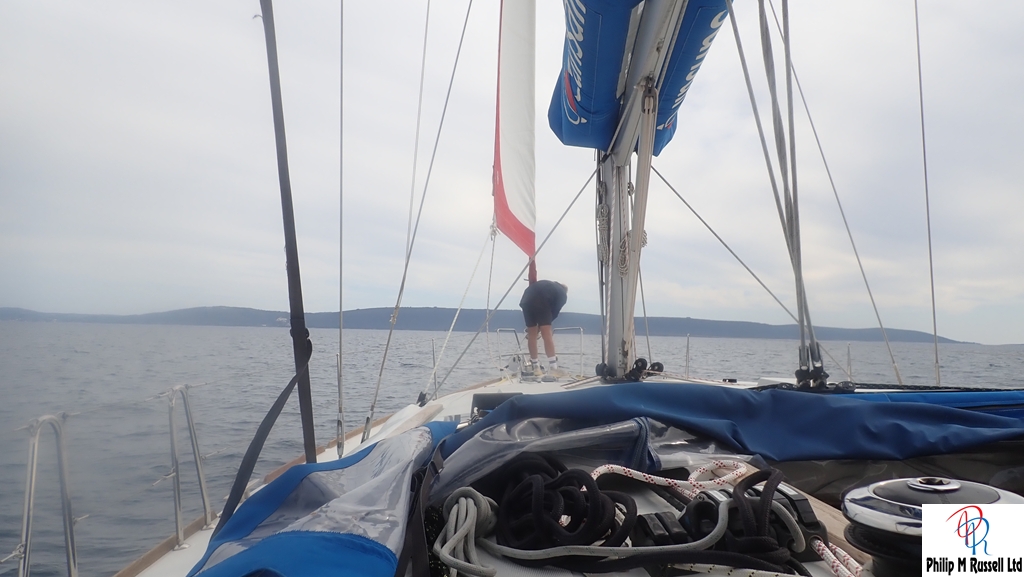
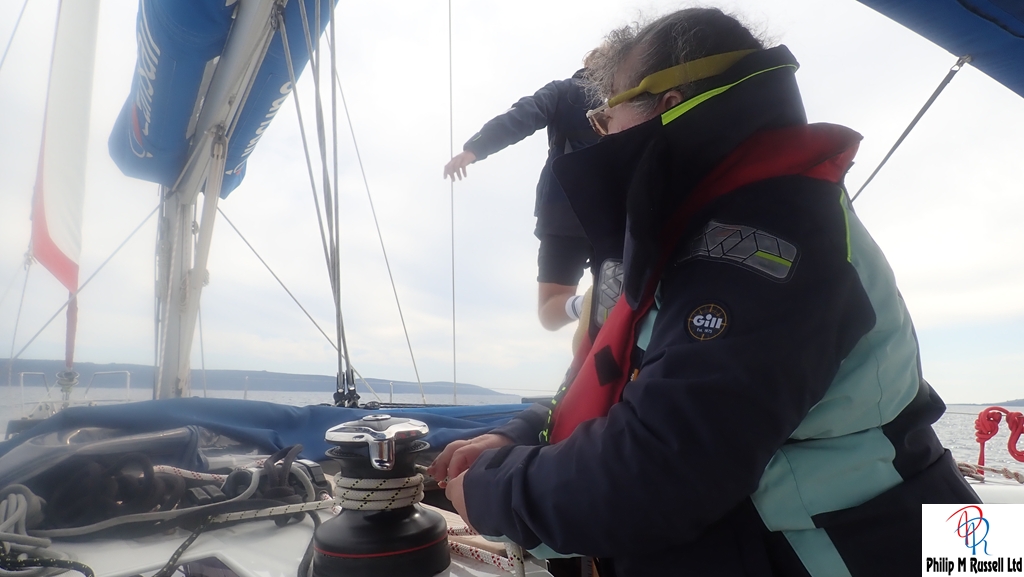
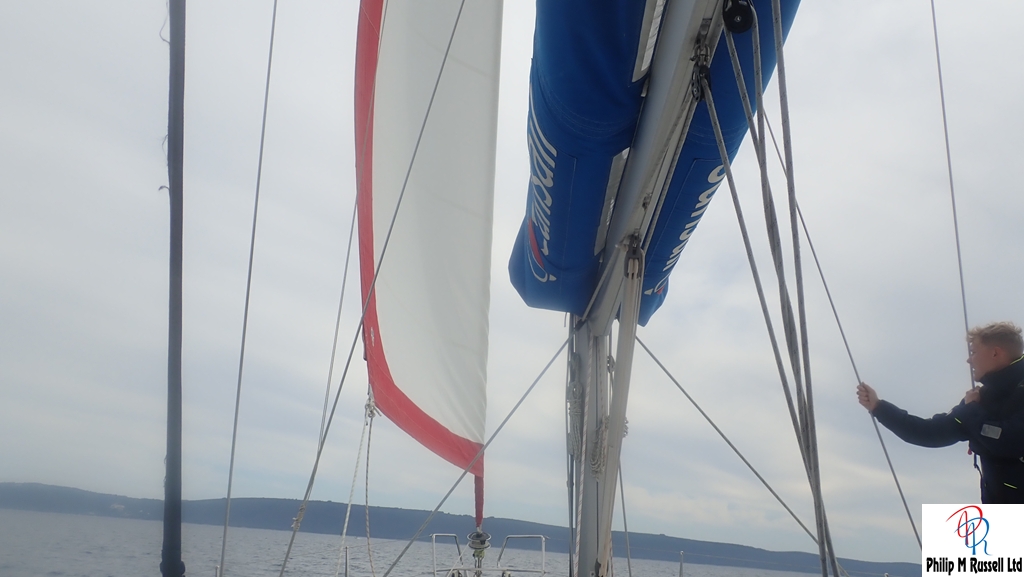
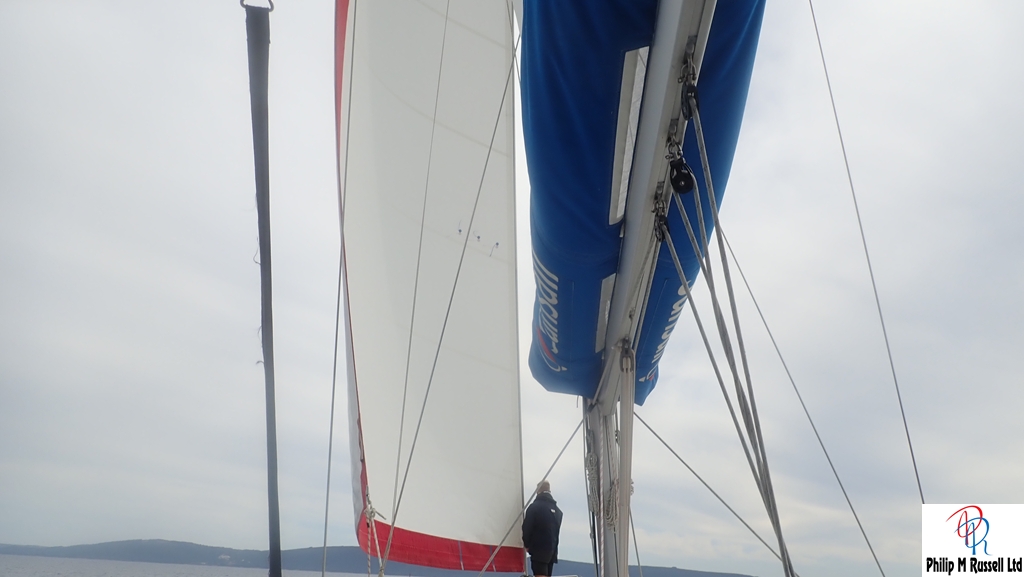
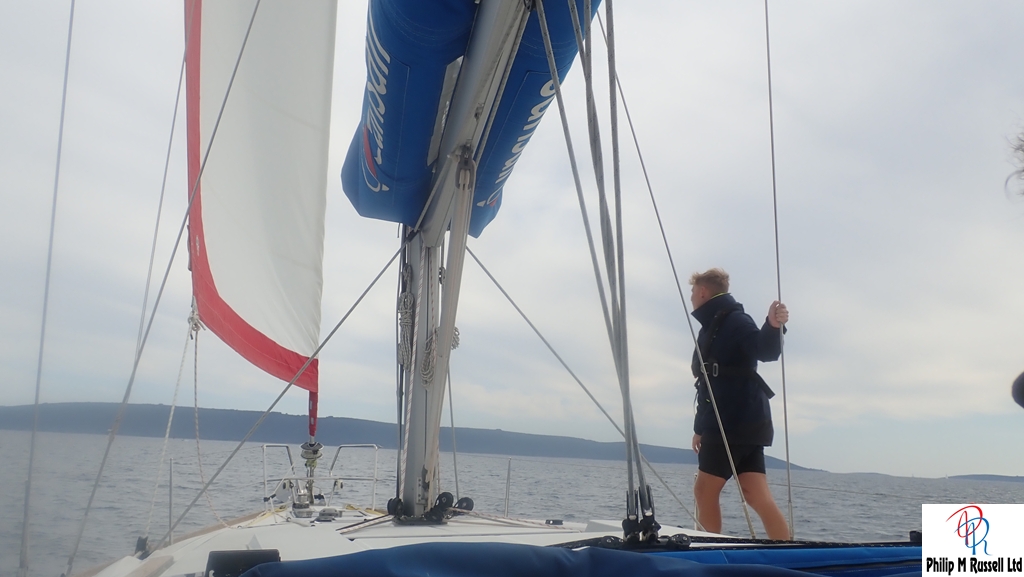
We turned head-to-wind and learnt how to raise the mainsail
using the winches and rope jammers. Emily bravely stood at the mast manually
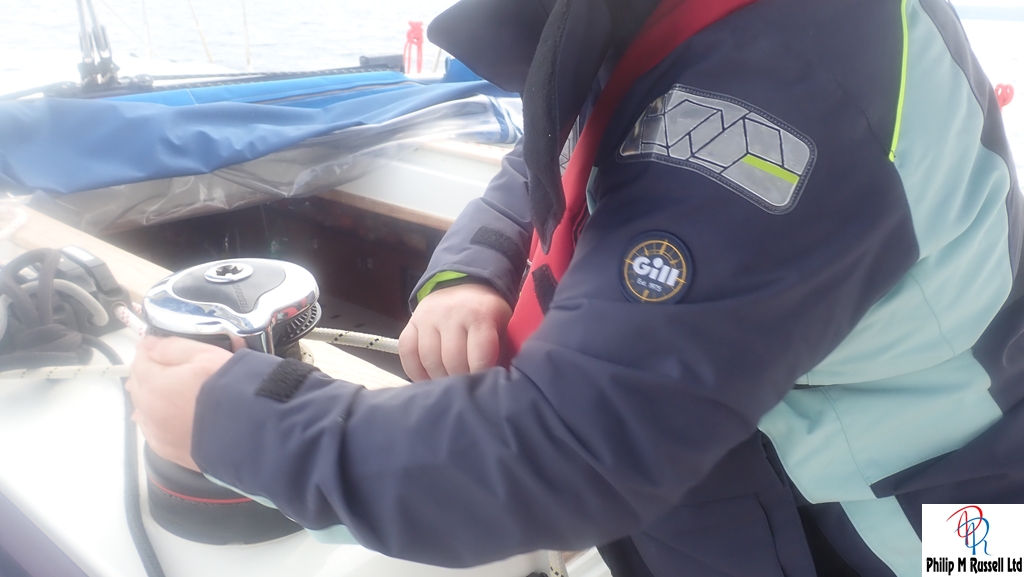
hauling sail while I worked the lines back in the cockpit. Eventually I was
promoted to using the electric winch for the final tightening.
The sequence of ropes, jammers, cleats and winches felt
confusing at first, but slowly started to make sense.
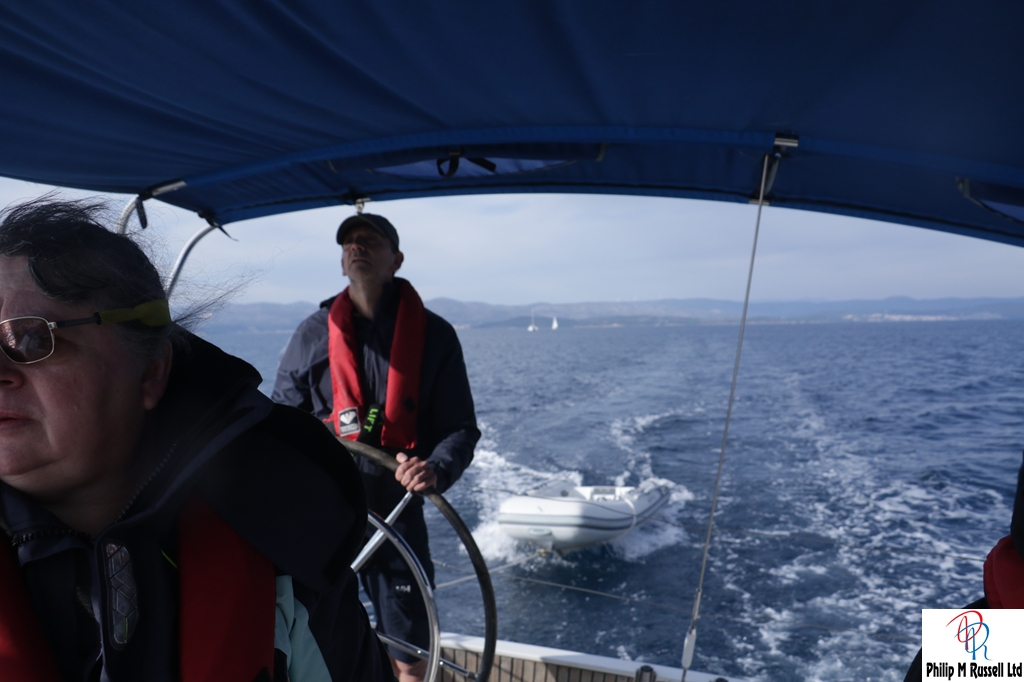
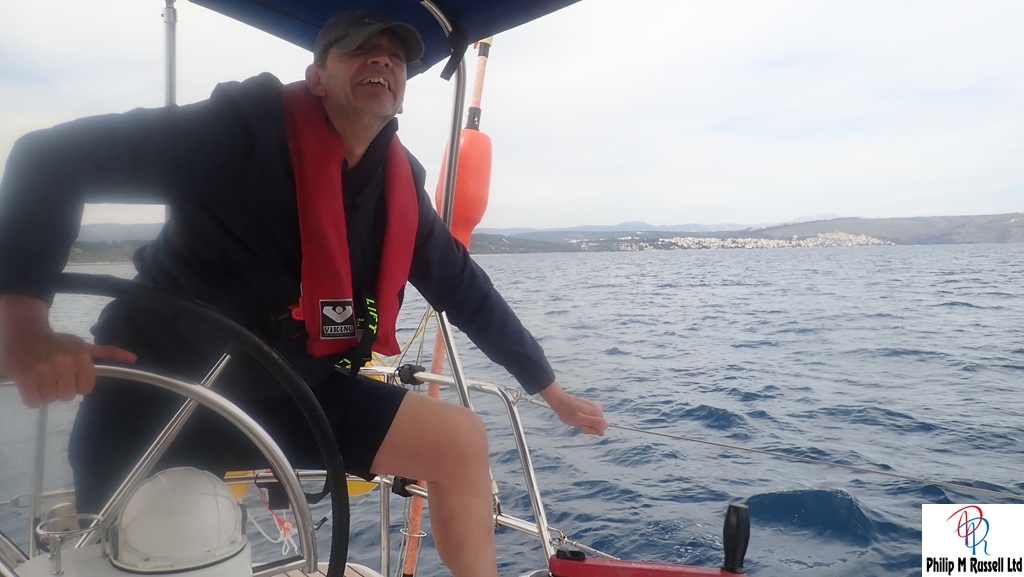
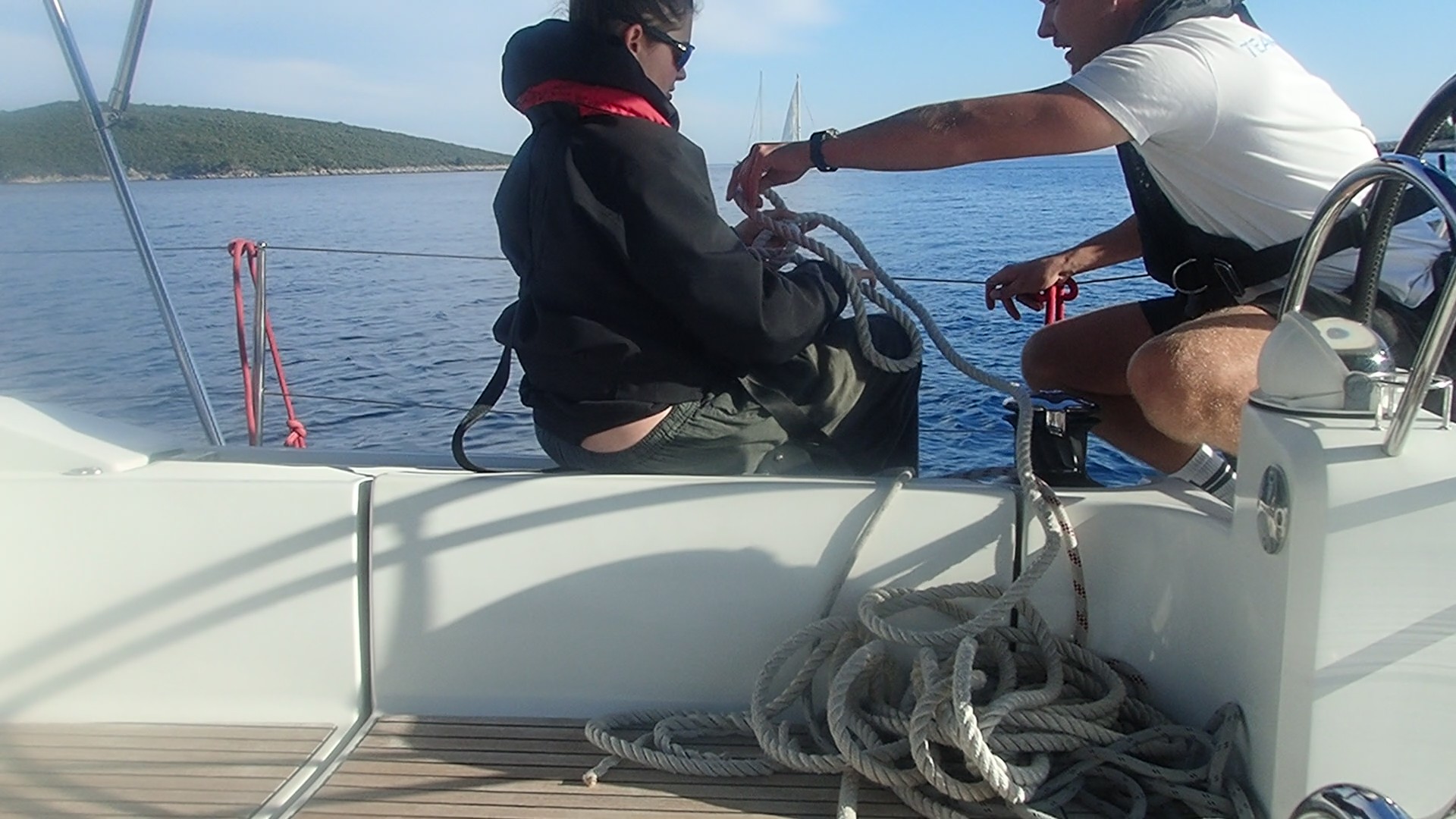
Once underway under sail, we practised tacking repeatedly.
Everyone took turns:
Even with the mechanical advantage of the winches, it was
hard physical work.
By now the clouds had vanished completely and the Croatian
sunshine returned in full force.
Over the radio, Michael — the Senior Instructor aboard a
catamaran — announced excitedly that dolphins were riding his bow wave about
500 metres away.
Naturally we altered course to investigate.
Ros thought she saw a few near his boat, but by the time we
arrived the dolphins had disappeared. Either they had moved on, or they had
heard four trainee sailors approaching and wisely decided against further
involvement.
Our overnight destination was the marina at Maslinica.
Unlike a town quay, marinas cost more, but they came with
excellent shower and toilet facilities — a trade-off nobody objected to.
Before entering harbour, we practised what Tadek called:
Fenders had to be rigged correctly using clove hitches. The
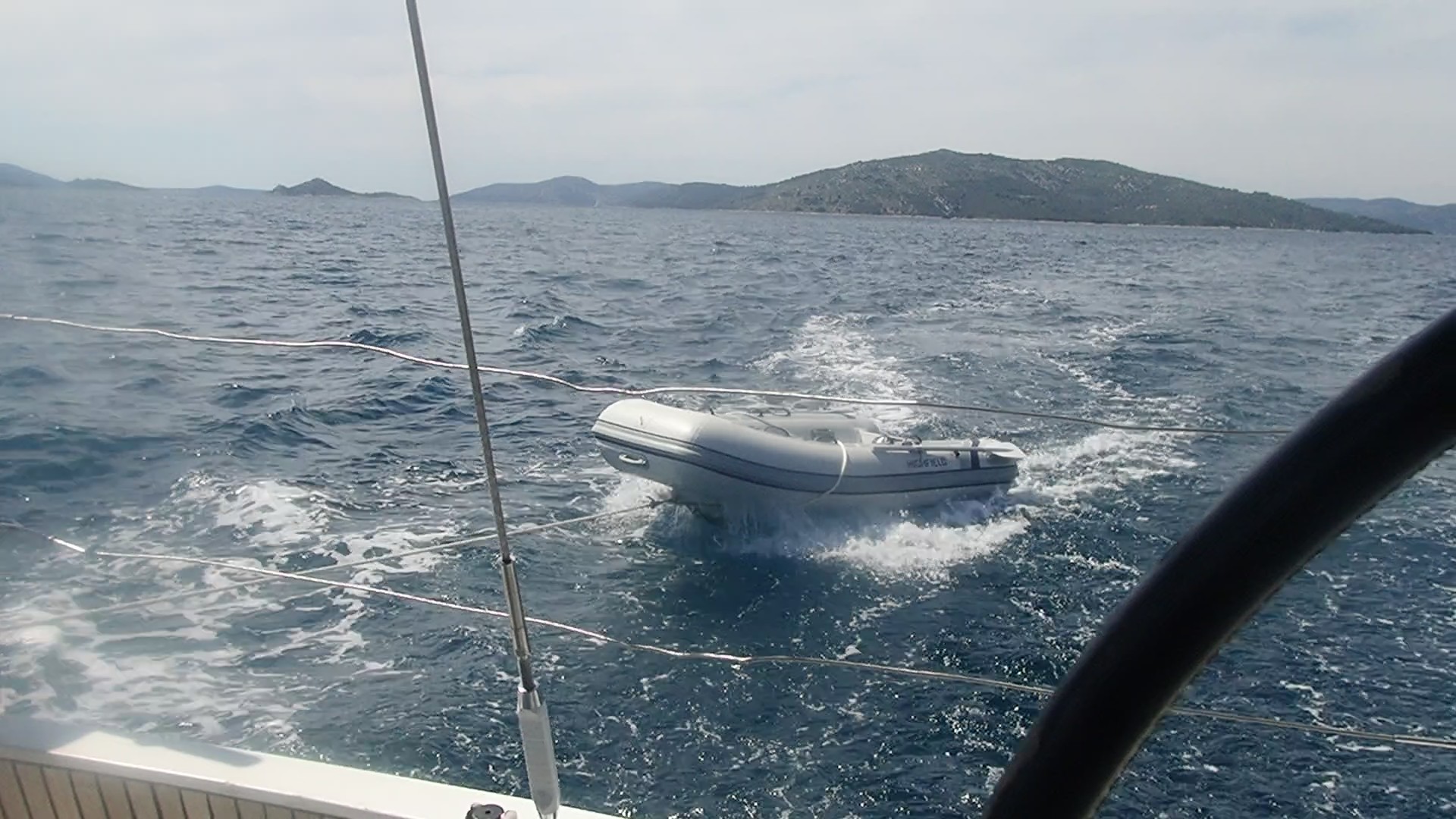
tender dinghy had to be moved forward rather than towed astern. Stern lines had
to be prepared and coiled for throwing. Finally the boat hook was made ready to
grab the submerged lazy lines.
Steve and Judy chose to anchor outside the harbour, but we
headed into the marina stern-first under the guidance of the marineras.
Ros and I handled the ropes while John and Emily steered
under Tadek’s supervision. Once the stern lines were ashore, I collected the
lazy lines and secured the bow to stop the yacht drifting.
And somehow, remarkably, we ended up safely moored.
First night stay Maslinica 43°23'52.03"N 16°12'22.55"E
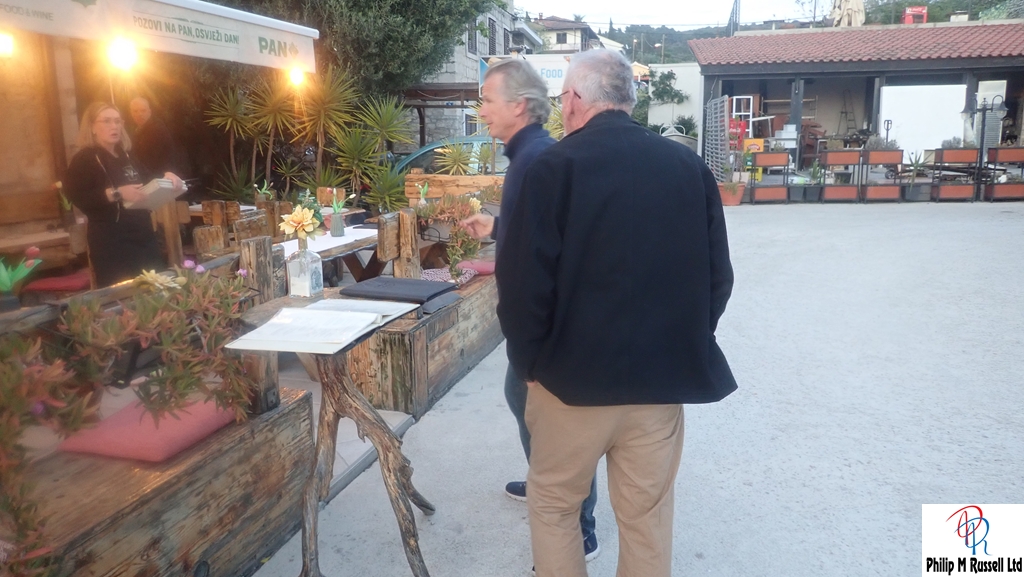
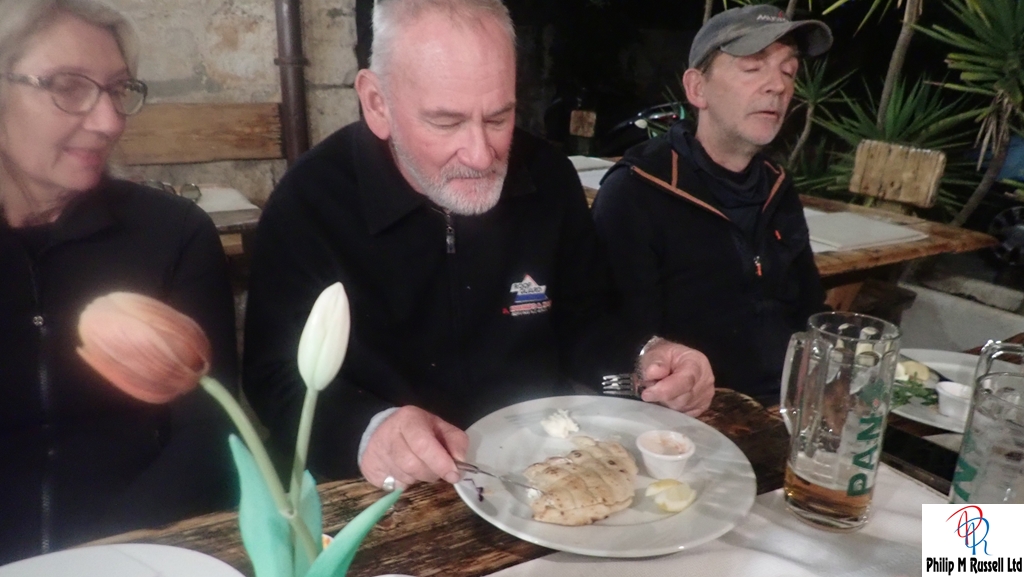
Maslinica was quiet this early in the season and many
restaurants remained closed. That left us with essentially one realistic dining
option — unfortunately not the culinary highlight of the holiday.
Most of us selected breaded chicken and chips, which
appeared to be the safest option on the menu.
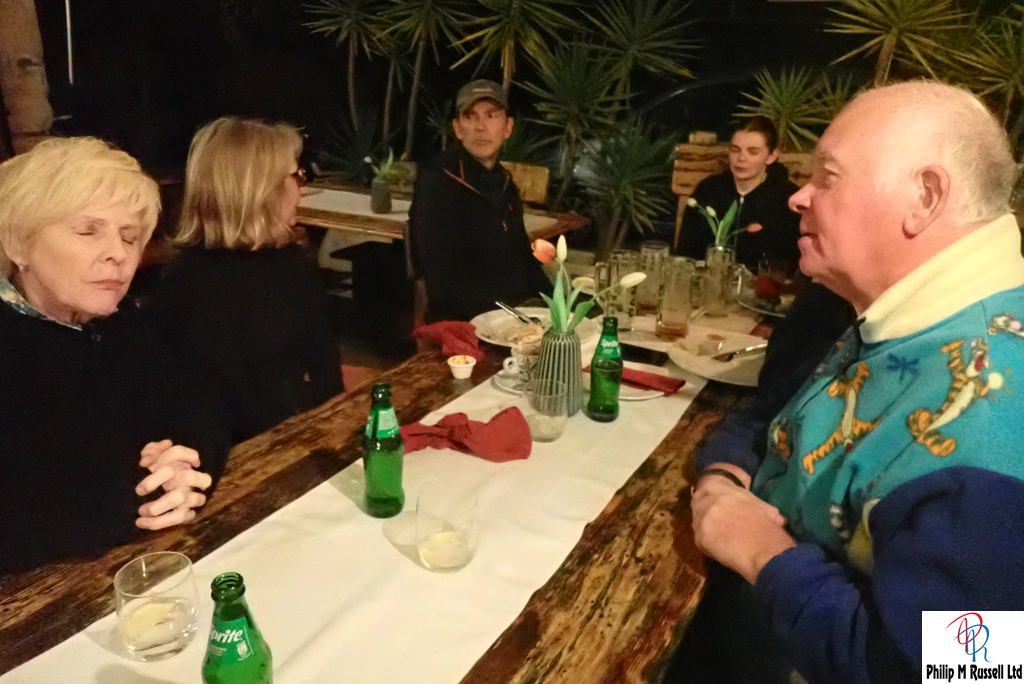
The evening included:
Steve and Judy from Sailing Fair Isle
Barry from Adventures of an Old Seadog
Jane,
a wonderfully chatty journalist who had reported during the Serbian
conflict years earlier
Michael
and his catamaran trainees
Our
crew from Petra III
Some of the group enjoyed local beers while others sampled
rather better wine than the previous evening.
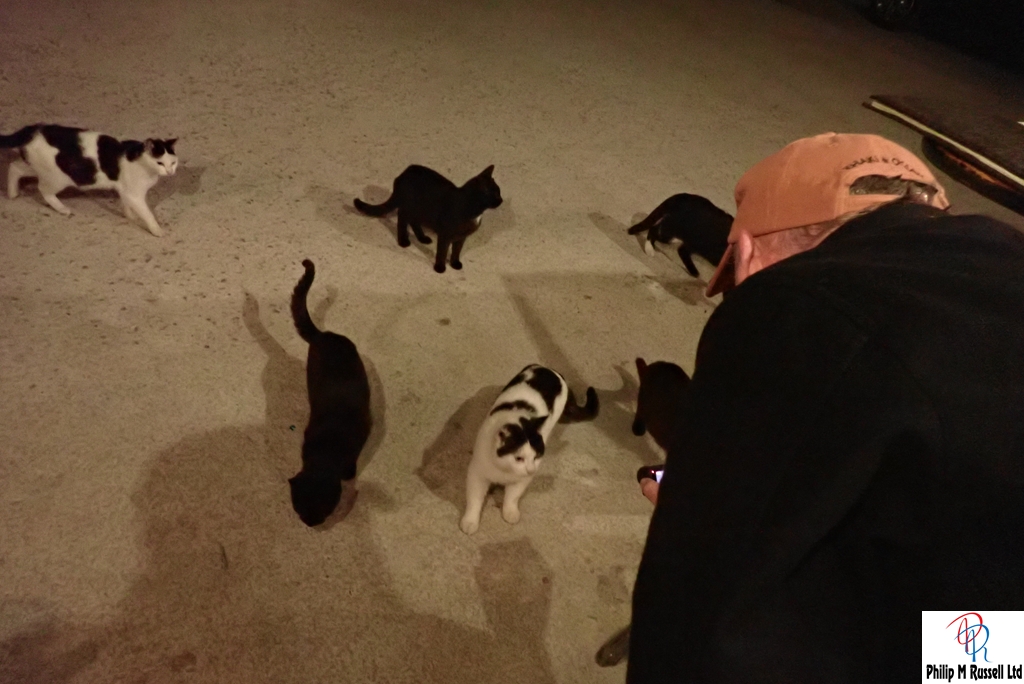
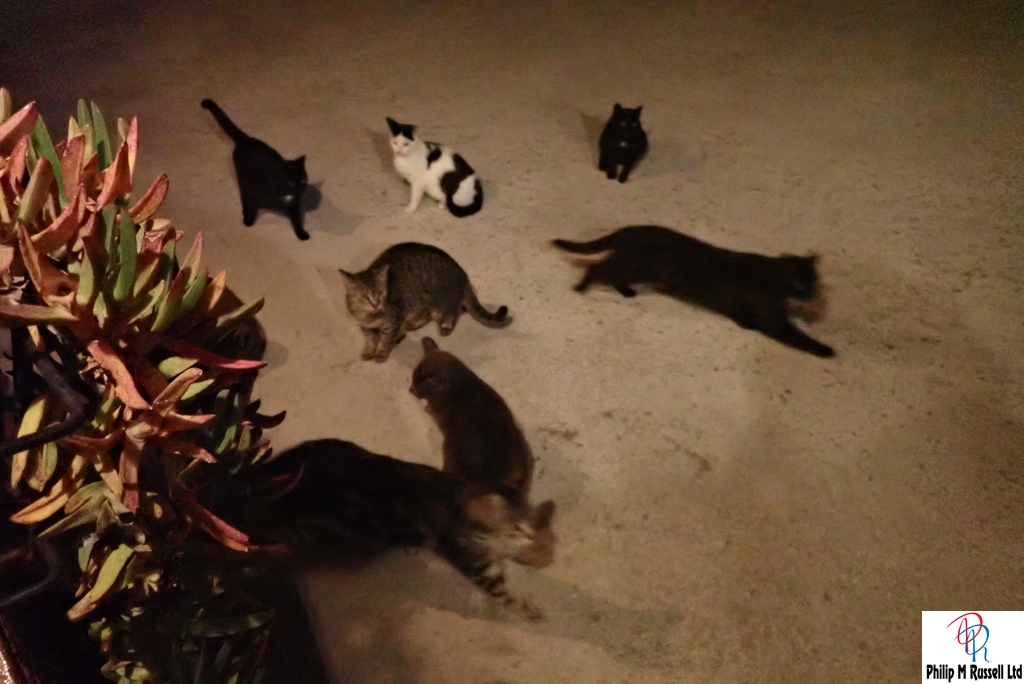
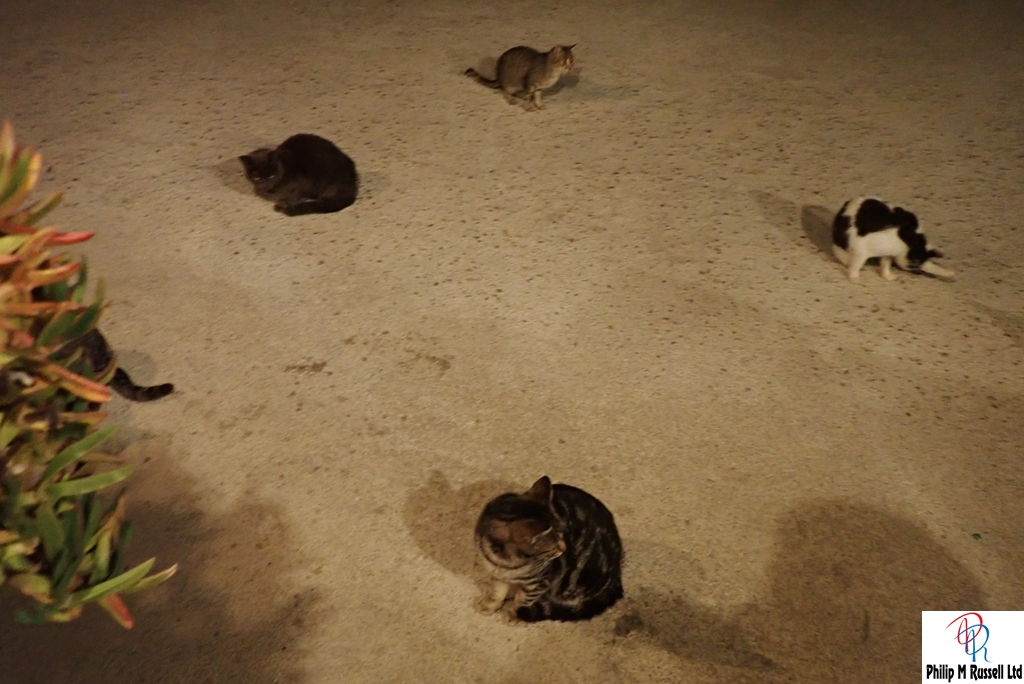
Meanwhile, around seven or eight cats wandered around the
harbour hoping for scraps from unsuspecting sailors.
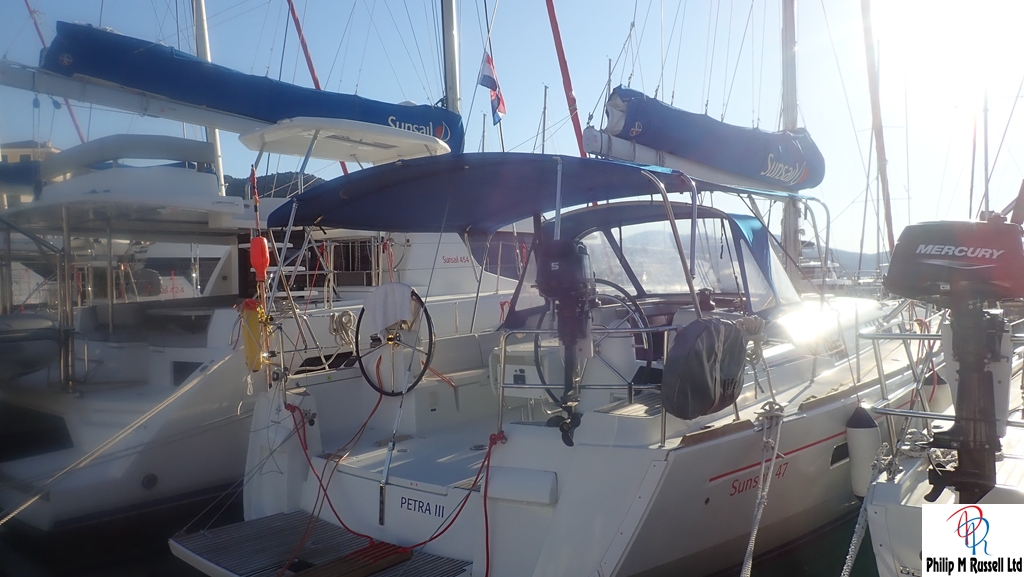
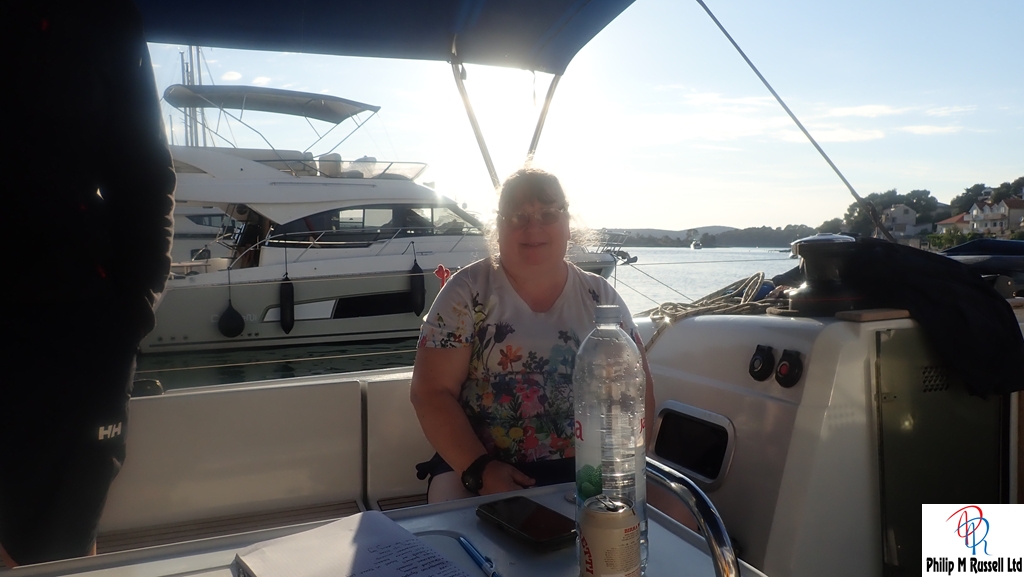
Back aboard Petra III, we made full use of the marina
showers before settling down for the evening.
The final jobs of the day involved downloading photographs
and video footage onto the computer and watching another episode of Bones before finally heading to bed after our first full day as competent crew
trainees.