admin Date , Thursday April 23 , 2026
There are some days when the weather looks at a sailing
course and says, “You have had quite enough gentle practice. Let us now find
out whether any of it has gone in.”
Thursday was one of those days.
It was the final day of our RYA Competent Crew Course in
Croatia, and after several days of learning, practising, laughing, making
mistakes, recovering from mistakes, tying ropes around things, throwing ropes
at things, and occasionally remembering which rope was supposed to be doing
what, the Adriatic decided to give us a proper sailing day.
There was much more wind.
Not a little more wind.
Not a polite instructional breeze.
Proper wind.
The sort of wind that makes the sea look alive, the rigging
hum, the sails fill with purpose, and beginners suddenly become very interested
in whether the boat is supposed to lean over quite that much.
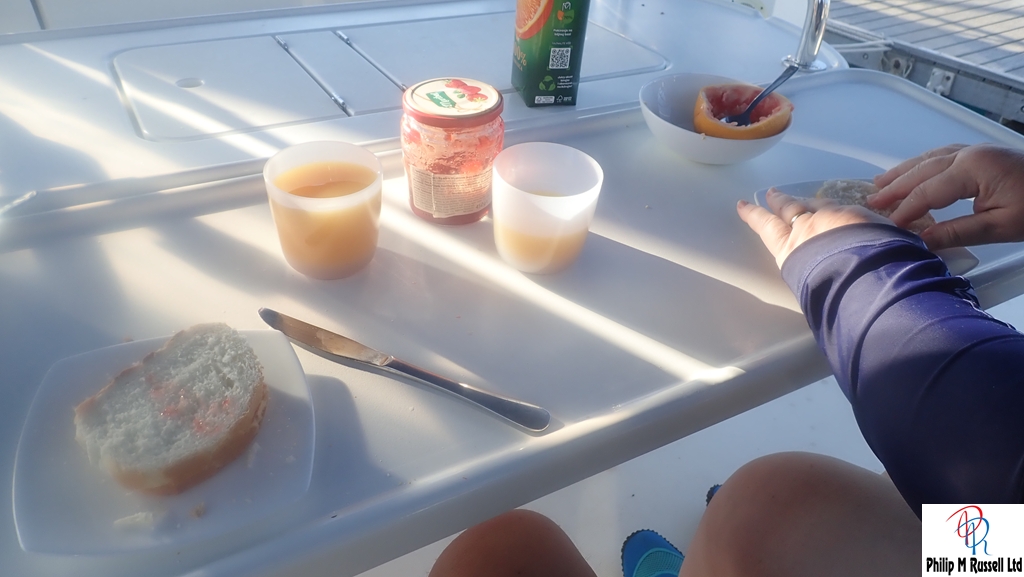
By now, breakfast on board had become a highly refined
routine.
Pink grapefruit.
A strawberry jam sandwich.
Fruit juice.
This was not exactly the breakfast buffet of a luxury hotel,
but it had become part of the rhythm of life aboard. The strawberry jam was now
nearly gone, which seemed strangely symbolic. The course was nearly over. The
jam was nearly over. The orange juice had already given up completely and
disappeared, so apple juice was on the menu instead.
It is amazing how quickly boat food develops its own
mythology.
By the end of a week, a slightly stale slice of bread, a
nearly empty jar of jam, and a carton of fruit juice feel less like breakfast
and more like tradition.
Outside, however, the wind was already making it clear that
this was not going to be a quiet potter back to base.
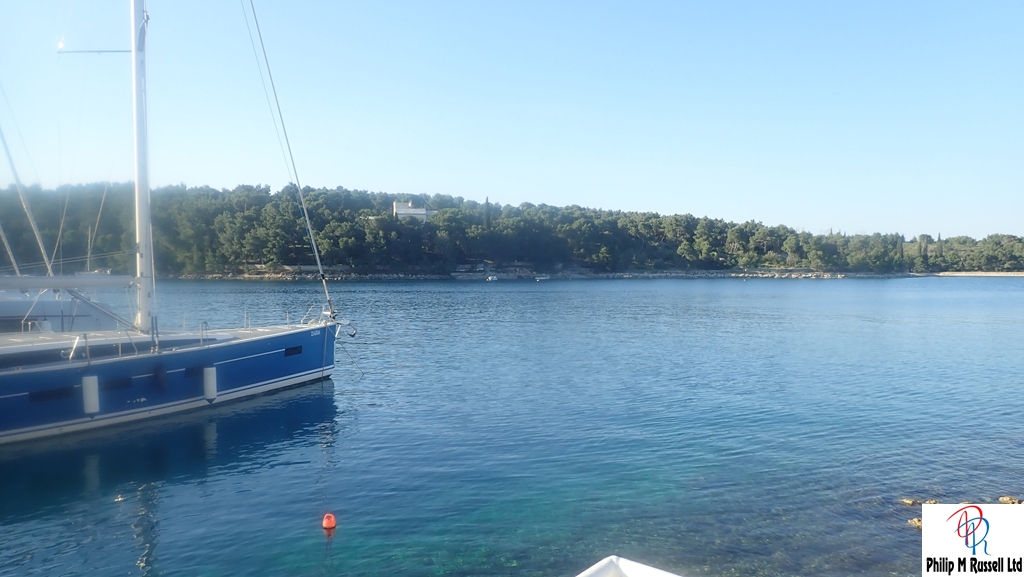
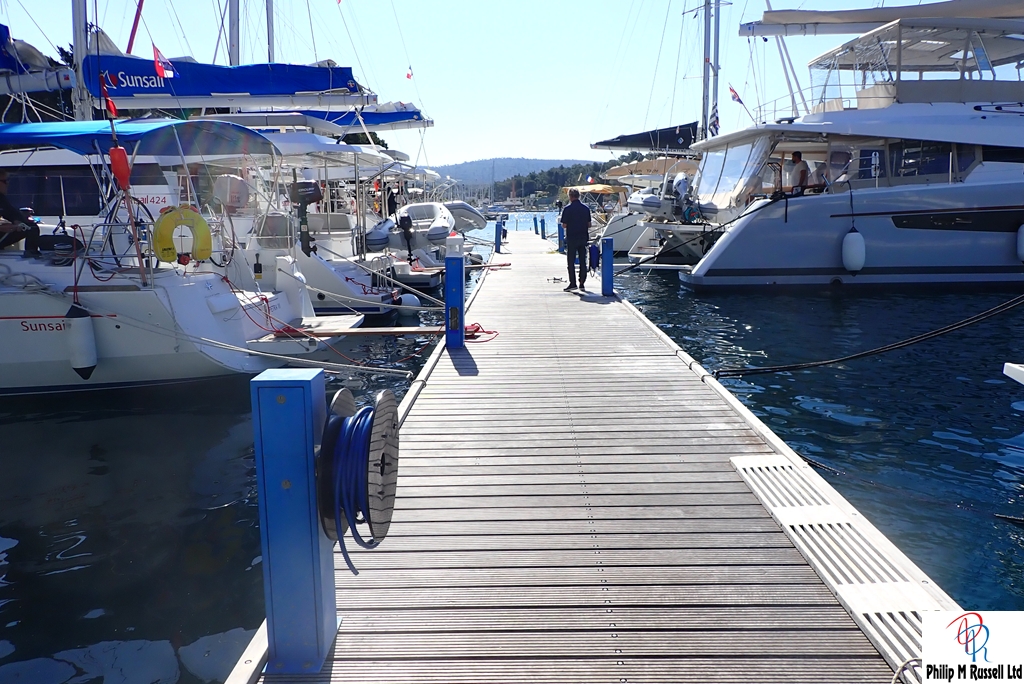
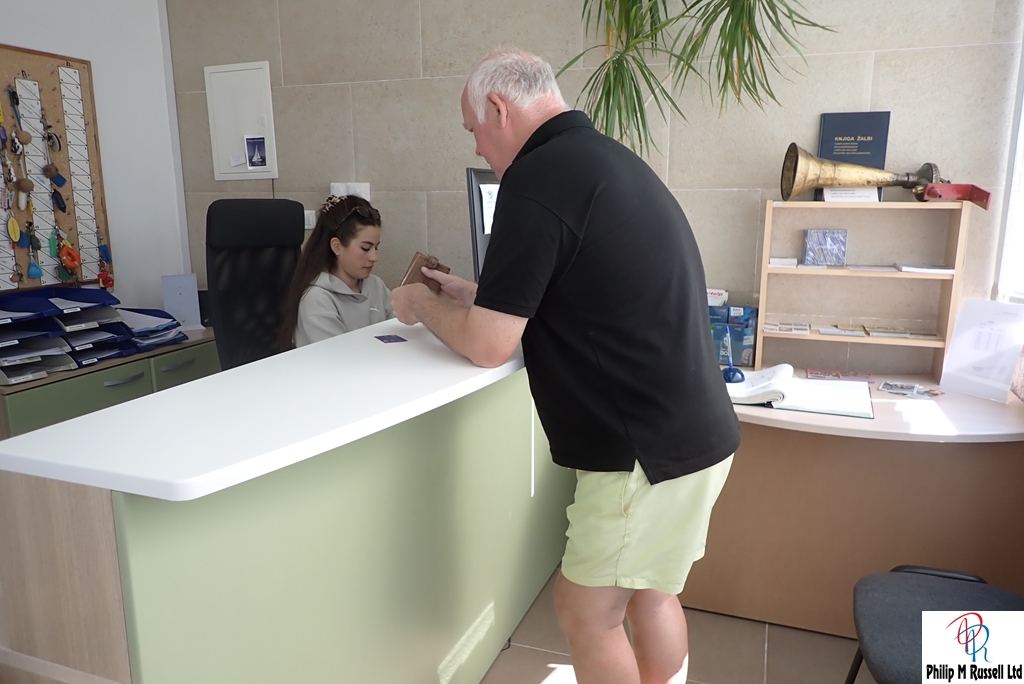
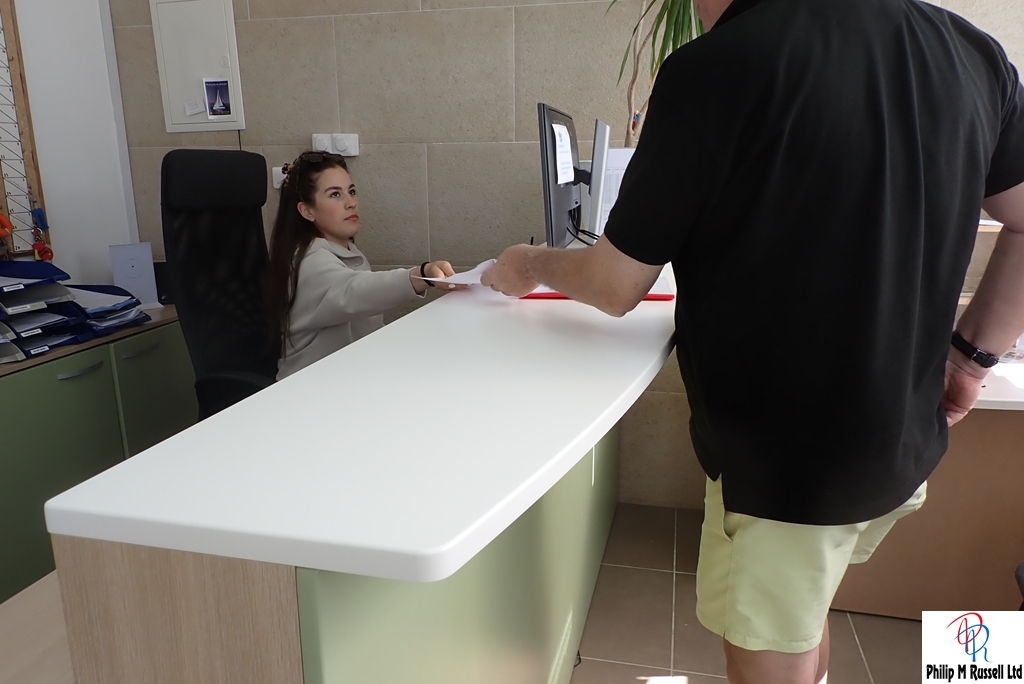
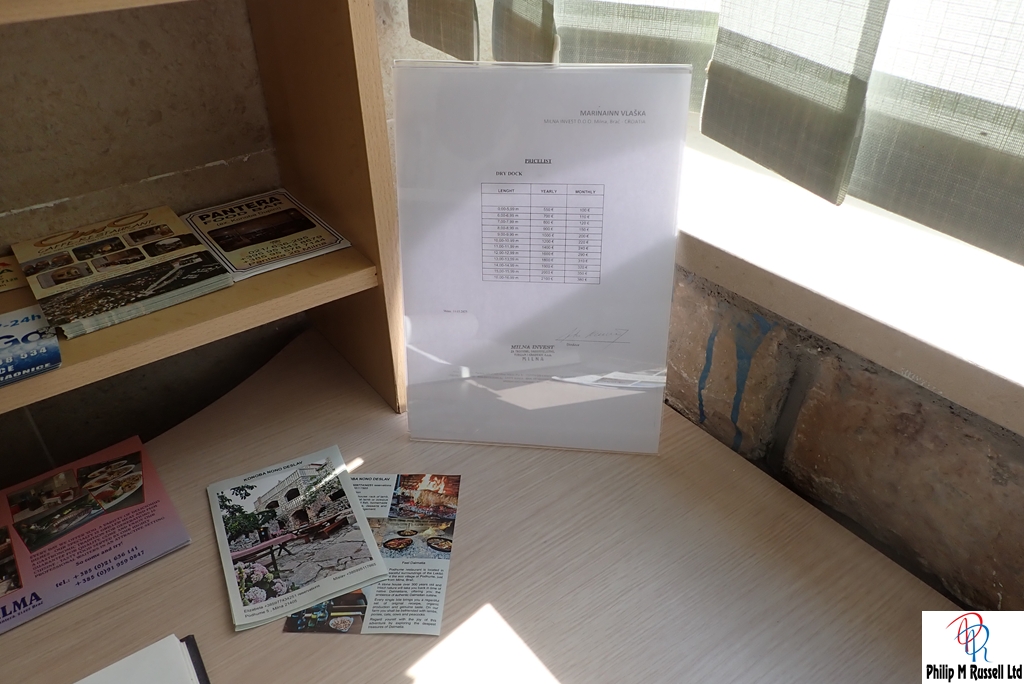
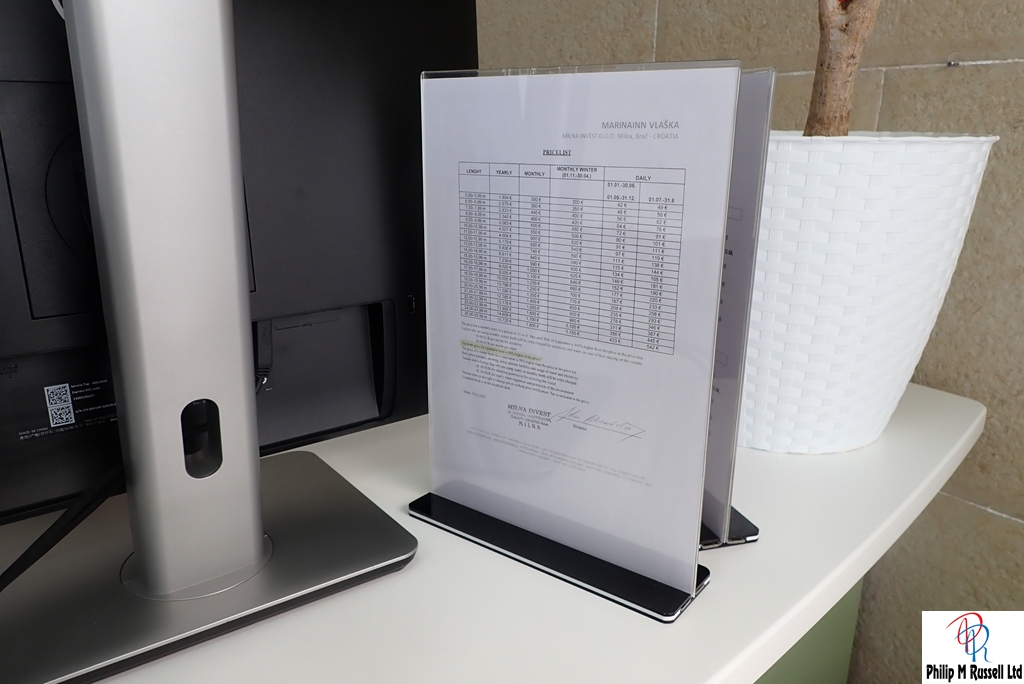
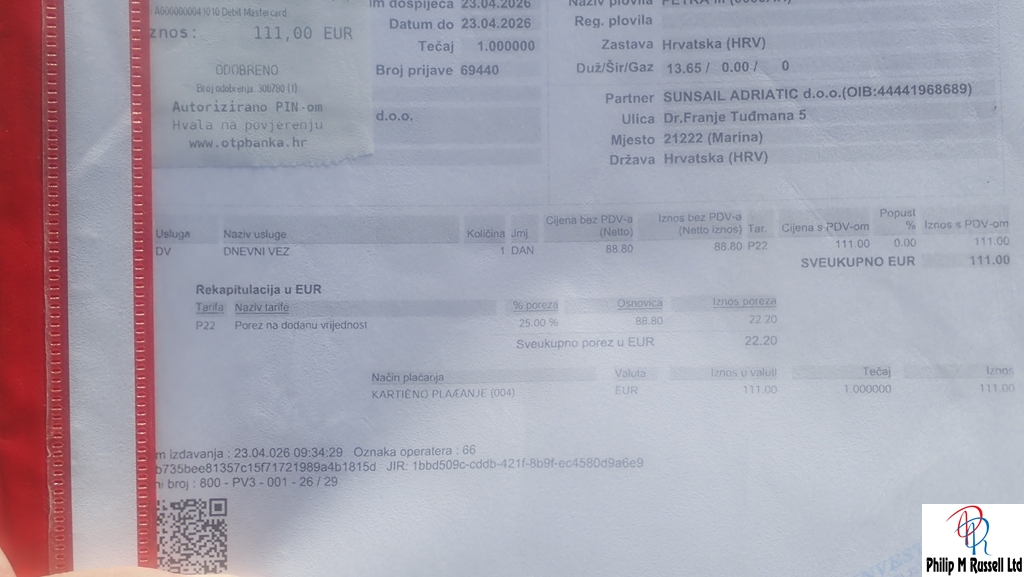
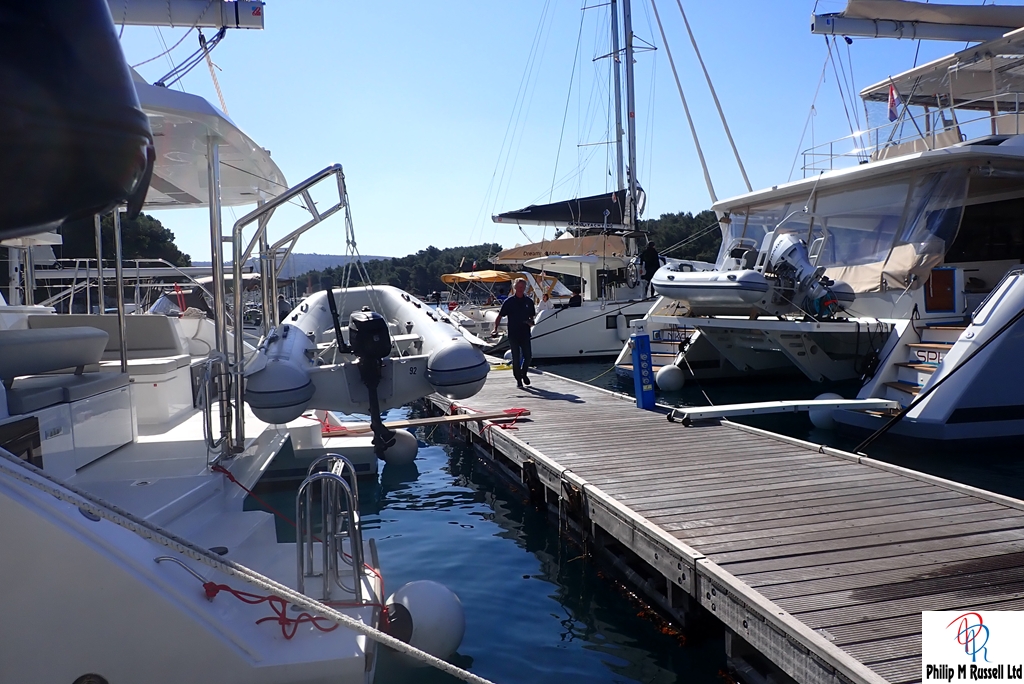
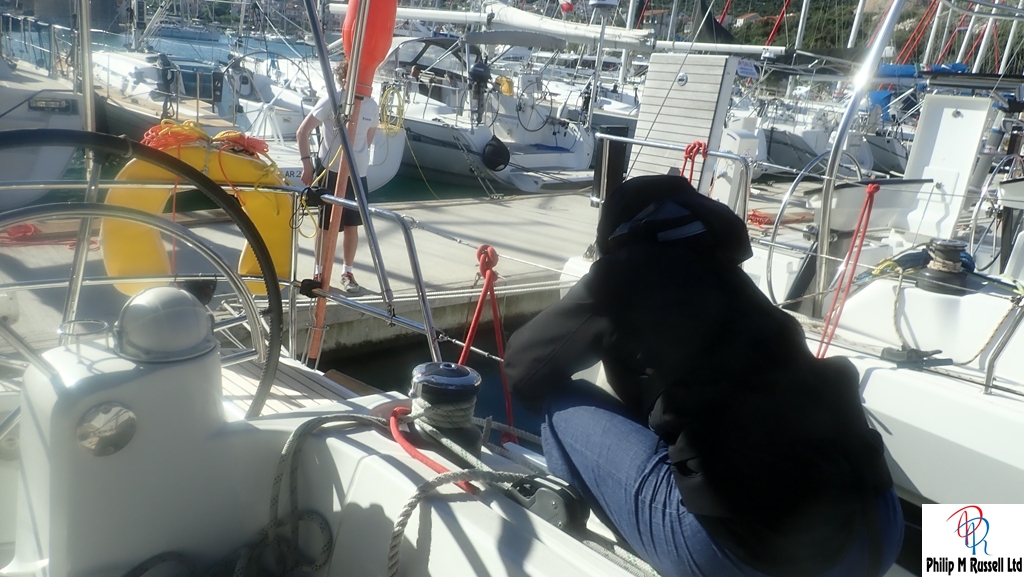
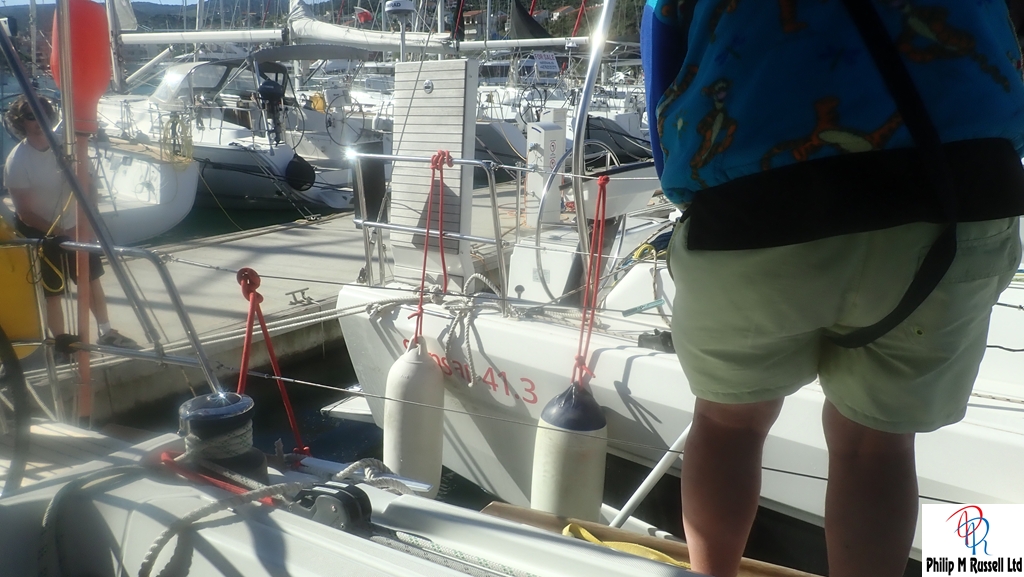
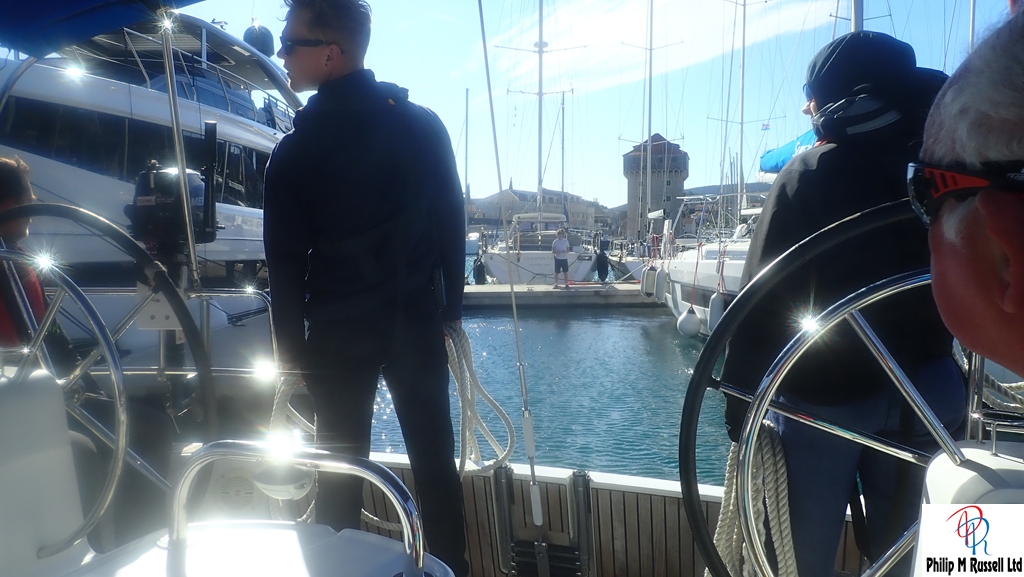
Before we left, we had to pay for the night.
The bill was 110 euros, which made it the most
expensive mooring of the week.
At that price, I half expected the quay to come with a
velvet carpet, a personal butler, and perhaps a small orchestra playing us out
of the harbour. Instead, we had the usual mixture of lines, fenders, movement,
shouted instructions, and the general organised confusion that happens when
several boats are preparing to leave at once.
Michael had joined us again the previous night after doing a
night sail, so there was a real sense of the course gathering itself together
for the final day.
The plan was simple enough: leave the harbour, sail
properly, make the most of the wind, and eventually return to Marina Agana.
Simple plans at sea have a wonderful habit of becoming
rather more interesting once sails are up.
One of the great pleasures of this week had been sailing
alongside Sailing Fair Isle, with Steve and Judy filming parts of the
adventure from their boat, Papaye.
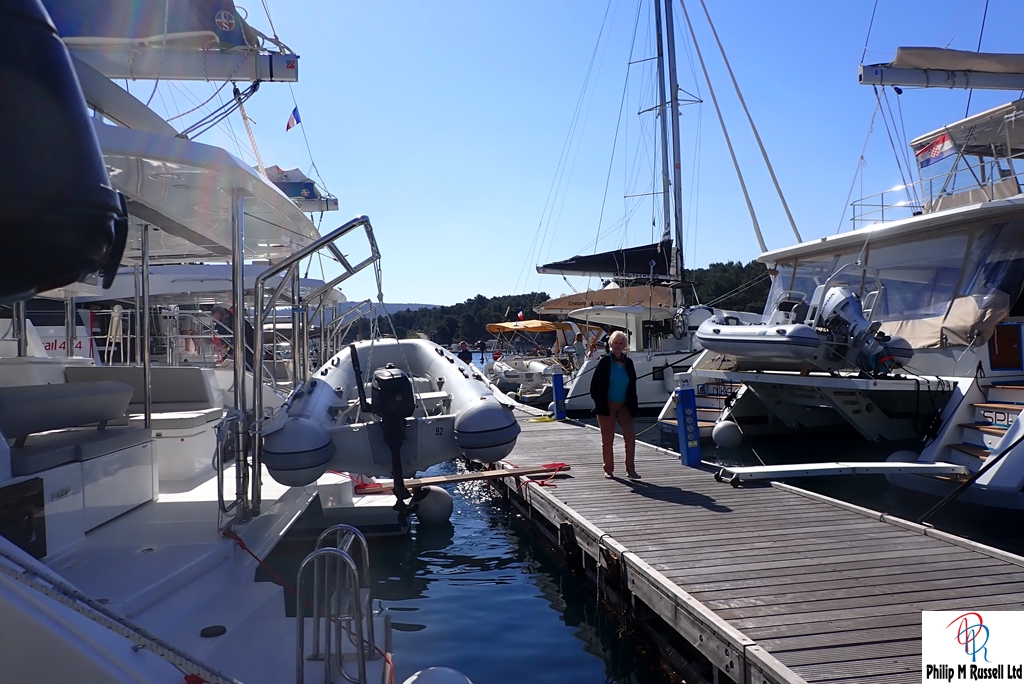
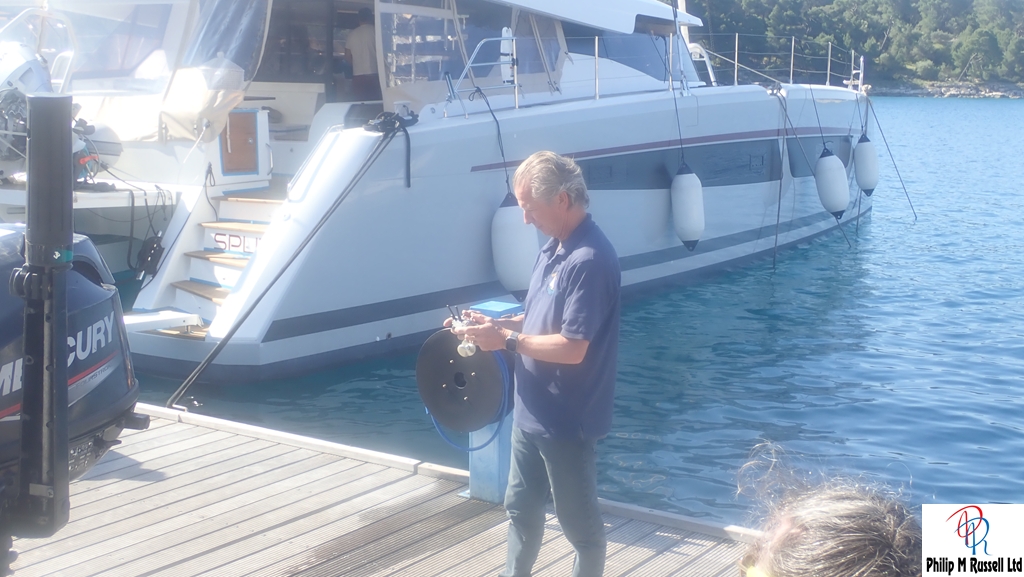
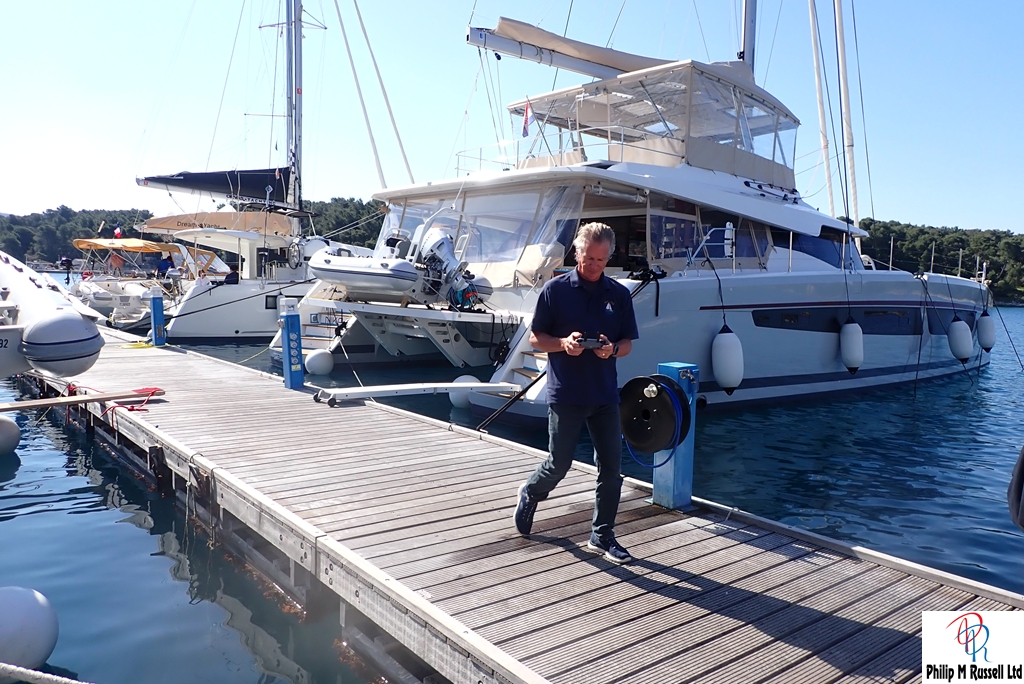
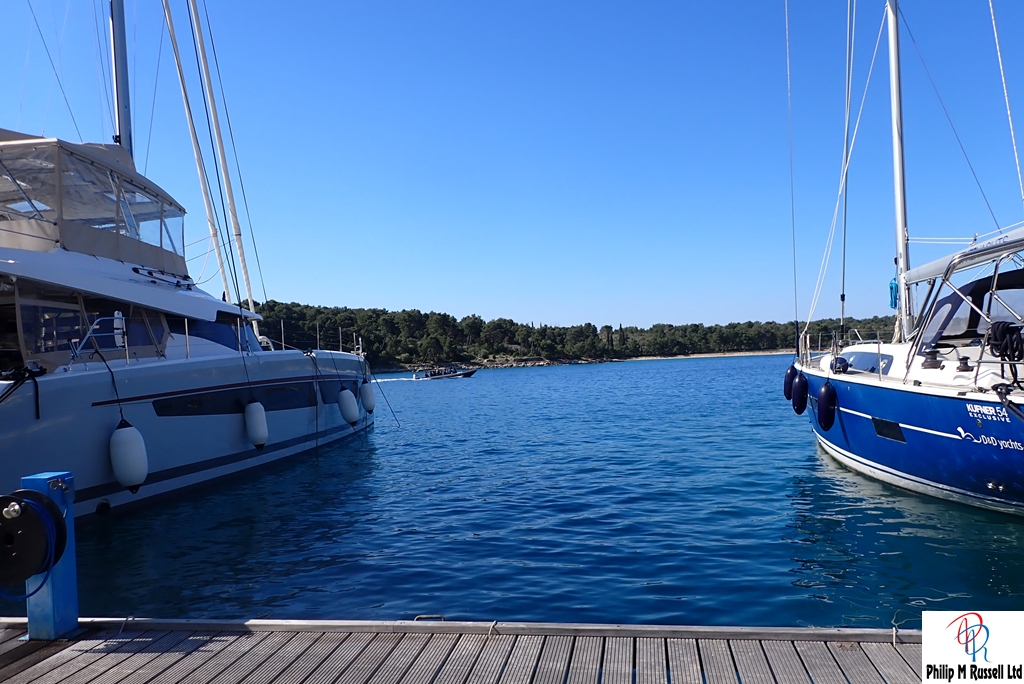
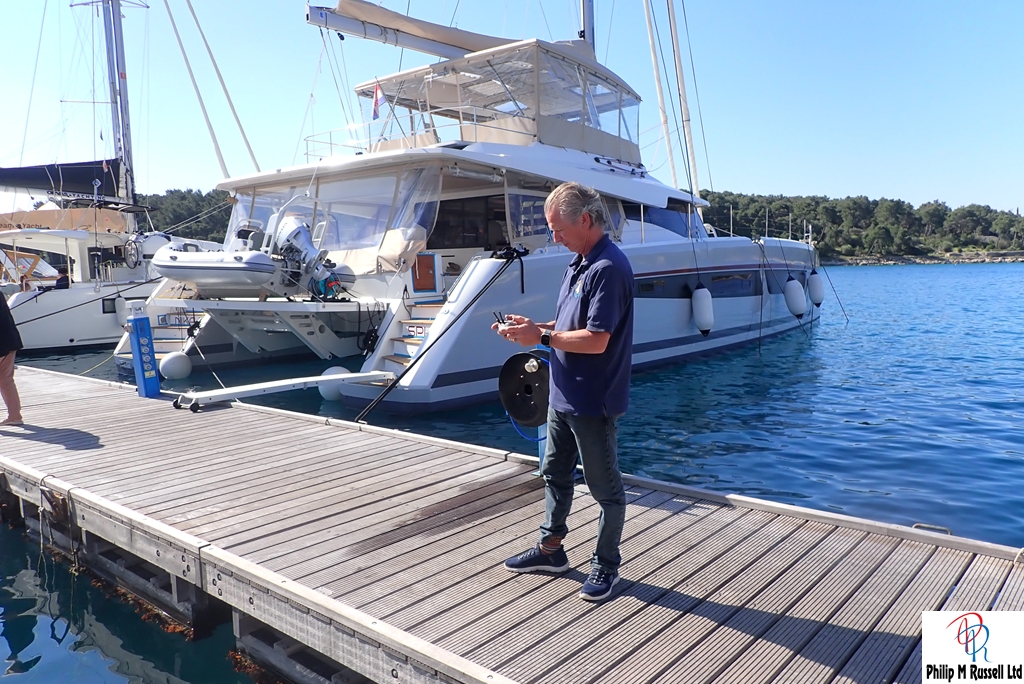
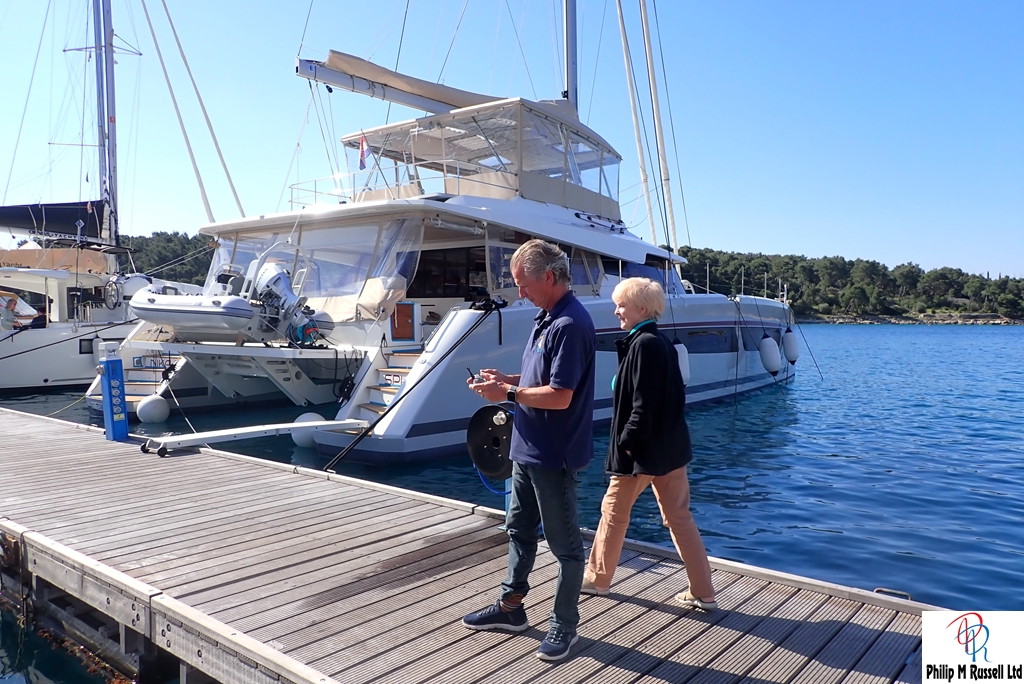
This morning, Steve had the drone out to film the boats
leaving.
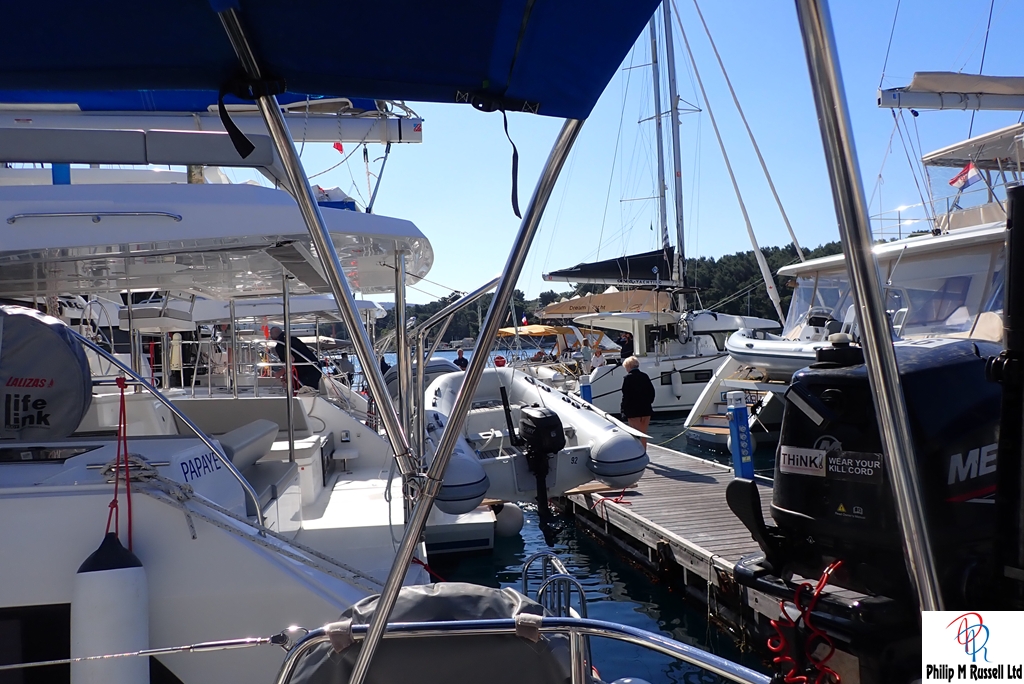
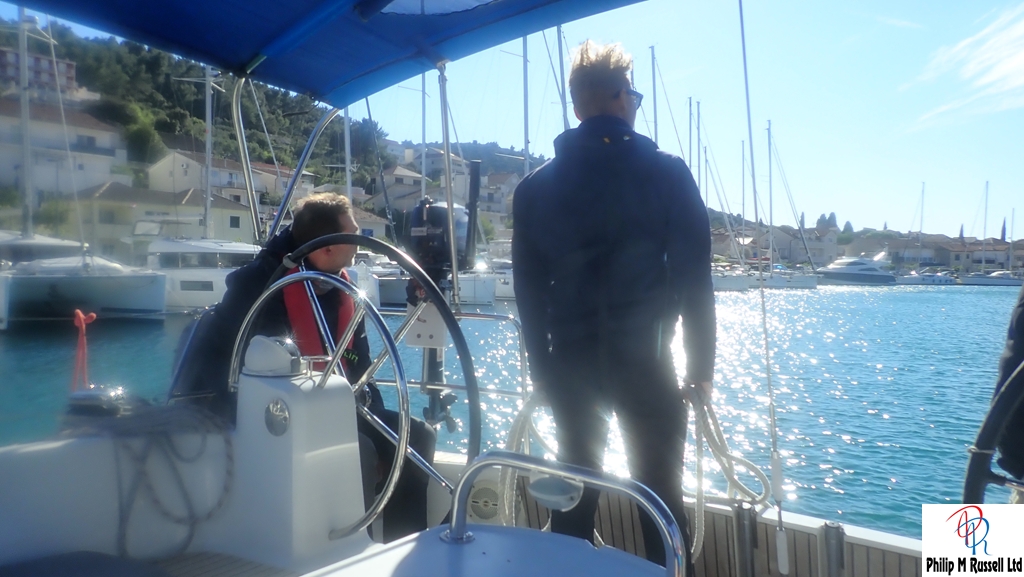
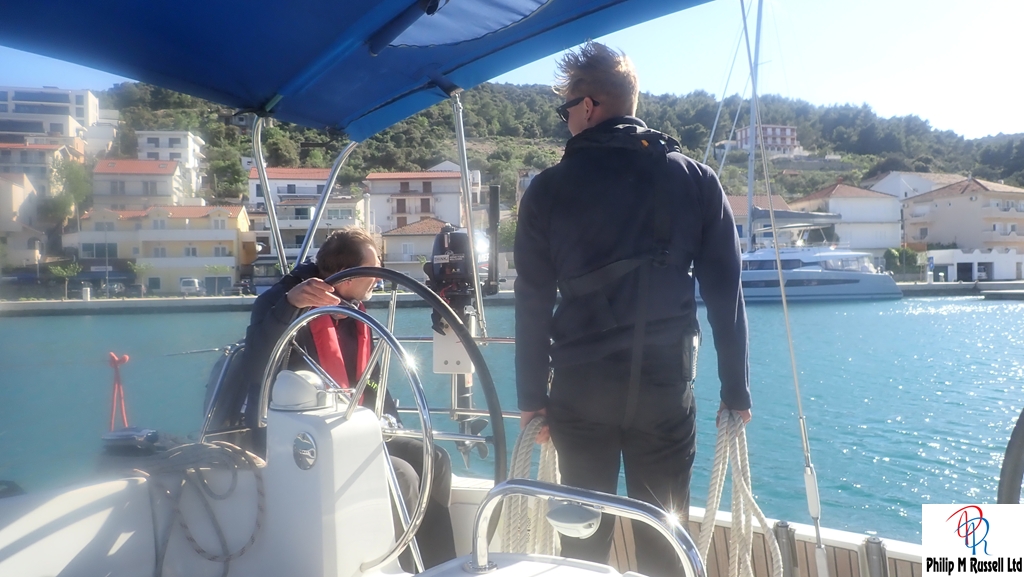
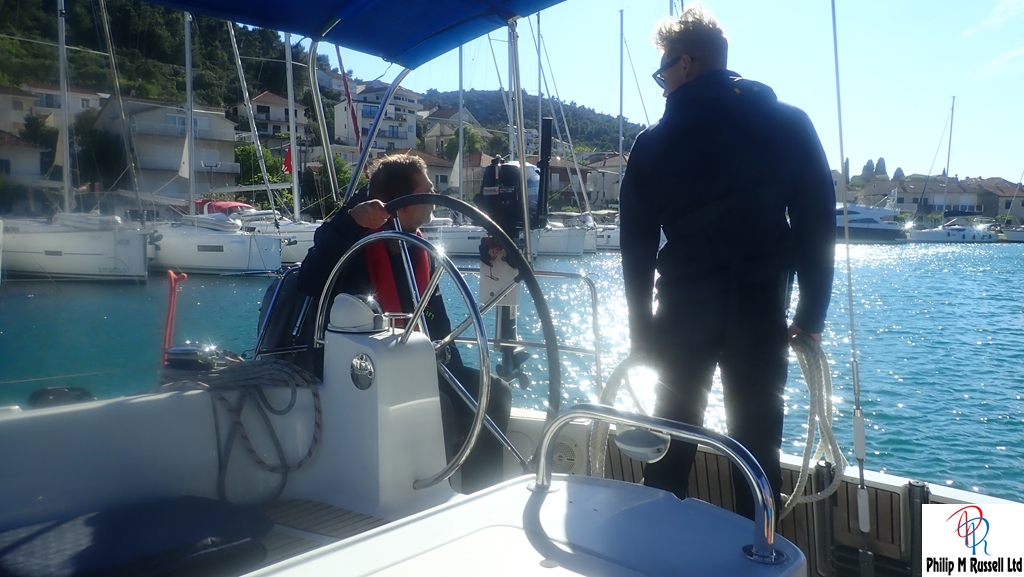
Michael and crew left first.
Then we left.
Then Sailing Fair Isle followed in Papaye.
From the drone’s point of view, it must have looked
magnificent: yachts slipping away from the harbour, white hulls against deep
blue water, sails waiting to be hoisted, and the Croatian coastline providing
the kind of backdrop that makes any film look as though it has had a much
larger production budget than it actually has.
Of course, the calm elegance of drone footage does not
always show the little human details.
Such as Steve forgetting the papers.
This meant Judy had to jump ship and go back to fetch them.
There is something reassuring about this. However organised
sailing may look from the air, down at deck level it still involves someone
suddenly realising that an important bit of paper, bag, key, cable, battery,
lunch, or hat is not where it needs to be.
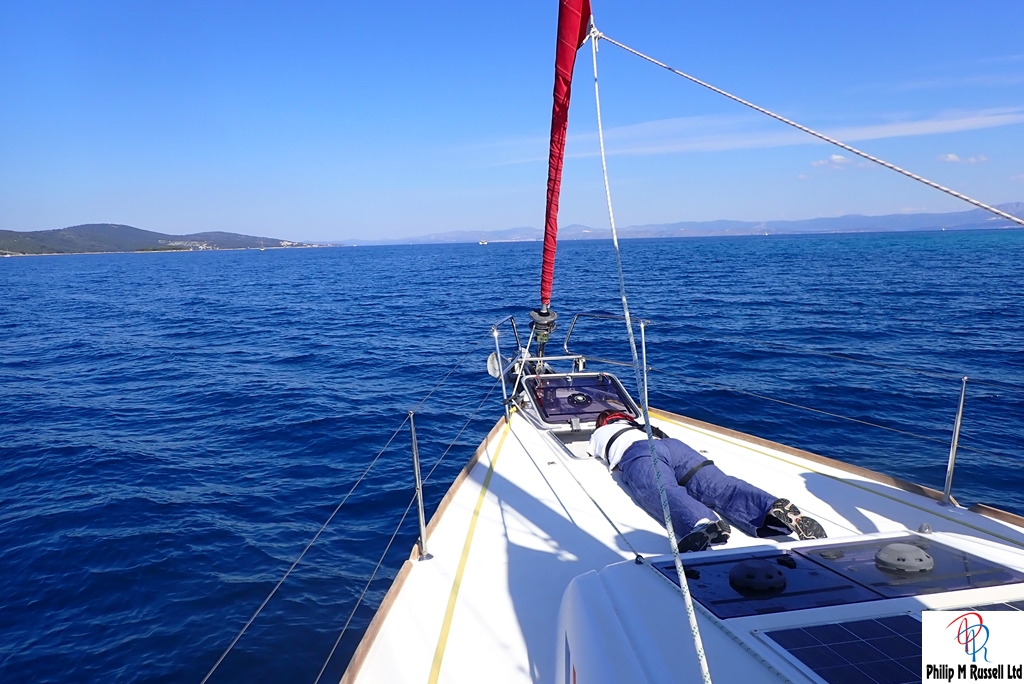
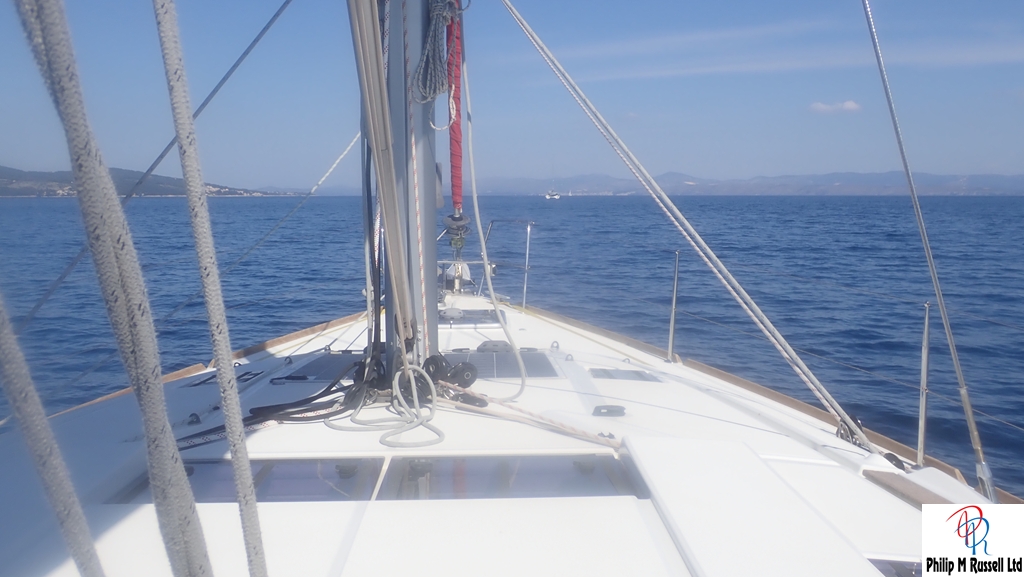
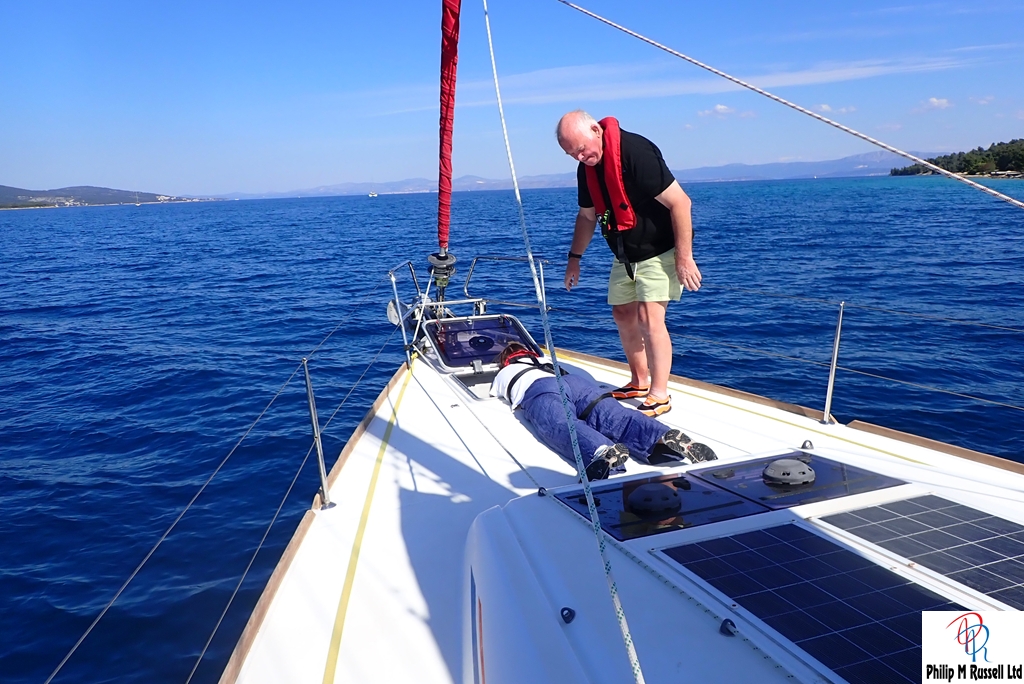
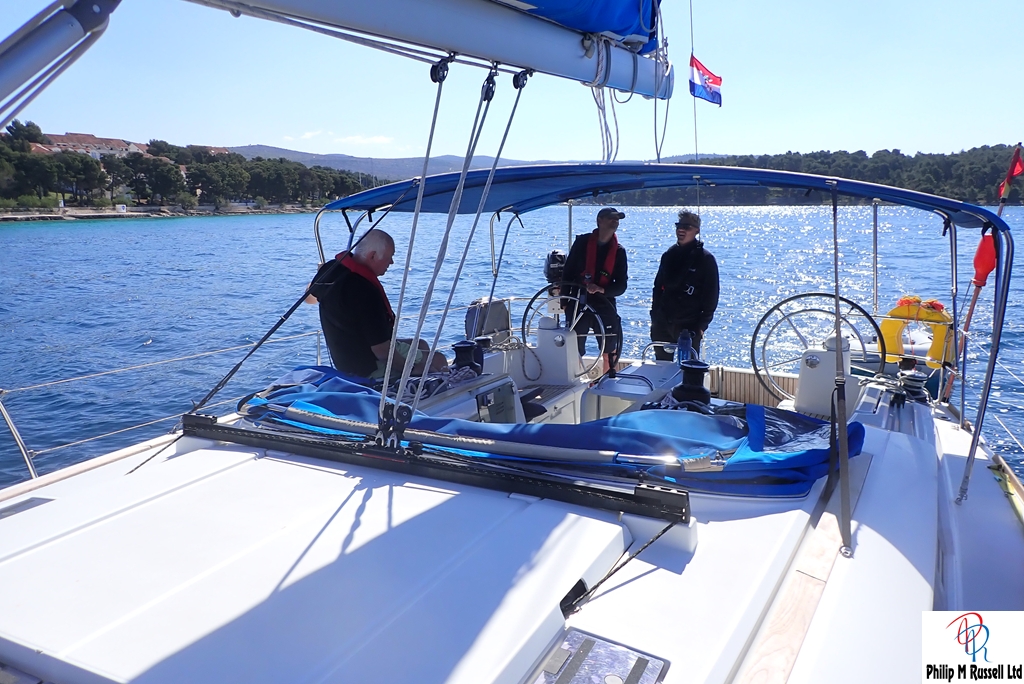
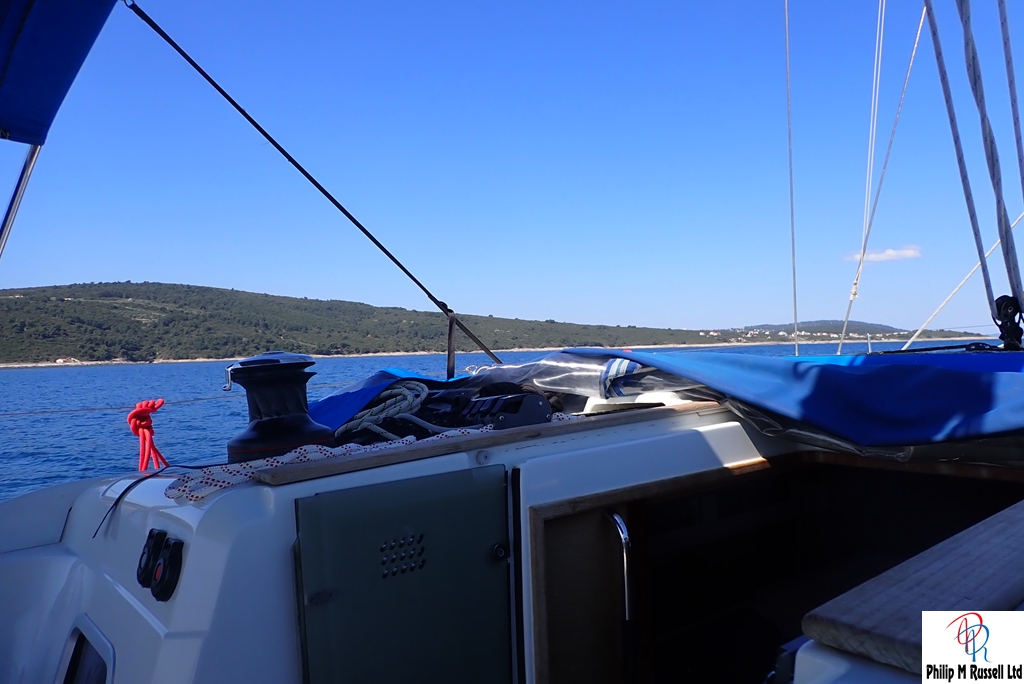
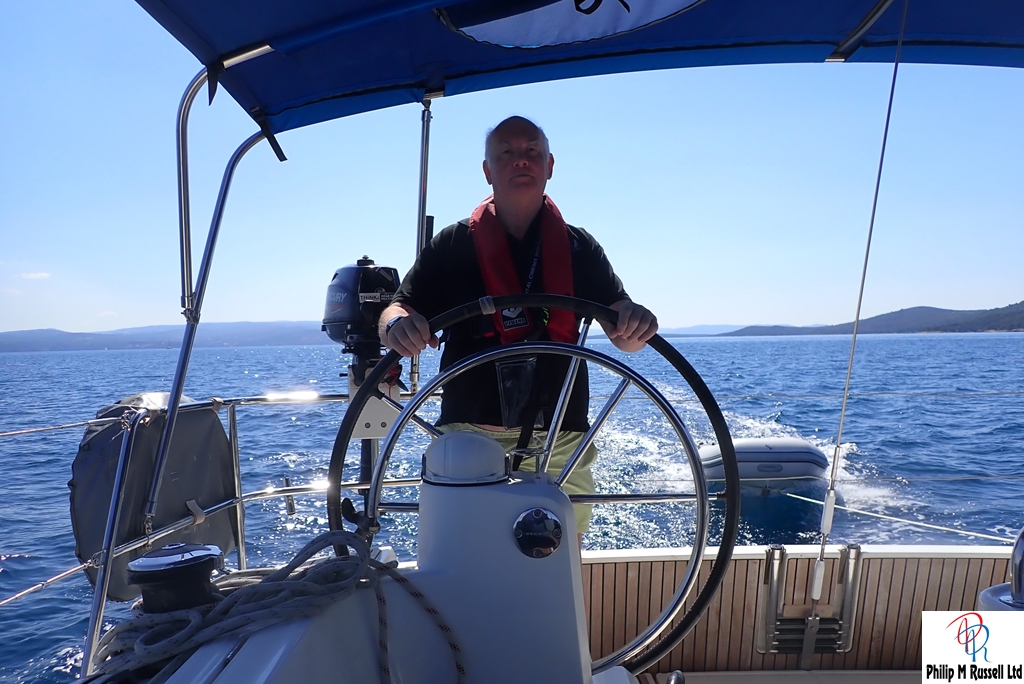
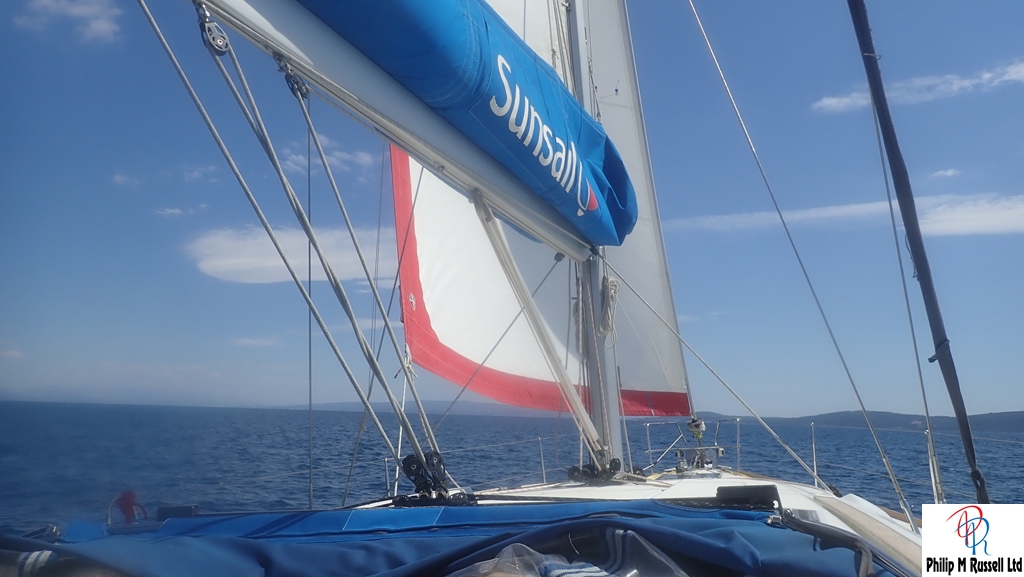
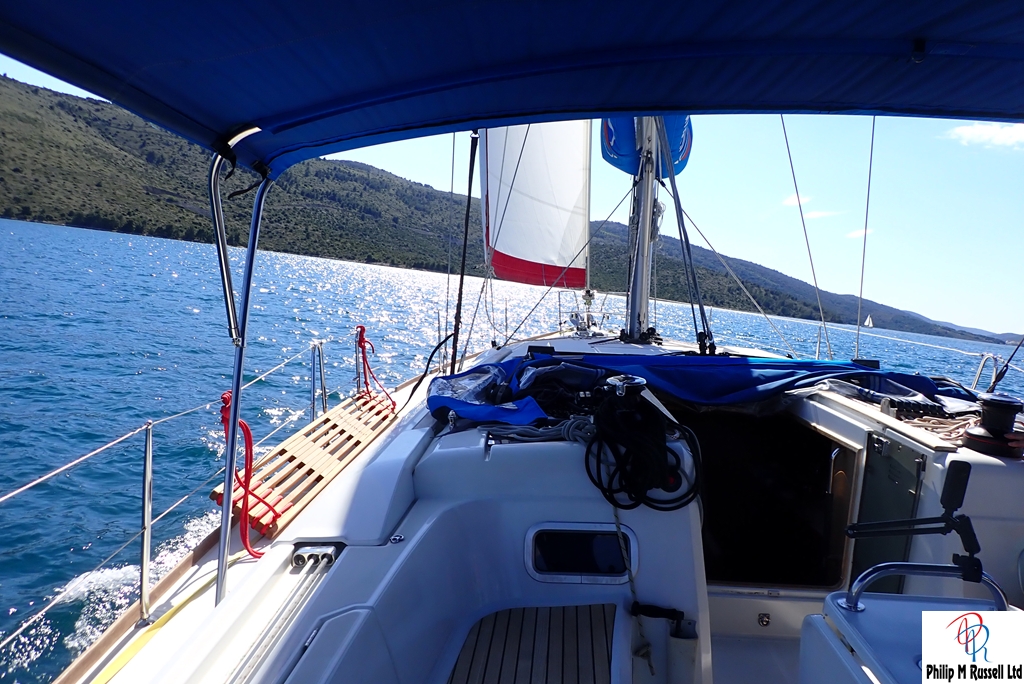
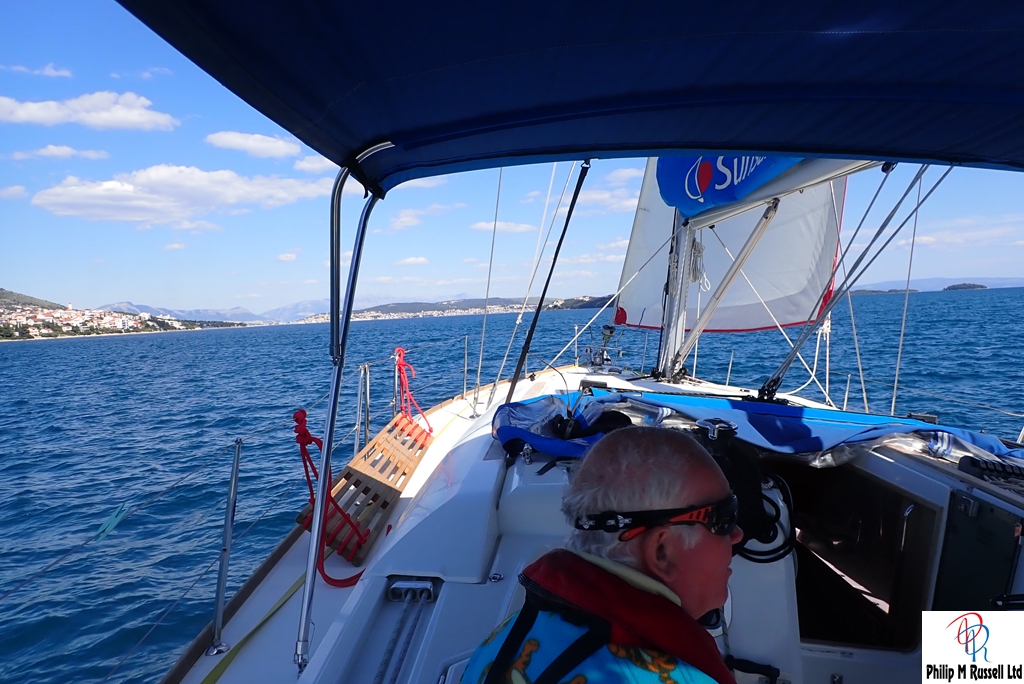
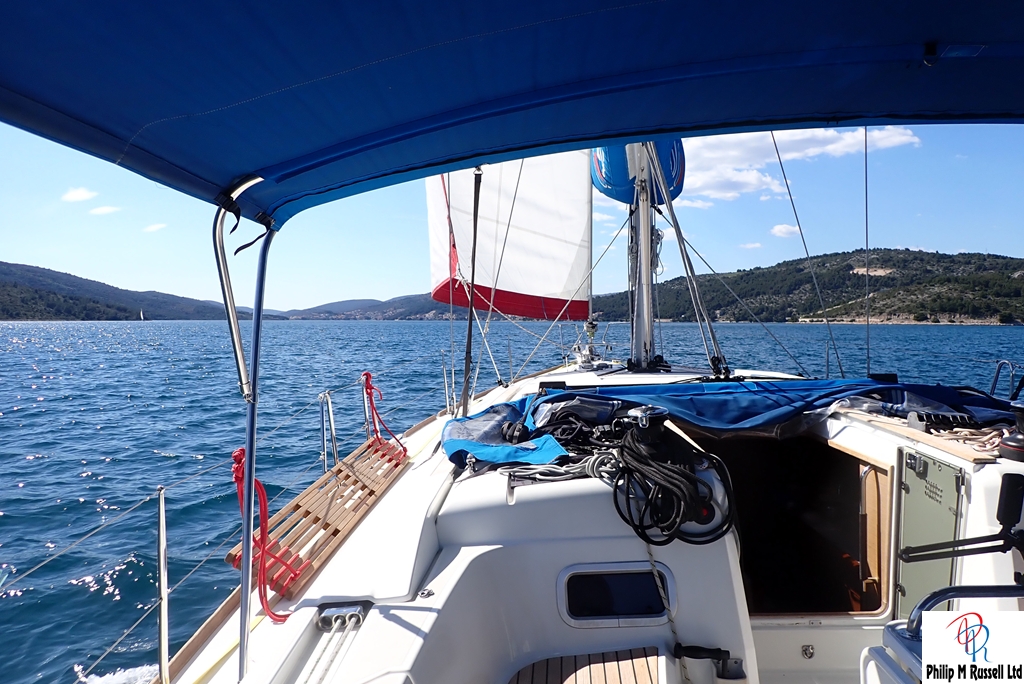
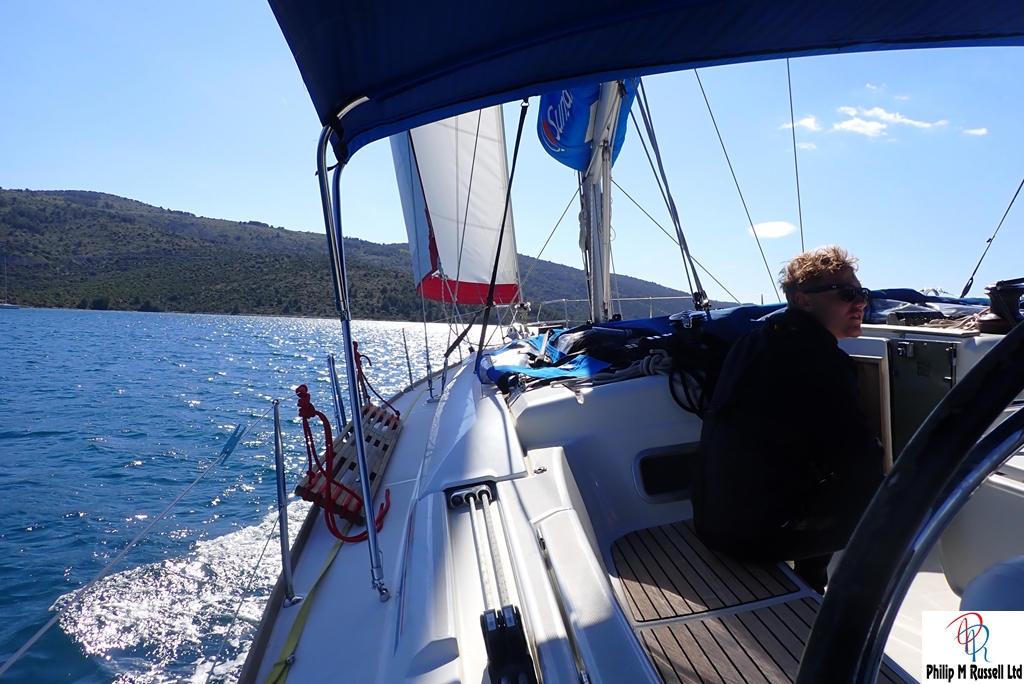
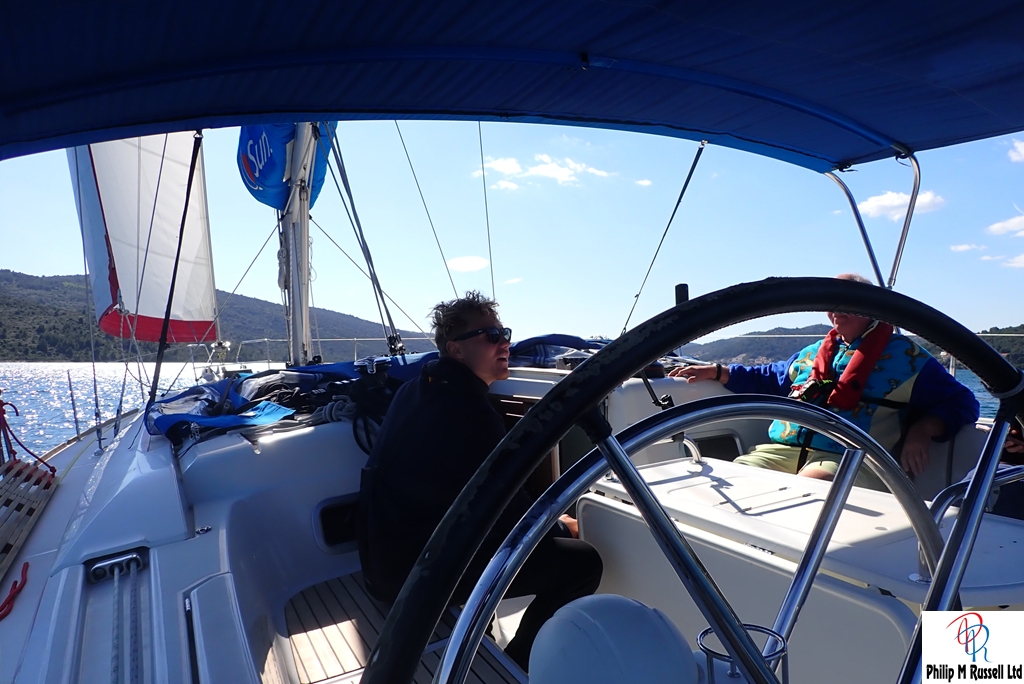
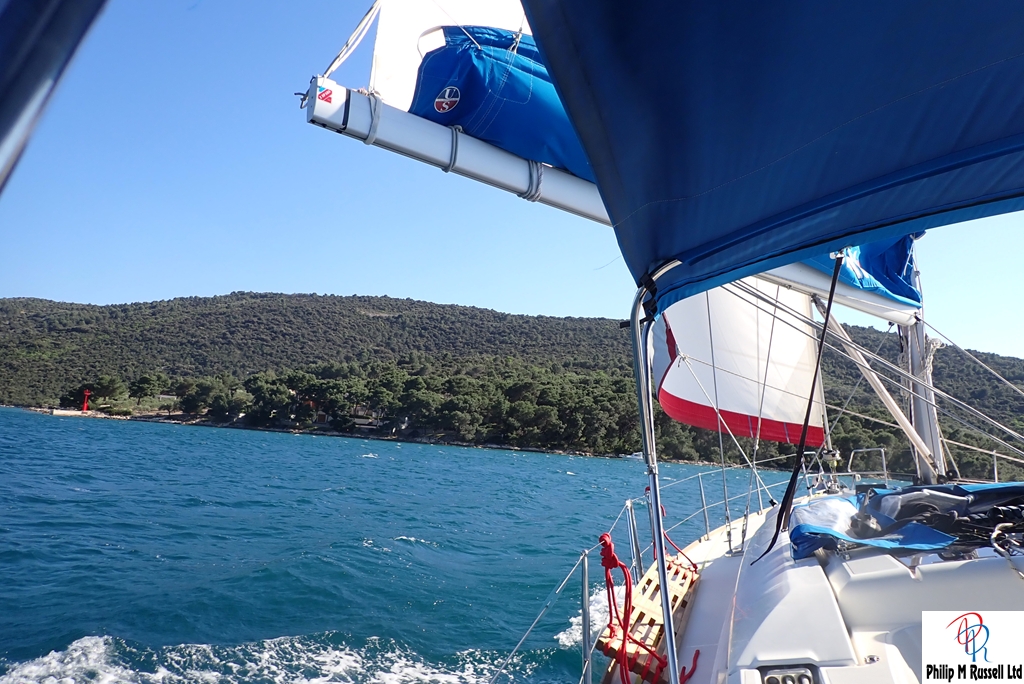
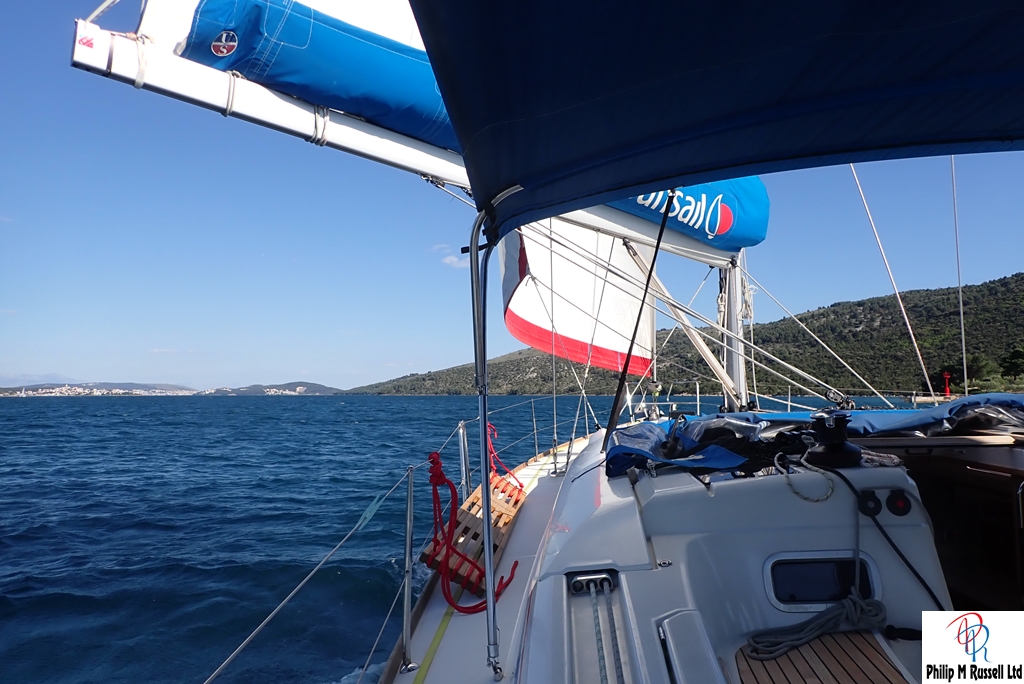
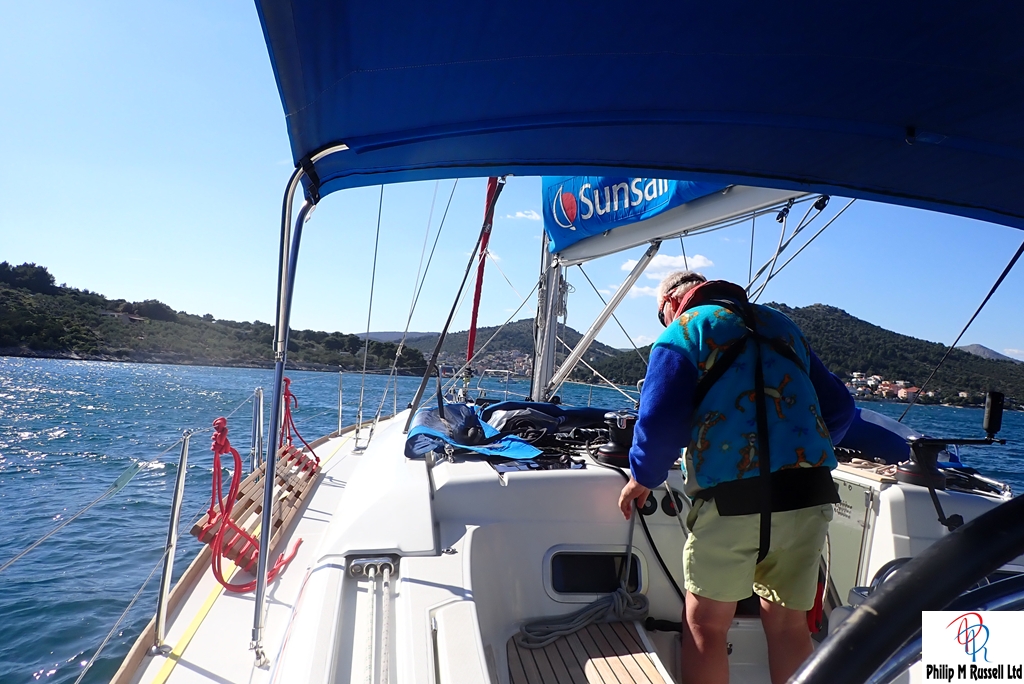
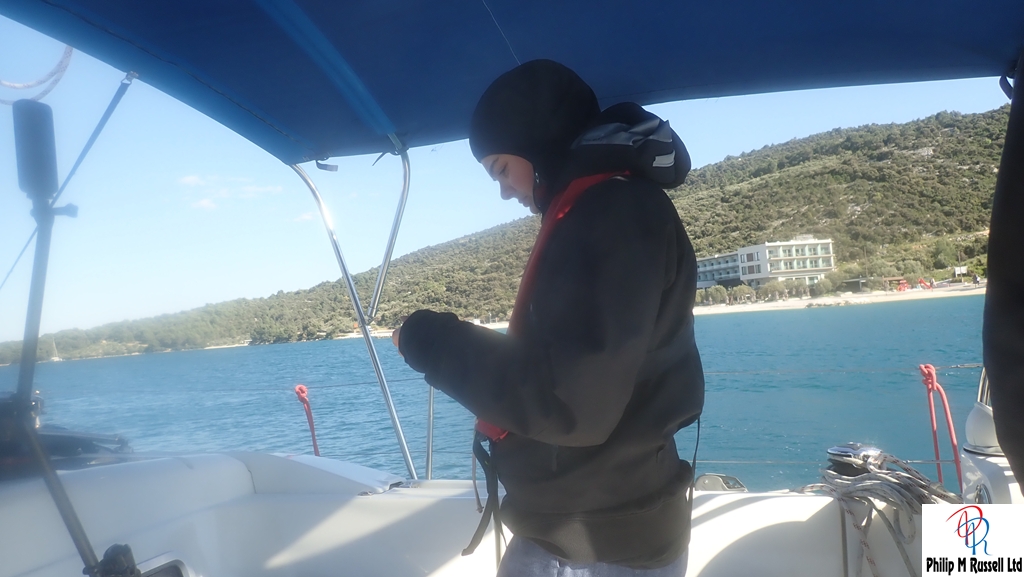
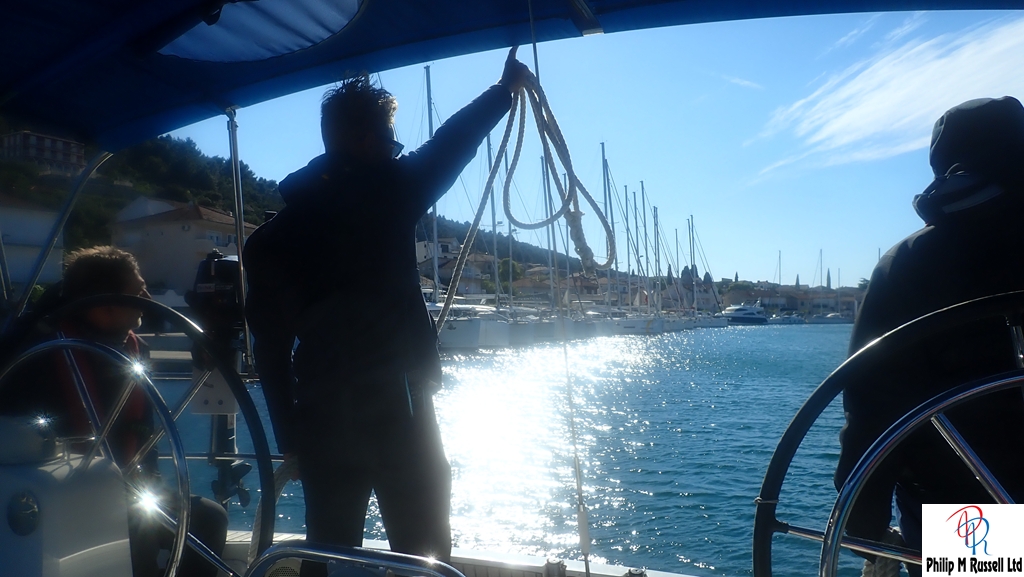
Once out, the sails went up and we began sailing properly.
This was not just a gentle sightseeing trip. We all had a go
at tacking the boat, putting into practice the lessons from earlier in the
week. By now the movements were becoming more familiar, although familiarity
should never be mistaken for elegance.
Tacking a larger yacht is a very different experience from
tacking a dinghy on the Thames.
On the river, everything happens quickly. The space is
limited, the wind is often confused by trees and buildings, and the next bank,
buoy, moored boat, or overhanging branch is never very far away.
At sea, there is more space, but there is also more boat.
The loads are bigger. The sails carry more power. The boat
has momentum. The whole manoeuvre feels more deliberate.
On the Thames, a mistake might leave you stalled under a
tree or drifting backwards towards a moored cruiser. In Croatia, a mistake has
the potential to involve a great deal more rope, winching, leaning, and
discussion.
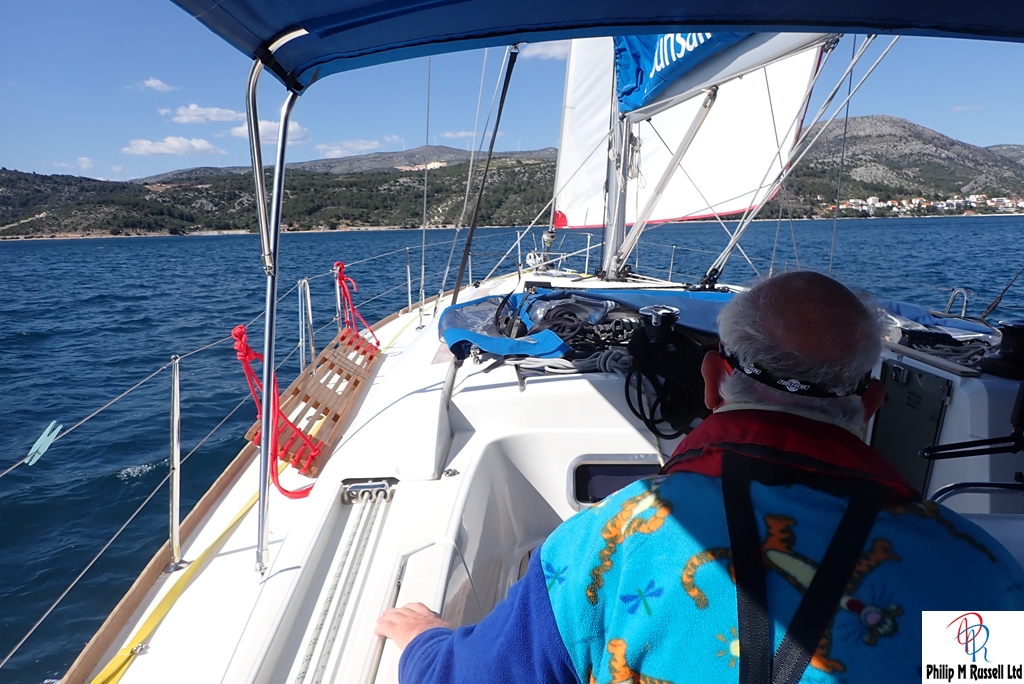
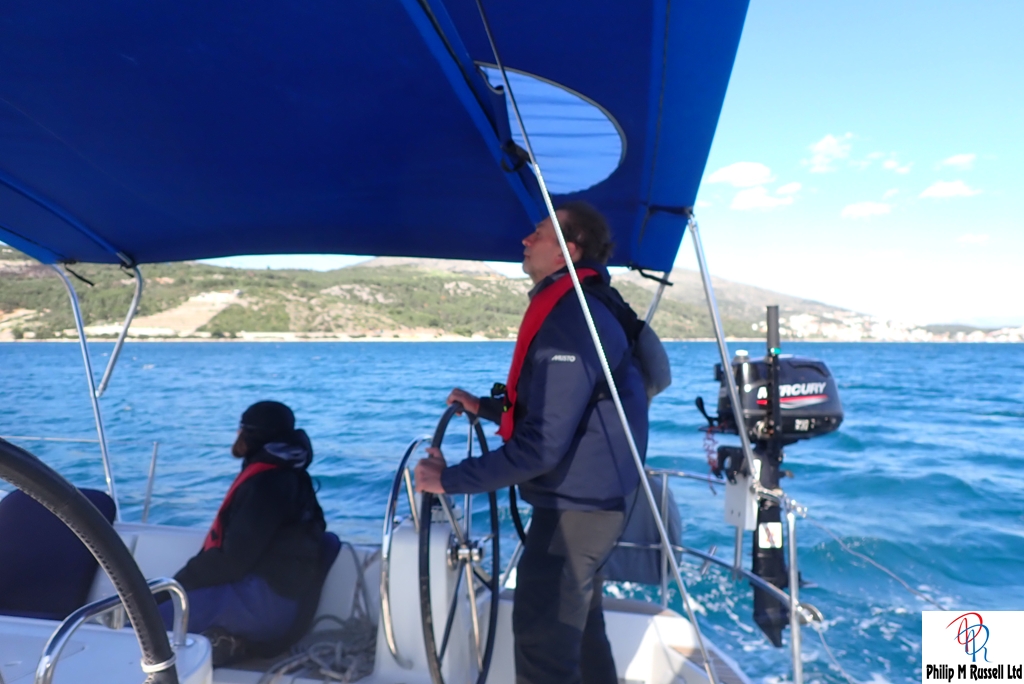
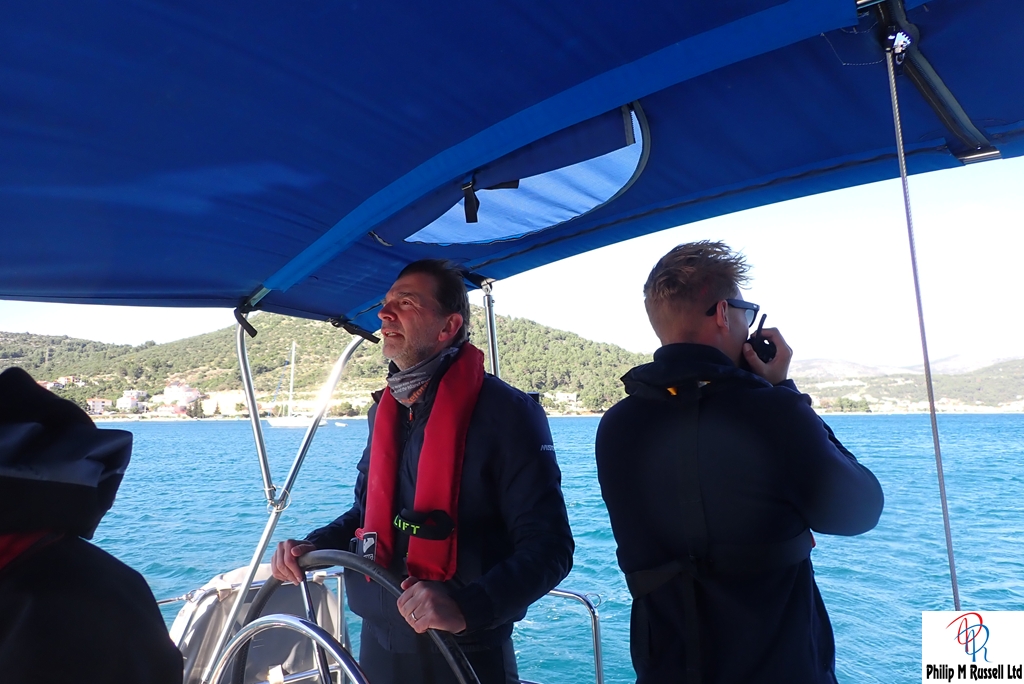
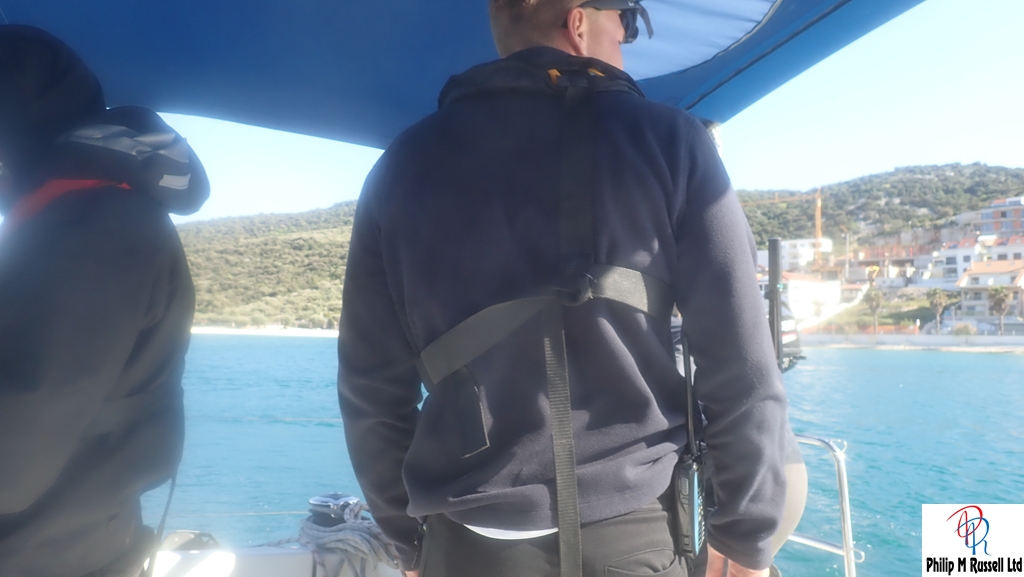
Fortunately, Tadek kept everything calm and organised.
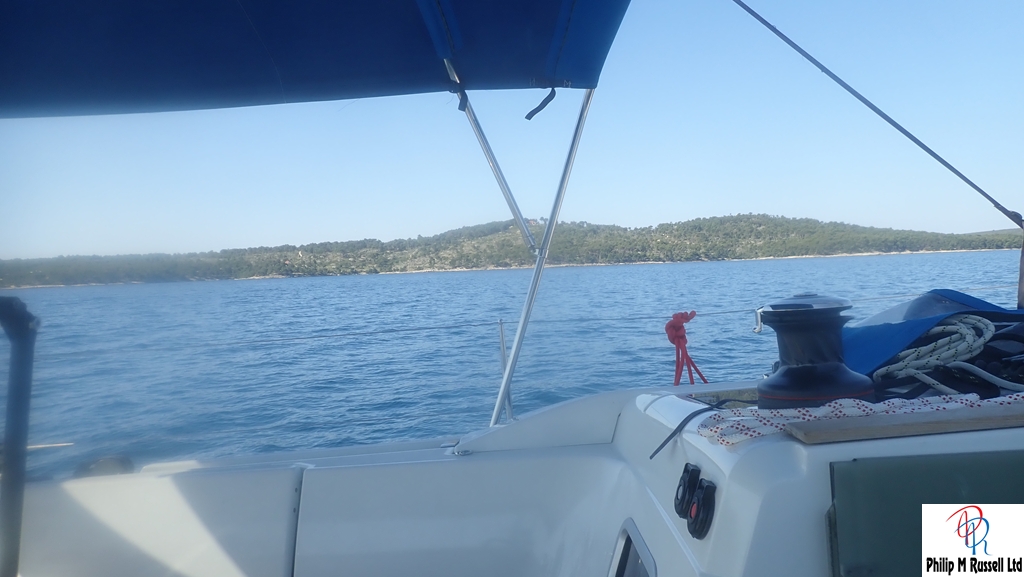
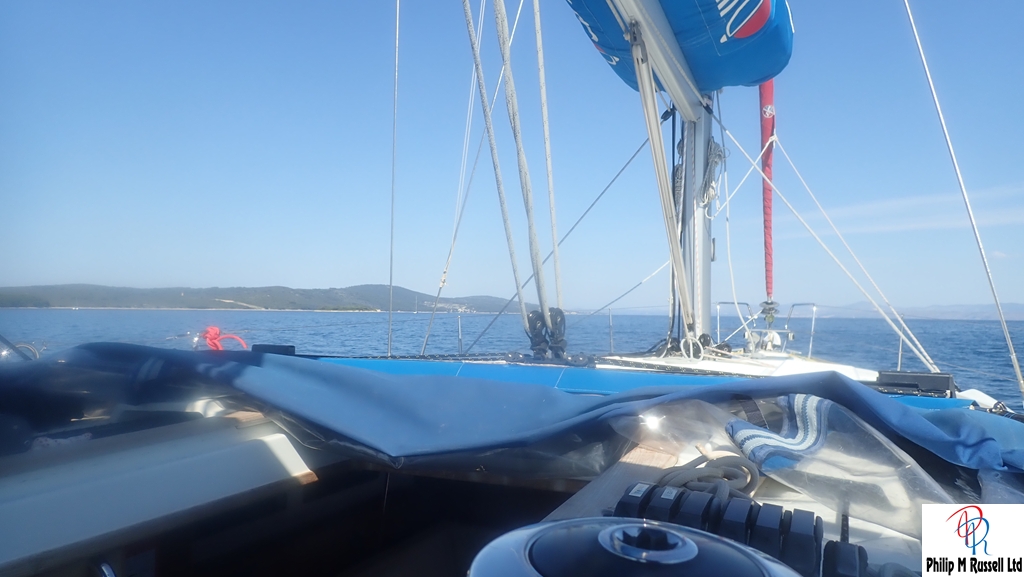
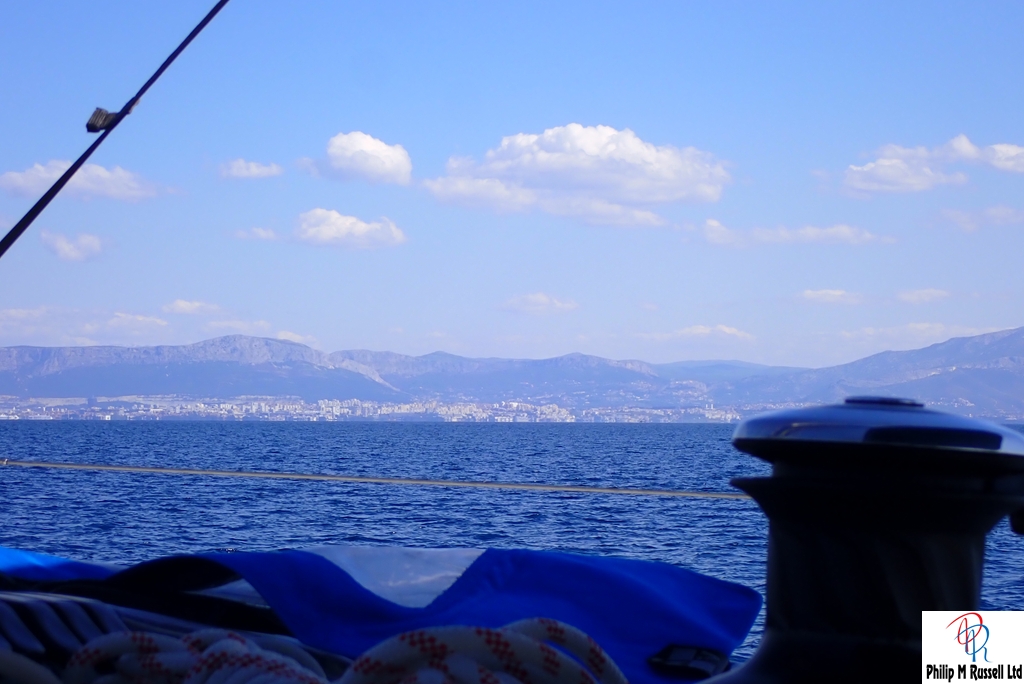
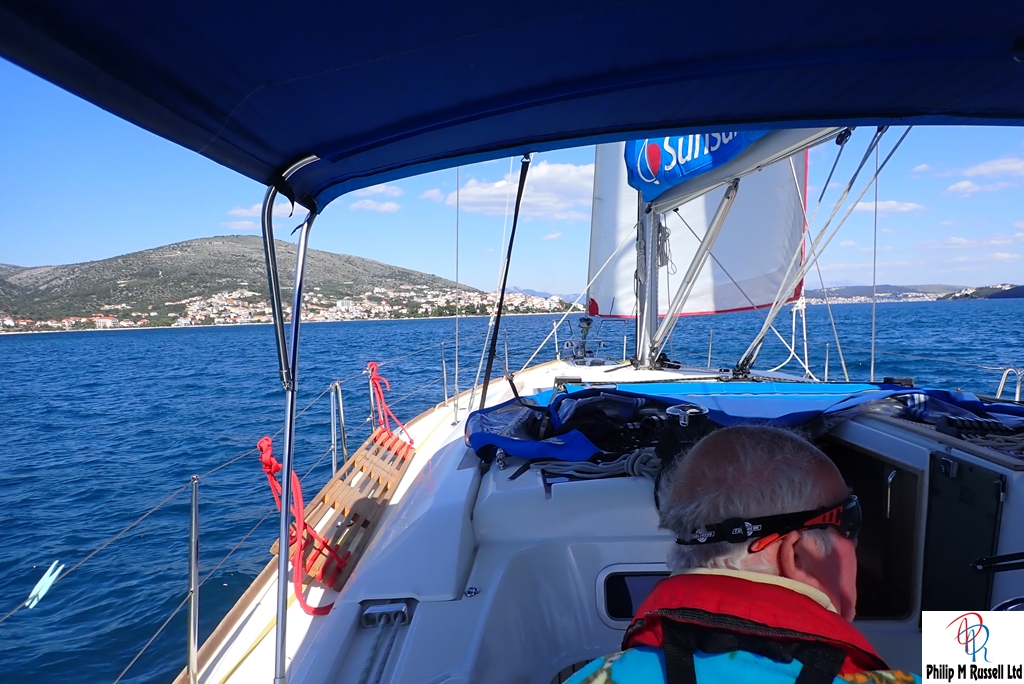
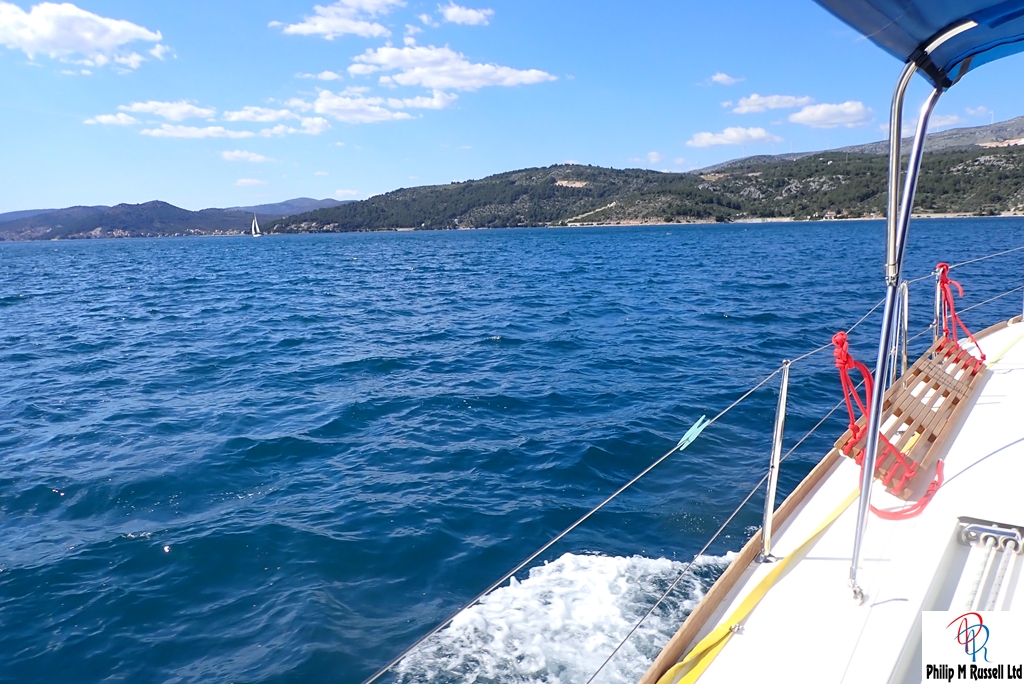
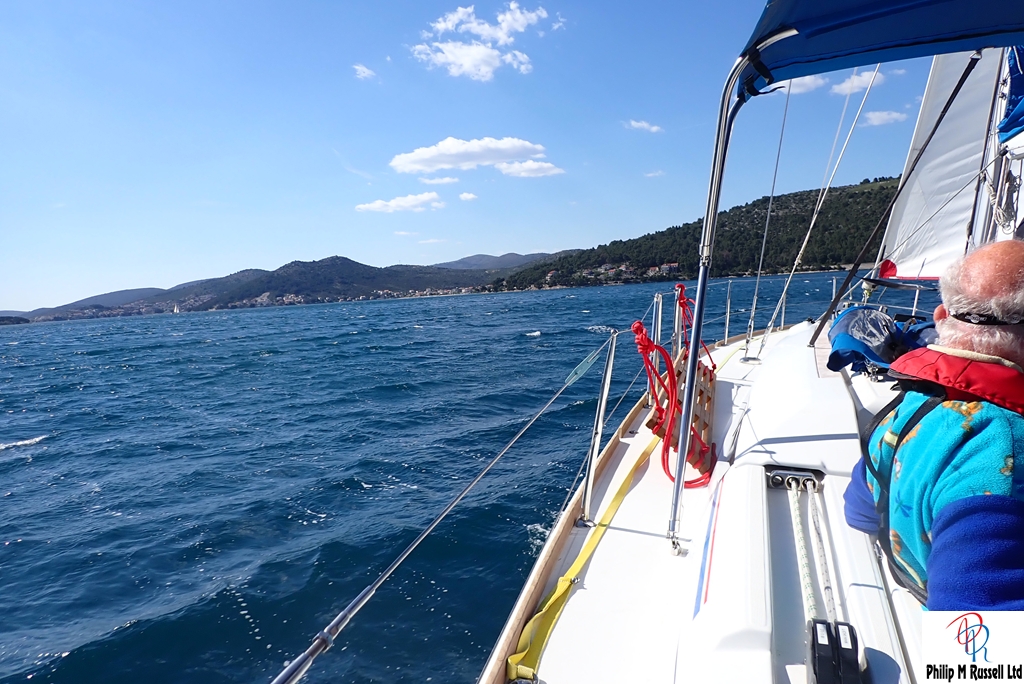
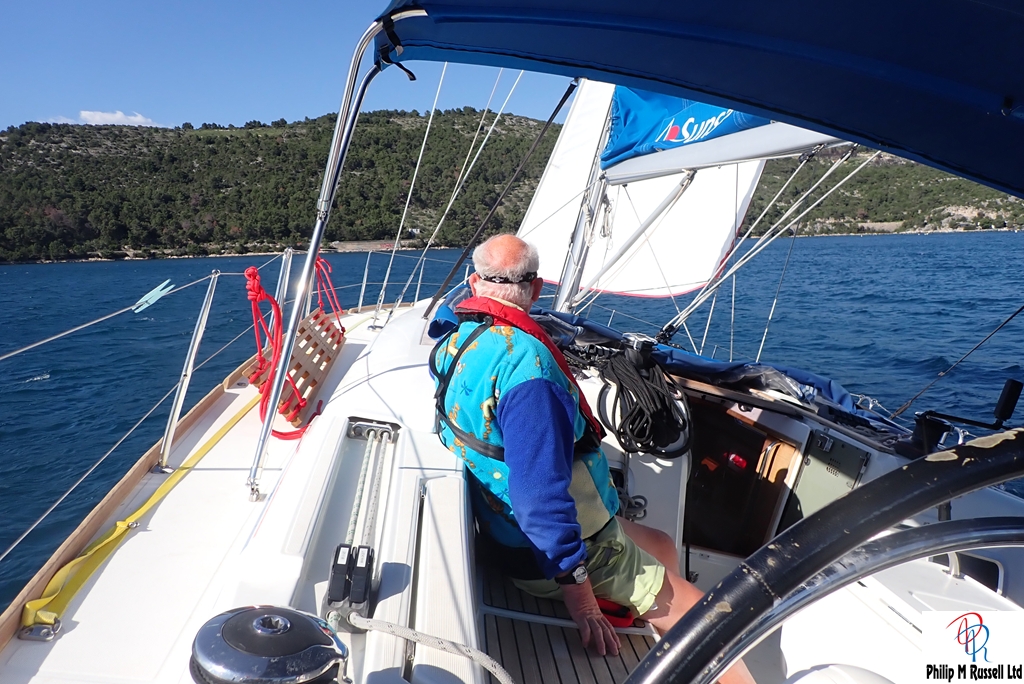
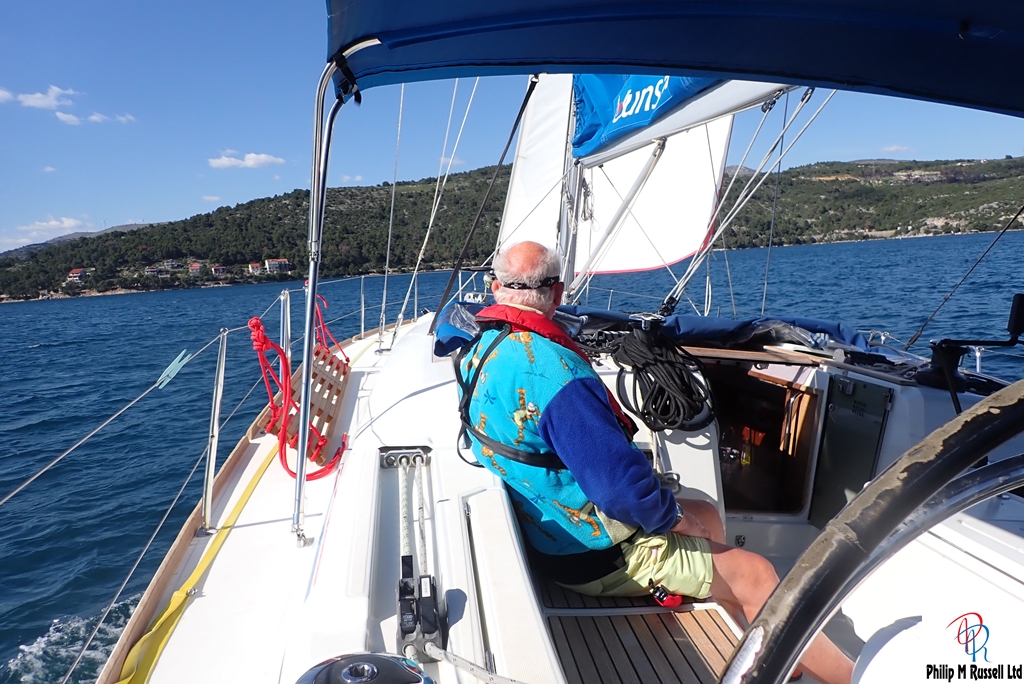
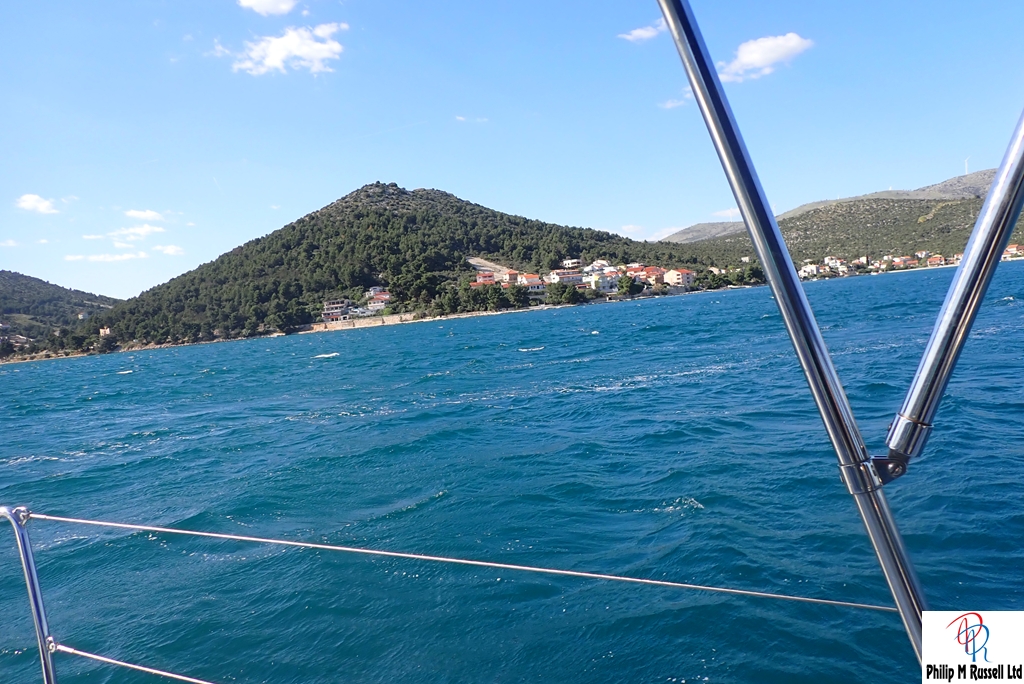
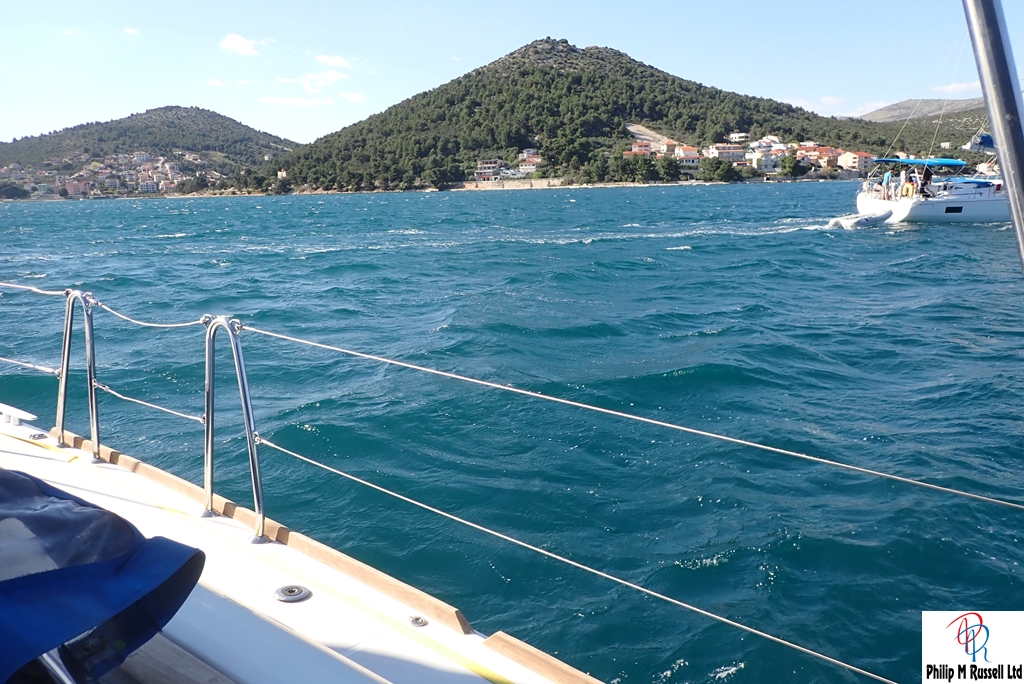
We headed towards Brač, sailing out across the water
with the islands ahead of us.
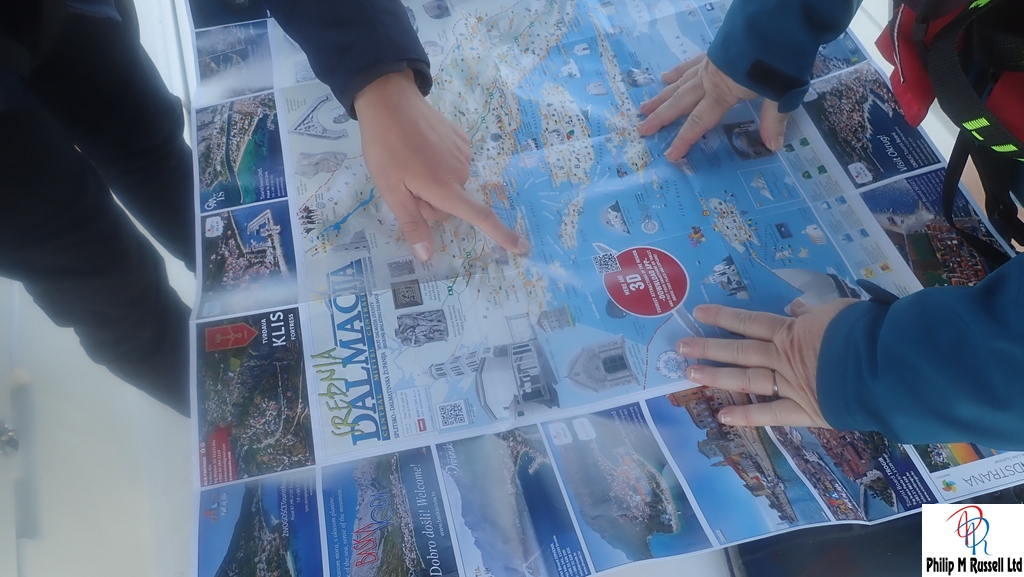
One of the interesting parts of navigation in this area is
that what appears obvious on the chart is not always obvious to the eye. On the
navigation map, we could see that there was a gap between the islands. Looking
across the water, however, it appeared at first as though we were heading
towards one solid mass of land.
This is where charts, plotters, and proper navigation
matter.
The eye says, “That is clearly one island.”
The chart says, “No, there is a gap.”
The brain says, “I hope the chart is right.”
As we sailed on, the gap gradually revealed itself. What had
looked like a solid wall of land became a passage, and once again I was
reminded that navigation is not just about looking — it is about interpreting.
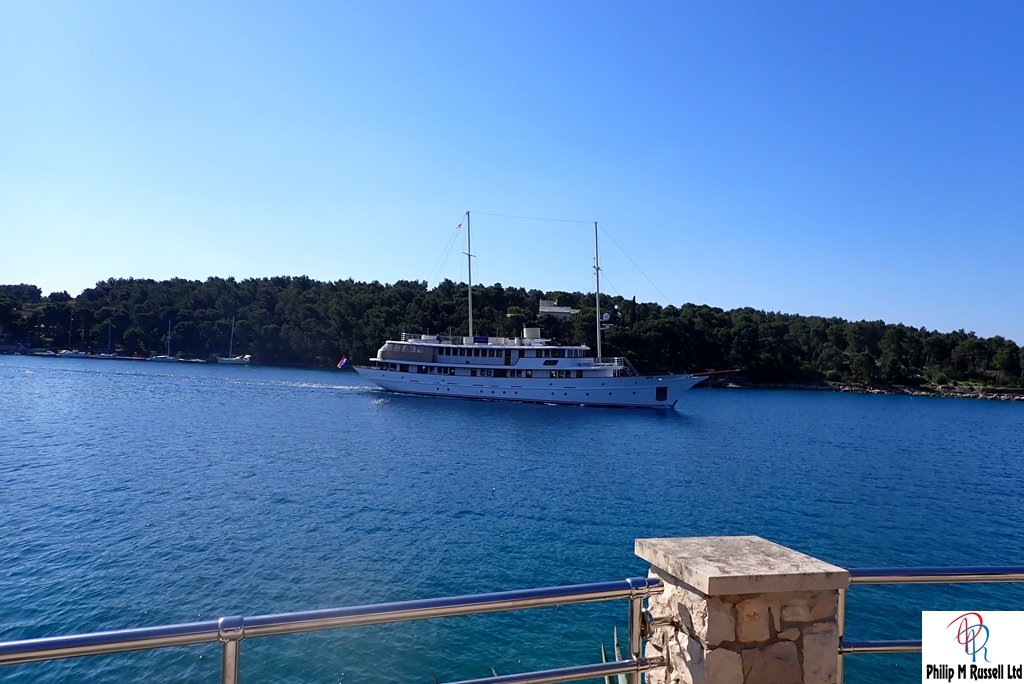
We also saw a beautiful three-masted yacht, the kind of
vessel that makes you stare for far longer than is probably useful when you are
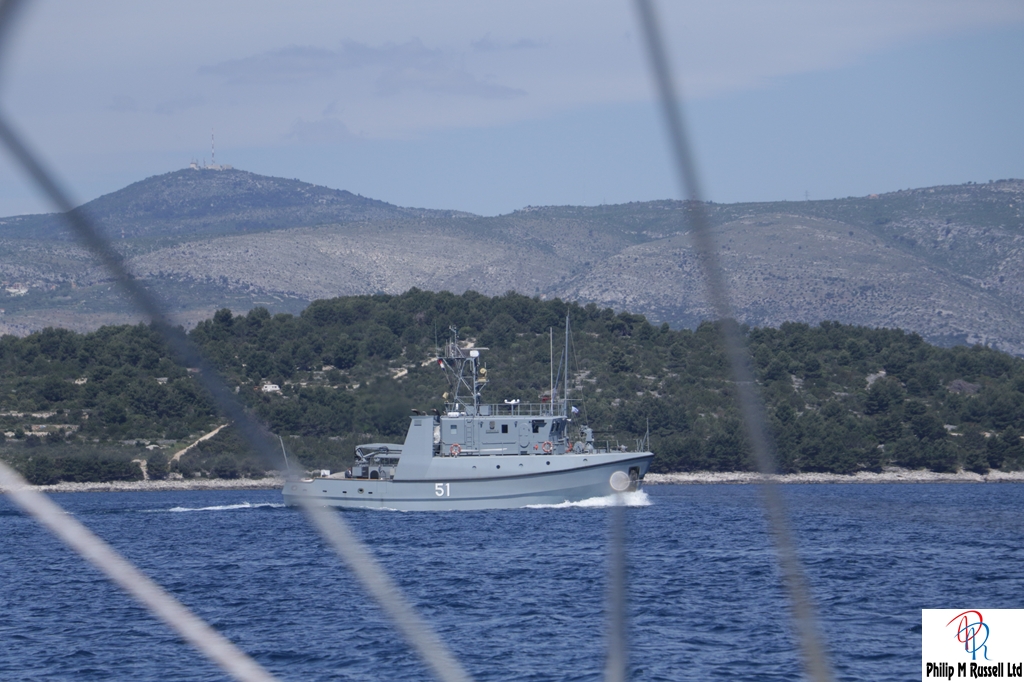
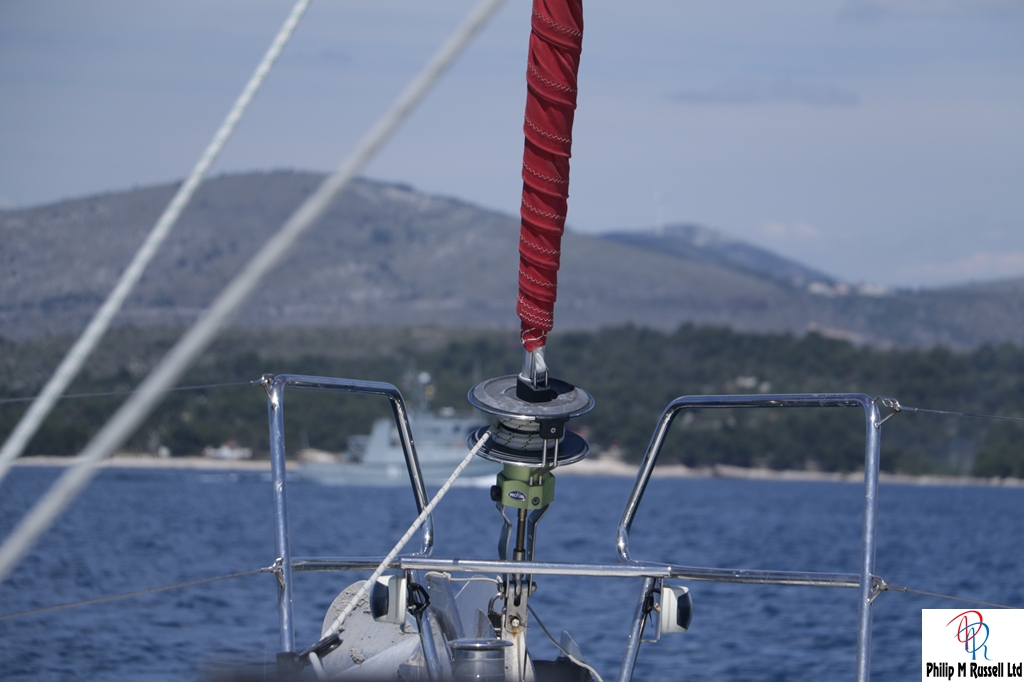
supposed to be concentrating on sailing your own boat. There was also a small
navy boat in the area, adding a slightly more serious note to the otherwise
holiday-like scene.
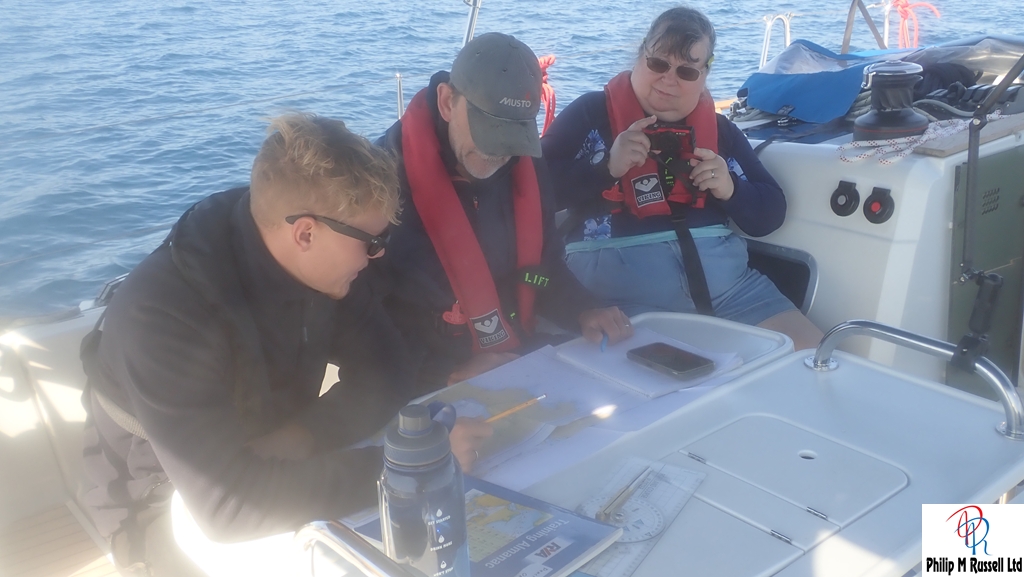
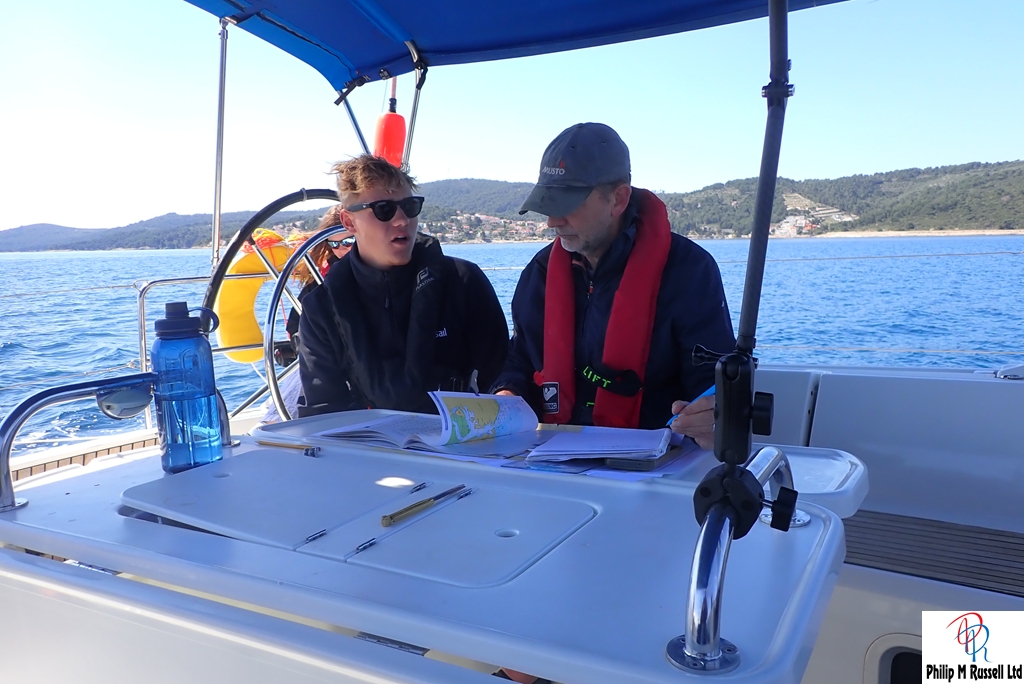
Tadek worked with John and Emily looking a Tide tables and working out voyages using the RYA data.
For lunch, we anchored in the same place we had visited on
Saturday.
There is something pleasing about returning to a place by
boat. It feels different from returning by car. On land, places are connected
by roads and signs. At sea, they are connected by wind, water, bearings,
memory, and a slightly hopeful sense that you are recognising the right
headland.
Anchoring had become another part of the rhythm of the week.
Earlier in the course it had felt like a major event. By this point, it was
still important, but it no longer felt mysterious.
That is one of the great things about a practical sailing
course. You do not simply hear about procedures; you repeat them, in different
places and different conditions, until they begin to make sense.
Lunch at anchor also gave us a short pause before the wind
built further.
And it did build.
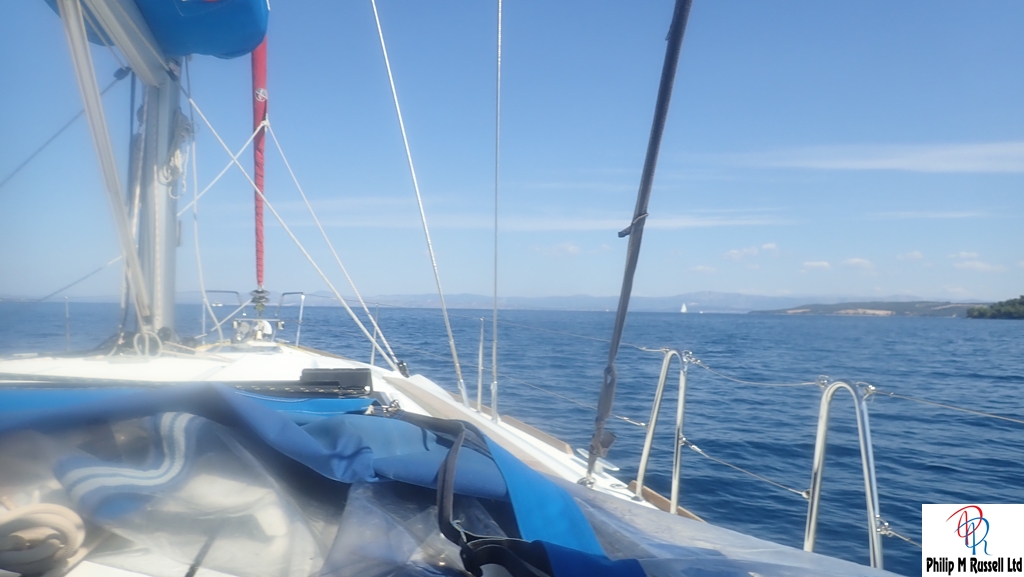
After lunch, we left the anchorage with the sails up and the
engine available as backup.
This felt like proper sailing.
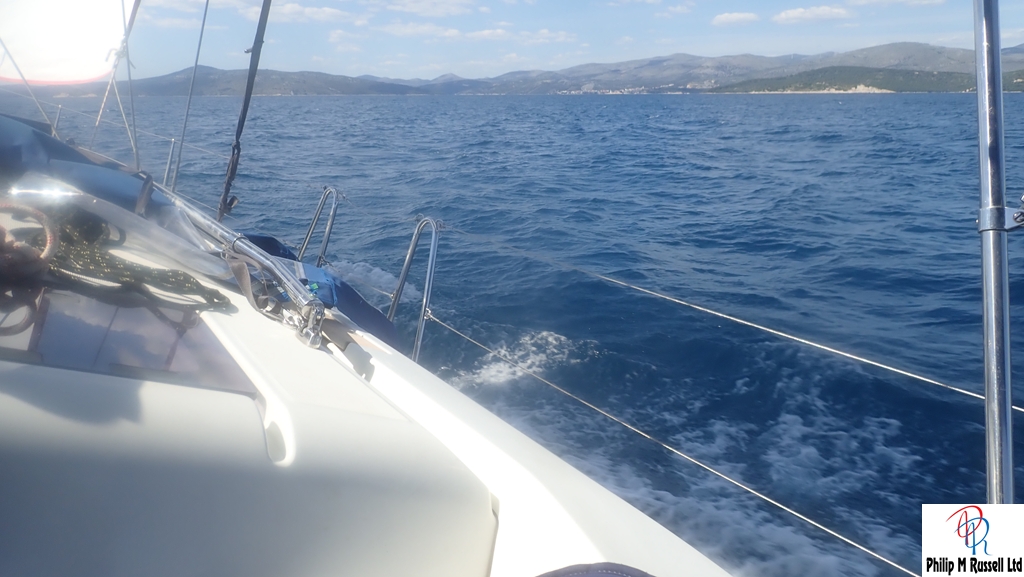
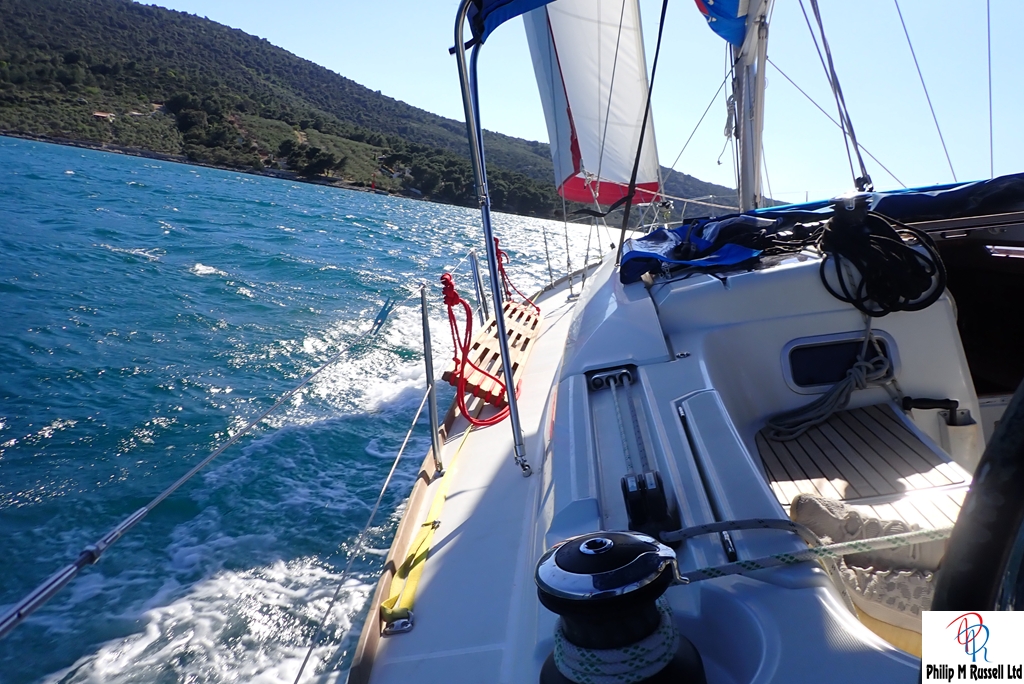
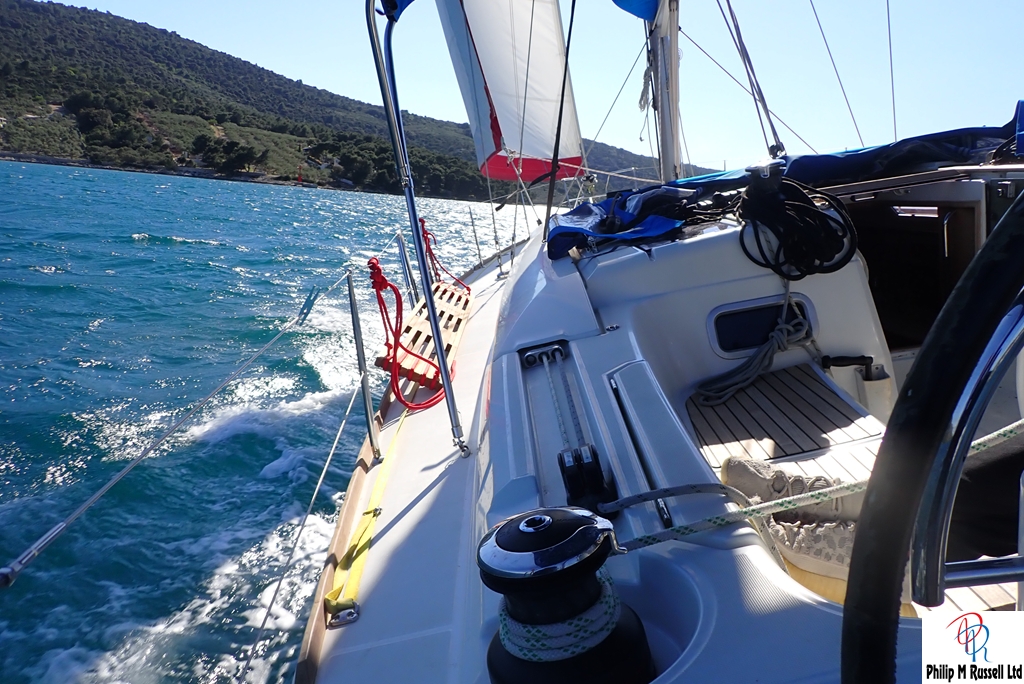
The wind was stronger now, and the boat was much more alive.
Earlier in the week we had talked about reefing and had a lesson on when and
why you reduce sail. Today, however, Tadek decided not to reef.
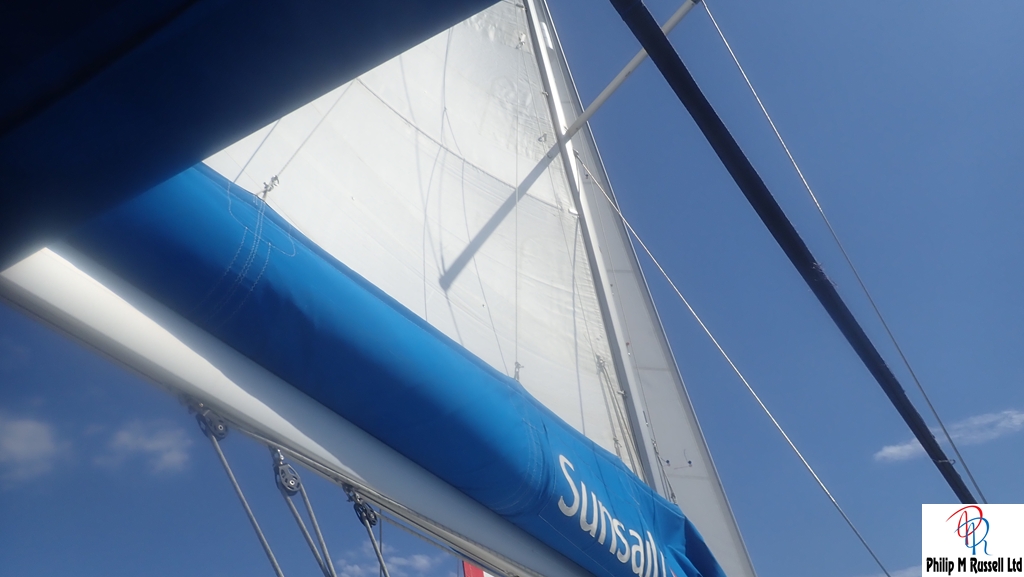
This meant we were carrying plenty of sail in increasingly
lively conditions.
The boat responded accordingly.
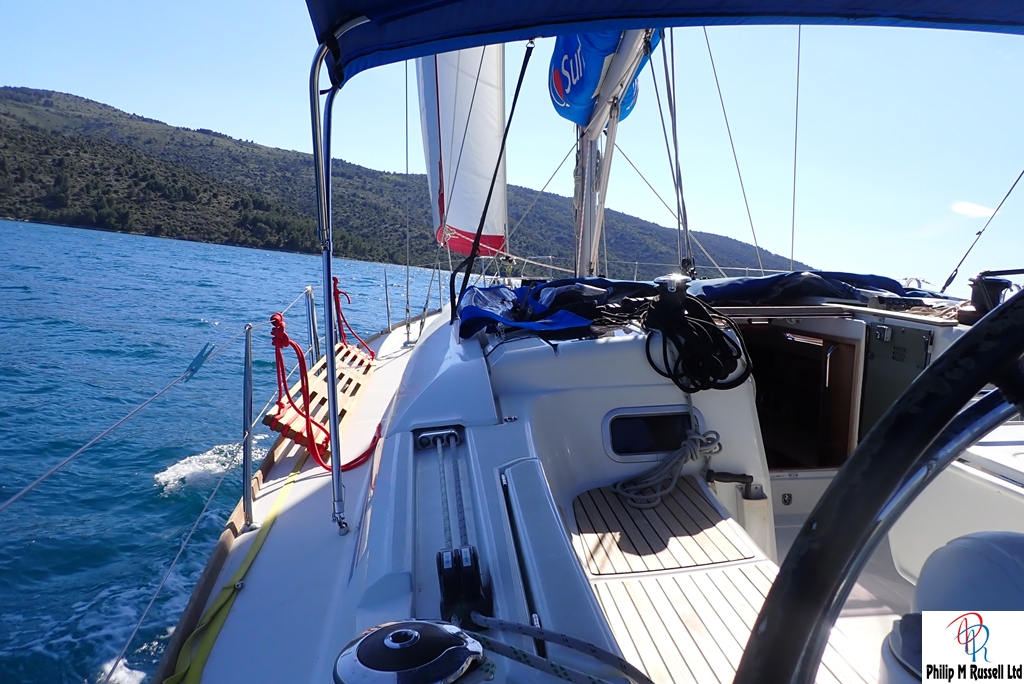
The gusts came through with real force. The sea surface had
changed too. There were white horses on the water, and that always changes the
mood. White horses are not necessarily dangerous in themselves, but they are
nature’s way of saying, “You are now sailing in wind that deserves respect.”
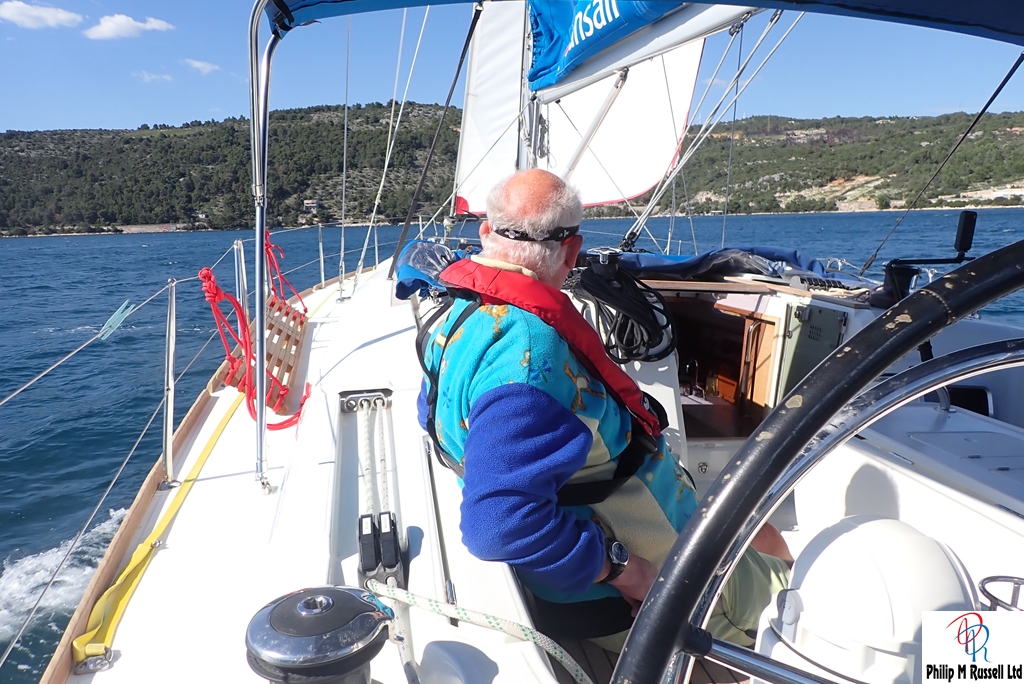
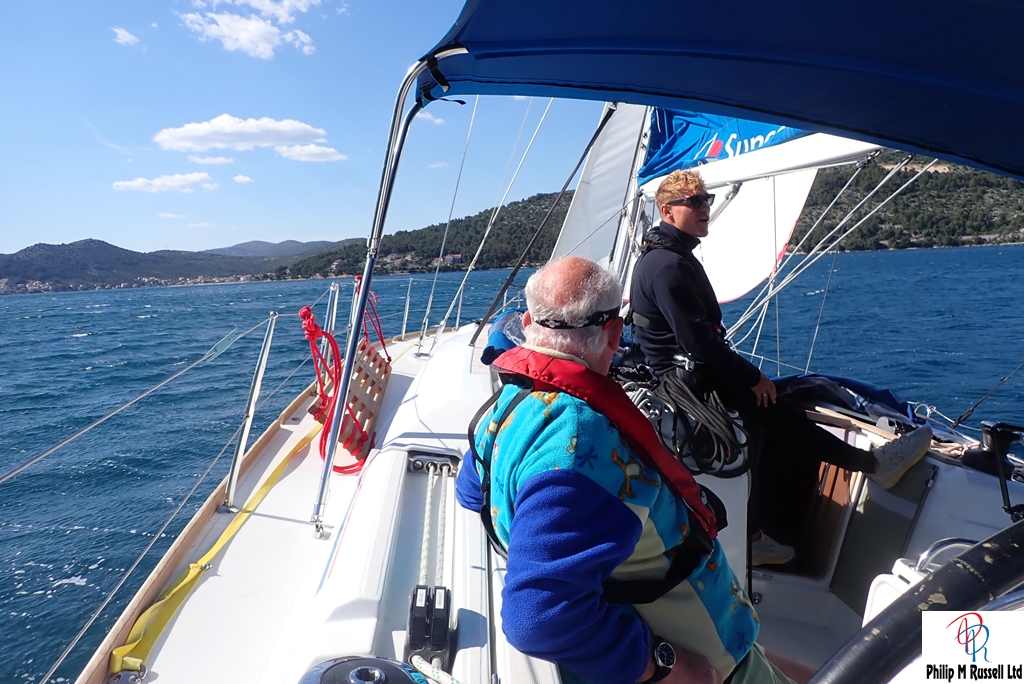
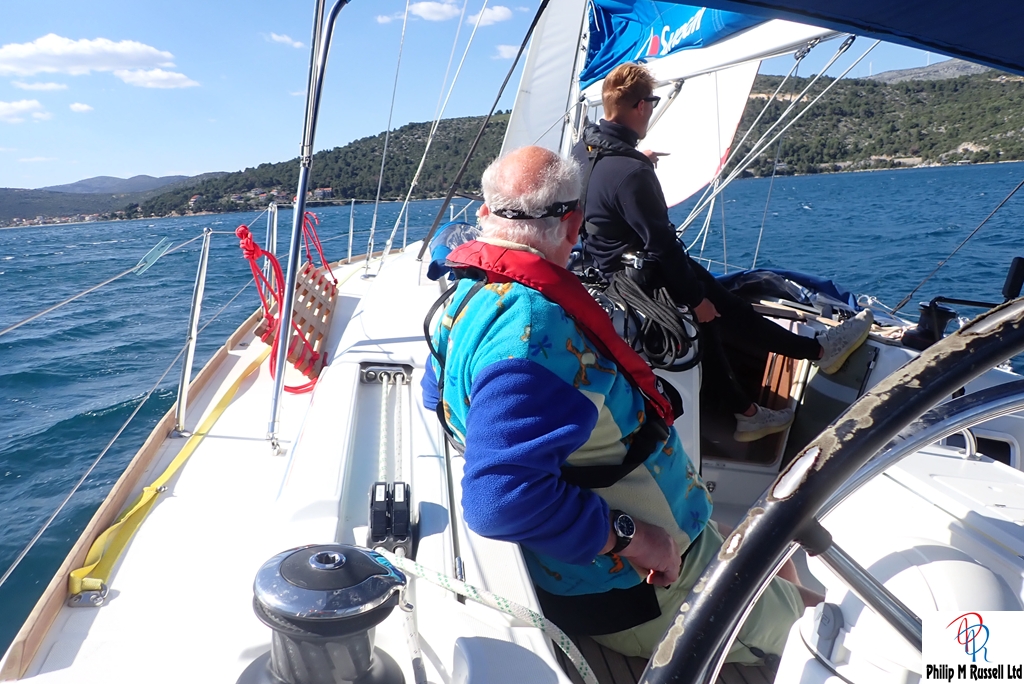
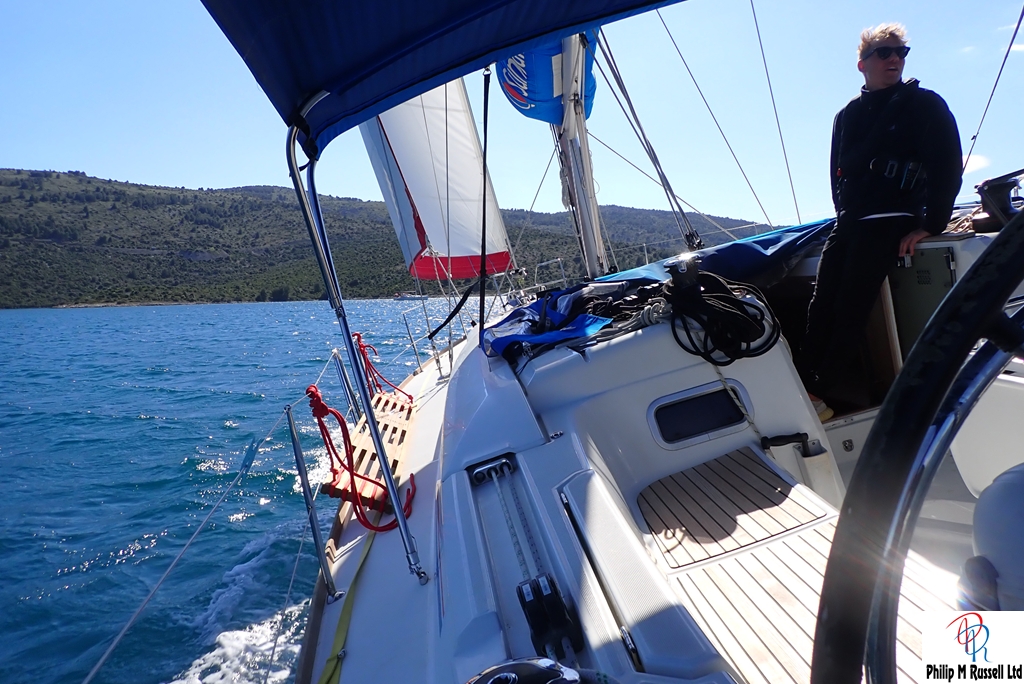
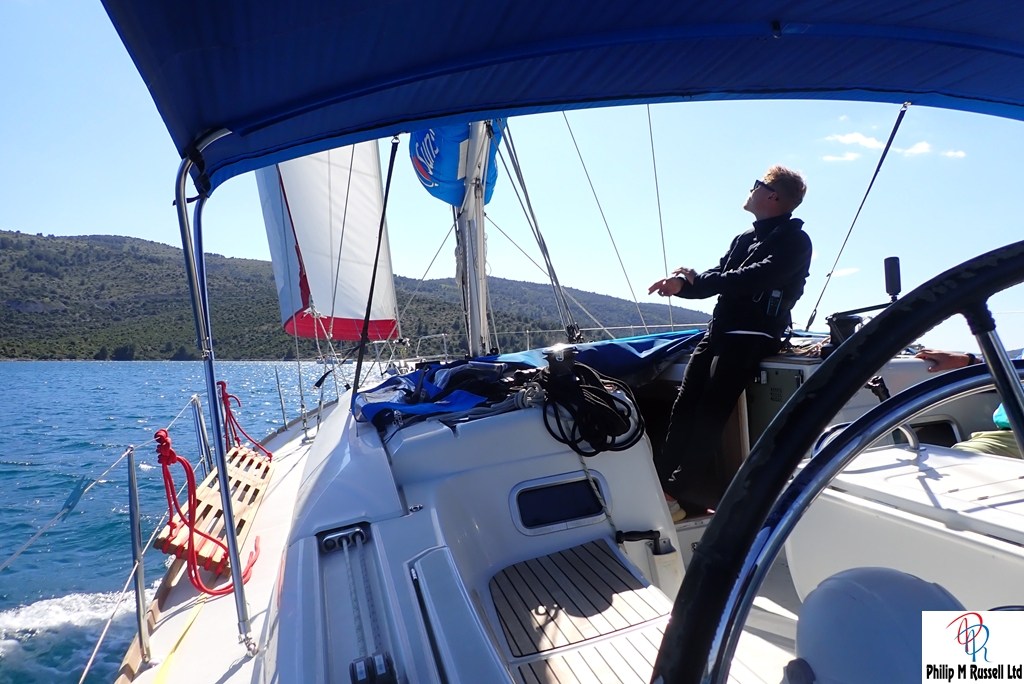
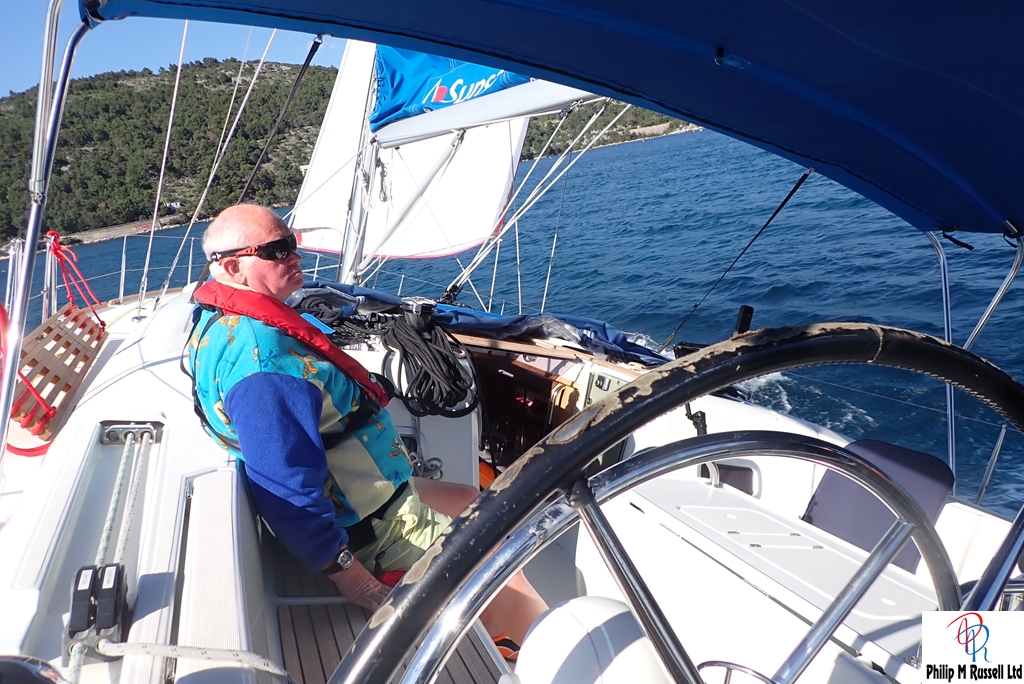
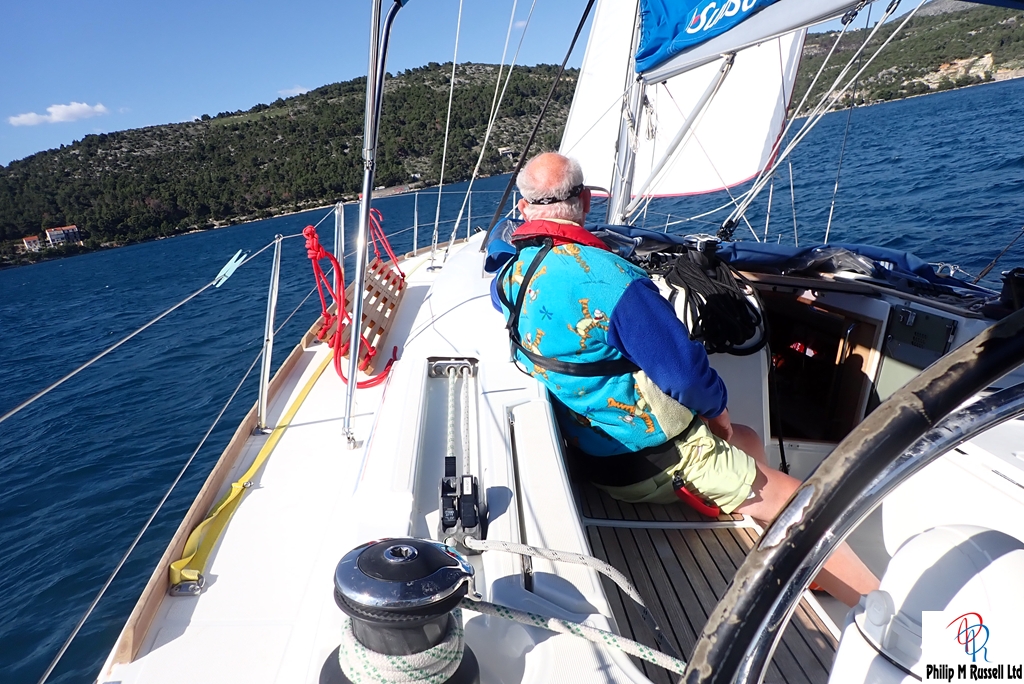
As the wind increased, the boat began to heel more and more.
For a dinghy sailor, heeling is familiar. On the Thames, we
spend a lot of time responding to gusts, balancing the boat, moving weight,
easing sheets, and trying not to look too surprised when the wind suddenly
arrives from behind a line of trees.
On a yacht, the feeling is different.
Everything is larger and slower, but also more powerful. The
boat leans, the rig loads up, the water rushes past, and the whole vessel feels
as though it has decided that now would be a good time to show everyone what it
can do.
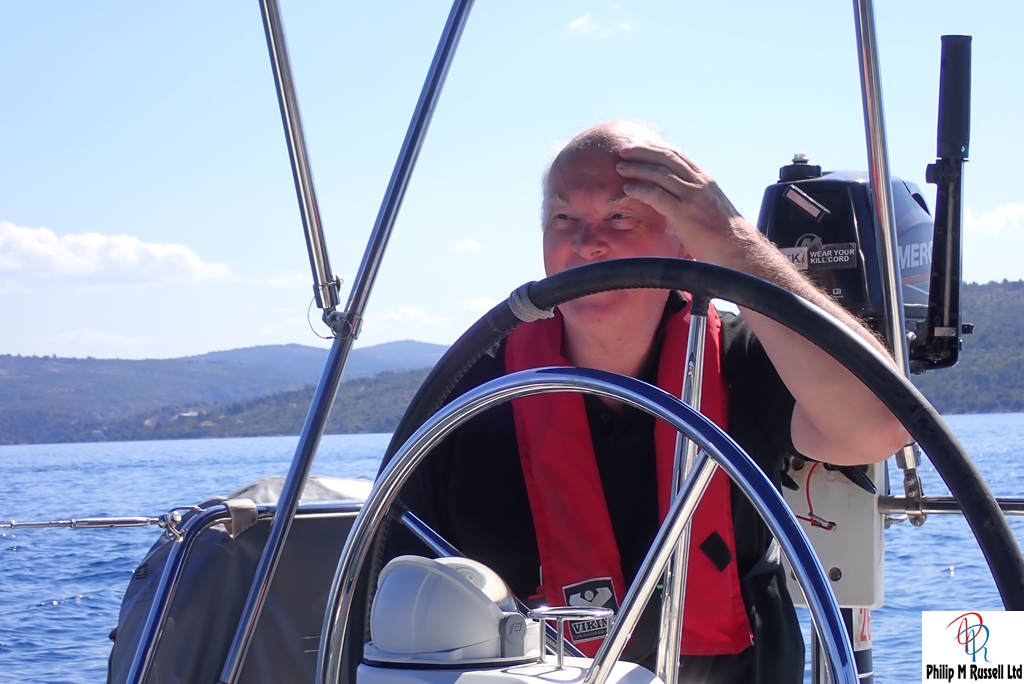
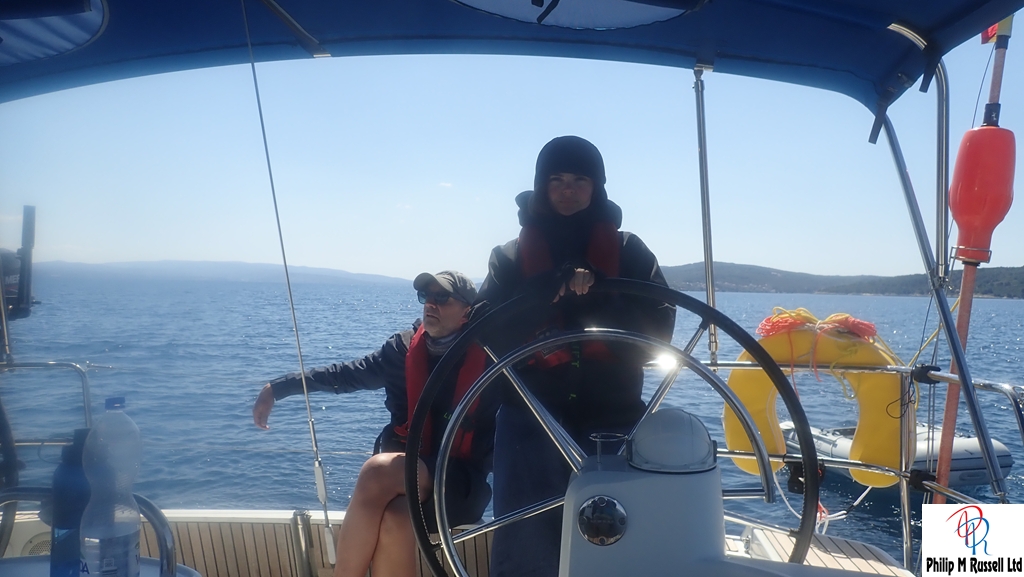
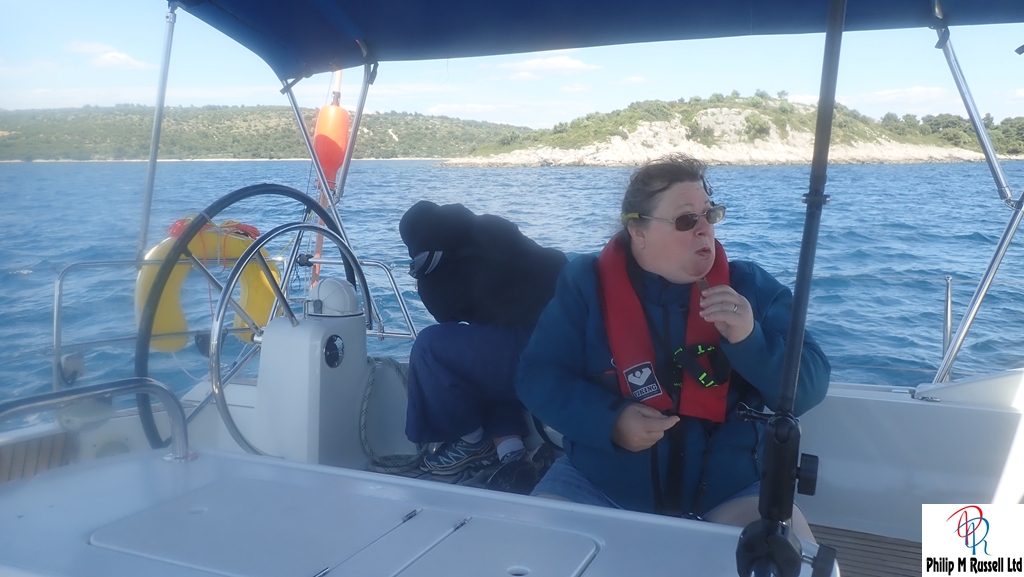
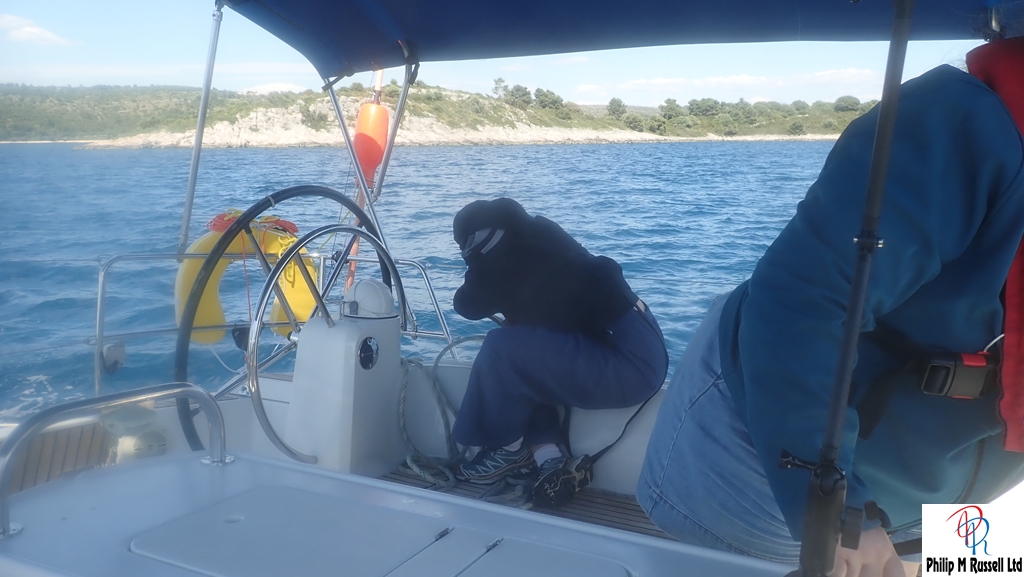
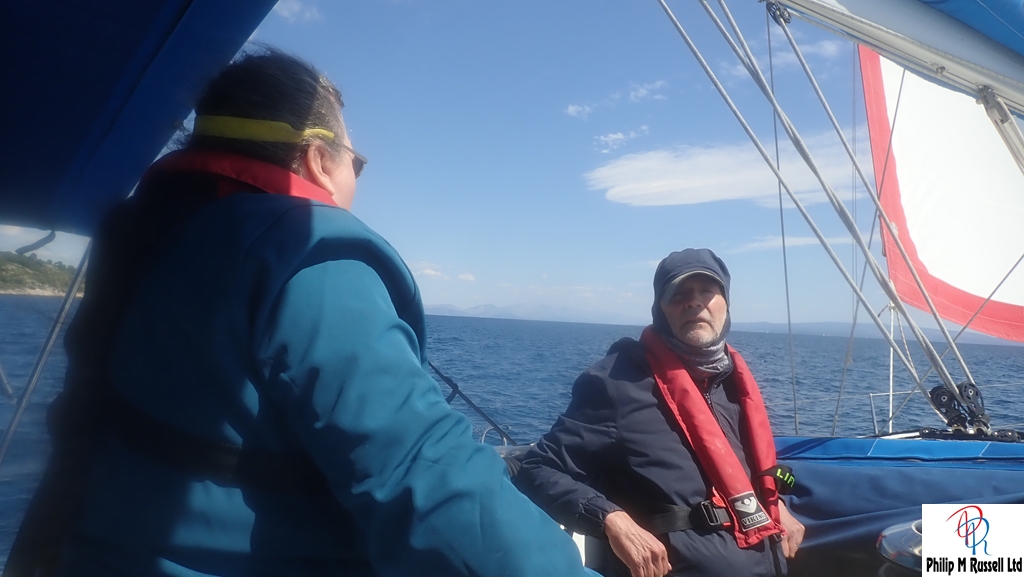
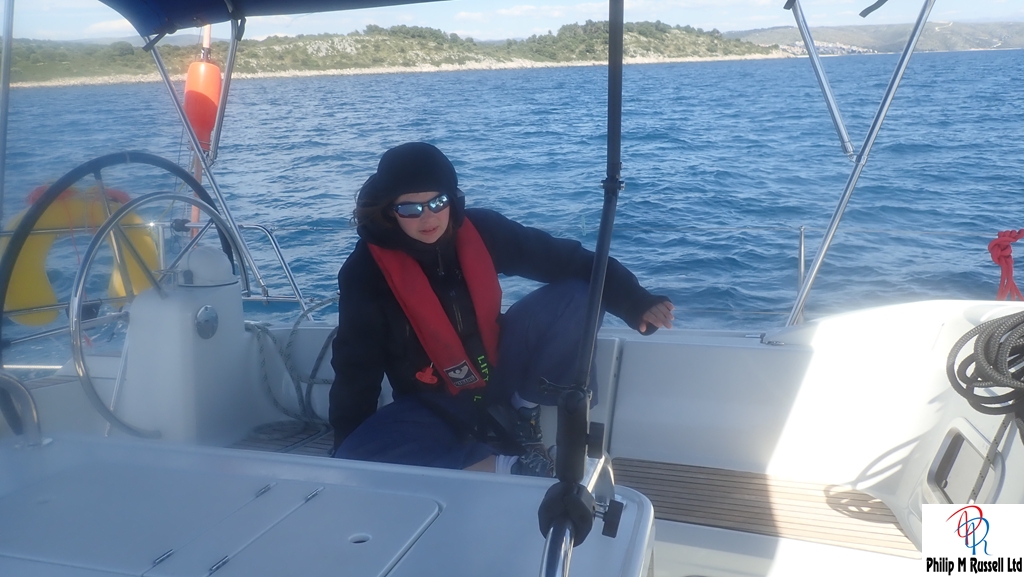
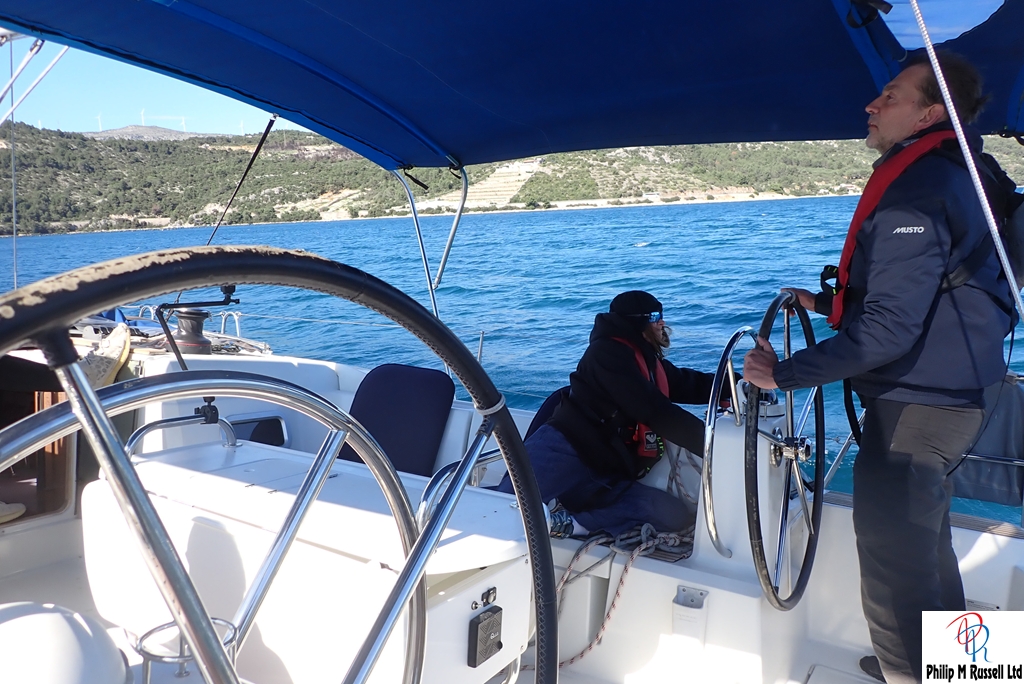
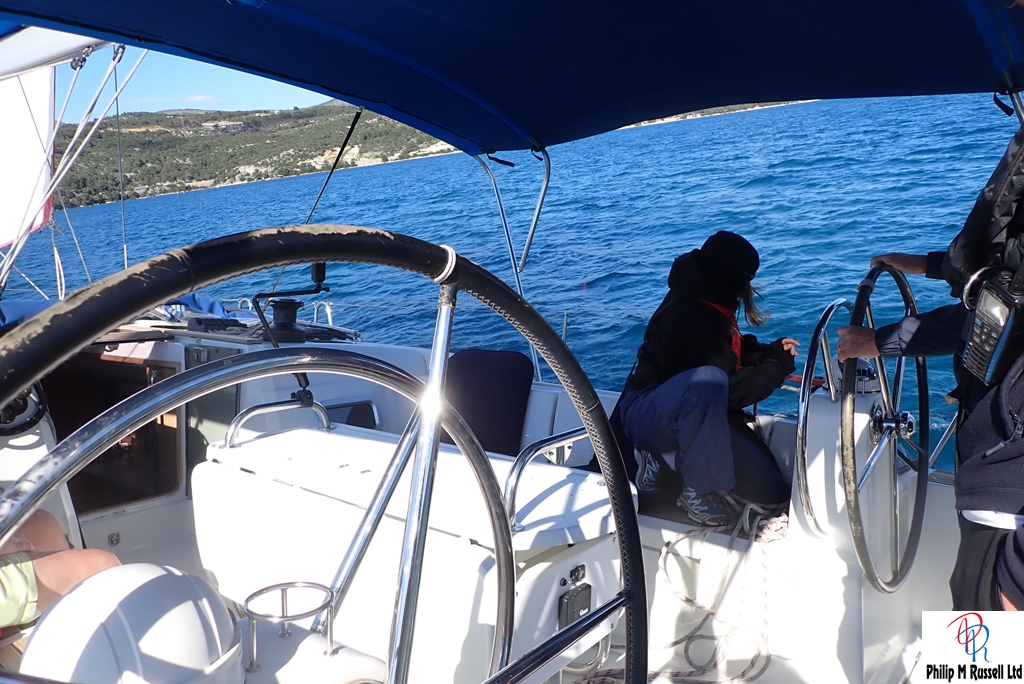
Ros was sitting near the other helm station. As the boat
heeled further, she gradually seemed to get closer and closer to the water.
From where I was, this was both impressive and slightly
alarming.
What was even more impressive was that she was not scared.
This is worth saying, because heeling can feel dramatic when
you are new to larger yachts. Your sensible land-based brain looks at the angle
of the deck and says, “This cannot possibly be normal.” Your sailing brain,
which is still under development, tries to reply, “Apparently it is.”
Ros took it remarkably calmly.
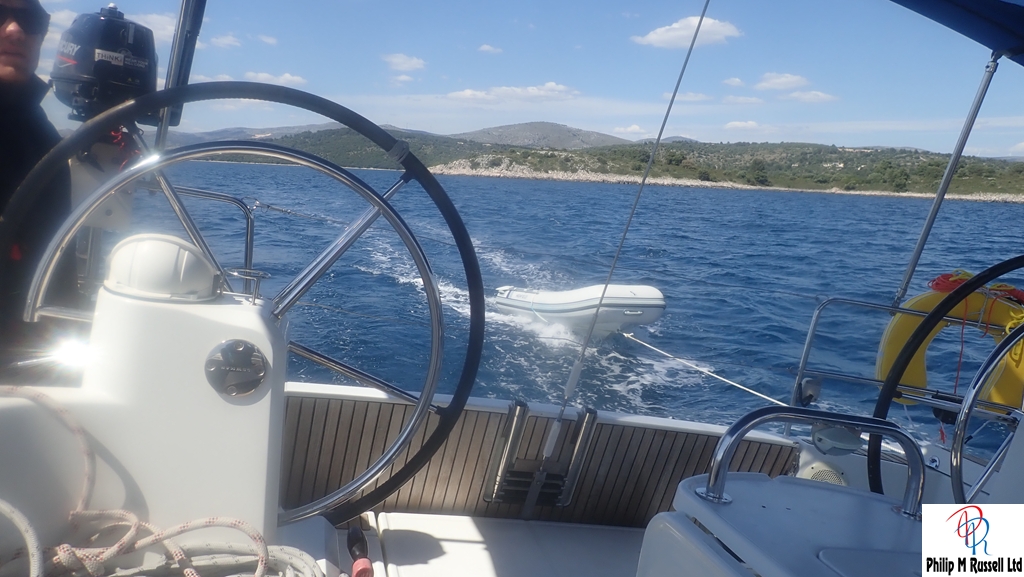
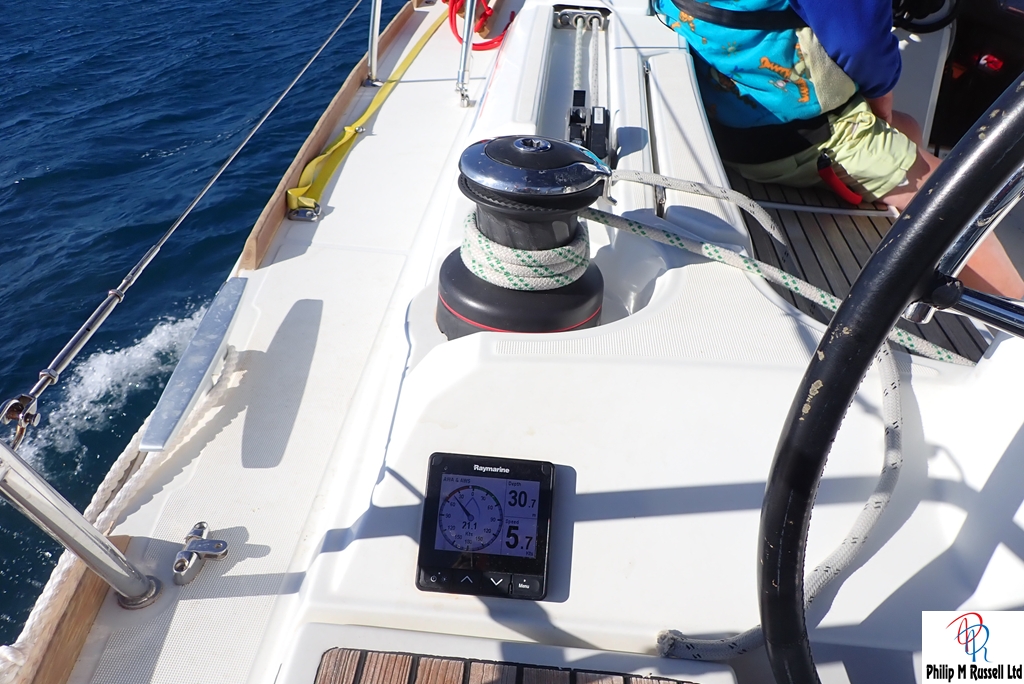
At one point we were doing around 8 knots.
That may not sound fast if you are used to cars, trains, or
aircraft, but on a sailing boat it feels very different. You are being driven
by wind alone. The boat has mass, movement, sound, and energy. The water is
moving past the hull. The sails are pulling. The wheel has pressure. The whole
system is alive.
Sailing across the wind and tacking in gusty conditions felt
energetic and demanding.
Going downwind felt much calmer.
This was one of the most noticeable lessons of the day. When
fighting across the wind, the boat heeled, loaded up, and demanded attention.
Once we were running more with the wind, everything became less dramatic.
Not necessarily less powerful — but less aggressive.
It was a useful reminder that the same wind can feel very
different depending on your point of sail.
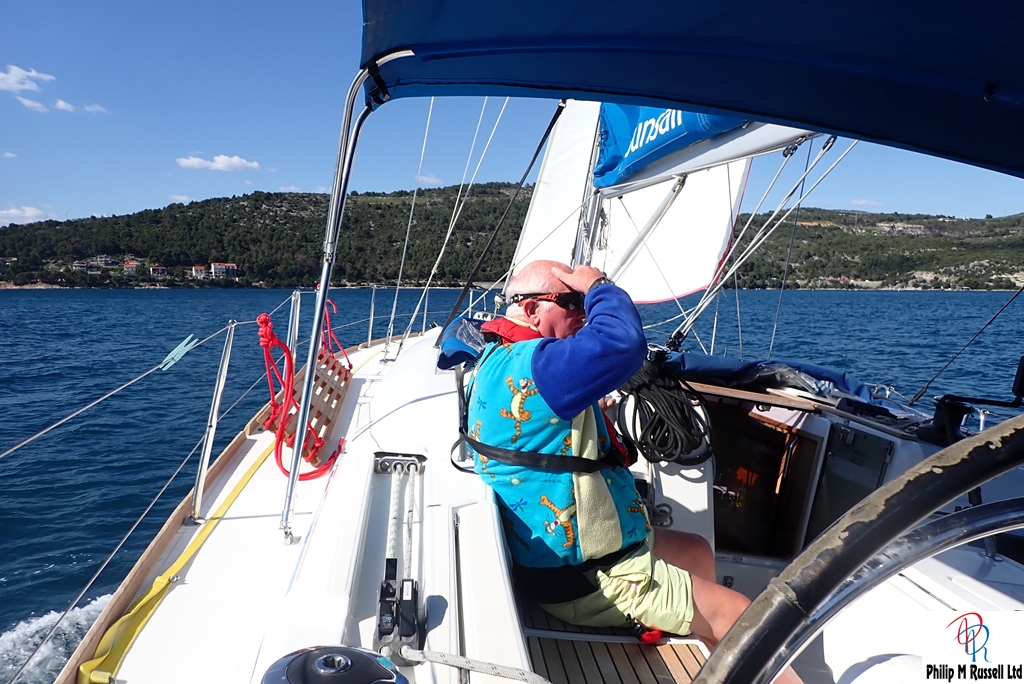
One of my useful jobs was judging when the gusts were coming. I could see them moving across the water and began counting them down. This is something we do all the time on the Thames. River sailing teaches you to read the surface. A darker patch of water, a pattern of ripples, or a line moving towards you can all be signs that the wind is about to arrive. On the Thames, gusts are often affected by trees, bends in the river, moored boats, buildings, and all the other obstacles that make inland sailing both fascinating and occasionally ridiculous. In Croatia, the scale was larger, but the principle was the same. Watch the water. Read the surface. Prepare before the gust arrives. It was satisfying to find that a skill learned on the Thames transferred so well to sailing at sea. The setting was different, the boat was different, and the distances were greater, but wind still writes its warnings on the water. You just have to look.
As we approached Marina Agana, we were tacking across the channel. This was where things became particularly lively. At one point, a gust hit us in such a way that we turned 180 degrees in the wrong direction. This is not, generally speaking, part of the official plan. It was one of those moments when the boat, the wind, and the timing all combine to remind you that sailing is not a computer simulation. You can understand the theory perfectly and still have the real world throw in a gust that says, “Let us try something else.” The important thing was that Tadek remained calm, and the boat was brought back under control. That calmness from an instructor matters enormously. When the boat heels, the wind rises, and things do not go quite as expected, the tone of the person in charge sets the tone for everyone else. If the instructor stays calm, the crew can think. If the instructor panics, everyone else starts wondering whether they should also be panicking, and if so, how enthusiastically. Tadek did not panic. So neither did we.
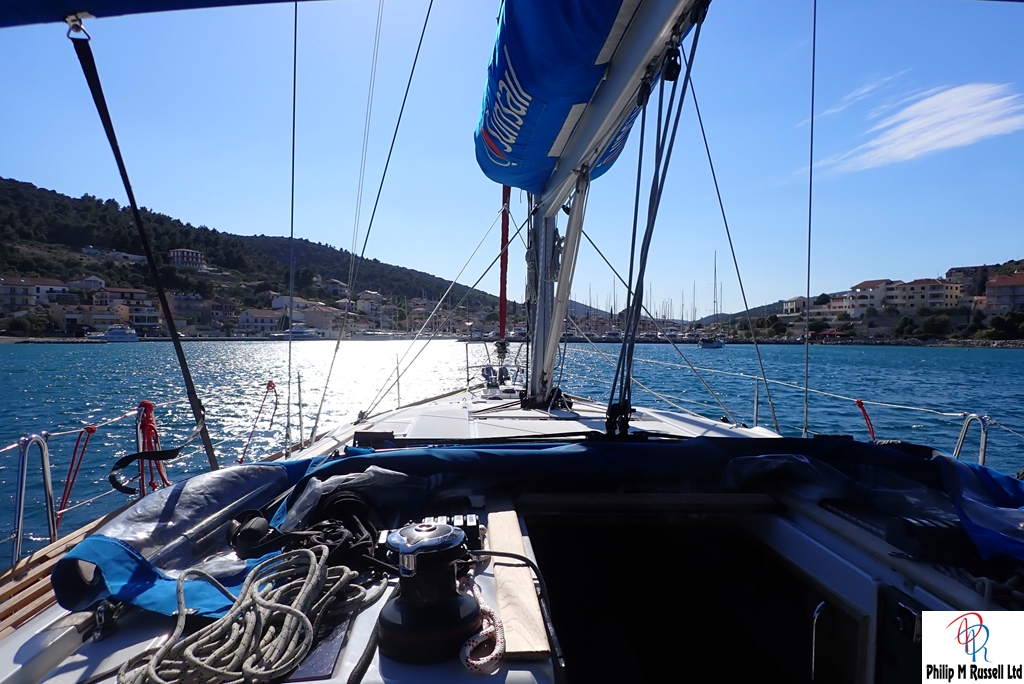
As we approached Agana, we turned into the wind and lowered the sails for the last time on the course. There was something slightly sad about that. For several days the routine of hoisting, trimming, tacking, easing, watching, learning, and adjusting had shaped our days. Now the sails came down, and the formal sailing part of the Competent Crew Course was nearly over. We headed back a long way up the channel towards Marina Agana. The wind was still there. The water was still moving. The islands were still beautiful. But the mood had changed slightly. We were no longer heading out on another training day. We were going home. Or at least, going back to the marina, which by this stage felt like the temporary home of slightly sunburnt, slightly tired, much better informed sailing students.
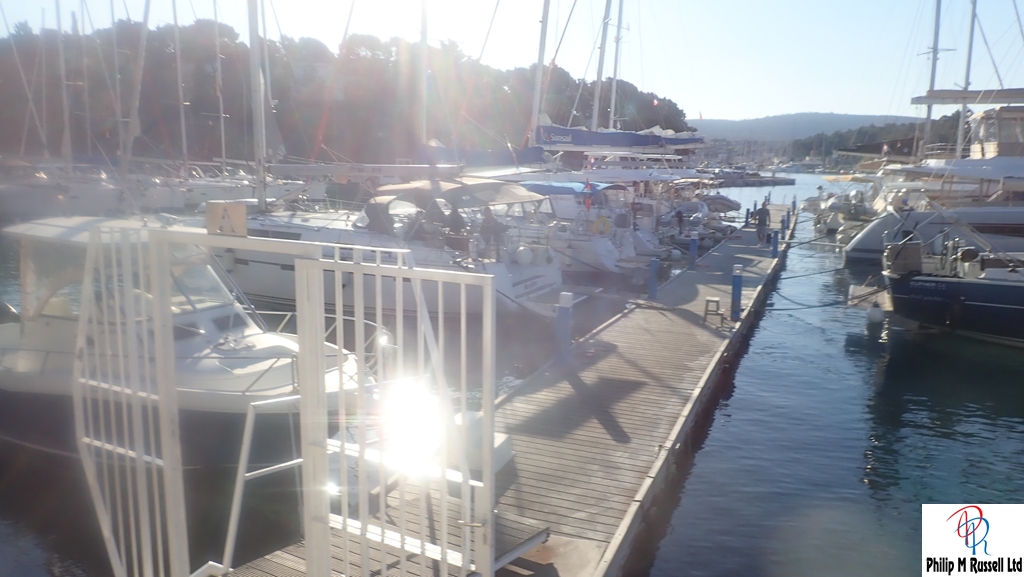
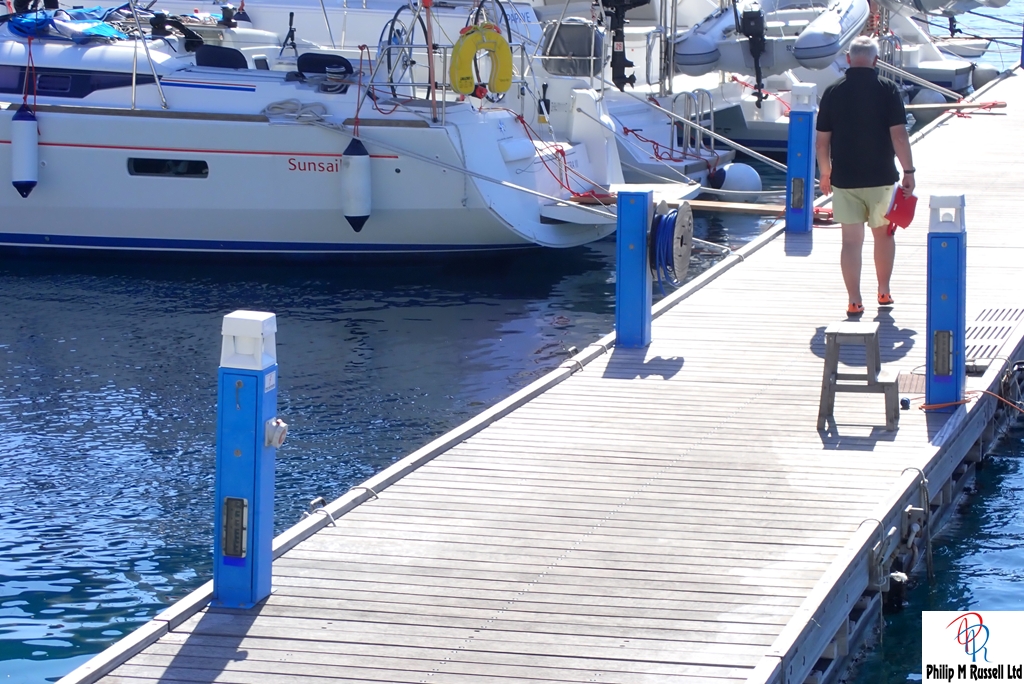
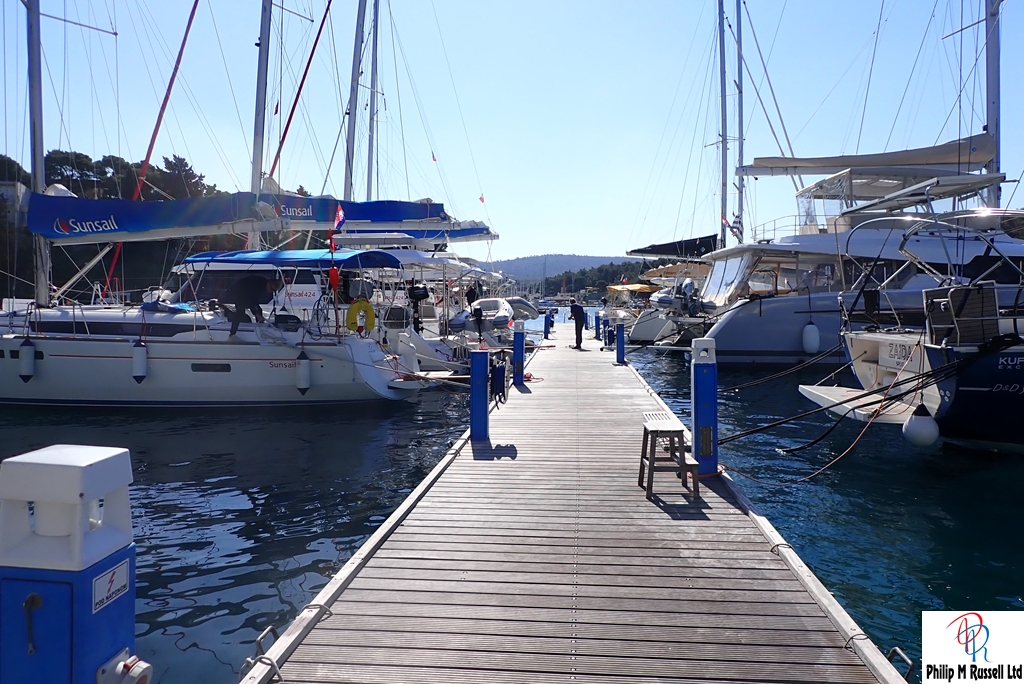
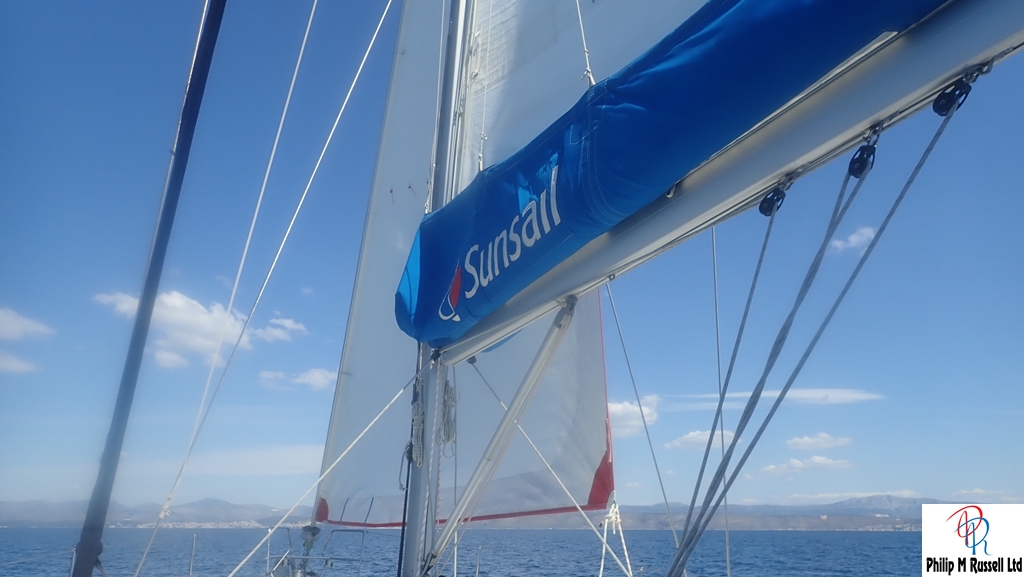
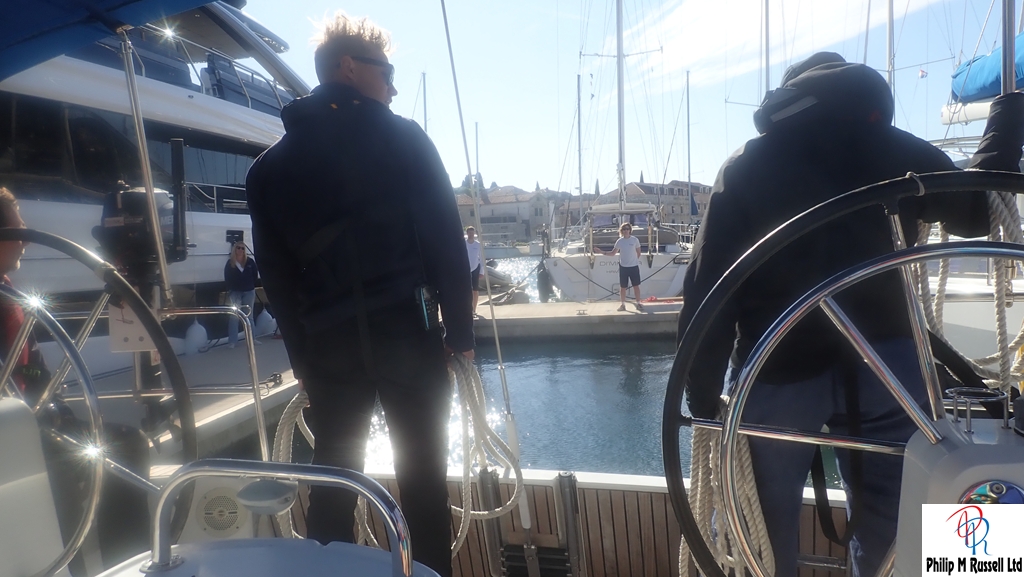
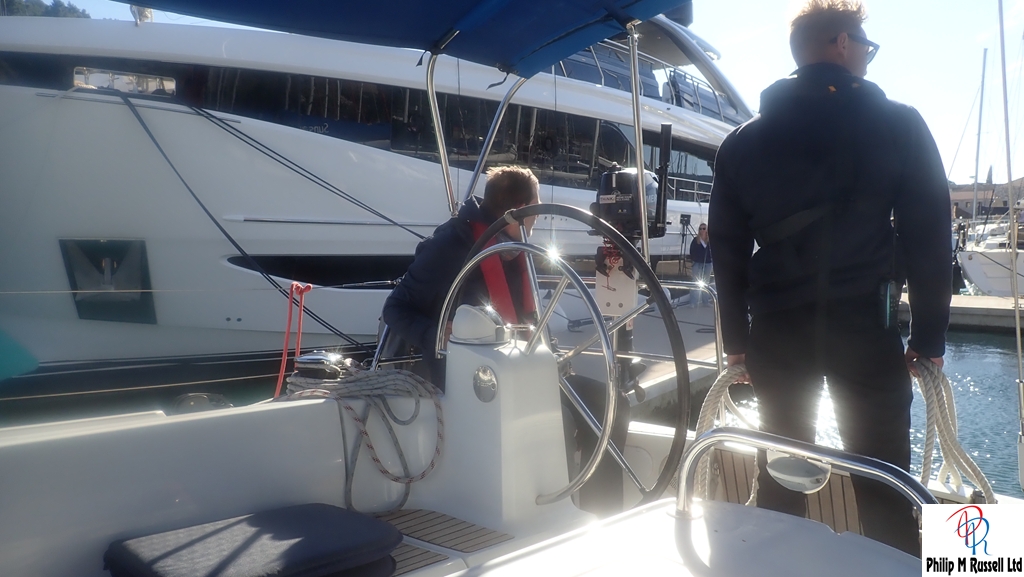
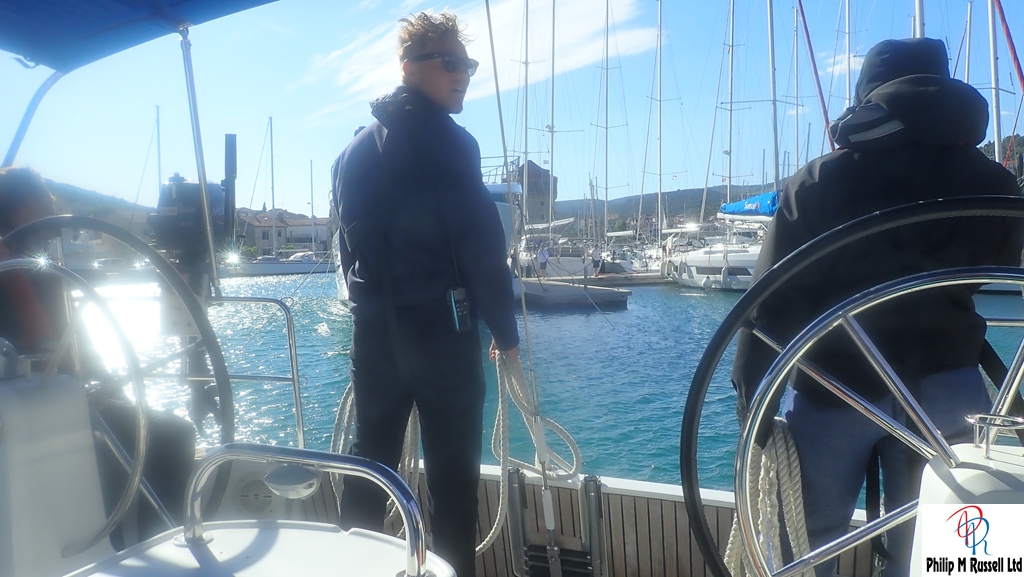
John took us into the marina. This was another useful reminder that arriving is as important as leaving. Sailing is not just about open water, sails, and scenery. A large part of seamanship is getting in and out of places without hitting expensive objects. We moored next to a very large cruiser, which always increases the concentration wonderfully. The Sunsail marineros were there to help, and the final berthing went successfully. Then came one last small injury, because apparently no sailing course is complete without a rope-related reminder that boats are not soft environments. I managed to cut my hand on sea shells embedded in the rope. This happened just after Tadek had told me to be careful, because he had just cut himself on the same sort of thing. There is a lesson here: when an experienced instructor says, “Be careful, this rope can cut you,” it is best not to immediately demonstrate the point by cutting yourself. Still, at least it proved the warning was accurate.
Once moored, we settled up the bills with John. During the week we had taken it in turns to pay for meals and marina fees, so there was the usual final reckoning of who had paid for what, who owed what, and whether anyone could remember which meal was which. Boat finances are a little like boat ropes. They are manageable if dealt with properly, but if left too long they can become tangled. Fortunately, everything was sorted out.
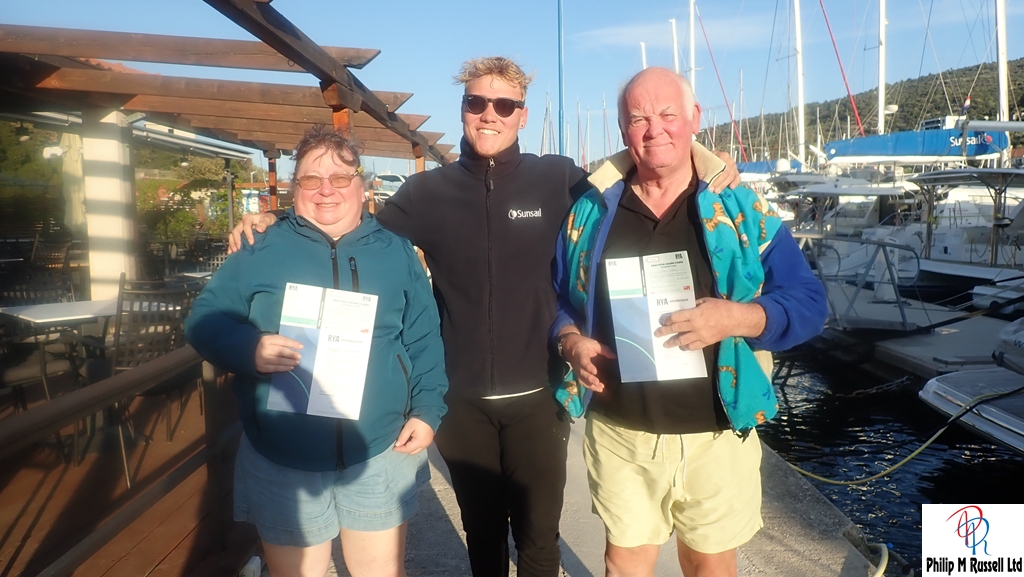
After that, we went to the bar for the final briefing with Tadek. This was the moment when the course officially came to an end. We reviewed the week, talked through what we had done, and received our certificates. There is something very satisfying about a practical certificate. It does not just say that you have sat through a lecture or passed a quiz. It represents real experiences: ropes handled, sails raised, knots tied, watches kept, fenders deployed, anchorages entered, gusts survived, and in our case, a final day of proper wind to make sure we had been paying attention. The RYA Competent Crew Course had not magically turned us into expert sailors. That was never the point. But it had changed how we understood a yacht. We knew more about what was happening, why it mattered, and how to be useful aboard. That is the key word: useful. A competent crew member does not need to know everything. They need to listen, help, observe, anticipate, and do the right job at the right time. Preferably with the correct rope.