admin Date , Monday April 20 , 2026
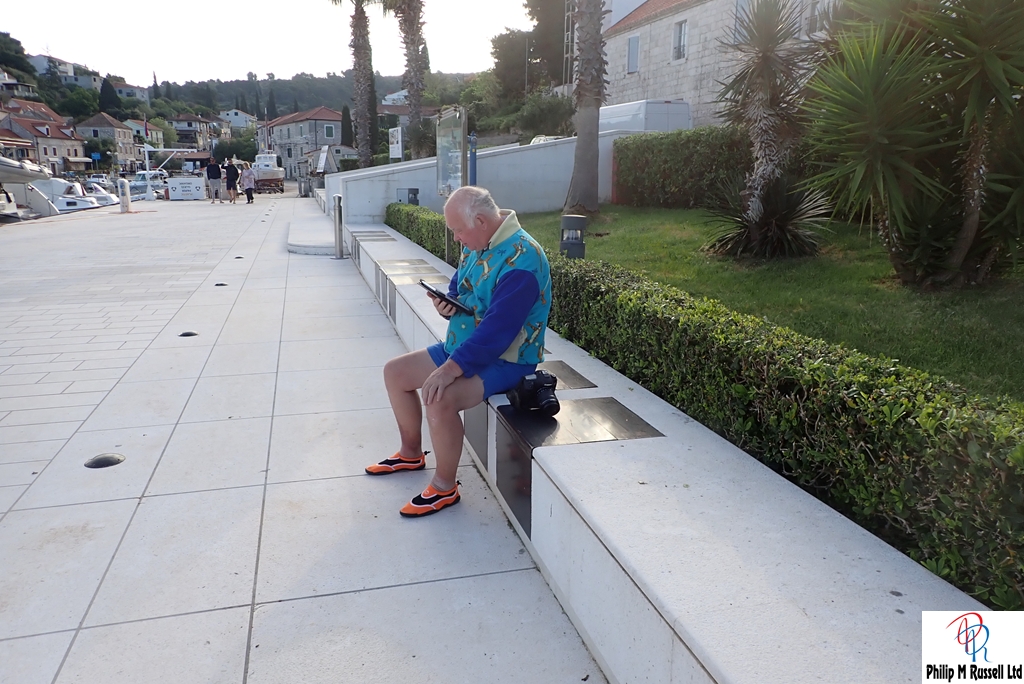
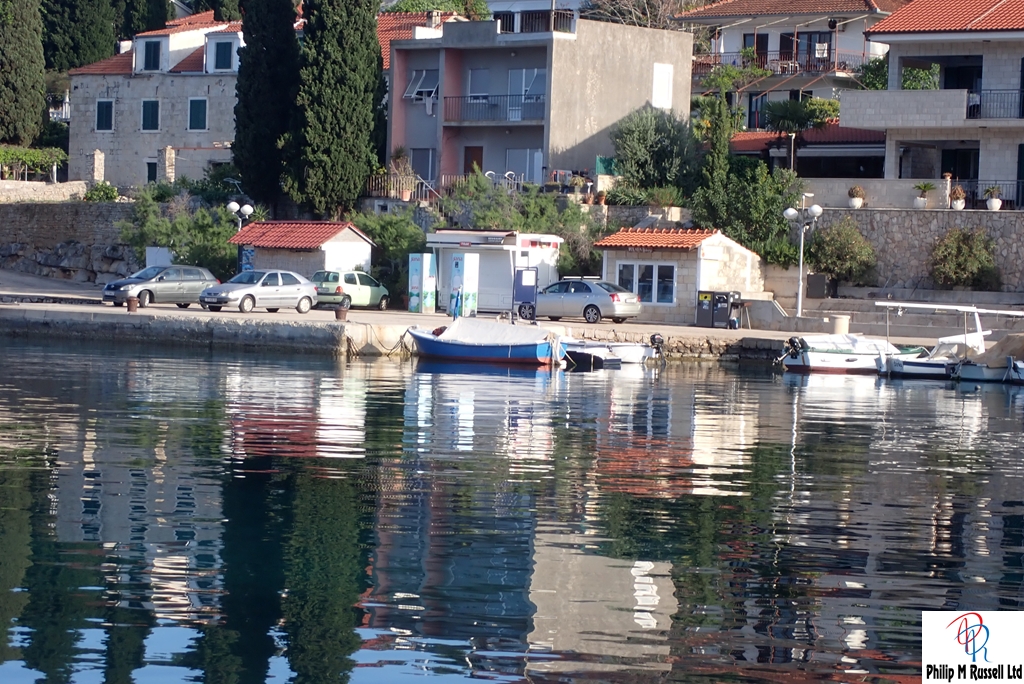
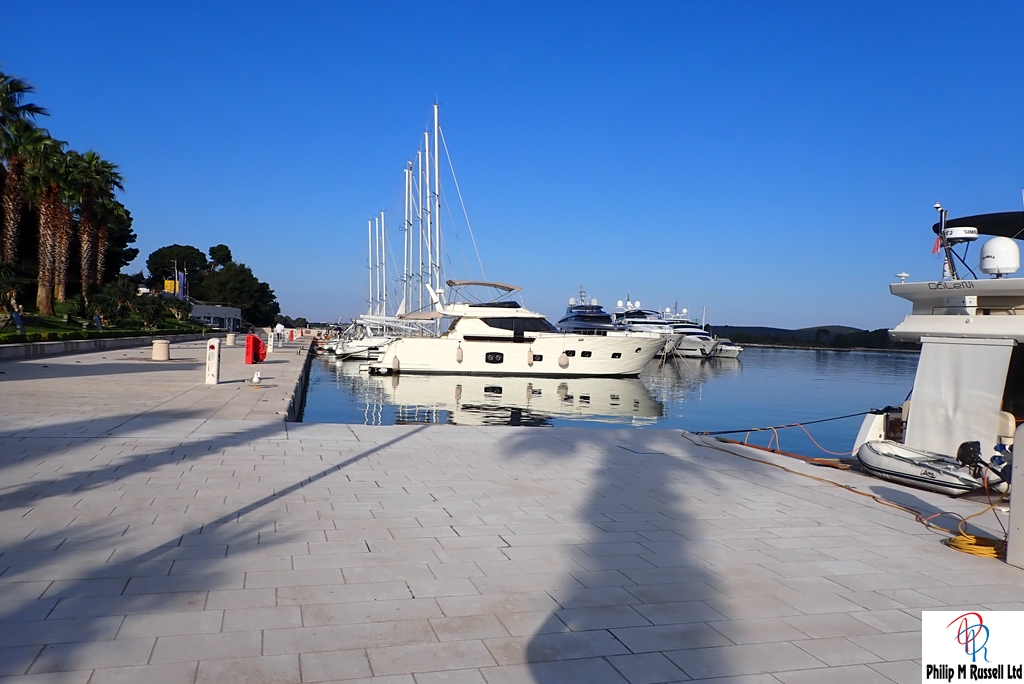
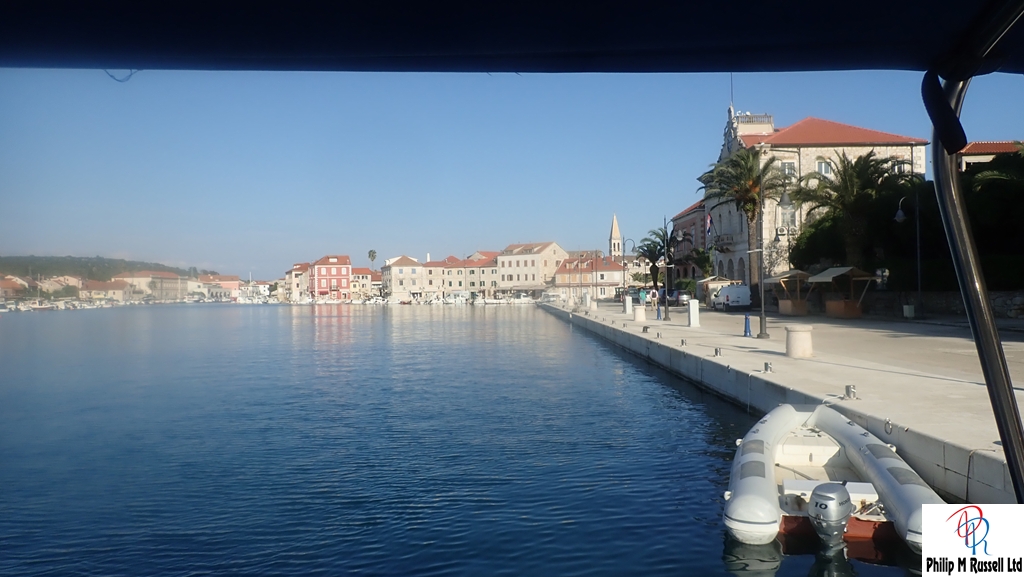
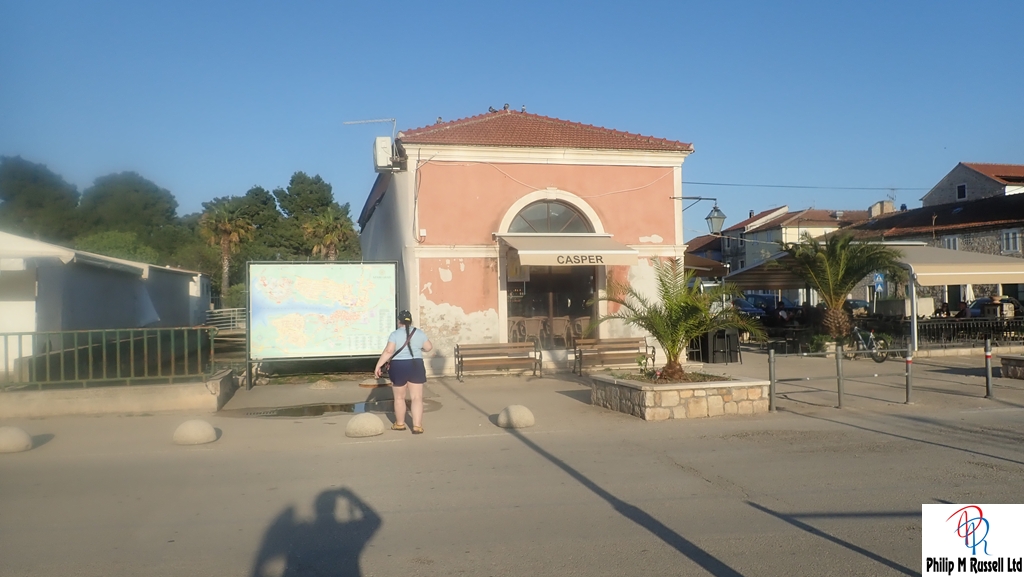
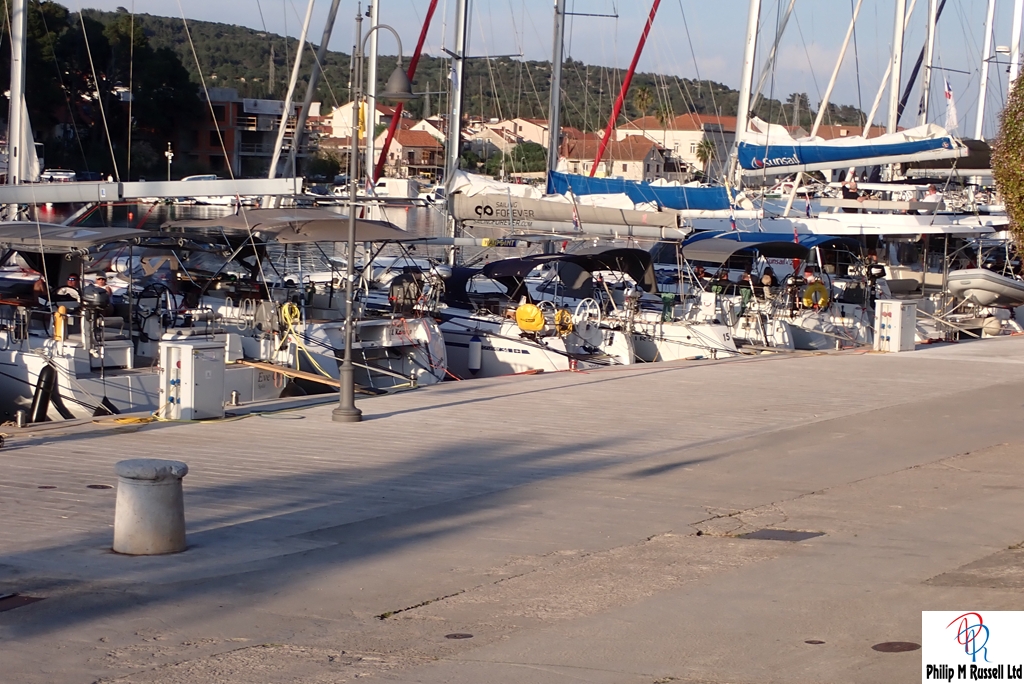
I was awake quite early at around 7am, sitting on the quayside writing the blog after making a visit to the shore facilities — far roomier and considerably more civilised than the tiny “head” on the yacht. In fact, I even took the camera into the gents to record the instructional sign explaining the correct use of the loo brush. Clearly, marina management had seen things… terrible things.
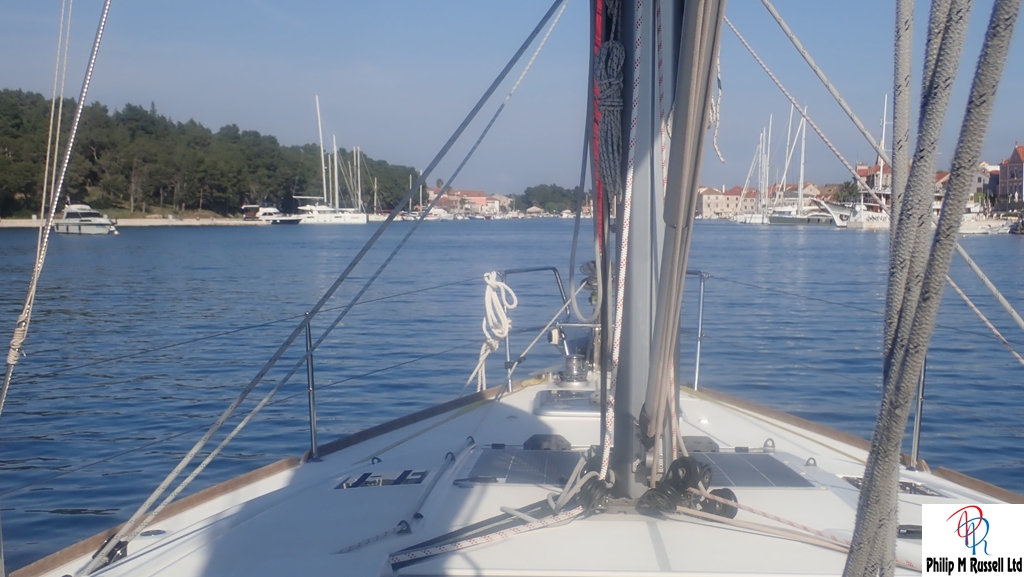
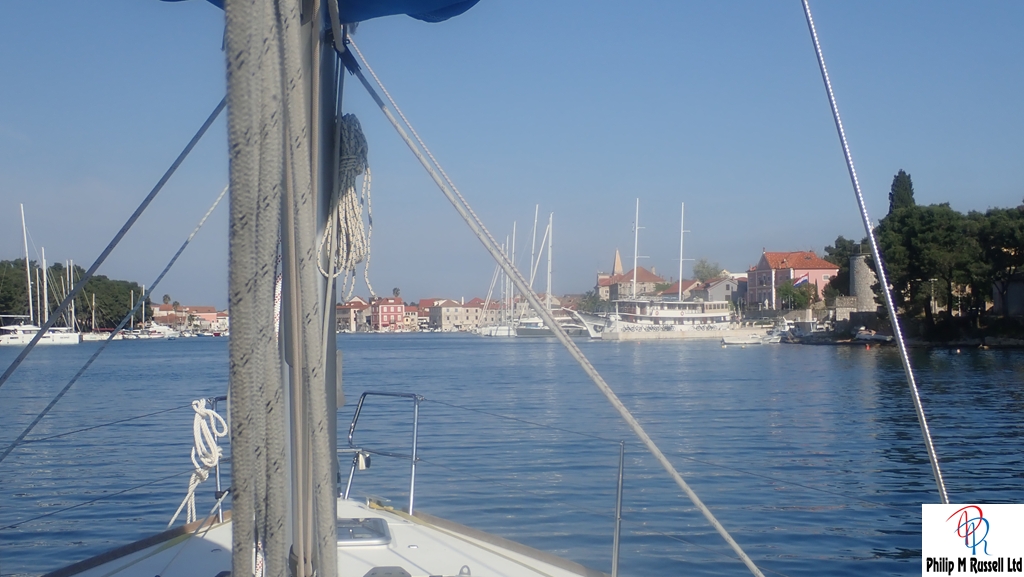
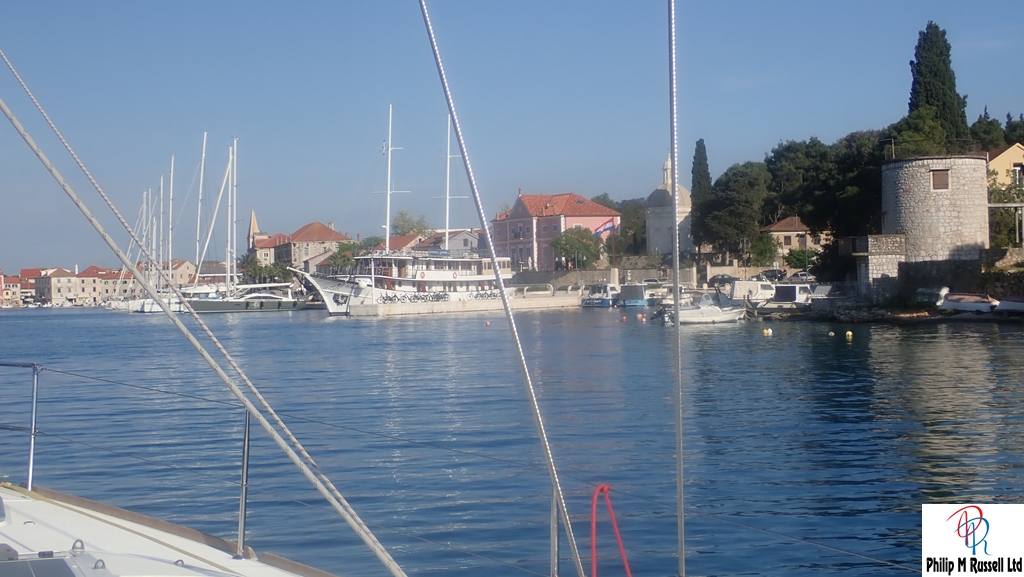
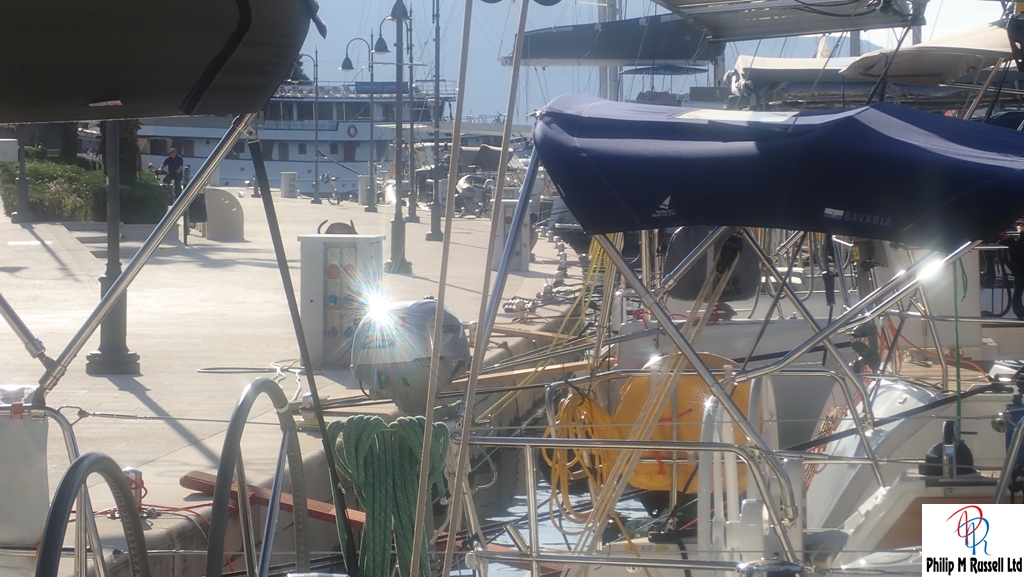
Emily, having sensibly retired early the previous evening, was still fast asleep, so I slipped quietly off the boat to avoid disturbing her. Around the marina, several other crews were already stirring into life. The early morning sunshine suggested another fine Croatian day ahead, and all the weather apps I was obsessively checking — including Orca — indicated that the wind would strengthen later.
Tadek appeared shortly afterwards asking about shopping
arrangements. Sunsail supplied breakfast and lunch provisions, and we still had
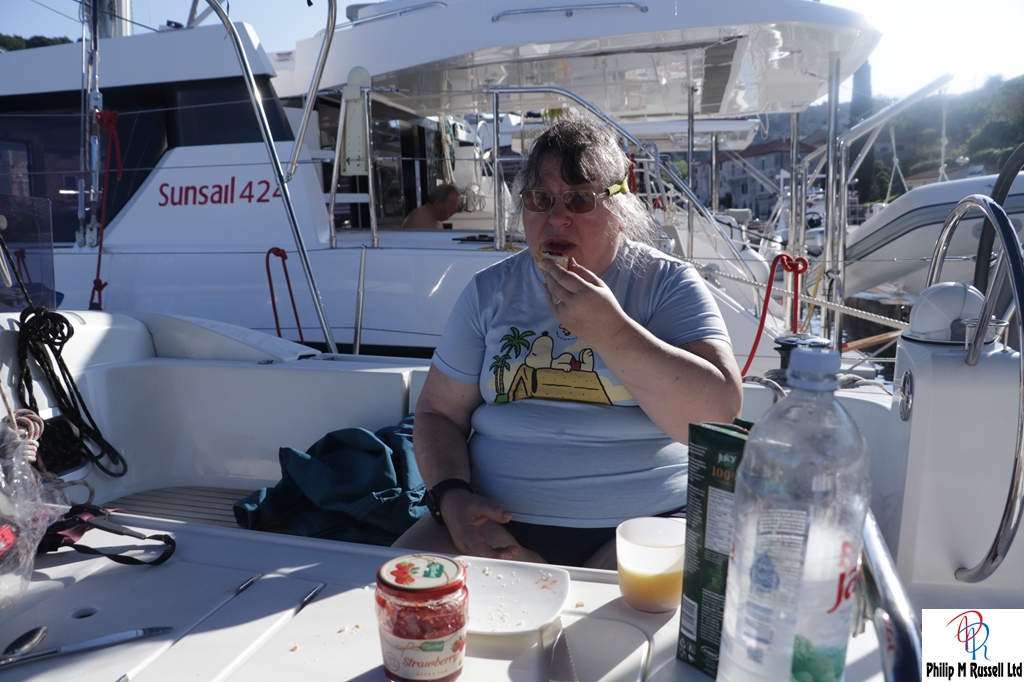
plenty of reasonably fresh bread left alongside our now-famous Lidl strawberry
jam. Tadek supplied fresh /chocolate Croissants.
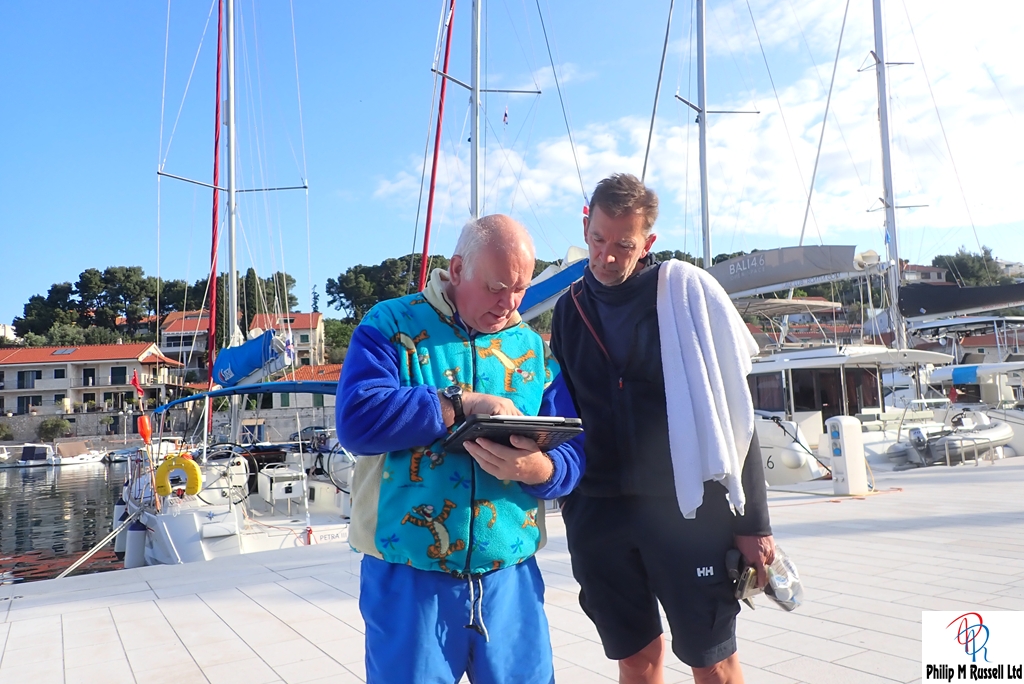
John soon returned from the shore facilities and joined me
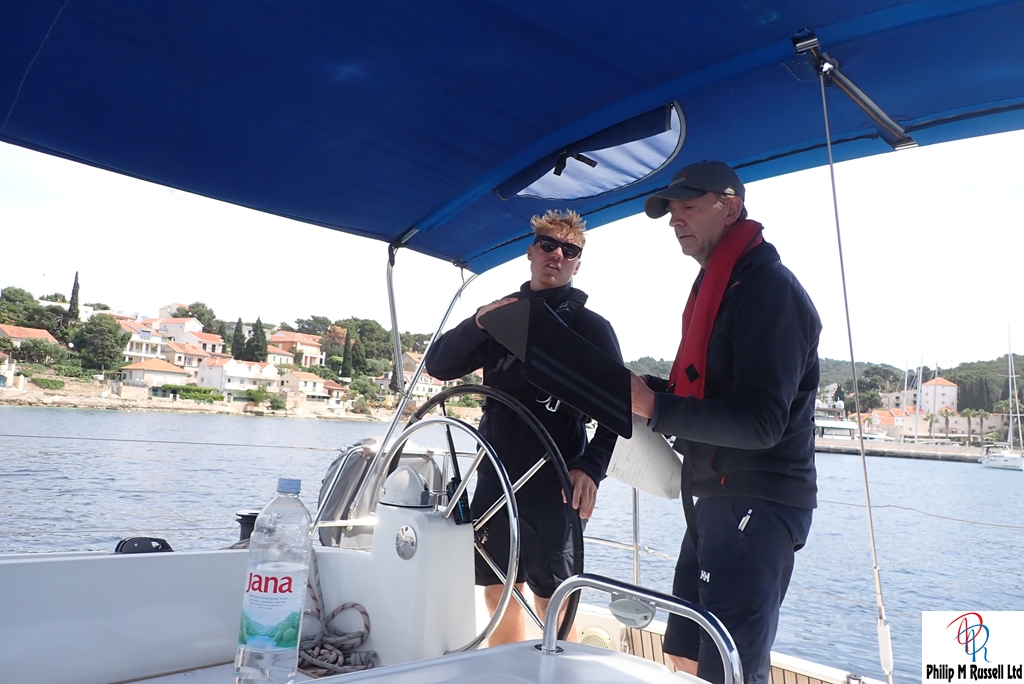
studying the weather forecasts. Today was his navigation day as part of the Day
Skipper course. The previous evening he had carefully planned our route from
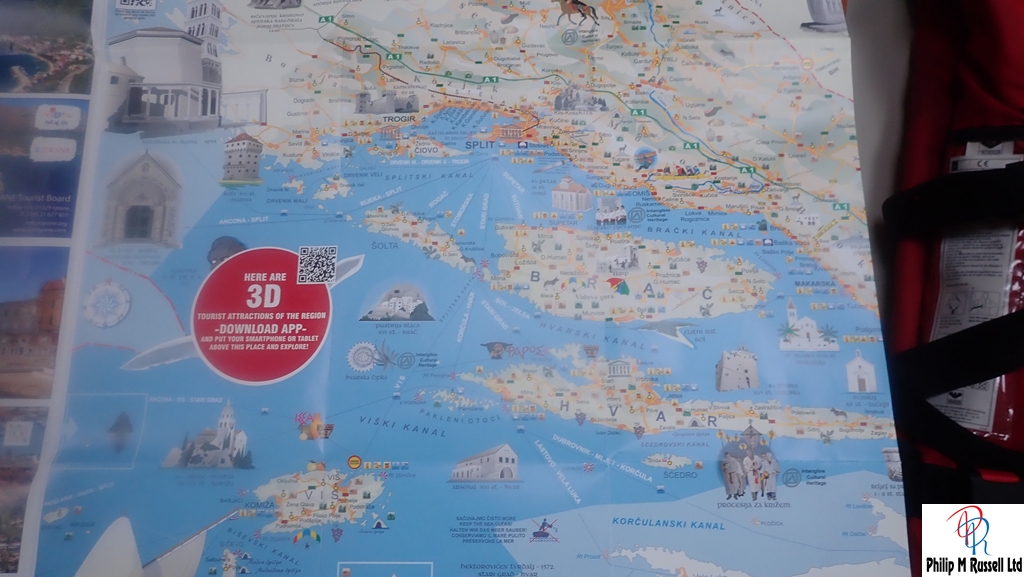
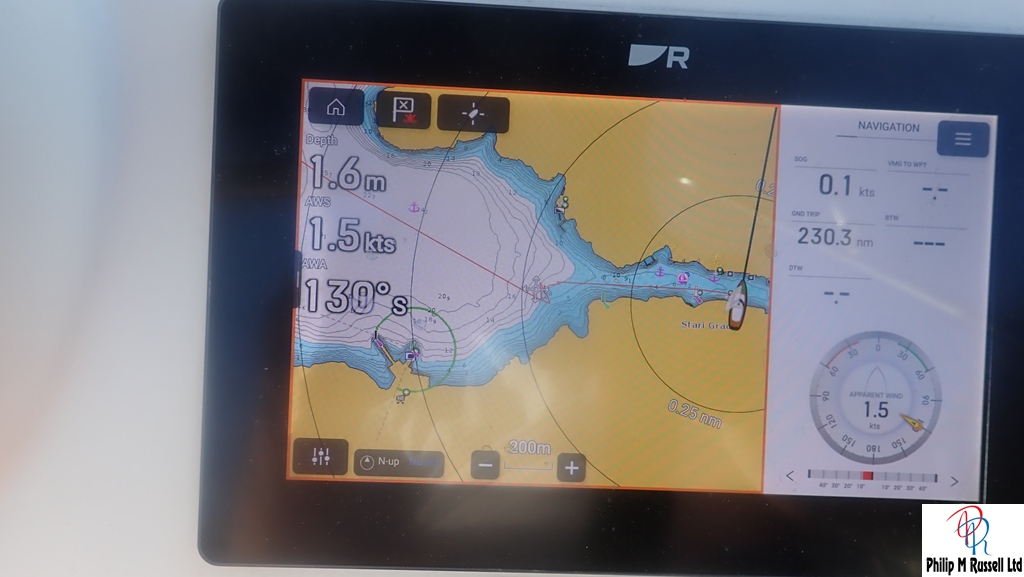
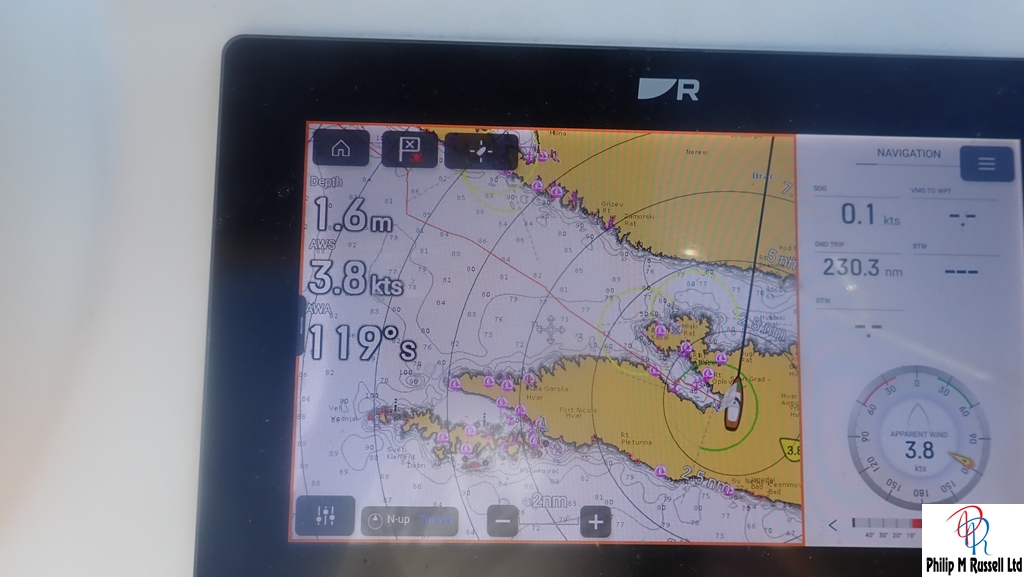
Maslinica on the island of Šolta to Stari Grad on the island of Hvar — a
journey of around 23 nautical miles.
Although modern sailing relies heavily on chart plotters and
apps, the RYA still insists that students learn proper traditional navigation.
John had spent considerable time plotting bearings, calculating course changes,
and preparing waypoints the old-fashioned way using charts and navigation tools
rather than simply pressing buttons on an iPad.
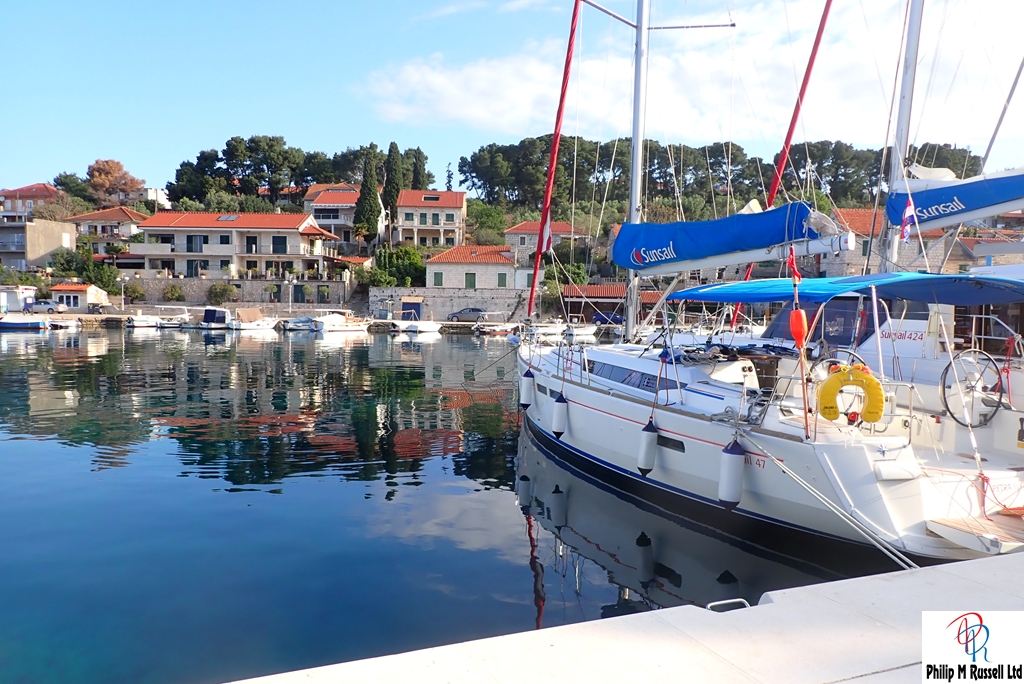
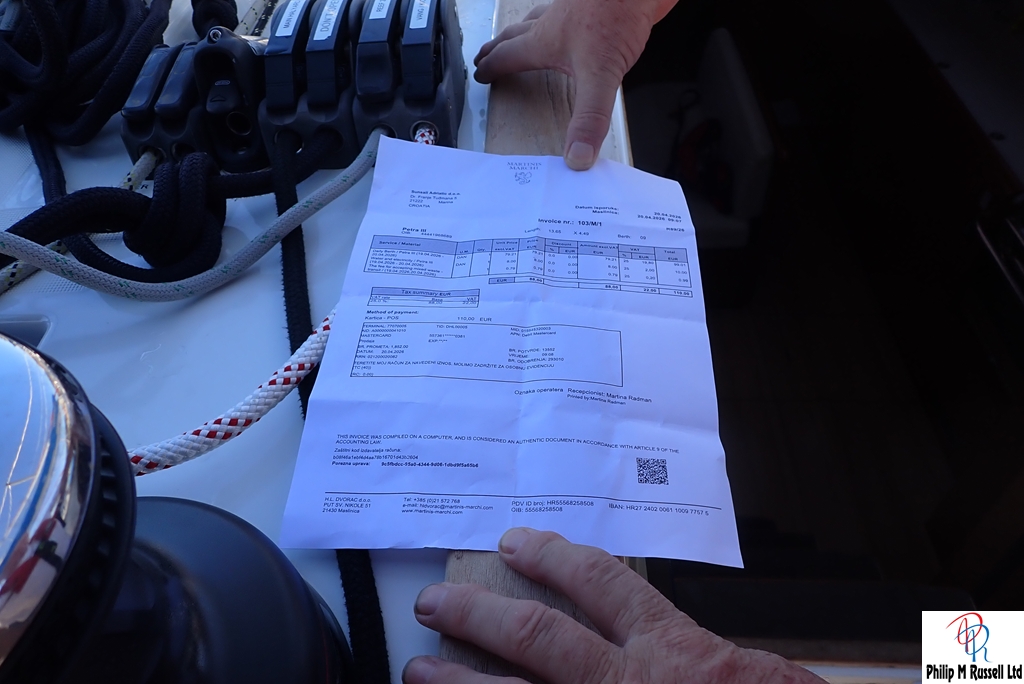
Before departure, Tadek and I walked to the marina office where I paid the €100 mooring fee for the night. It felt rather expensive for what amounted to a few hours tied to a wall — although we would later discover that this was far from the most expensive overnight stop of the trip.
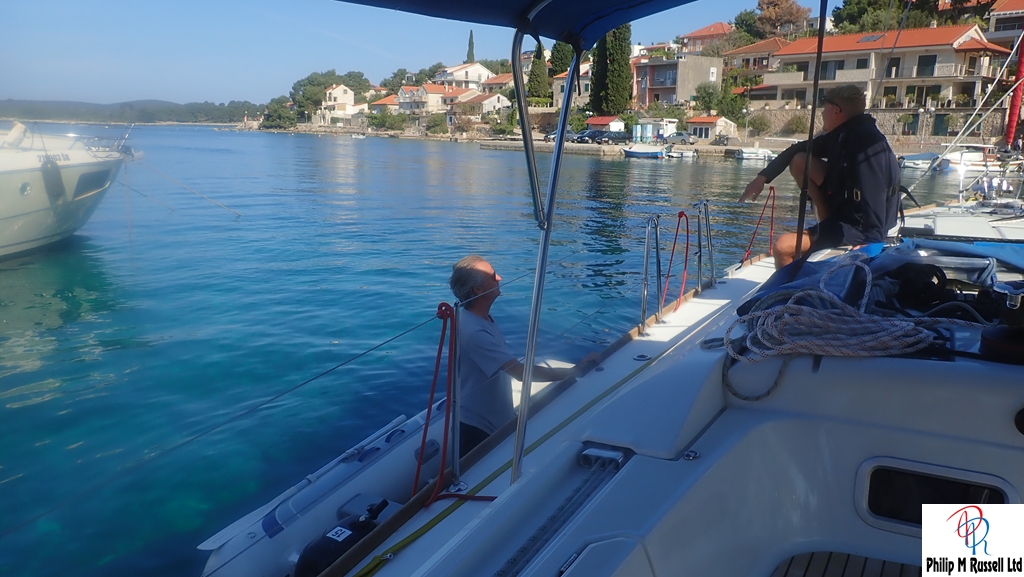
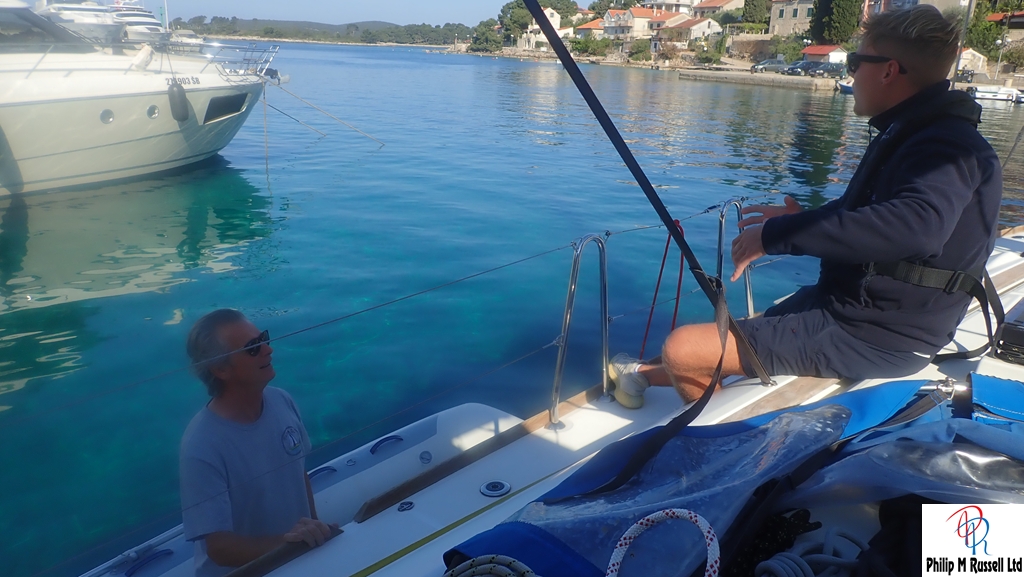
Steve arrived in their dinghy and chatted with Tadek about the plans for the day and where we intended to sail. Their crew aboard Sailing Fair Isle were filming their own adventure, so there was plenty of swapping information between boats.
Before John could put his carefully prepared navigation plan
into action, Tadek had other ideas.
At around 9:30am, after breakfast and with everyone properly
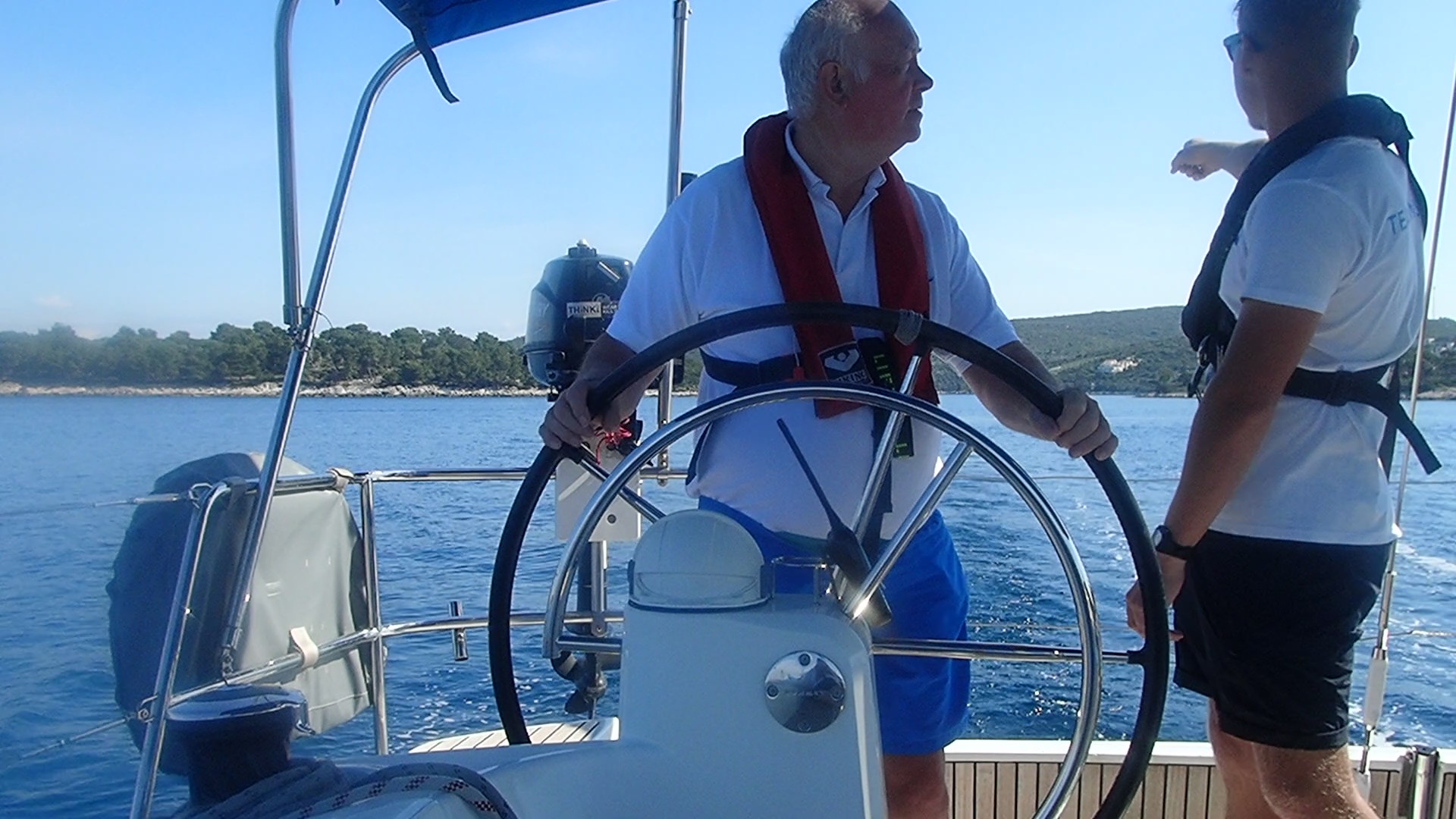
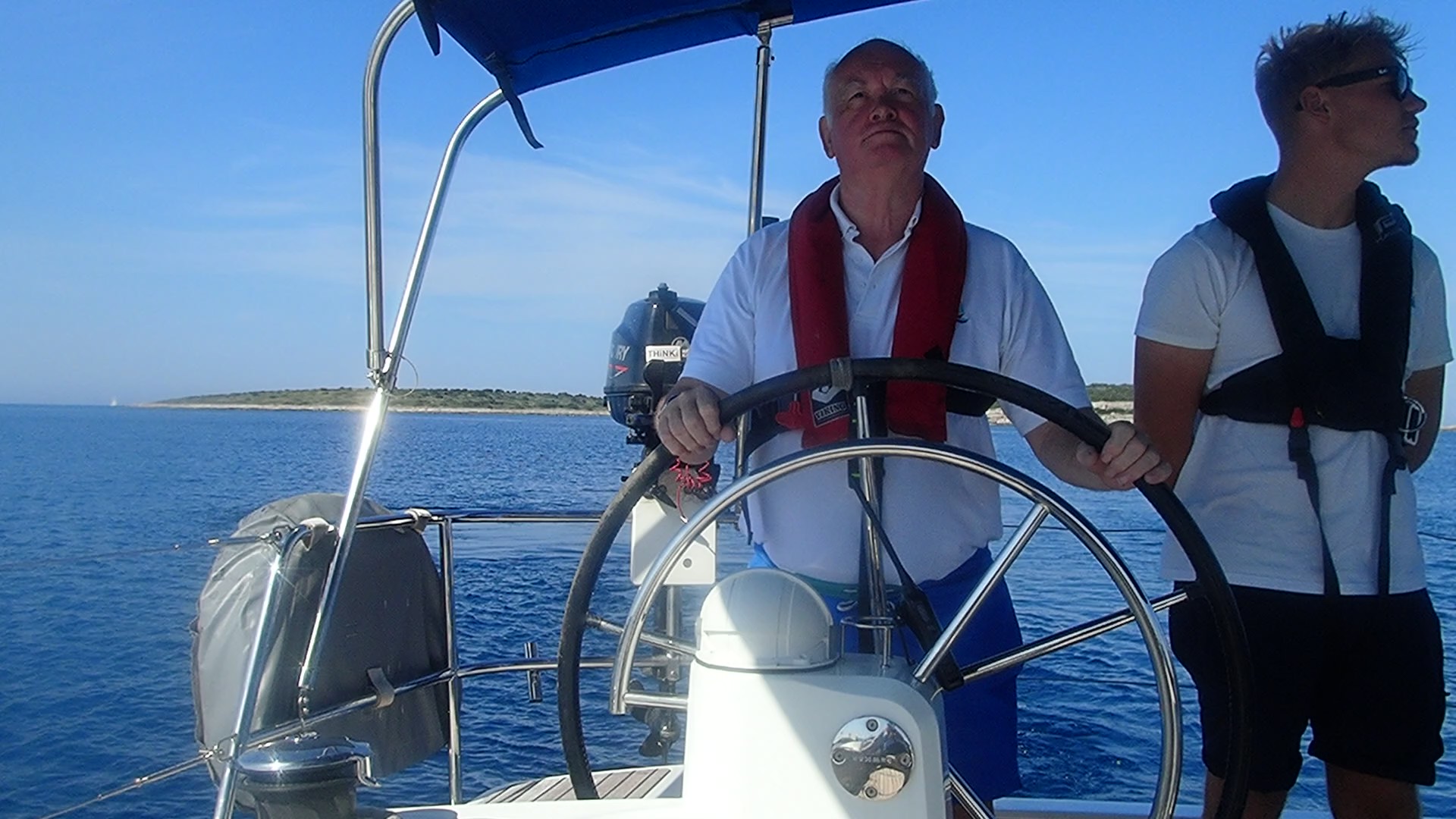
fuelled, we prepared to leave the harbour. I released the lazy lines while John
took the helm. One by one we cast off the stern lines and motored slowly out
into open water.
Then the real training began.
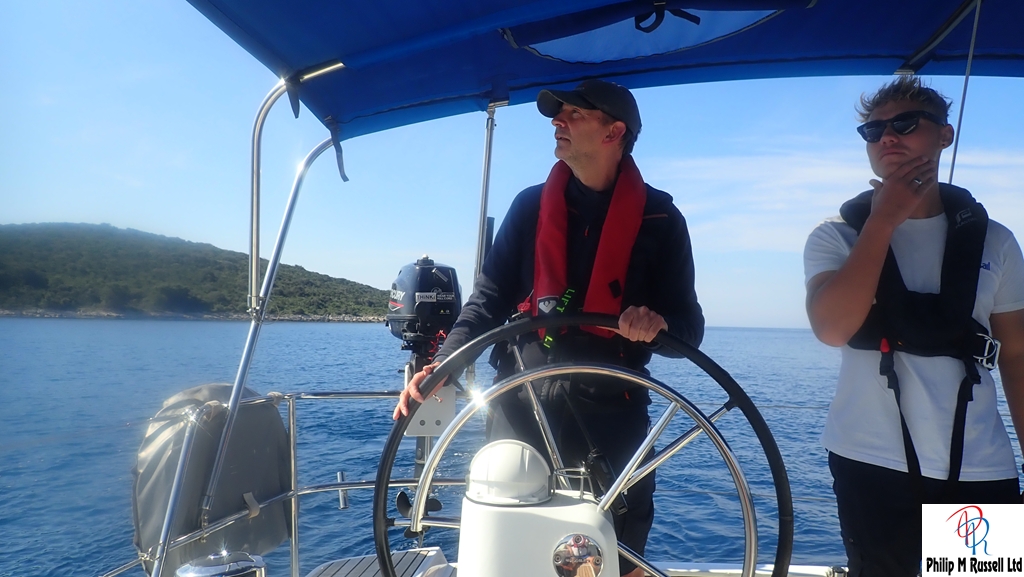
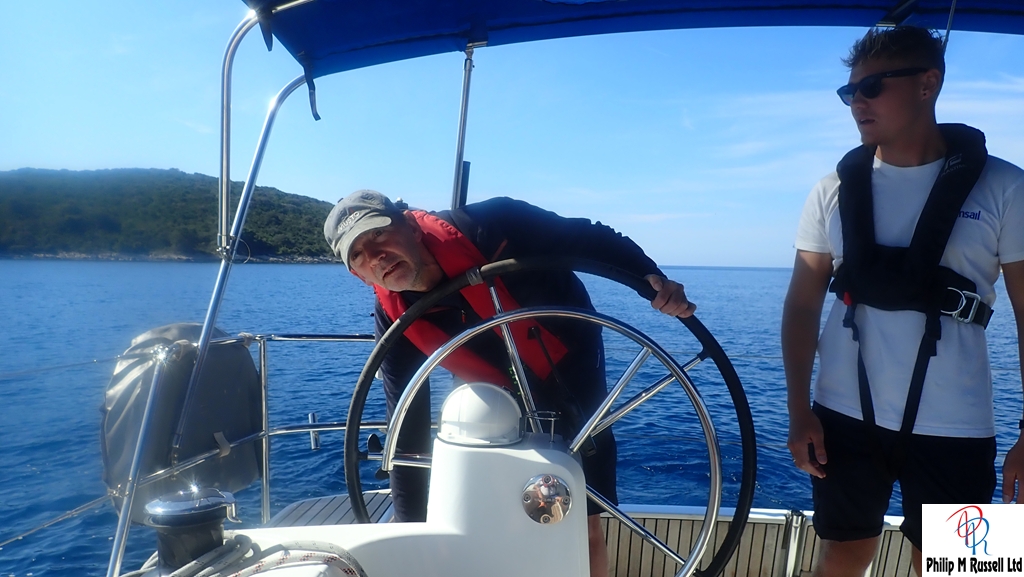
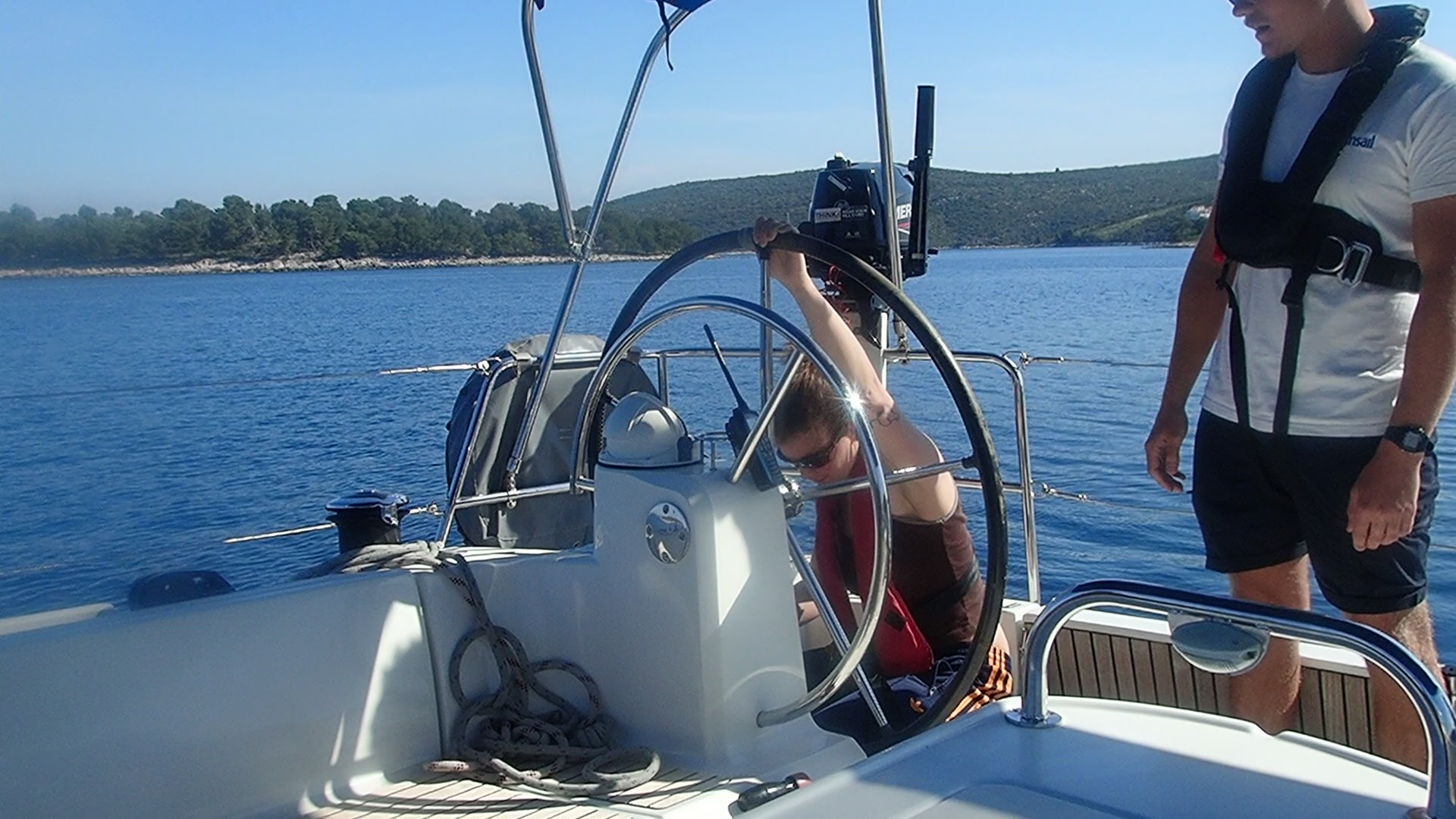
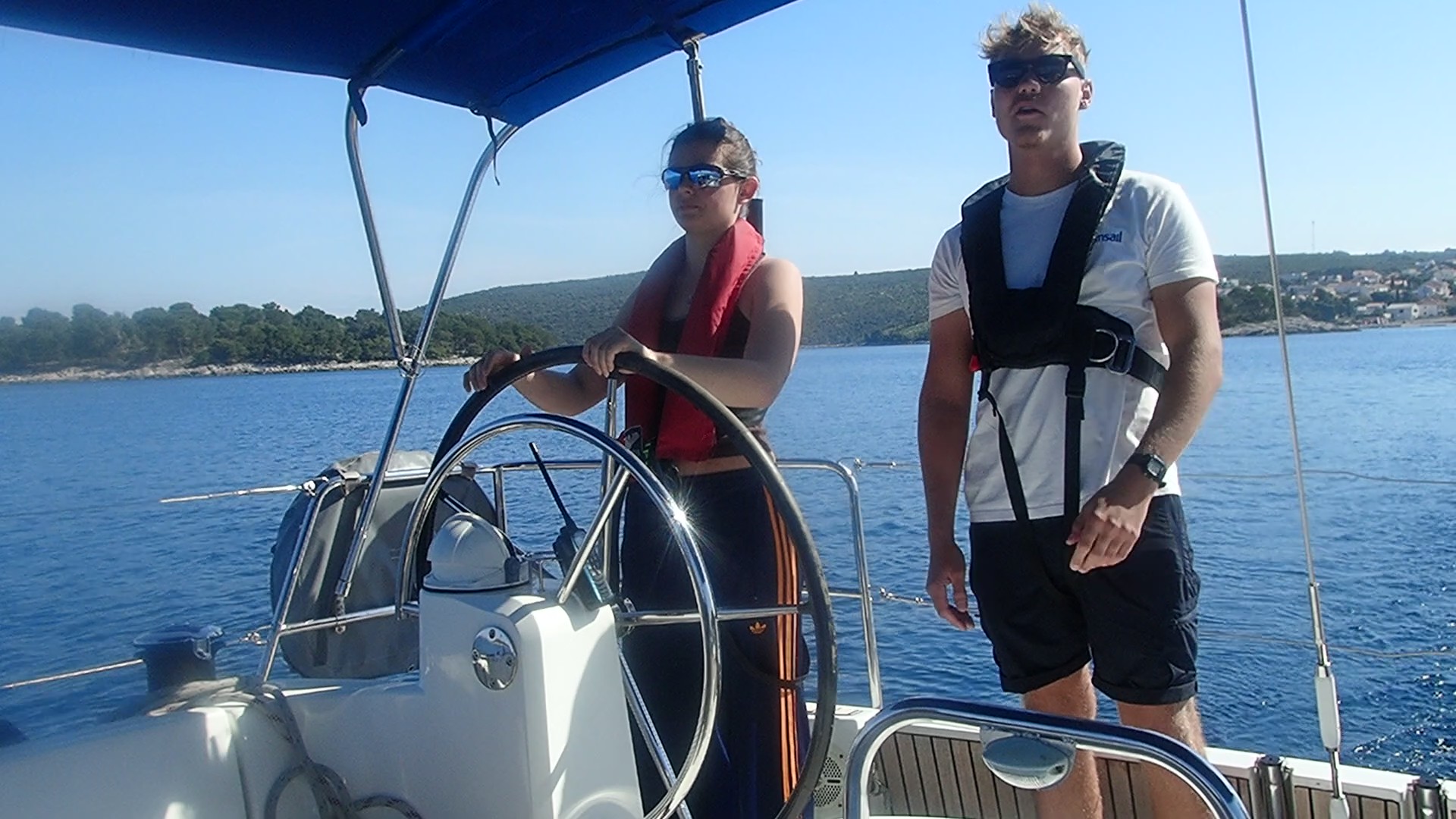
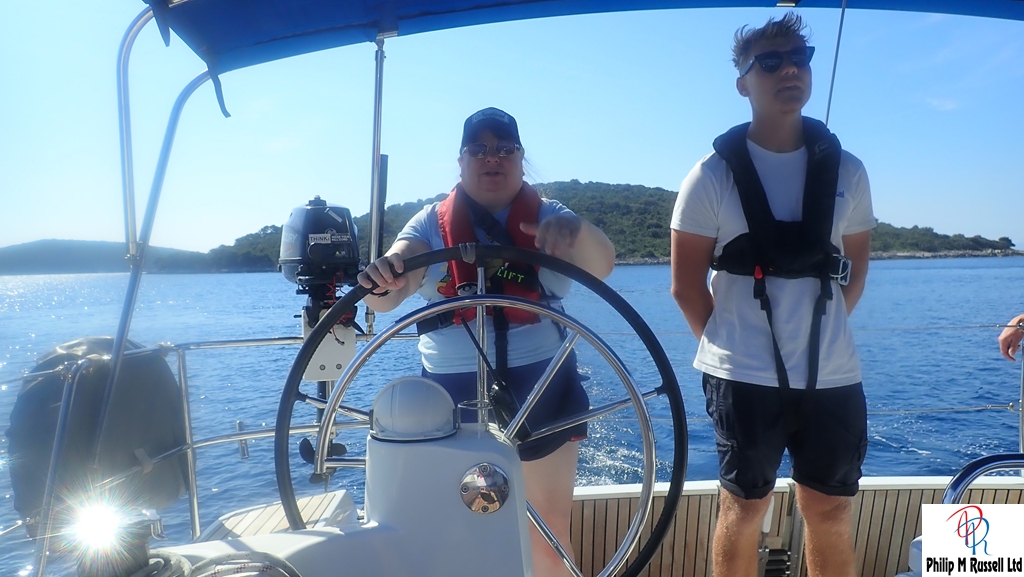
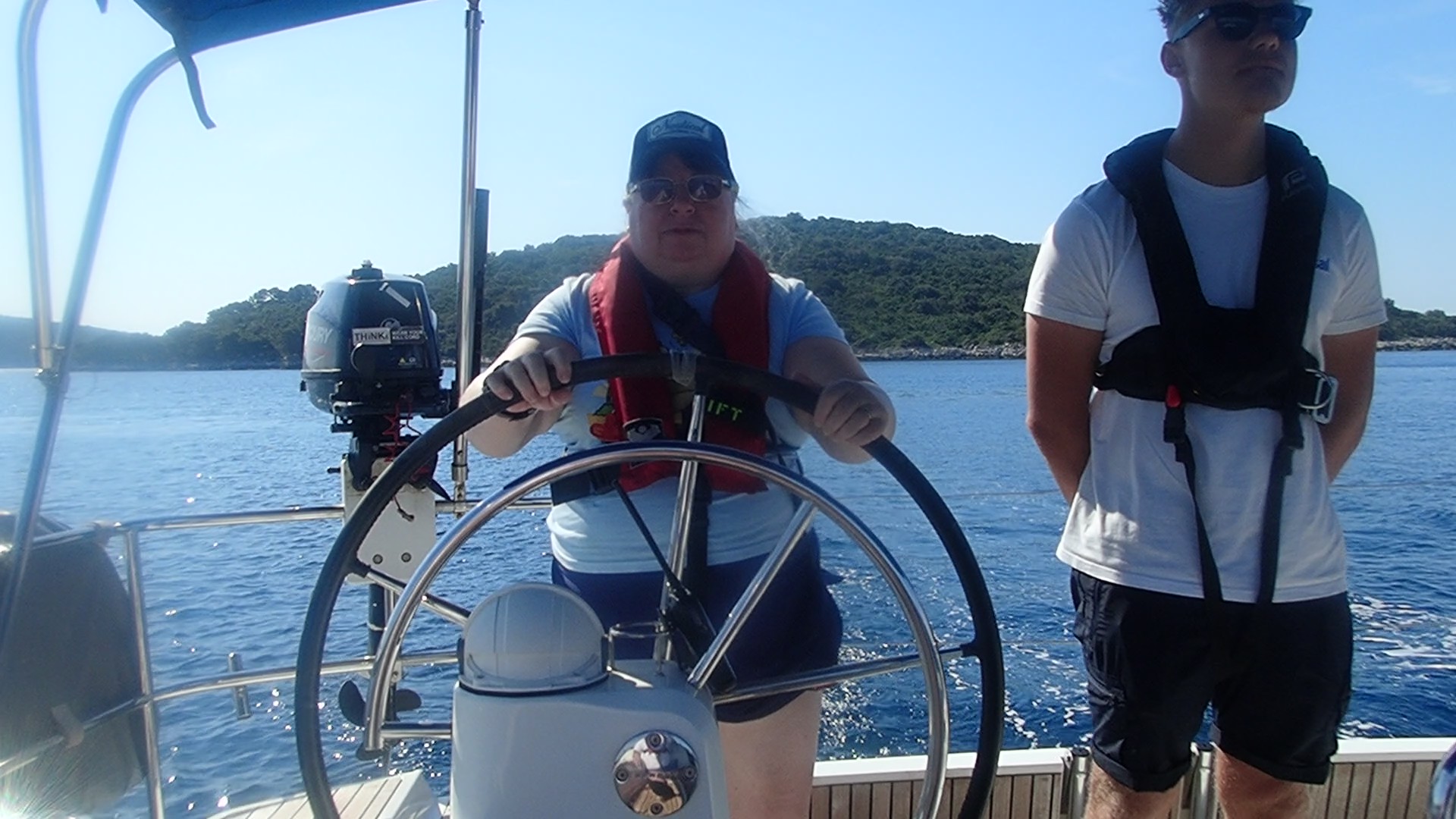
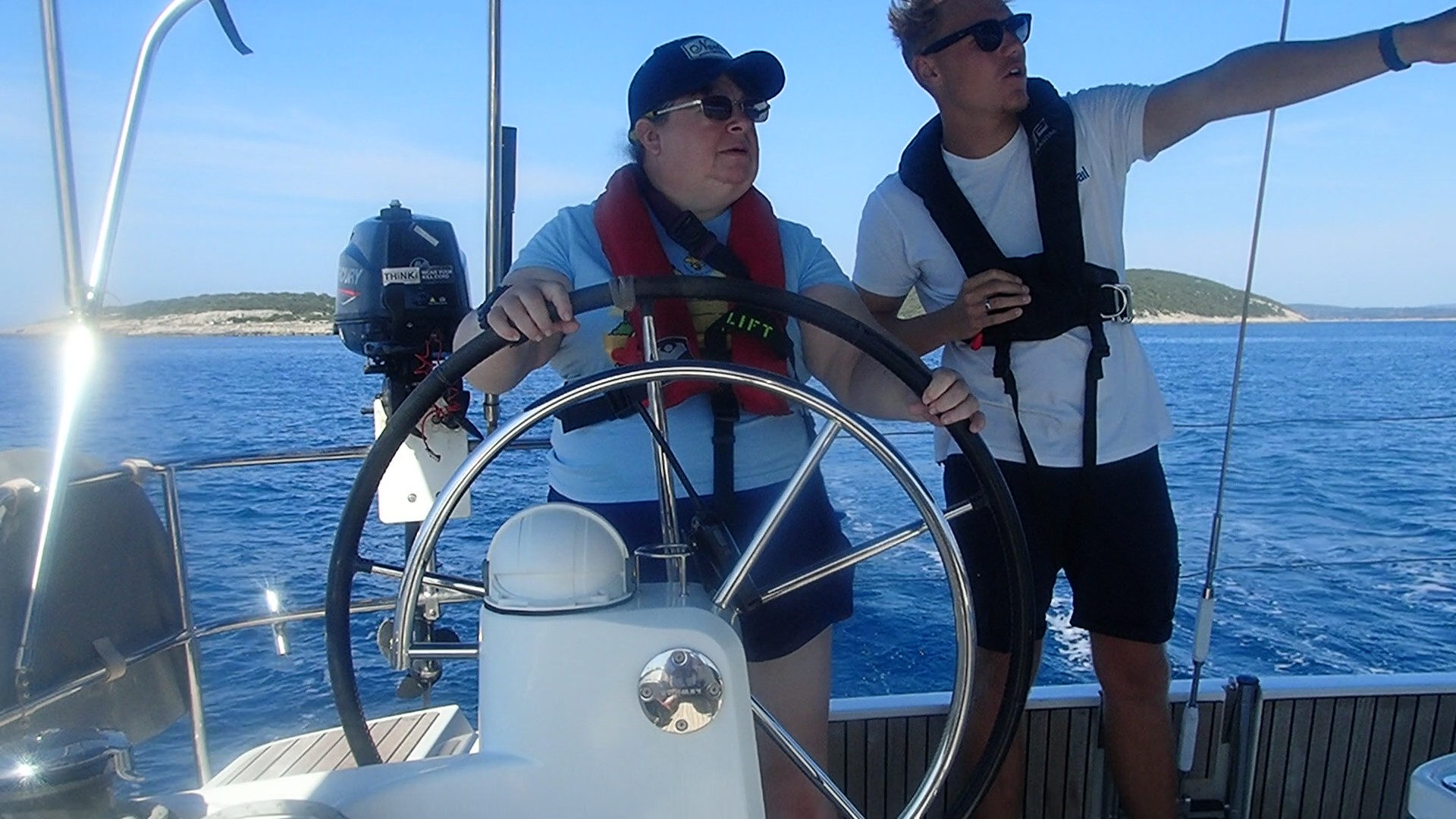
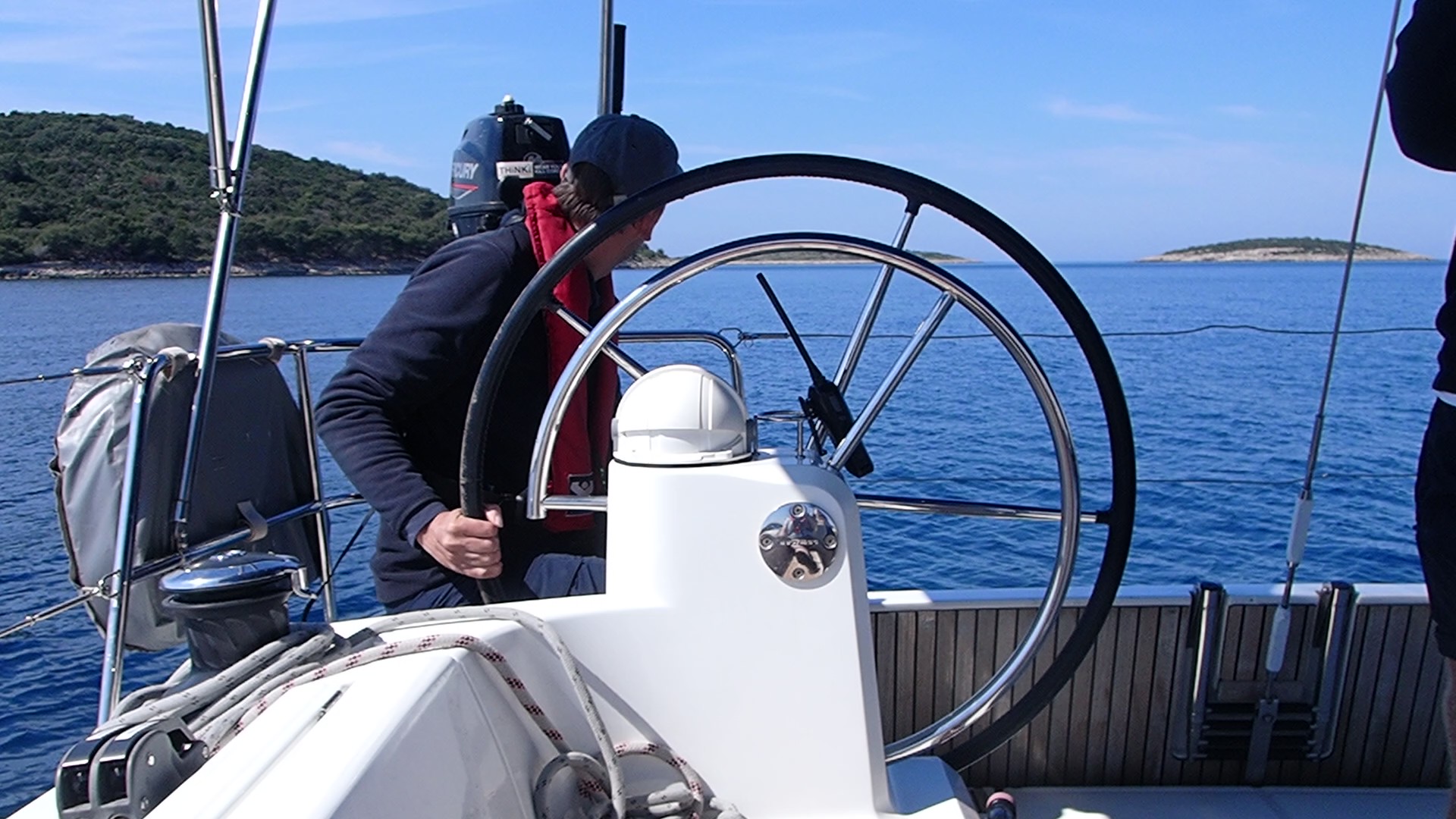
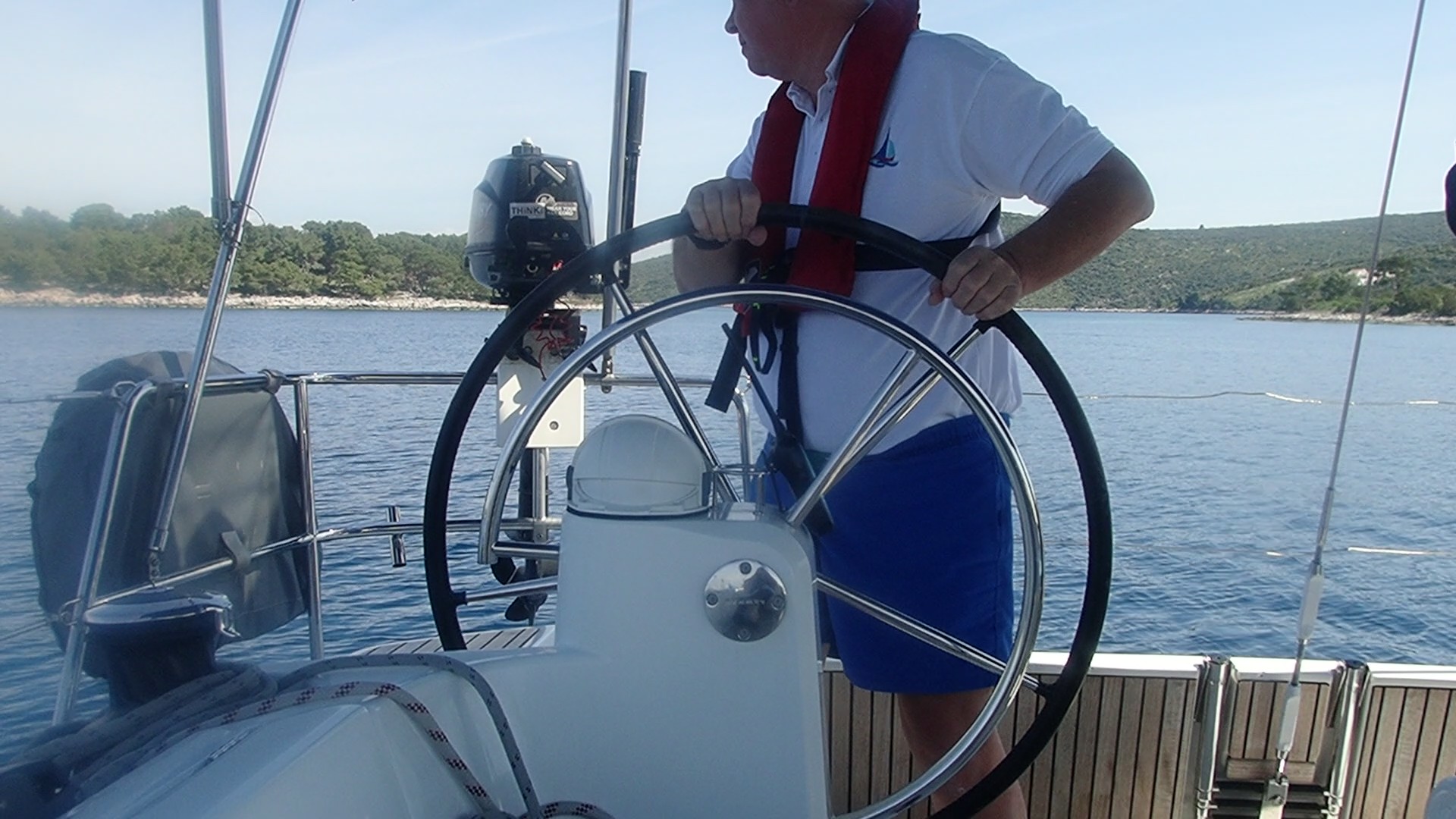
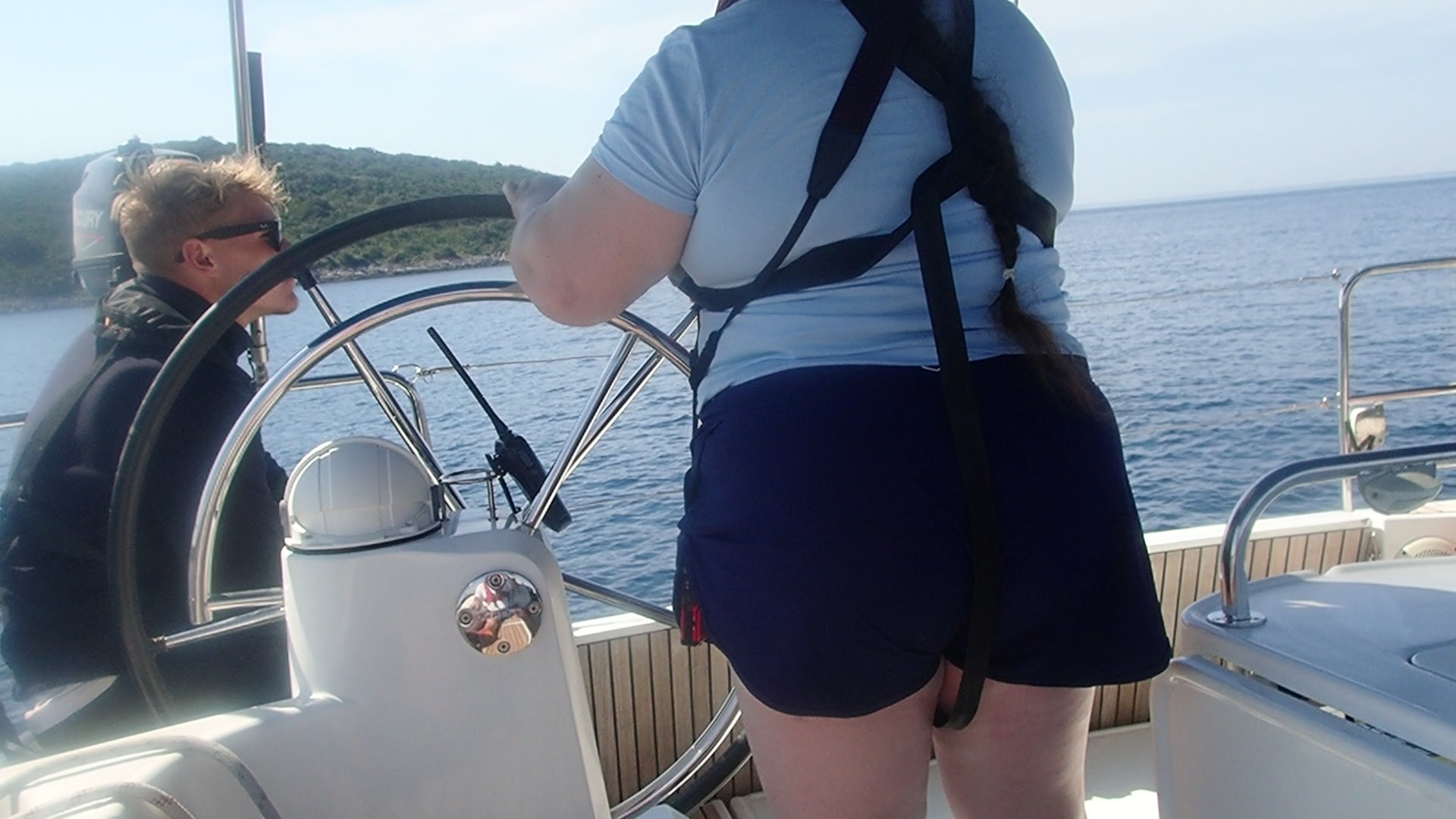
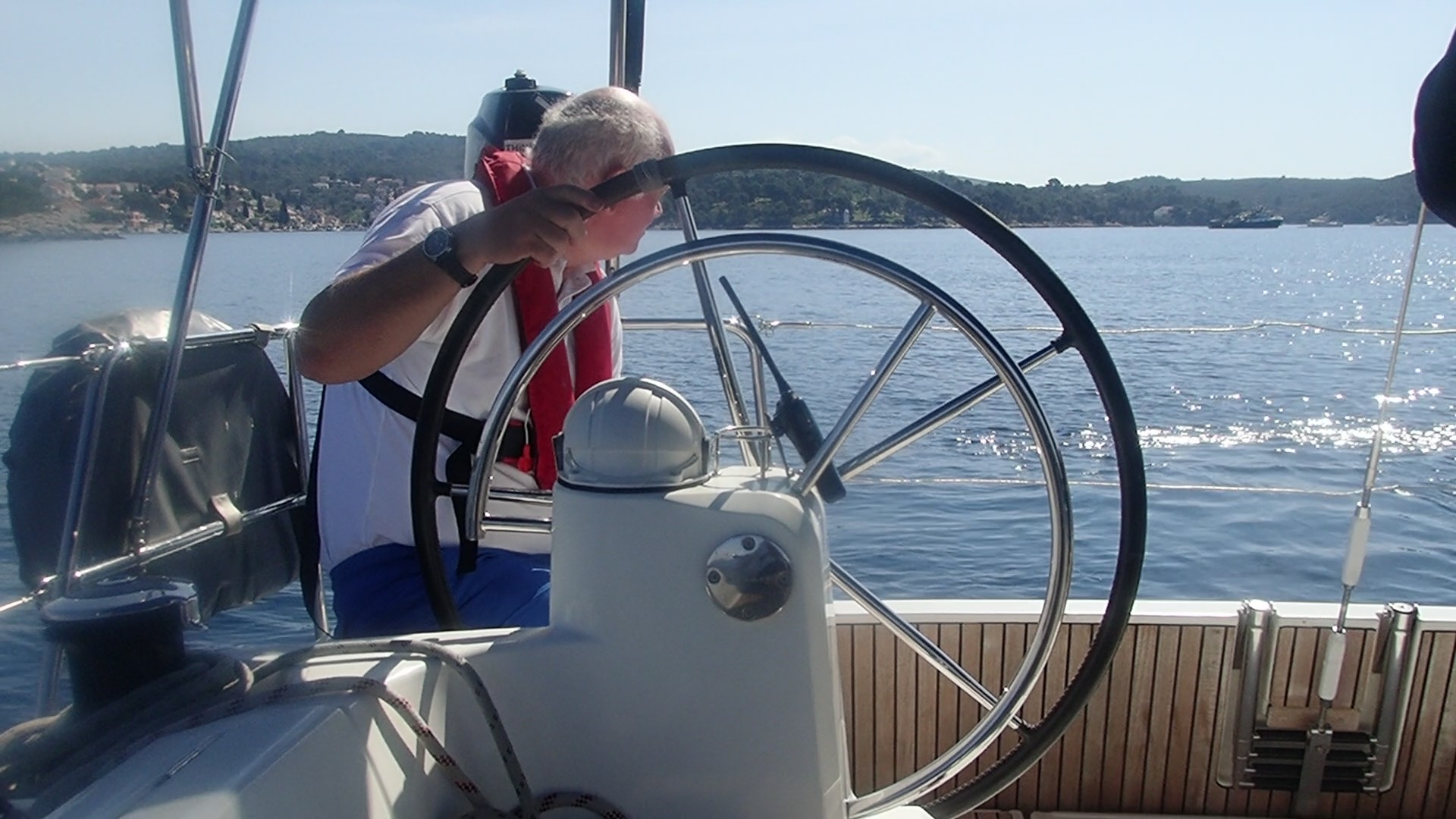
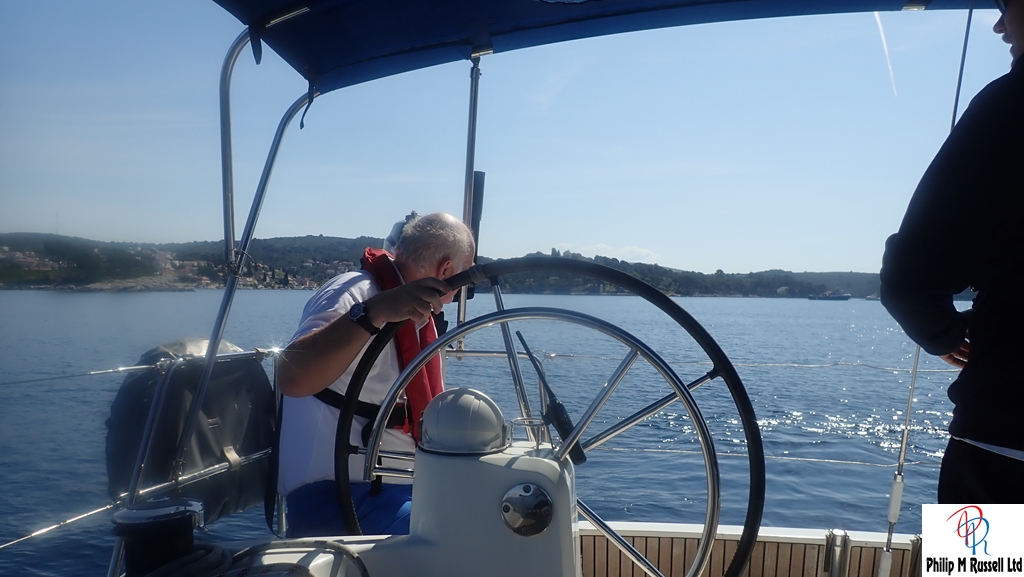
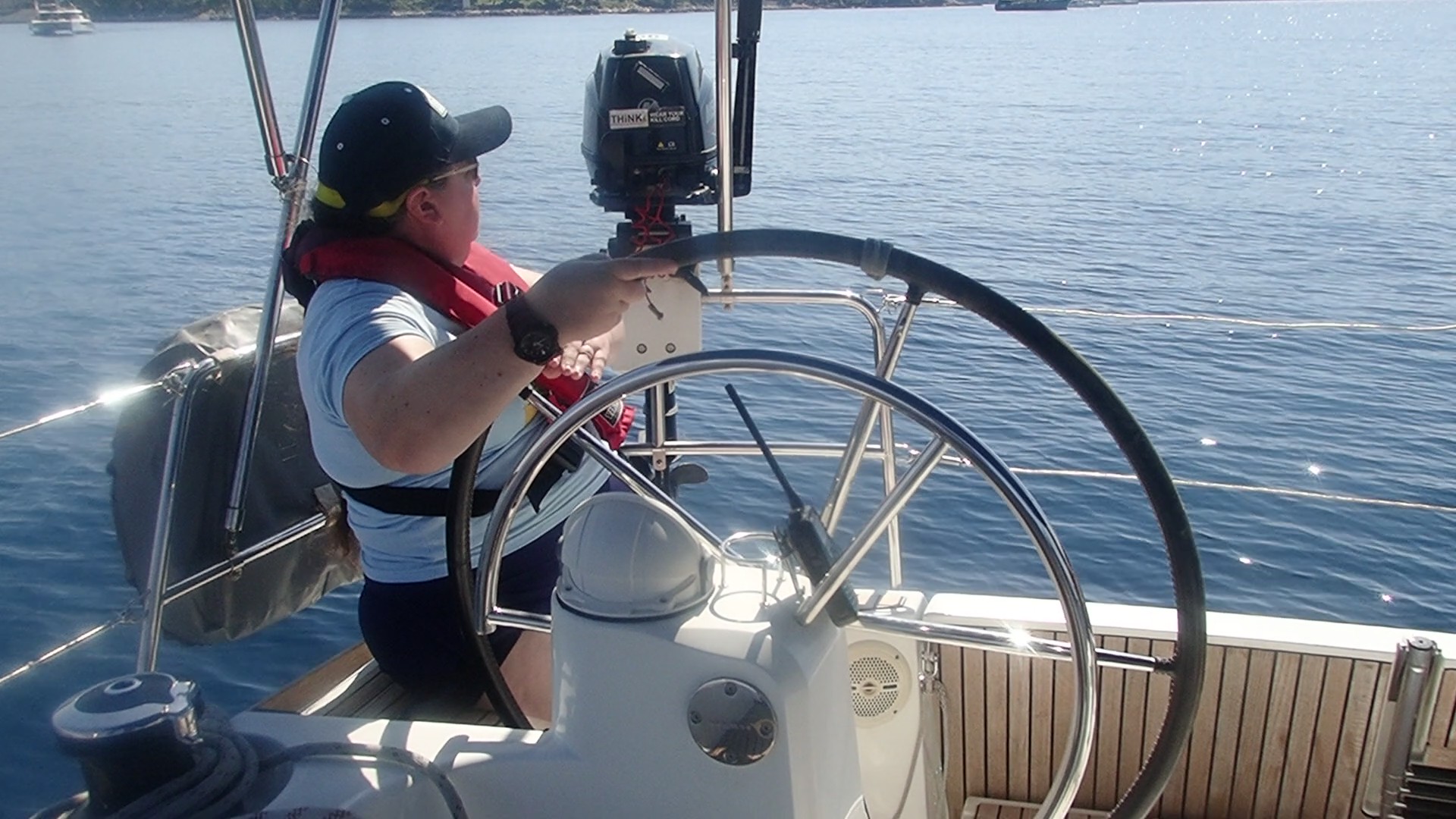
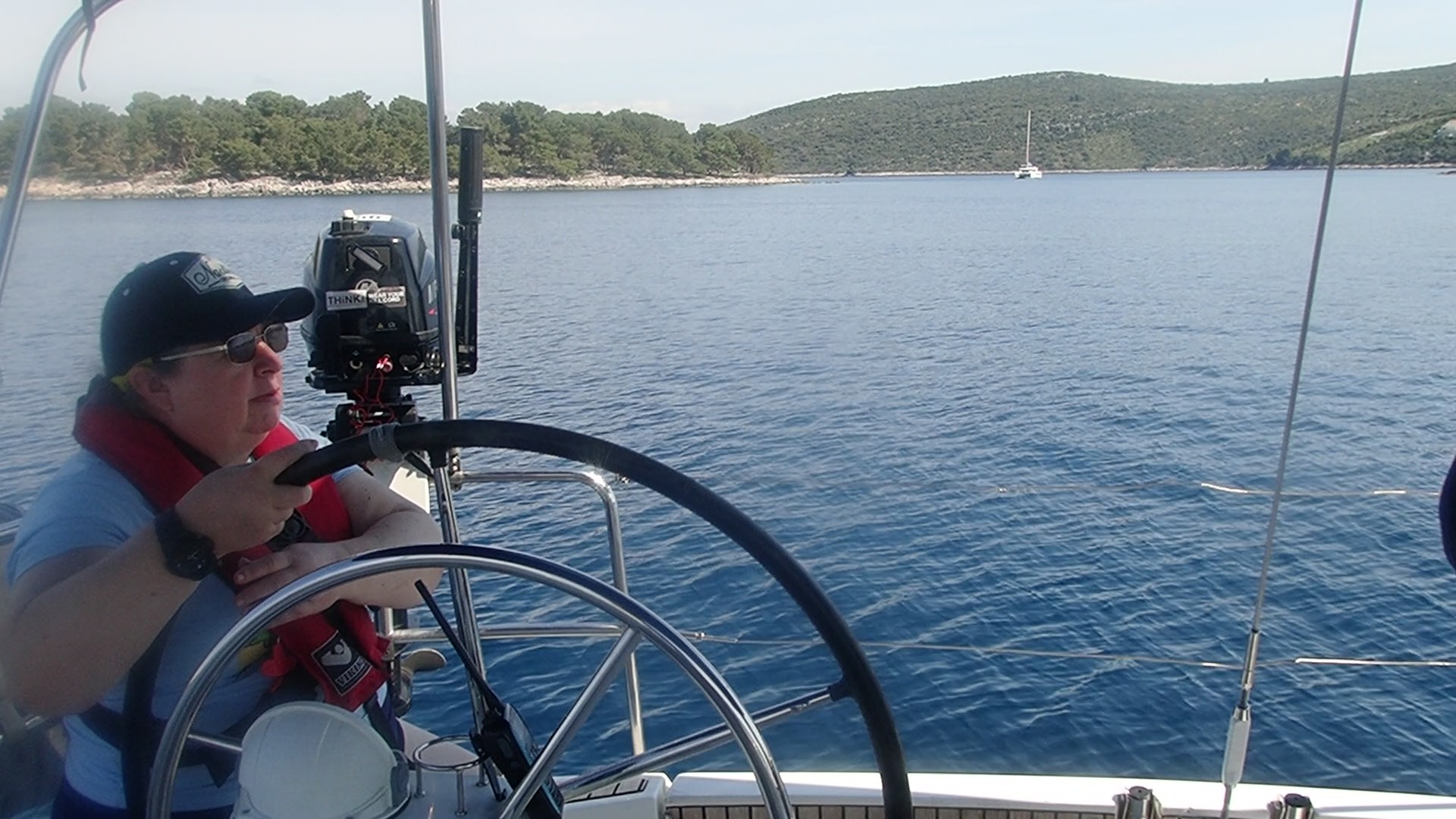
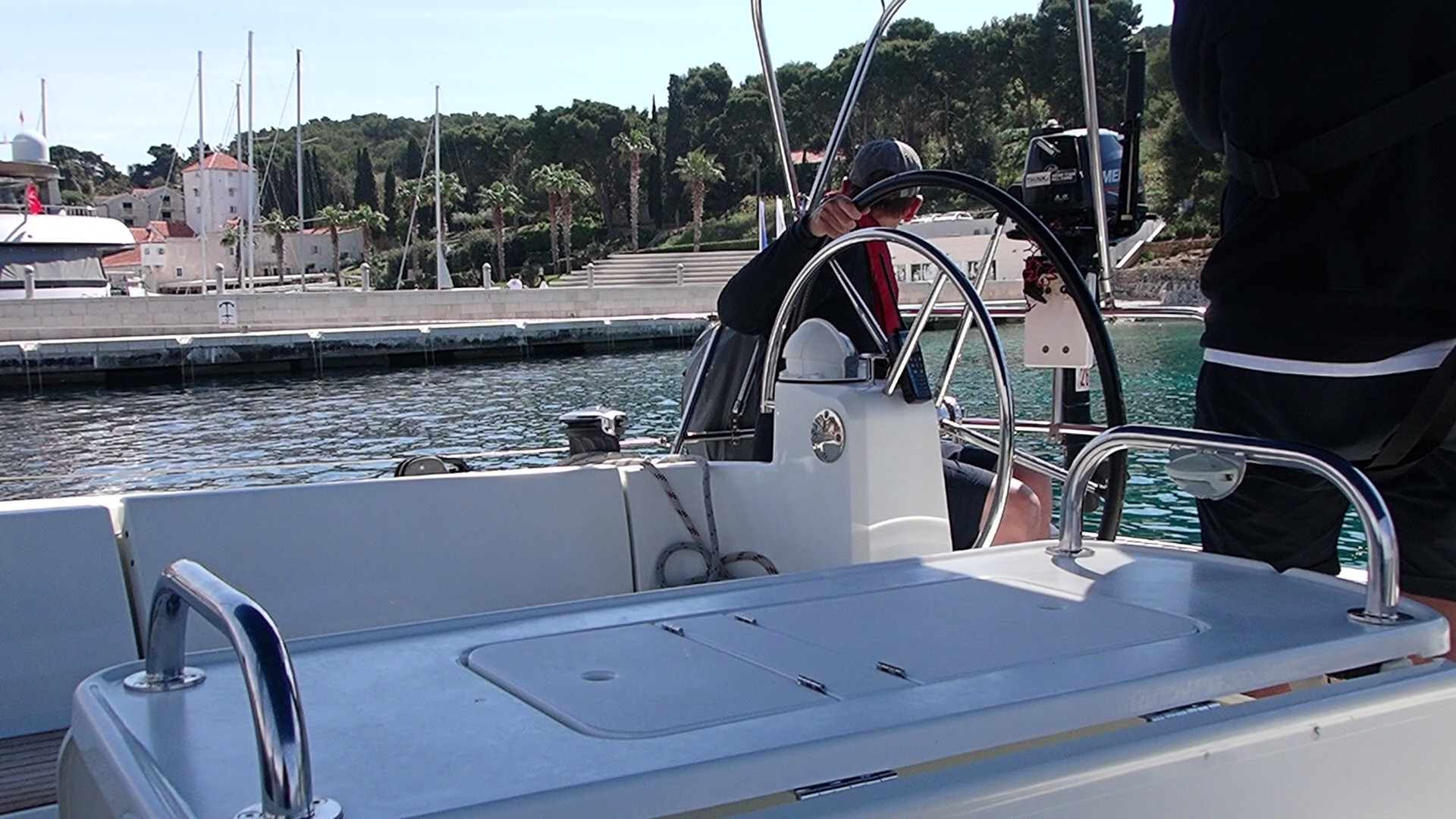
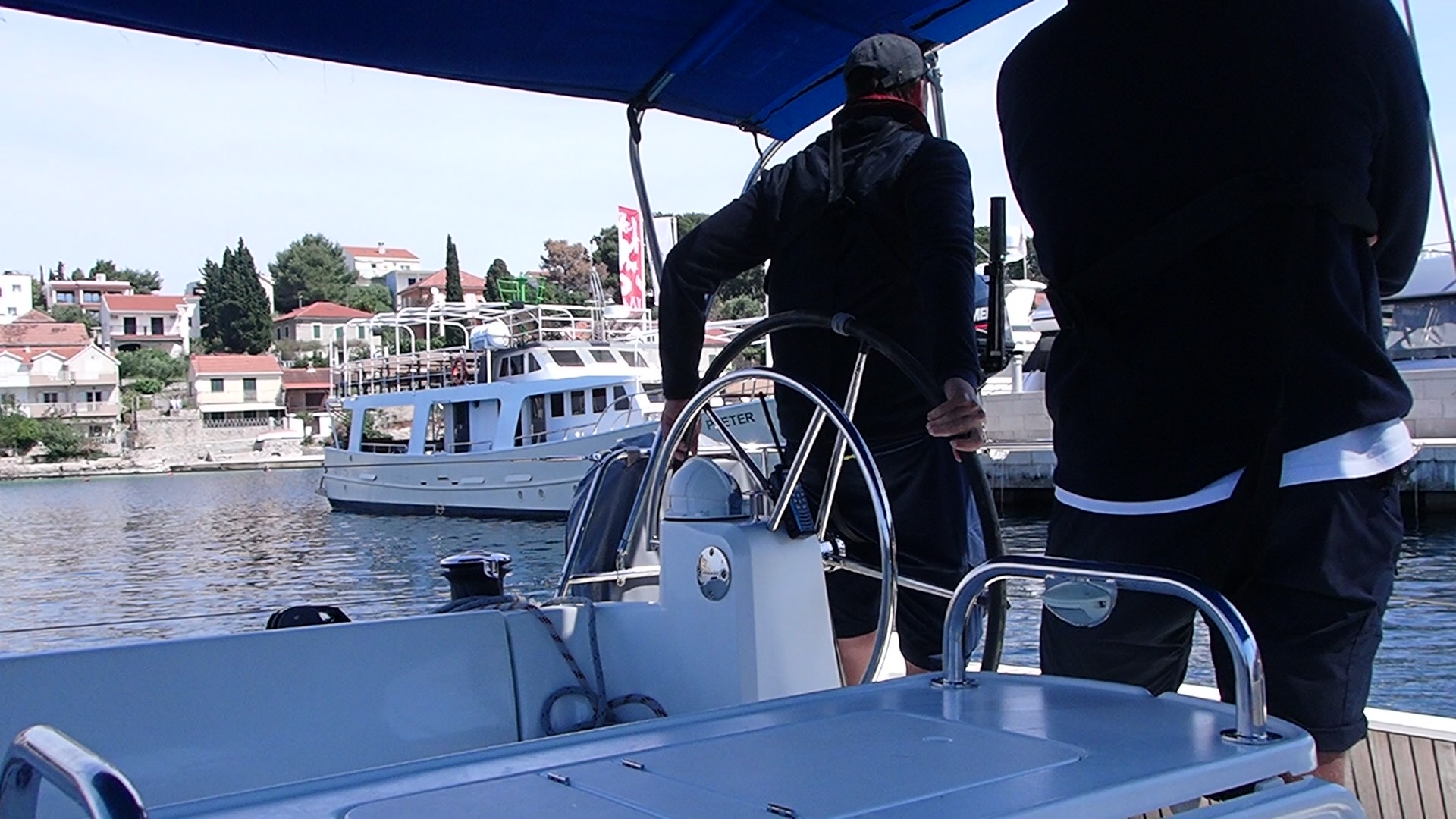
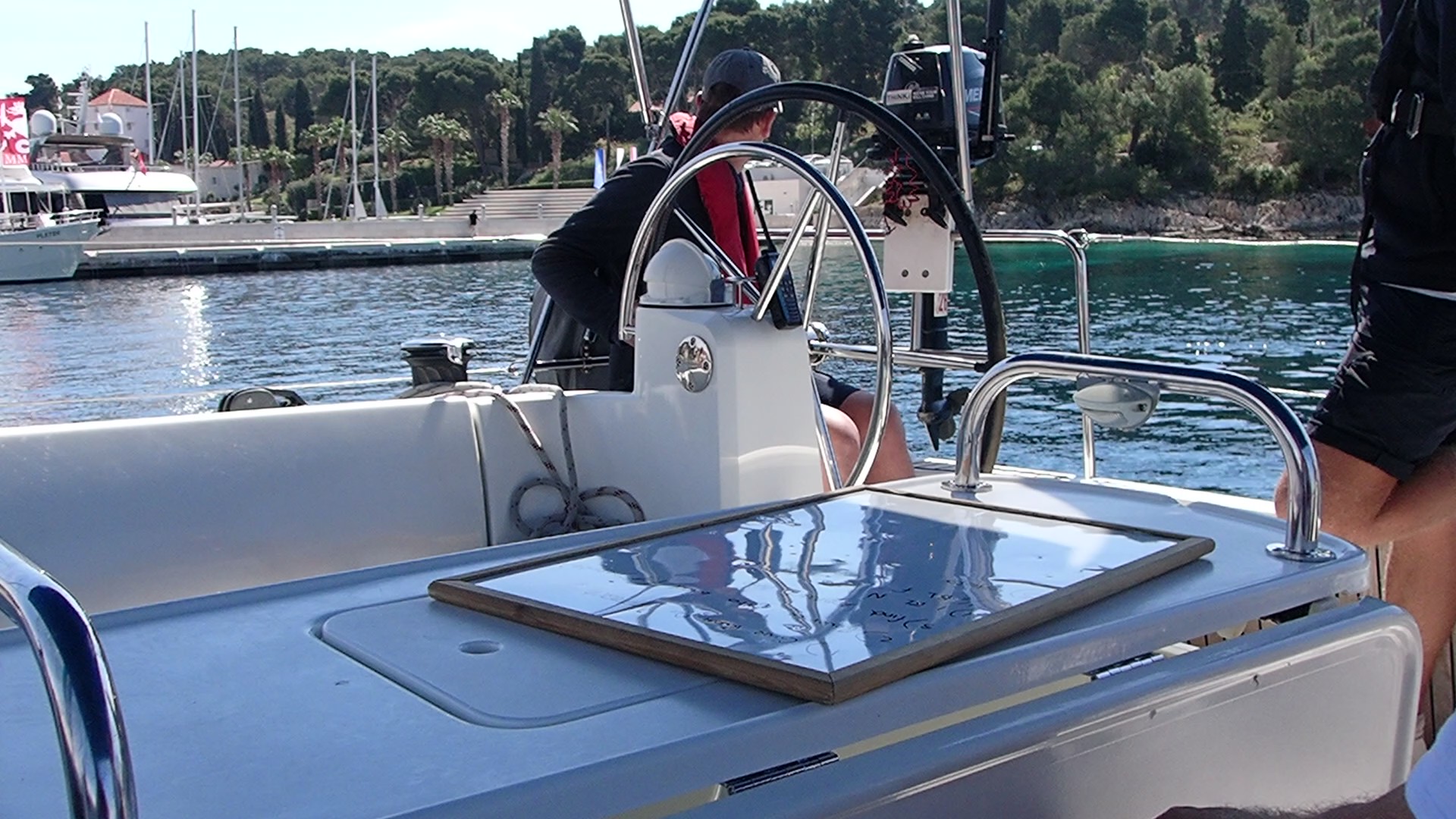
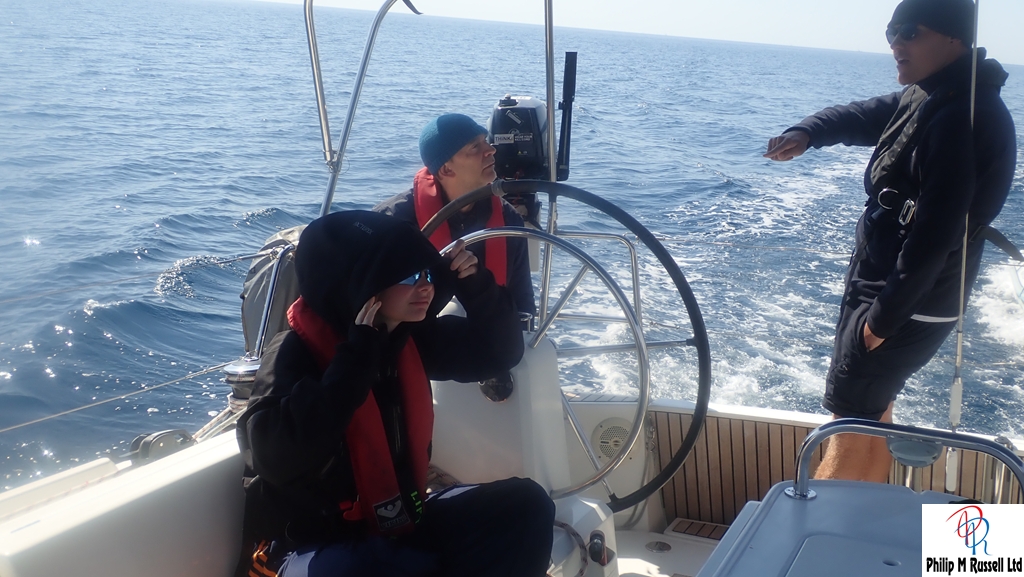
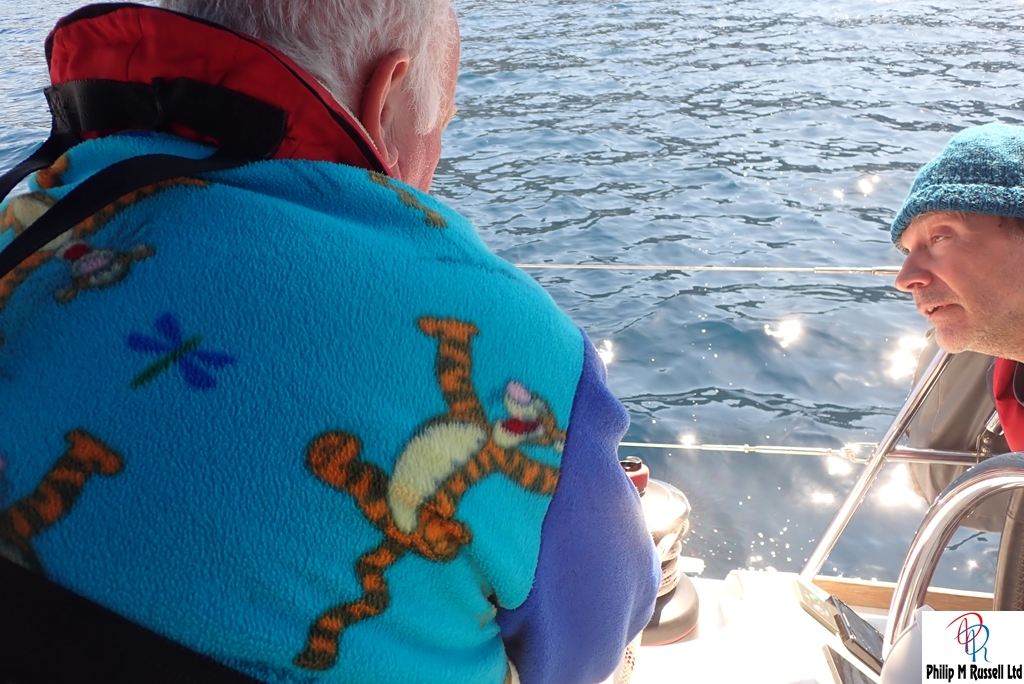
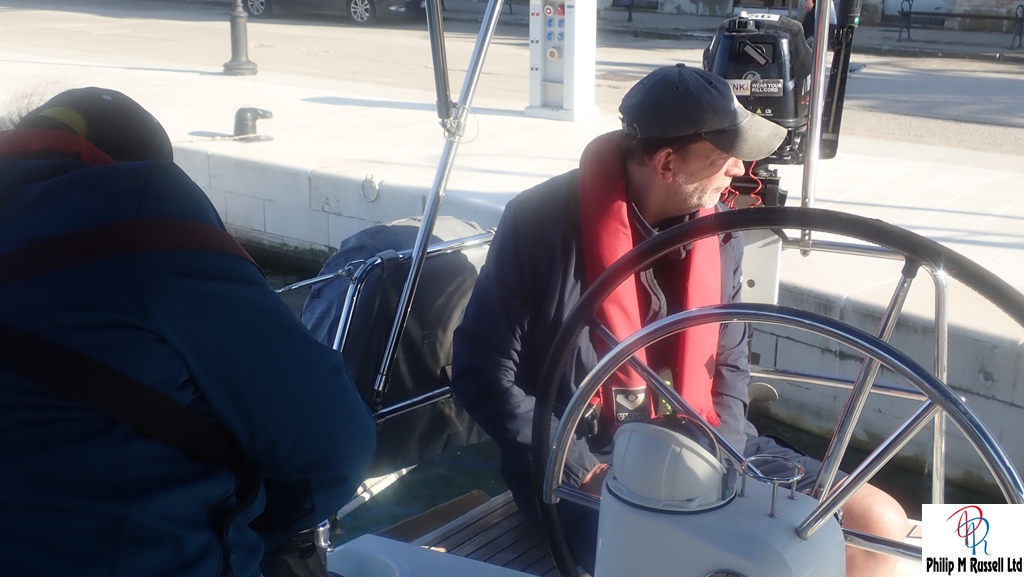
Each of us took turns at the helm practising turning
manoeuvres using only the engine and no sails. We selected headings and then
imagined turning either 90 degrees to port or starboard. Sometimes we practised
rapid turns using full lock on the wheel before straightening up just before
the desired heading. Other times we simulated slower, more controlled gybes.
After plenty of forward manoeuvres came reverse steering.
Steering a yacht backwards is an experience somewhere
between driving a supermarket trolley with a wonky wheel and attempting to
reverse a caravan blindfolded. We tried, standing sitting, facing the wrong way
all in order to gain better control.
We practised steering astern along imaginary courses and
learning how to stop the yacht accurately. I discovered that sometimes standing
on what felt like entirely the wrong side of the wheel actually gave better
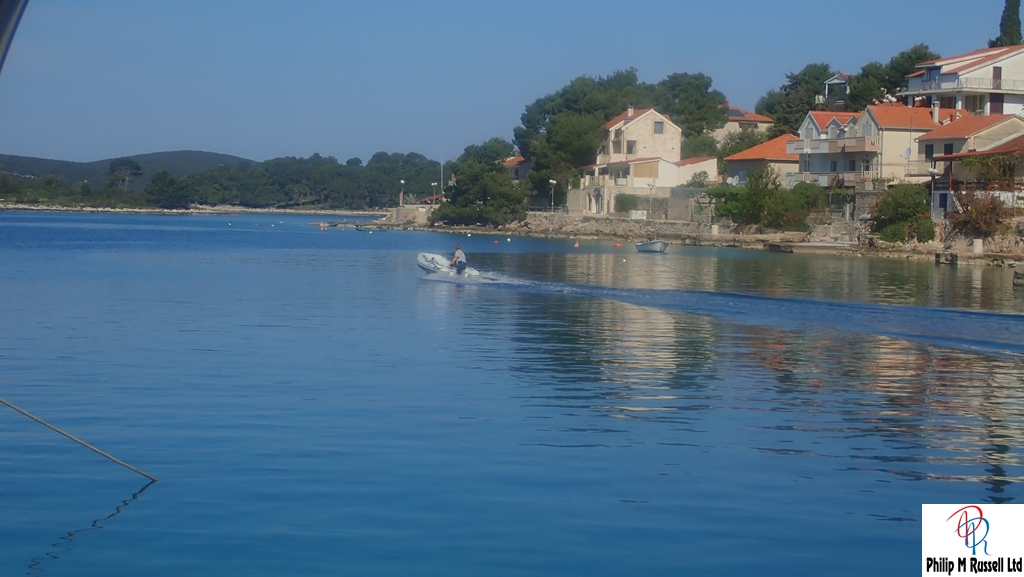
control. Whilst I did my go Steve in a dinghy was zipping around our boat
filming.
Tadek also taught us how to tell if the boat was truly
stationary. The trick was to line up a nearby object with something distant
ashore. If they stayed aligned, the boat was stopped. We could also study
bubbles moving past the stern. At the time this all seemed slightly obsessive,
but later we discovered exactly why these skills mattered.
Now reasonably competent at stopping and steering —
including my wife and Emily — we returned to the harbour wall to practise
stern-to mooring.
We approached the harbour at 90 degrees before reversing
carefully towards the wall, aiming for bollards while another training yacht
from a different company practised exactly the same manoeuvre nearby.
A short burst of reverse power stopped the boat neatly
alongside, ready for lines to be thrown ashore.
John practised repeatedly until he could complete the
manoeuvre confidently. Emily then had several turns before John returned for a
few extra attempts just to make absolutely certain he had mastered it.
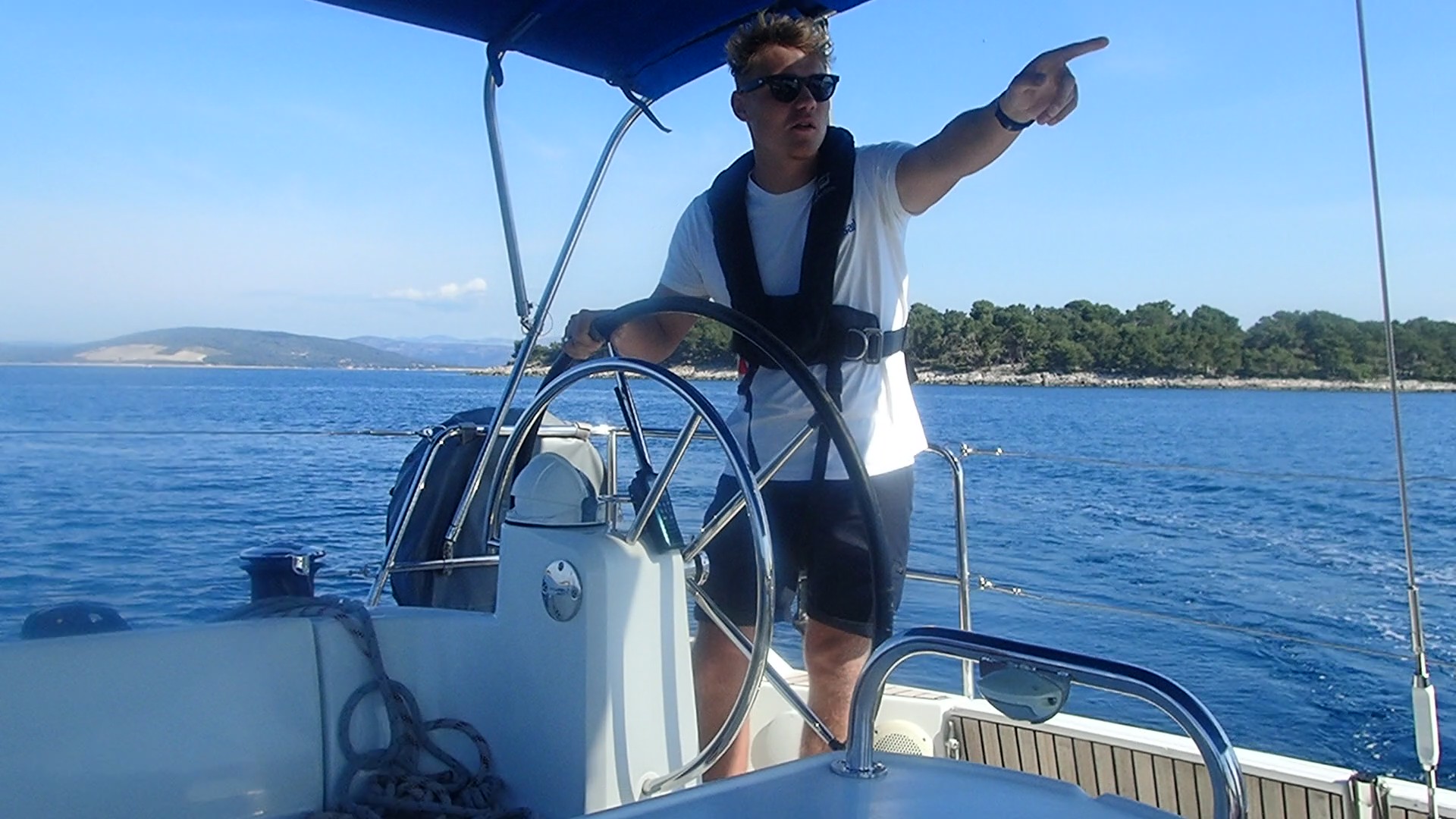
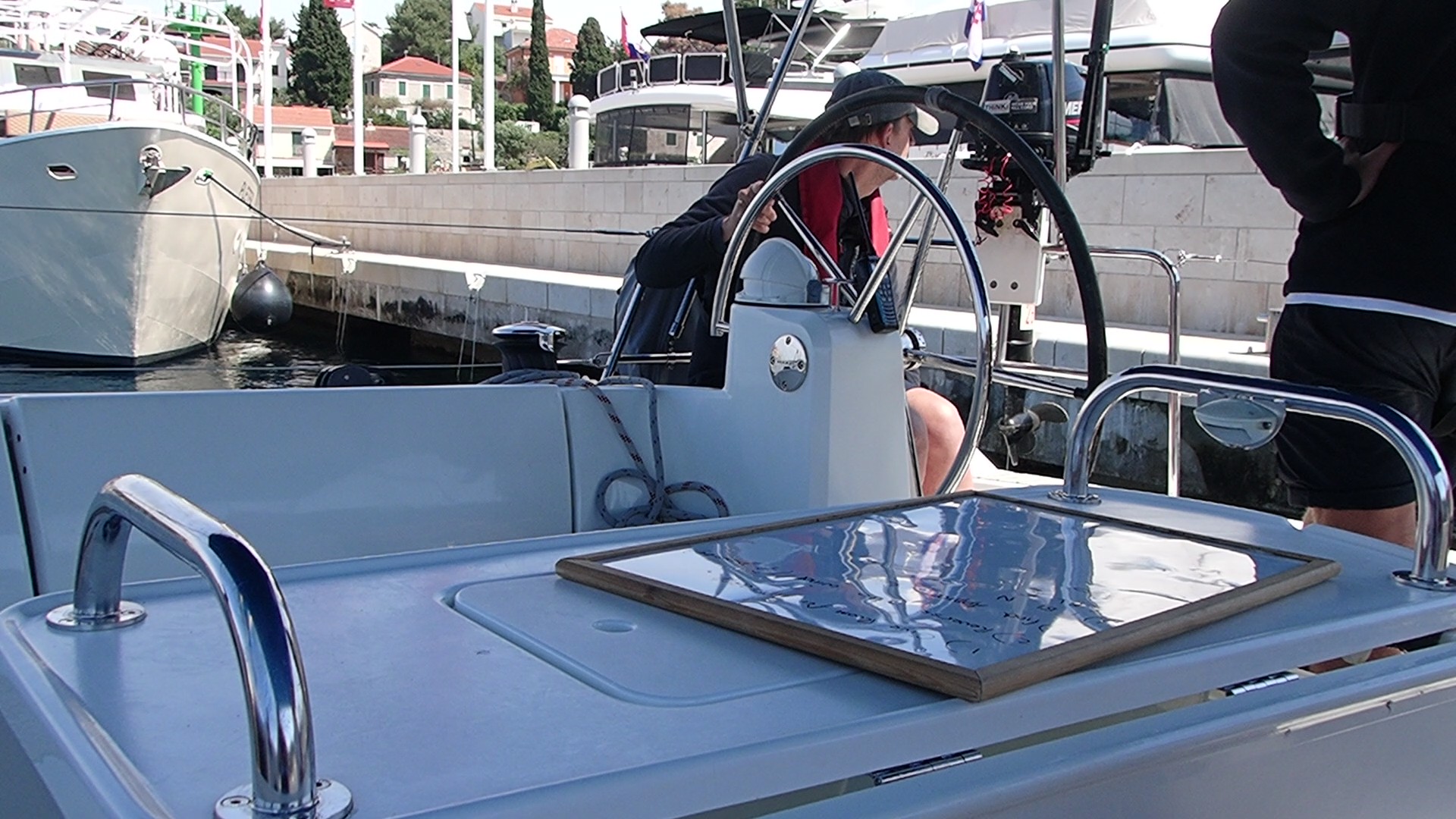
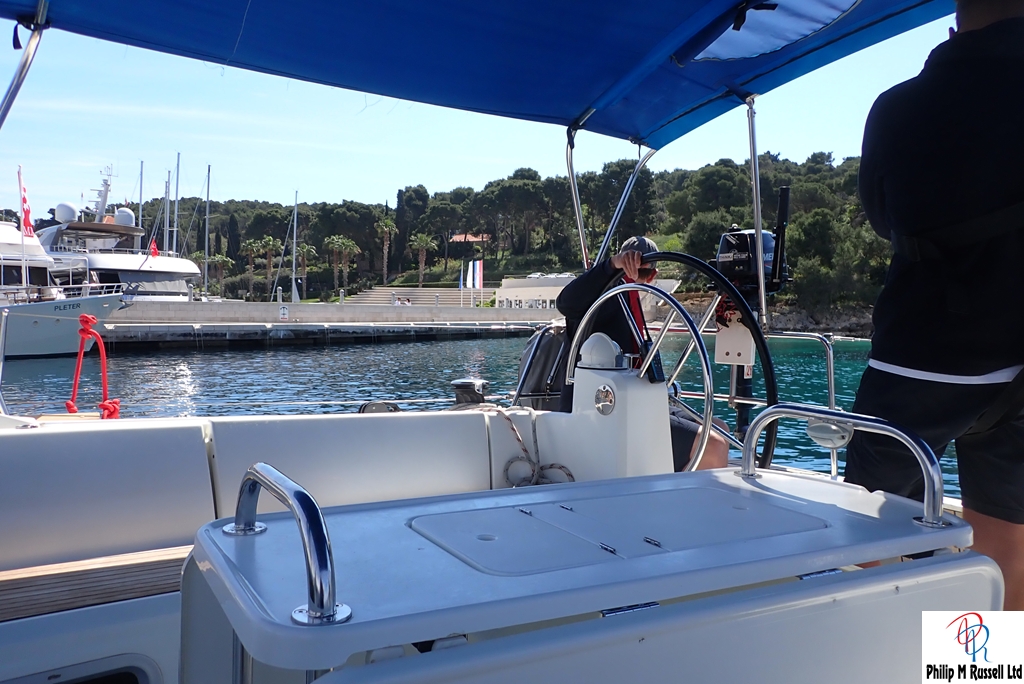
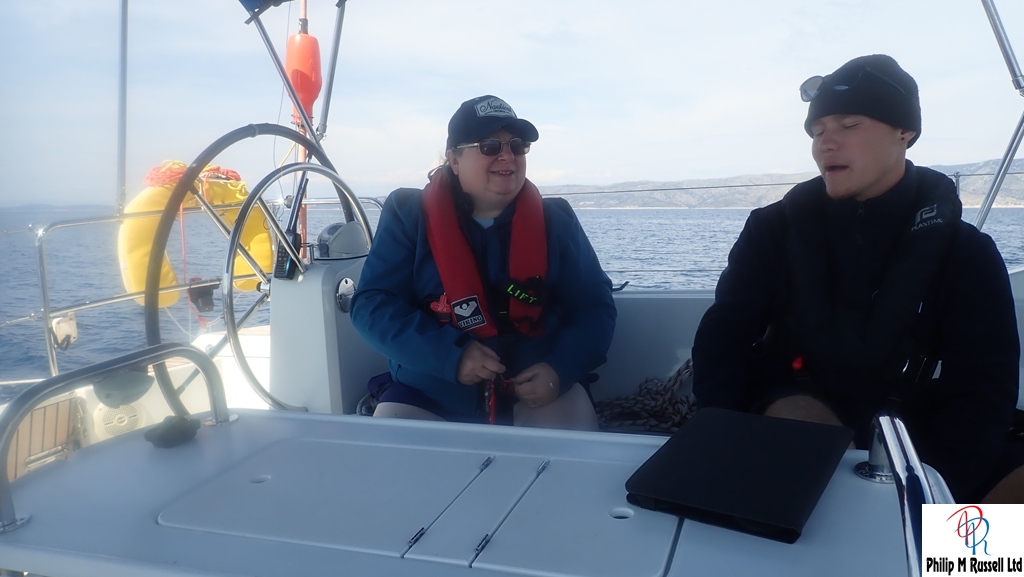
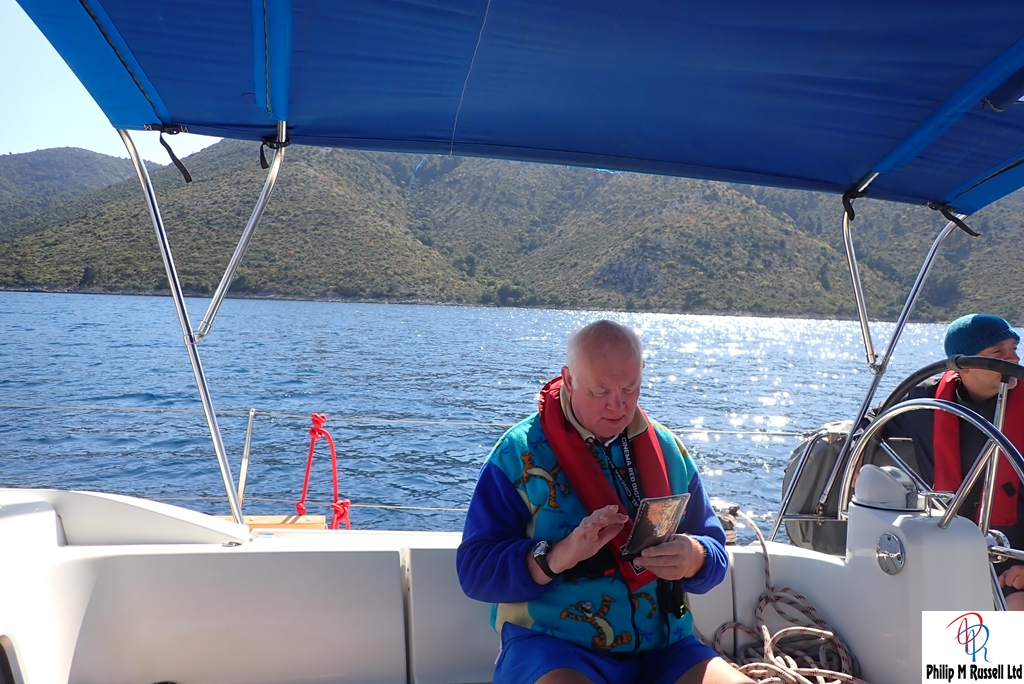
Being taught and practising stern mooring at a harbour in Croatia as my wife an I did the competent crew course with Sunsail. Here Emily who is revising her Day skipper course and John her Dad take the boat in stern first on their first attempts.
Once manoeuvres were complete, we contacted the Sailing
Fair Isle crew to let them know we were finally underway.
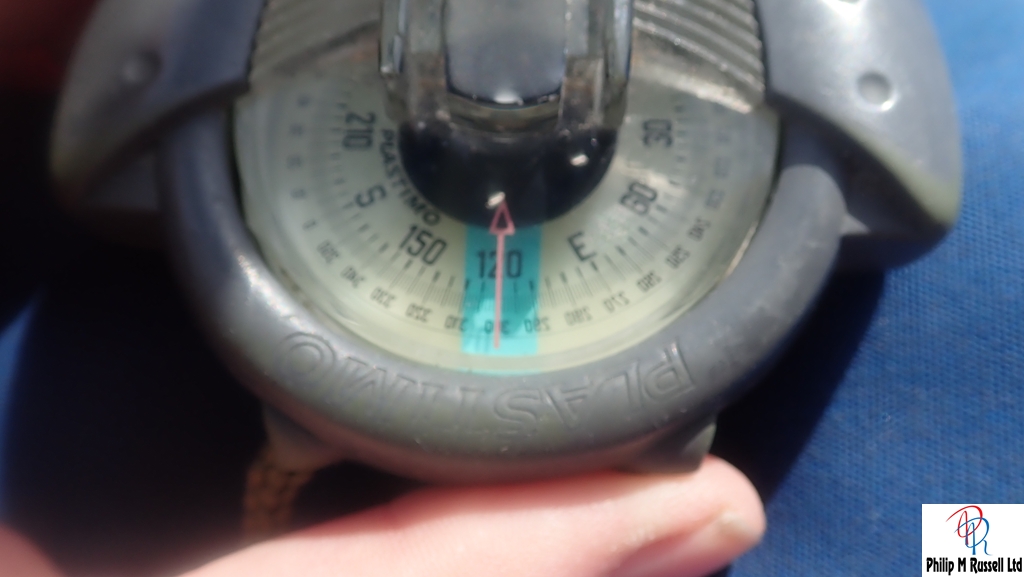
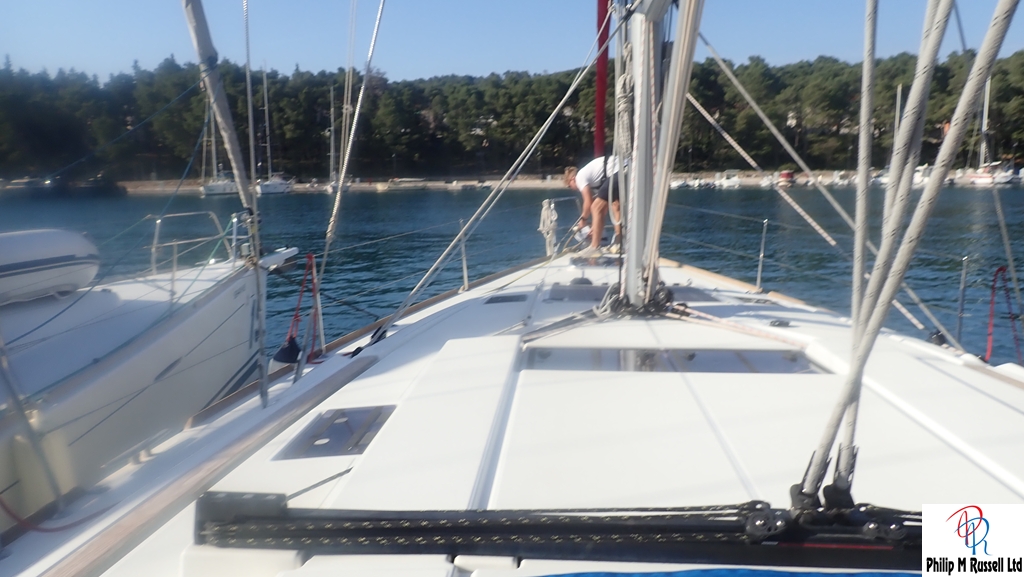
Out came the hand-bearing compass. In turn we all took
bearings while John adjusted the course according to his planned route.
Then came the call everyone enjoys hearing:
“Let’s get the sails up.”
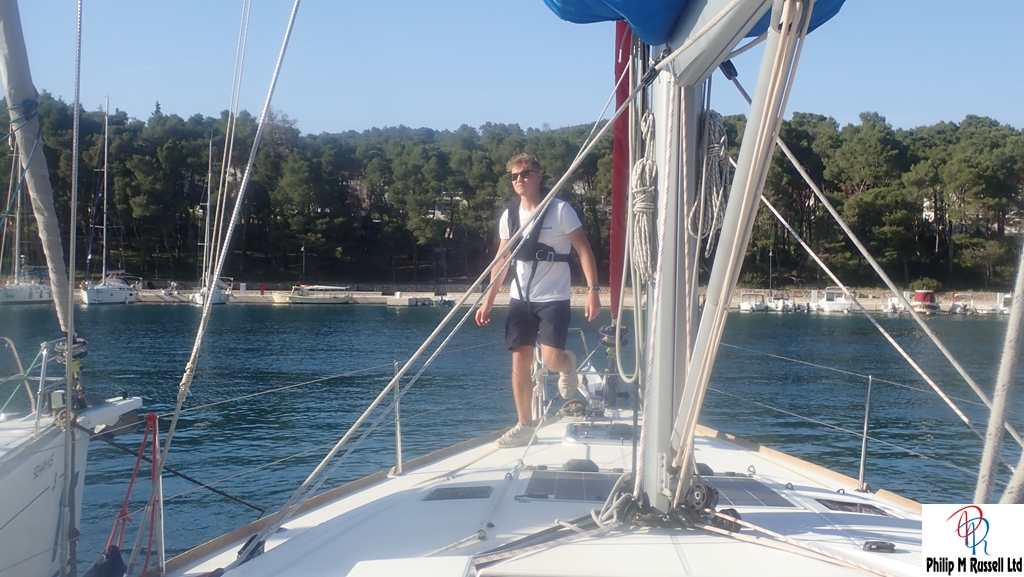
John organised the crew efficiently.
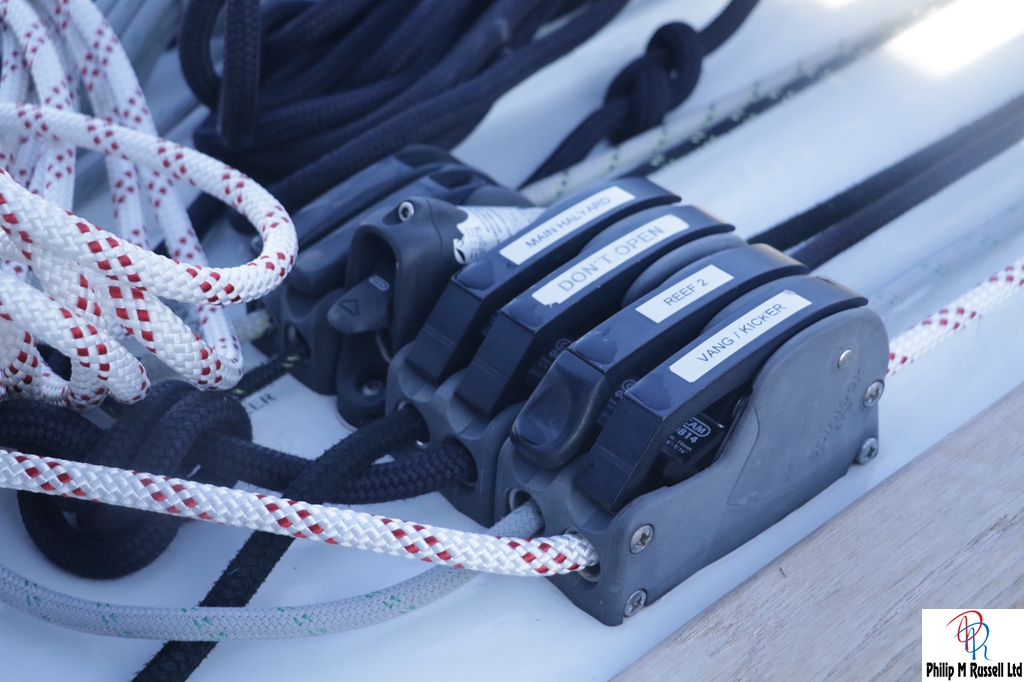
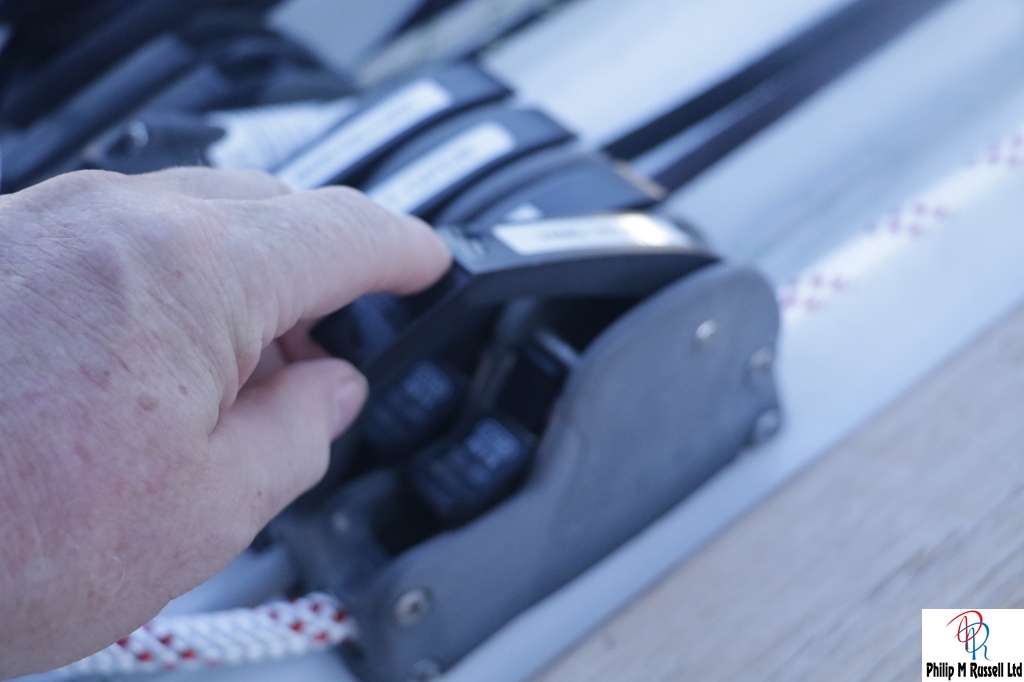
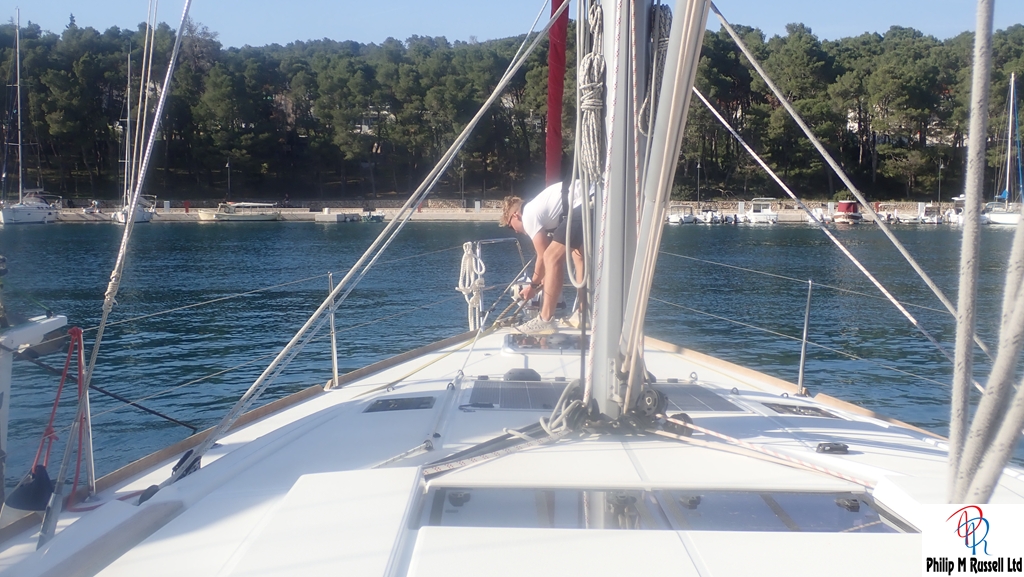
Ros released the kicker. Emily moved to the mast and began
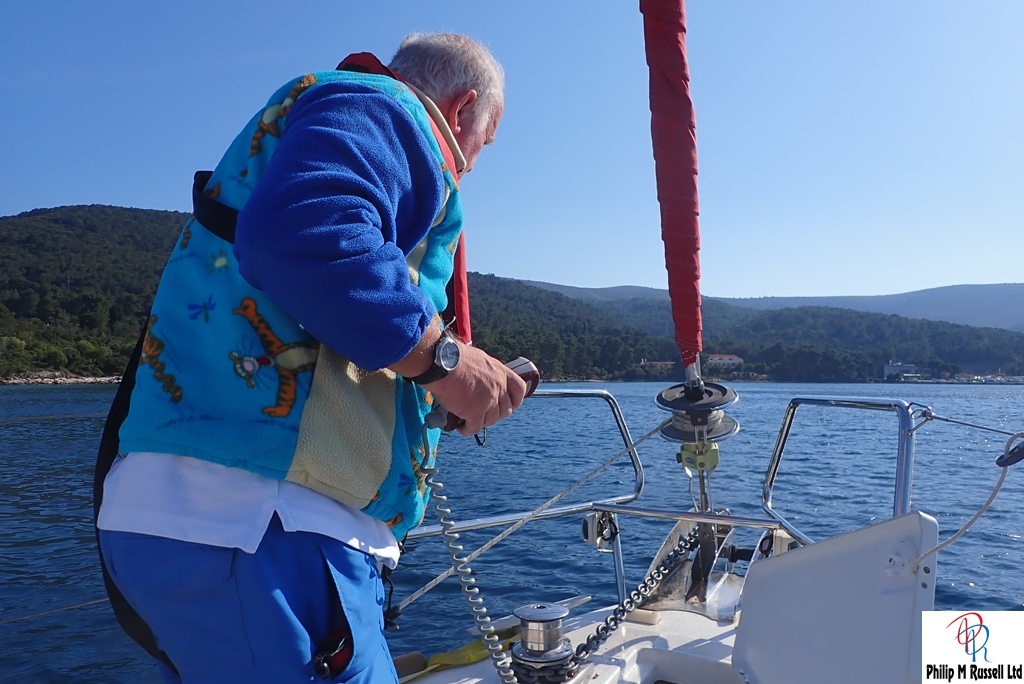
hoisting the mainsail by hand while I hauled in slack from the cockpit. Once
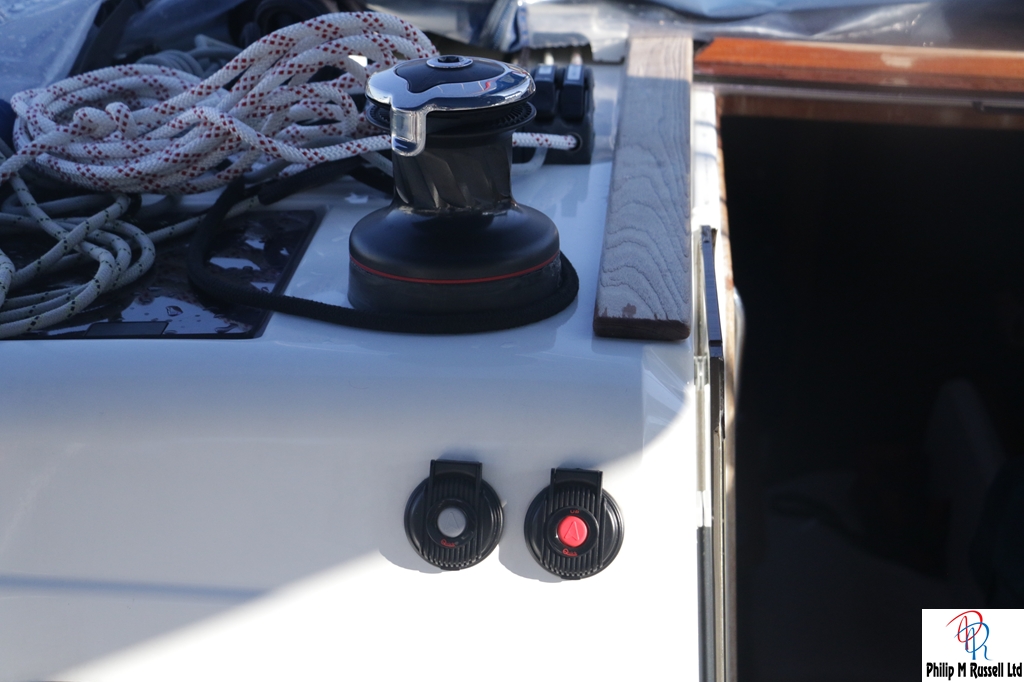
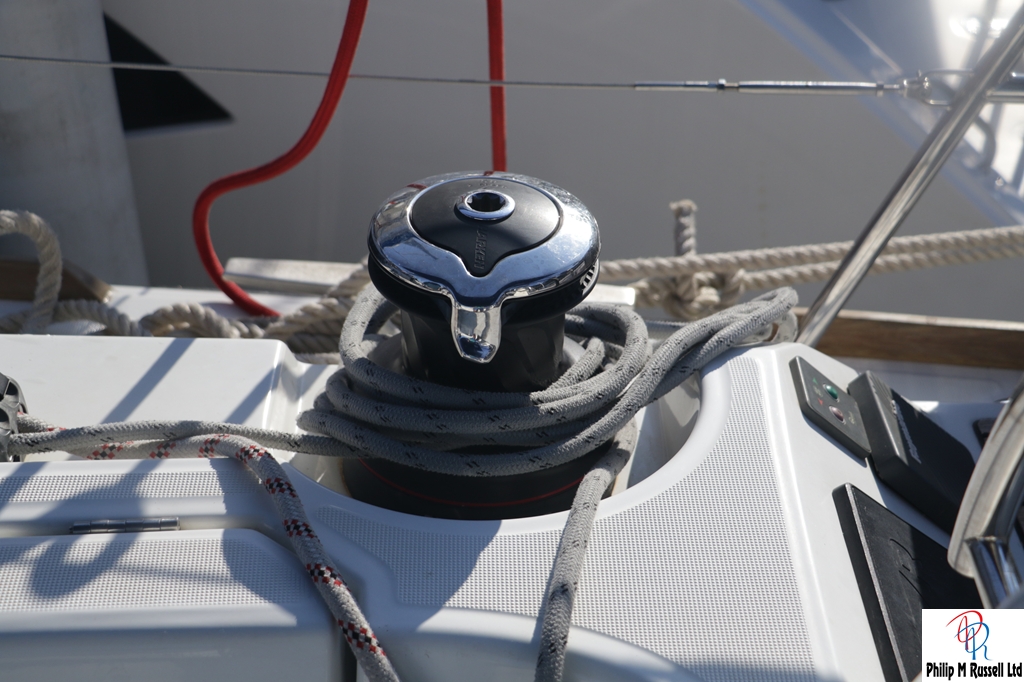
the sail became too heavy to raise manually, I switched to the electric winch
to complete the final few metres.
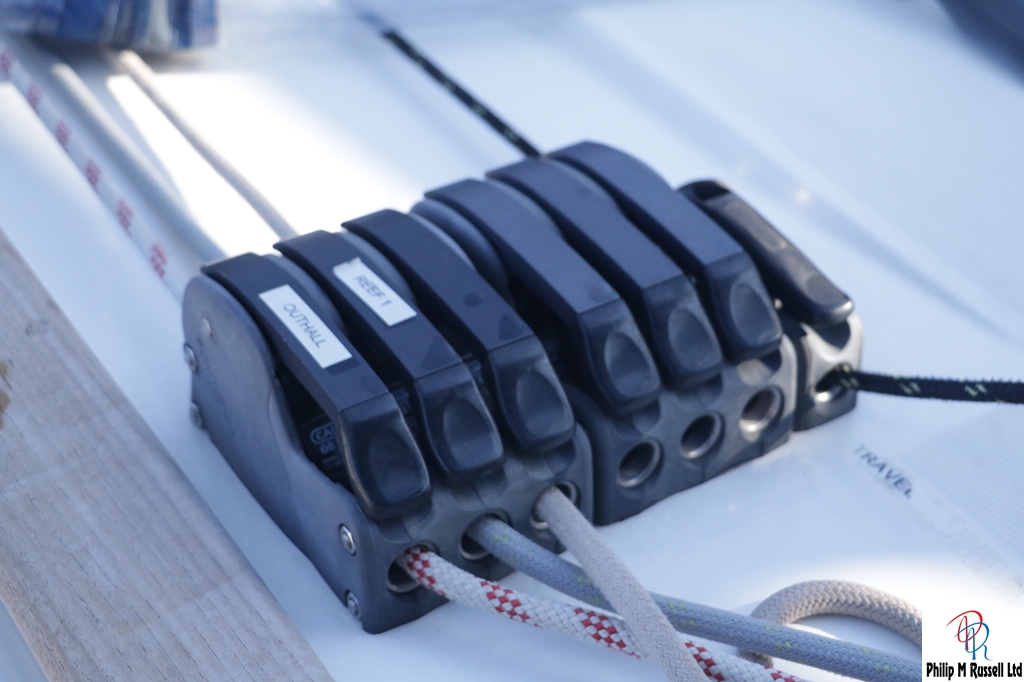
We tightened the kicker, adjusted the topping lift, and then
turned our attention to the jib.
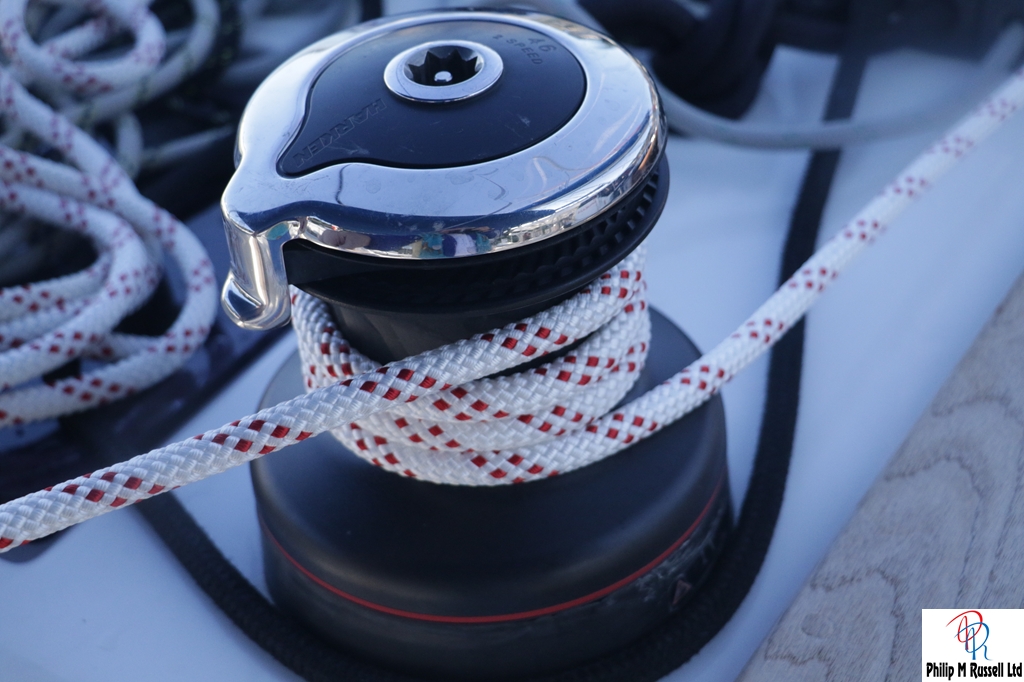
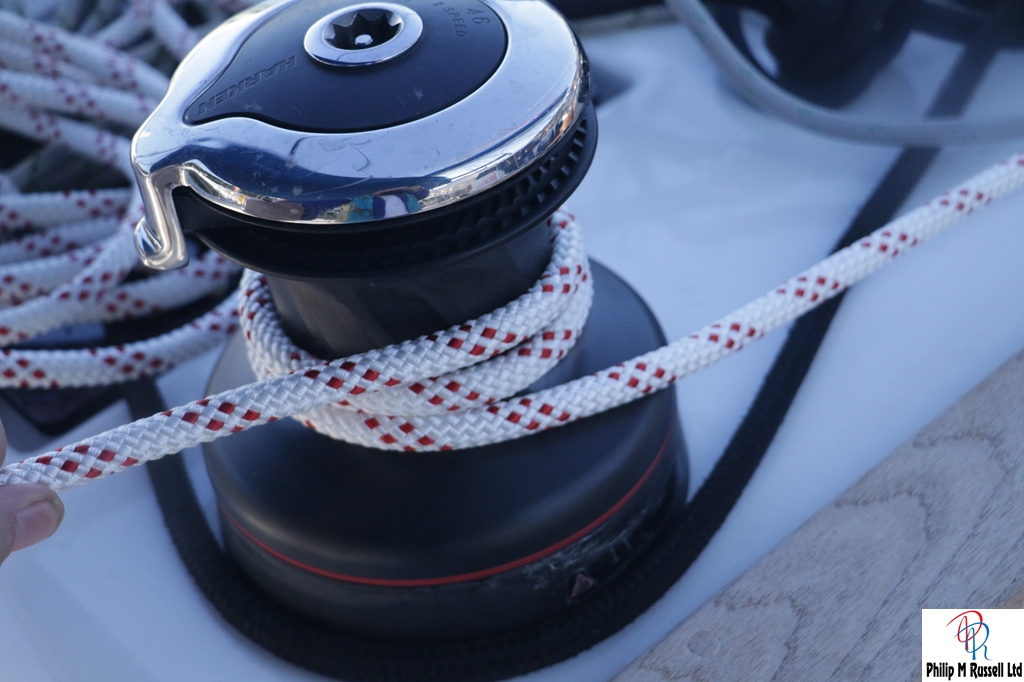
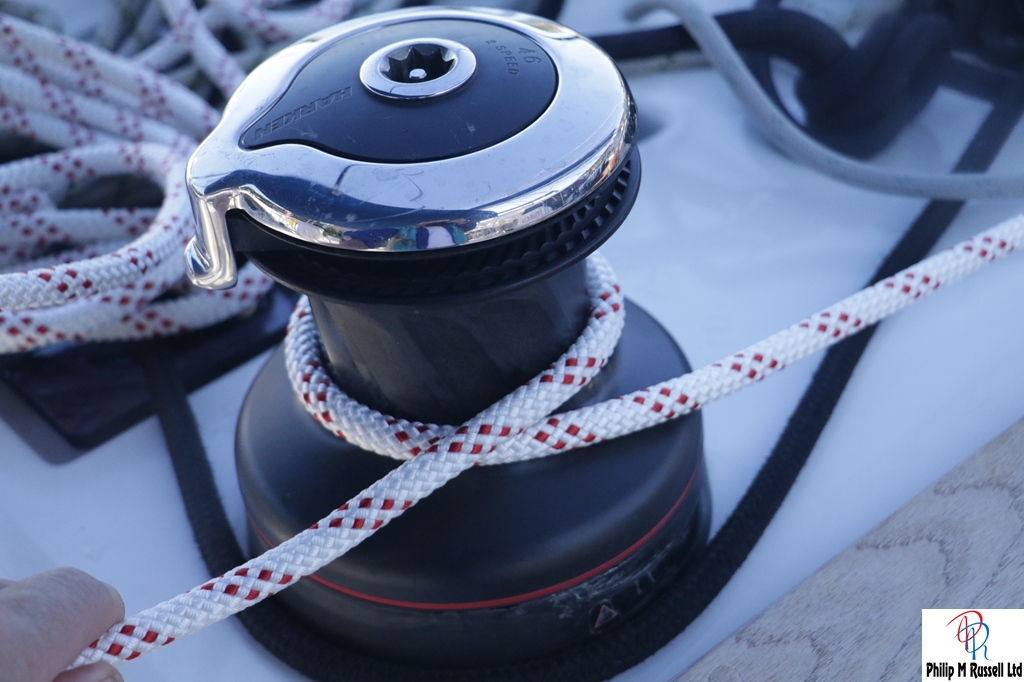
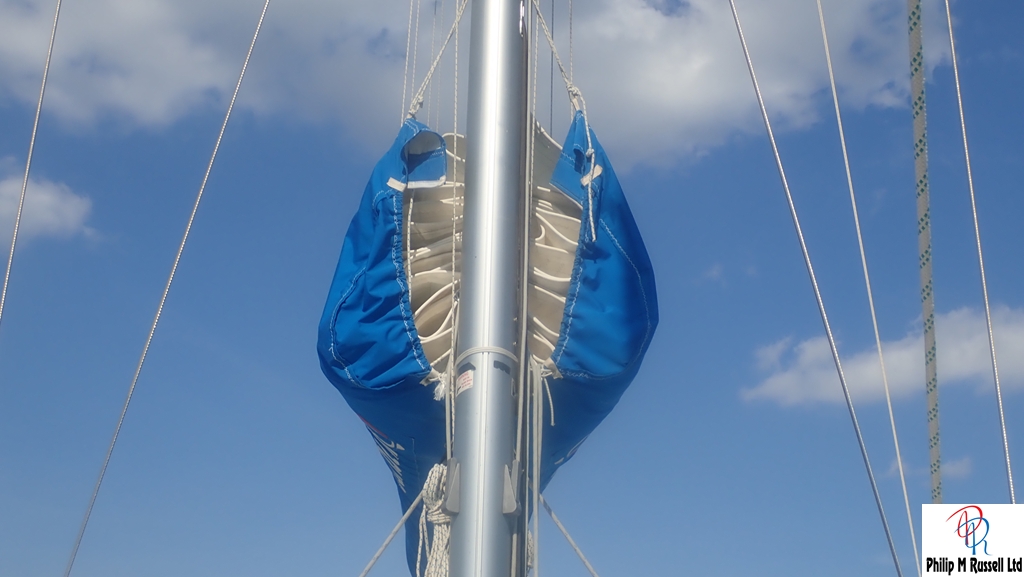
Since I was already at the winch, I unloaded the halyard
neatly before feeding the furling line onto the drum – this was four times
around the drum because the rope was thinner and then into the teeth at the top
and beginning to unfurl the jib while Ros controlled the working sheet on the
opposite side to keep tension on the sail.
Then the engine went off.
Suddenly everything changed.
The noise disappeared.
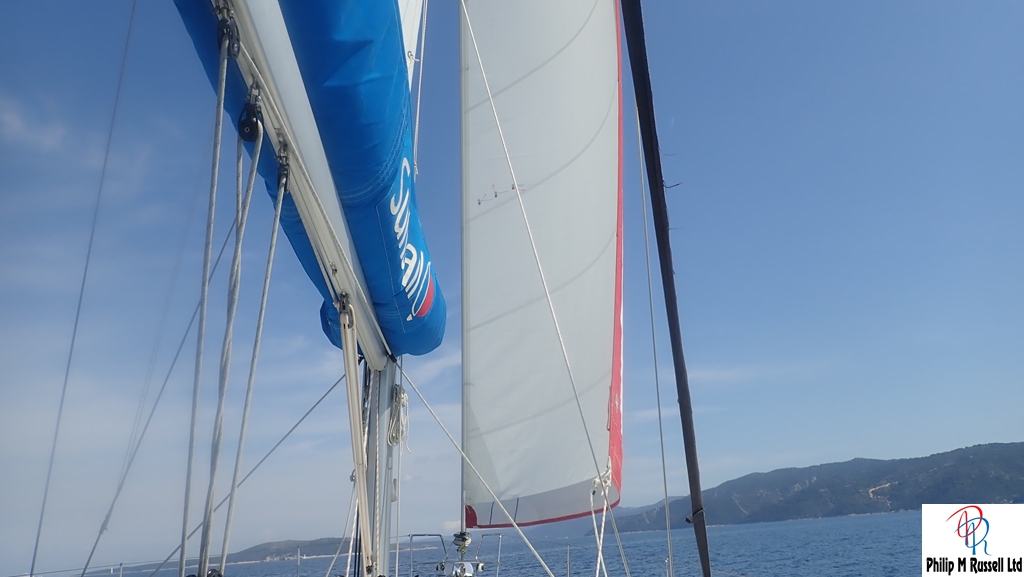
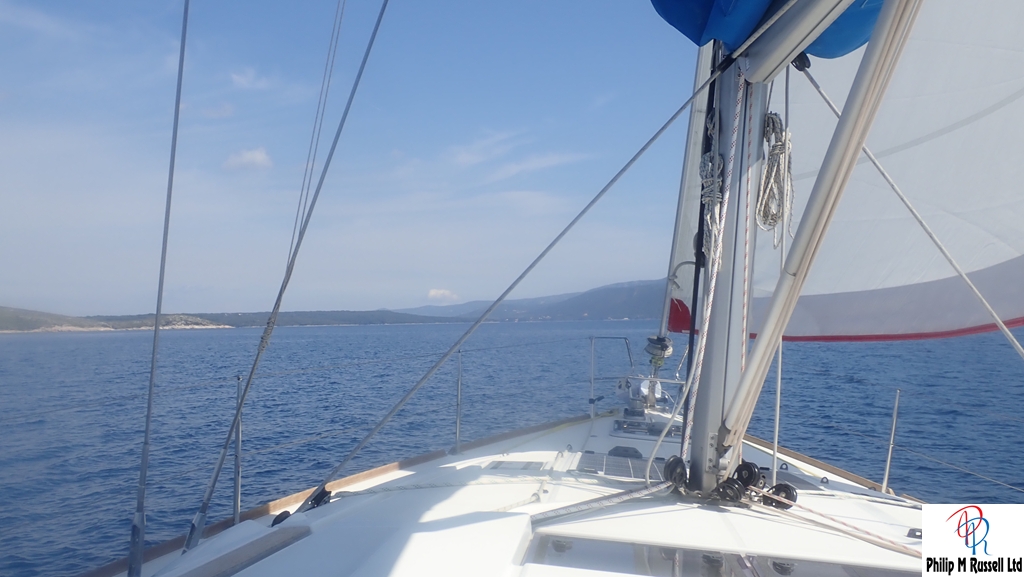
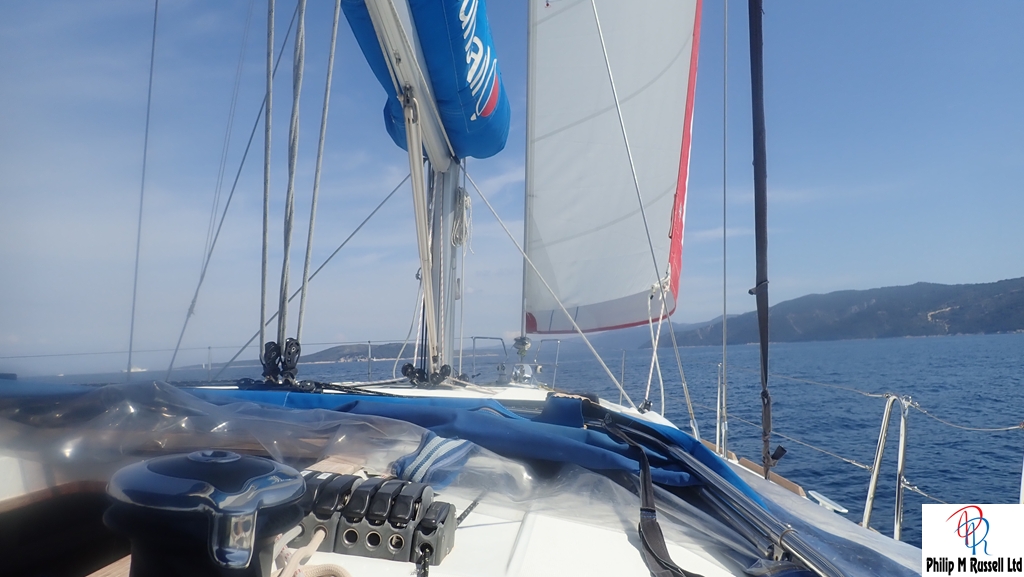
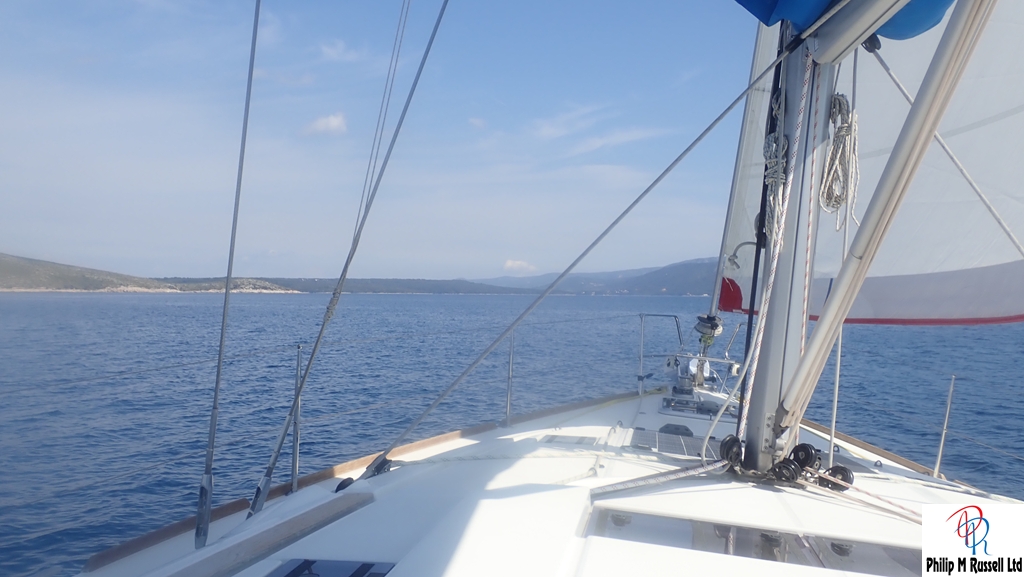
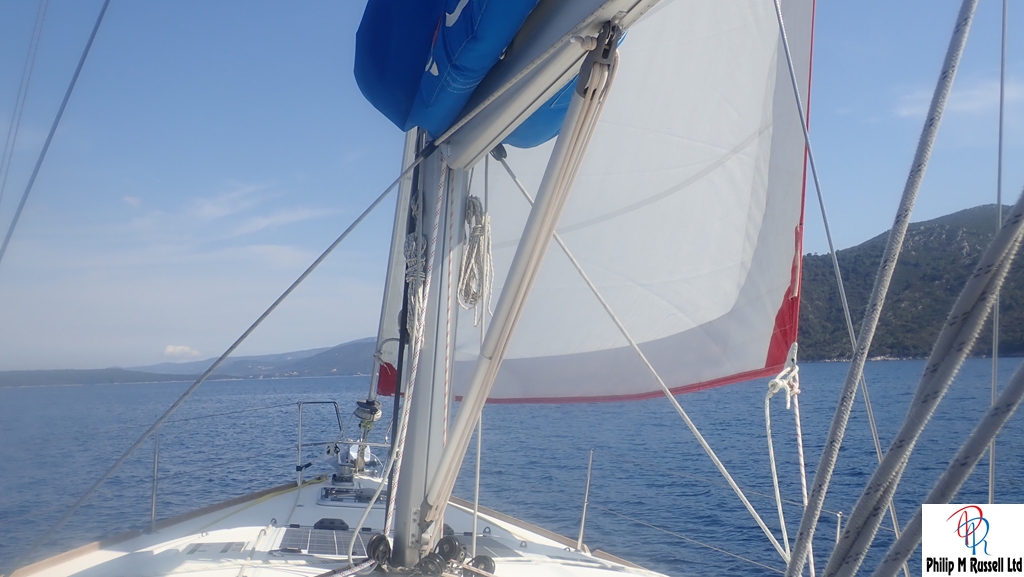
The yacht became calm and peaceful.
All we could hear was the hiss of water beneath the bow and the wind whistling
gently through the sails.
It was magical.
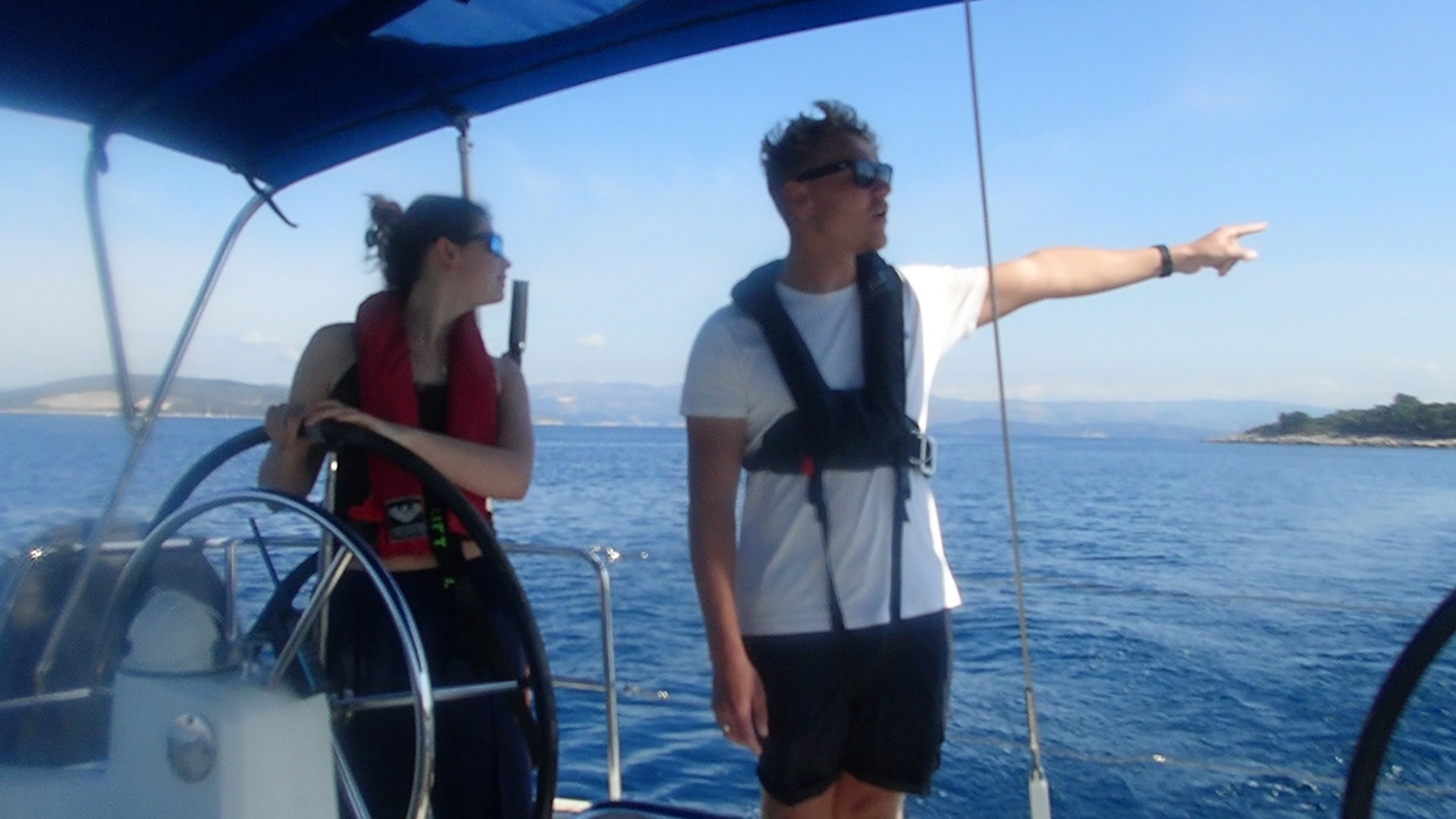
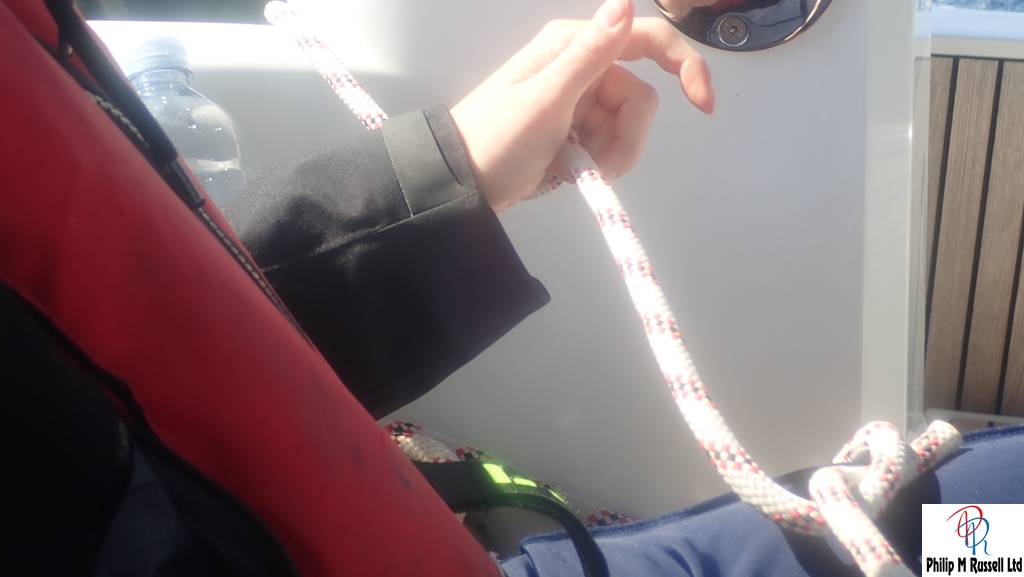
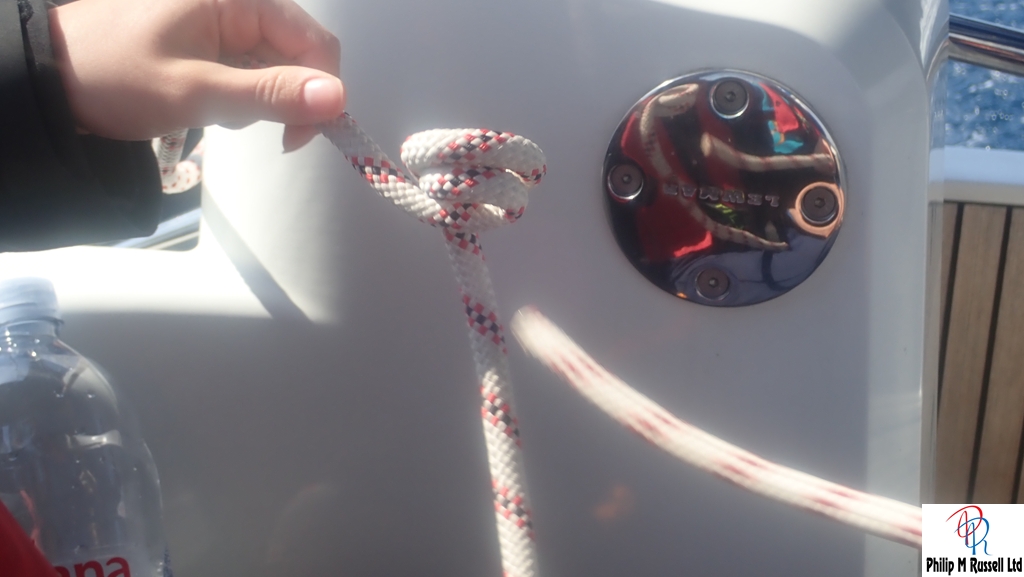
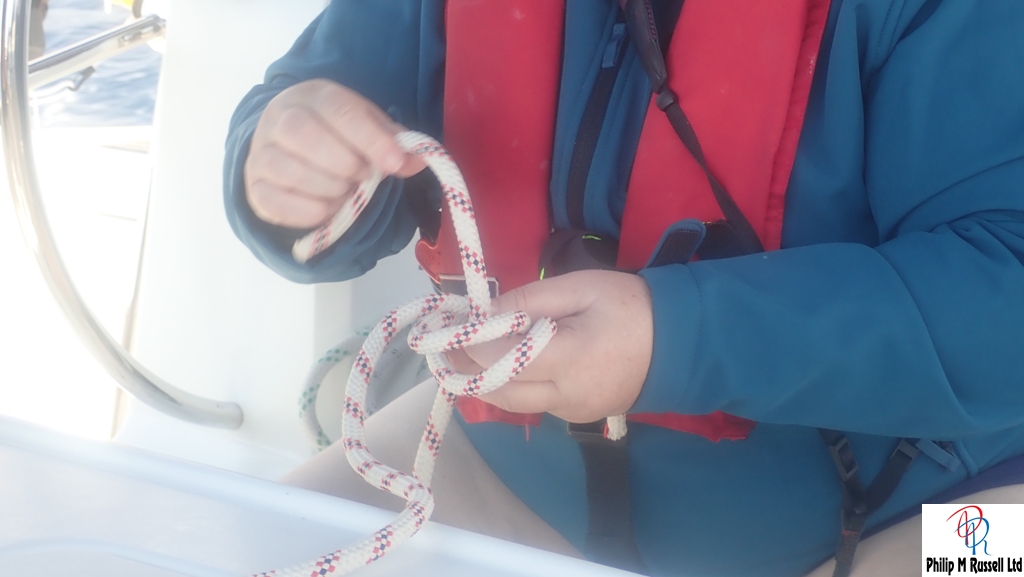
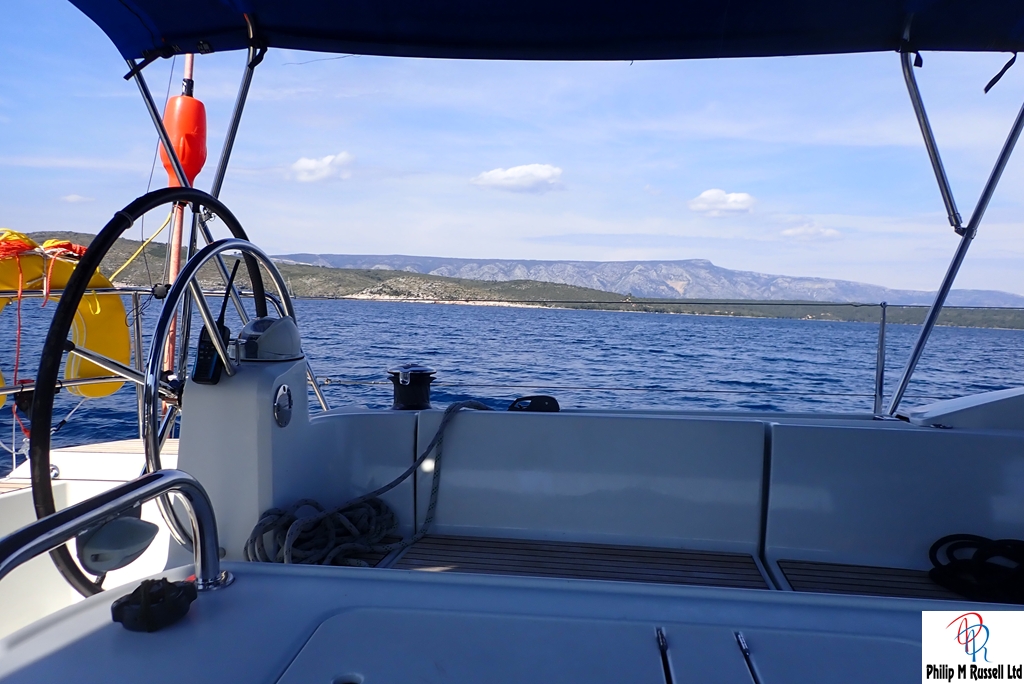
John, now fully in skipper mode, called out landmarks and bearings from the chart while we checked headings and adjusted course towards Hvar. With the yacht settled on course and little immediate work required, Tadek decided it was time for knot practice.
The Competent Crew course involves learning an alarming
number of knots.
We practised:
We sat there tying and untying ropes repeatedly while the yacht surged steadily onwards across the Adriatic.
Unlike river sailing on the Thames — where we might tack
every 20 or 30 seconds — the yacht remained on the same tack for well over an
hour. Once the sails were properly trimmed, all we really needed to do was
monitor the tell-tails, something I was becoming surprisingly good at.
Lunch was assembled from the remaining bread supplies.
I produced my now-traditional “half-a-loaf” tuna and lettuce
roll while Ros opted for ham and cheese. The others preferred paprika crisps,
fruit, and energy drinks.
Tadek continually reminded everyone to drink plenty of
water, something that becomes surprisingly important when spending hours in the
sun and wind.
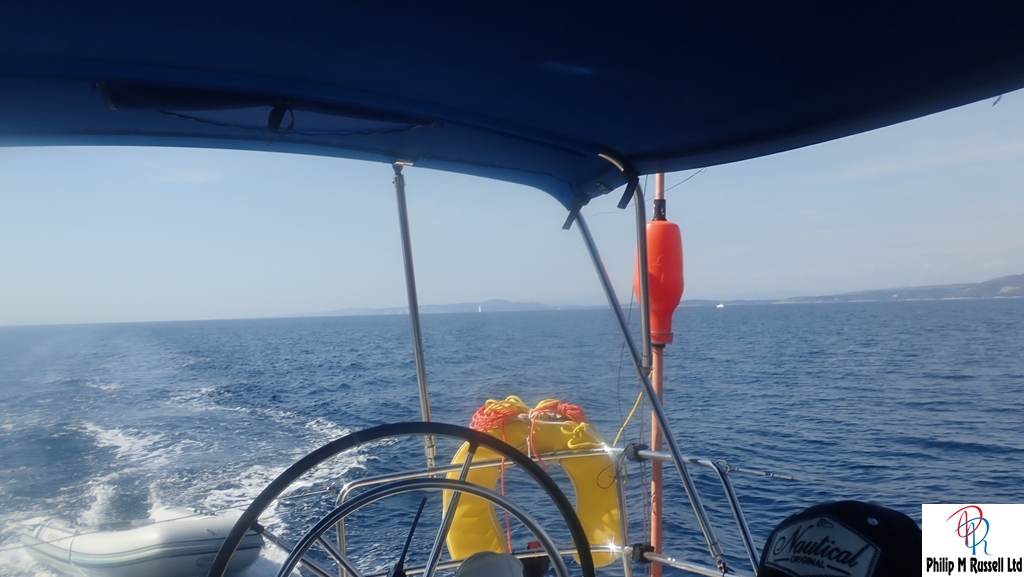
As we moved further from shore, the wind strengthened from
behind us and the yacht surged forward at around 7–8 knots.
That may not sound especially fast compared with a car, but
sitting only inches above the water on a heeling yacht made it feel
considerably quicker.
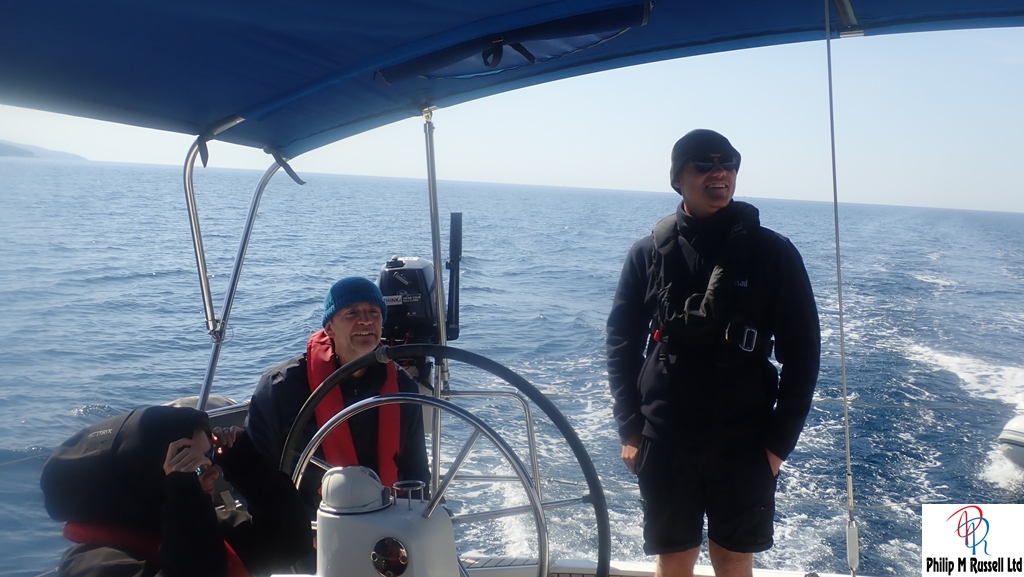
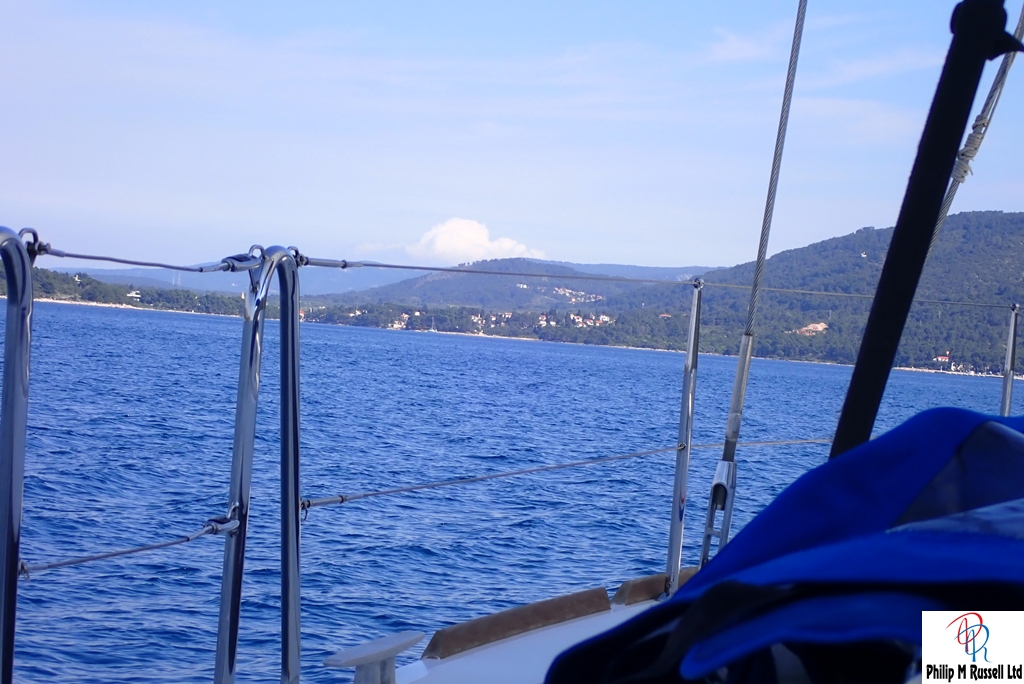
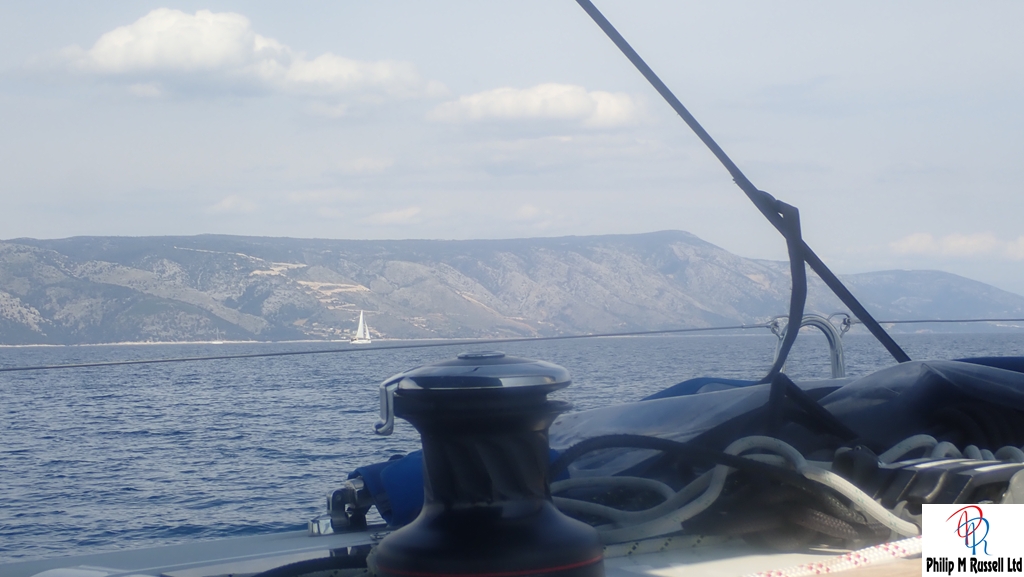
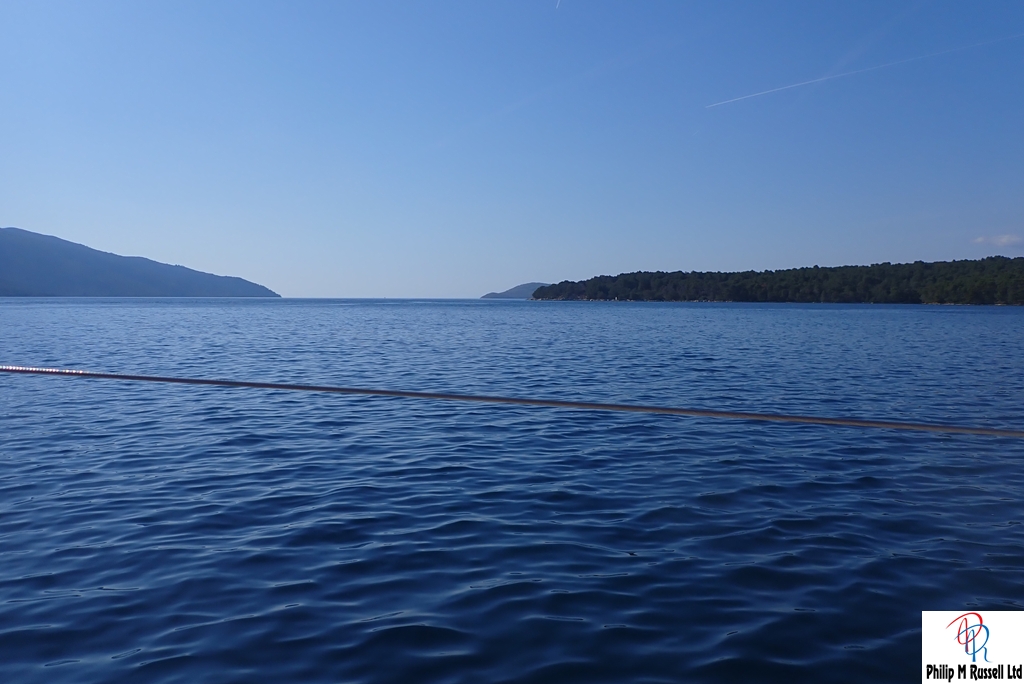
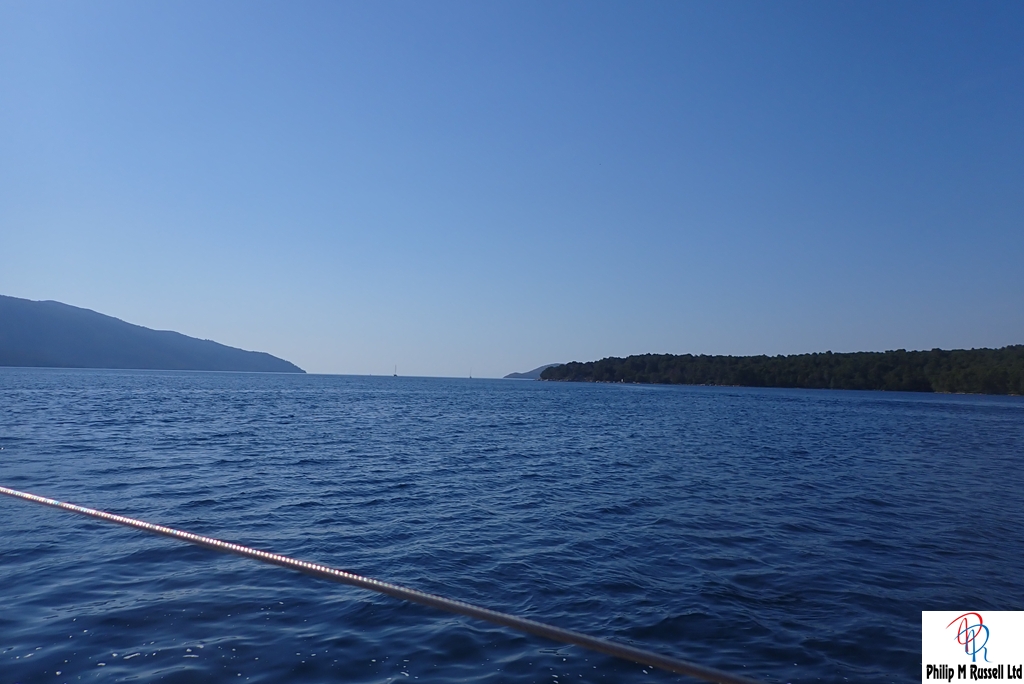
We all took turns at the helm, following compass courses and
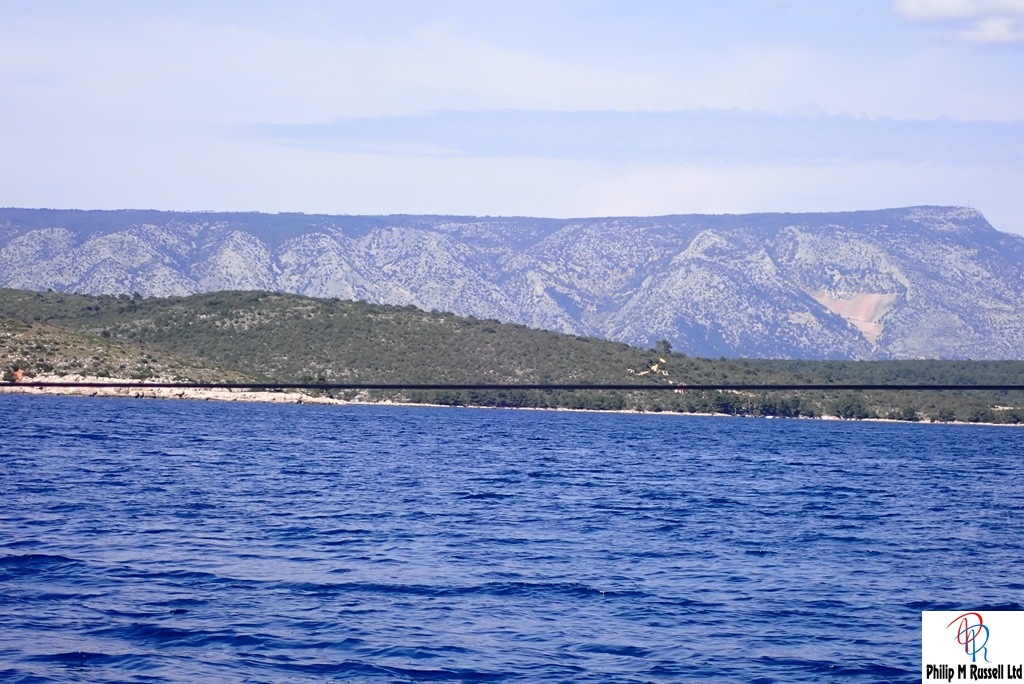
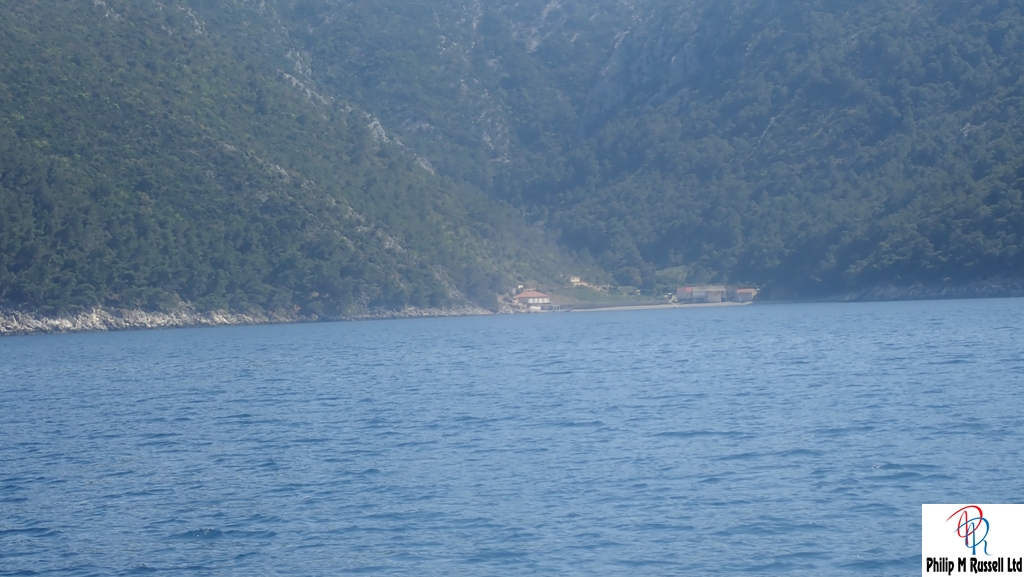
aiming for distant points on Hvar as the island slowly grew larger ahead of us.
Watch the Sailing FairIsle Video of some of our Adventures
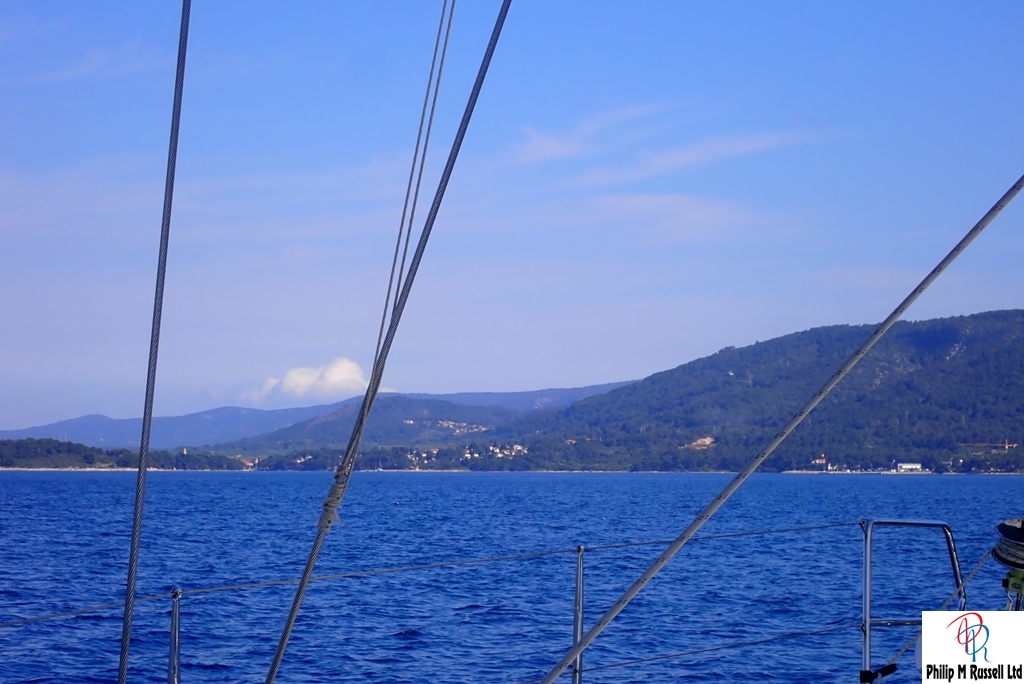
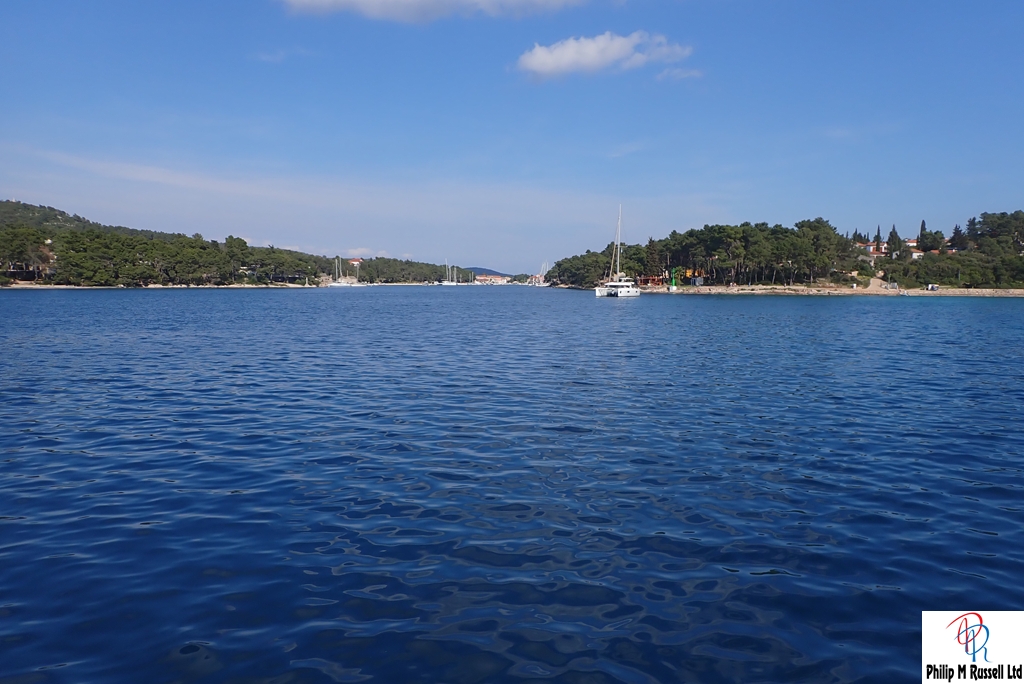
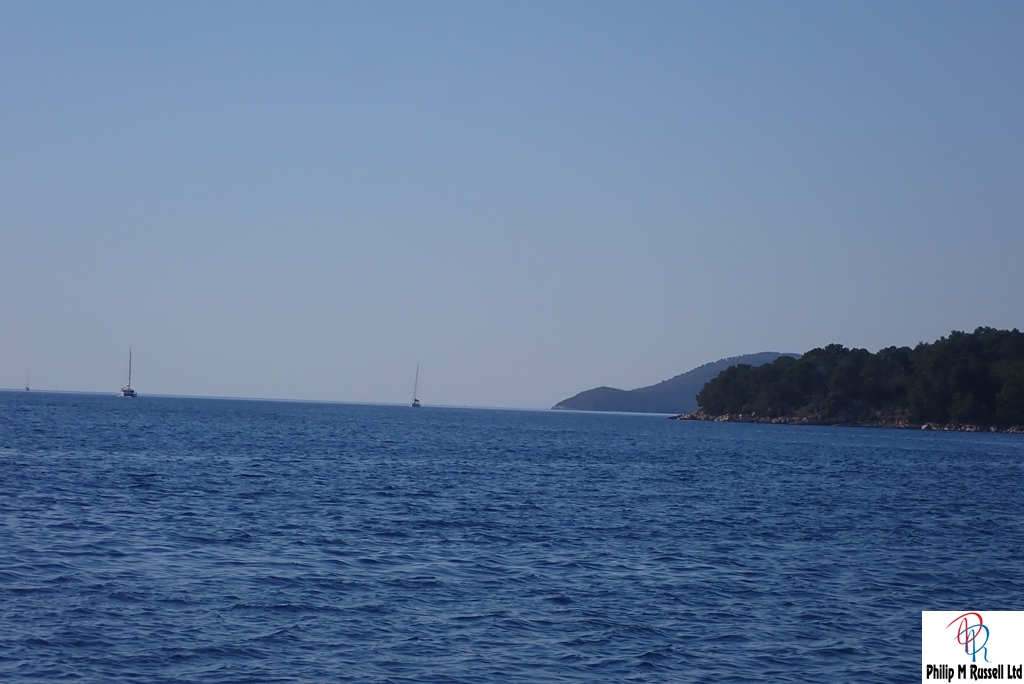
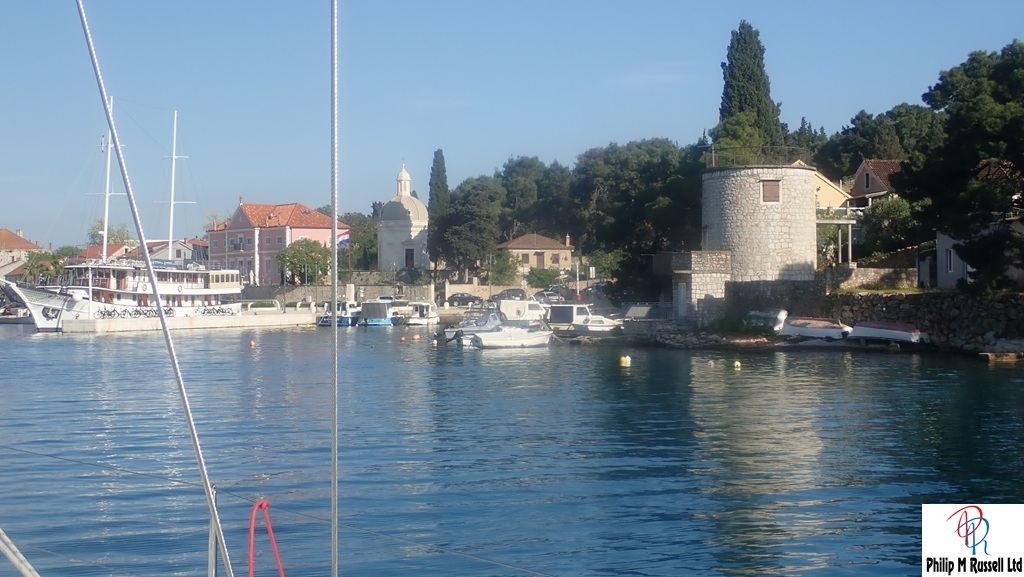
We arrived off Stari Grad carrying rather a lot of sail and
moving fairly quickly, so we spent some time sailing around outside the harbour
entrance, tacking back and forth before preparing to enter.
Eventually the engine was started, we turned into the wind,
furled the jib, and I carefully lowered the mainsail using the electric winch
on slow speed.
We had some clear water approaching the harbour, so Tadek
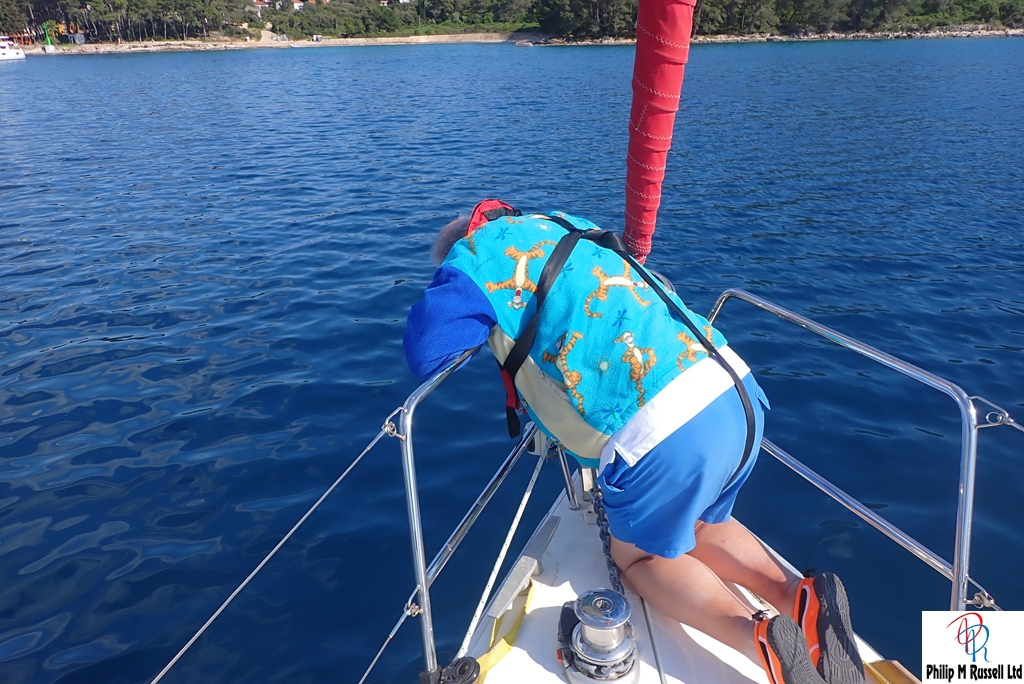
thought we could do some more anchoring practise. We had two or three goes with
John at the helm and Ros and I as the
crew. I did the setting of the anchor and I did the waying the anchor, (27kg
and 4m of chain).
Emily had crashed asleep in her cabin still wearing her
lifejacket.
Now came the real test.
John’s first stern docking under pressure.
Ros and I prepared the fenders using neatly tied clove
hitches while Emily moved the tender from the stern to the bow.
We readied the stern lines with bowlines already tied and
passed them carefully around the stern rails ready for throwing ashore.
Tadek radioed the harbour requesting a berth. No answer came
back, but as we motored along the harbour wall, the marinero gestured where we
should go.
John motored slowly beyond the berth before engaging reverse
and backing in beautifully.
Emily and Ros threw the stern lines ashore while I grabbed
the port lazy line, walked it carefully to the bow, tightened it, and secured
it to the cleat. Tadek repeated the process on starboard before guiding John in
reverse to tension everything correctly.
The manoeuvre worked perfectly.
We could get into the harbour quite late this early in the
season.
Later in the year this harbour would be full by 3pm.
The Sailing Fair Isle crew decided to anchor outside
the harbour to save the mooring fees and arranged to meet us later for dinner.
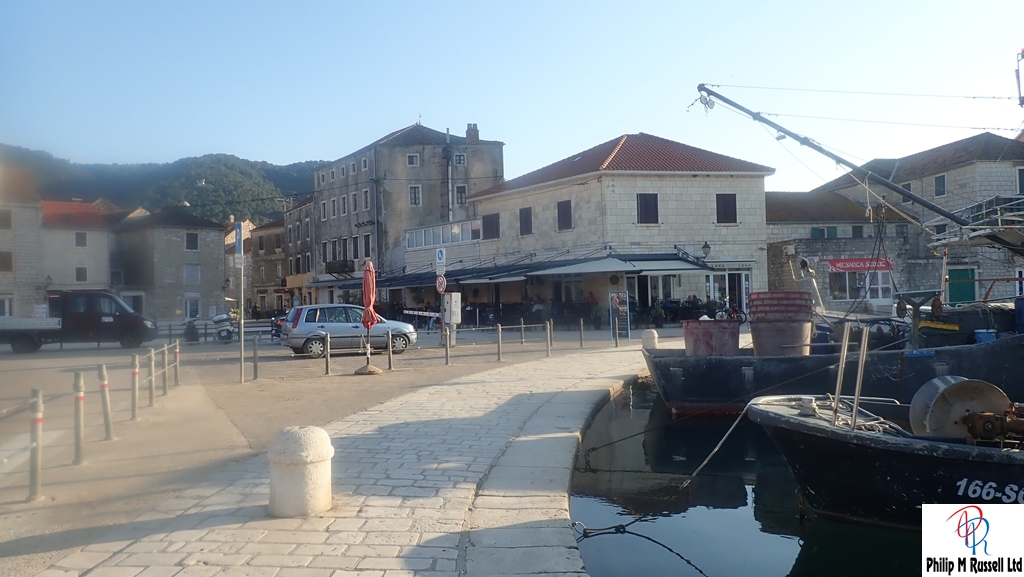
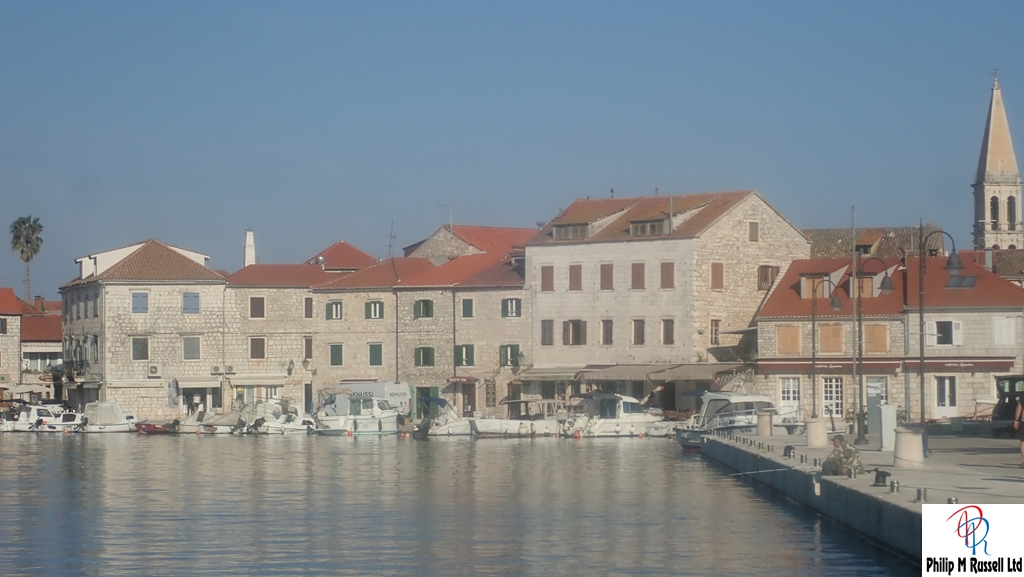
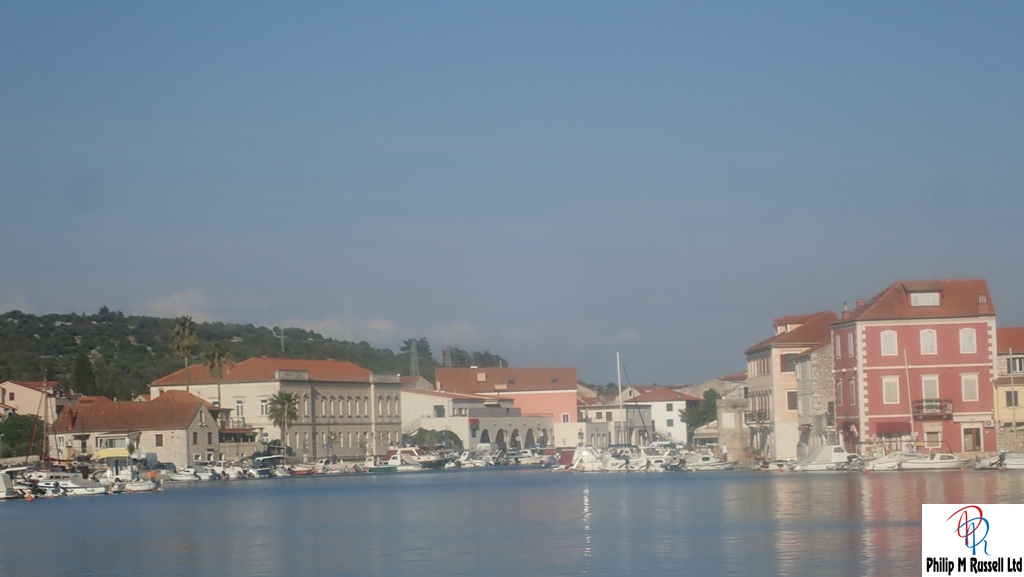
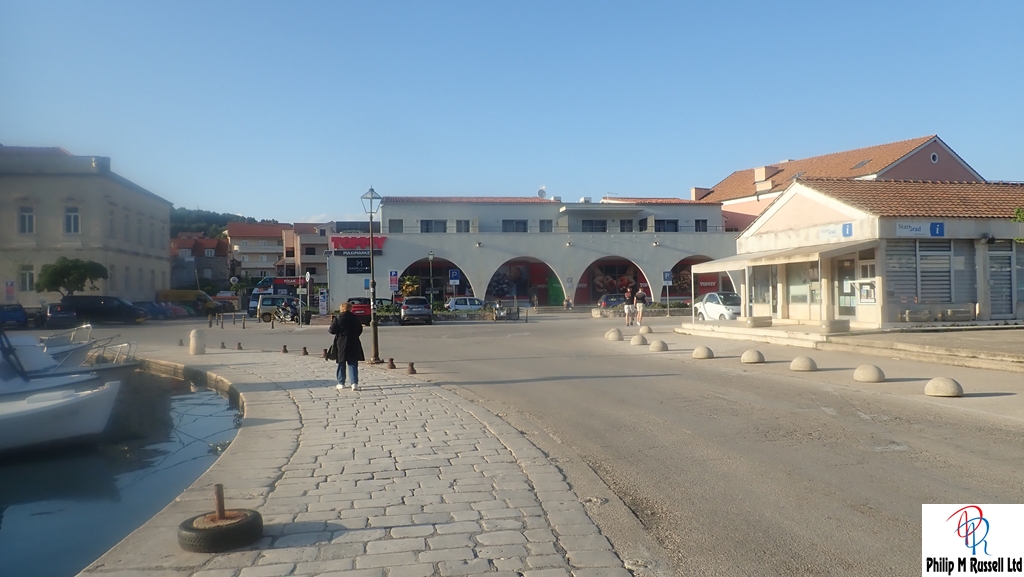
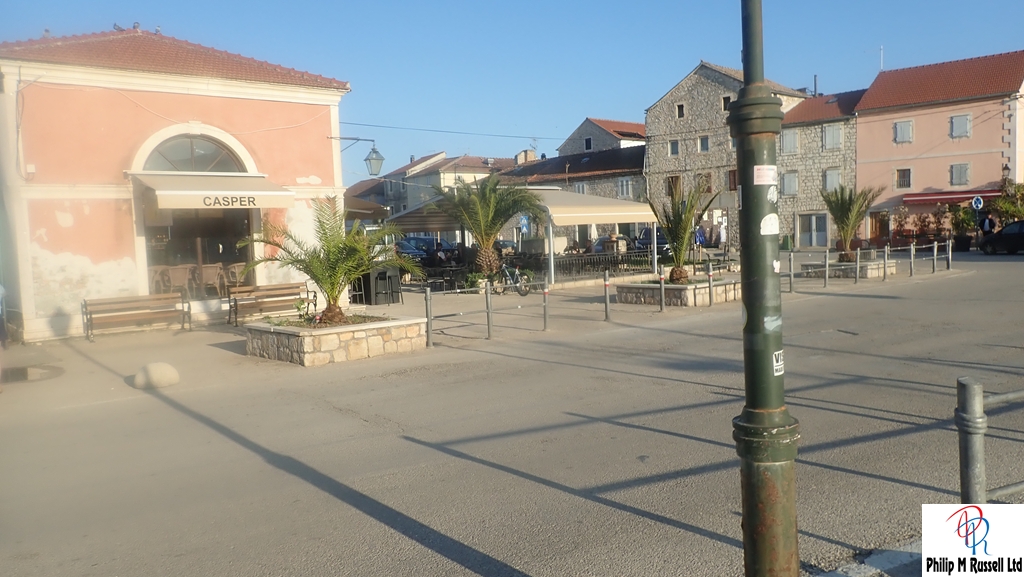
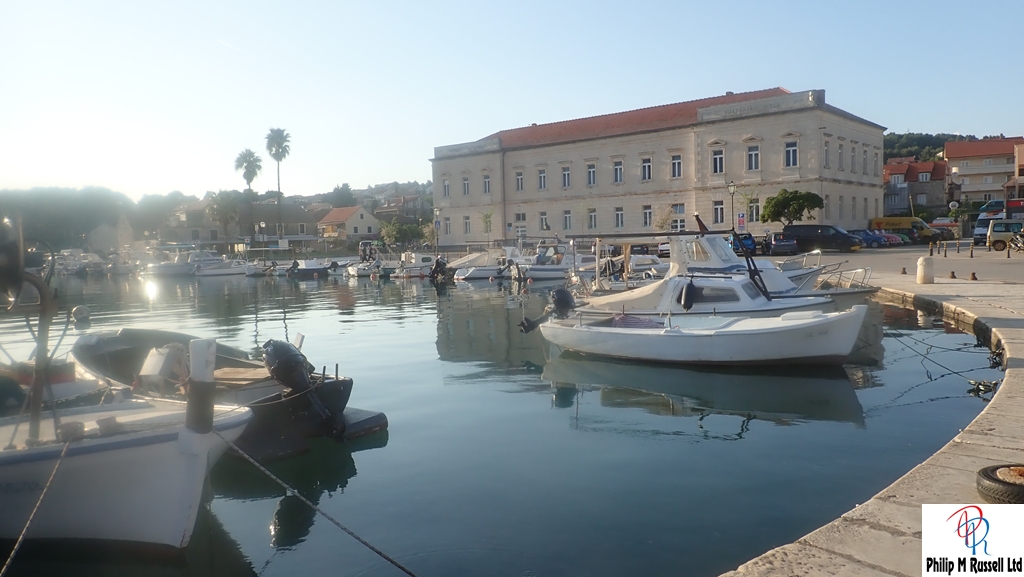
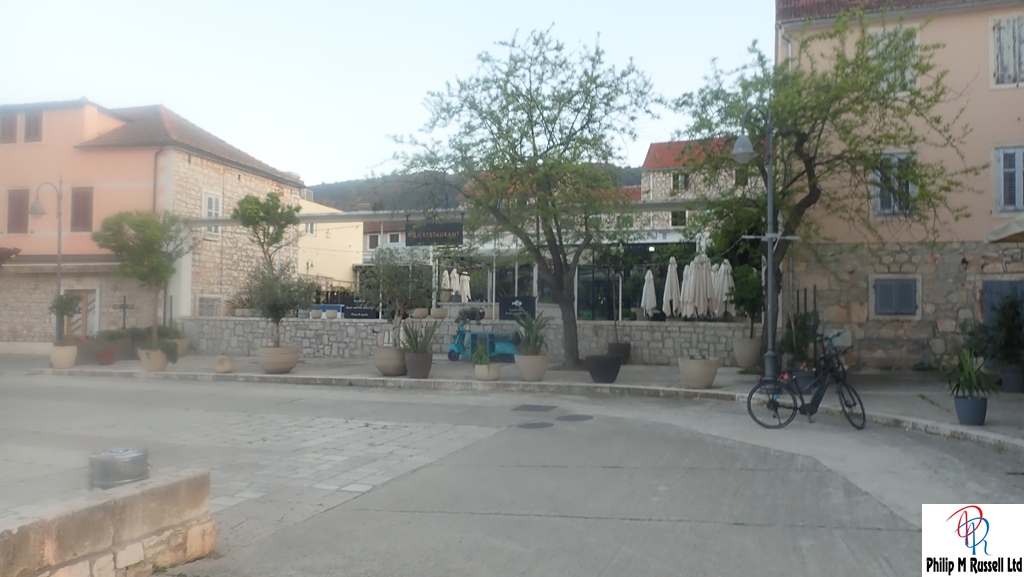
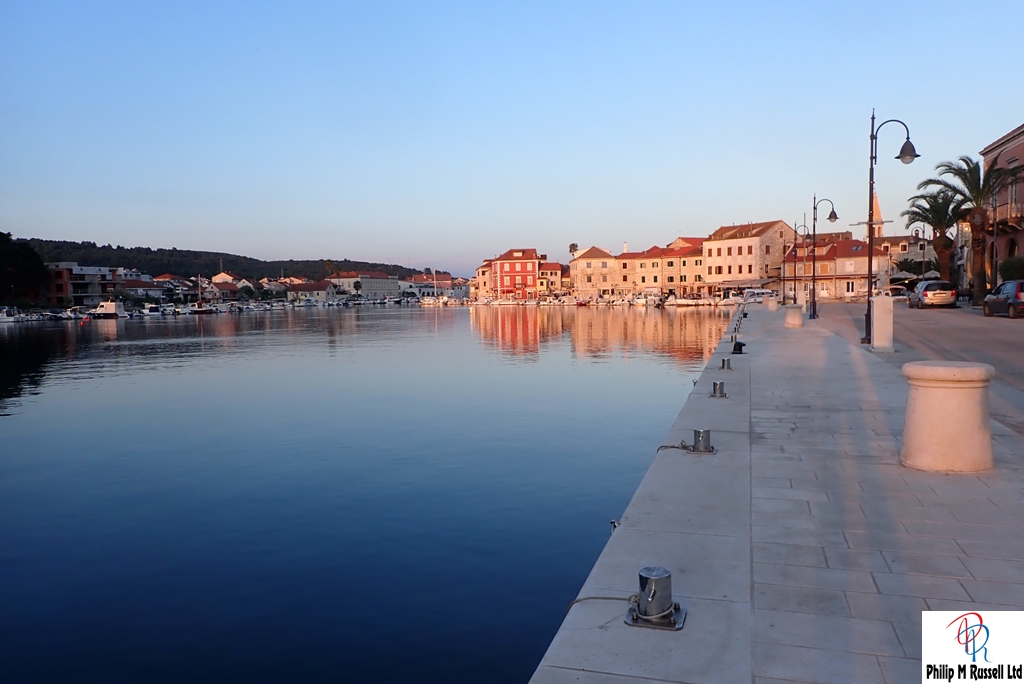
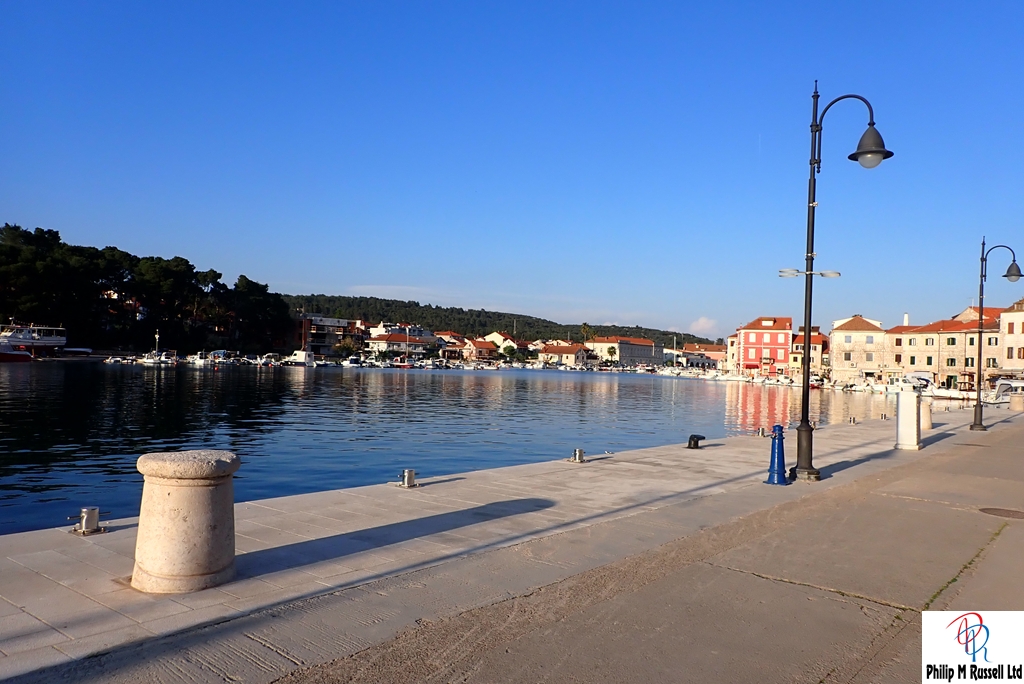
Meanwhile Ros and I wandered along the harbour with the
Insta360 mounted on its pole filming the evening atmosphere. The harbour
stretched far further than we expected, although we did discover a useful
supermarket that would prove helpful the following morning.
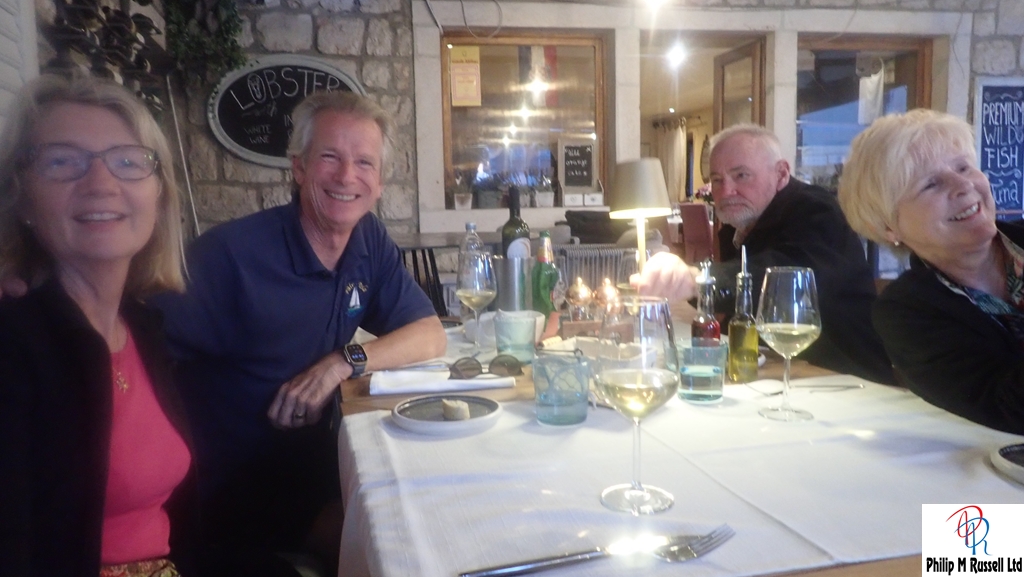
When we returned, the Fair Isle crew were already
aboard our yacht dressed and ready for dinner.
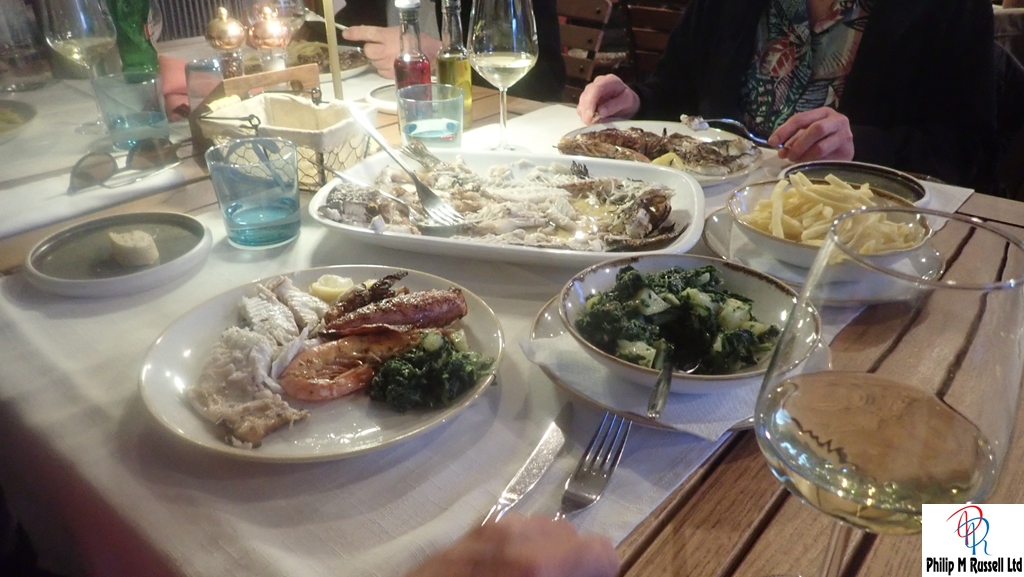
This evening’s meal proved far more successful than the
previous night.
Judy and Jane shared a seafood platter for two, Tadek and I
enjoyed excellent steaks, while Ros chose beef medallions in mushroom sauce.
We finished with Chocolate brownies and icecream.
Compared with the previous evening’s culinary adventure,
this felt positively luxurious.
An hour or two later we wandered slowly back through the
quiet harbour, visited the shore facilities one final time, had a long chat
with John, and retired early to bed.
Tomorrow, we suspected, would be another long and demanding
day aboard the yacht.