admin Date , Tuesday April 21 , 2026
The day began early, as most boat days seem to do. There is
something about sleeping on a yacht that makes you wake up at odd times,
usually when someone else moves, a rope creaks, or your brain suddenly
remembers that the toilet is not quite as convenient as the one at home.
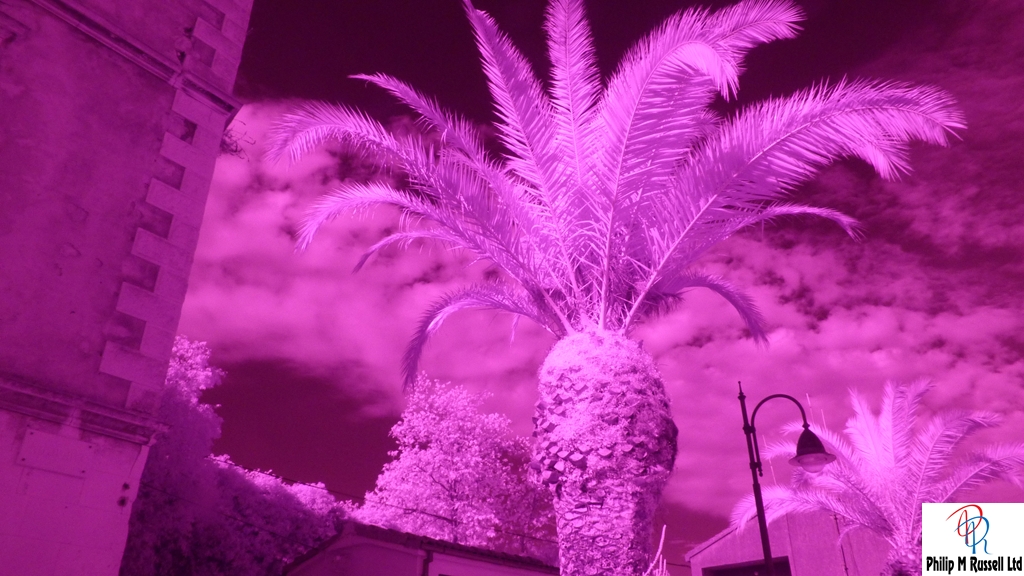
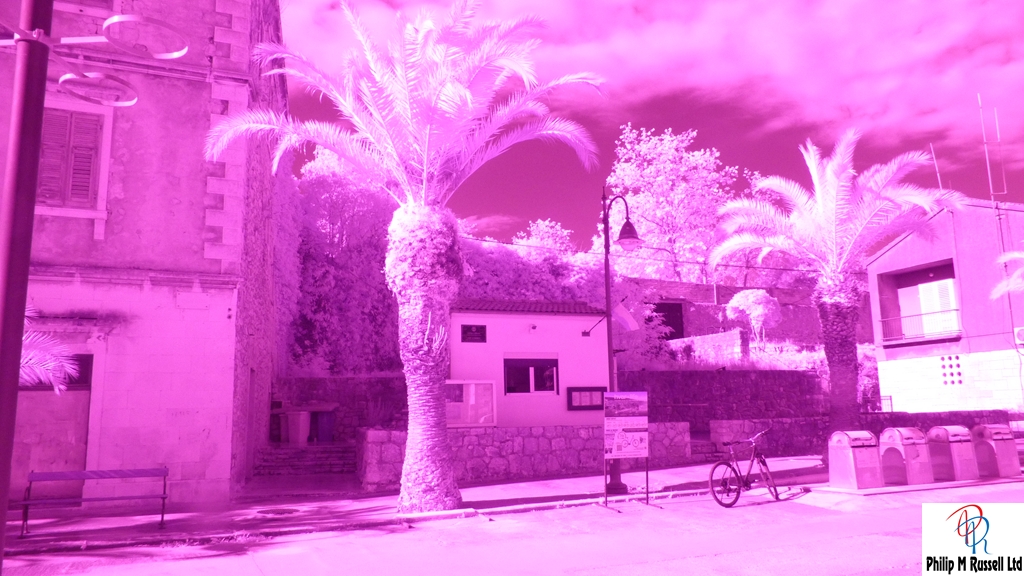
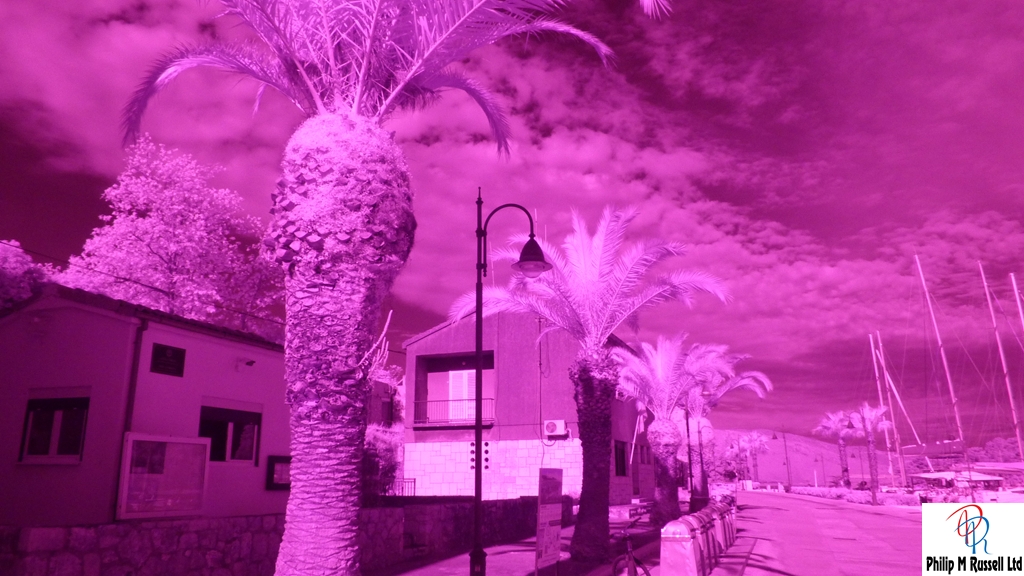
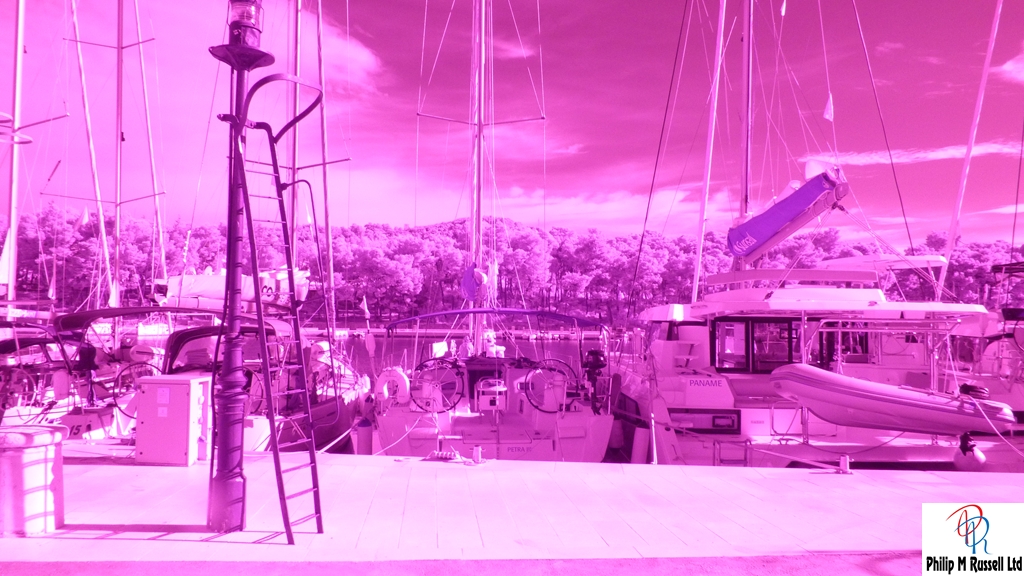
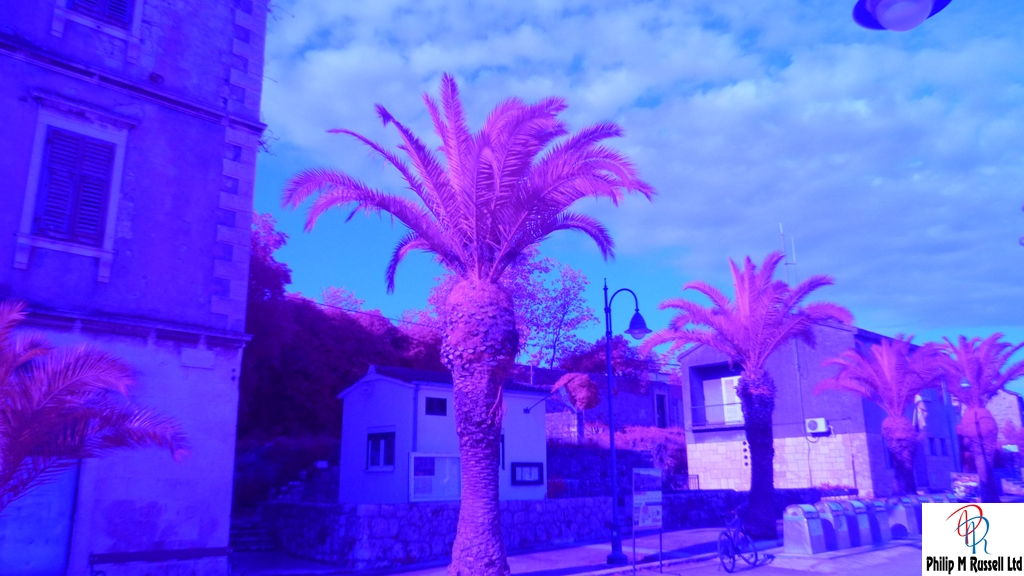
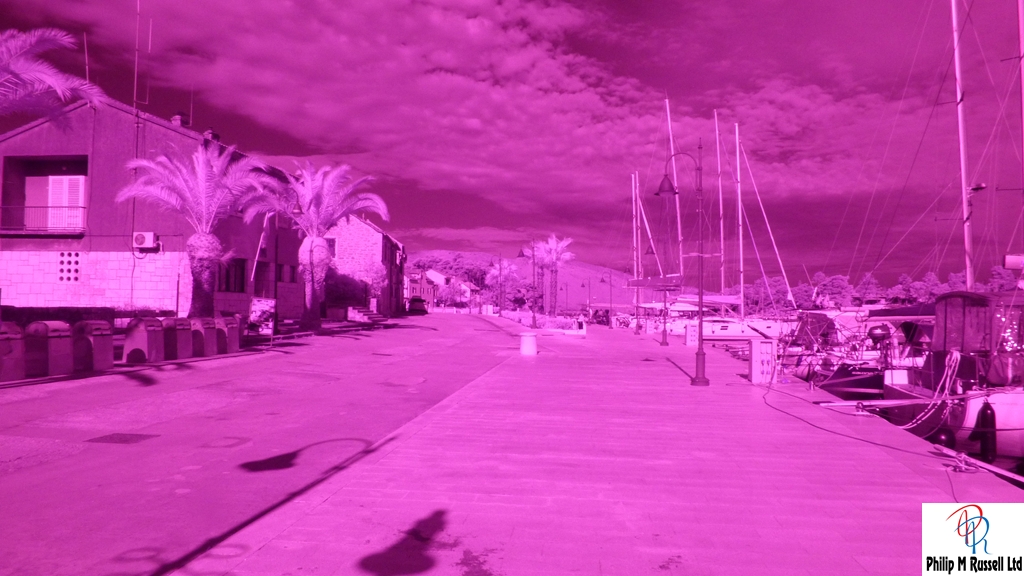
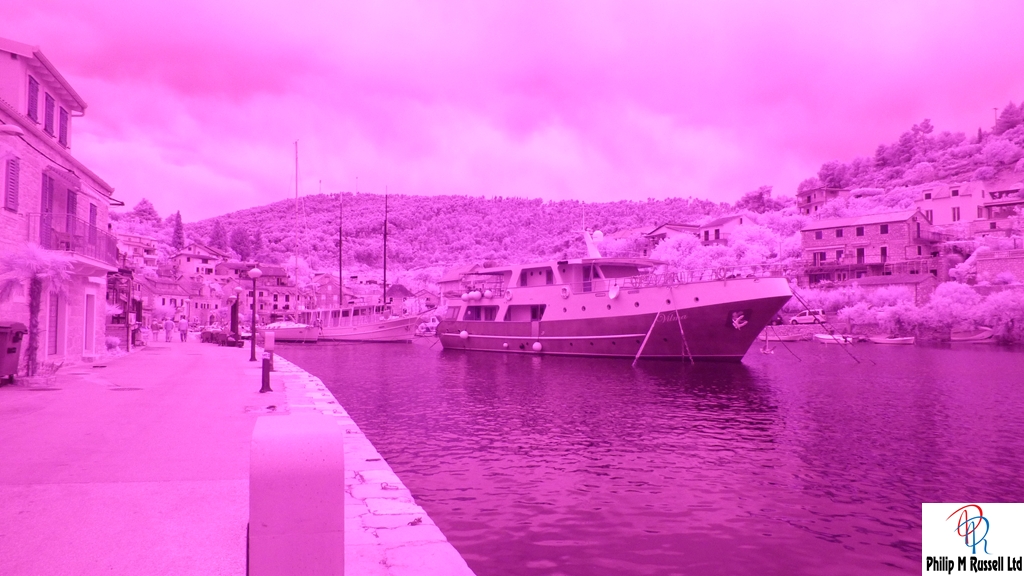
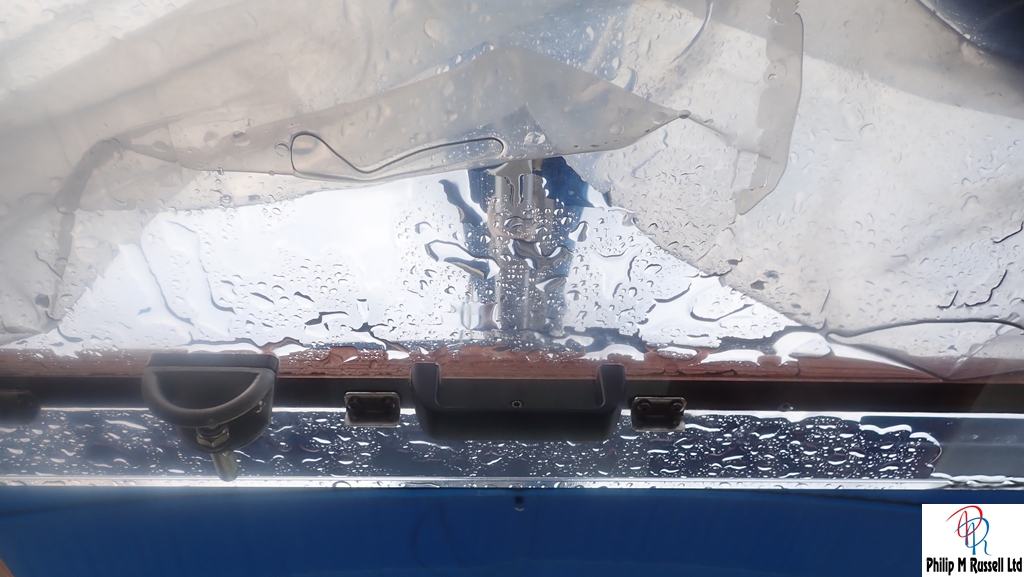
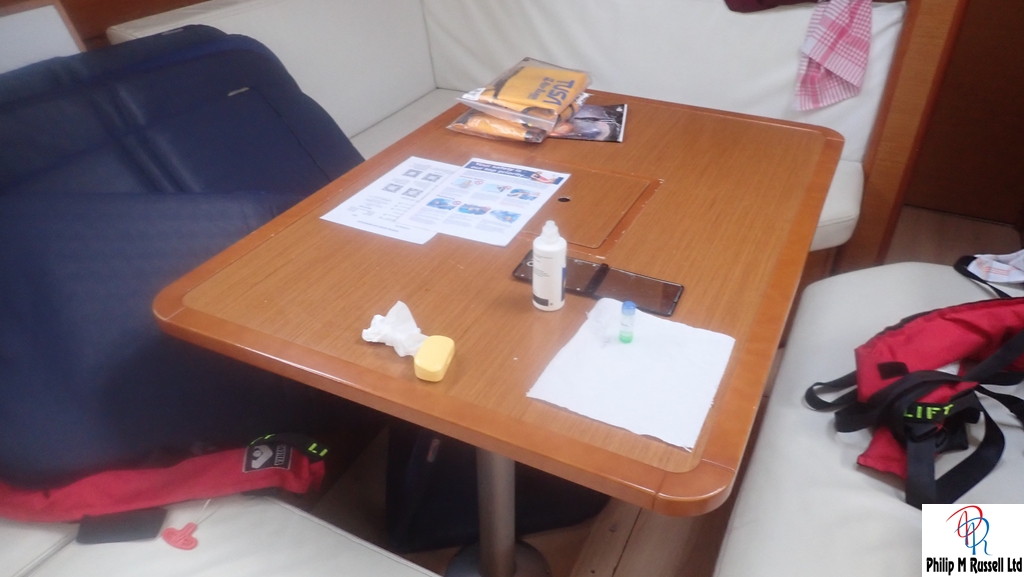
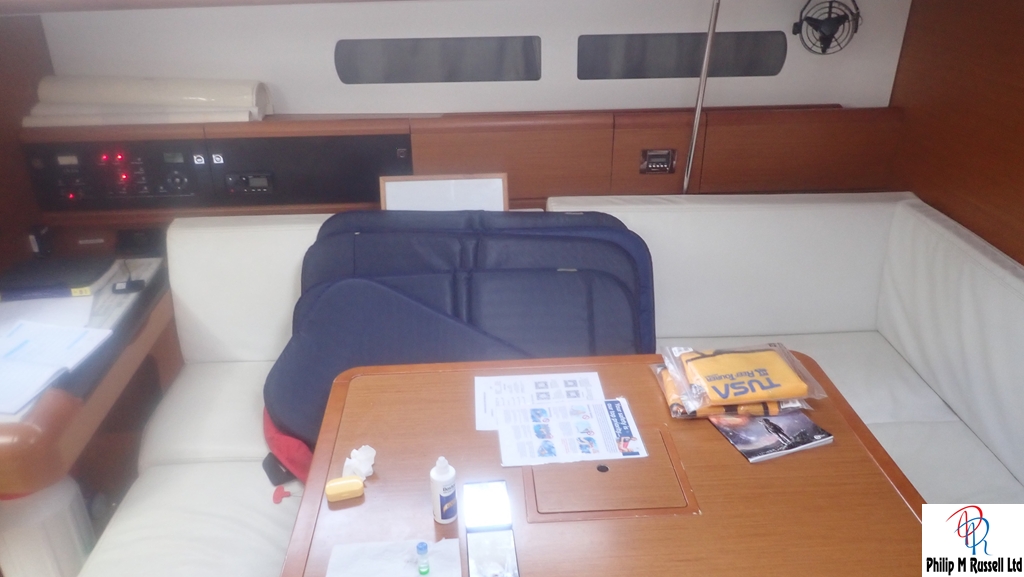
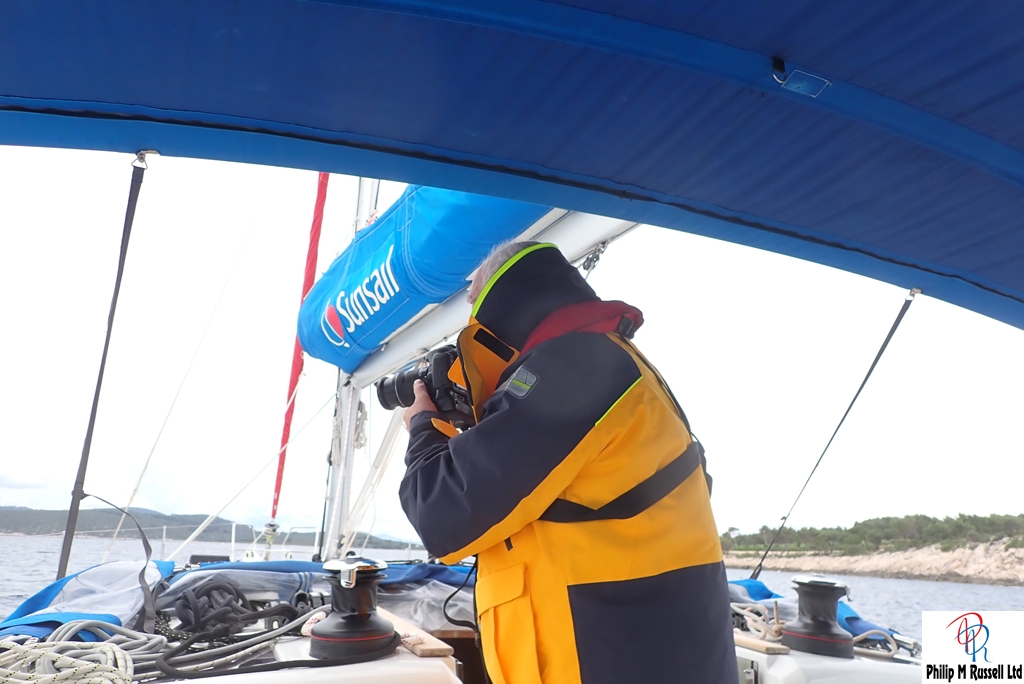
The light was beautiful first thing in the morning, so I
took the opportunity to experiment with some UV and infrared photography. This
is not, strictly speaking, part of the RYA Competent Crew syllabus, but it is
very much part of my personal syllabus, which appears to include sailing,
filming, photography, and trying not to fall into harbours while carrying
expensive equipment.
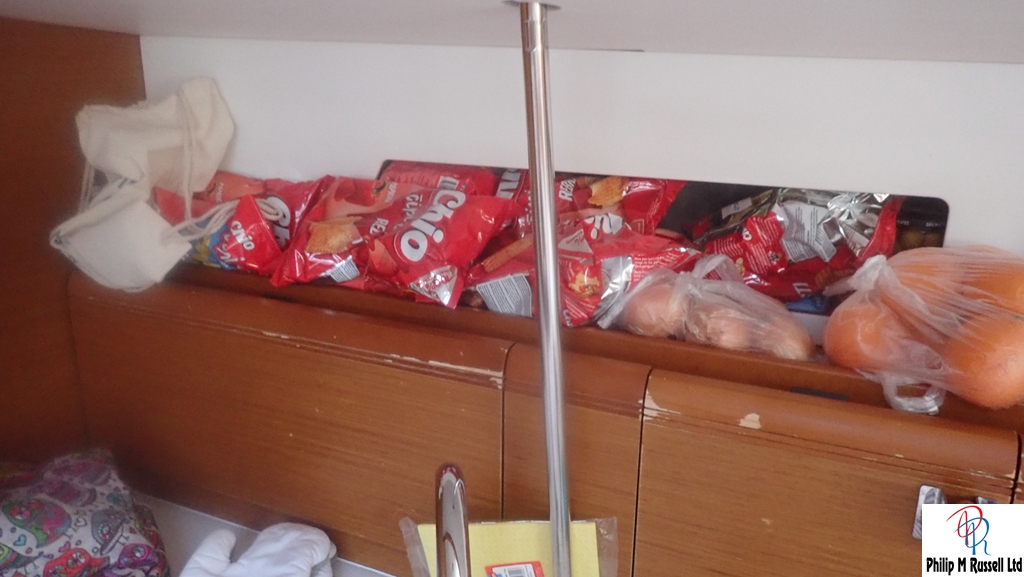
Breakfast was a fairly relaxed affair. Tadek went shopping
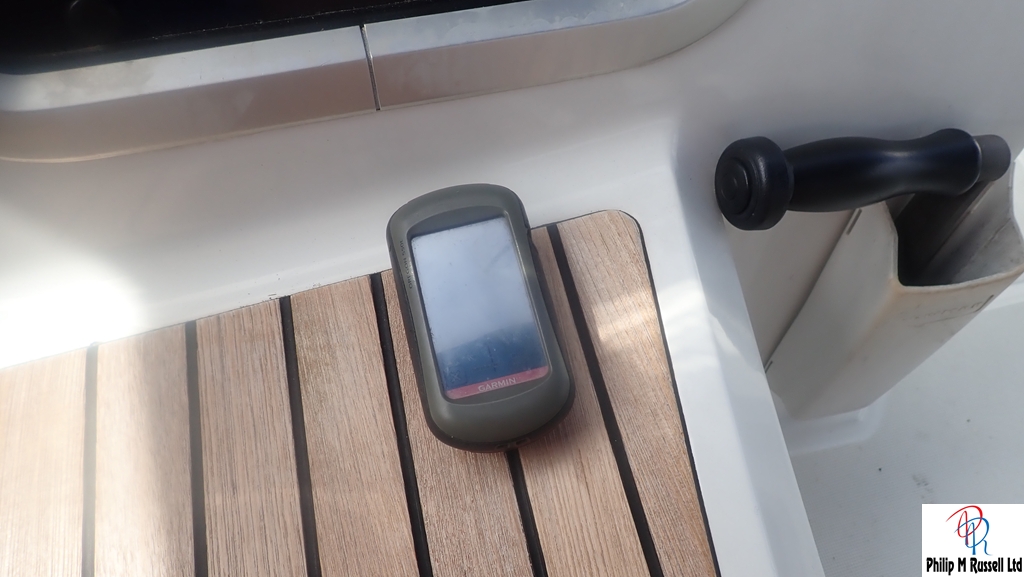
and asked what we needed. We ordered three grapefruits and some batteries for
the GPS.
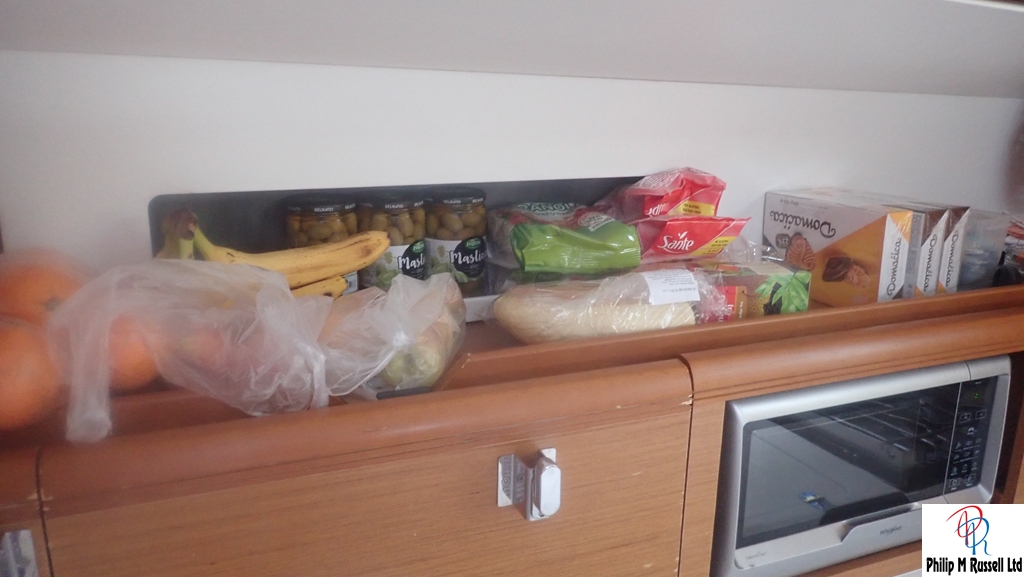
He returned with fresh bread, various essentials, and the
requested batteries. Unfortunately, the batteries were zinc carbon ones, which
are not really what you want for a GPS. They are the sort of batteries that
look as though they might power a small clock for a few days, but are unlikely
to impress a hungry navigation device for very long.
Still, fresh bread appeared, so morale remained high.
John paid the mooring fee, which came to 60 euros. Another
reminder that sailing involves wind, water, ropes, navigation, and the constant
gentle disappearance of money.
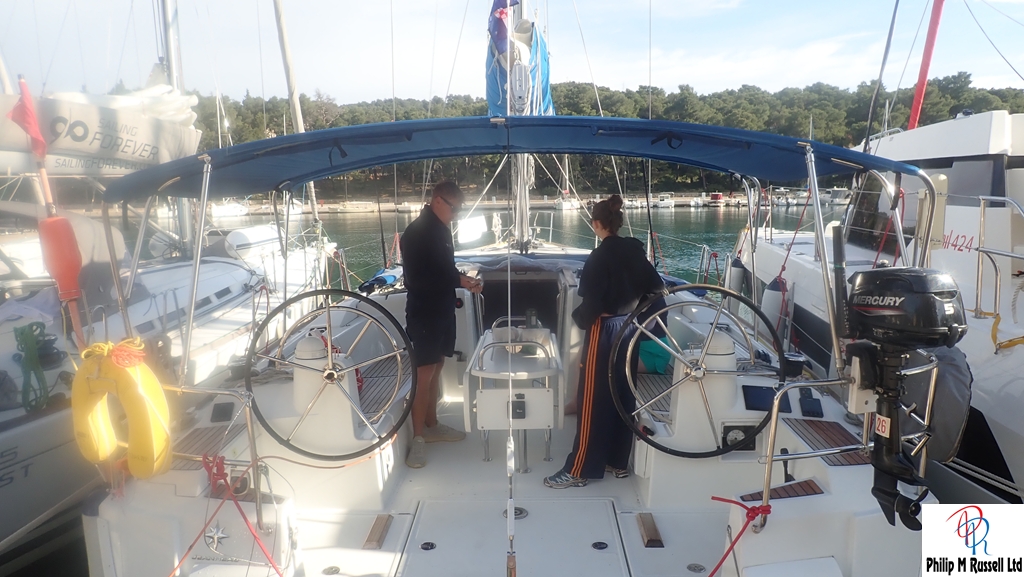
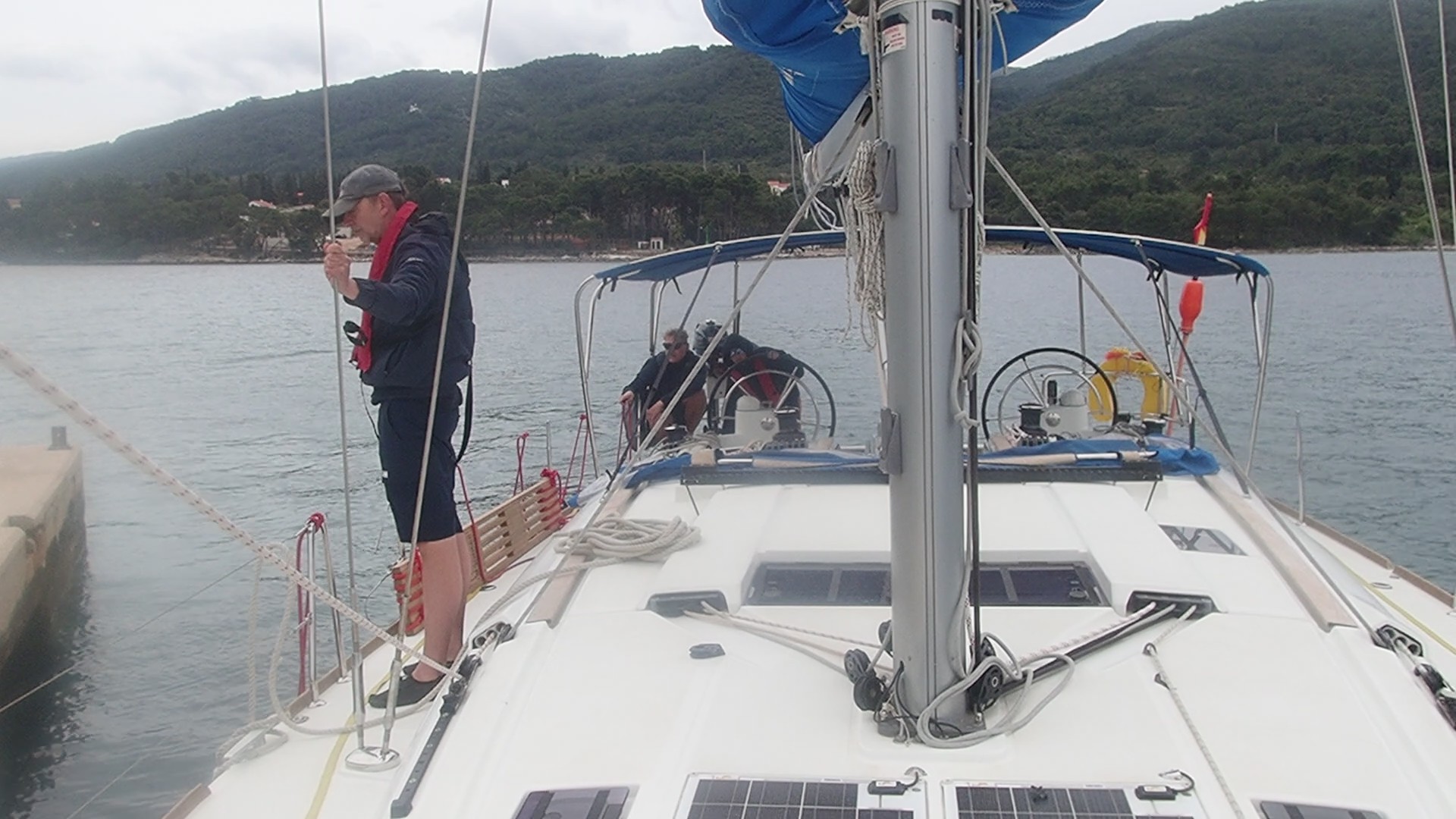
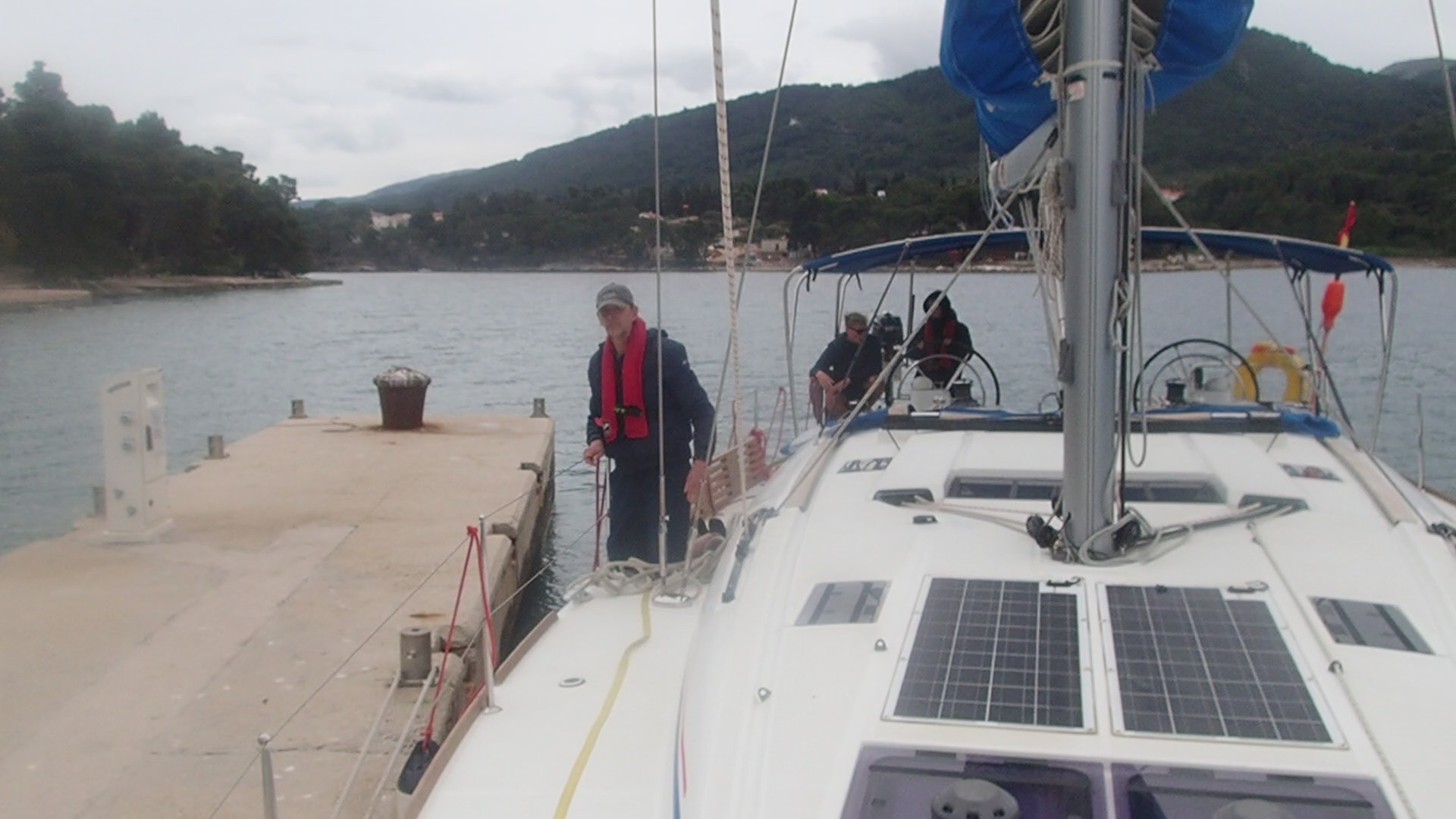
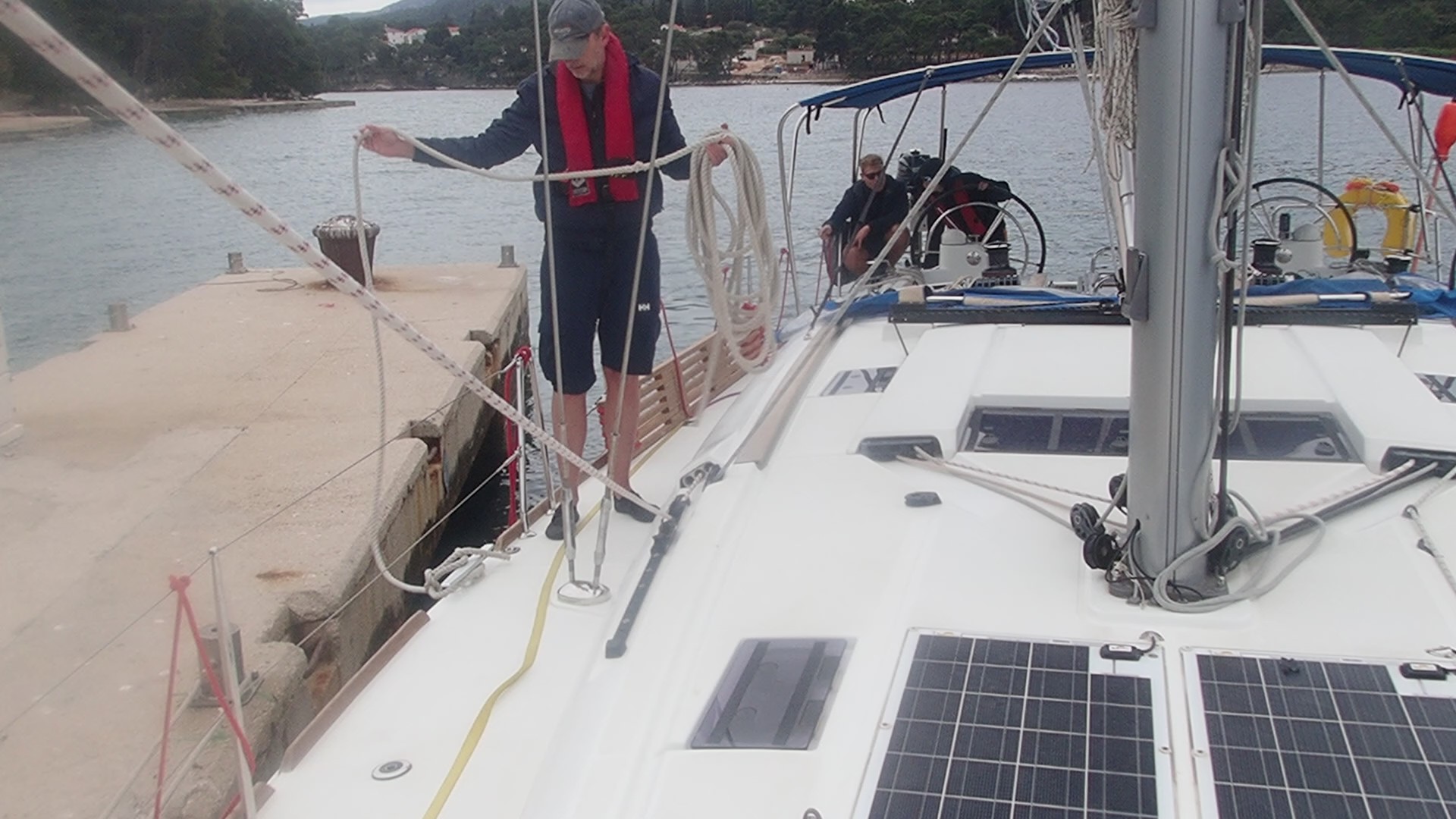
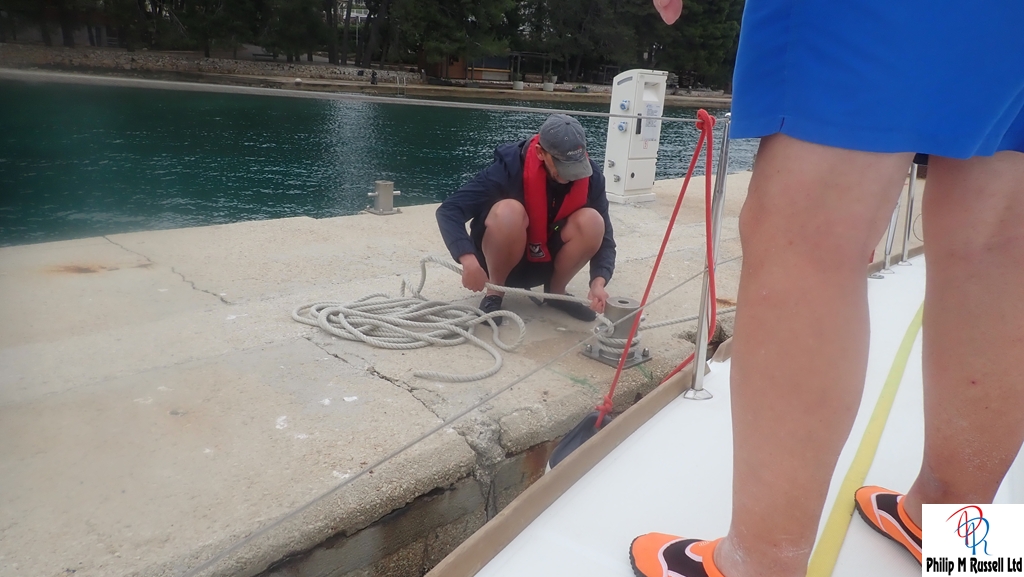
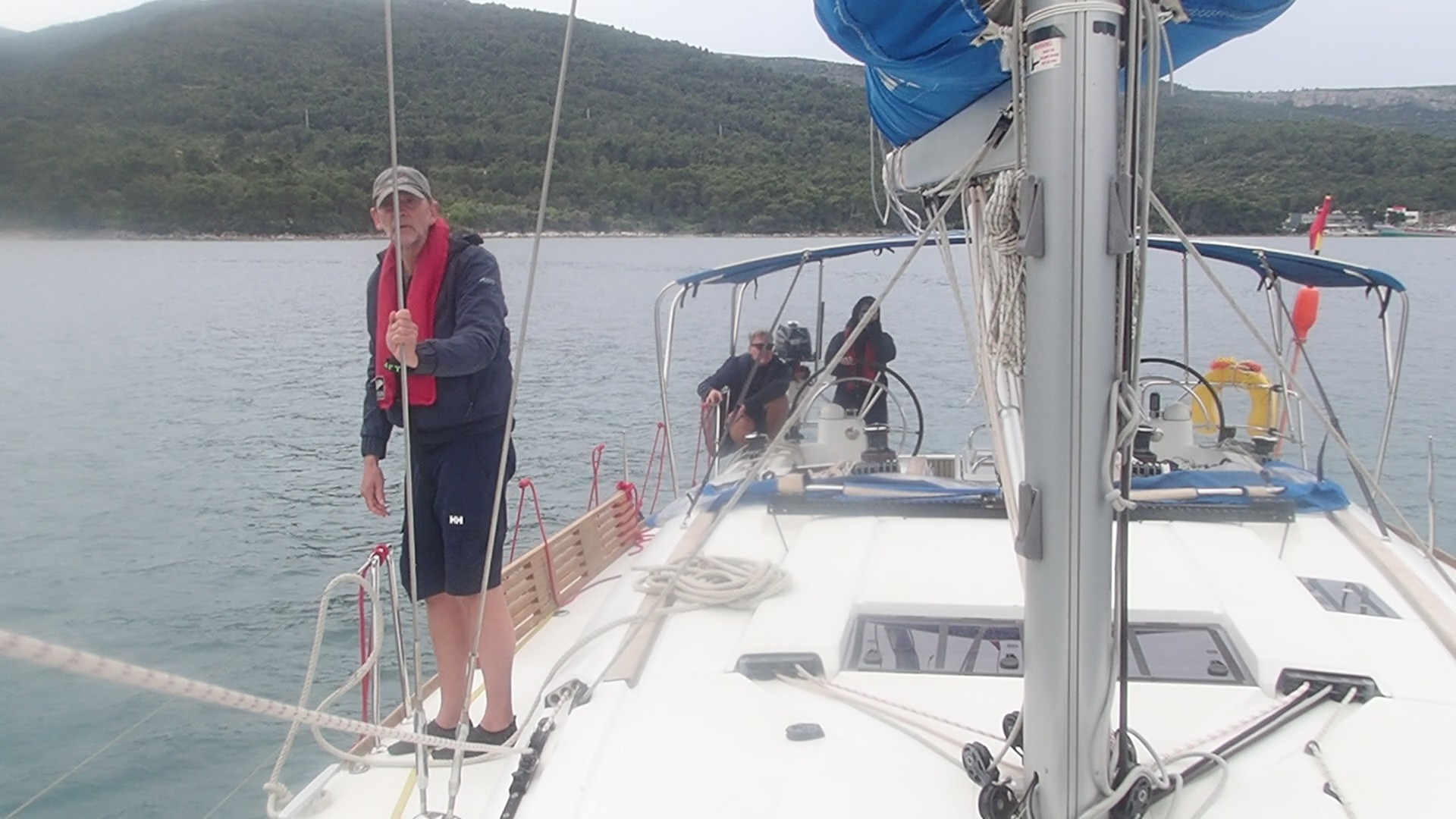
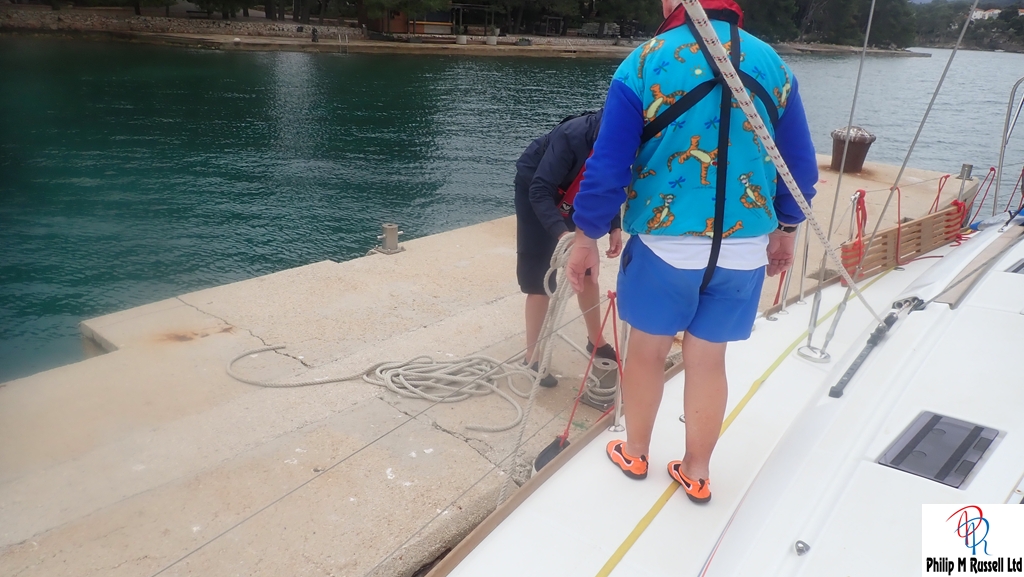
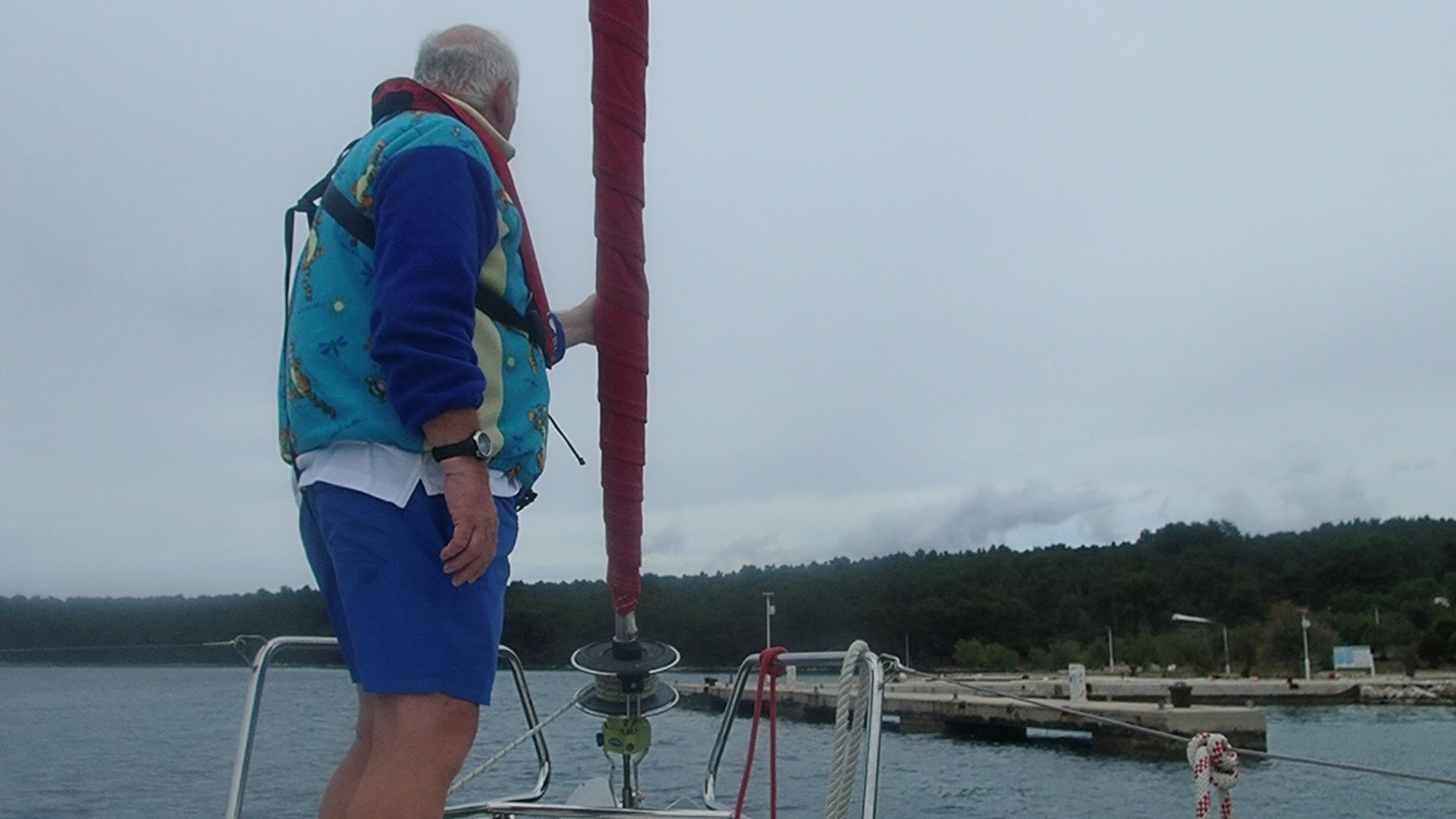
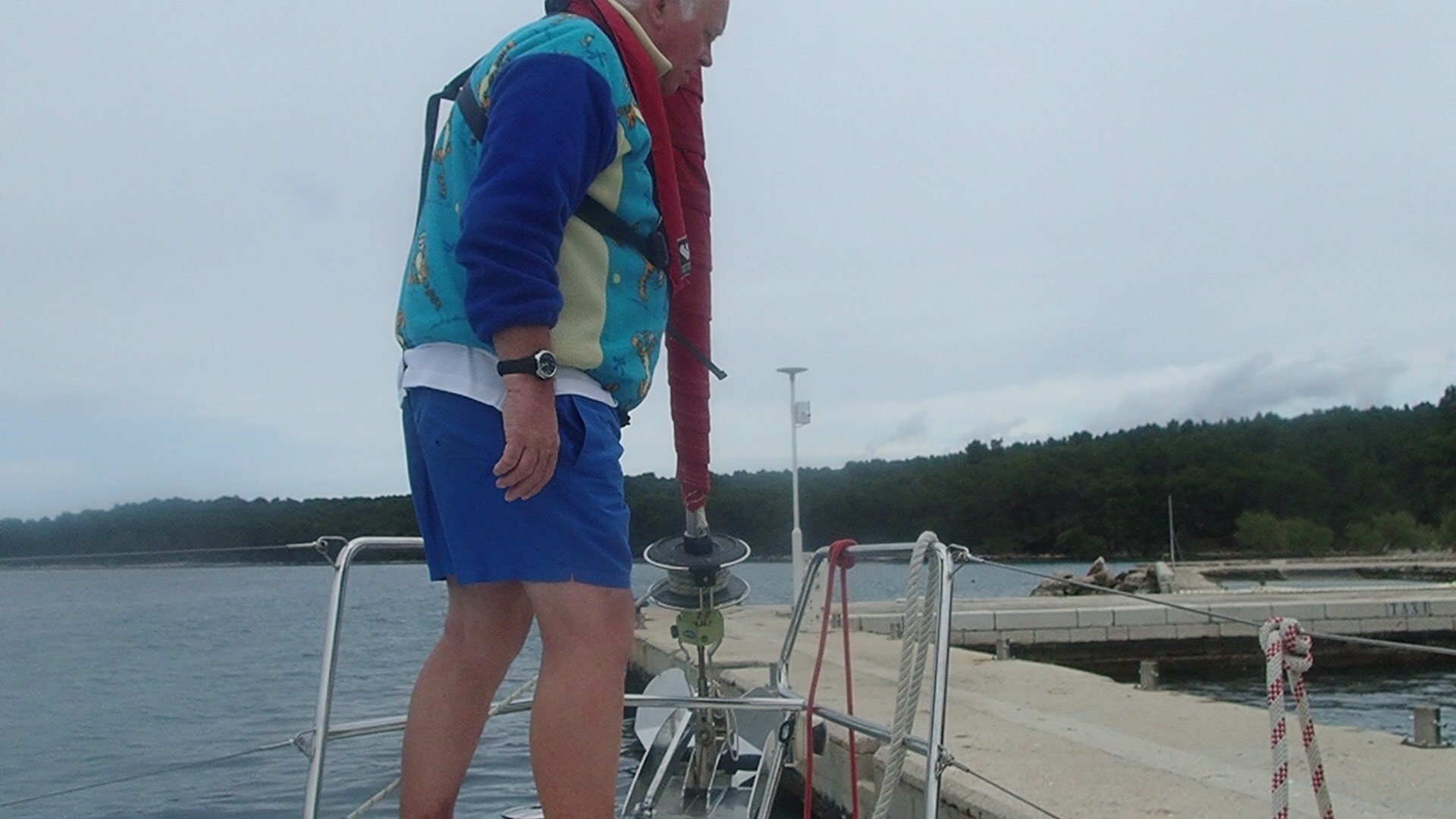
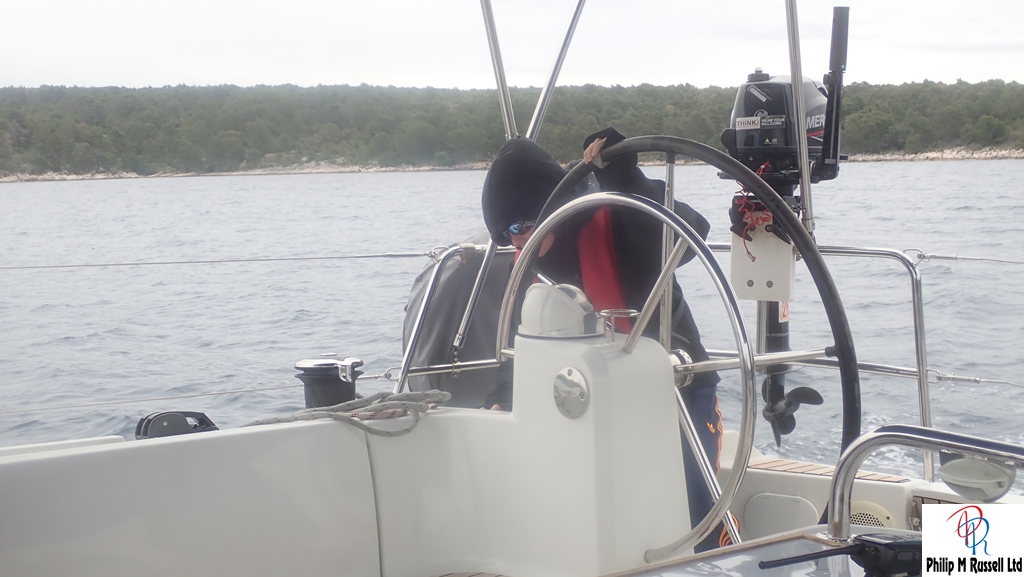
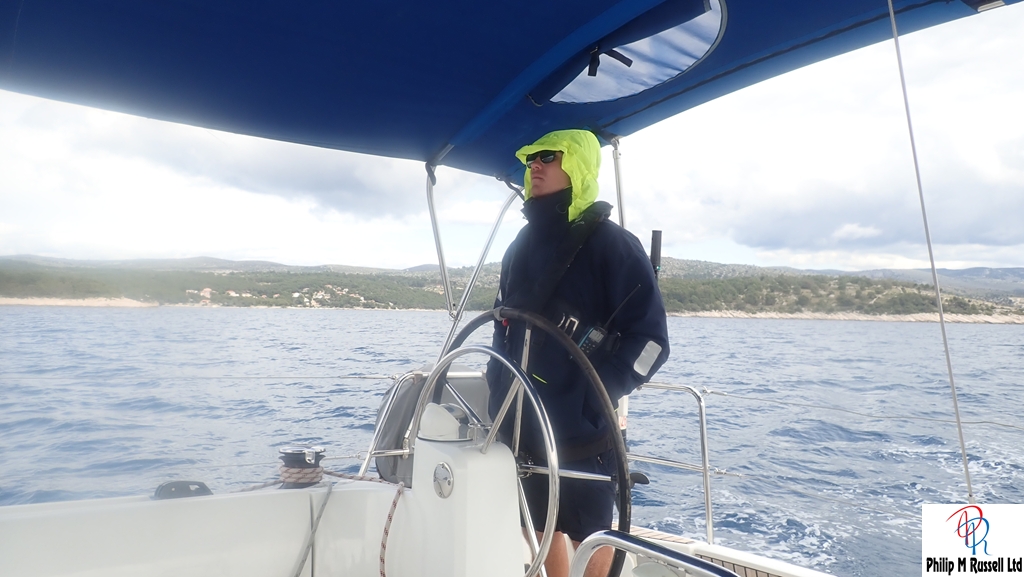
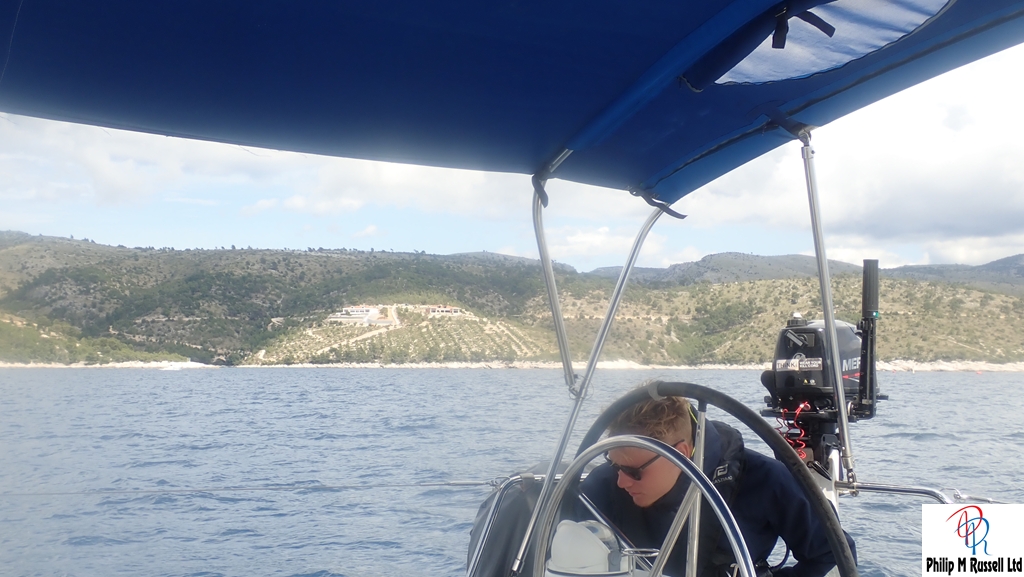
The morning’s main exercise was side-to berthing practice
with Steve and Judy filming us. Steve seemed to be everywhere at once,
including in the dinghy, while Judy stayed on board recording the action.
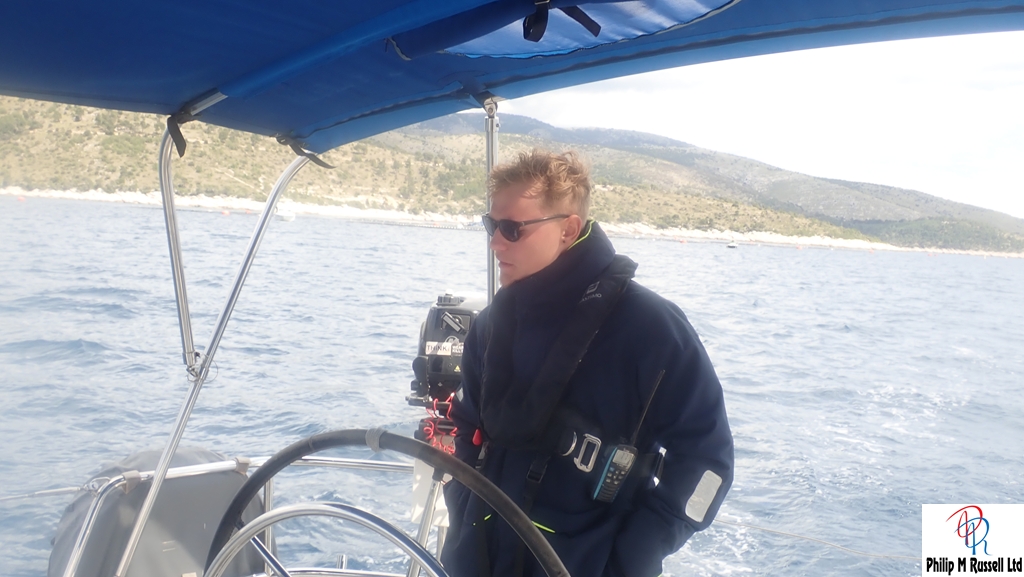
Tadek demonstrated the manoeuvre first, and then John had
three goes. After that, Emily took the helm and had her turn.
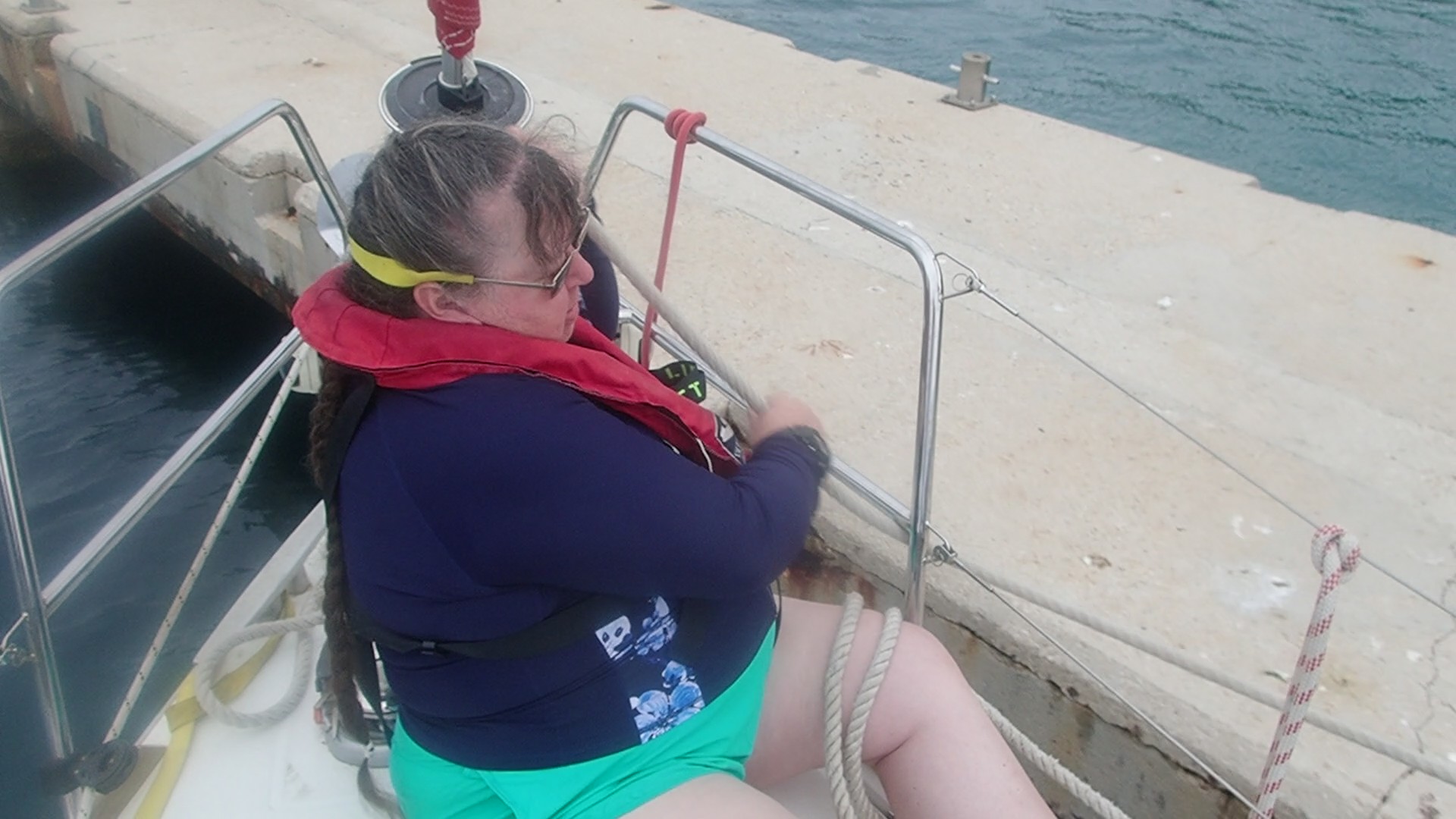
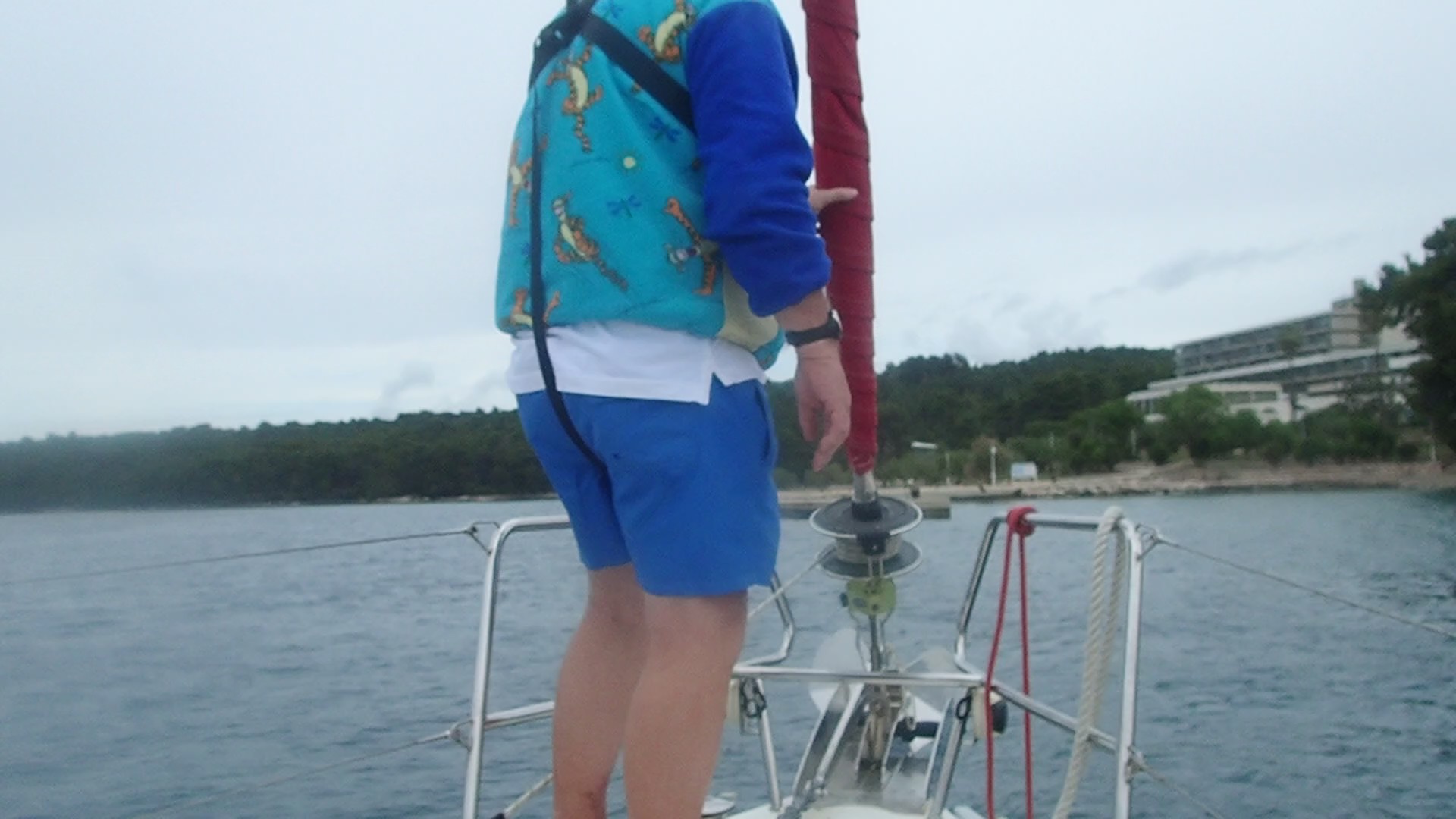
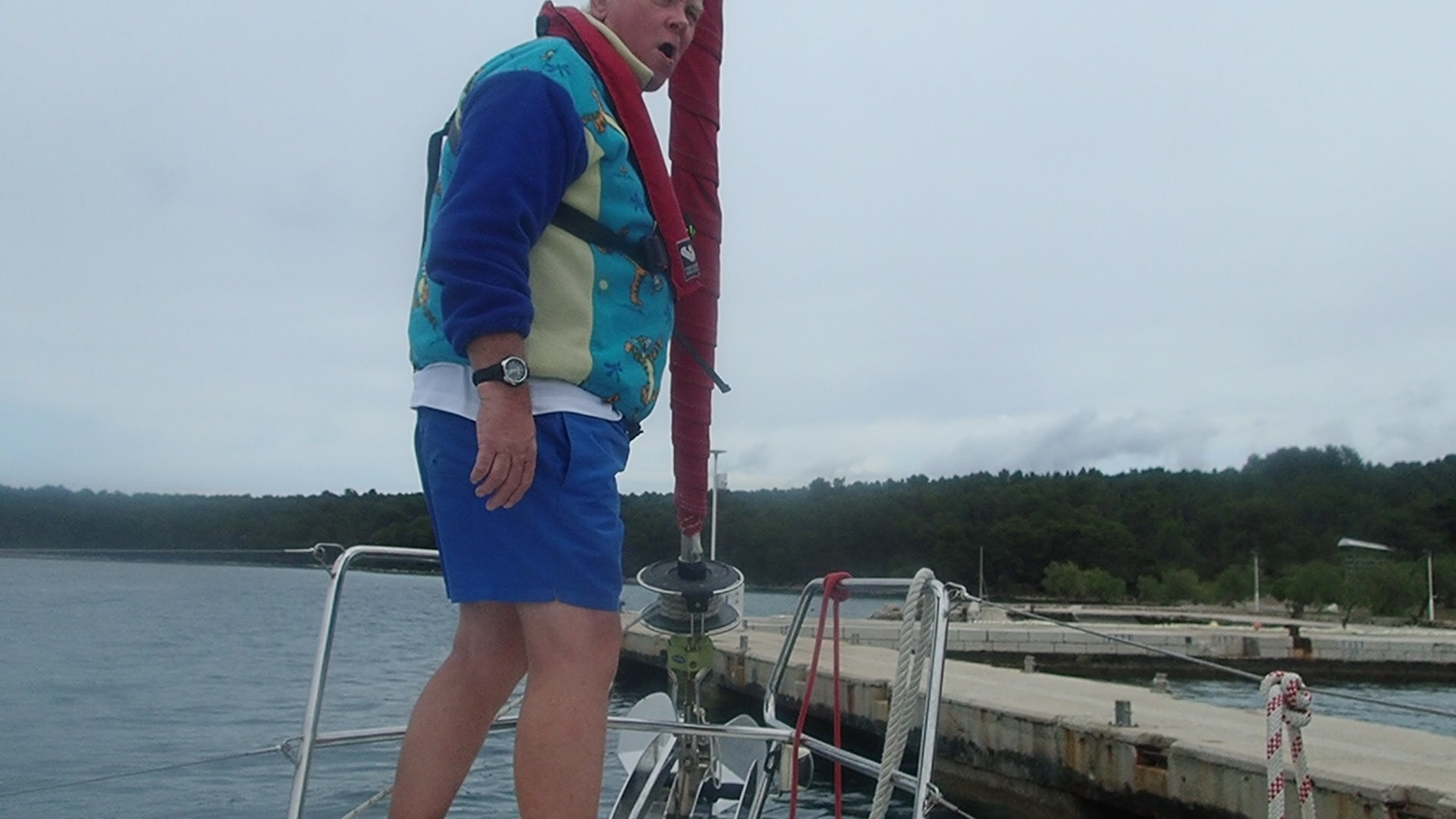
We put all eight fenders on one side of the boat, which made
us look rather like a yacht preparing for battle with a harbour wall. I was
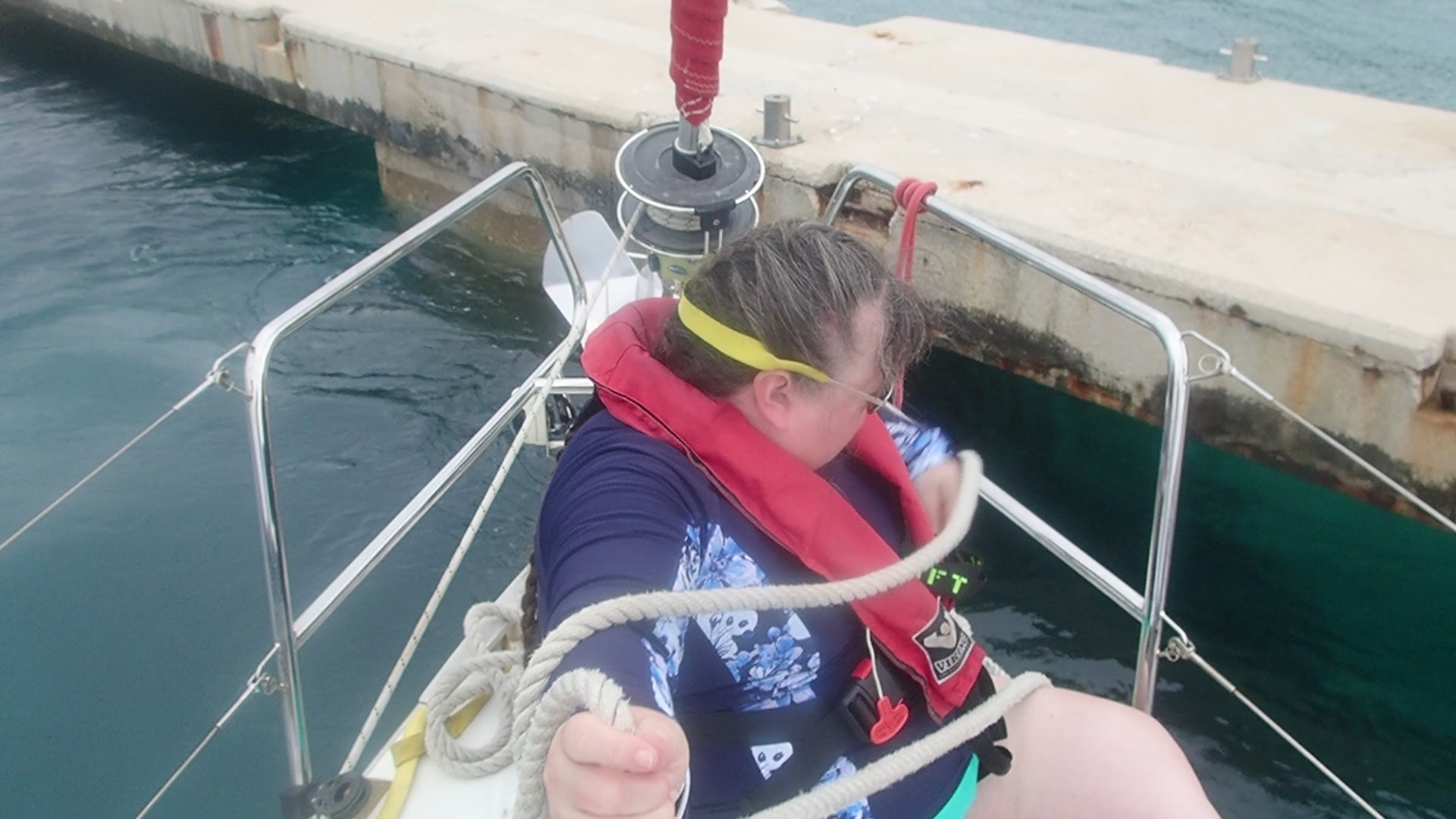
stationed at the bow, responsible for throwing the rope and calling out the
distance to the wall.
This involved a countdown from about 15 metres, so the helm
could judge the closing speed. From the back of the yacht, the person steering
cannot always see exactly how quickly the bow is approaching the wall. From the
bow, however, you can see everything very clearly, including the harbour wall
coming towards you with increasing enthusiasm.
It is a useful job, but one that does make you think
carefully about your final words.
100
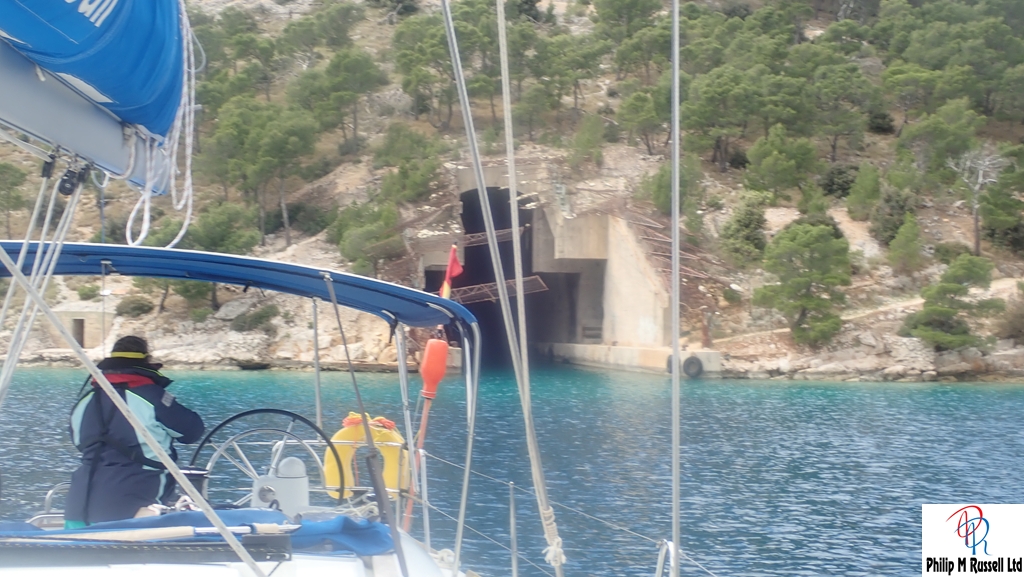
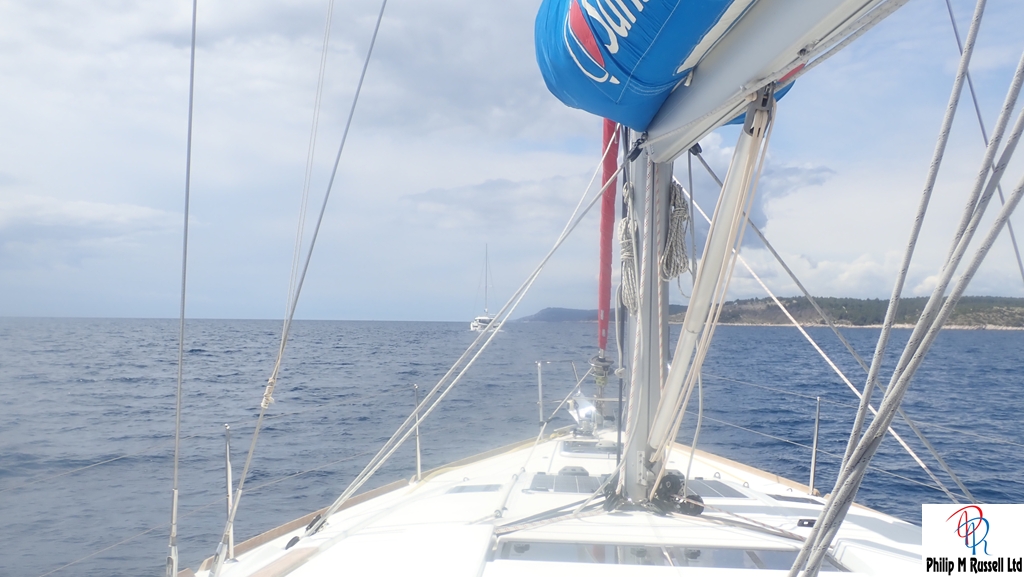
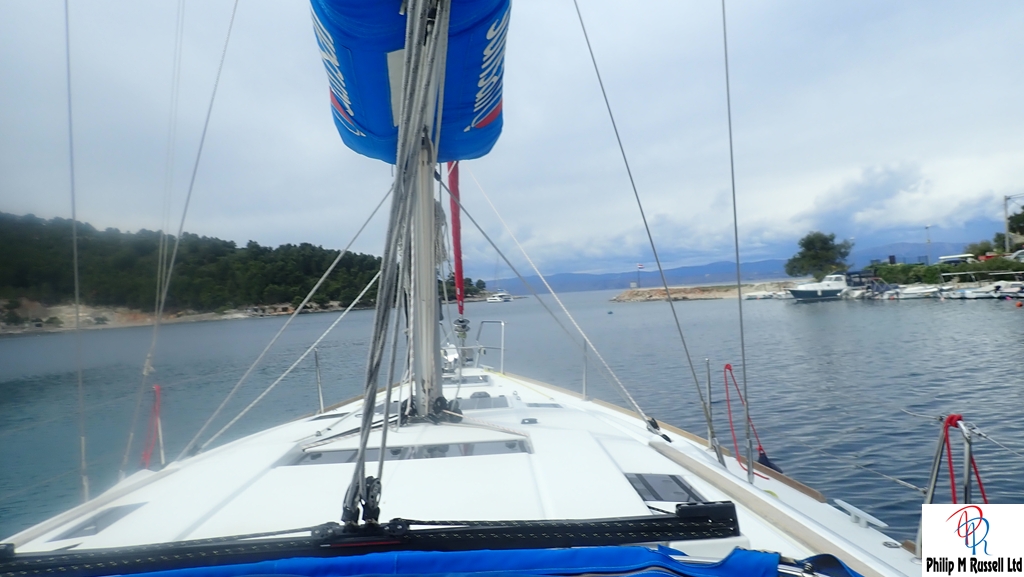
As we approached the cove, Tadek told us all to sit at the
bow and wait for the surprise.
This is one of those instructions that can mean several
things on a sailing course. It might mean dolphins. It might mean a beautiful
anchorage. It might mean a sudden lesson in anchor handling. It might also mean
that the instructor knows something you do not, which is usually the case.
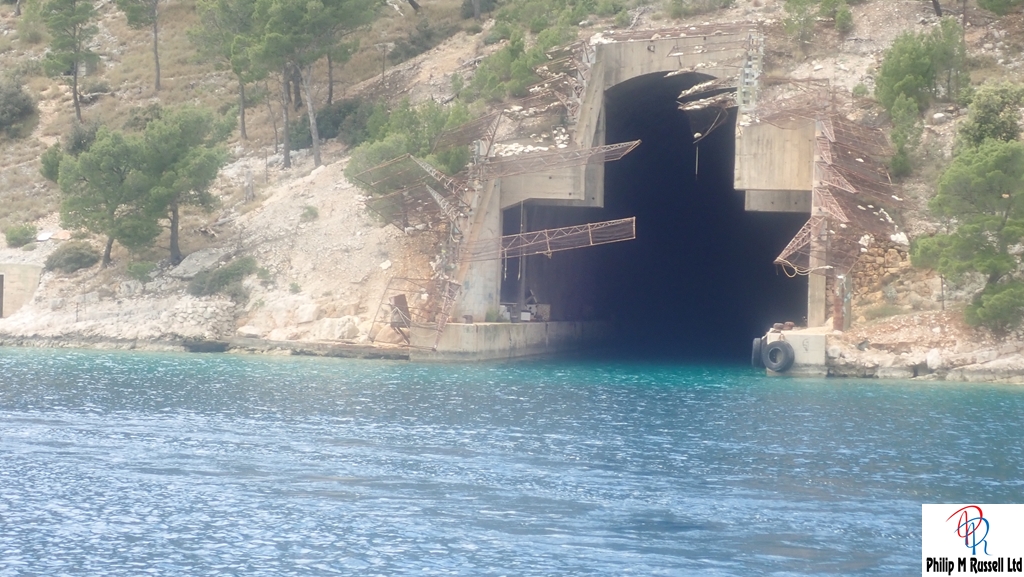
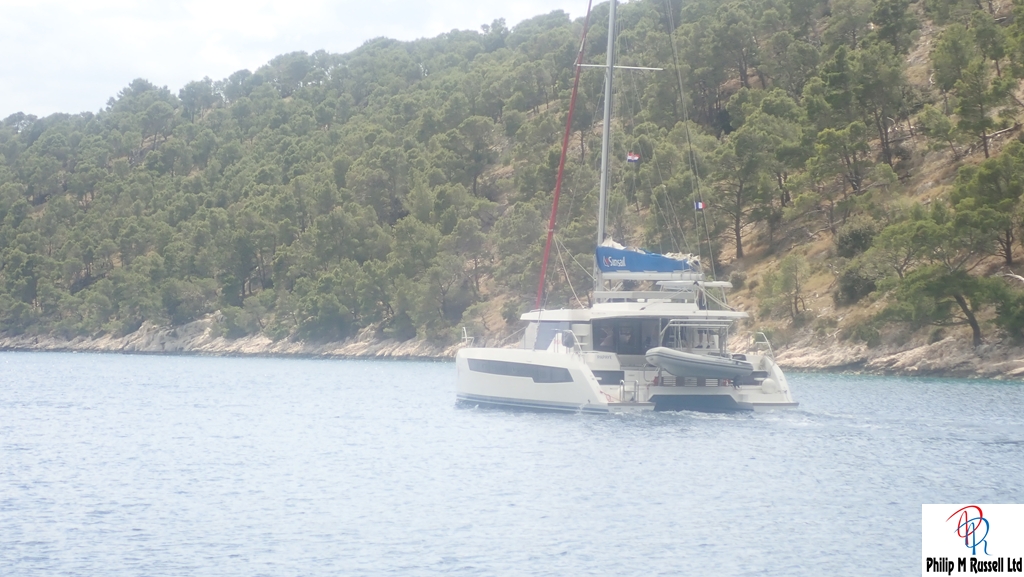
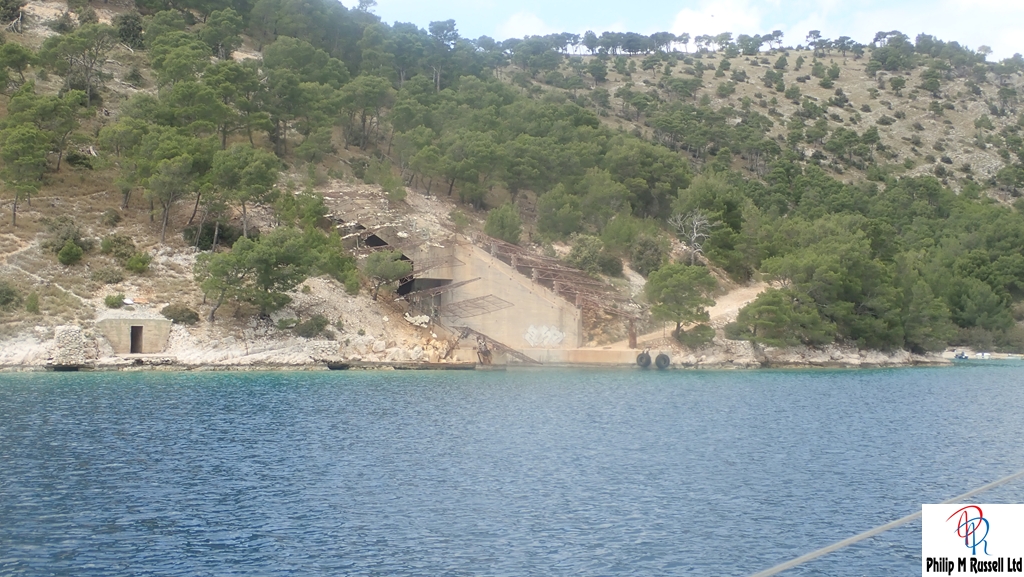
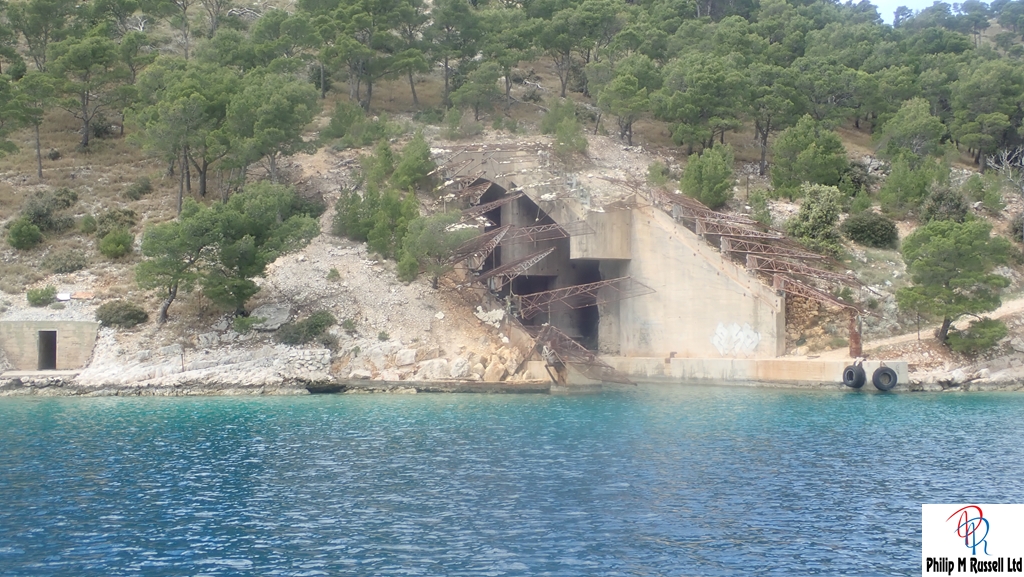
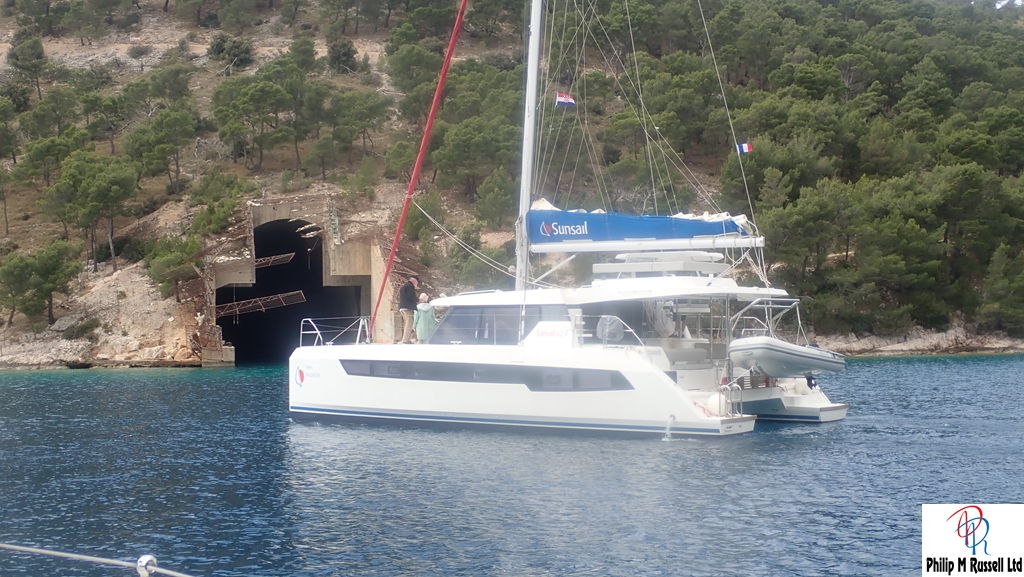
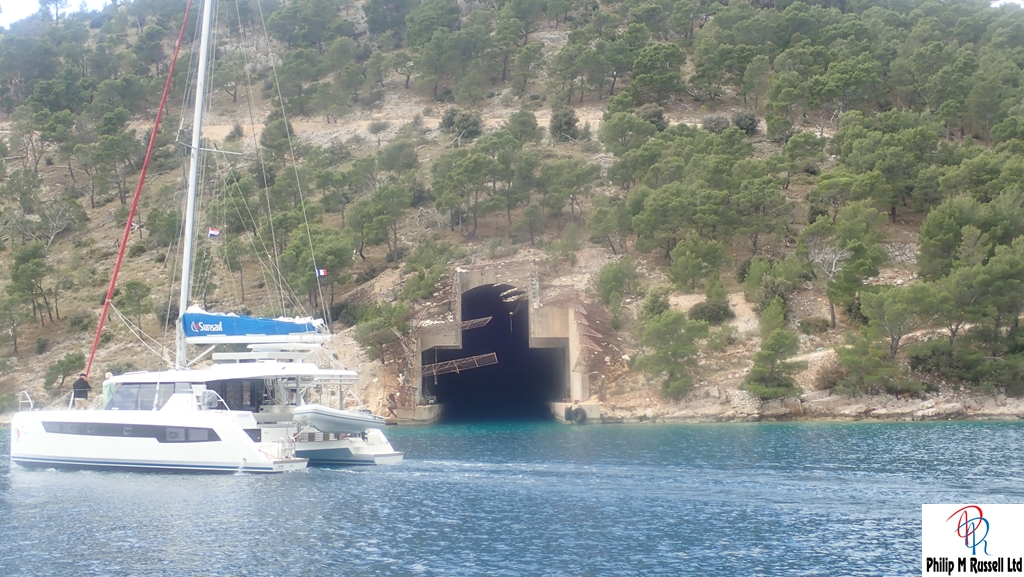
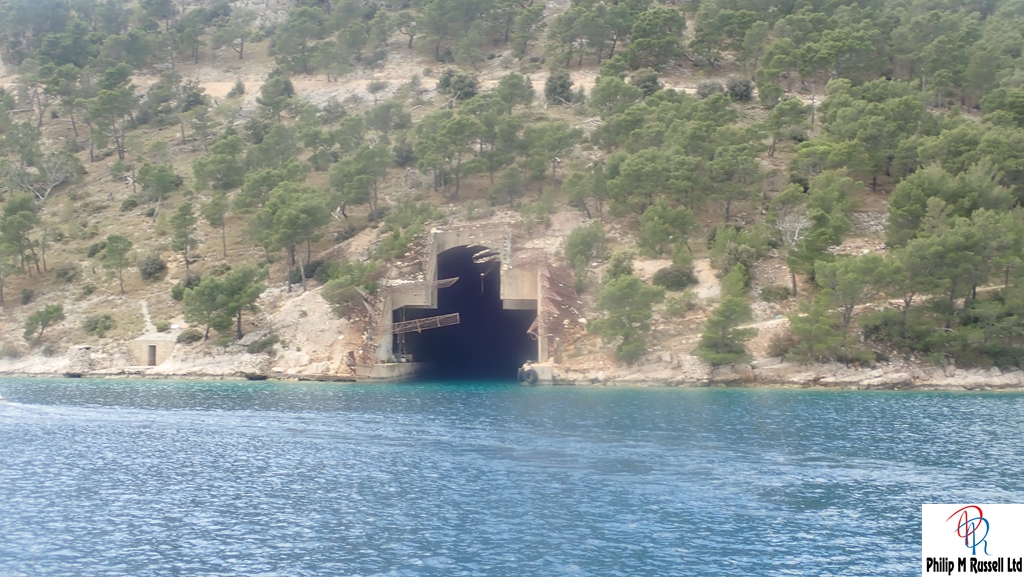
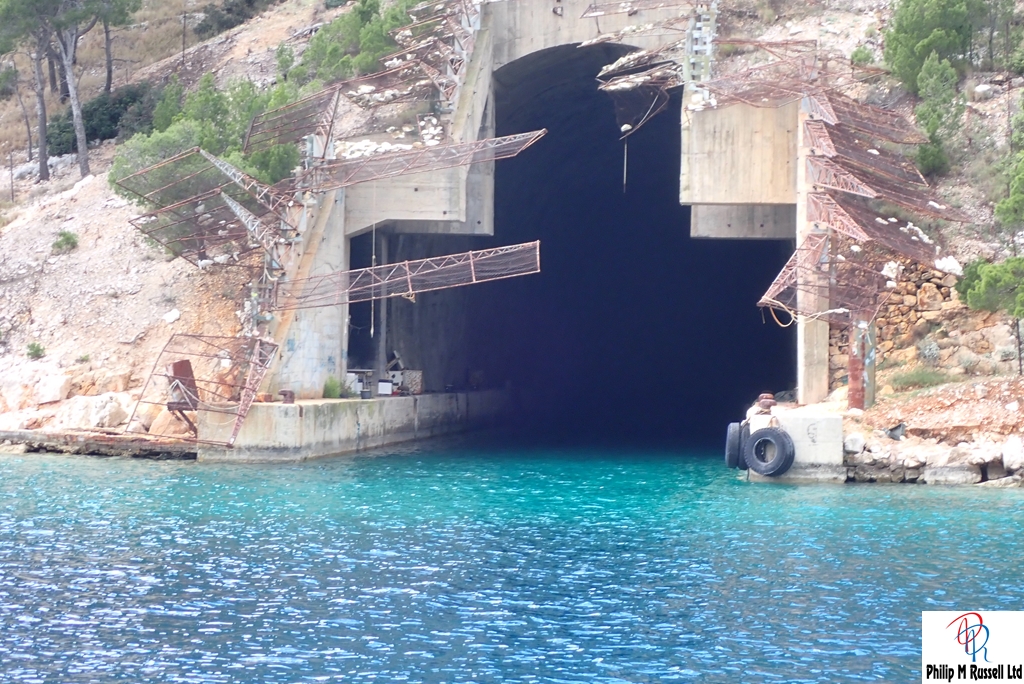
The surprise was a submarine base.
It was an extraordinary sight, hidden away in the coastline.
Suddenly the day had gone from pleasant sailing lesson to something that felt
as though it belonged in a World War 2 or Cold War documentary. We sailed past,
filming and photographing as much as we could, while trying to look calm and
competent.
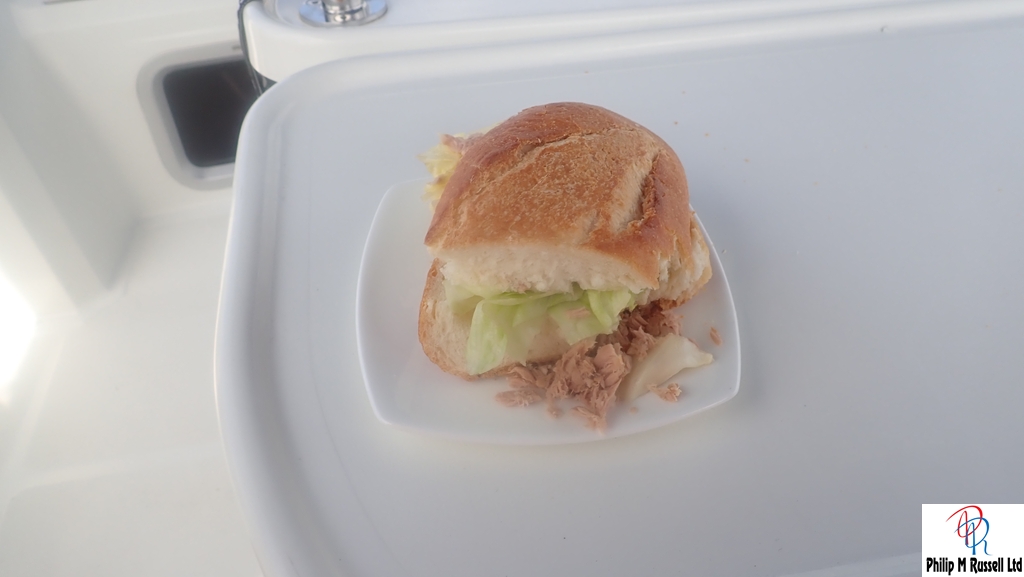
Lunch followed on the move after submarine cove, which is
another of those phrases that sounds more adventurous than eating sandwiches at
home.
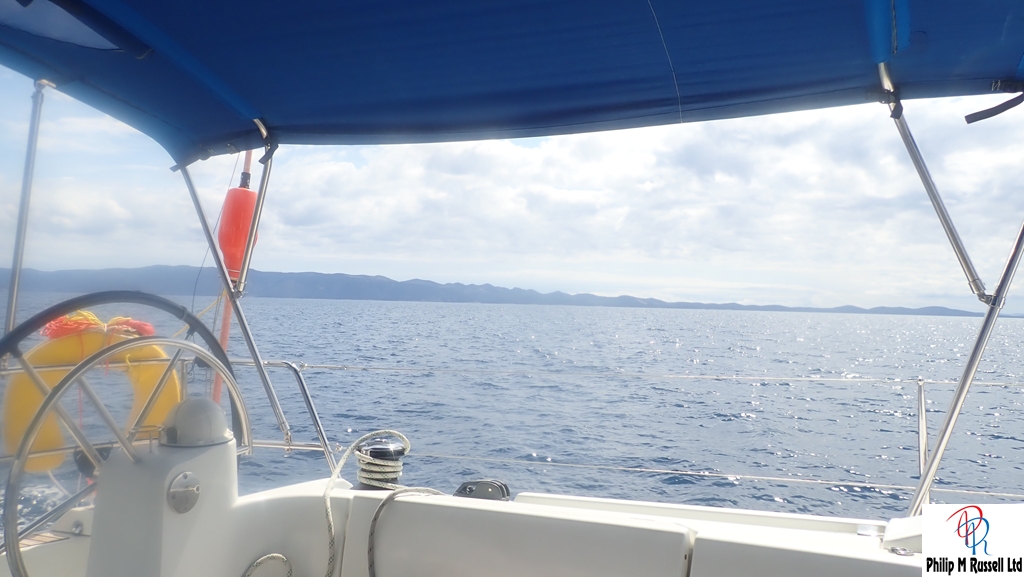
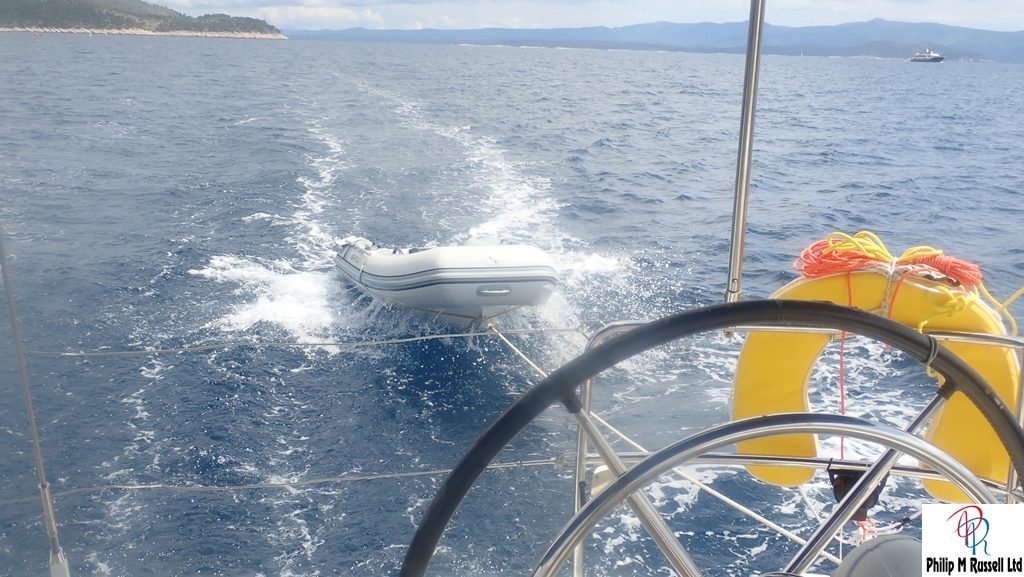
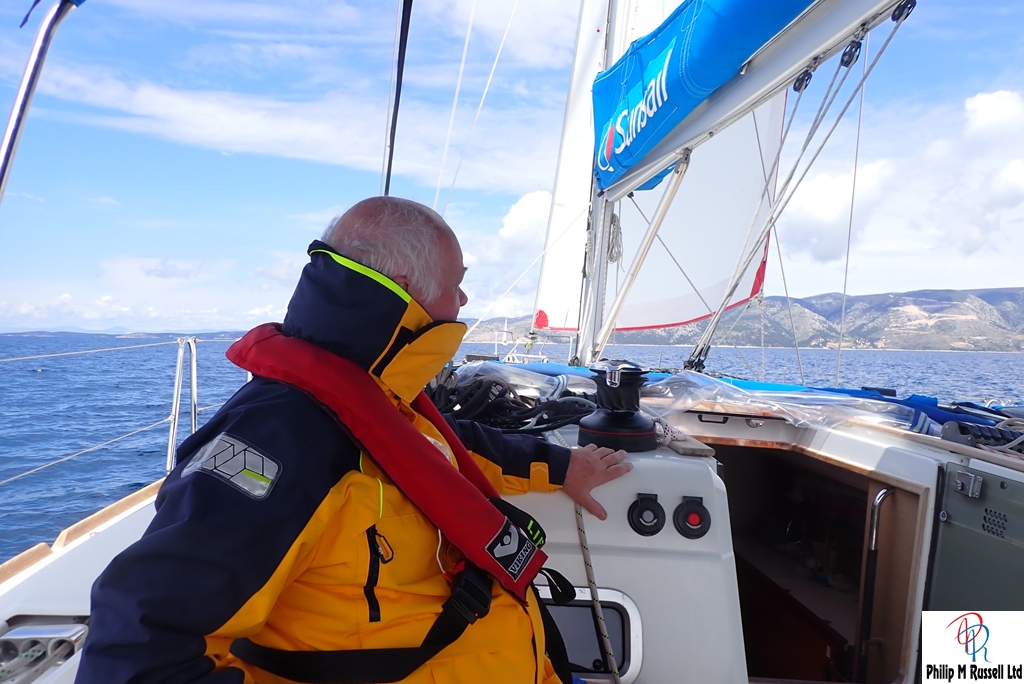
At some point, the boat heeled over enough for me to become
interested in measuring it. Out came the phone and the inclinometer app,
because apparently I cannot simply experience a sailing moment without trying
to turn it into data. 8.5 degrees occasionally hitting 10 degrees.
The boat leaned, the sails pulled, and the numbers on the
phone gave me a proper scientific excuse for looking slightly concerned.
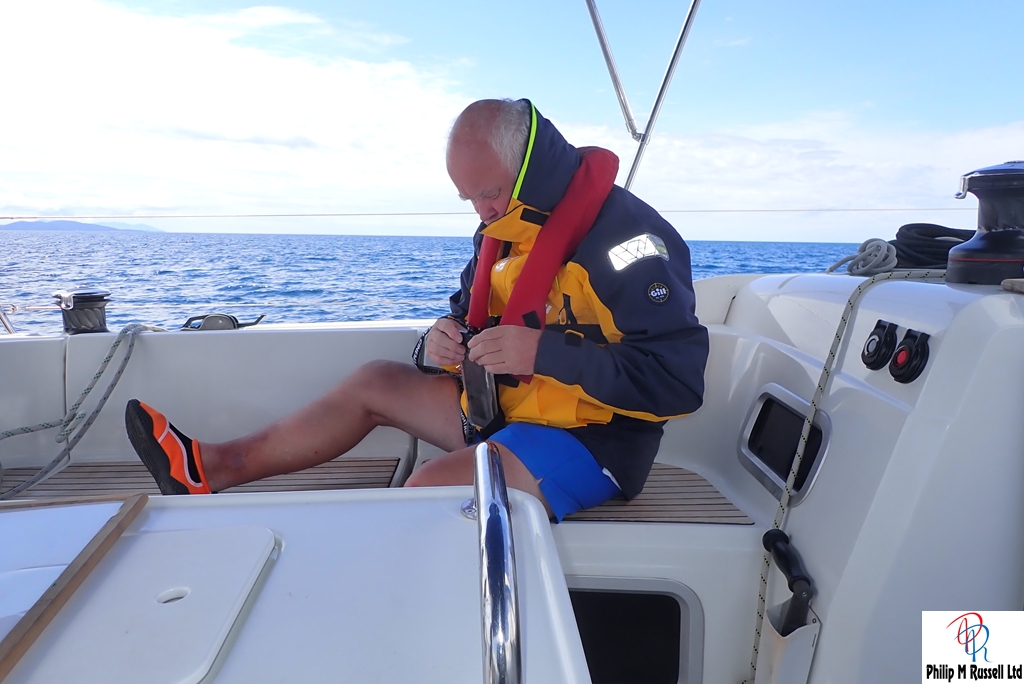
Emily, meanwhile, crashed asleep again. This time she had
sensibly removed her life jacket before falling asleep, which at least showed
planning and improvement from previous naps.
There is something impressive about being able to sleep on a
yacht while sailing. I am not sure whether it shows confidence, exhaustion, or
complete faith that someone else is paying attention.
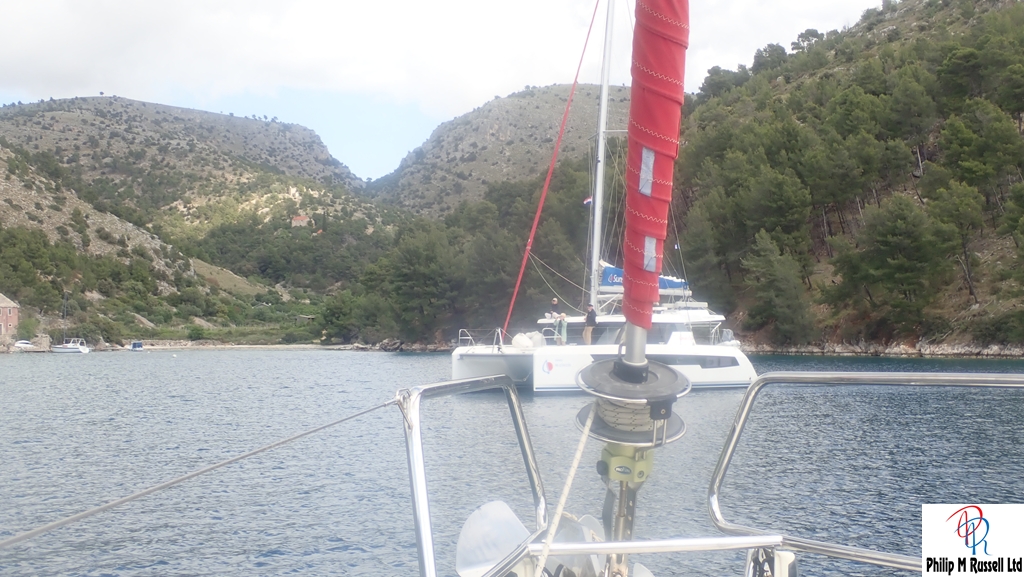
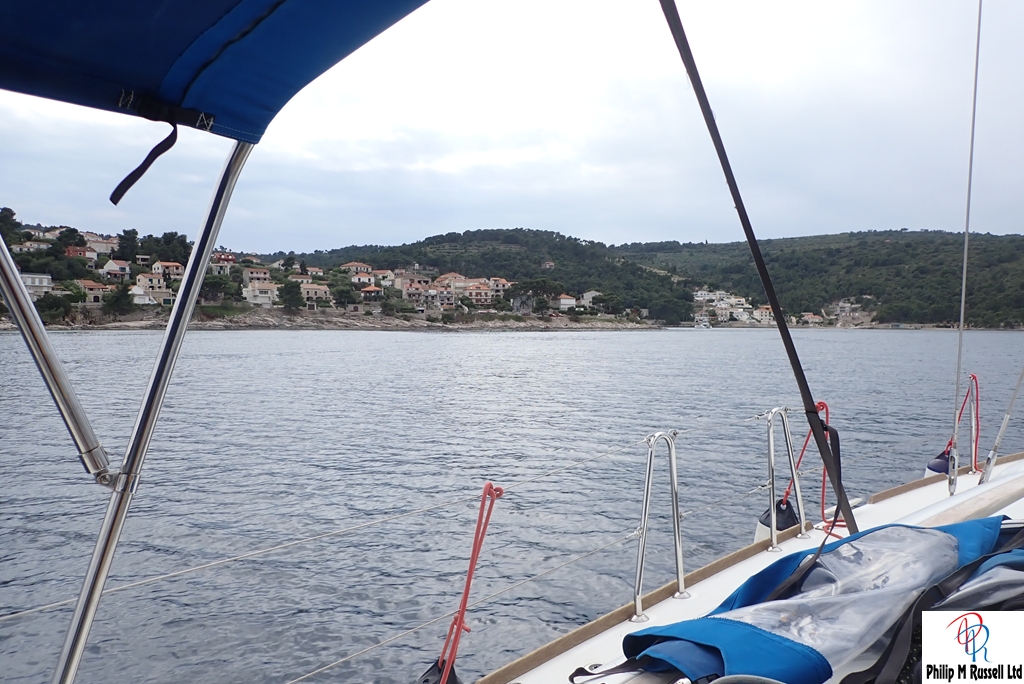
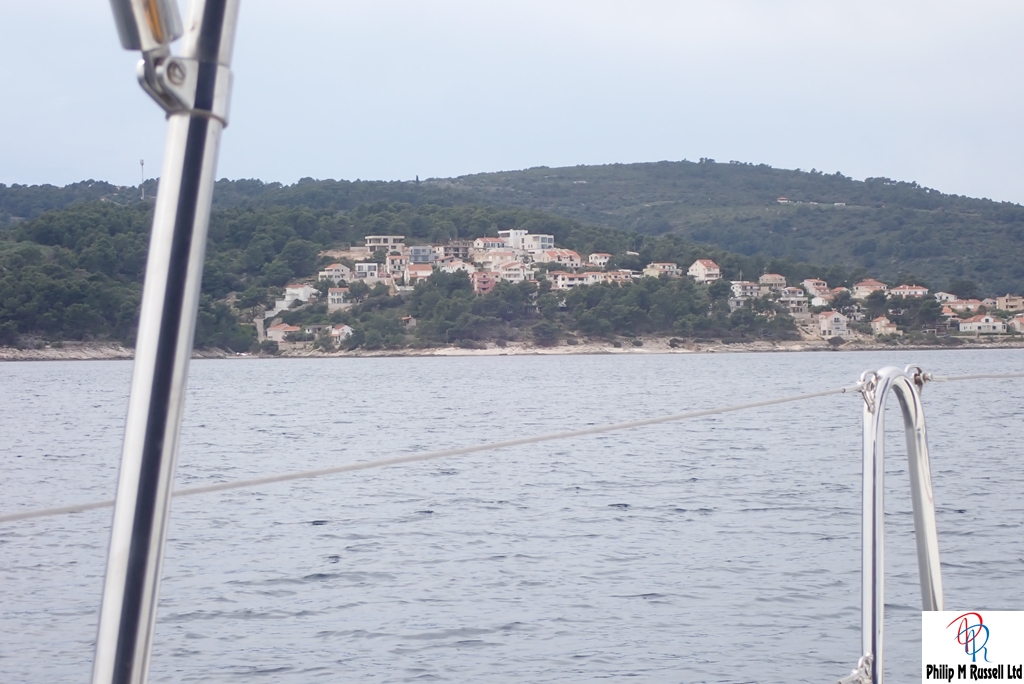
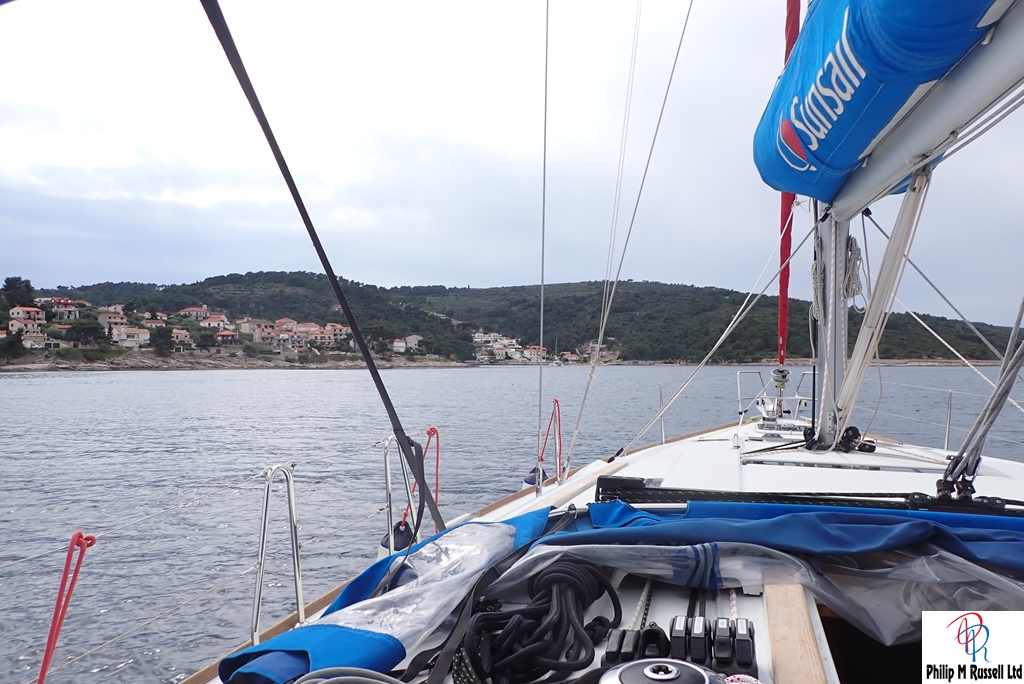
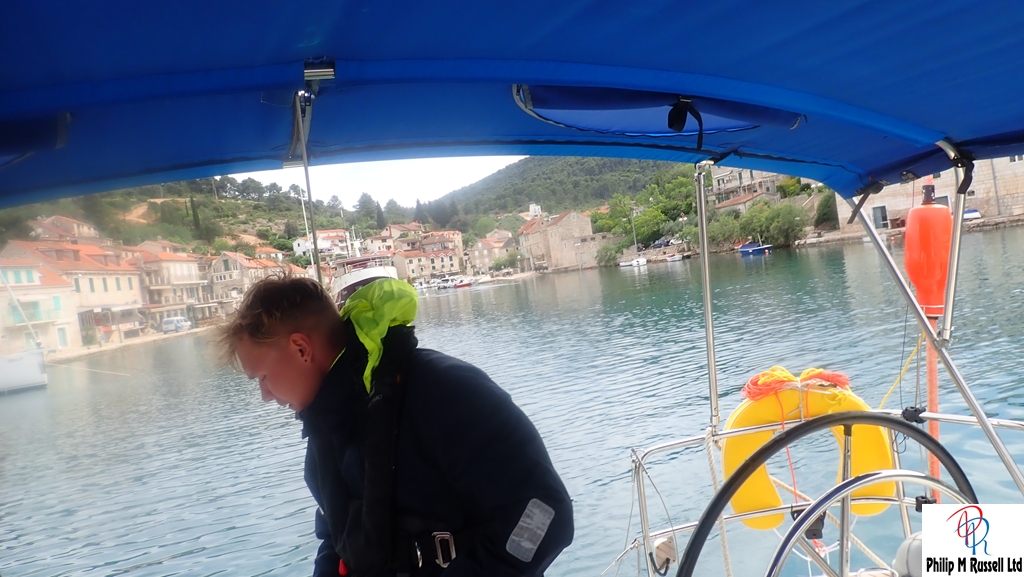
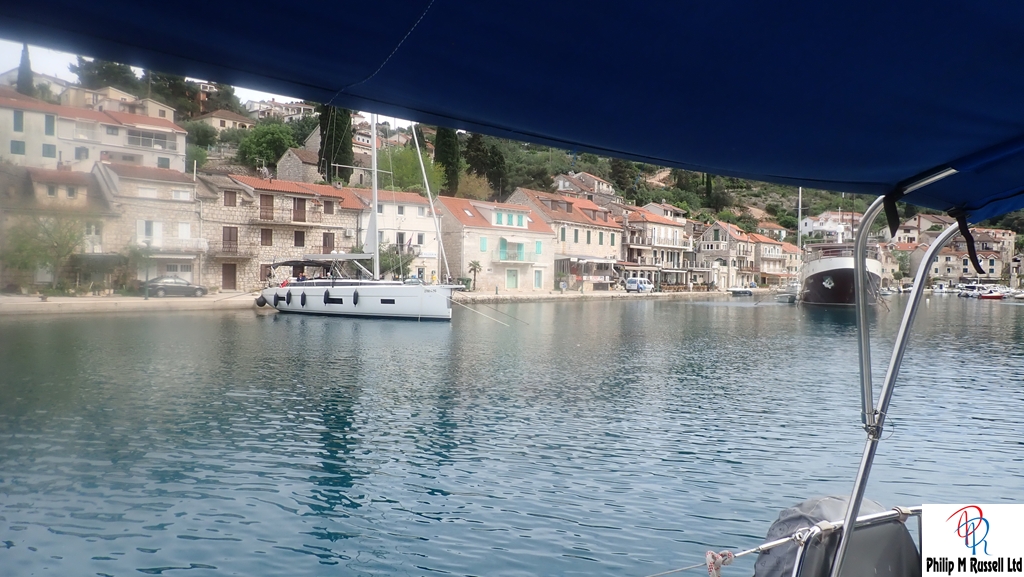
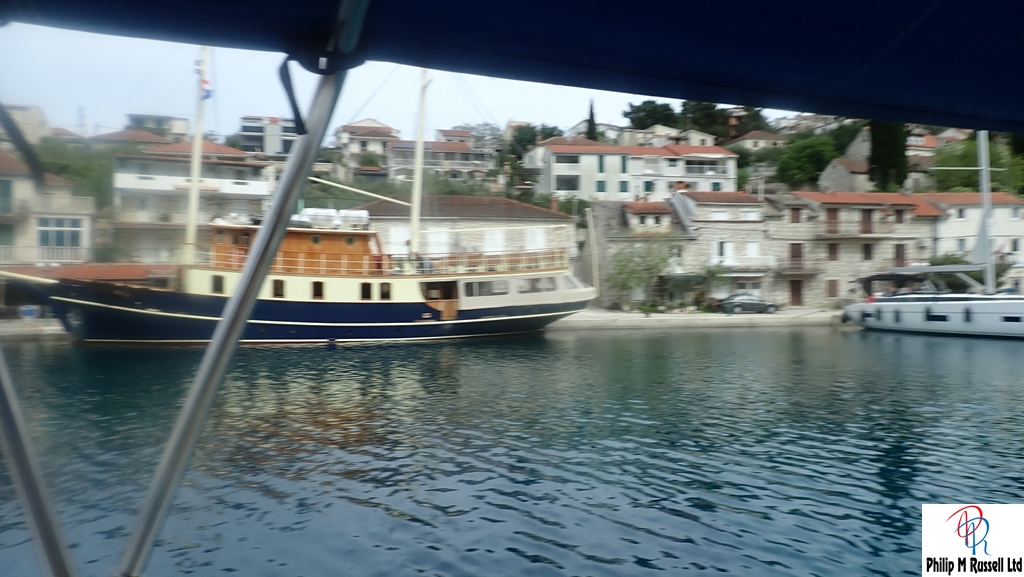
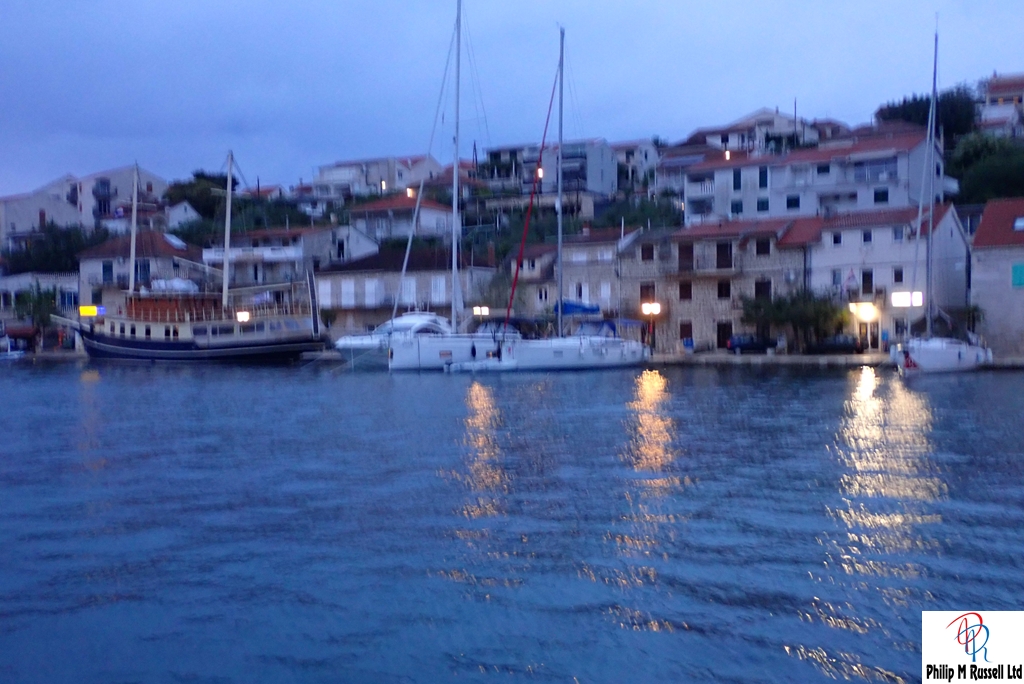
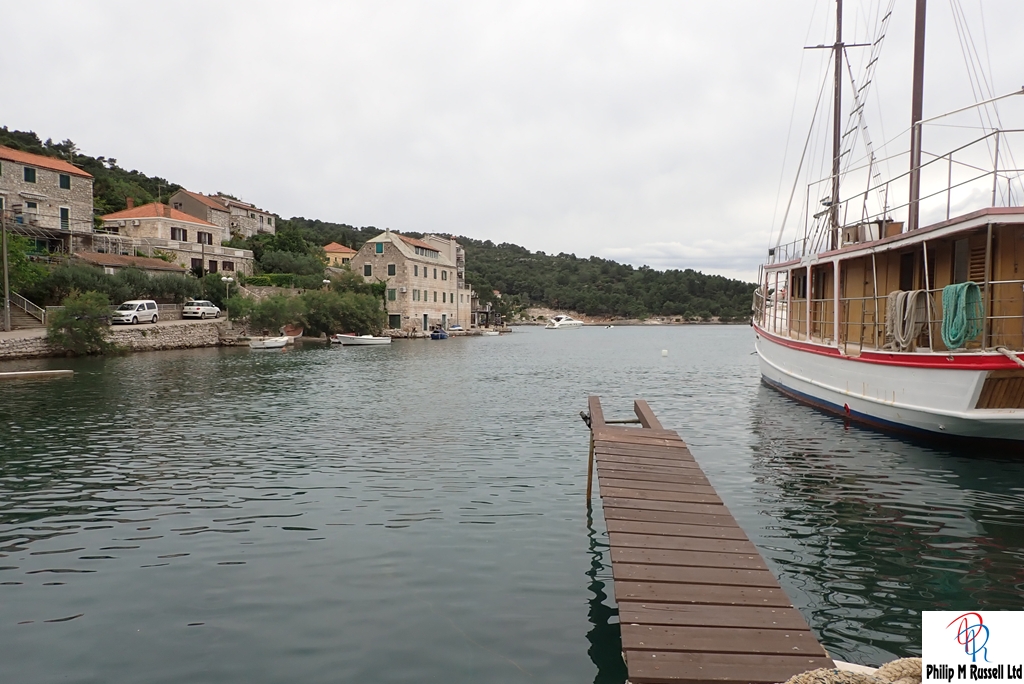
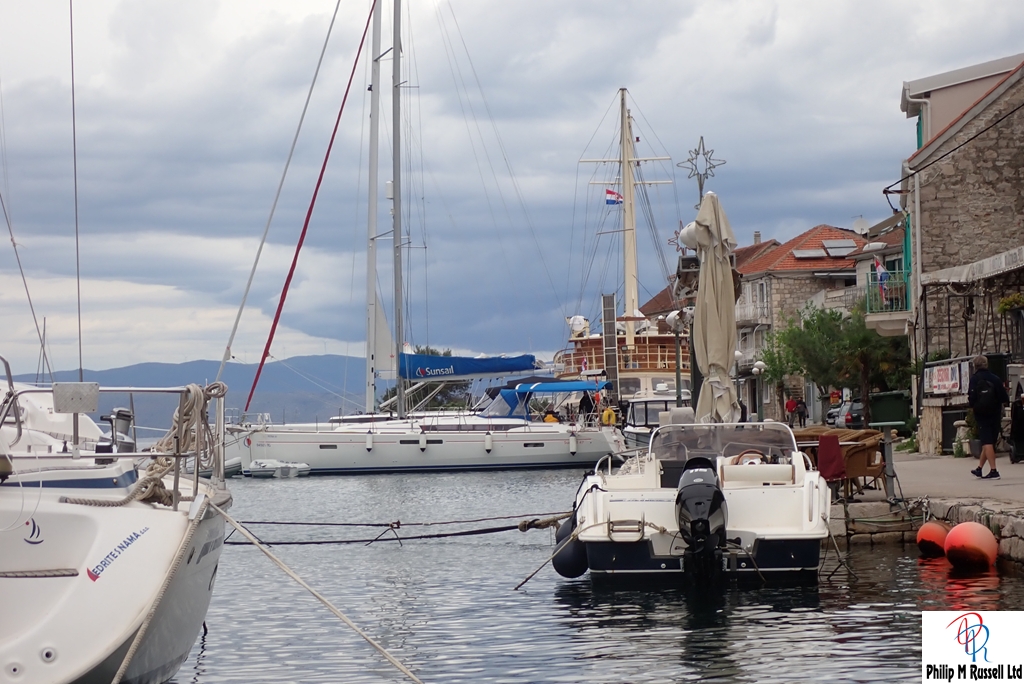
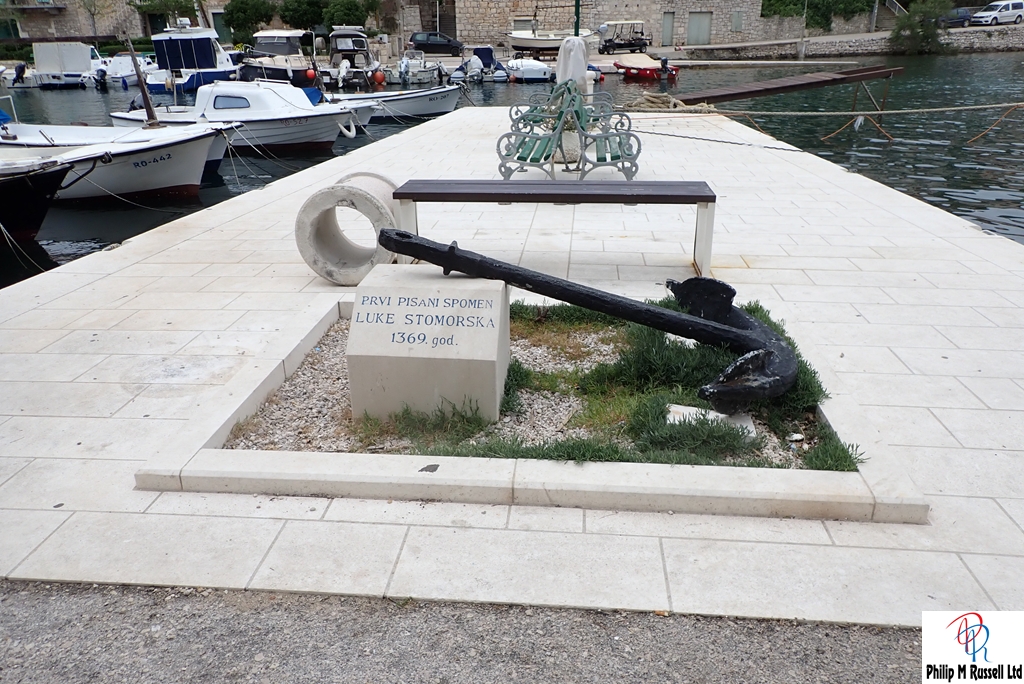
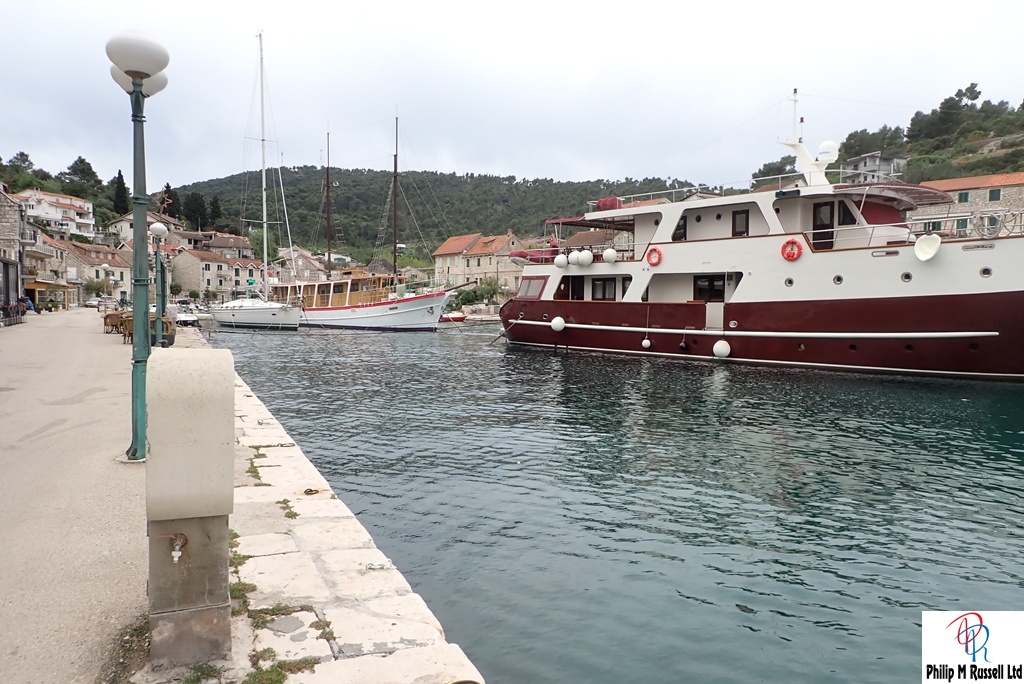
We arrived at Stomorska, which felt like a hidden cove at
first. The harbour and village were tucked round the corner, making the whole
place feel sheltered and peaceful.
It was one of those Croatian harbours that appears quietly,
as though it does not want to make too much fuss about being beautiful.
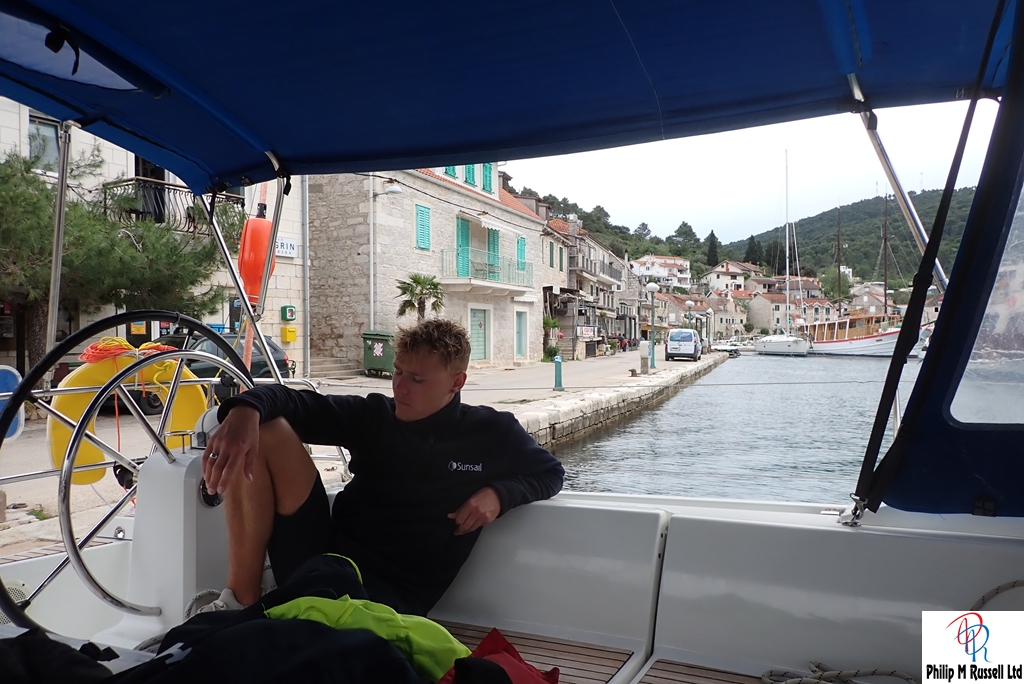
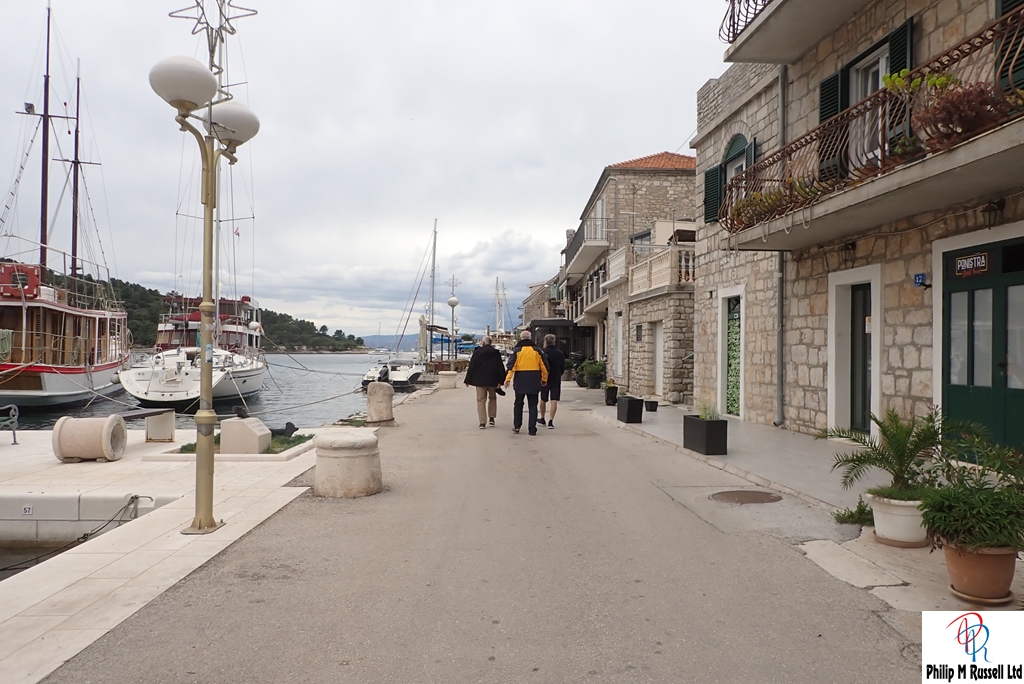
Once moored, we had a little time to explore before the
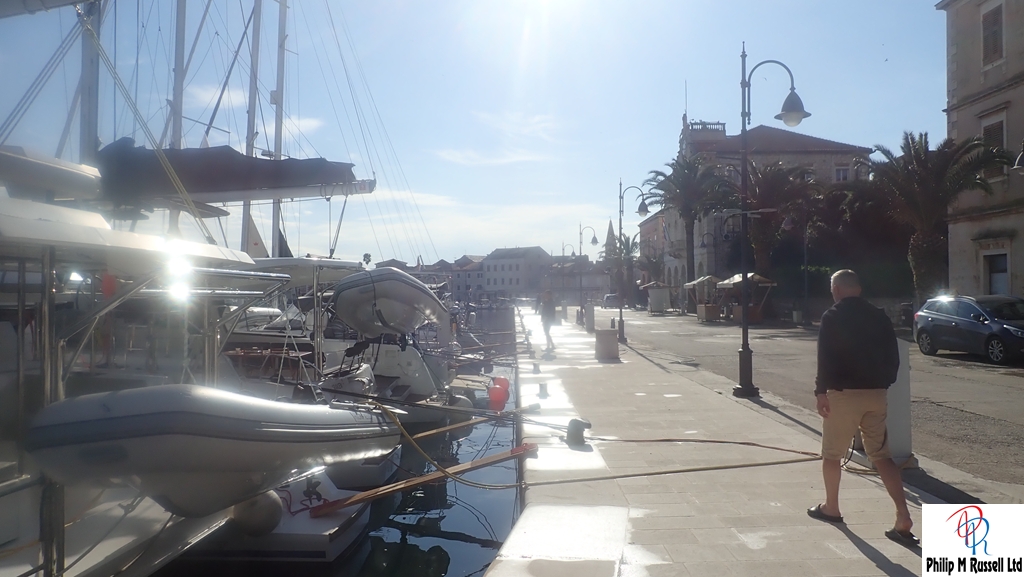
evening trip. I walked the length of the harbour with the 360 camera, then
Tadek having arranged a visit to a local vineyard through our Sunsail Marina, we
walked up the hill at the end of the village because the road was closed. This
is the sort of sentence that sounds casual in a diary but feels quite different
when you are actually walking uphill in sailing shoes after a day on the water
with a deep ditch disappearing on one side.
We waited for the taxi, which was late, because taxis on
holiday are allowed to operate in a slightly different time zone. Eventually it
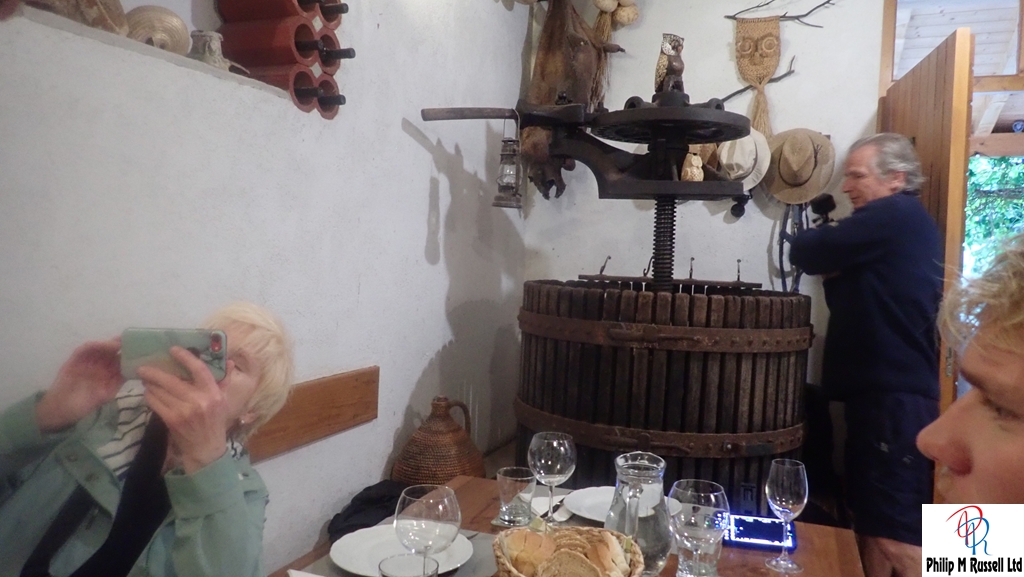
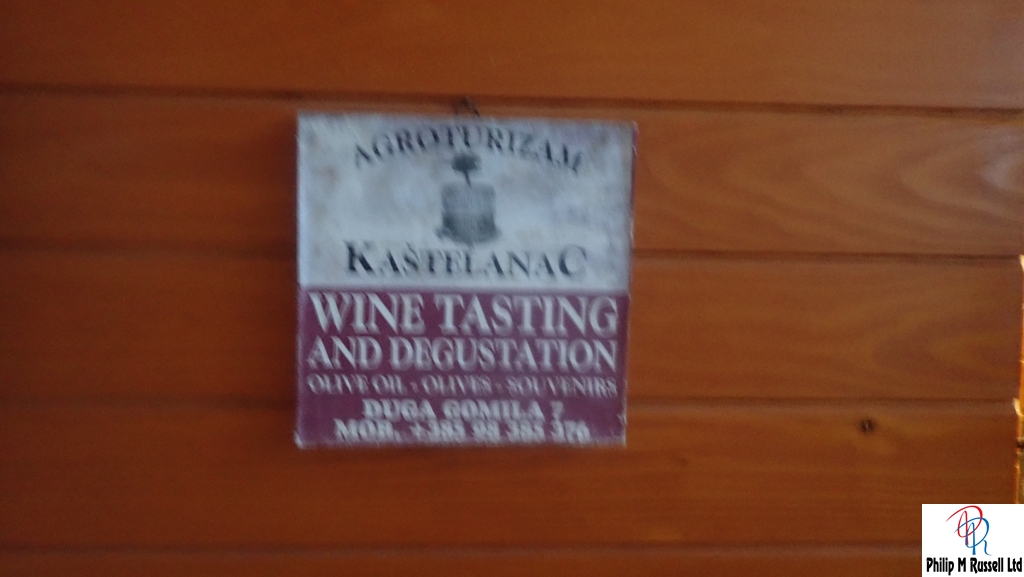
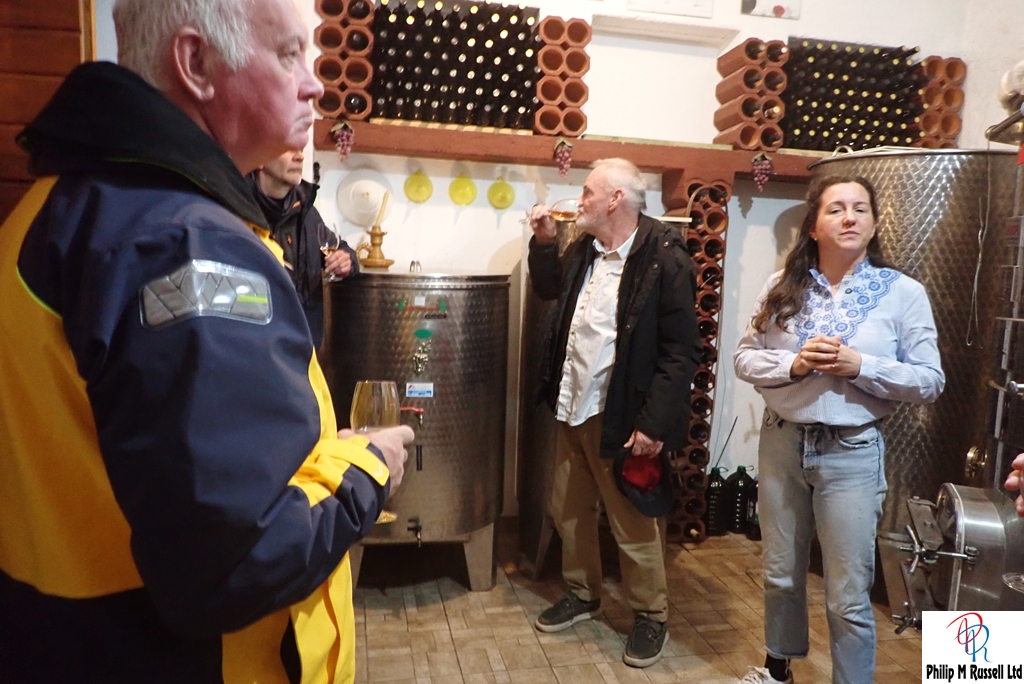
arrived, and after a ten-minute drive, we reached the vineyard. Agroturizam
Kastelanac https://www.agroturizamkastelanac.com/
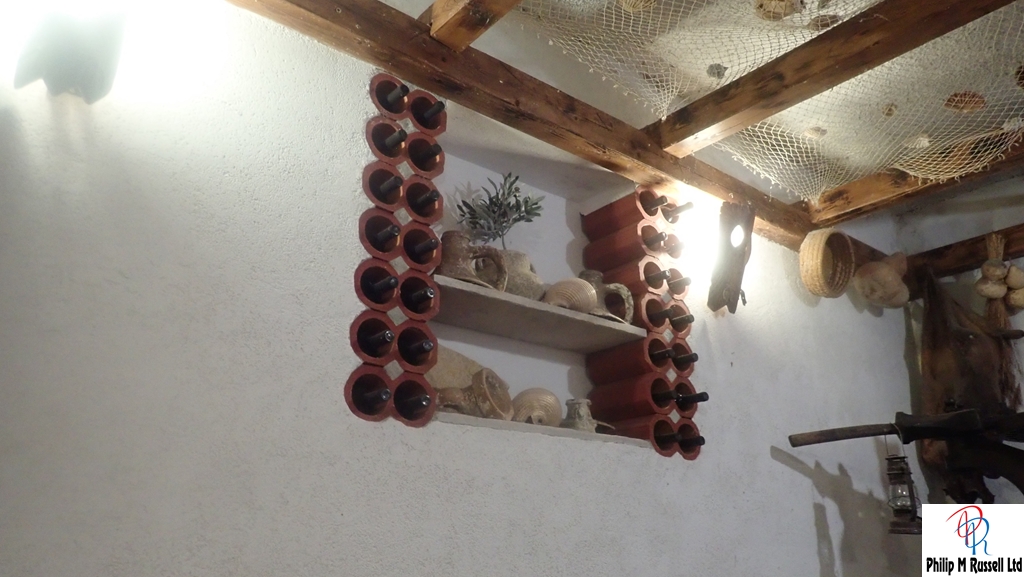
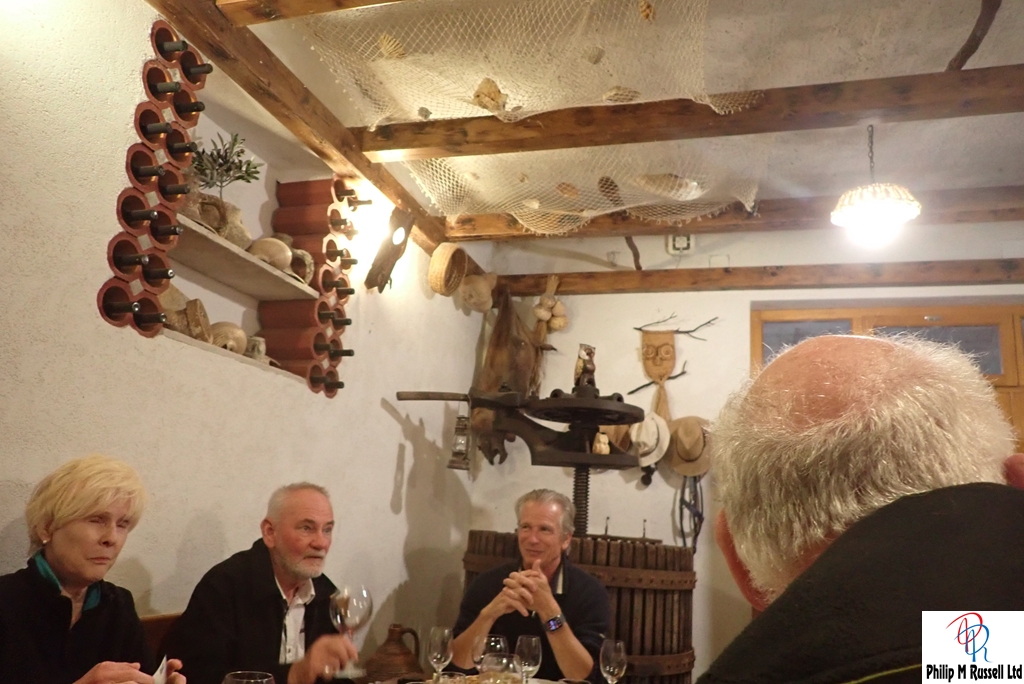
The setting was lovely. After several days of boats, ropes,
winches, fenders and navigation, the vineyard felt very civilised indeed. Ros
and I don’t drink wine, so we had never been to a wine tasting before. This was
a new experience for us.
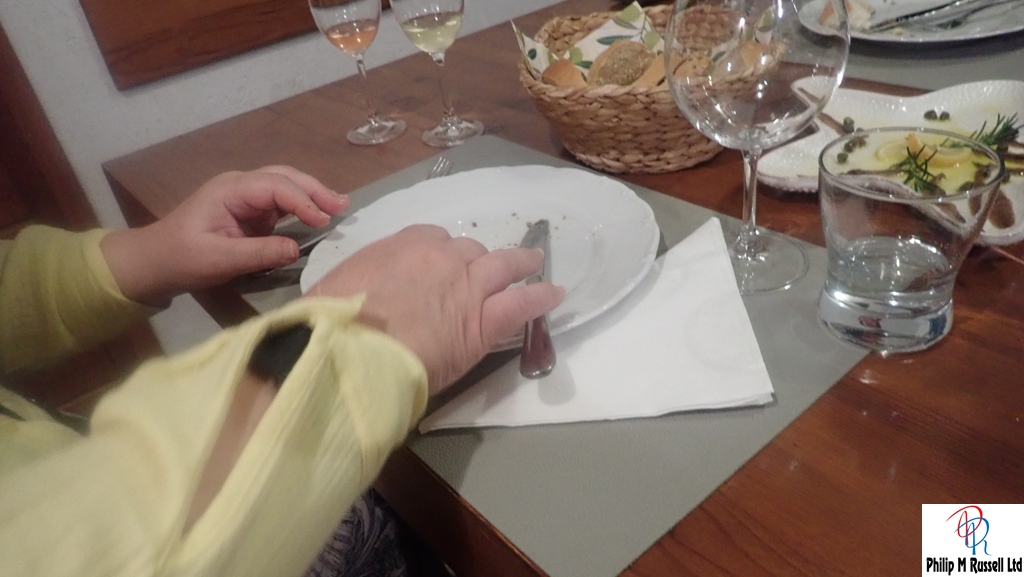
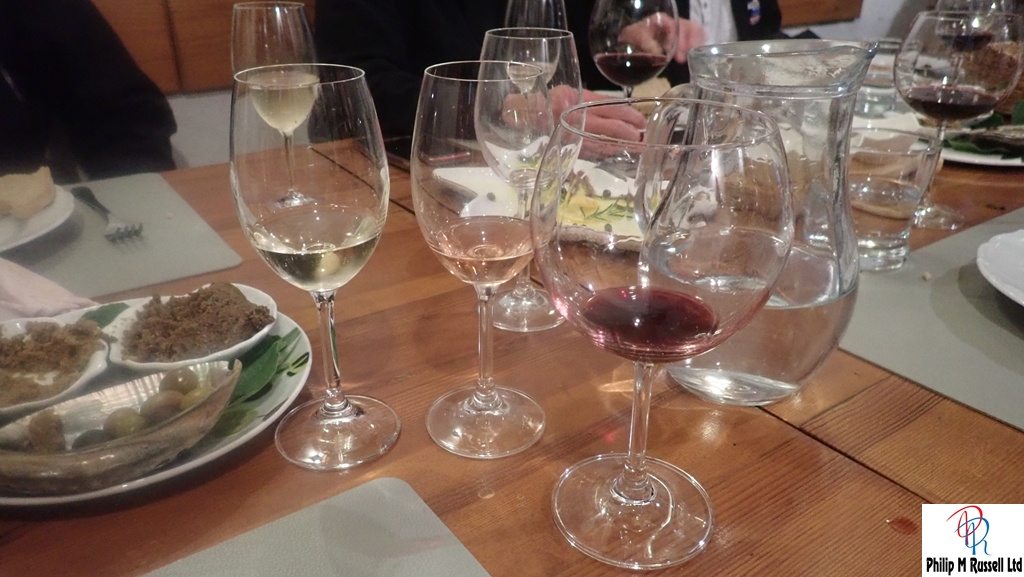
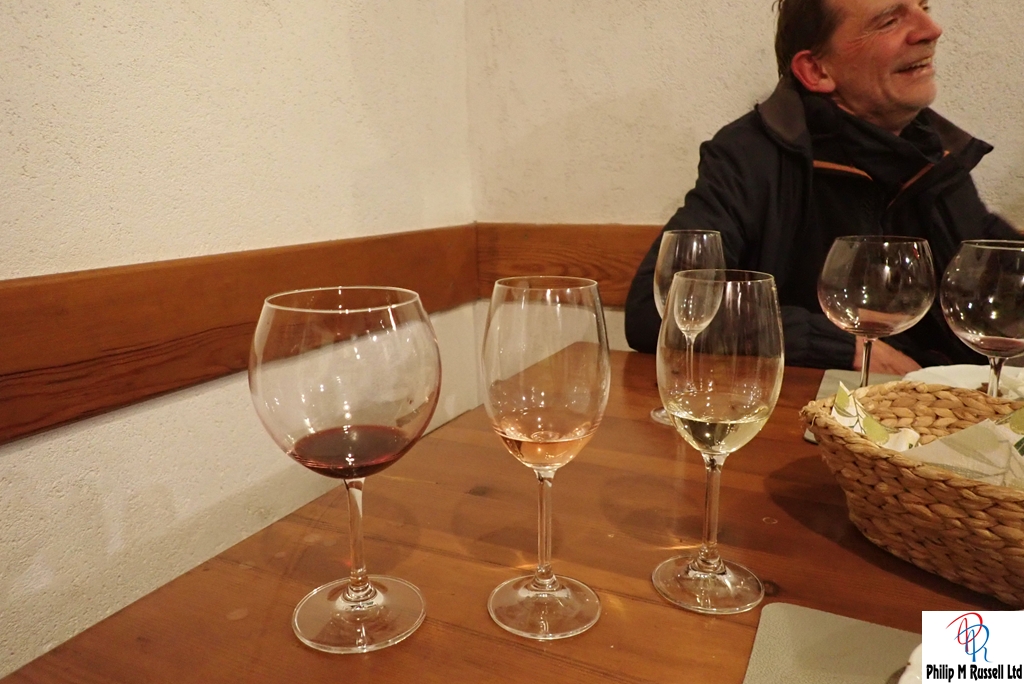
We tasted three wines: rosé, white and red. Ros and I had to
convince the lady running the tasting that we really did only want a taste.
This is not always easy in a vineyard, where “just a taste” can sometimes be
interpreted as “please continue until I forget which boat I arrived on.” By the
last glass, with our other ones still full she got the idea. We looked at the
wine making process and were told about how the climate had changed in the last
20 years since we had been in Croatia before. All the grapes were pressed, fermented
and bottled in the vineyard but not the Olive Oil. White from white pressed
grapes, Rosé from red pressed grapes and Full Red from the whole red grape a,
juice and pulp.
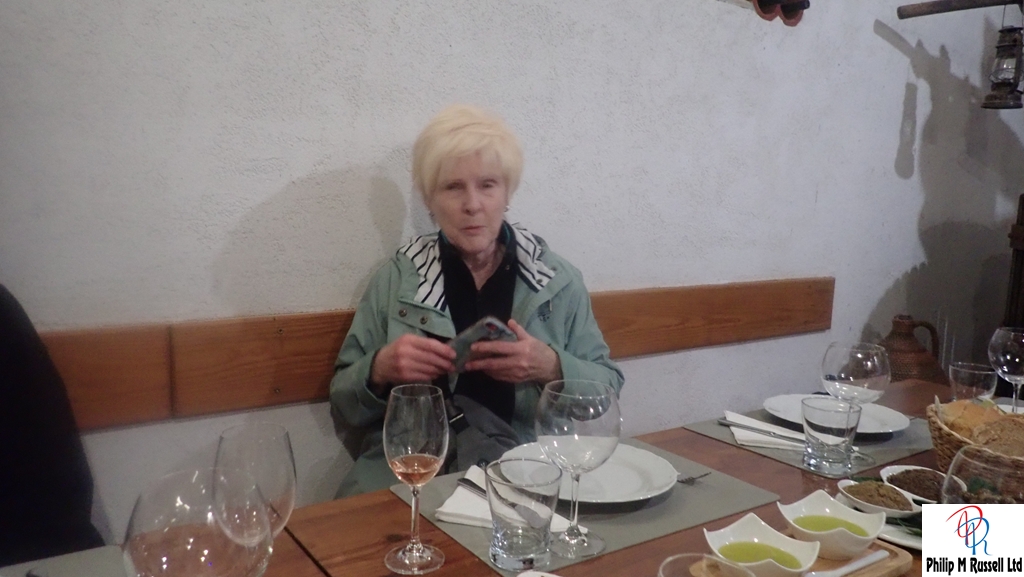
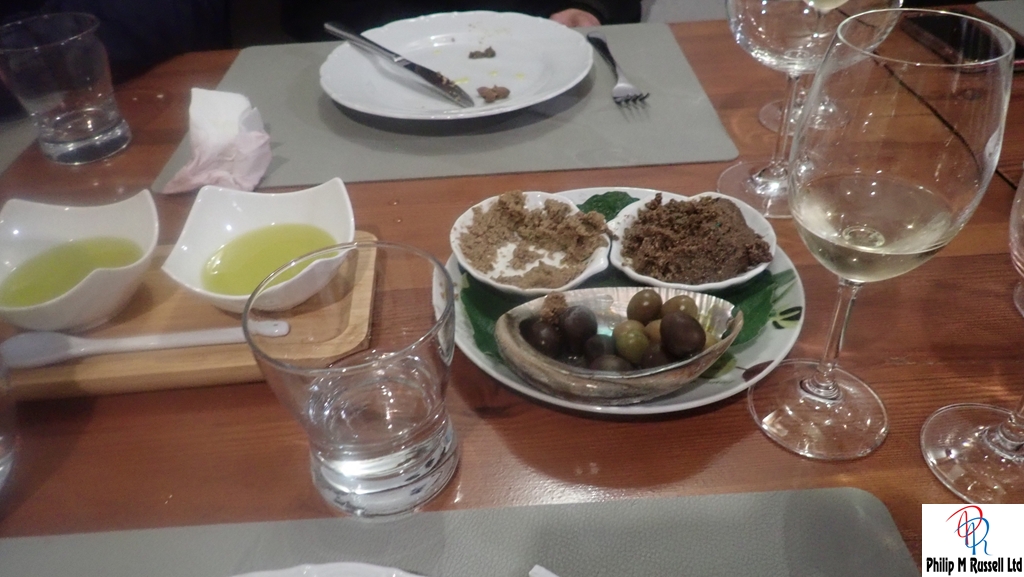
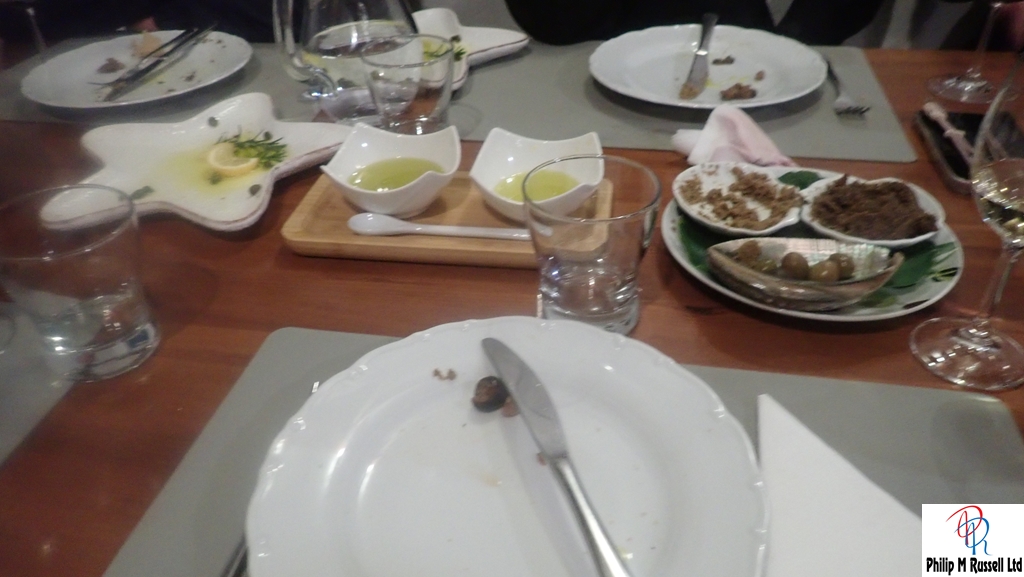
The olive oil tasting was a surprise highlight. It tasted
quite different from much of the extra virgin olive oil we buy in the UK.
Fresher, fuller, and far more interesting, perhaps less peppery.
We also tried crushed olives with olive oil and herbs,
served on bread. The owner’s mother’s secret recipe. It was excellent. Very
simple, but one of those foods that makes you wonder why everything at home
needs so many ingredients and so much packaging. Alas they didn’t sell this but
they did the sell the wine and the Olive Oil. We purchased the Olive Oil. We
discovered the difference between green and black olives – 10 days difference
in harvesting and what extra virgin olive oil really meant.
Fresh bread, olive oil, herbs, olives, sunset and a
vineyard. It was not the worst evening I have ever had especially for 23 Euros
each.
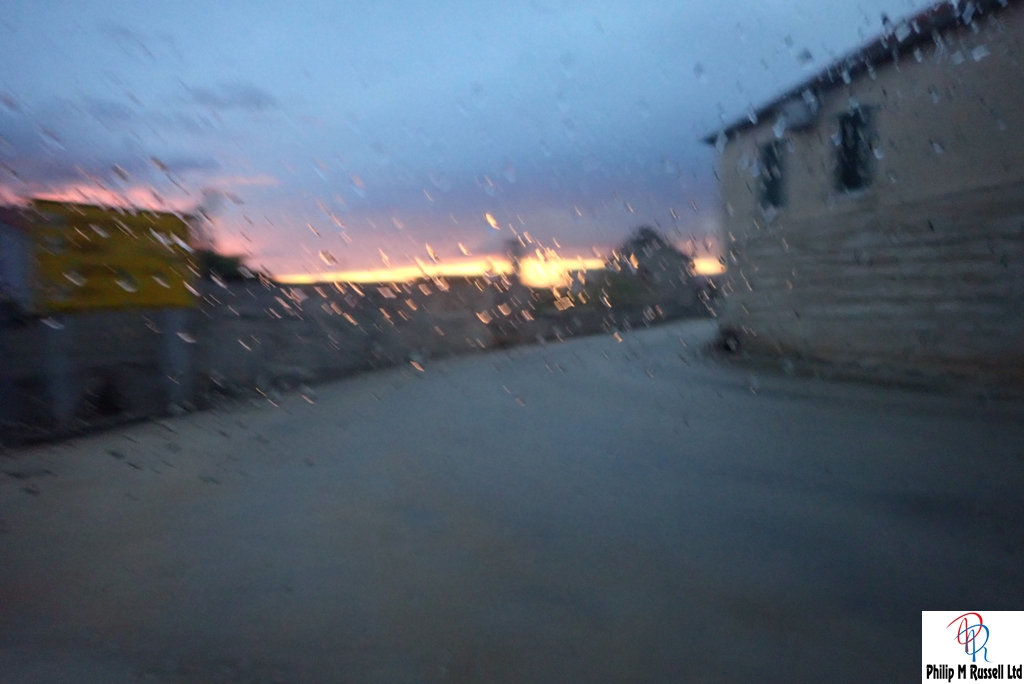
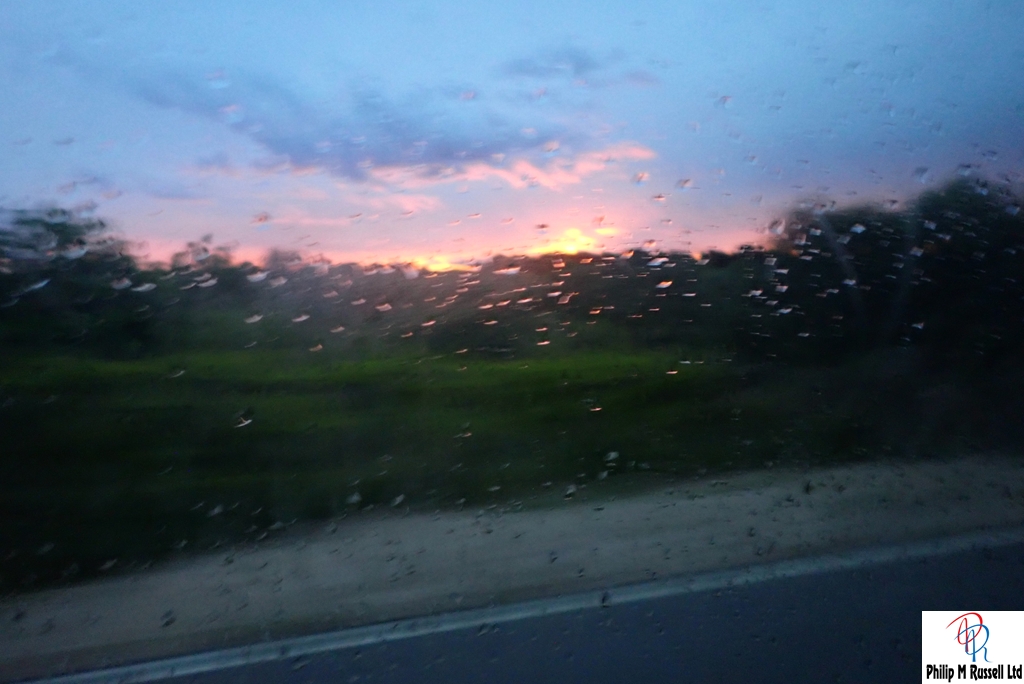
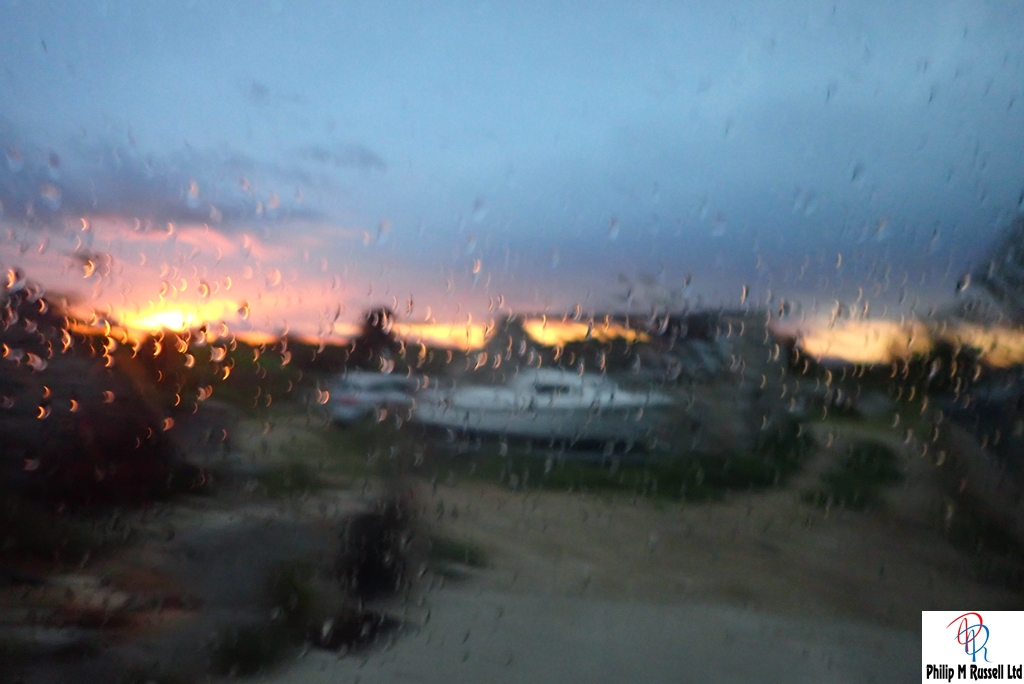
On the way back, with Ros facing the sun, she managed to get a few pictures of the sunset from the speeding cab. Croatia does sunsets very well. The light over the islands and water had that golden, cinematic quality that makes you reach for the camera even when you already have far too much footage to edit.
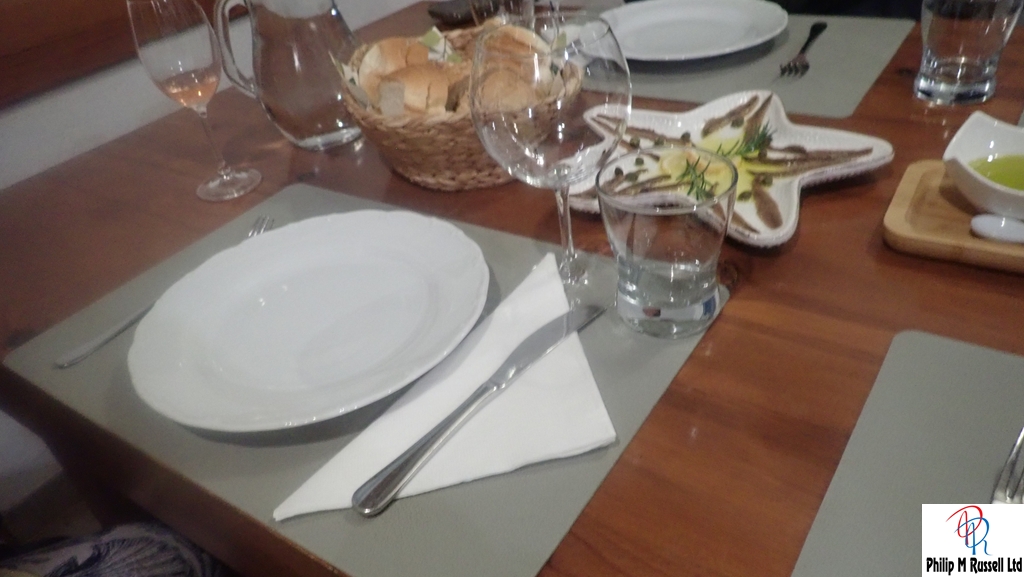
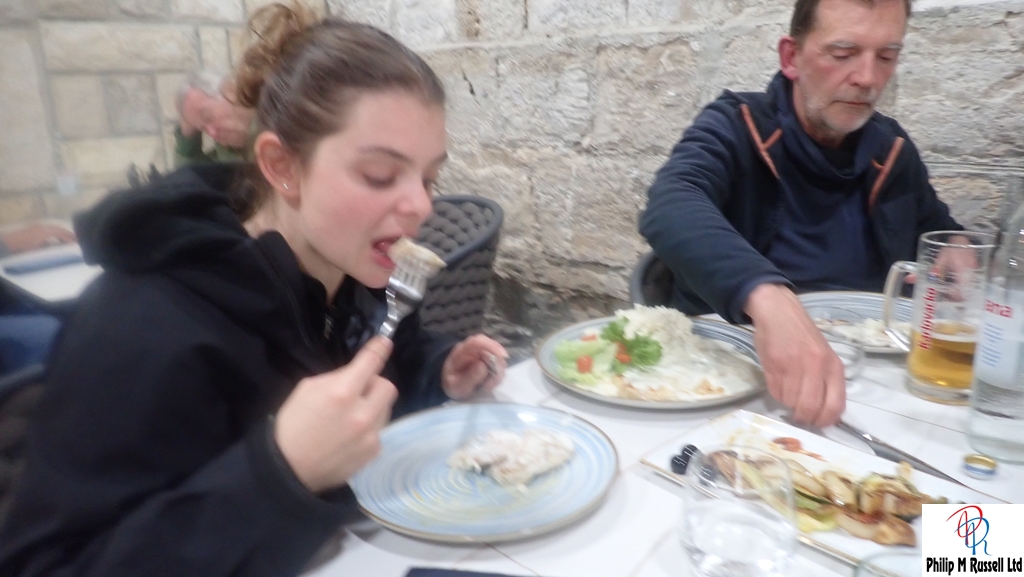
Back in Stomorska, the crew of Papaye returned to their boat
for a cooked meal, whist we visited a restaurant on the other side of the
harbour. So this time it was just the Petra III crew.
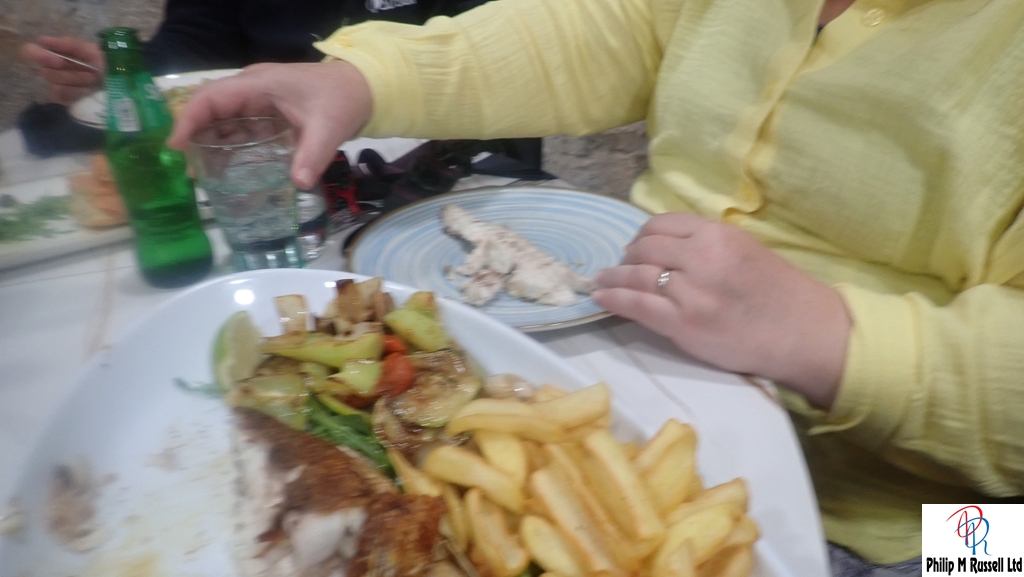
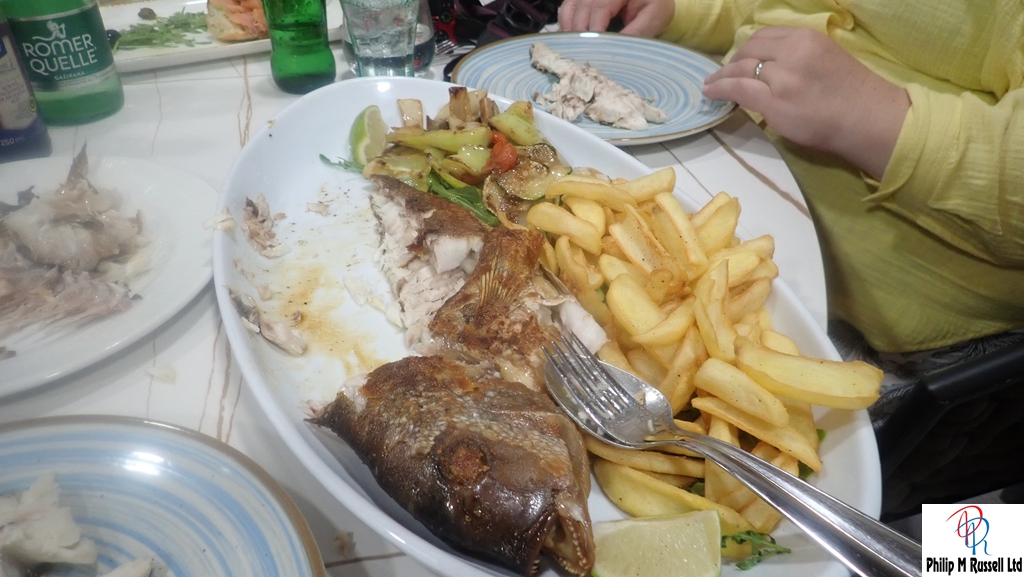
The waiter brought out fresh fish for us to choose from,
which is always impressive and slightly intimidating. Ros and I shared a fish
that had apparently been caught that day. It weighed 1.1 kg, which sounded very
precise, though none of us could confidently identify what it actually was.
Still, it was delicious. The waiter skinned and boned the
fish for us and told us to try the cheek. Halfway through the meal, he returned
opened the cheek and gave us the different tasting meat. This really was
wonderful.
It came with a large quantity of French Fries, which was a
pleasing reminder that however elegant the Mediterranean dining experience
becomes, chips remain a universal solution.
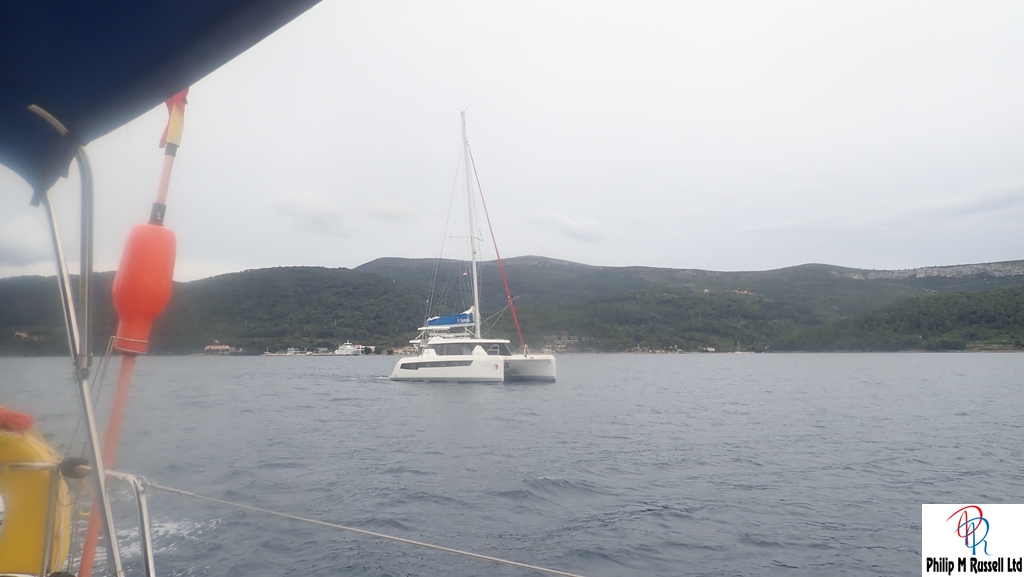
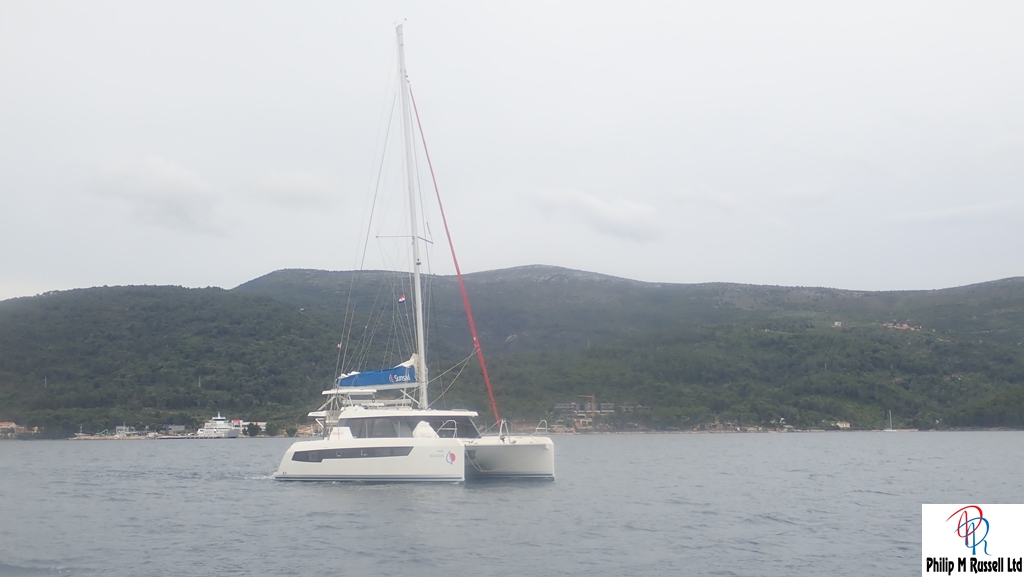
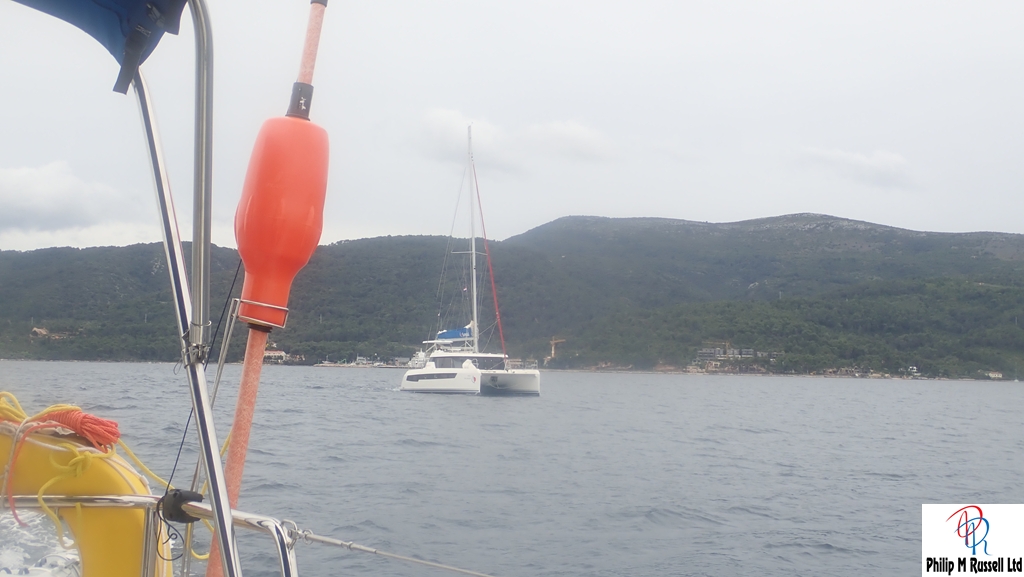
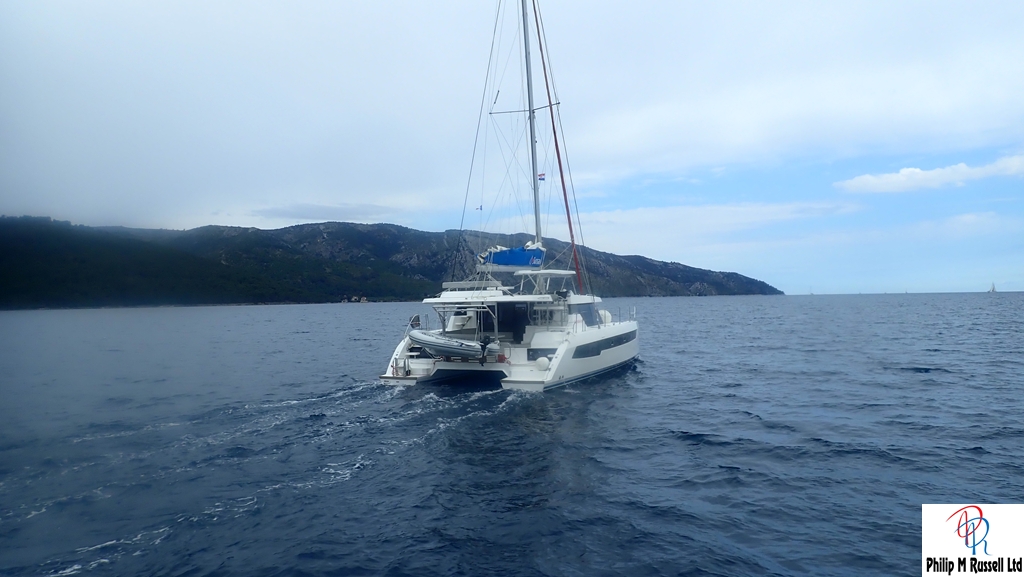
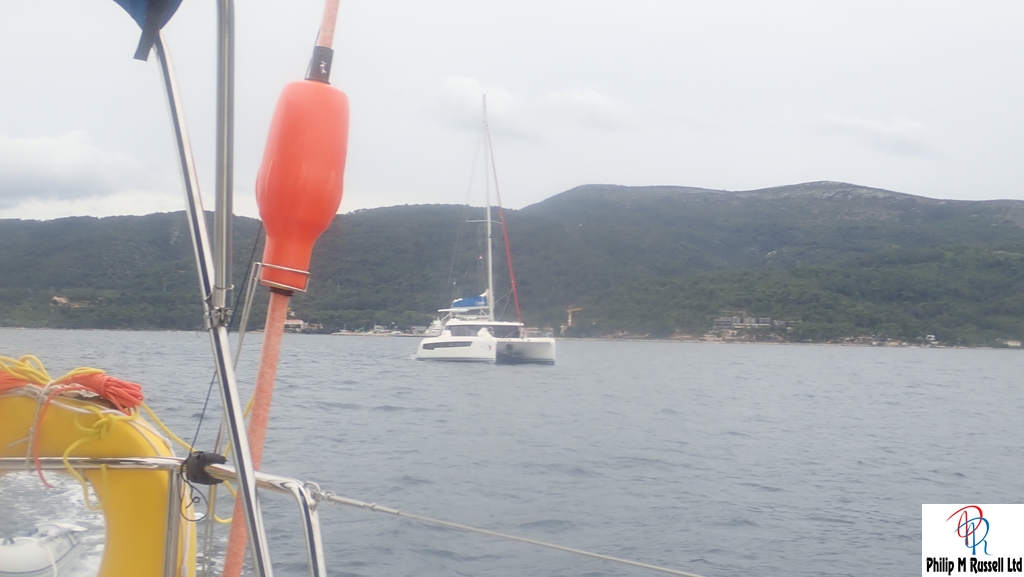
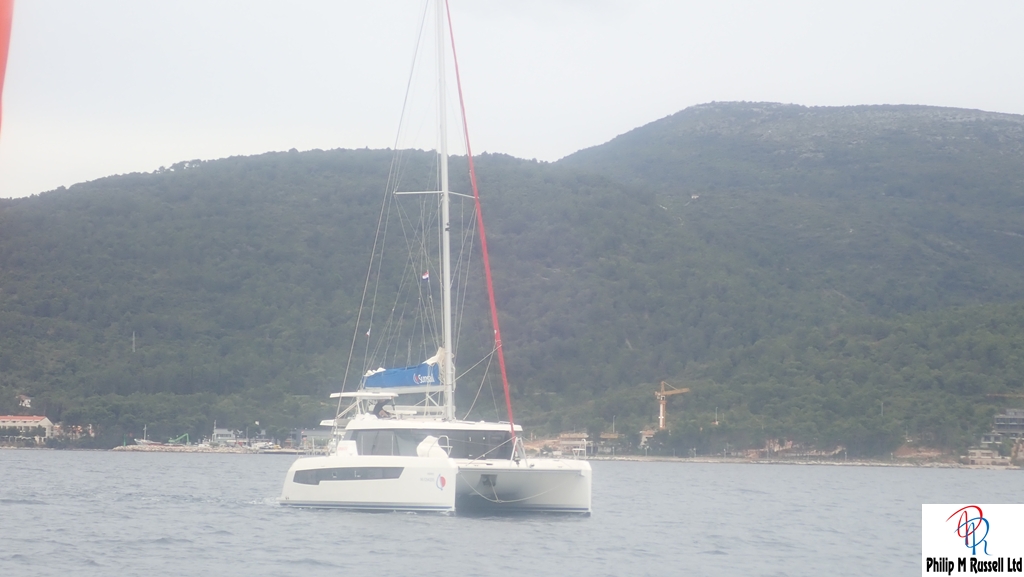
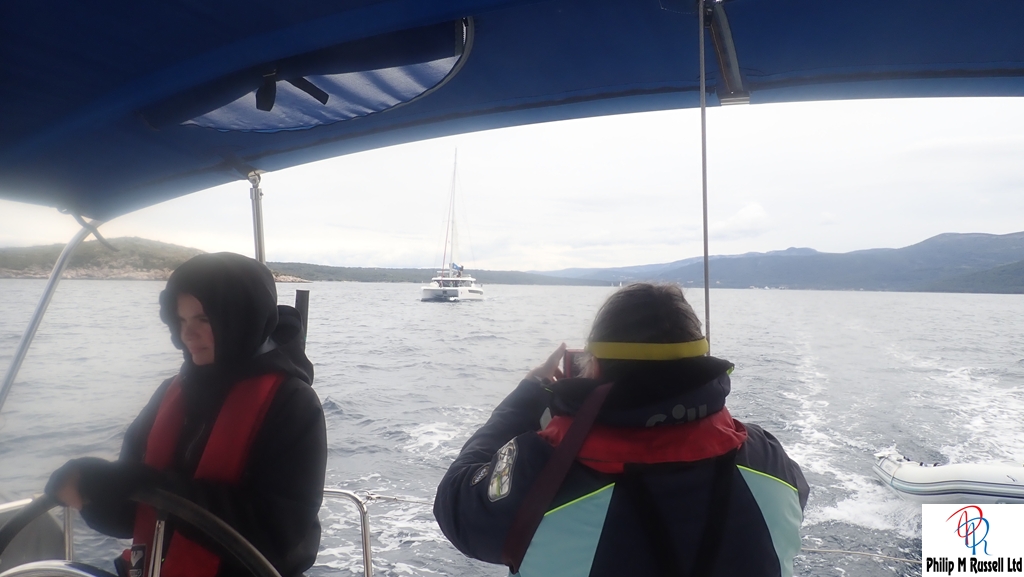
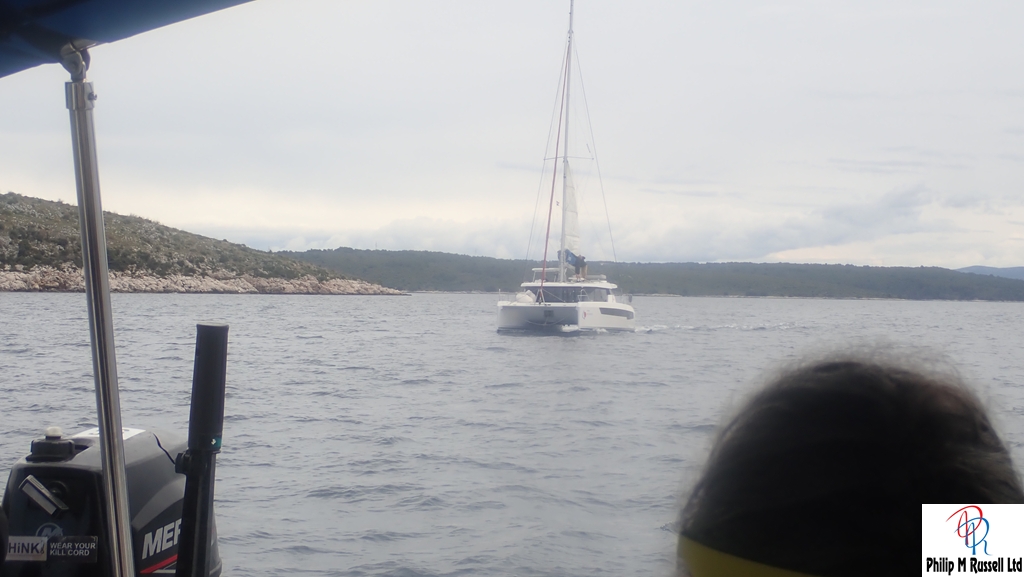
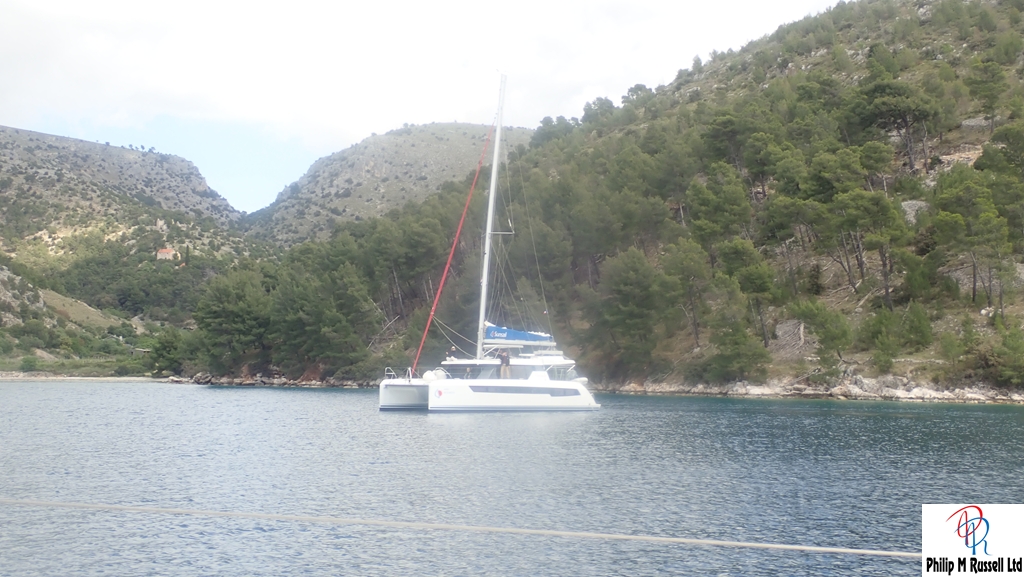
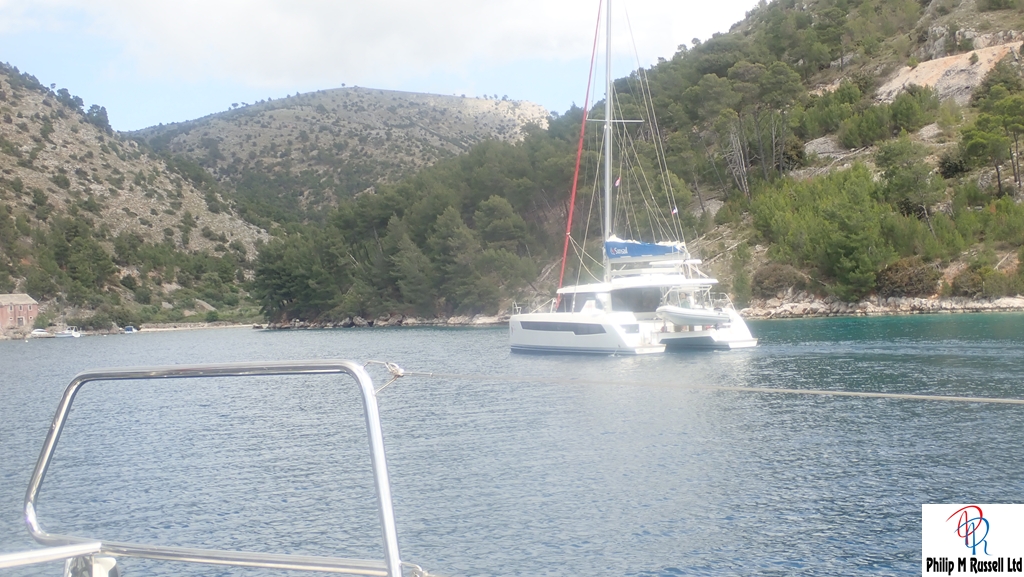
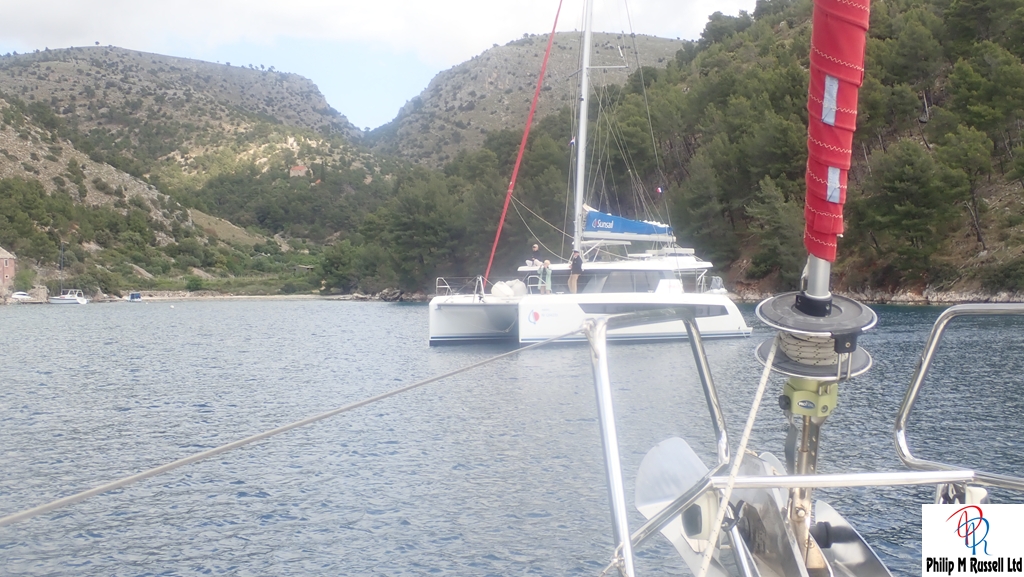
By the end of the day, we had practised berthing, raced a
catamaran, visited a submarine base, measured the boat’s angle of heel, walked
up a hill, tasted wine, discovered proper olive oil, watched the sunset and
eaten fresh fish beside the harbour.
This was supposed to be Day 3 of the RYA Competent Crew
Course.
It was beginning to feel like much more than that.
We were not just learning to sail a yacht. We were learning
how much happens around sailing: the harbours, the people, the food, the
filming, the navigation, the unexpected history, and the small moments that
make a trip memorable.
And, most importantly, I was learning that if an instructor
says, “Go and sit at the bow. There’s a surprise,” it is probably worth taking
a camera. I’m glad I did.