admin Date , June 28, 2026 Sailing Previous Blog Try a boat Comments (0)
Sprint racing always sounds simple.
Short races. Quick starts. Fast laps. Lots of chances to improve. In theory, it should be the perfect format for learning because each race gives you another opportunity to get the start right, sail a better course, tack more smoothly, gybe more confidently and maybe, just maybe, not finish last.
In practice, sprint racing in a dinghy on the Thames can feel rather different.
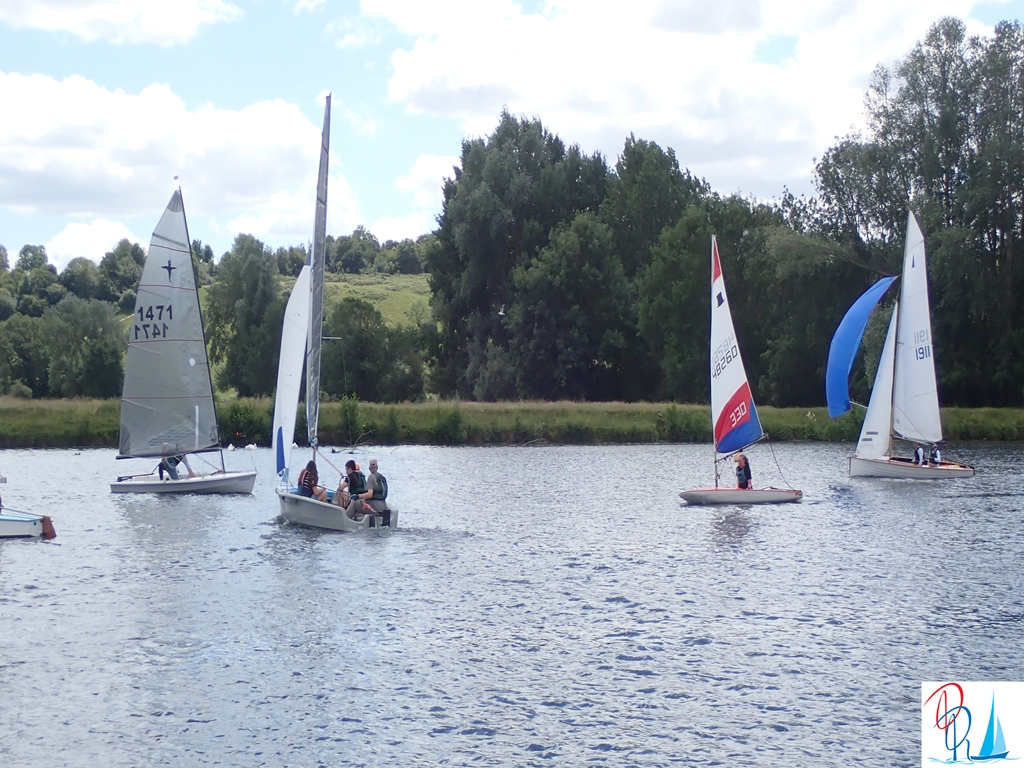
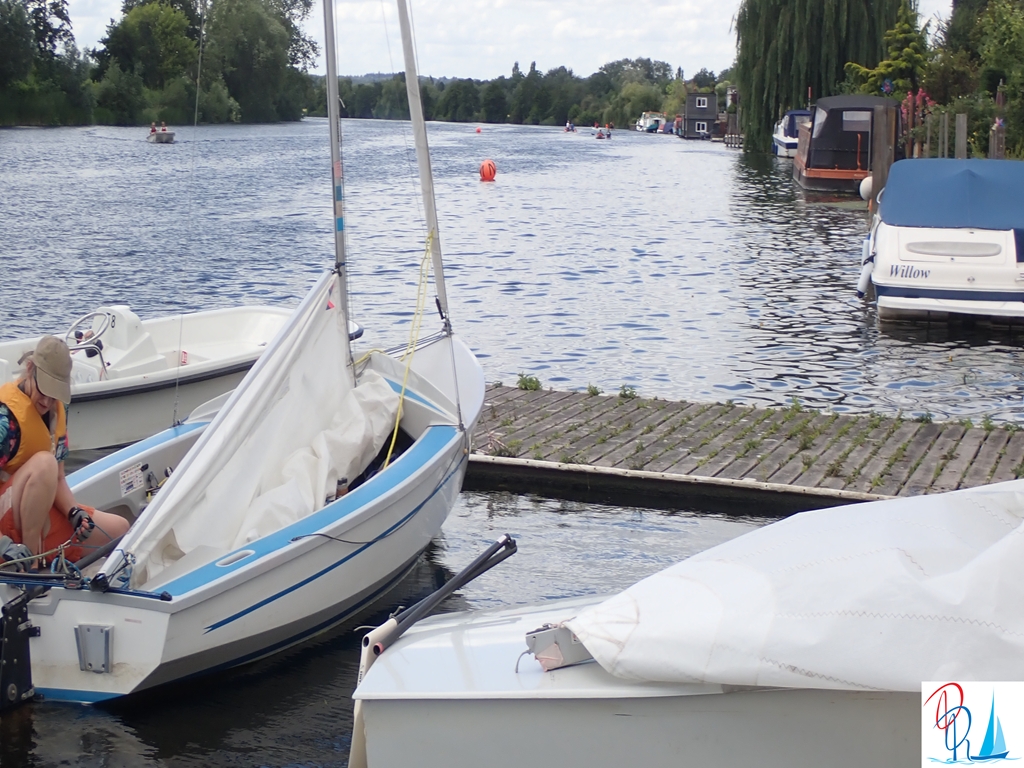
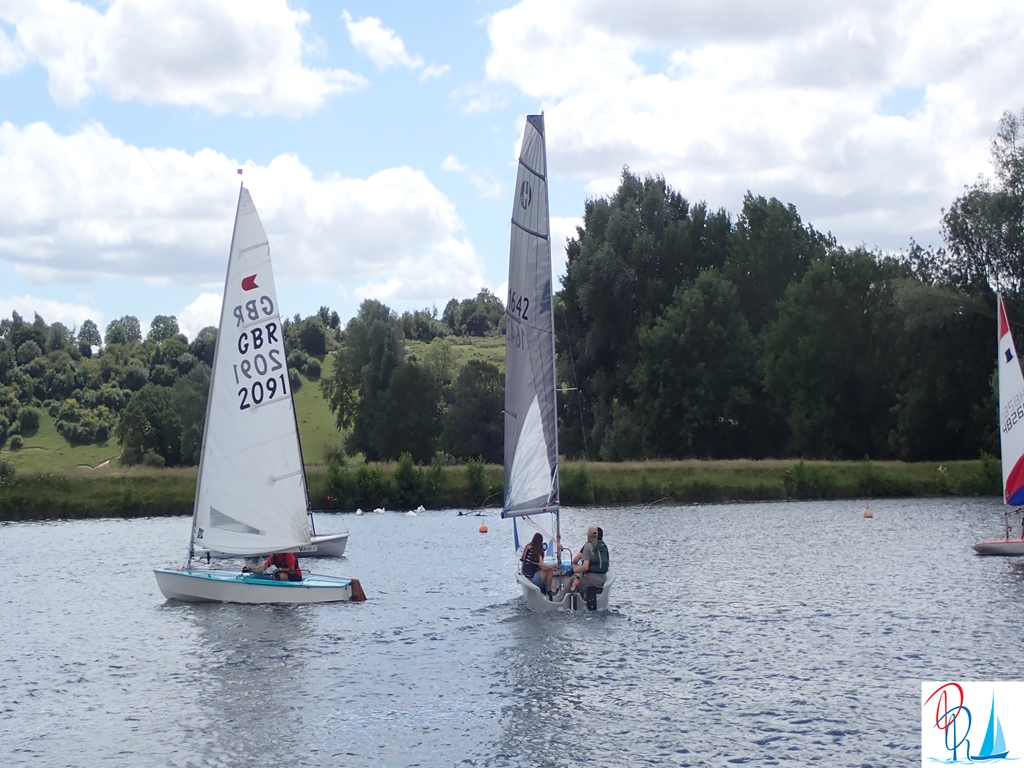
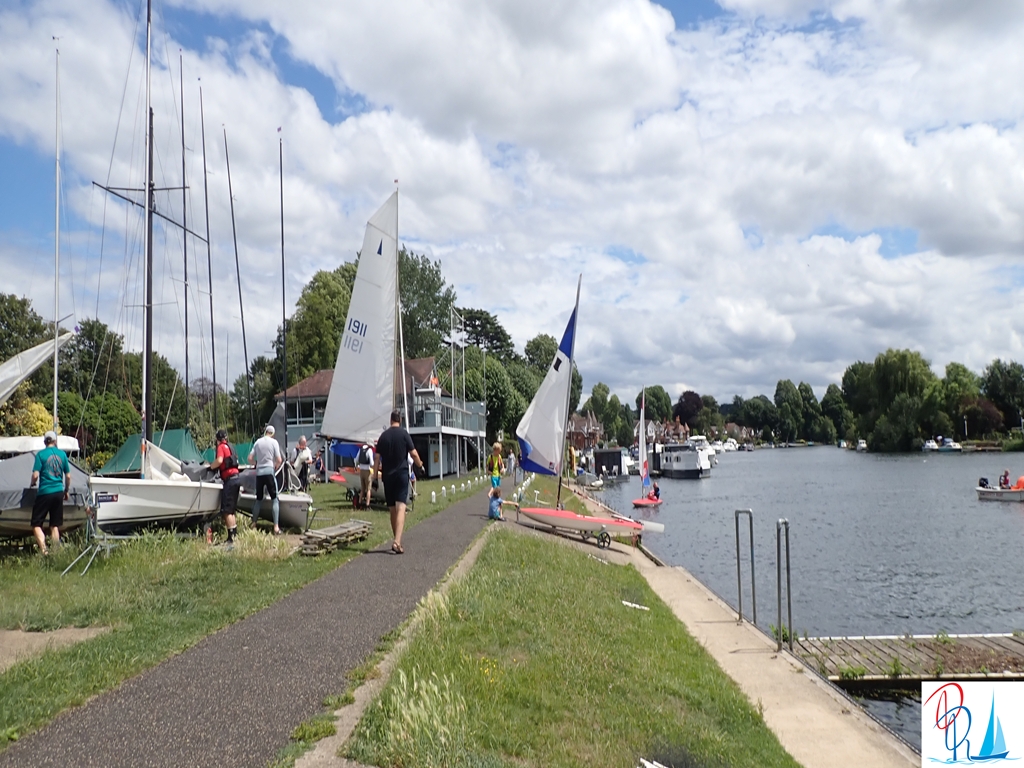
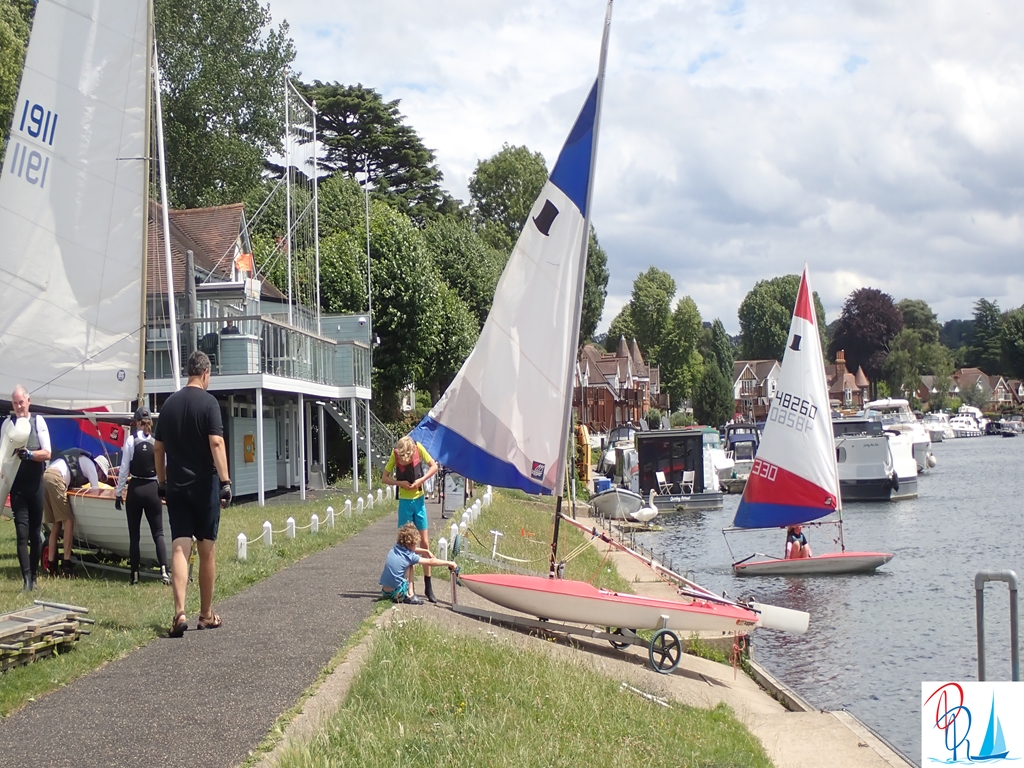
This week the club had a very good turnout, which is always encouraging. There is something very positive about seeing a busy boat park, sails going up, people chatting, crews preparing boats, safety cover ready and a proper fleet heading out onto the water. It gives the afternoon a sense of purpose. This is not just pottering about; this is club racing.
The wind, however, had ideas of its own.
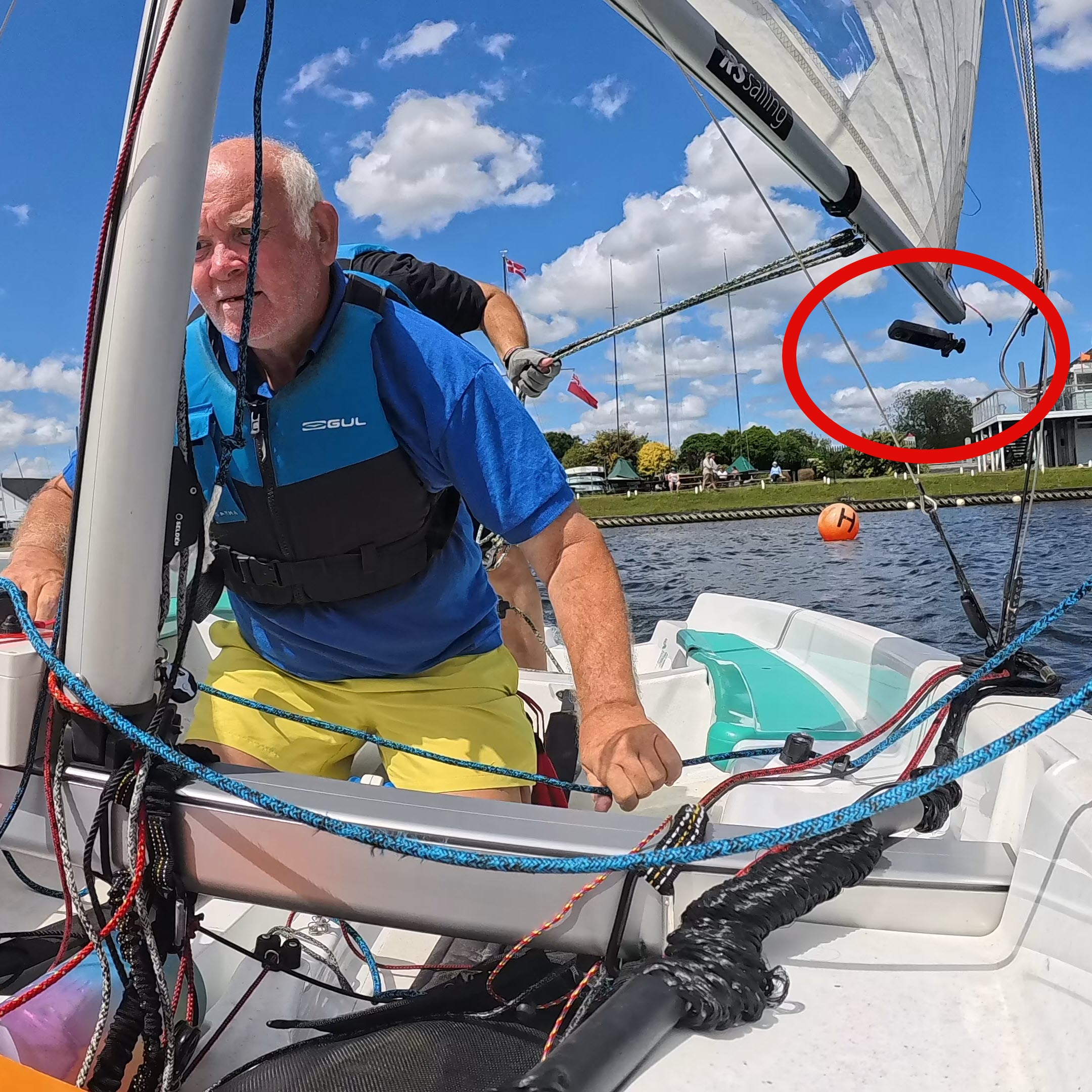
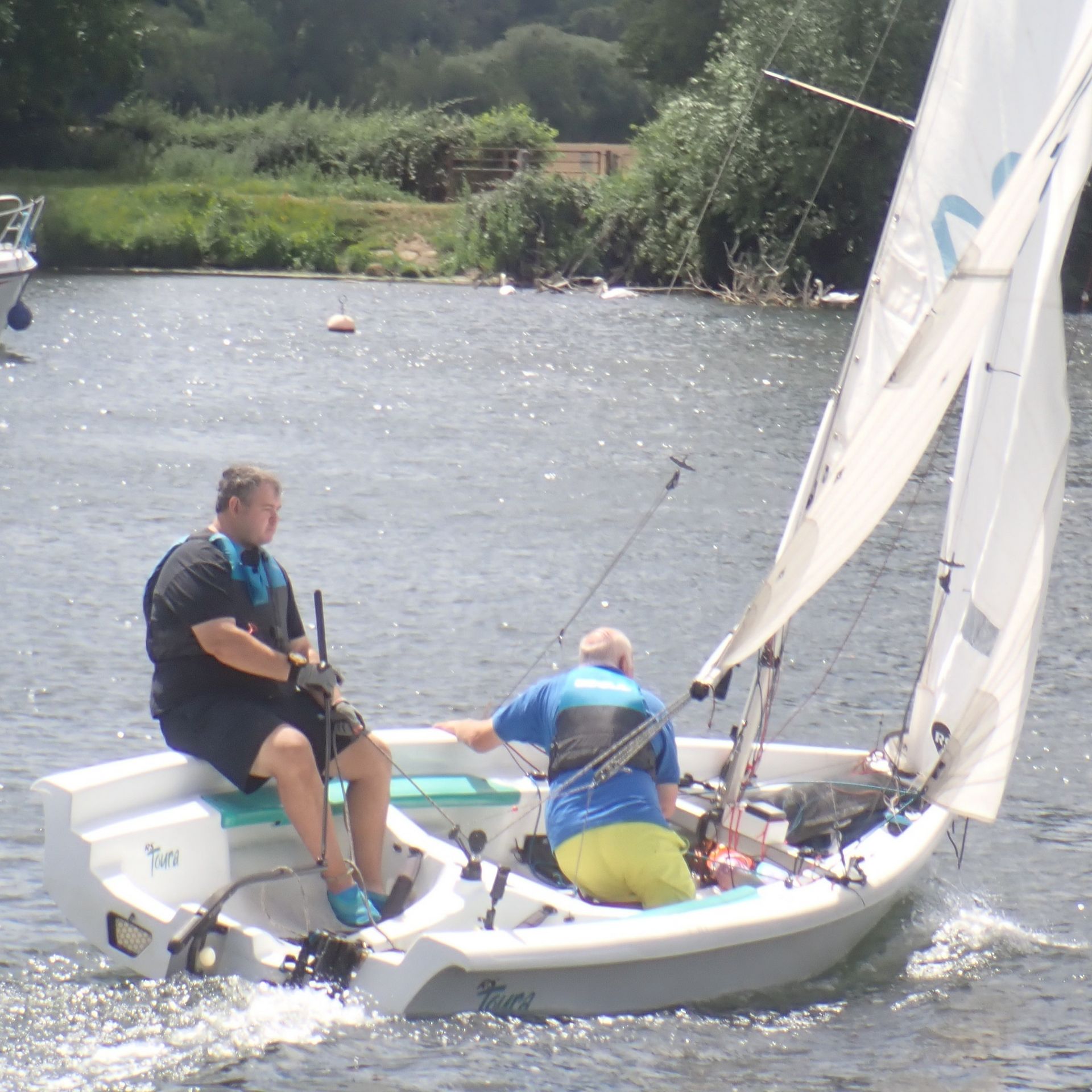
The forecast and the conditions on the water were in that awkward category that sailors describe as “moderate”, but which can become exciting very quickly. The base wind was around 10 mph, but the gusts were reaching 25 to 26 mph. That is a big difference. One moment the boat feels manageable and steady; the next moment a gust arrives, the sail loads up, the boat heels, the helm has to react, and the crew suddenly becomes very aware that sailing is not a passive activity.
For experienced sailors, this is part of the fun. For those of us still climbing the learning curve, it is a very sharp reminder that dinghy sailing is about reaction, balance, preparation and respect for the conditions.
One of the best things about club racing is the mixture of seriousness and friendliness.
People want to race properly. They want a good start, clean mark roundings, sensible tactics and fair competition. At the same time, everyone understands that club sailing is also where people learn. There are experienced racers, improving sailors, juniors, returners, families and people like us who are still working out how to turn theory into something that looks competent on the water.
The sprint race format adds to the atmosphere because everything happens quickly. There is less time to settle into a long race. You have to get organised, concentrate, start, sail the course, finish, reset and do it again.
That is excellent practice, but it also exposes every weakness.
If your start is poor, there is not much race left to recover. If your tack is slow, the fleet has moved on. If you hesitate at the mark, others are already away. If you are not quite ready for the next gust, the boat tells you about it immediately
For us, the result was familiar.
Last place.
Again.
But last place is not necessarily failure. At this stage, last place can still be progress, provided we are learning something each time we go out.