admin June 18 2026 Sailing Previous Lesson Comments (0)
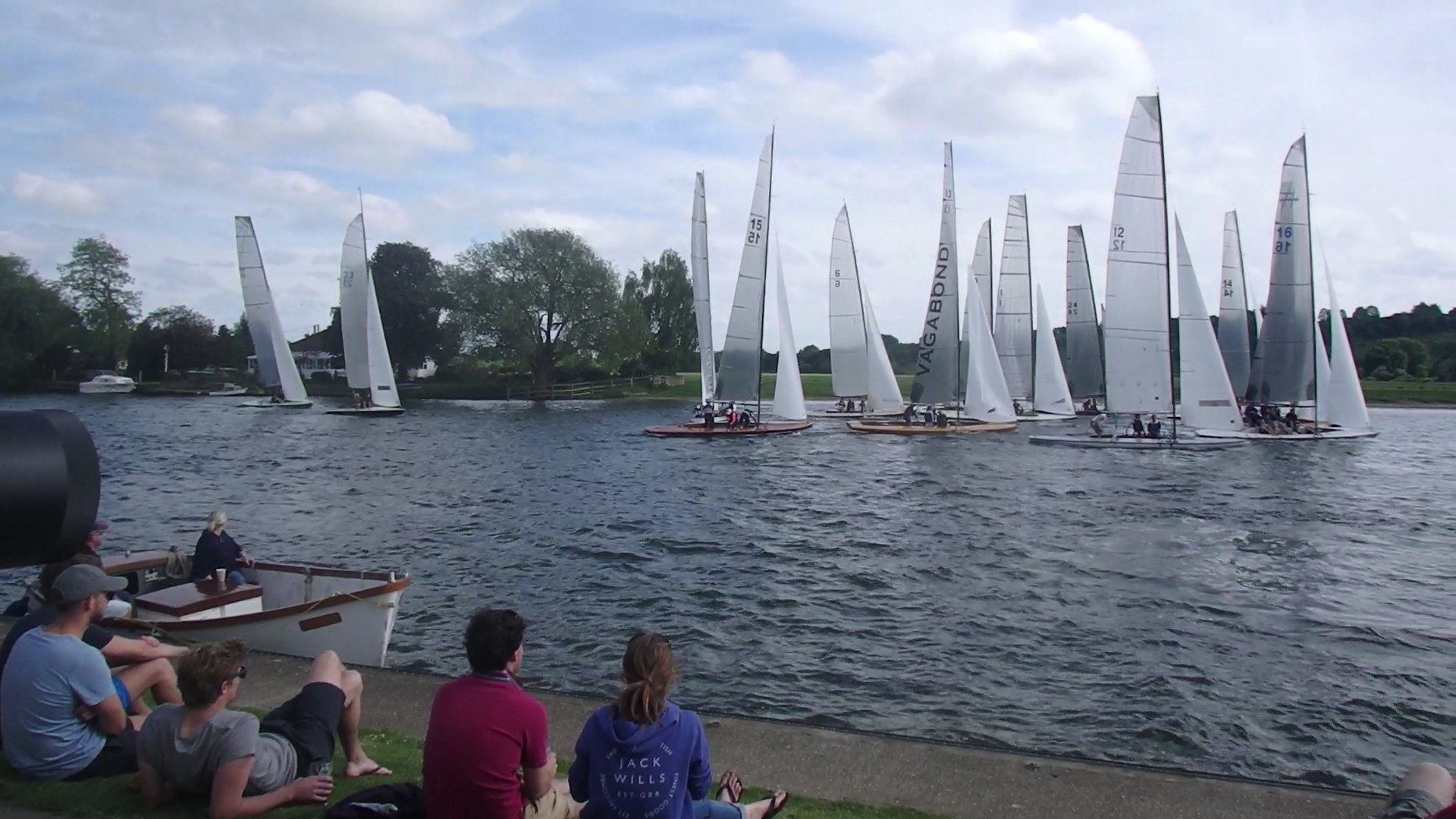
Now we come to the thoroughbred: the Thames A-Rater.
These boats are not just racing dinghies. They are living history. They are spectacular, powerful, beautiful and slightly outrageous in the best possible way.
They are also not beginner boats.
A Thames A-Rater needs skill, teamwork and confidence. With a tall rig, large sail area and a crew of three, it is not the sort of boat where someone should simply be thrown in and told, “You’ll pick it up as you go along.
”Although, to be fair, that is probably how quite a lot of sailing has traditionally worked.
If clubs want to keep A-Rater racing alive, they need people. They need crews. They need helms. They need younger sailors, adult beginners, experienced dinghy sailors and practical people who are willing to learn.
The boats themselves may be historic, but the crew pipeline has to be deliberately created.
Clubs like Upper Thames Sailing Club and Thames Sailing Club could create their own A-Rater progression route. It would not need to replace RYA training. It would sit on top of it.
A possible pathway might look like this:
The sailor completes RYA Level 1 and Level 2, or reaches an equivalent standard through club training.
They can steer, tack, gybe, stop, launch, recover and understand basic safety.
The sailor spends time in a boat such as a Toura, Wayfarer, Feva, Merlin or National 12.They learn crewing, helming, communication, balance and sail handling.
The sailor joins supported club races, perhaps with an experienced helm or crew.
They learn starts, marks, right of way, course boards and how racing works on the river.
The sailor learns the local conditions: wind shadows, stream, short tacking, moorings, landing areas and the particular behaviour of the club reach.This is especially important on the Thames.
The sailor is introduced to spinnakers, performance boats, race tactics and more advanced boat handling.
This stage builds confidence and awareness.
Before sailing an A-Rater, the sailor has a shore-based introduction.This could include:
Parts of the boat
Rig layout
Crew roles
Safety considerations
Launching and recovery
How the boat differs from a normal dinghy
What to do in a gust
What not to touch unless asked
That last one may be particularly important.
The sailor joins an experienced crew in suitable conditions.
The aim is not racing glory. The aim is familiarity.
They learn where to sit, when to move, what to watch, how commands are given and how the boat feels.
The sailor becomes part of a crew pool.
They sail regularly, gradually take on more responsibility, and perhaps move between boats to learn different approaches.
Those who want to go further can learn more technical rig control, race strategy and eventually helming.
Not everyone needs to helm an A-Rater. Good crews are just as essential.
The RYA system is excellent for nationally recognised training. It gives structure, safety and consistency.
But each club has its own boats, water, traditions and racing culture.
That means clubs should not be afraid to create their own internal courses.
Not necessarily formal certificates. Not bureaucratic paperwork. Just clear pathways.
For example:
“First Race Evening”
“Toura to Racing”
“Introduction to Double-Handers”
“Spinnaker Confidence”
“River Racing Skills”
“A-Rater Crew Introduction”
“Classic Boat Handling”
“From Crew to Helm”
“Safety Boat Support for Racing”
“Understanding Club Race Duties”
These courses could be short, friendly and practical. They could run on summer evenings or quiet weekends. They could be led by experienced club sailors, instructors, race officers and boat owners.
The point is to make progress visible.
People stay in clubs when they feel they belong.They stay when they know what to do next.A new sailor who does Level 2 and then sees no obvious route may drift away. A new sailor who is invited to a supported race, then a Toura session, then a spinnaker evening, then a crewing opportunity, is much more likely to become part of the club.
Progression builds confidence, but it also builds relationships.
That is how clubs survive.
Not just through boats.
Not just through buildings.
Not just through racing calendars.
But through people being helped from one stage to the next.
It is easy to admire a Thames A-Rater from the bank.It is harder to create the next generation of people who can sail one.If we want these boats to remain part of the living river, not just photographs in a clubhouse or memories from past regattas, we need progression.We need beginners.
We need improvers.
We need crews.
We need helms.
We need patient mentors.
We need boat owners willing to invite people aboard.
We need clubs willing to make the route clear.
The journey from a first boat to an A-Rater may seem enormous, but it does not have to happen in one leap.
It happens one tack at a time.
First, you learn where to sit.
Then you learn how to steer.
Then you learn how to tack.
Then you learn how to race.
Then you learn how to crew.
Then one day someone says, “Would you like to come out in the A-Rater?
”And that may be the moment a sailor becomes part of a tradition much bigger than themselves.
Sailing clubs should not simply hope that new sailors will somehow find their way from beginner courses into racing fleets and historic classes.
Some will. Many will not.
A better answer is to build a ladder.
Use the RYA courses as the foundation. Add club-specific training on top. Teach the local water. Create supported racing. Offer crewing opportunities. Introduce performance boats carefully. Make the spinnaker less frightening. Let people experience boats they might never otherwise dare to approach.
And above all, create a pathway into the boats that define the club’s character.
For Thames river clubs, that must include the Thames A-Rater.
Because traditions do not stay alive because they are old.
They stay alive because new people are invited in.