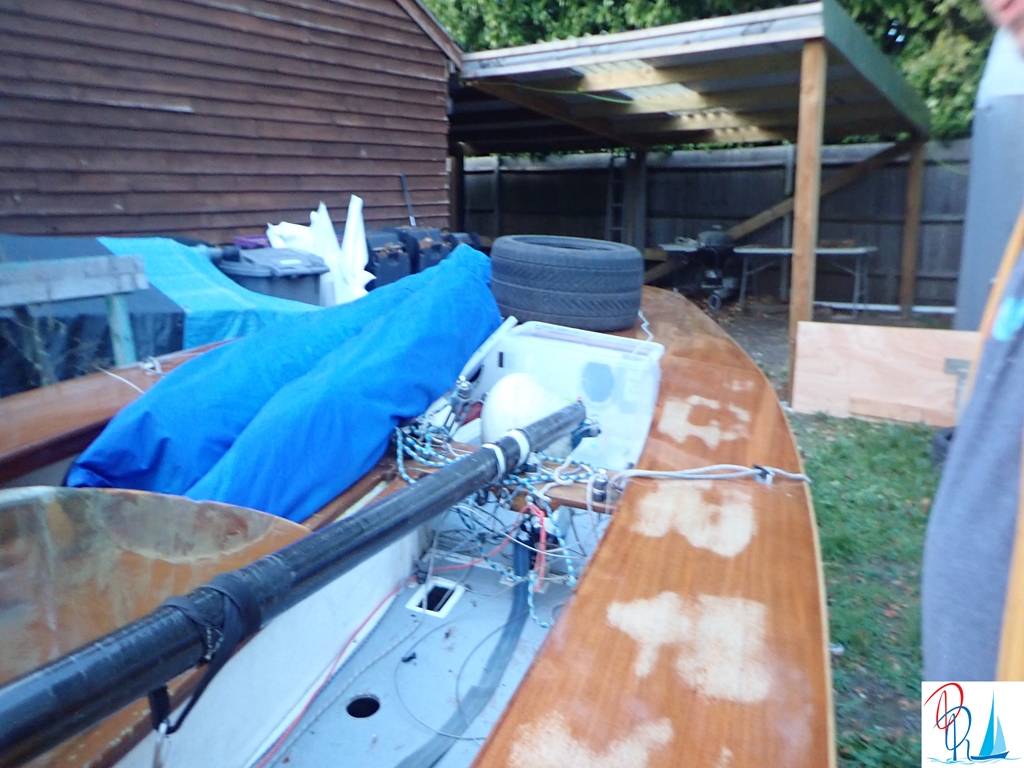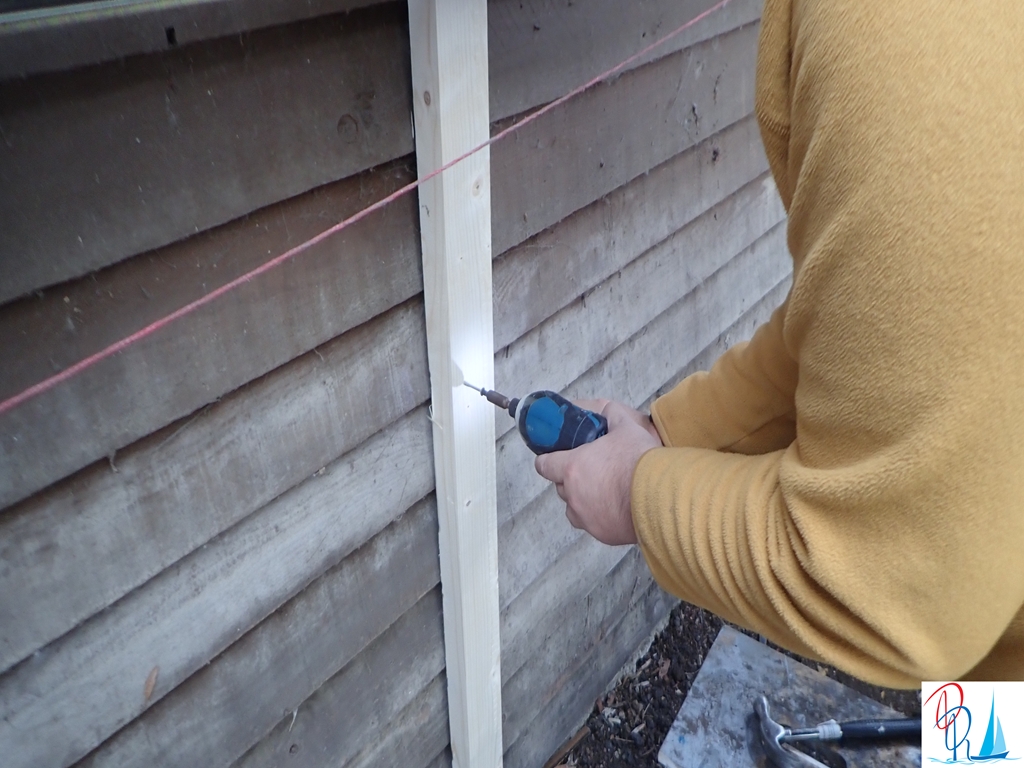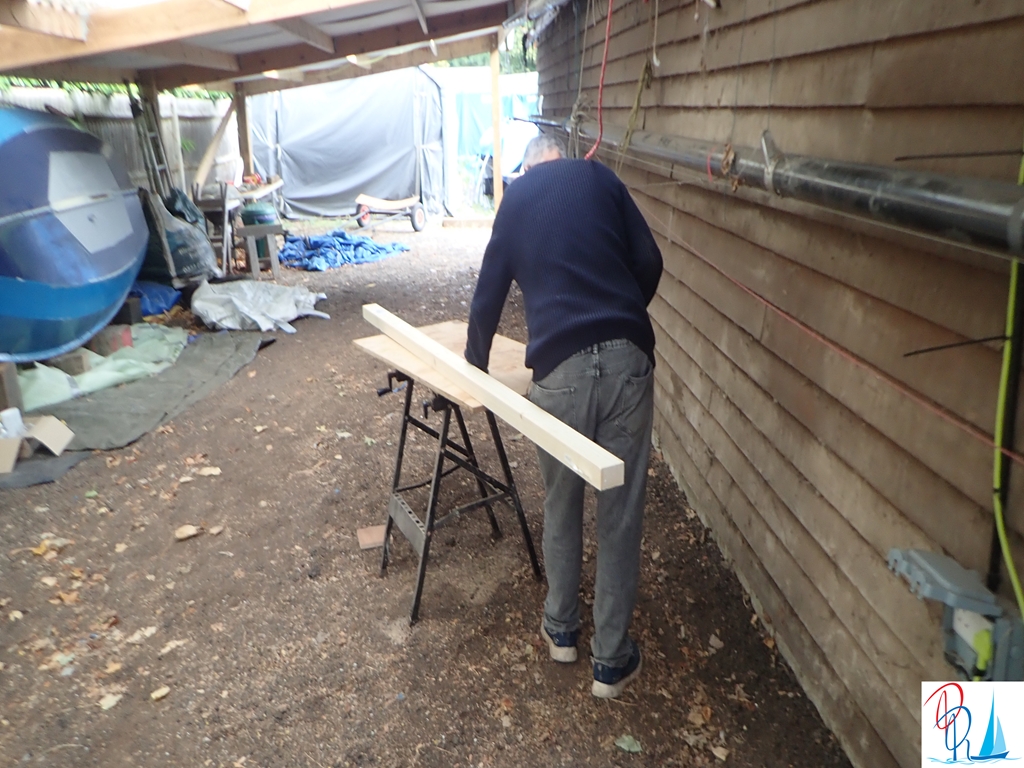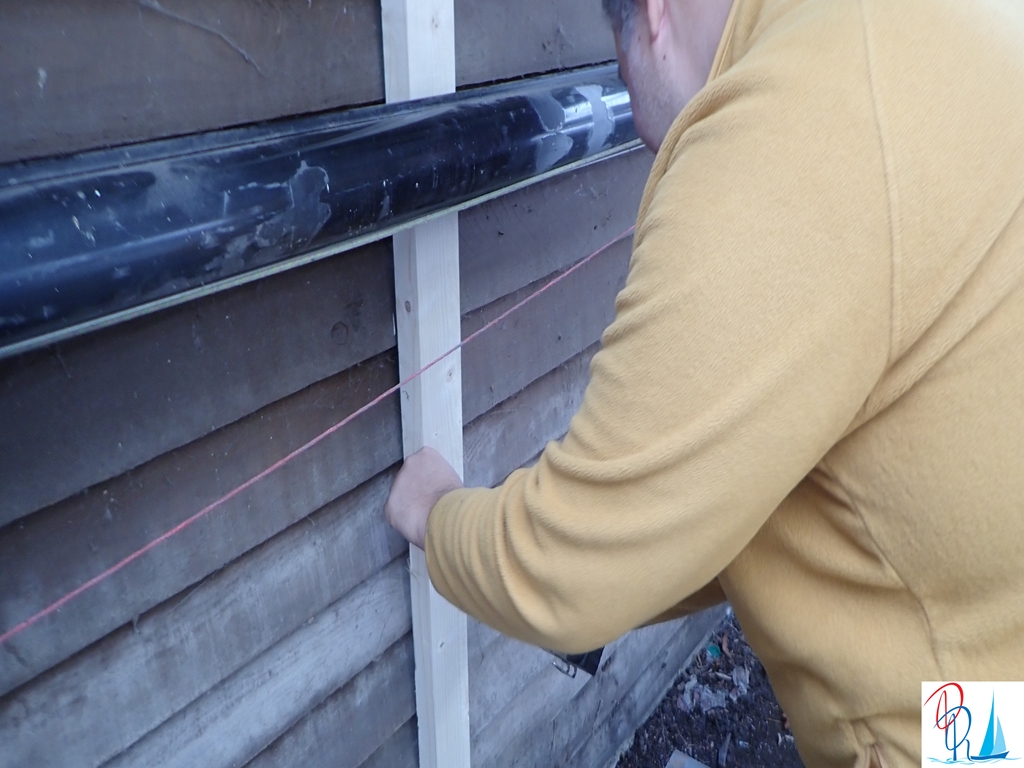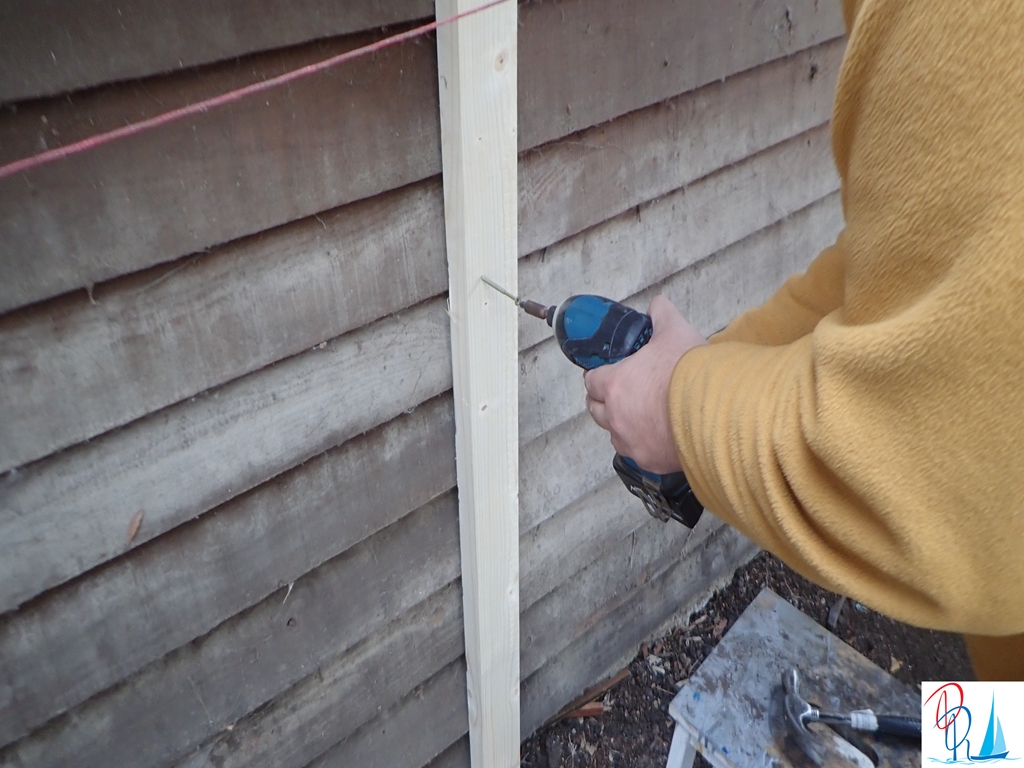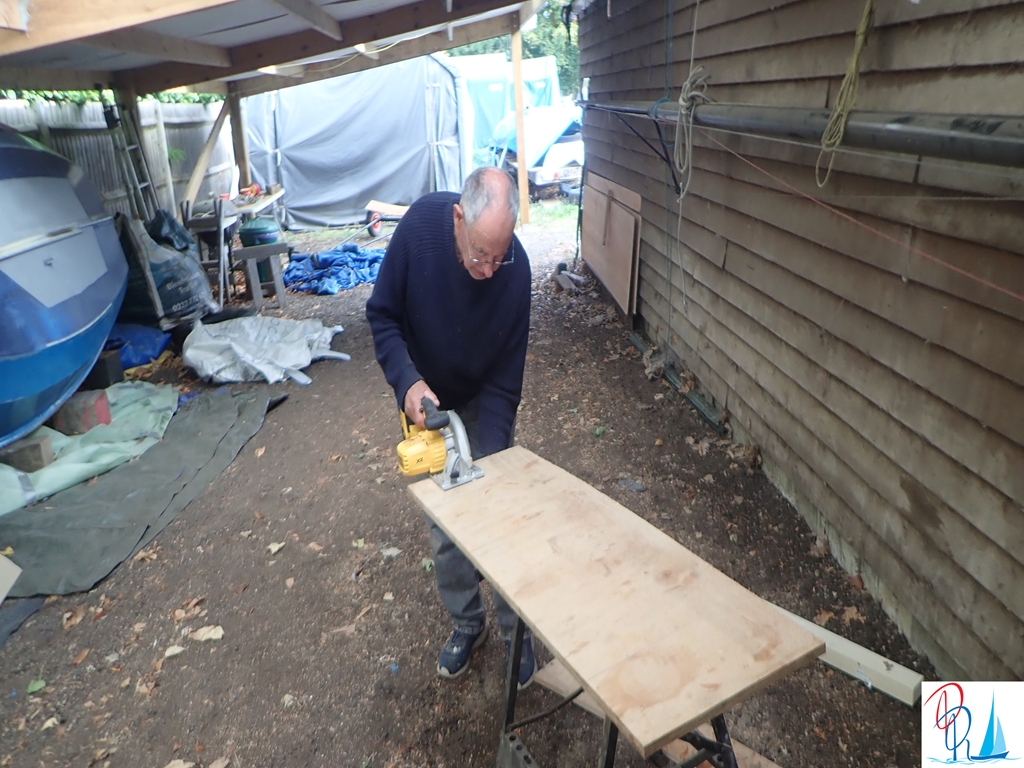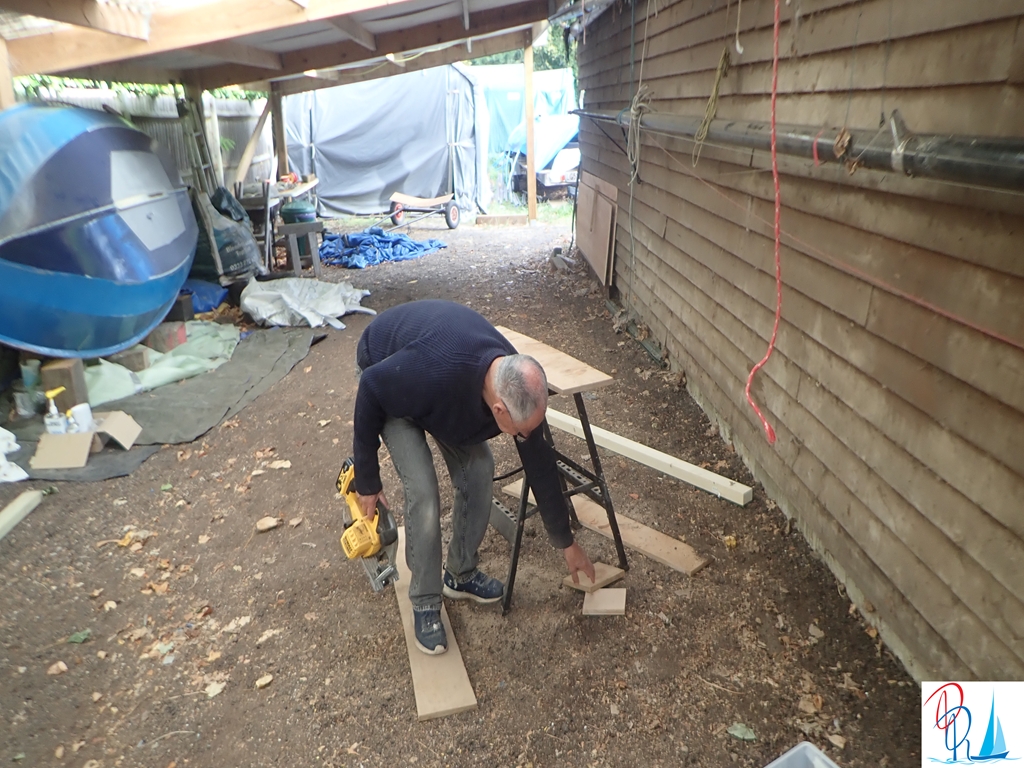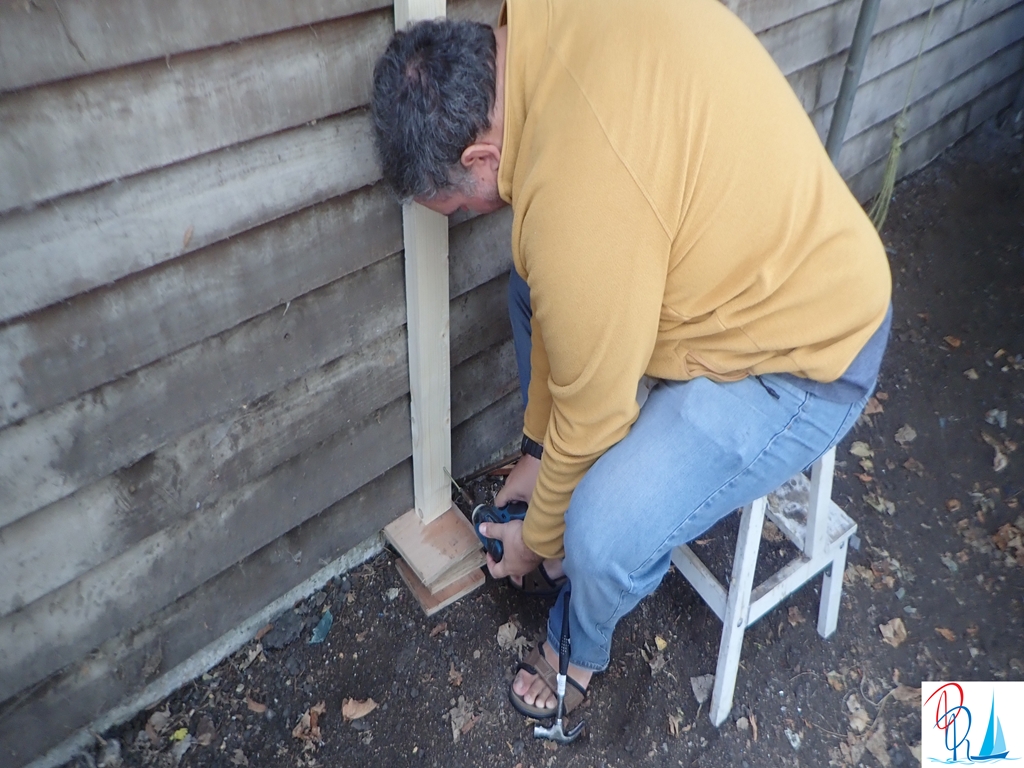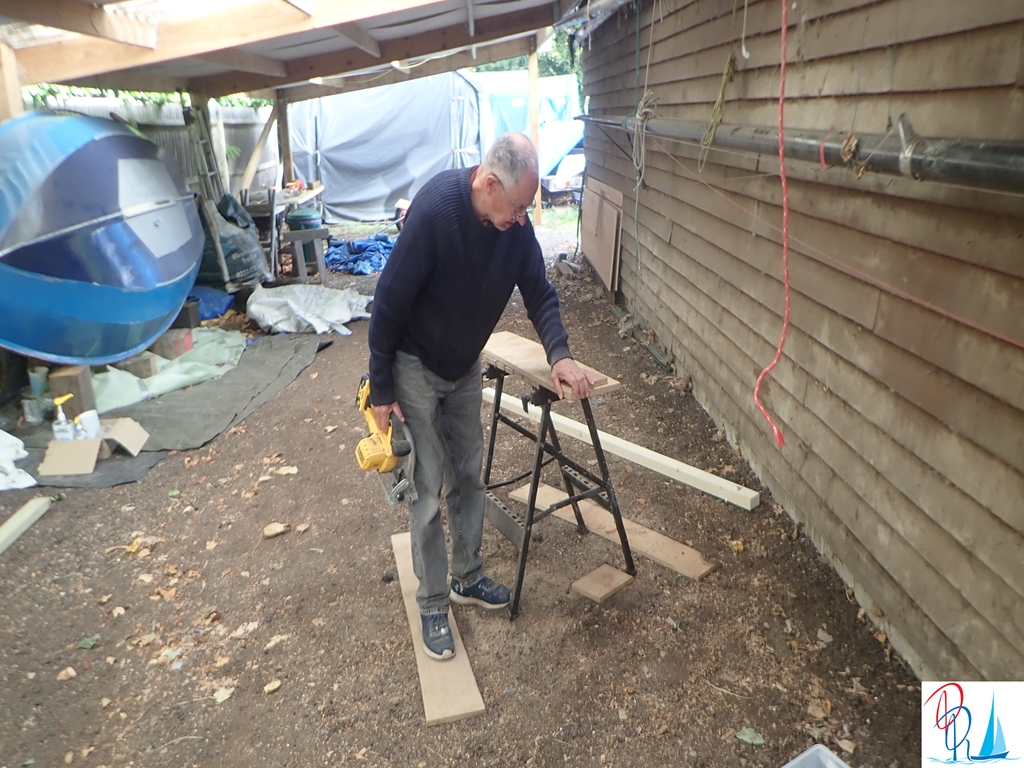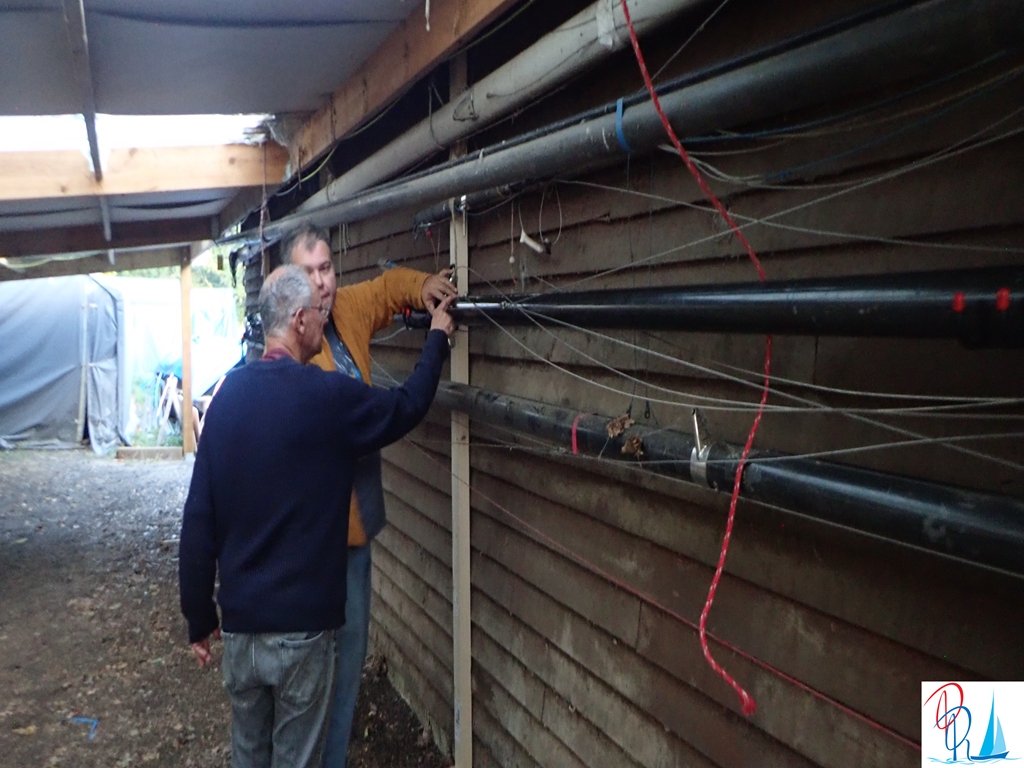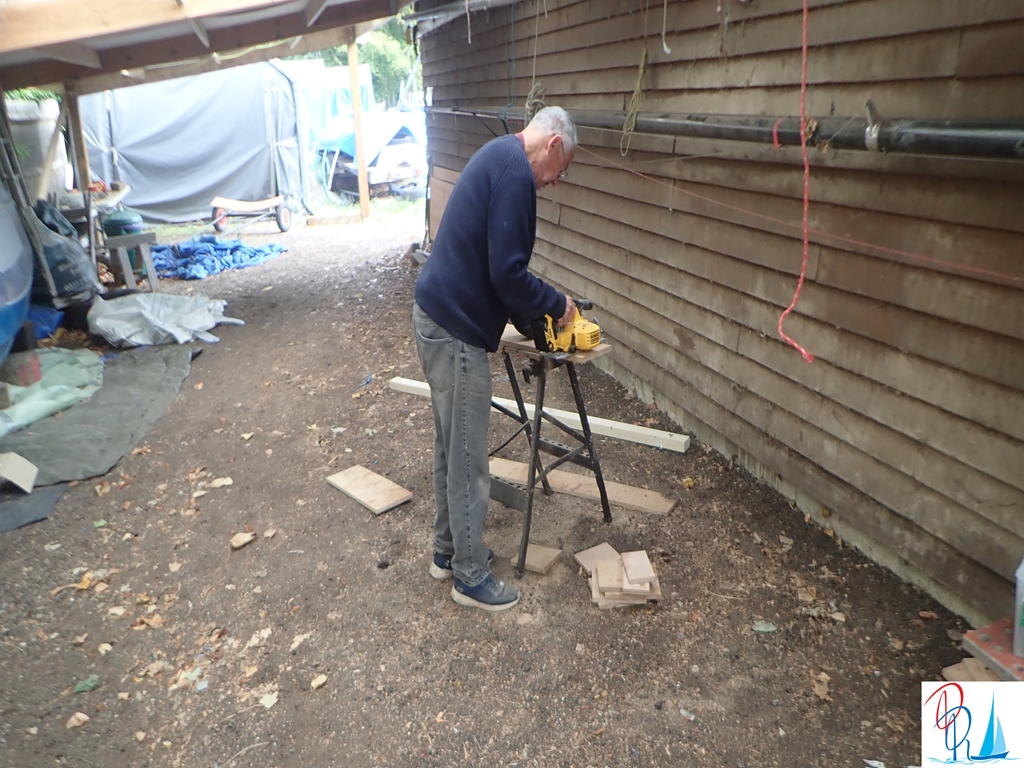
Laying up the boat early so we can get on with some major and minor repairs.
Start by agreeing the arrangements with the club’s lay-up team: We are Lucky. The Harbour Master is our Mid hand.
Where will Champagne stand, and is the trolley or cradle suitable for prolonged storage? We have a place in the lean to.
How will she be moved, particularly through gateways and around other boats?
What is the established method for lowering her mast?
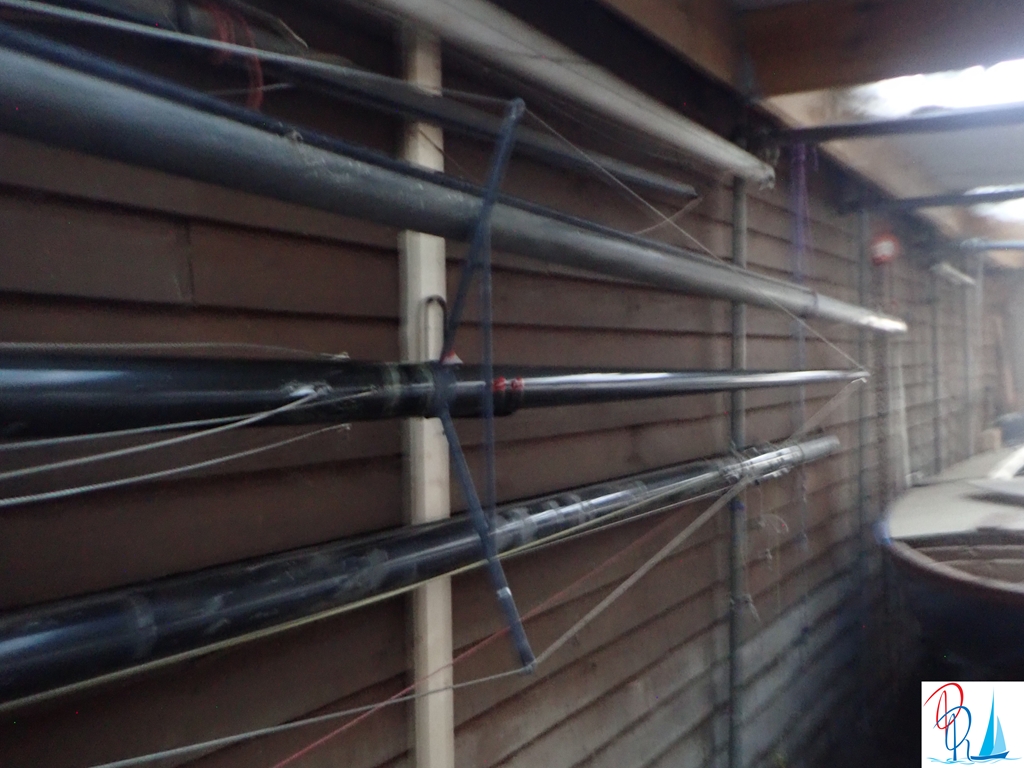
Where will the mast be stored, and how will it be supported?
Is the location vulnerable to river flooding, soft ground or falling branches?
An 8-metre hull needs room around it for handling and maintenance. A 13.1-metre mast needs a substantially longer clear space.
This is the biggest difference from laying up a smaller dinghy.Even when a tall mast is relatively light, its length makes it awkward. Wind, leverage and an unexpected movement can quickly overwhelm someone trying to control one end.For Champagne, use the established A-Rater procedure with people experienced in handling this rig. The mast’s construction, heel arrangement and lifting equipment determine the correct method; I would not prescribe lifting points or a lowering sequence without those details.Before starting:
Choose calm conditions and clear the working area.
Check for overhead cables, branches and other obstructions throughout the intended movement.
Prepare the receiving supports first.
Allocate roles, with one person directing the operation.
Photograph rigging connections and label components for reassembly.
Nobody should be expected to catch or arrest a falling mast. Control must come from the agreed method and suitable equipment.
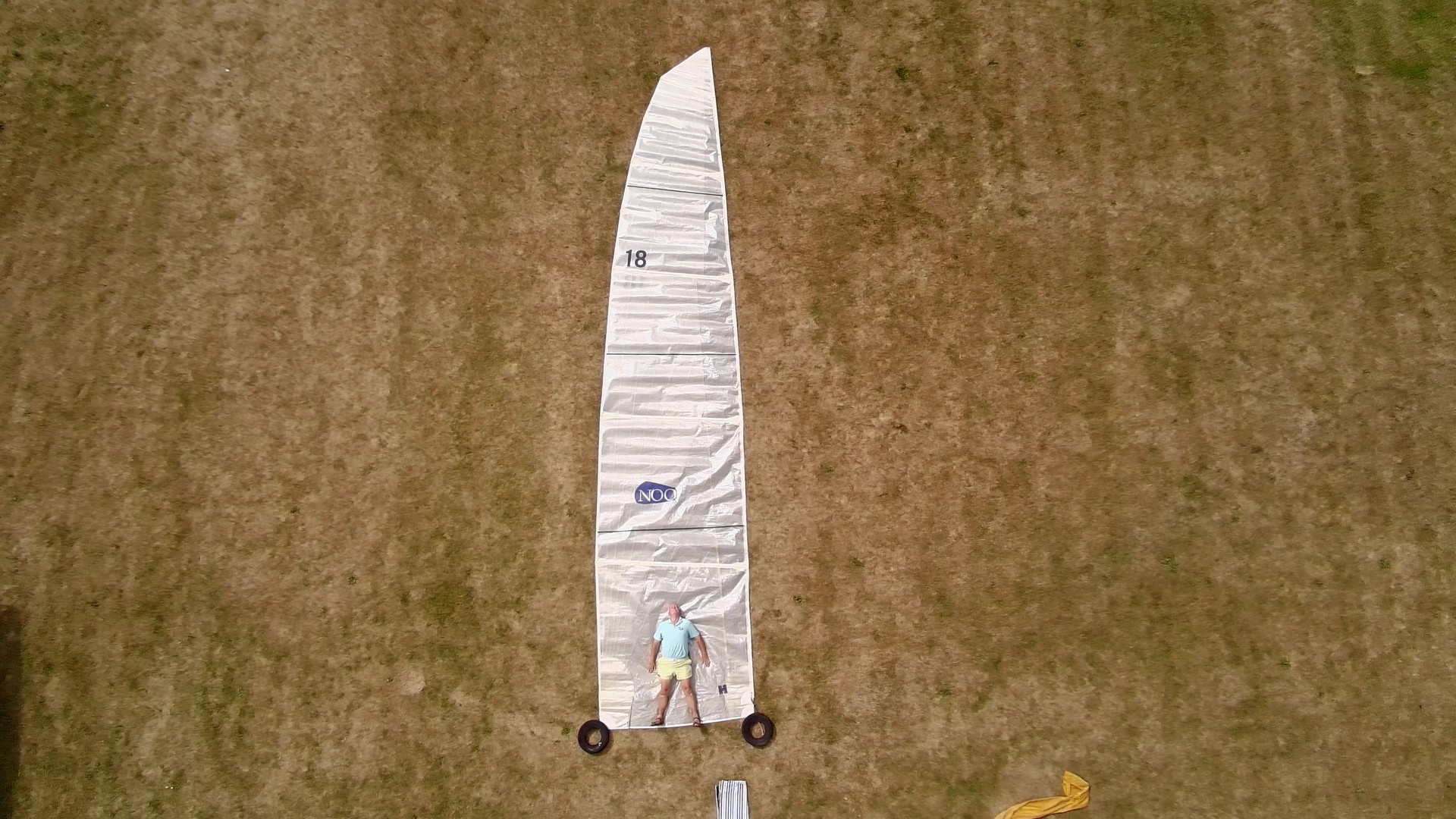
Take the mainsail and jib somewhere clean and dry. Allow them to dry completely before storing them, and inspect stitching, batten pockets, corners and attachment points.
For Champagne’s large sails, finding enough clean space to spread them out is a job worth planning in advance.
Remove the boom, sheets and other detachable equipment where appropriate. Label ropes and fittings, and photograph their routes before dismantling unfamiliar arrangements. Leave messenger lines wherever needed to make re-reeving straightforward.
Store the rudder and other removable foils securely, protecting their edges. Any centreboard removal should follow the boat’s established procedure and support arrangements.