Lesson 1 You Can Sail — So What Makes Someone a Good Sailor?
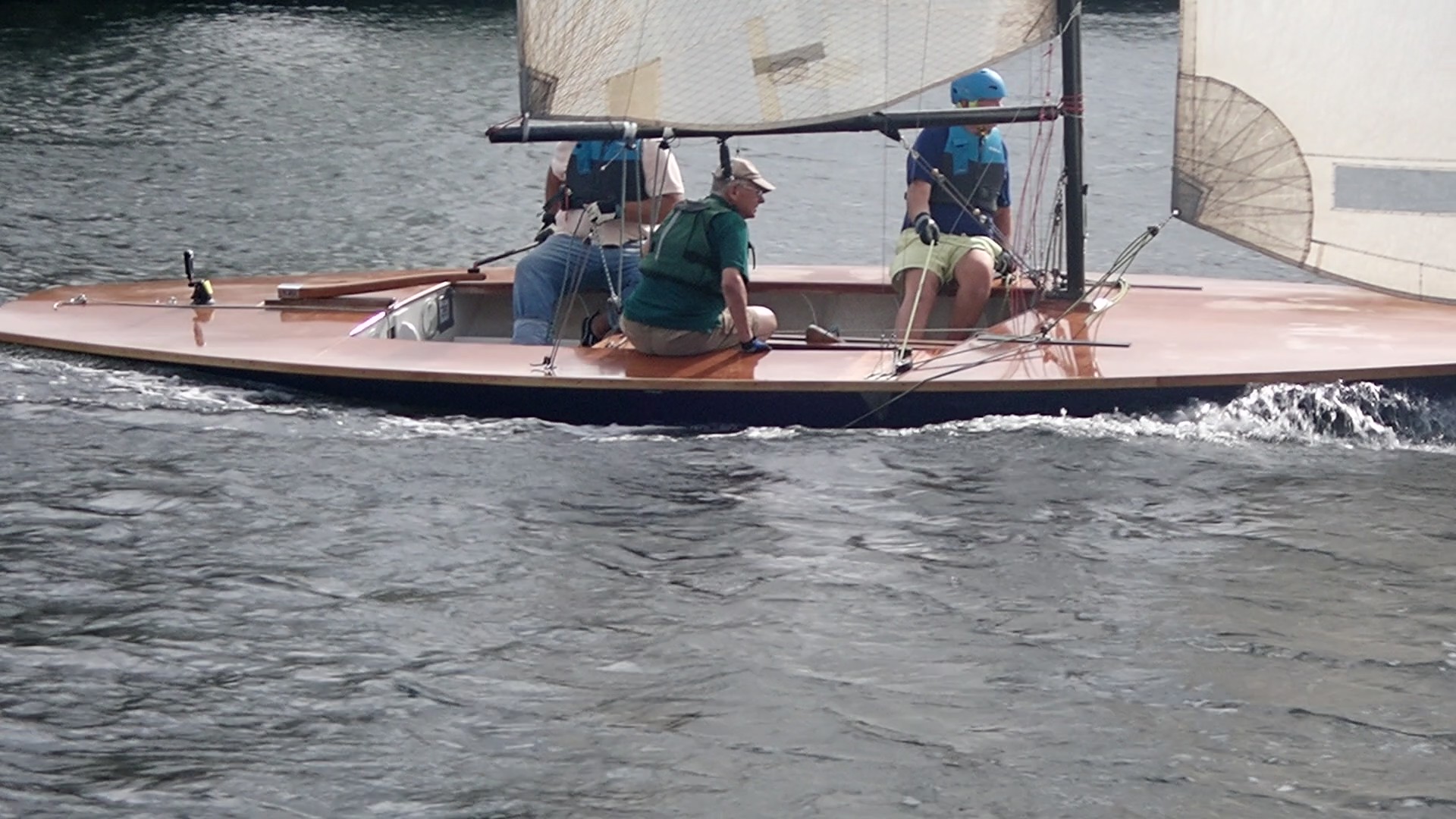
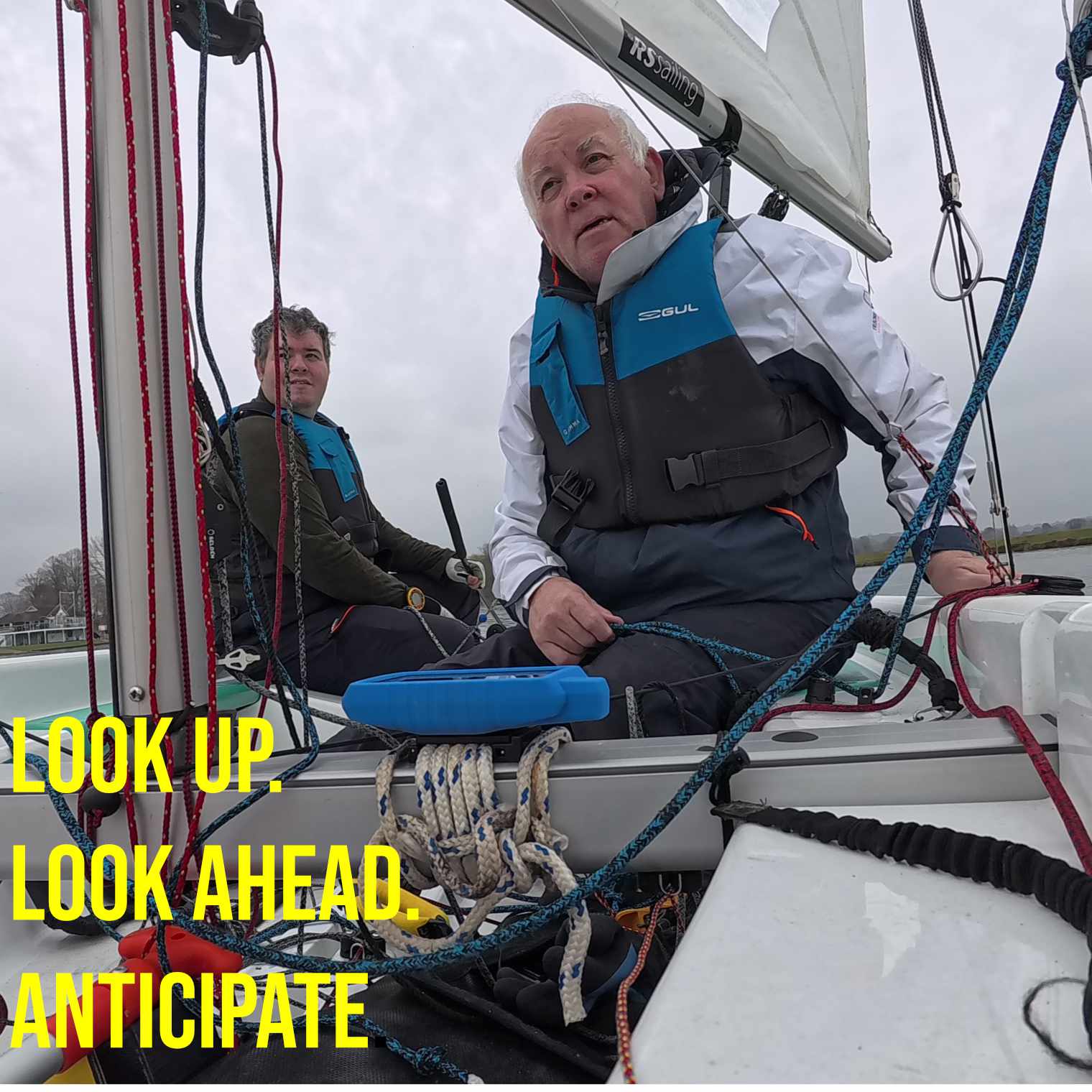
You can tack. You can gybe. You can trim the sails. So what turns someone who can sail into a good sailor? Often it begins when you stop staring at the boat and start watching the water, the wind and what is about to happen next.
Lesson 2 Why Does the Wind Sometimes Disappear When It Rains?
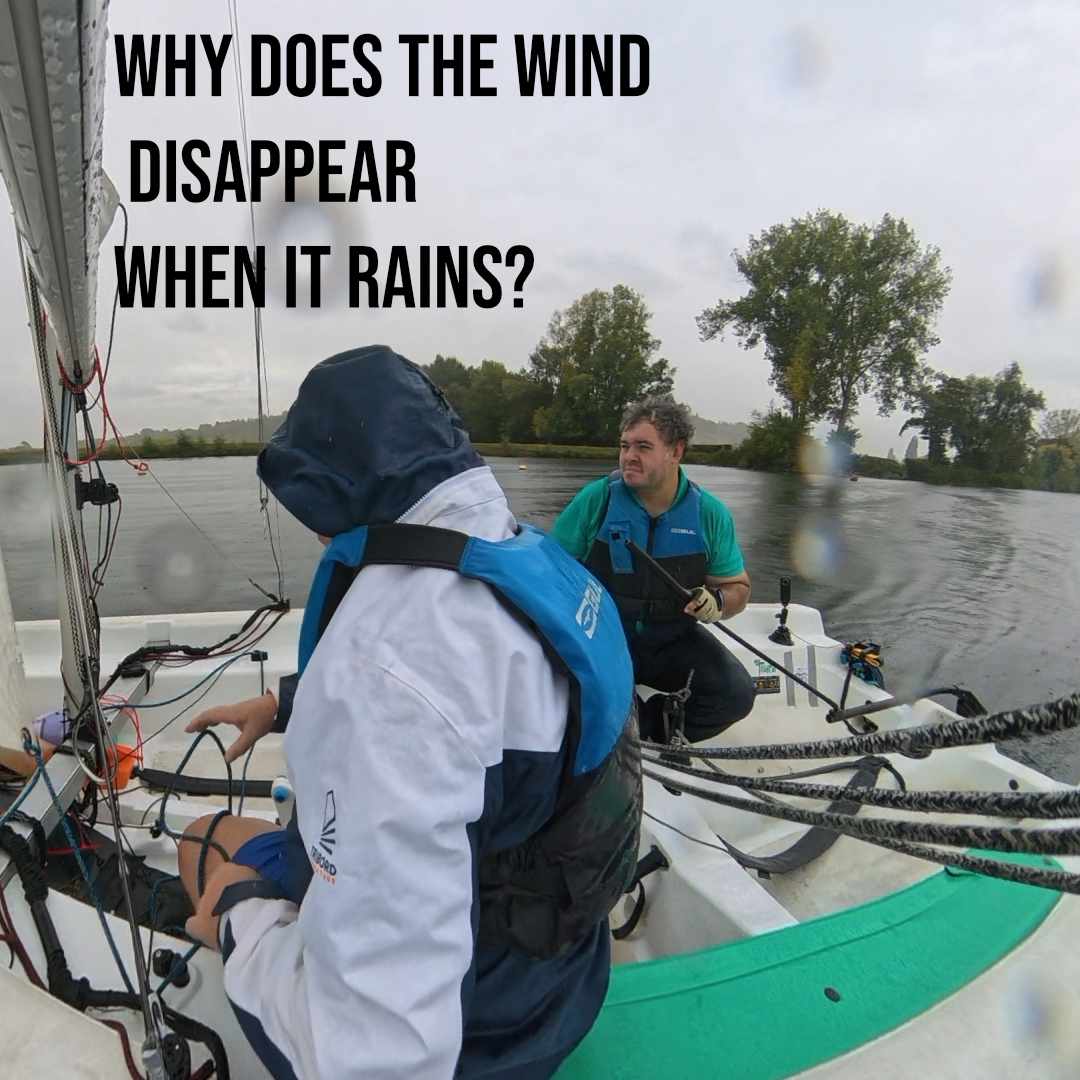
Why does the wind sometimes seem to vanish just as the rain starts? On inland water it often isn't coincidence. Cloud, cooling and weaker atmospheric mixing can rob the sails of pressure remarkably quickly. But sometimes rain brings a sudden gust instead. Why?
Lesson 3 Lifted or Headed? Learning to Recognise a Wind Shift
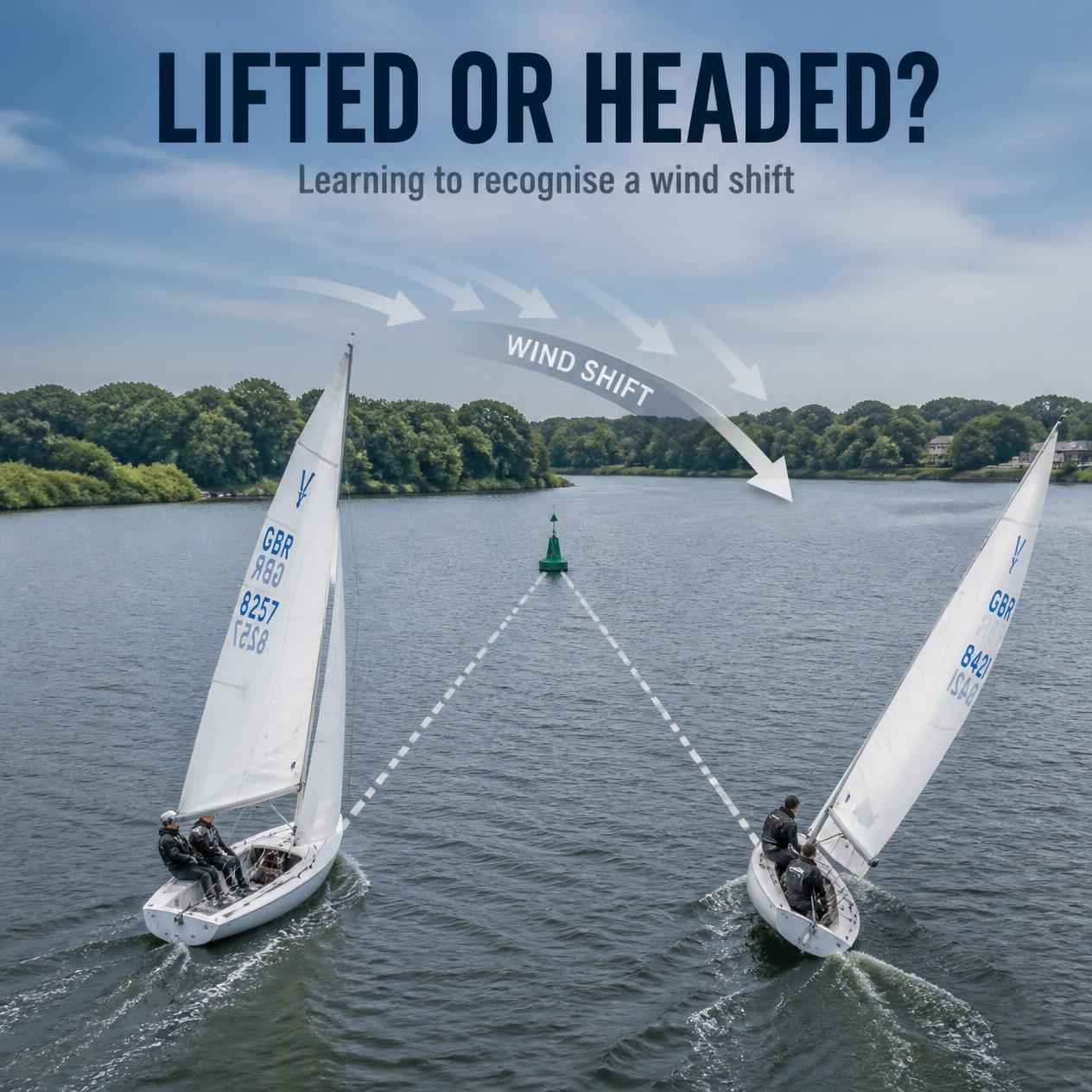
A ten-degree wind shift can be worth tens of metres — without your boat travelling any faster. Why does the same wind shift lift one boat but head another, and what do sailors mean by “tack on a header”? Learning to read the wind is the next step beyond simply sailing the boat.
Lesson 4 Stop Staring at Your Sails — Learn to Read the Water
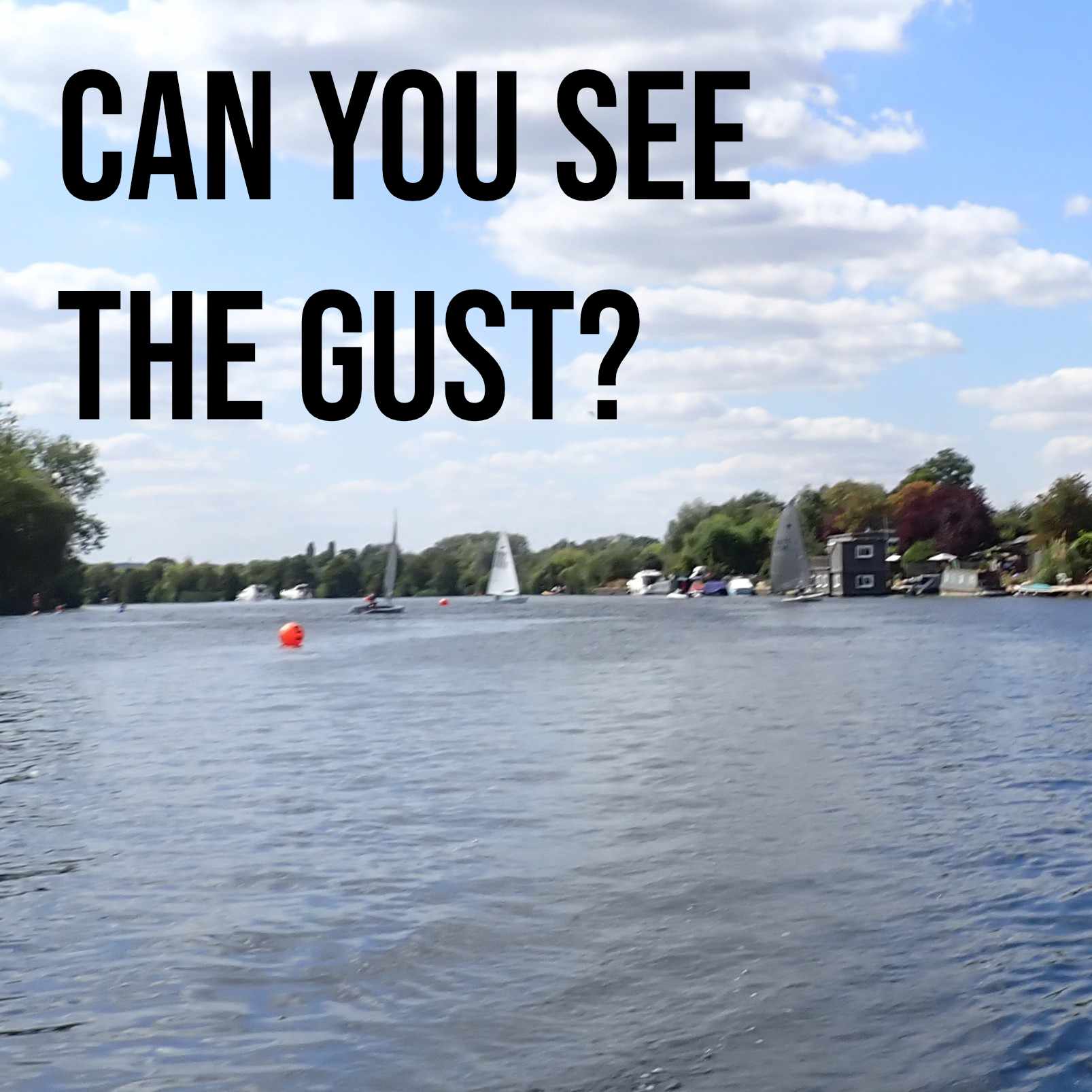
The next gust may already be visible fifty metres ahead of you. Dark patches. Ripples. Glassy water. Gust lines. Your sails tell you what the wind is doing now. The water can tell you what it may do next.
New on pmrsailing.uk: Stop Staring at Your Sails — Learn to Read the Water
Lesson 5. The Gust Is Coming — What Should You Do Before It Arrives?
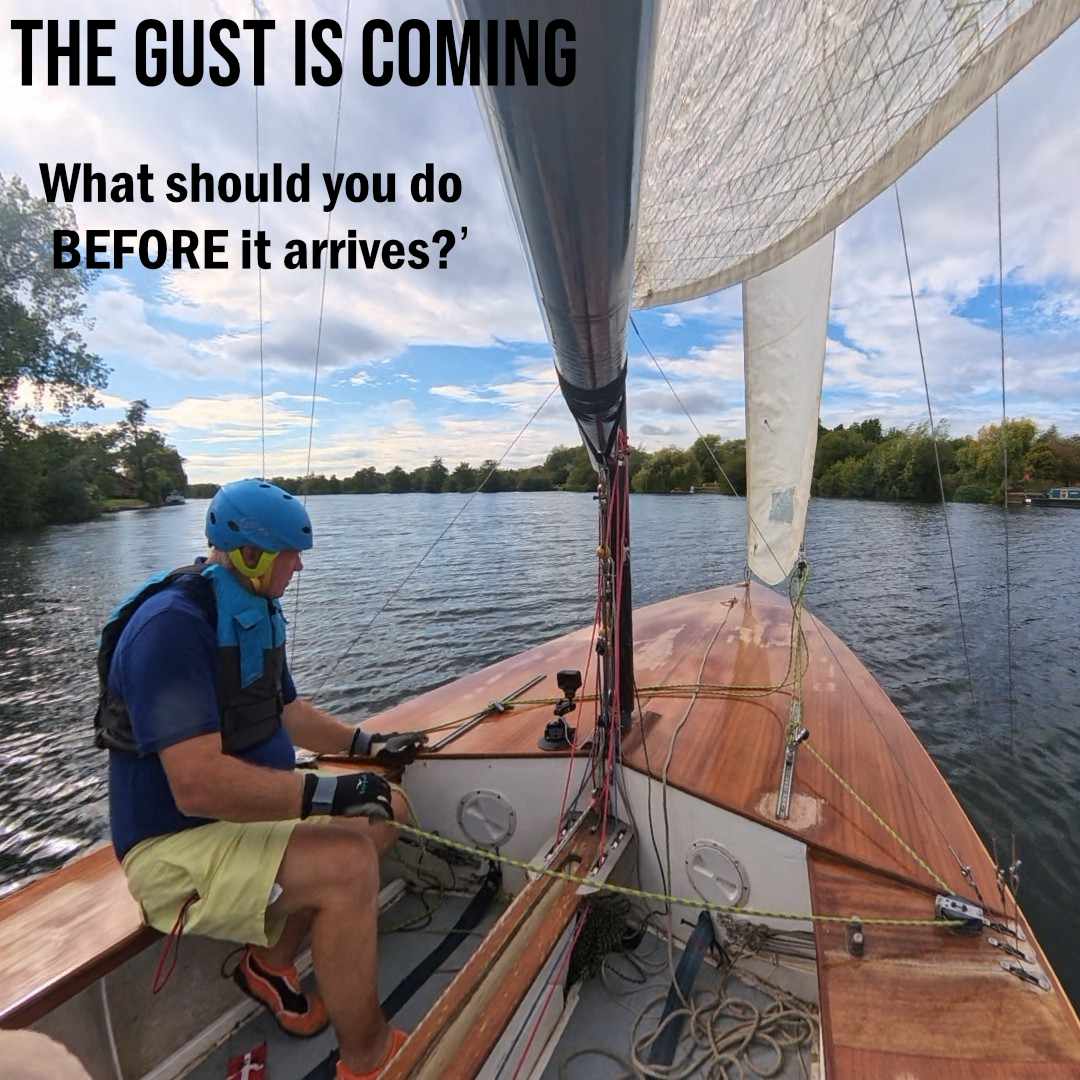
The dark patch is already moving across the water towards you. Do you wait until the boat heels — or prepare before it gets there? Good sailors react to gusts. Better sailors are ready before the gust arrives. A look at anticipation, balance, sail trim, steering and crew communication aboard boats such as our A-Rater Champagne.
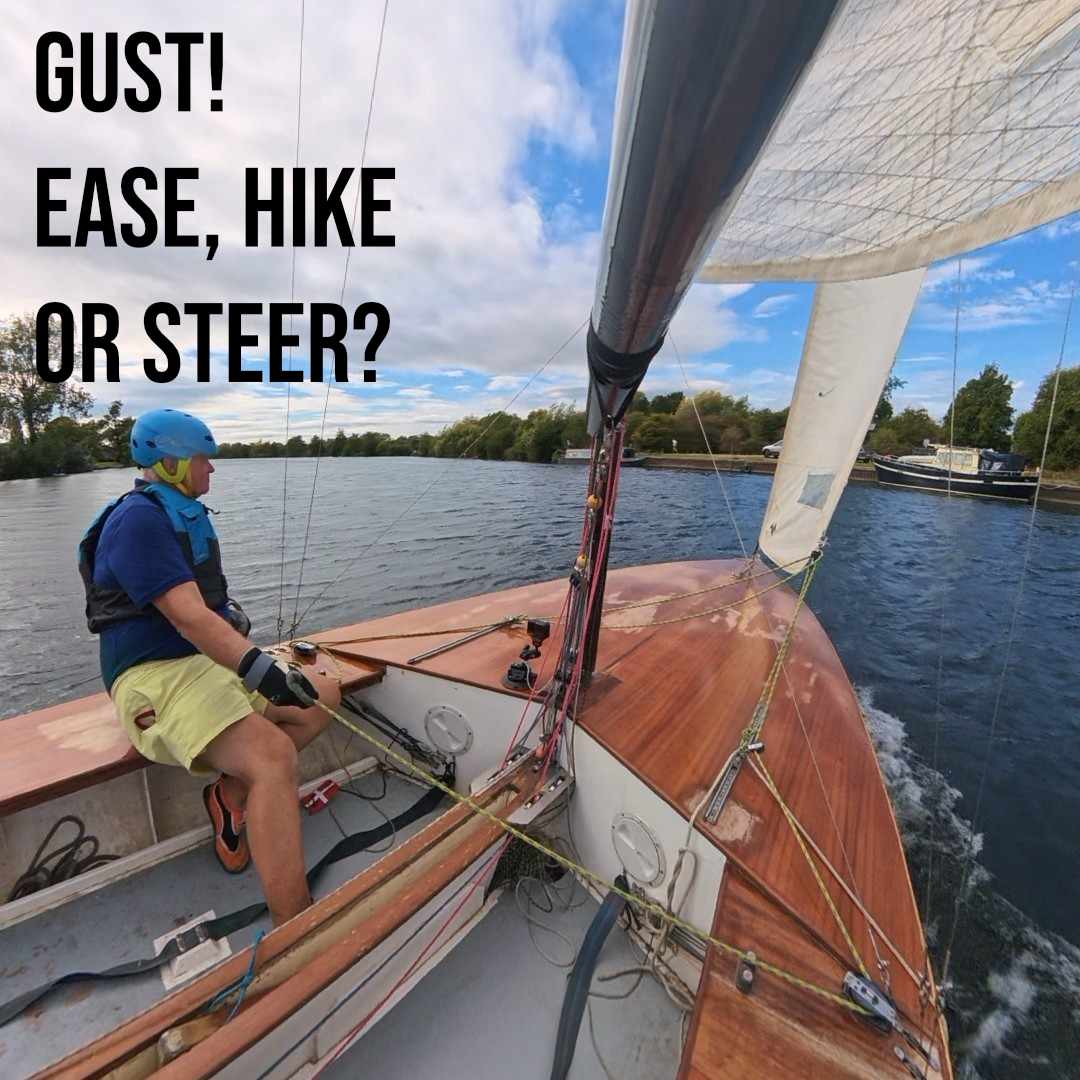
Lesson 6. Should You Ease the Sail, Hike Harder or Steer?
A gust hits.
Do you:
Ease the mainsheet?
Hike harder?
Steer into the wind?
The answer may be all three — but often by surprisingly small amounts. The secret is not fighting the gust. It is turning its extra energy into speed.
Lesson 7. Why Keeping the Boat Flat Usually Makes It Faster
The boat heels hard, the spray starts flying and everything feels fast.
But you may actually be slowing down.
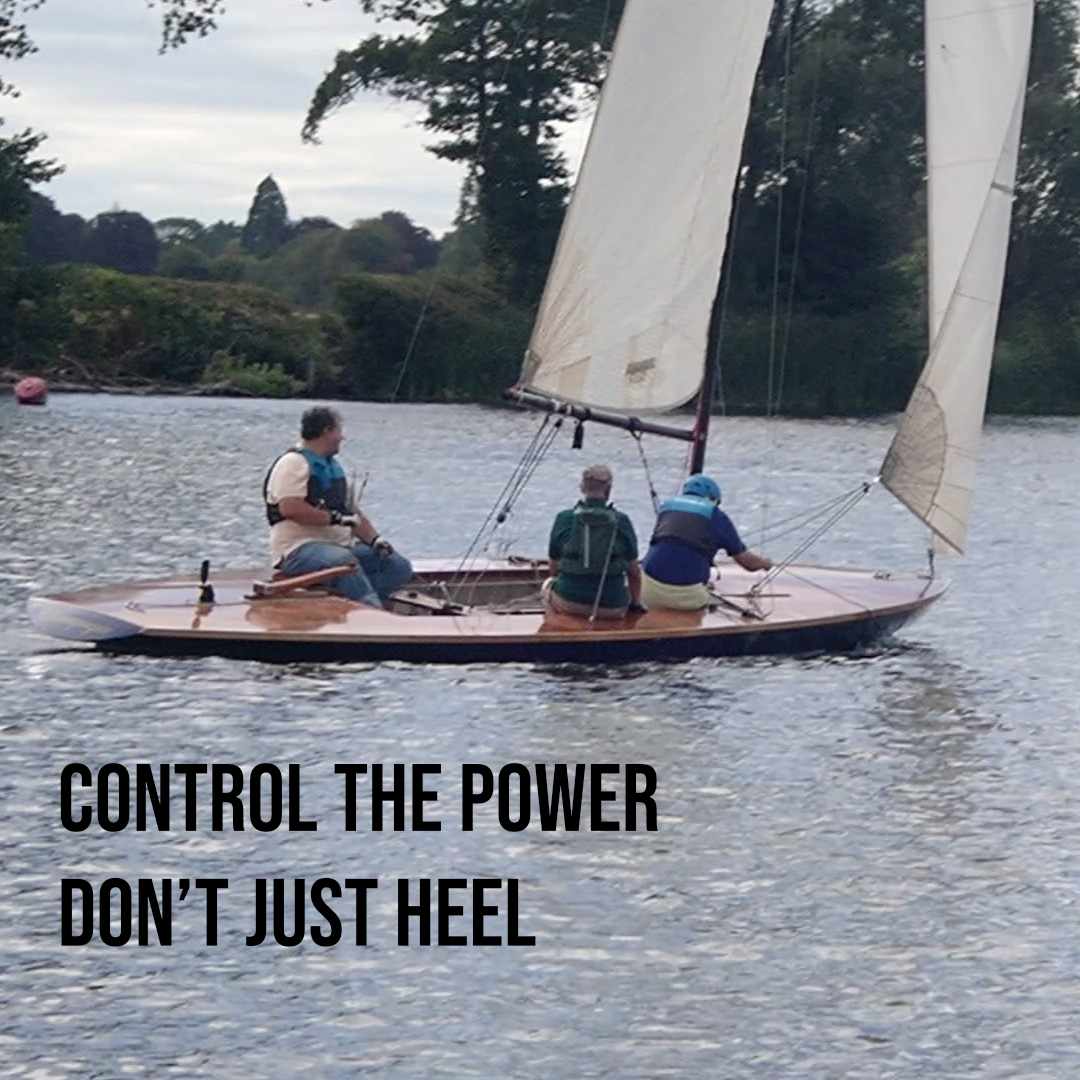
Why does sailing flatter improve centreboard efficiency, reduce rudder drag and tame weather helm?
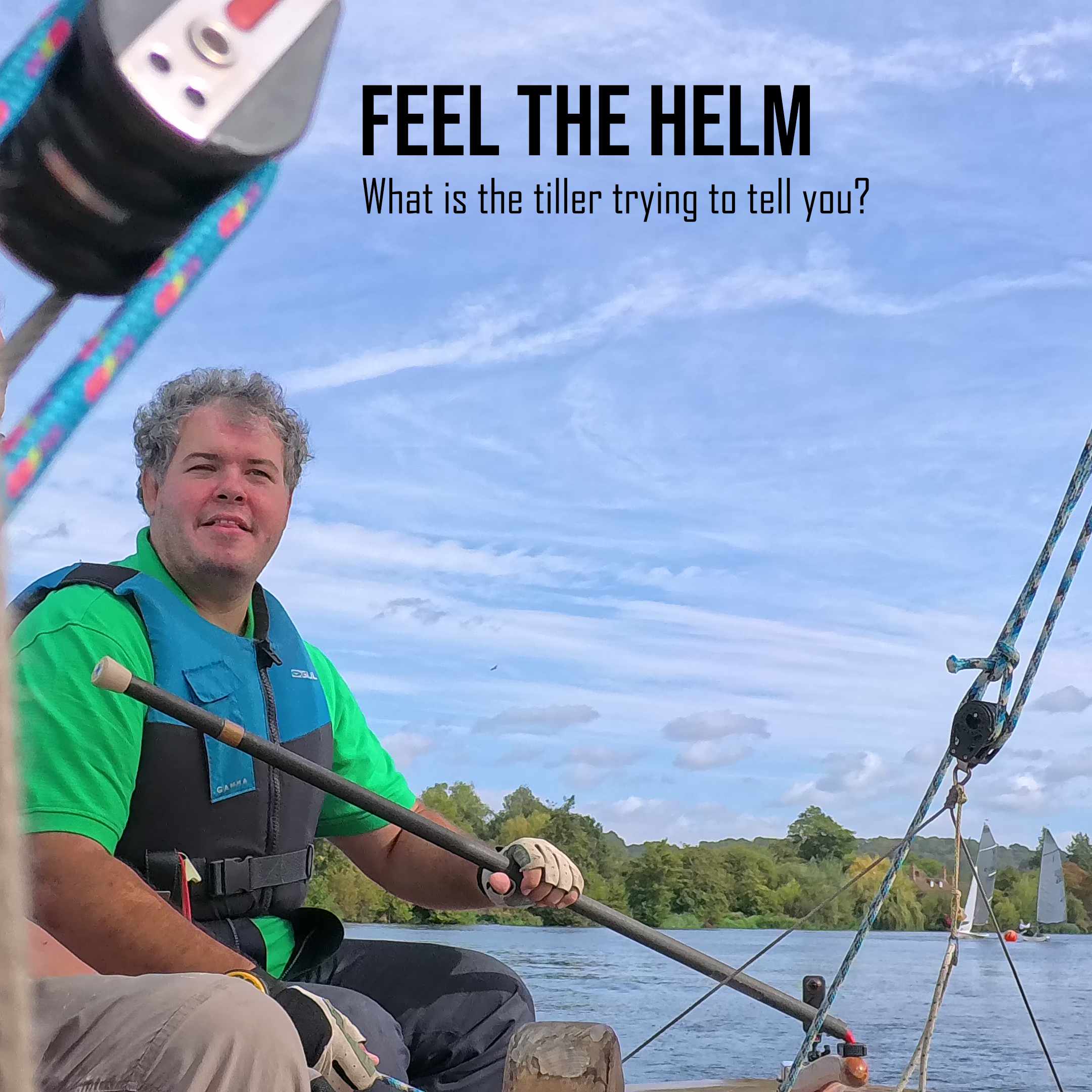
Lesson 8. Feel the Helm — What the Tiller Is Trying to Tell You?
The tiller is more than a steering control. If it suddenly becomes heavy, the answer may not be more rudder. The boat could be telling you about heel, sail trim or poor balance. Learning to feel the helm is one of the steps from steering a boat to understanding it.
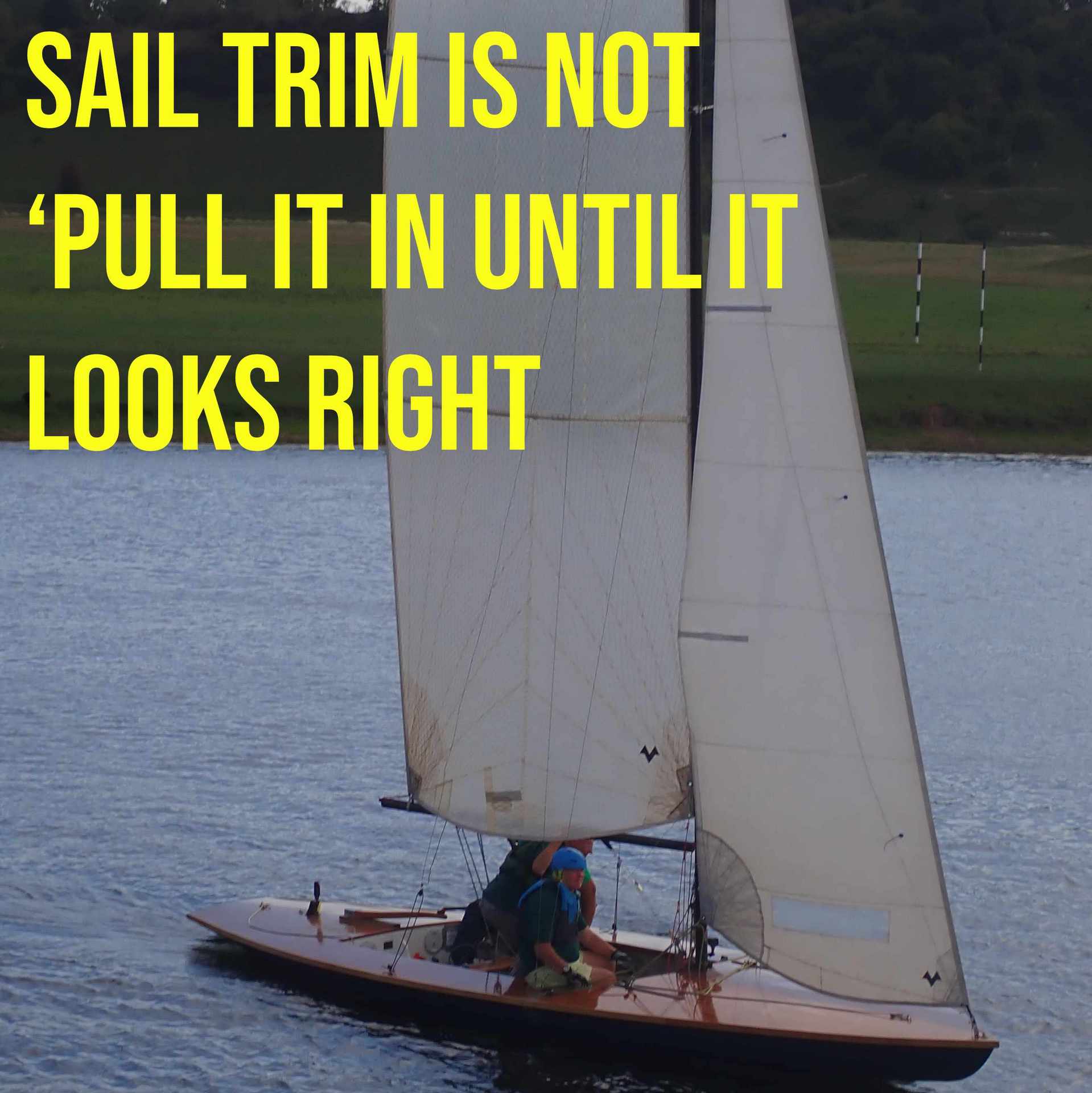
Lesson 9. Sail Trim Is Not “Pull It In Until It Looks Right”
Two boats. Same sails. Same wind. One simply sails away. Why? Because sail trim is not “pull it in until it looks right”. Tell-tales, twist, leech shape and tiny sheet adjustments can transform speed. And the jib? Sometimes it feels like the boat’s turbocharger.
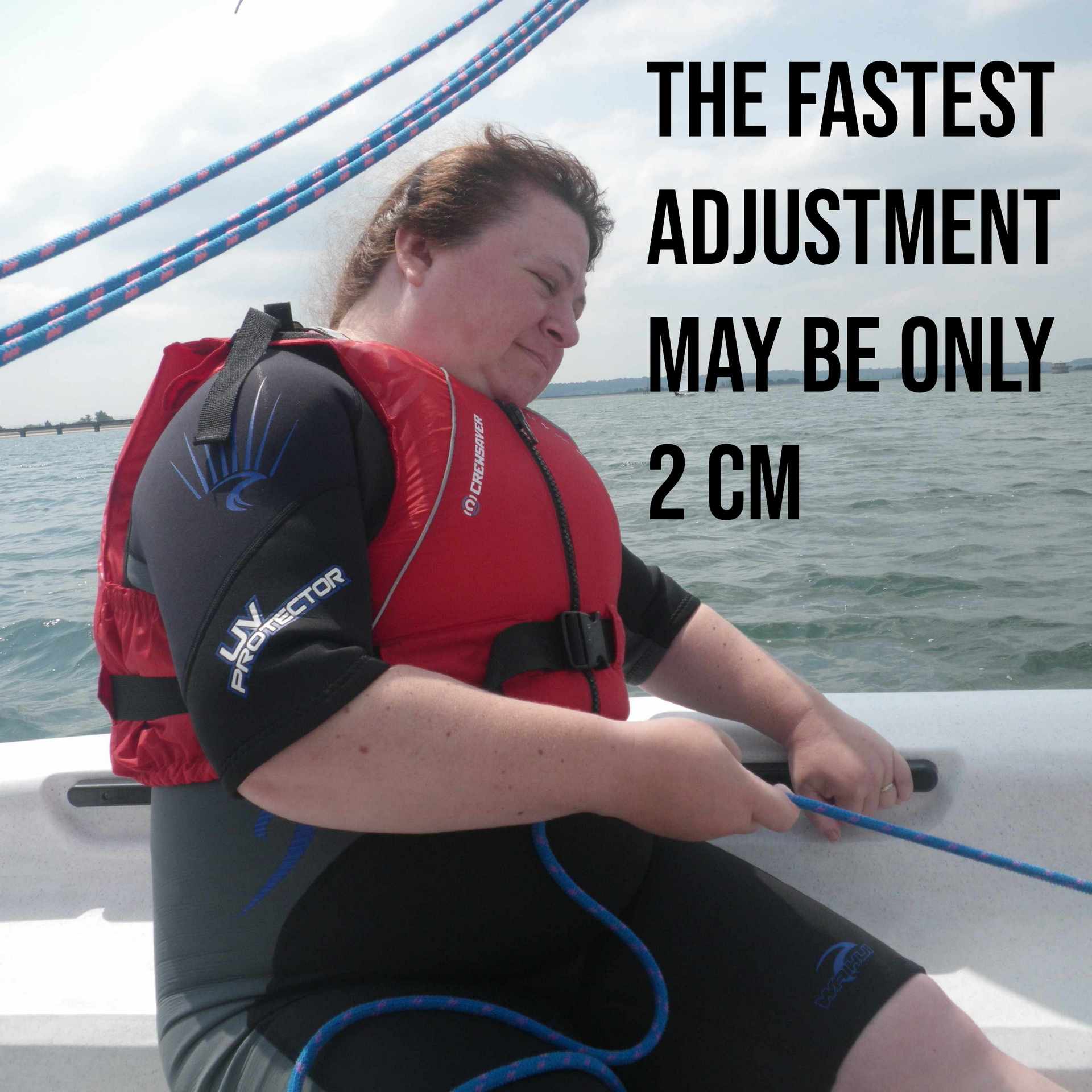
Lesson 10. Why Small Adjustments Often Beat Big Ones
The fastest sail adjustment may be only 2 cm. Good sailors don't wait until the boat heels, the tell-tales collapse or the sail flaps. They make tiny corrections continuously. Small sheet movements. Small helm movements. Small changes in weight. Often, calm sailing is fast sailing.
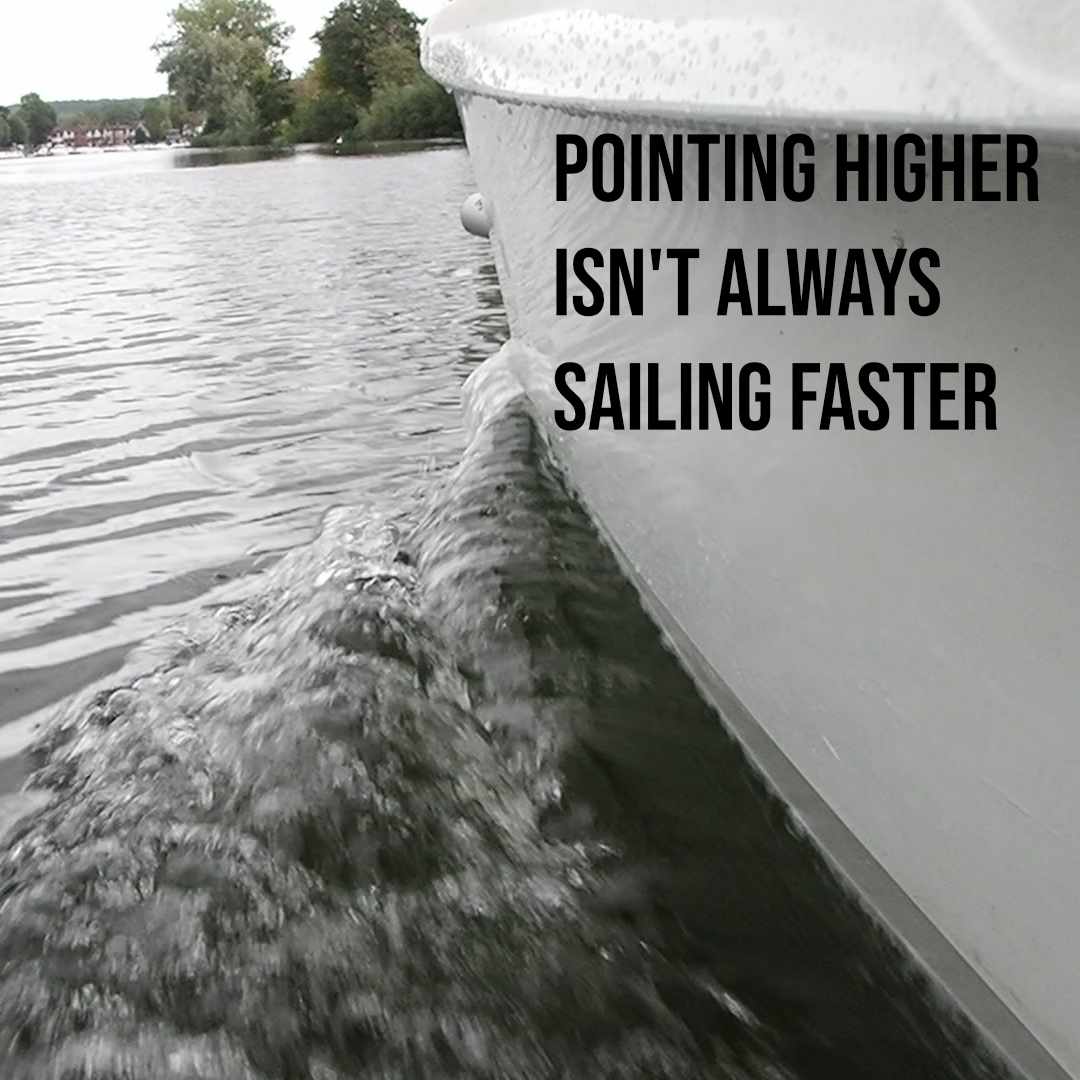
Lesson 11. Pointing Higher Isn't Always Sailing Faster
The boat pointing closest to the windward mark isn't necessarily the boat getting there fastest. Point too high and you start pinching: airflow deteriorates, speed disappears and your VMG can actually fall. Sometimes bearing away just a few degrees gets you to the mark sooner. Speed versus pointing — one of sailing's great counter-intuitive lessons.
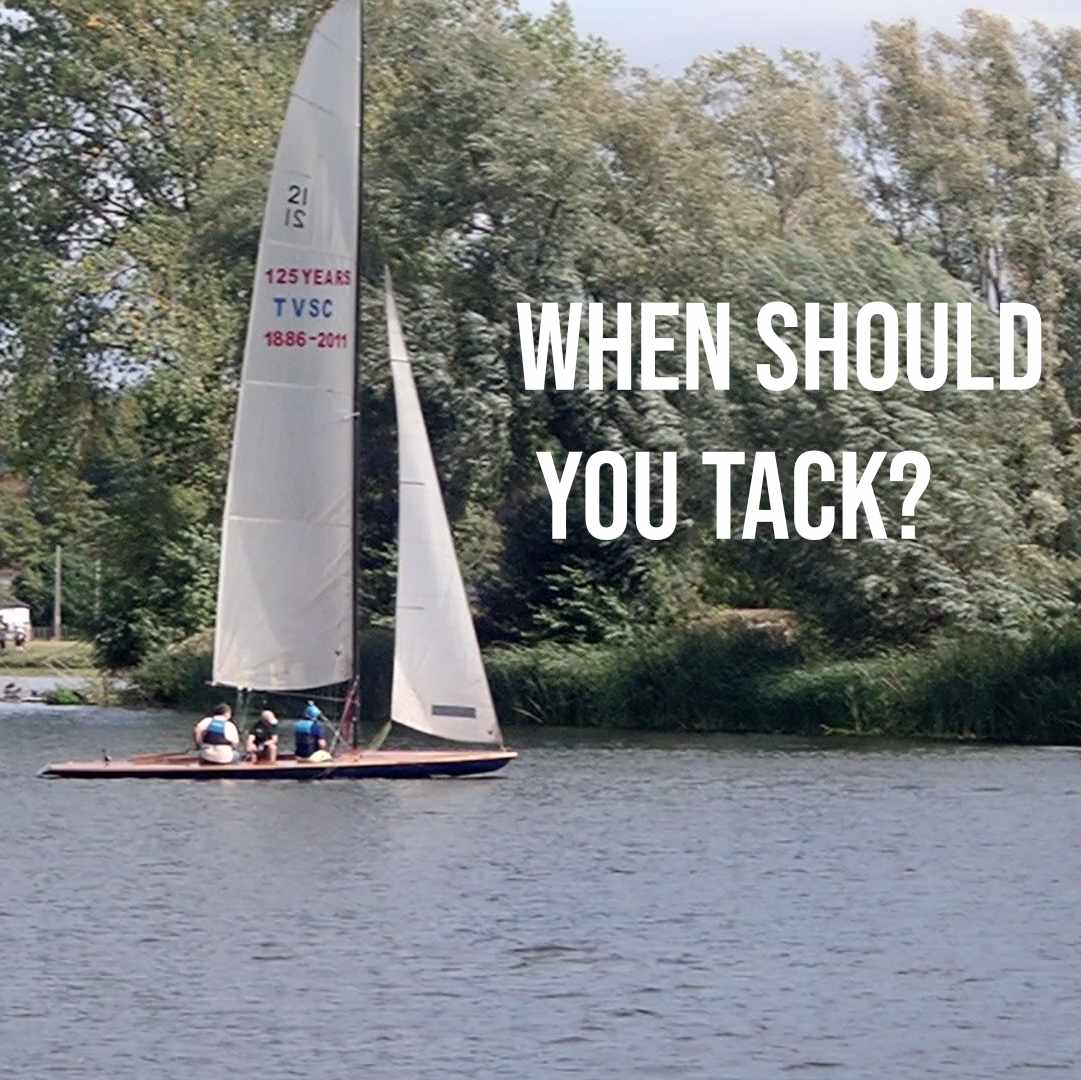
Lesson 12 When Should You Tack?
Knowing how to tack is beginner sailing. Knowing when to tack changes everything. A header? Stronger pressure? River boundary? Current? Traffic? Dirty air? The layline? Before every tack, ask one question: What am I gaining by doing this now?
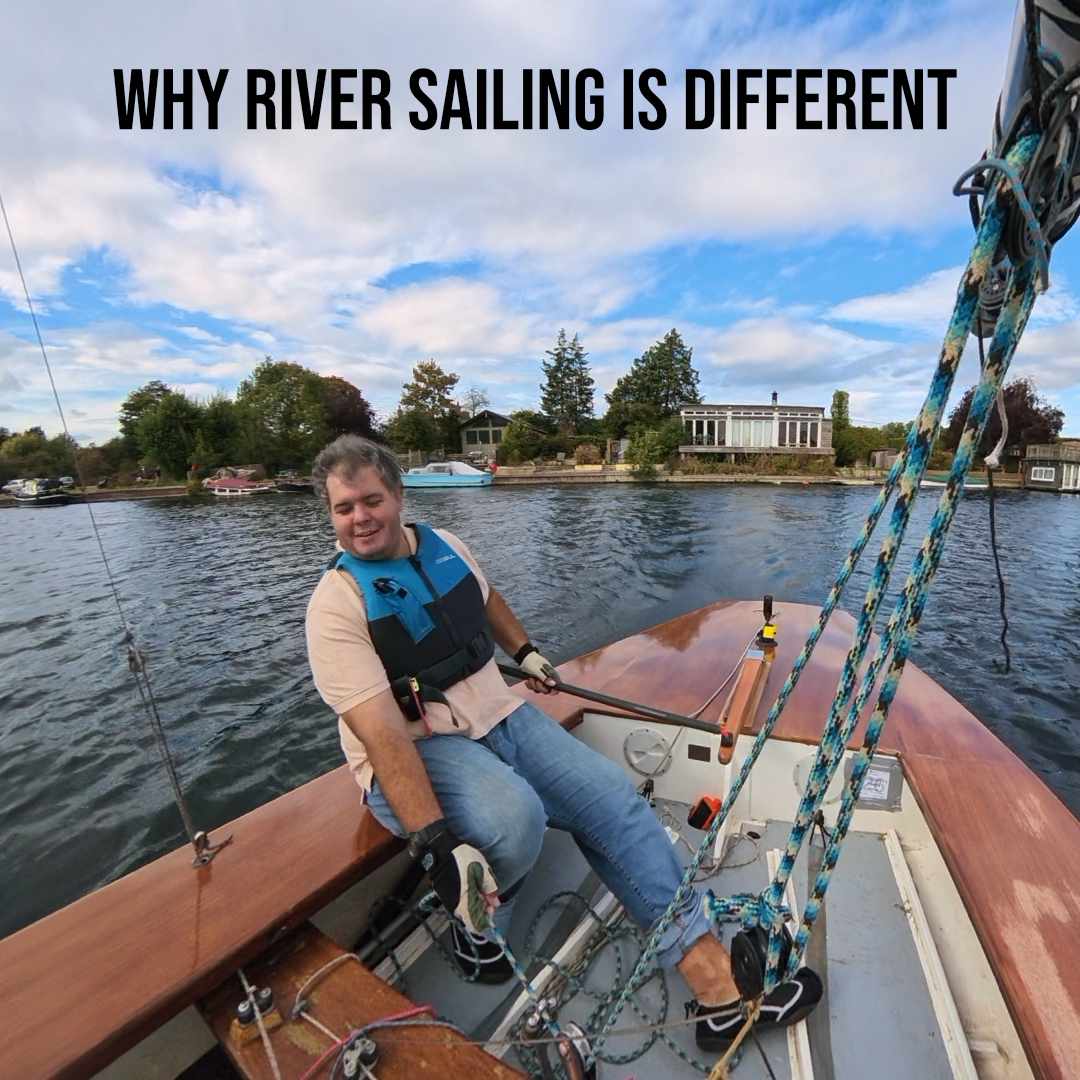
Lesson 13. Why River Sailing Is Different From Sailing on Open Water
River sailing looks simple—until the trees steal your wind, the bank creates turbulence, the current changes your tactics and the next bend changes everything. The wind at the masthead may not even be the wind reaching your sails. Why river sailing is such a brilliant challenge.
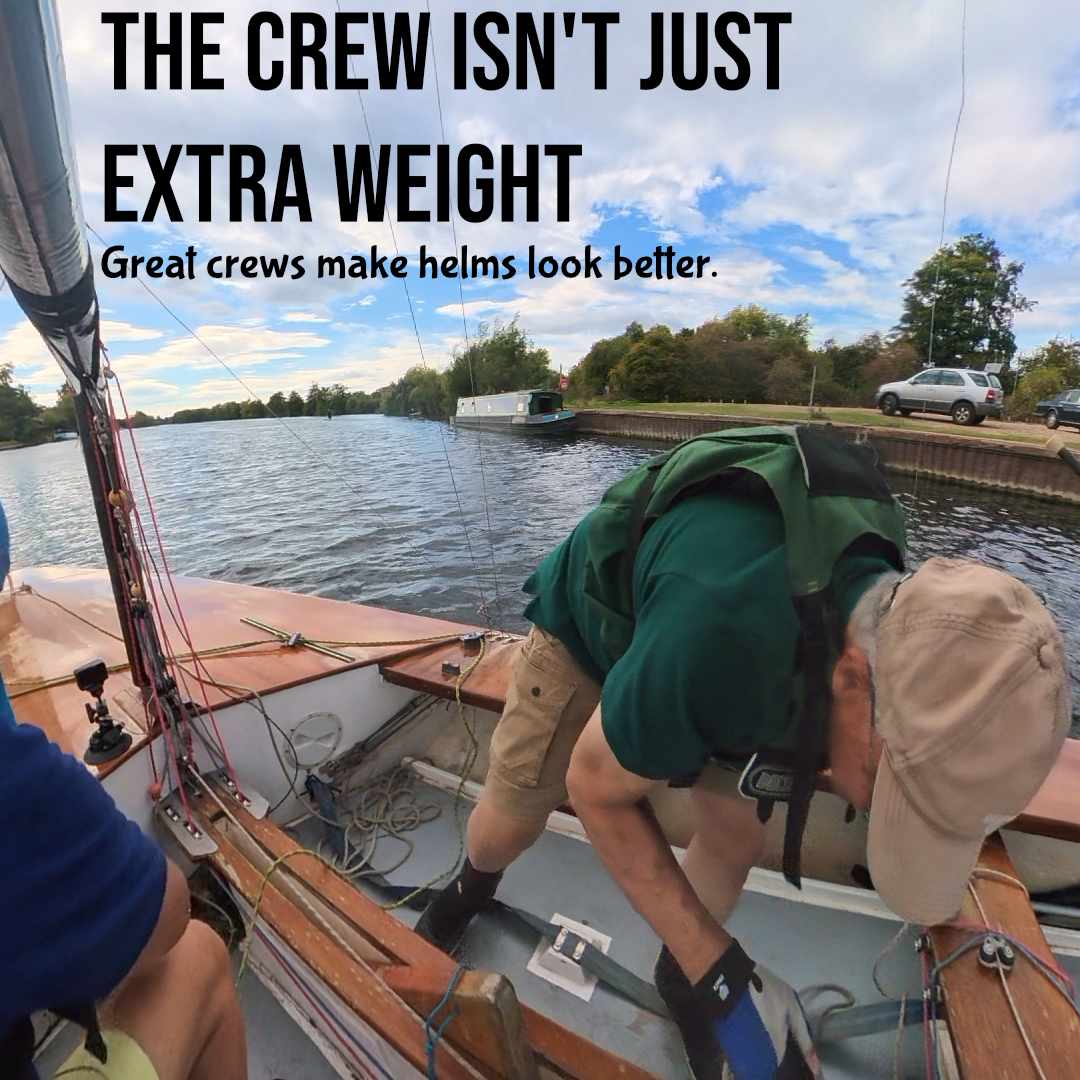
Lesson 14. The Crew Isn't Just Extra Weight
A crew isn't just movable ballast. They're trimming the jib, balancing the boat, spotting gusts, watching competitors and feeding the helm information they cannot see. A really good crew can make the helm look much better than they really are.
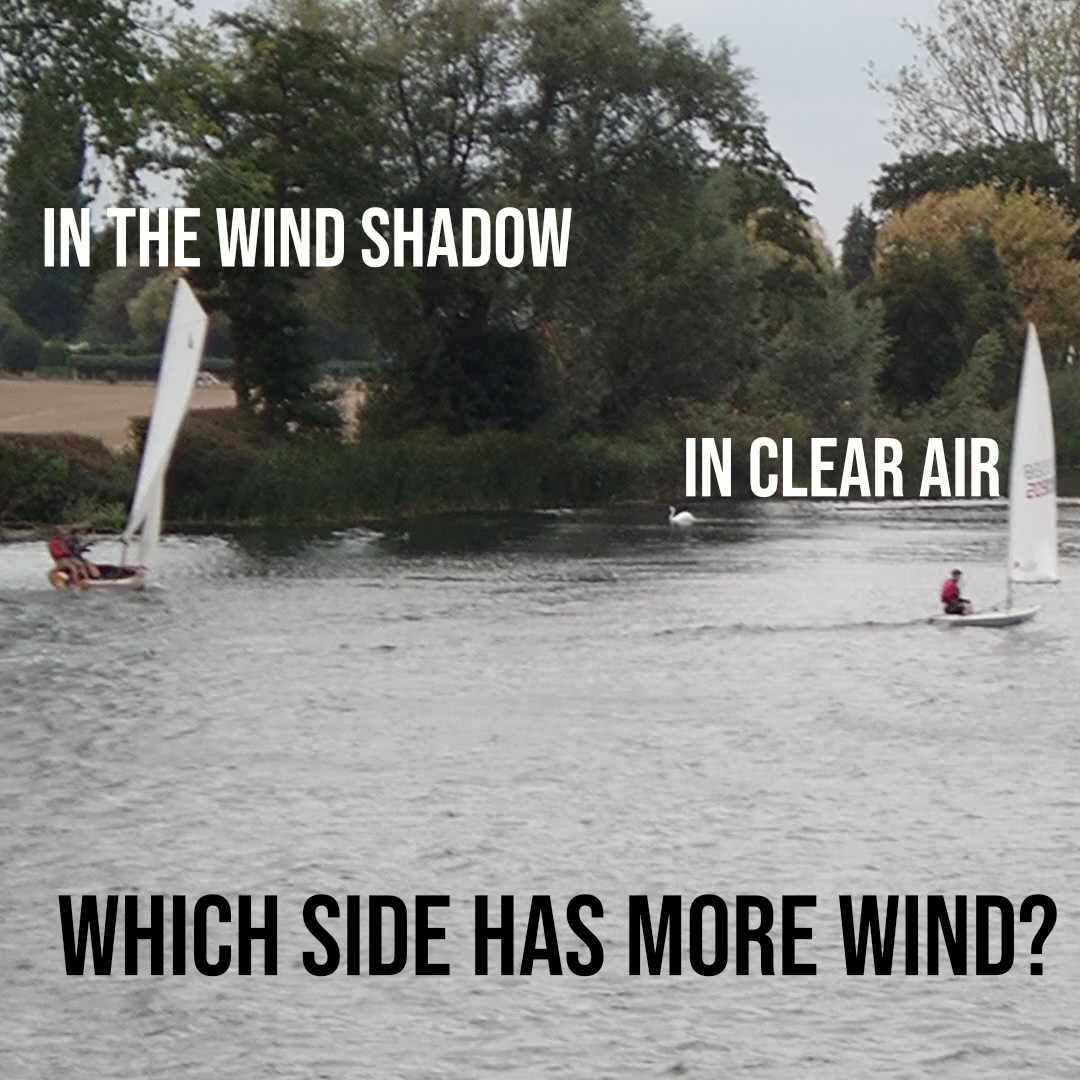
Lesson 15. Which Side of the River Has More Wind?
Which side of the river has more wind? The obvious answer can be wrong. Trees create wind shadows. Buildings redirect airflow. Bends change everything. And sometimes crossing the river to find “better” wind costs more than simply carrying on. River sailing is a constantly changing puzzle.
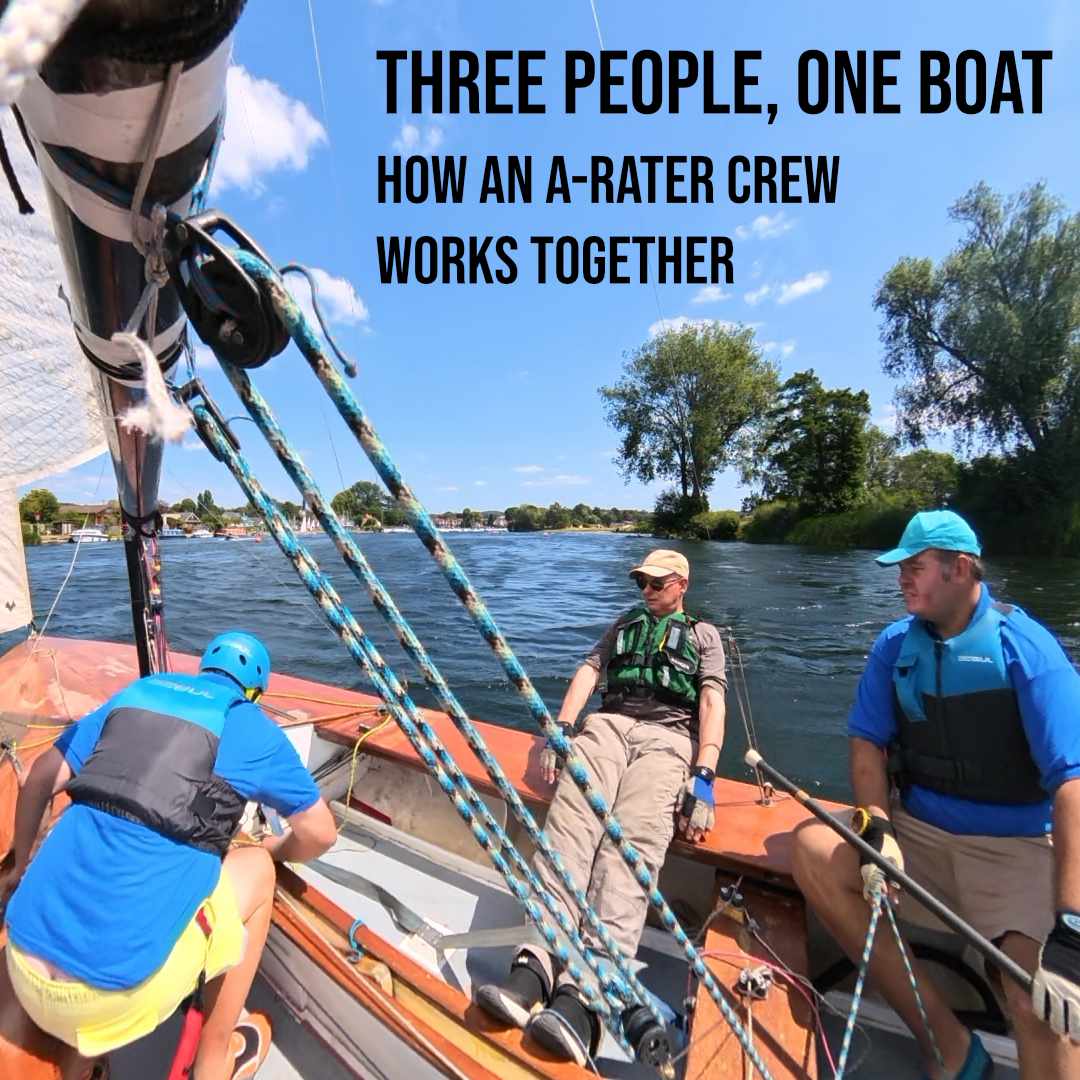
Lesson 16. Three People, One Boat — How an A-Rater Crew Works Together
An A-Rater has a helm, midhand and forward crew — but the fastest sailing begins when they stop behaving like three separate sailors.
A gust spotted early.
Three people move.
Sails adjust.
The boat accelerates.
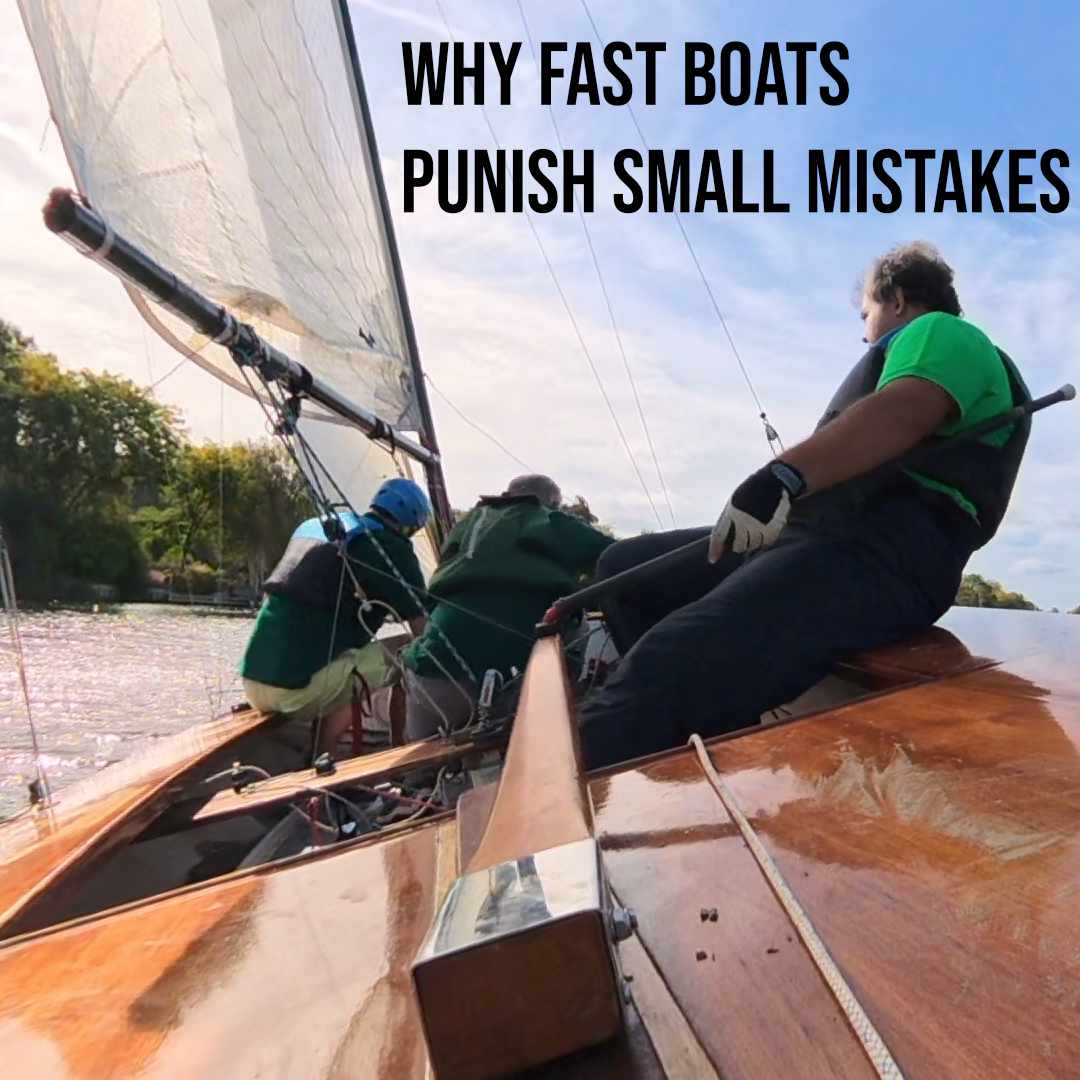
Lesson 17. Why Fast Boats Punish Small Mistakes
Why do fast boats feel so unforgiving?
Because speed magnifies everything.
A little too much rudder.
A late sheet adjustment.
A slow tack.
A gust spotted three seconds too late.
But that's exactly why performance boats are such brilliant teachers.
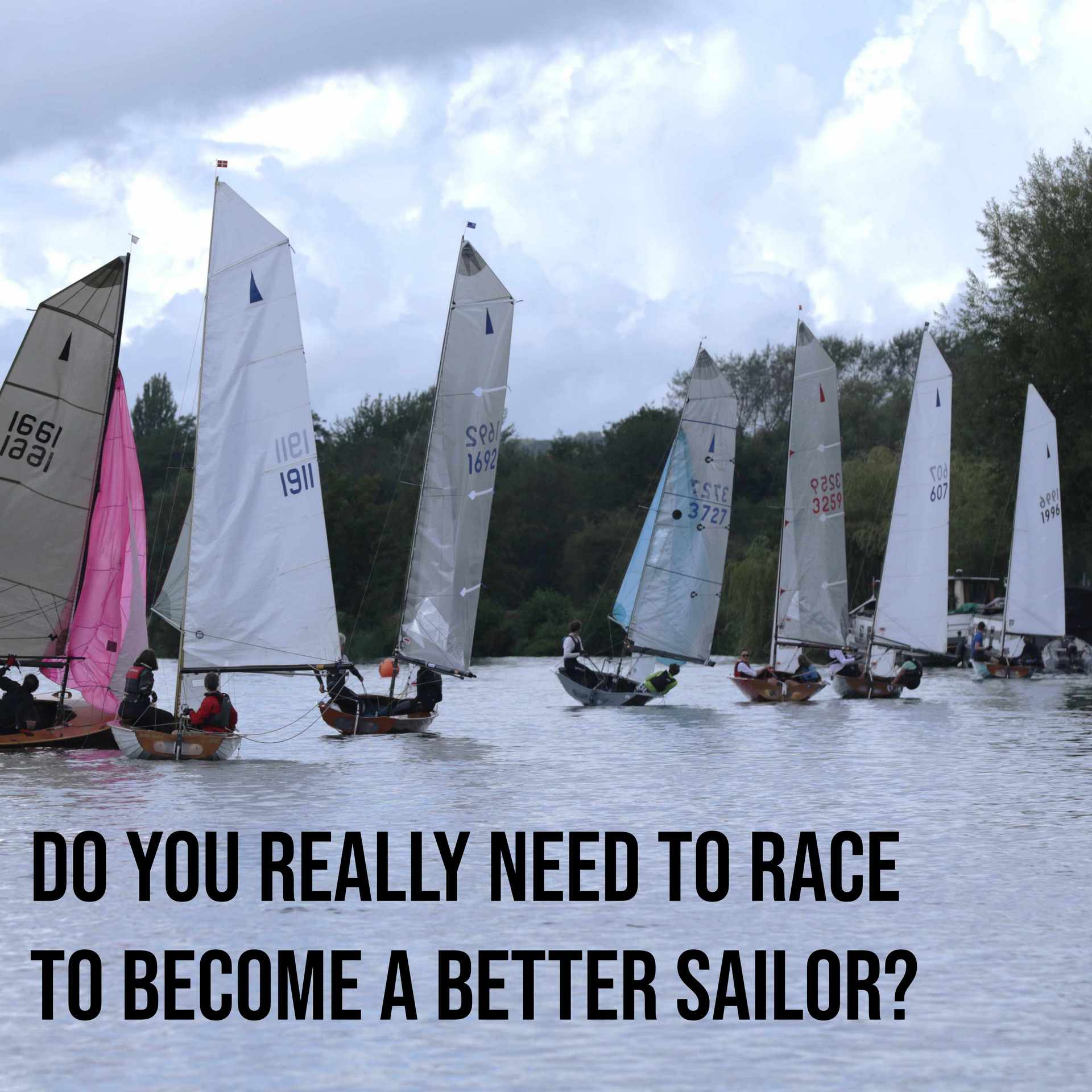
Lesson 18. Do You Really Need to Race to Become a Better Sailor?
You don't have to care about winning for racing to make you a better sailor.
One club race can give you more starts, tacks, mark roundings, tactical decisions and immediate feedback than hours of casual sailing.
Race the course. Learn from the boats around you. Improve one thing.
Lesson 19. Your First Race — Forget Winning and Try These Five Things Instead
Your first sailing race isn't about winning.
Try five things instead:
Start cleanly.
Keep clear.
Sail the correct course.
Avoid unnecessary manoeuvres.
Finish.
The real goal?
Finish wanting another race.
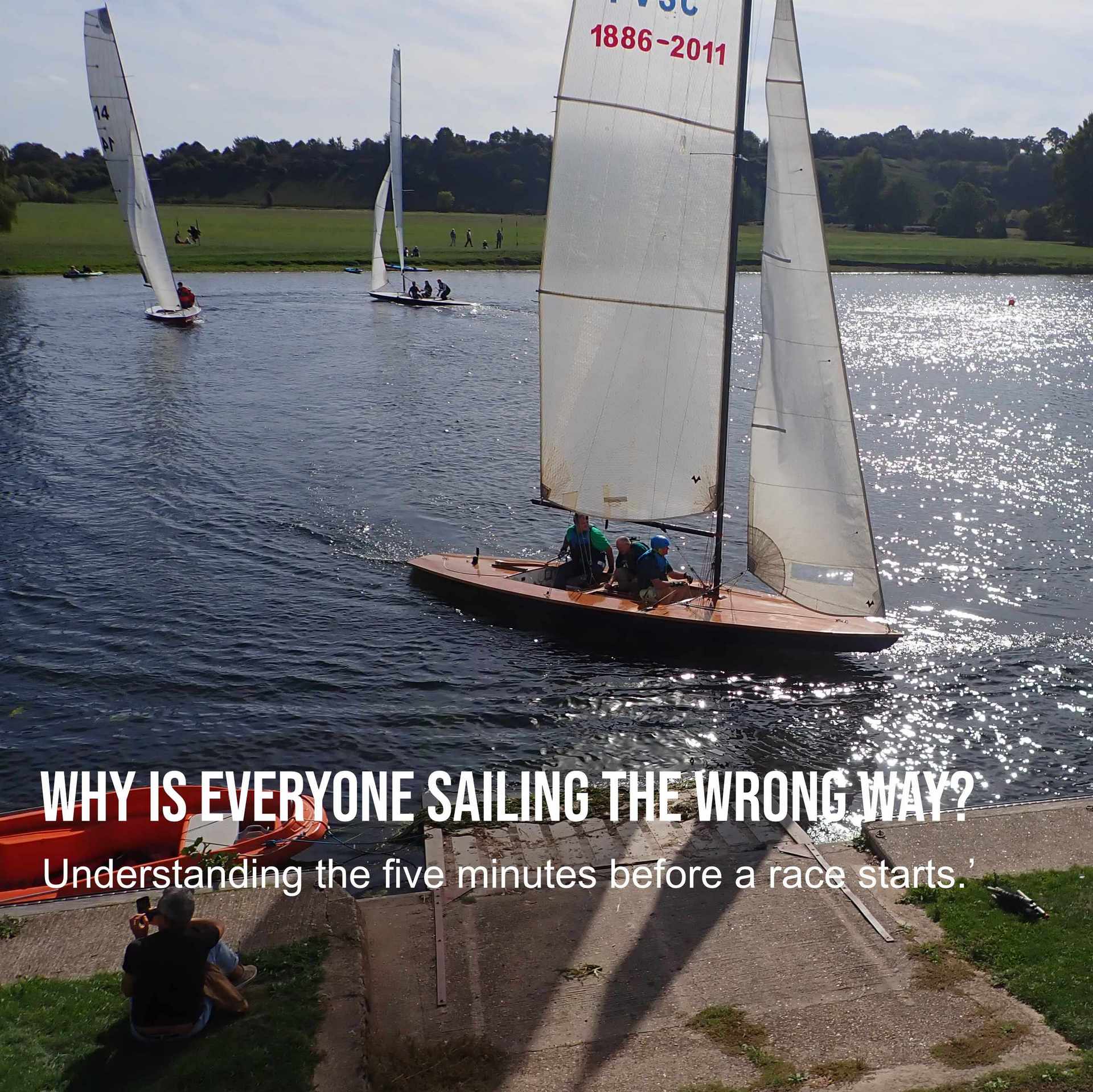
Lesson 20. Starting a Race — Why Everyone Appears to Be Sailing the Wrong Way
Five minutes before a sailing race starts, everyone appears to be sailing the wrong way.
They're not.
They're judging line bias, burning time, protecting space and trying to hit an invisible line at full speed at exactly zero.
The start is a race before the race.
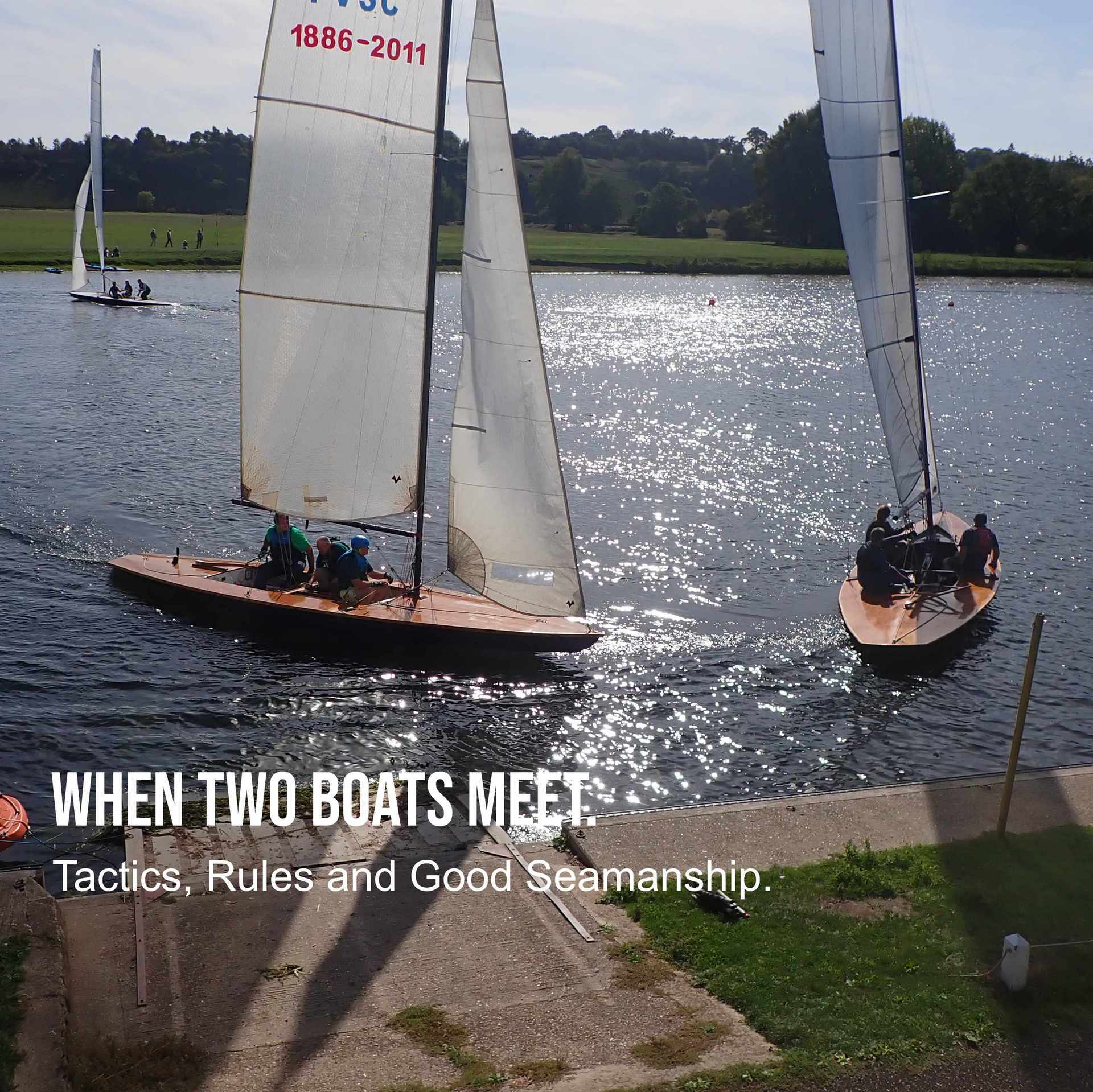
Lesson 21. When Two Boats Meet — Tactics, Rules and Good Seamanship
Being on starboard doesn't mean you should sail into somebody.
When two racing boats meet, three things matter:
What do the rules say?
What is tactically fastest?
What is good seamanship?
And those answers aren't always identical.
Being right and being wise are two different things.
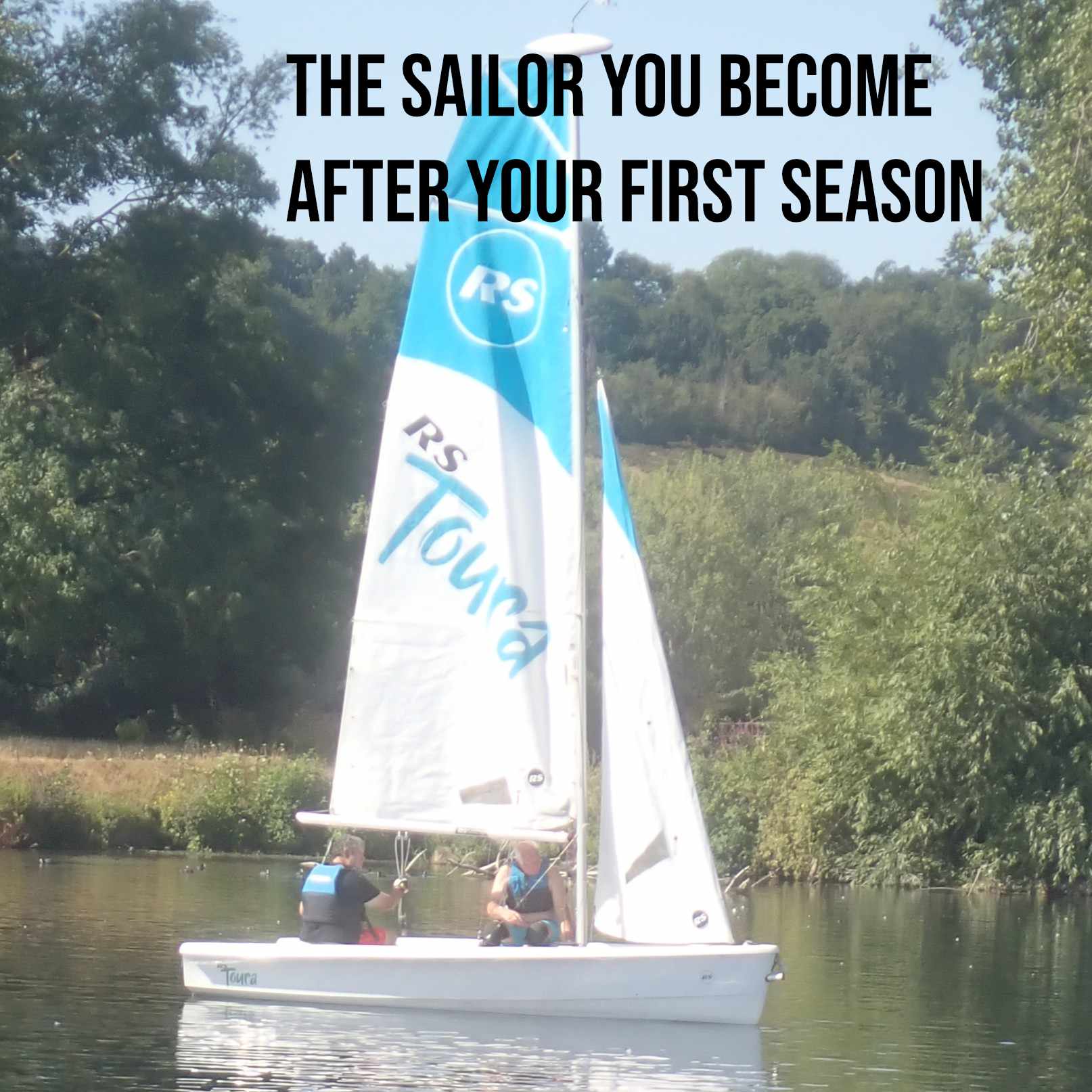
Lesson 22. The Sailor You Become After Your First Season
Your first season teaches you to control a sailing boat.
Then something changes.
You stop looking at the ropes and start noticing gusts, shifts, other boats, wind shadows and what might happen next.
The boat hasn't changed.
The sailor has.