admin 7 Oct 2026 Sailing Previous Lesson Comments (0)
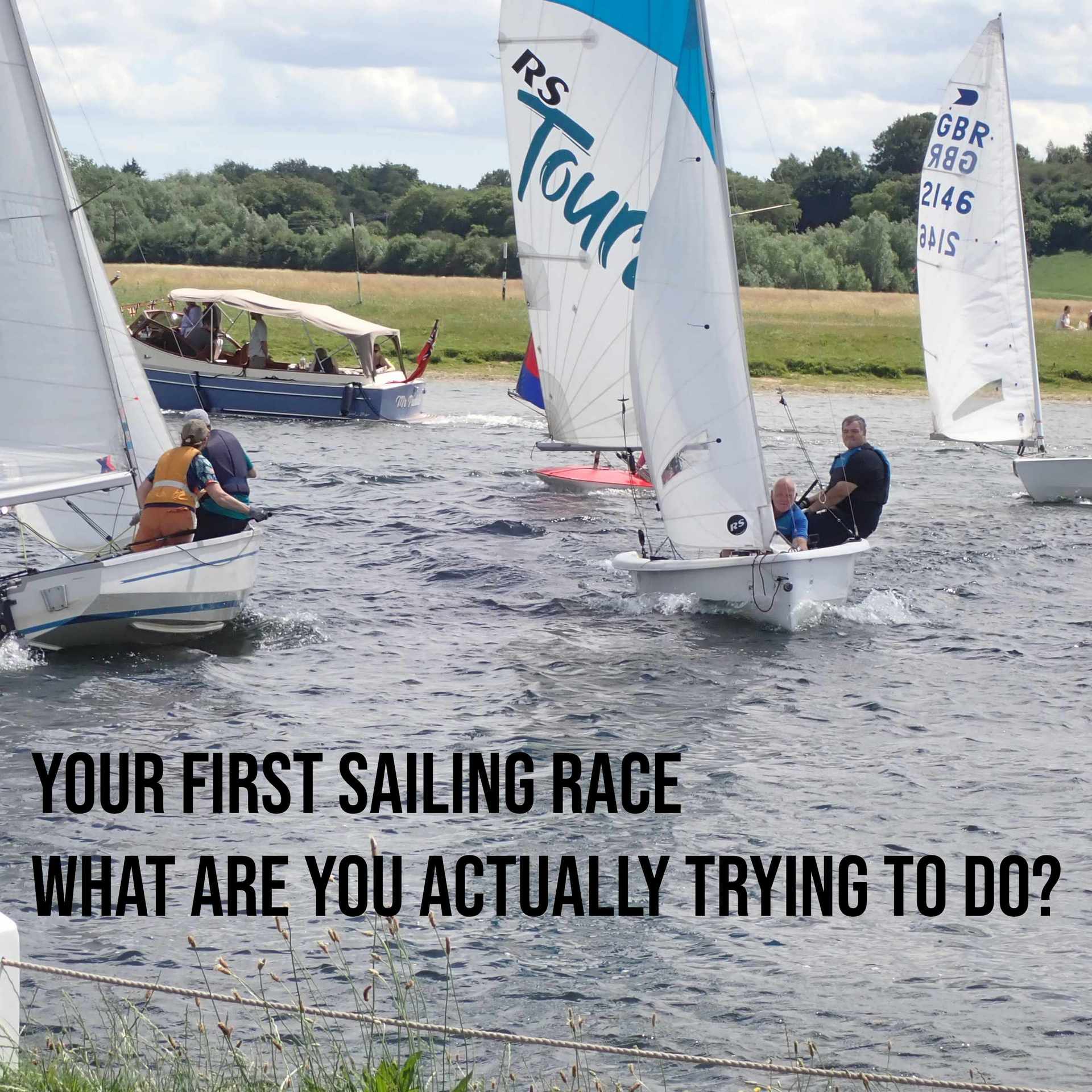
Part 1. Your First Sailing Race — What Are You Actually Trying to Do?
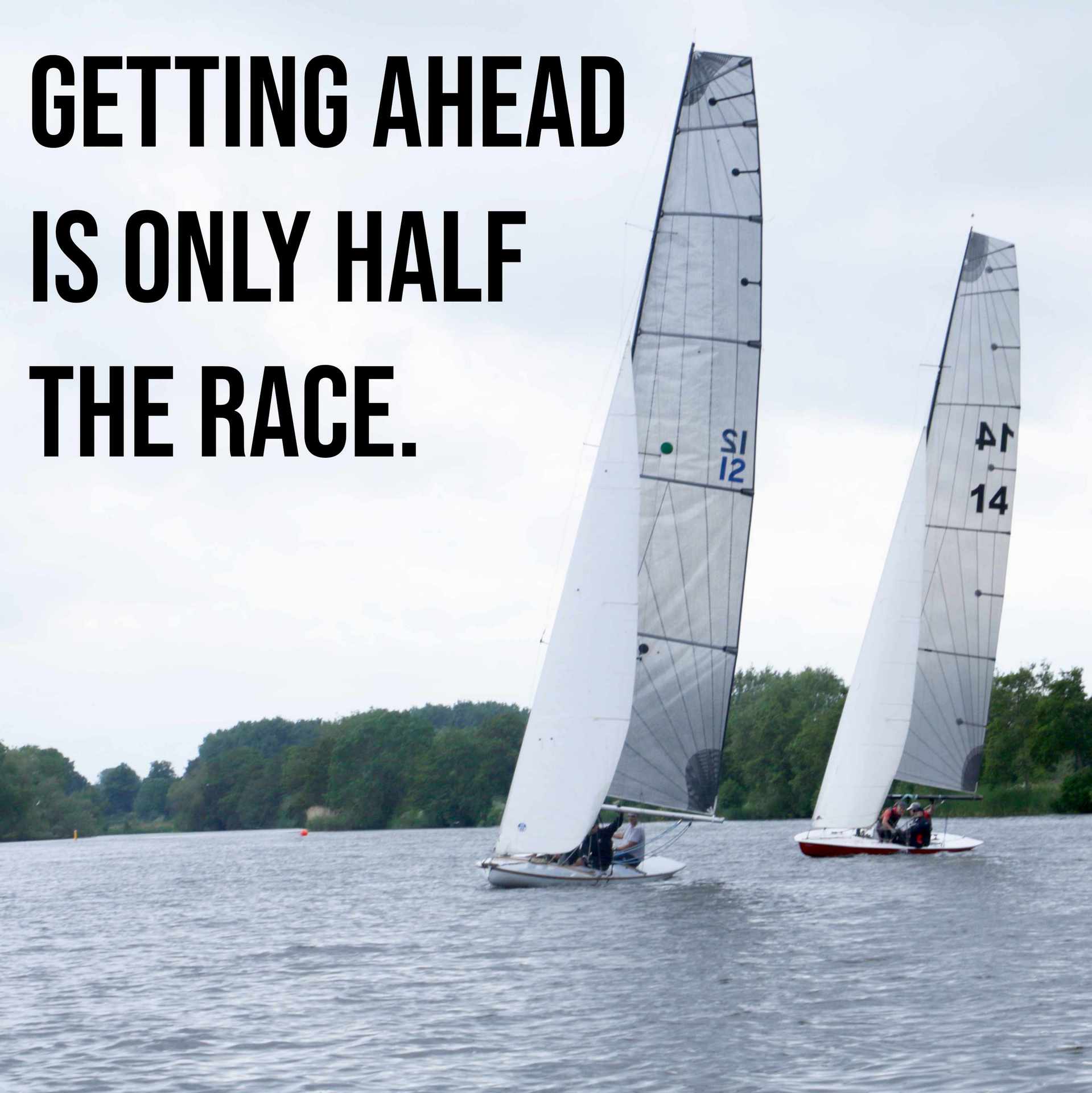
Your first sailing race isn't really about winning.
Can you find the start, sail the course, anticipate the next mark and keep the boat moving?
Those same questions still matter aboard an A-Rater like Champagne — they just arrive much faster.
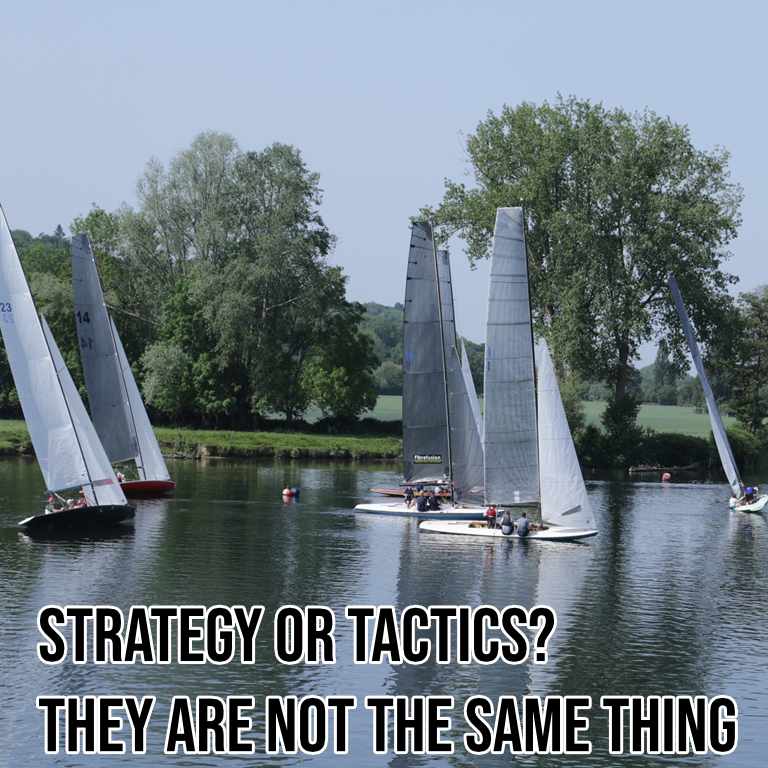
Part 2. Strategy or Tactics? They Are Not the Same Thing
You had the perfect sailing plan.
Then another boat arrived.
That's the difference between strategy and tactics.
One is about wind, current and the best route. The other is about what happens when competitors interfere.
Which wins races? You need both.
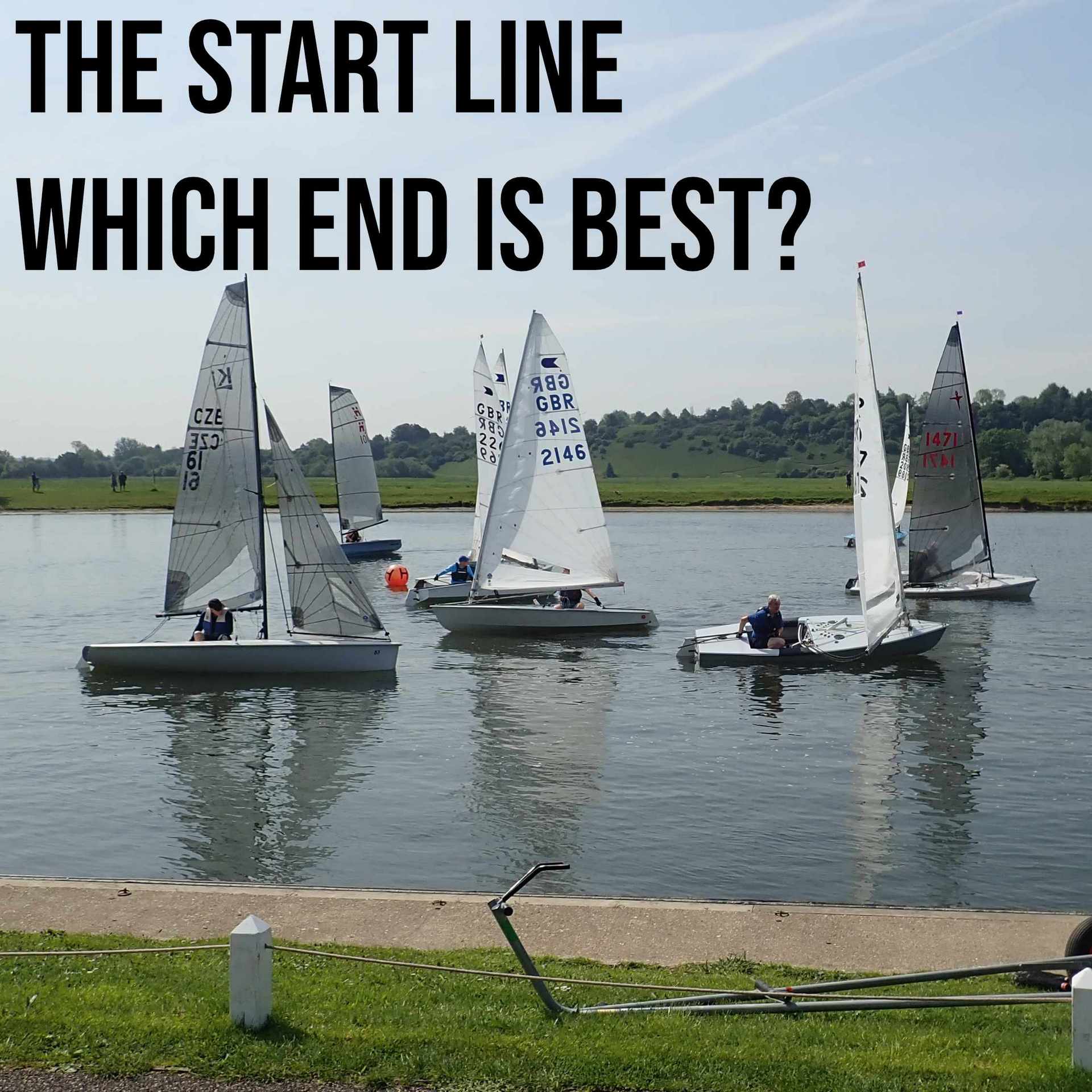
Part 3. The Start Line — Why One End Can Be Much Better Than the Other
Two boats cross the start line together. Same speed. Same time.
Yet one may already be nearly 9 metres ahead!
How?
A 10° line bias on a 50-metre start can make an enormous difference.
But is the favoured end always the best place to start?
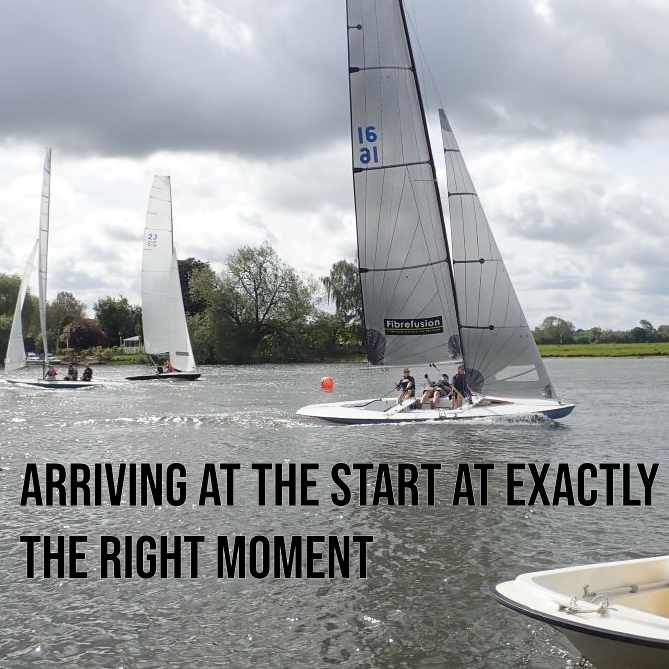
Part 4: Time-on-Distance — Arriving at the Start at Exactly the Right Moment
The boat closest to the starting line isn't always the one that makes the best start.
Speed, acceleration and timing can matter more than position.
And aboard our Thames A-Rater Champagne, every second counts.
The perfect start begins before the gun!
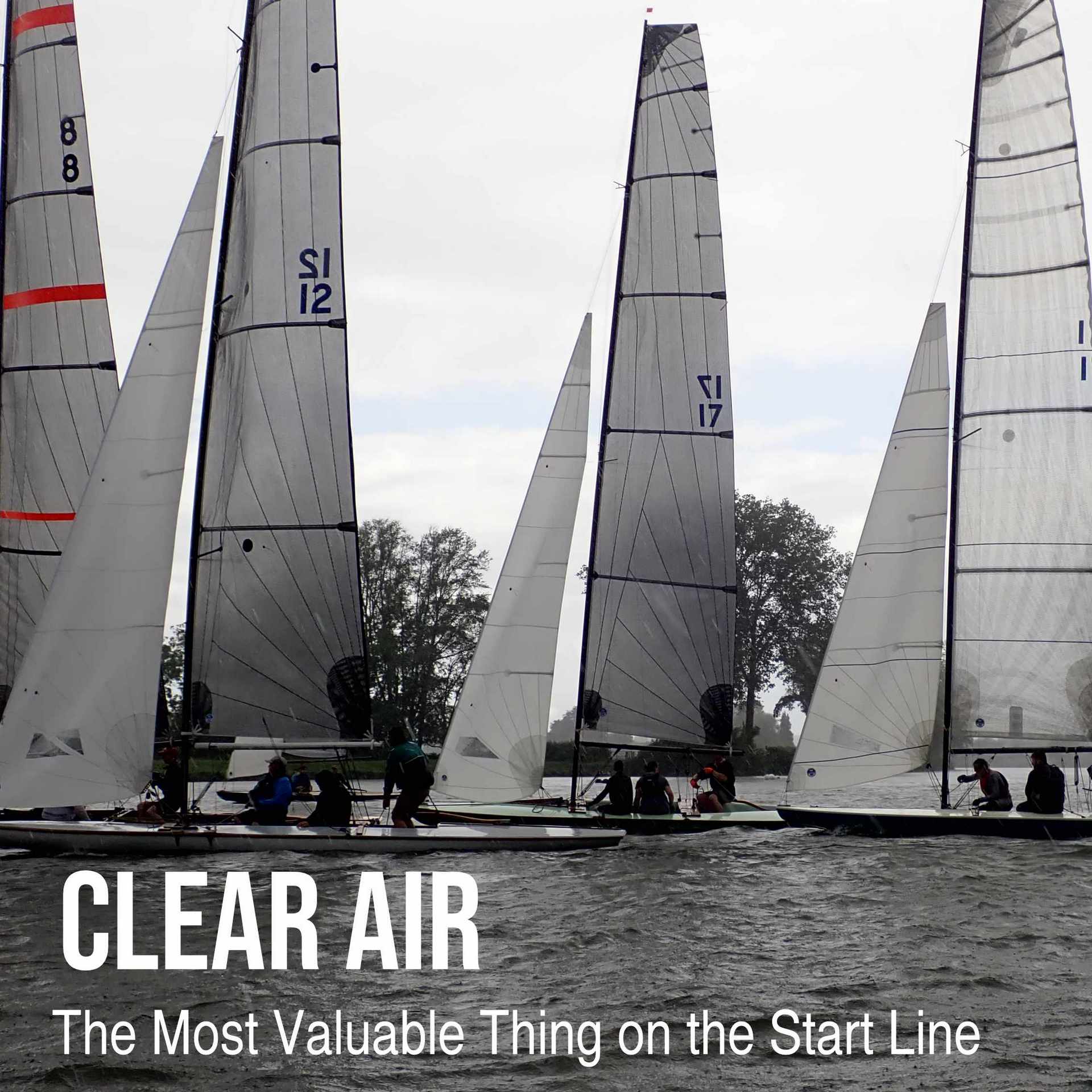
Part 5. Clear Air — The Most Valuable Thing on the Start Line
Sometimes being 2 metres behind is faster than being 1 metre ahead.
Why? DIRTY AIR
You can nail the start and still lose the race in the next 30 seconds.
Discover why clear wind matters — especially when racing near an A-Rater.
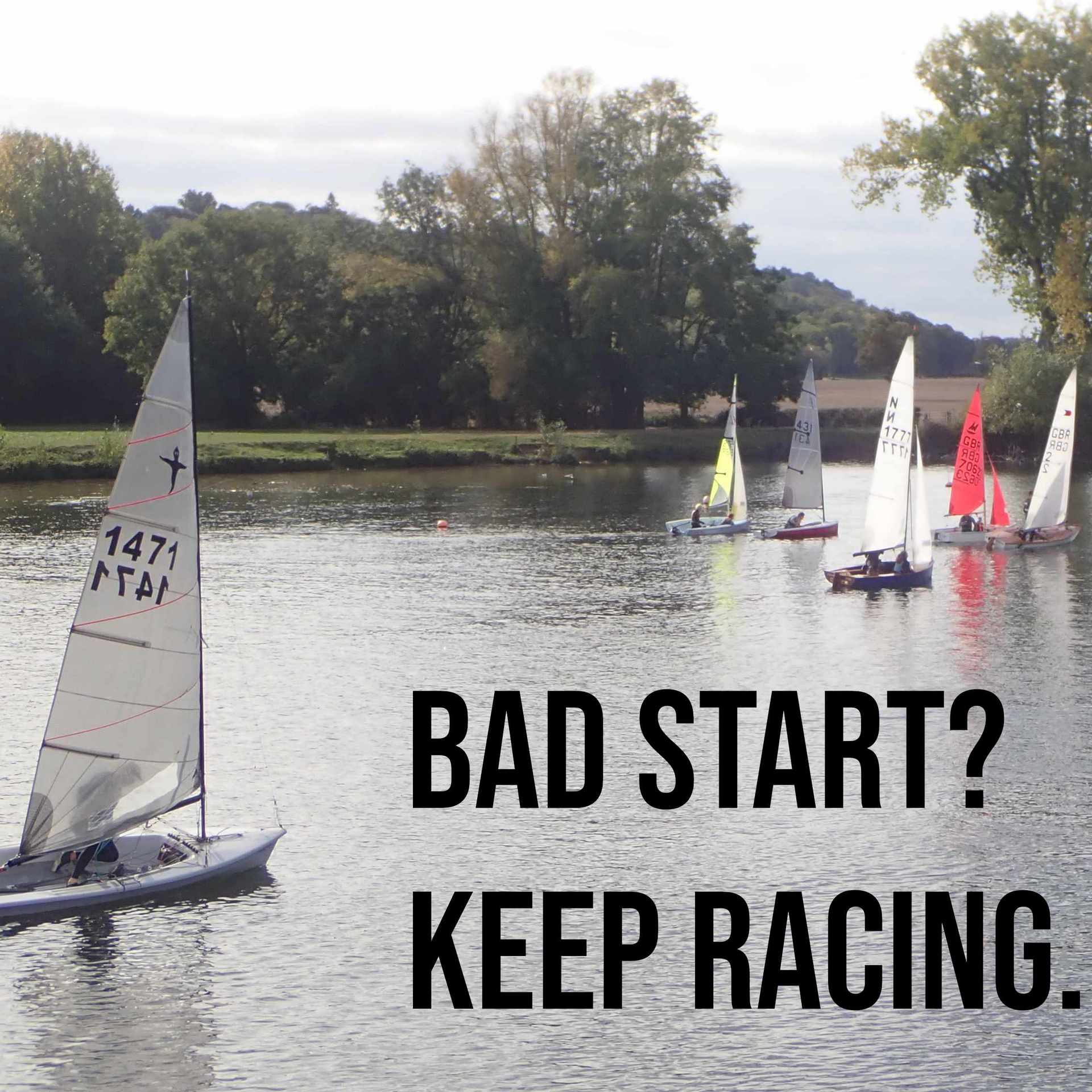
Part 6. Bad Start? Keep Racing.
Over early? Squeezed out? Stalled on the line?
Your next decision matters more than your last mistake.
How do you turn a poor start into a useful race?
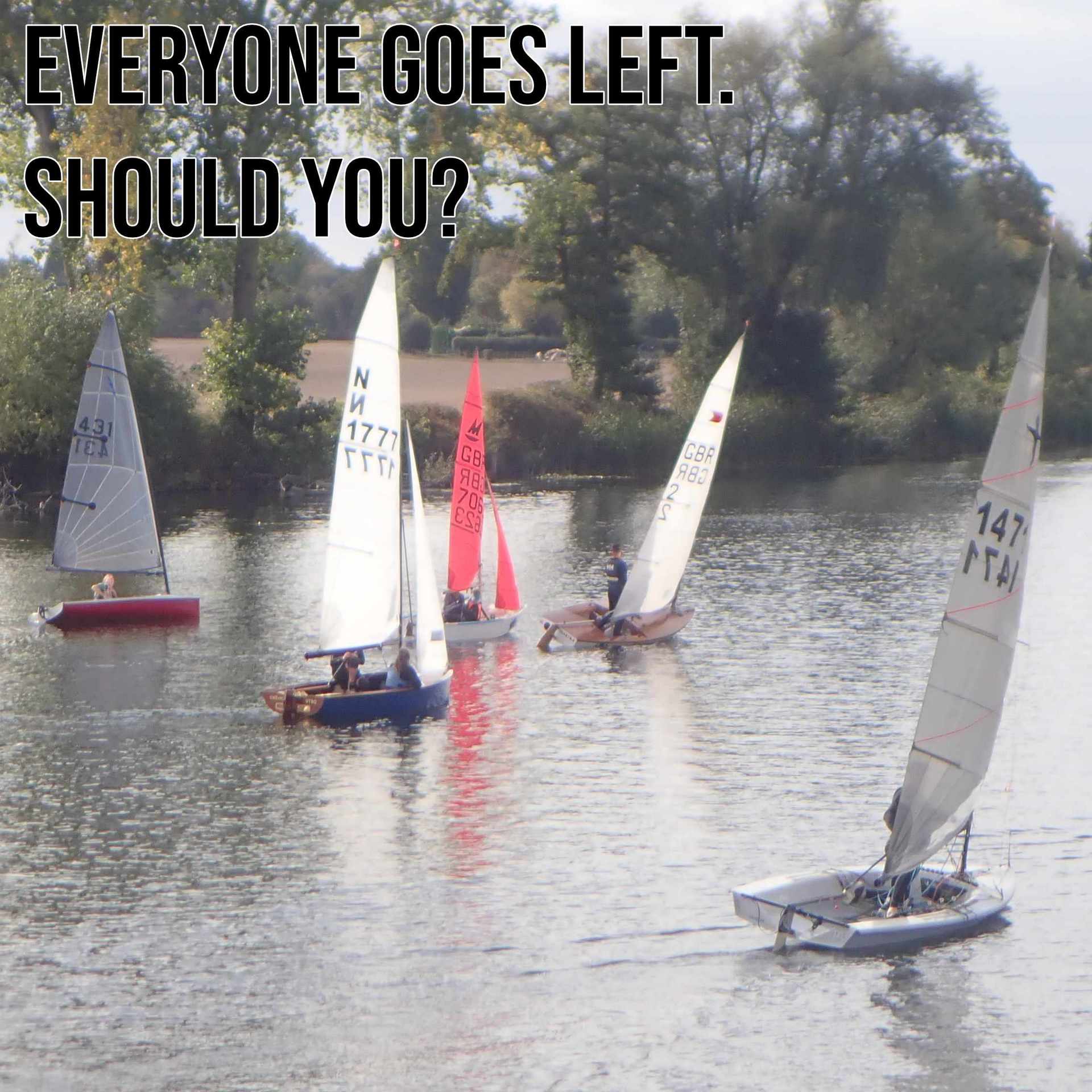
Part 7. The First Beat — Don't Just Follow Everybody Else
If every boat goes left, is left correct?
On a river, weaker current can hide weaker wind. Your first beat needs a reason—not just a boat to follow.
Part 8. Headers and Lifts — Turning Wind Shifts Into Distance
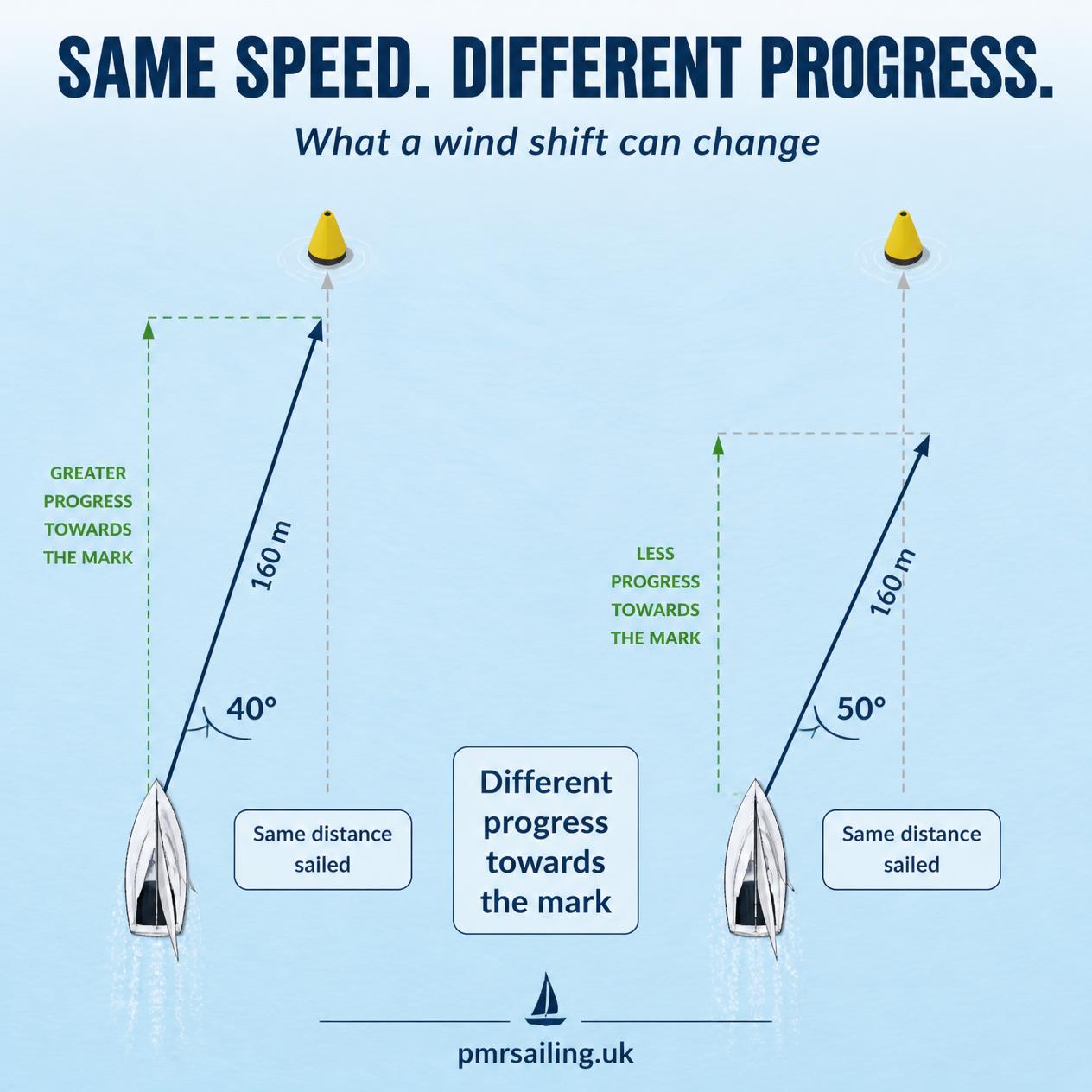
Same speed. Twenty metres more progress.
How? A better wind angle.
Lifts and headers can transform your first beat—but should you tack every time the wind turns?
P:art 9. Oscillating or Persistent? Not Every Wind Shift Should Be Treated the Same Way
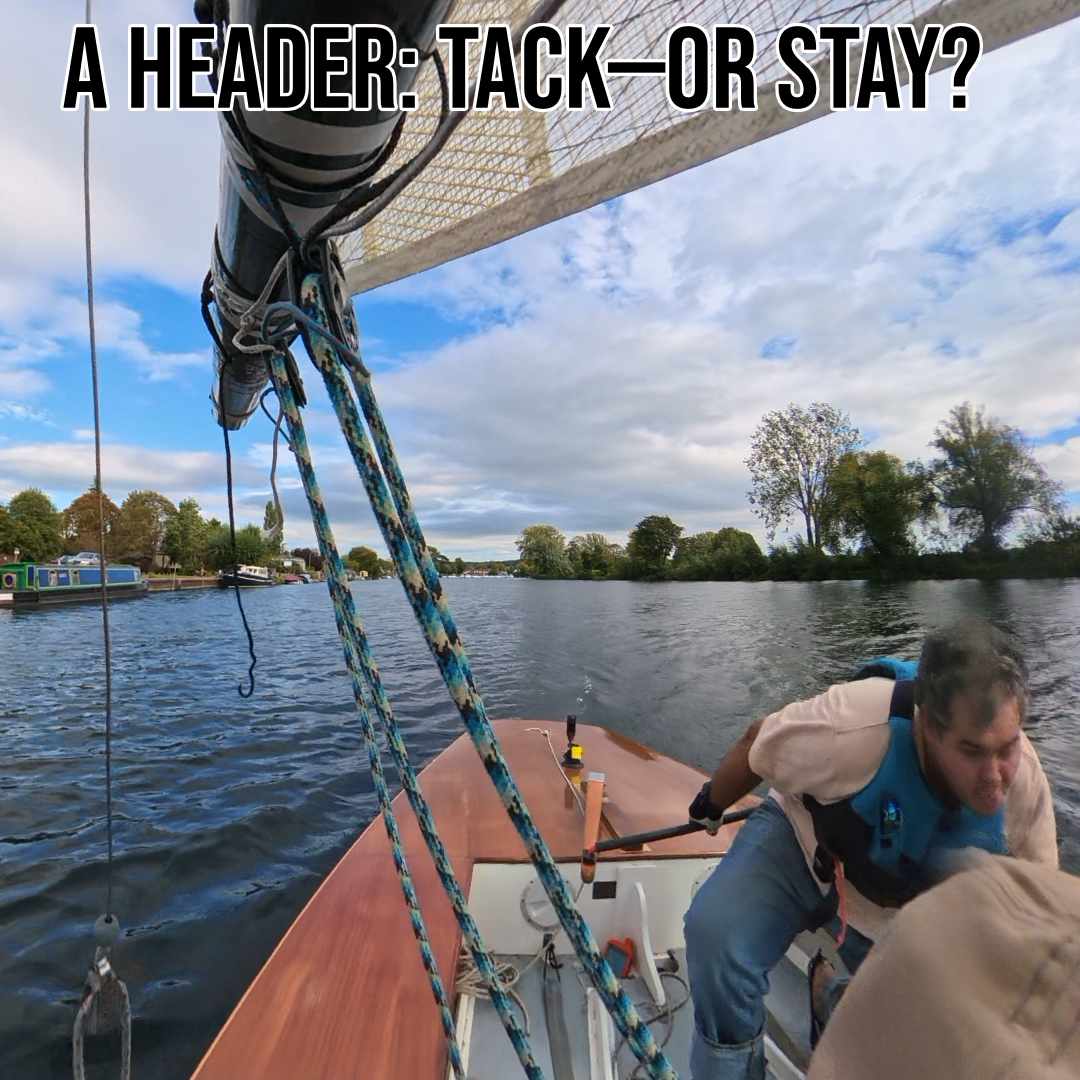
A header means tack… doesn’t it?If the wind keeps turning, that tack could take you towards the wrong side of the course.
Oscillating or persistent?
Learn to spot the difference.
Part 10. Dirty Air — Why Following Another Boat Can Feel Like Sailing Into a Hole
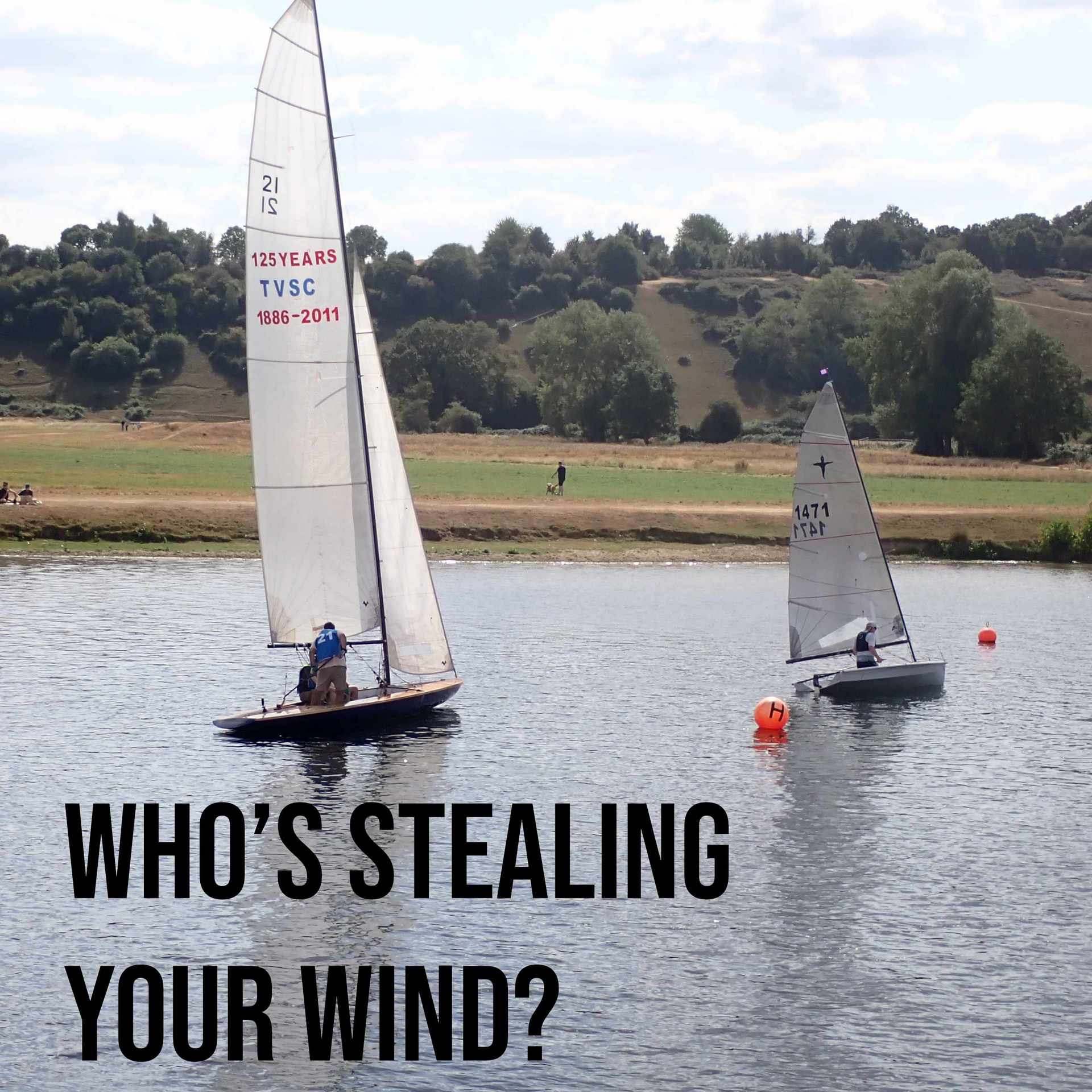
The boat ahead may be stealing your wind.
Dirty air can turn “just behind” into “much further behind”. How do you spot it — and escape?
Part 11. Laylines — Why Getting There Too Early Can Lose the Race
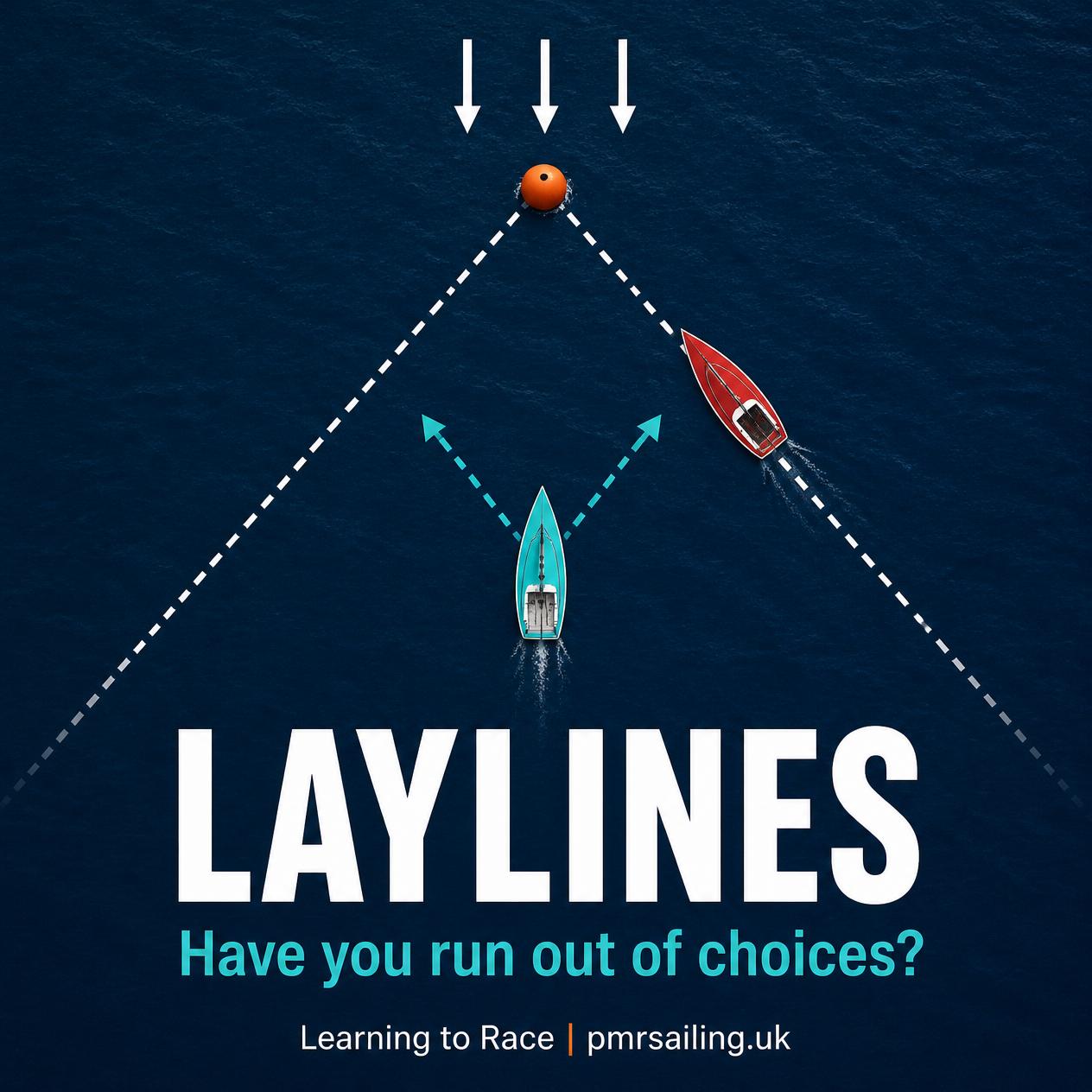
Reaching the layline feels reassuring. But have you just run out of choices?
One wind shift or a boat on your air can turn “we’ll make it” into a costly approach.
Why getting there early can lose places:
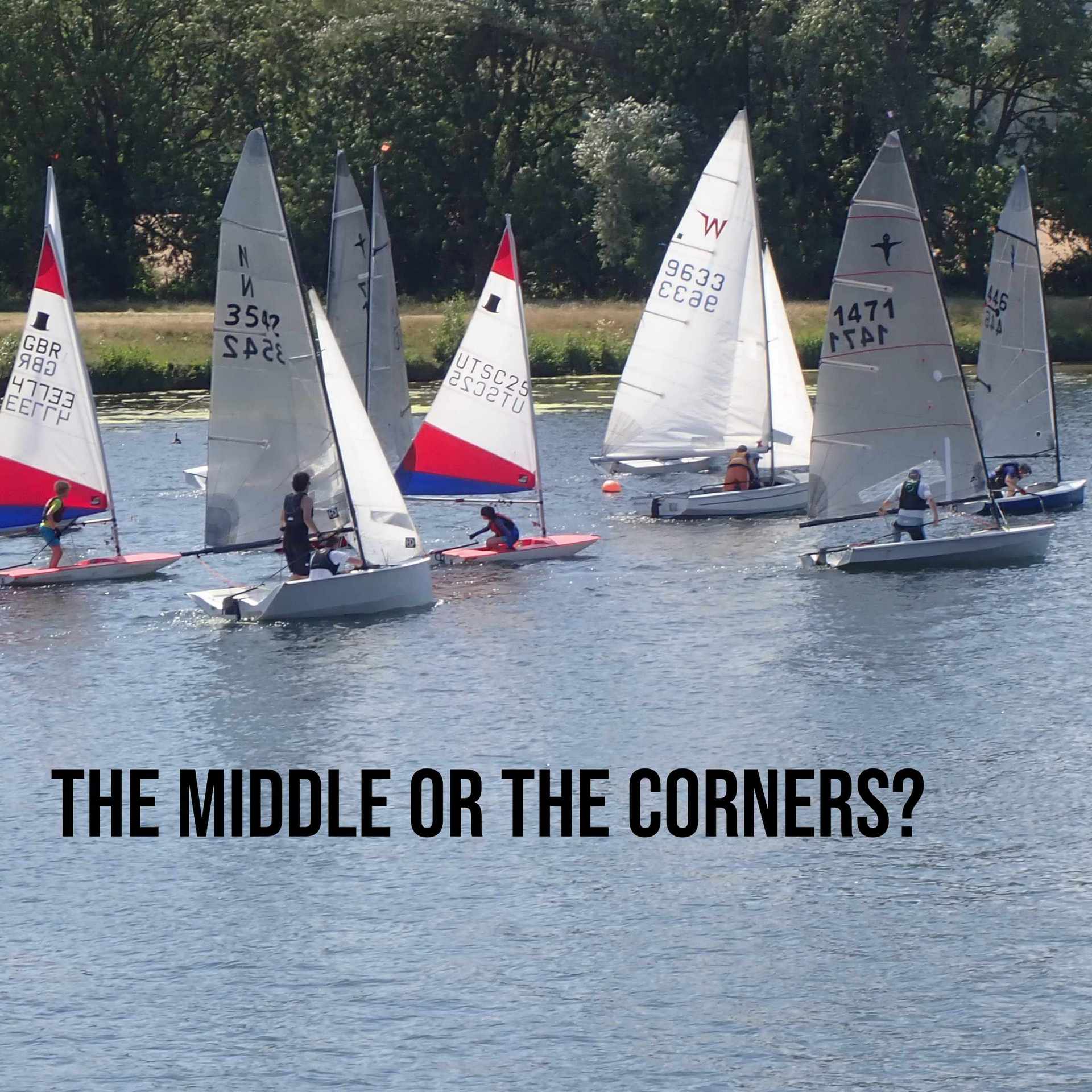
Part 12. The Middle or the Corners? Understanding Fleet Positioning
Winning the corner feels brilliant — until the wind shifts.
Should you chase the breeze by the bank or stay connected to the fleet? On the Thames, a few boat lengths can change your options.
The middle or the corners?
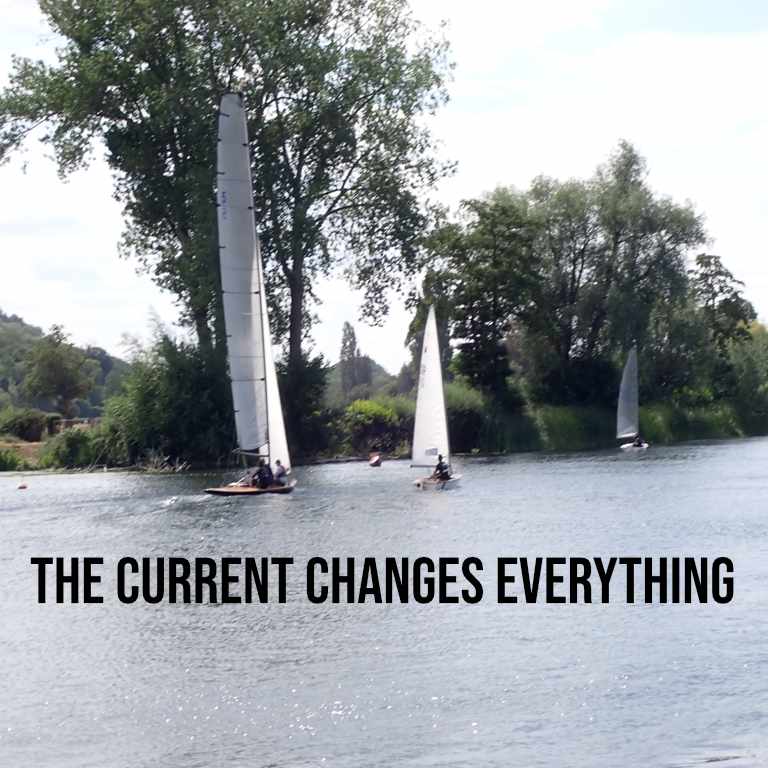
Part 13. The Current Changes Everything — Racing on a River
Sailing faster — yet falling behind?
On a river, speed through the water tells only half the story. The stream can undo your mark approach before you notice.
Part 14. Which Side of the River? Turning Local Knowledge Into Race Strategy
The shortest route up a river is frequently not the fastest. Trees, stream and one useful gust can change the winning lane. Which side would you choose aboard Champagne?
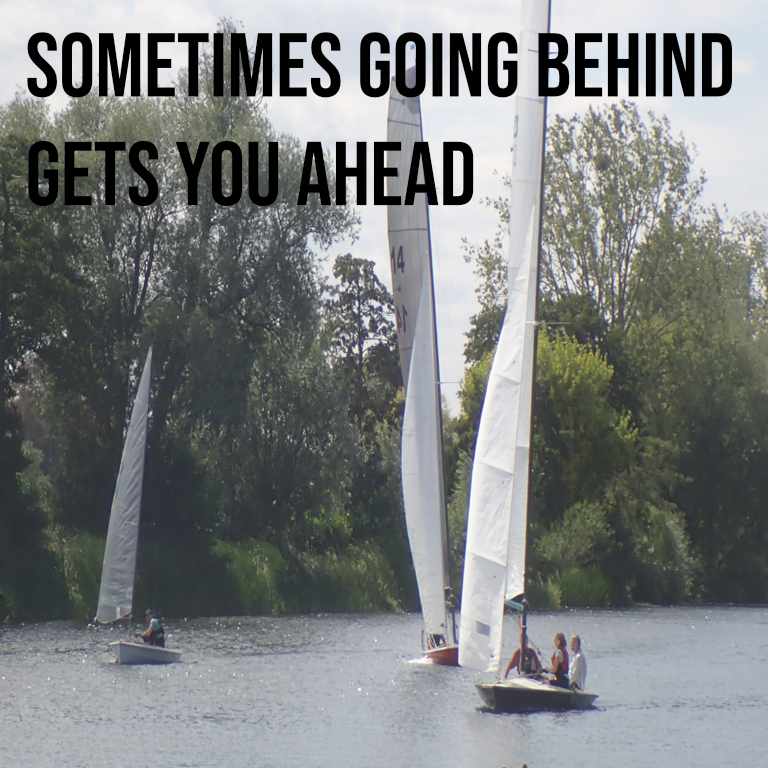
Part 15. Crossing Another Boat — Tack, Duck or Keep Going?
Sometimes going behind gets you ahead. A small duck can preserve speed and avoid two costly tacks. When should you tack, duck or keep going?
Part 16. Covering — How the Boat Ahead Protects Its Lead
Why does the boat ahead tack every time you do?
They’re covering: reducing your chances of finding a better route.
But follow too closely and both boats can lose.
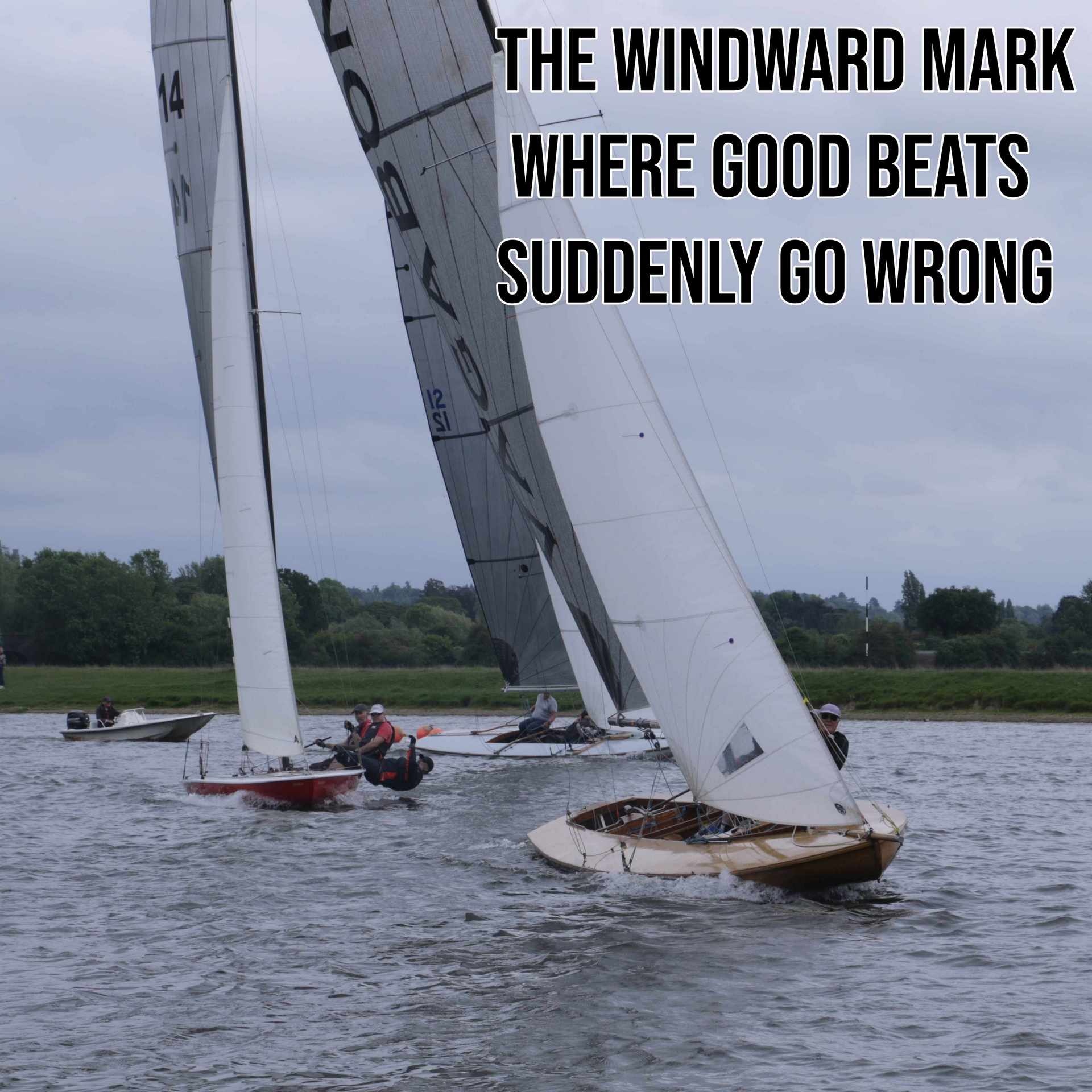
Part 17. The Windward Mark — Where Good Beats Suddenly Go Wrong
You can sail a brilliant beat and lose five places in the final twenty metres. A crowded windward mark tests far more than your lay-line judgement. Have you planned your exit?
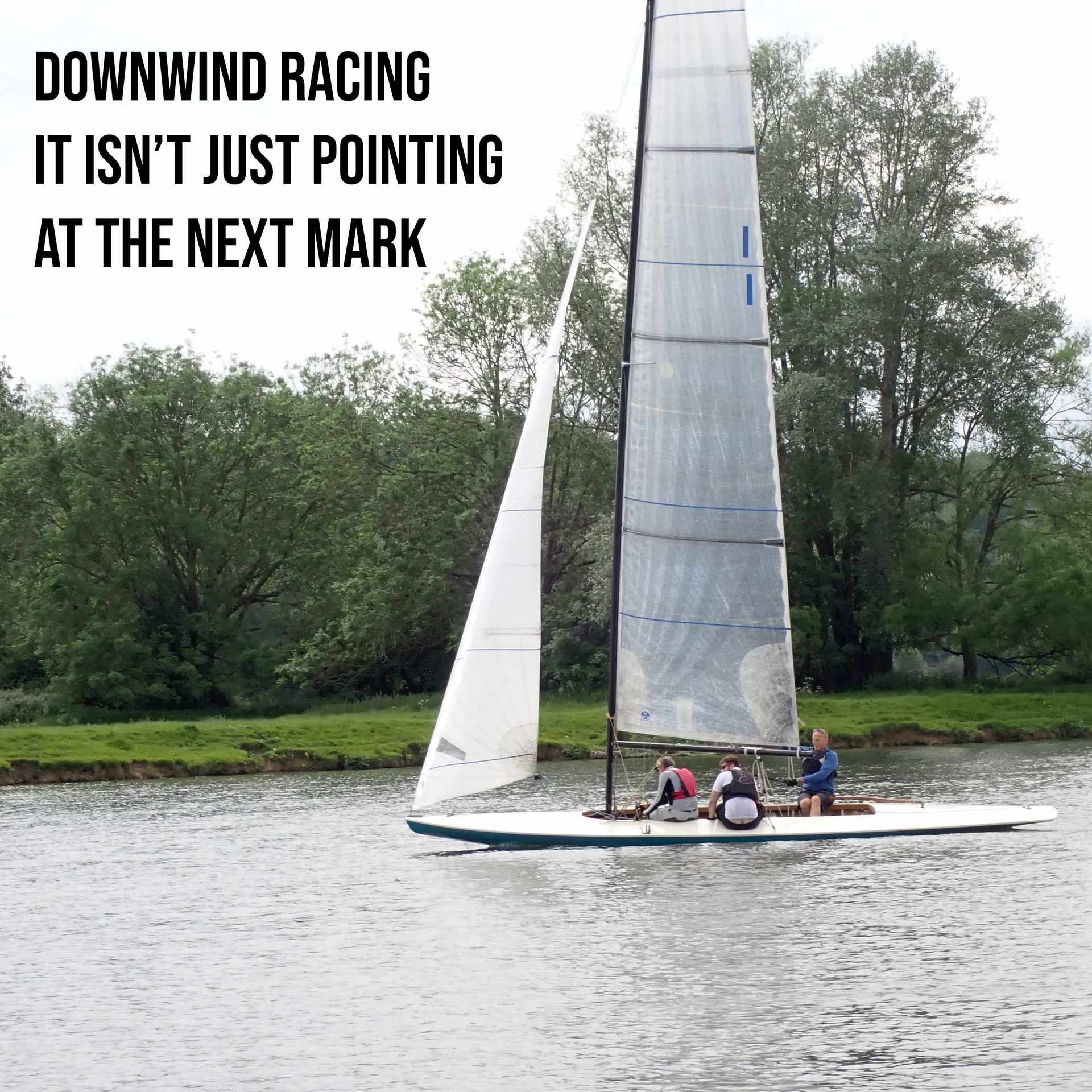
Part 18. Downwind Racing — It Isn’t Just Pointing at the Next Mark
Downwind, the straight line can be the slowest route.
Why sail away from the mark—and how can a boat behind steal your wind?
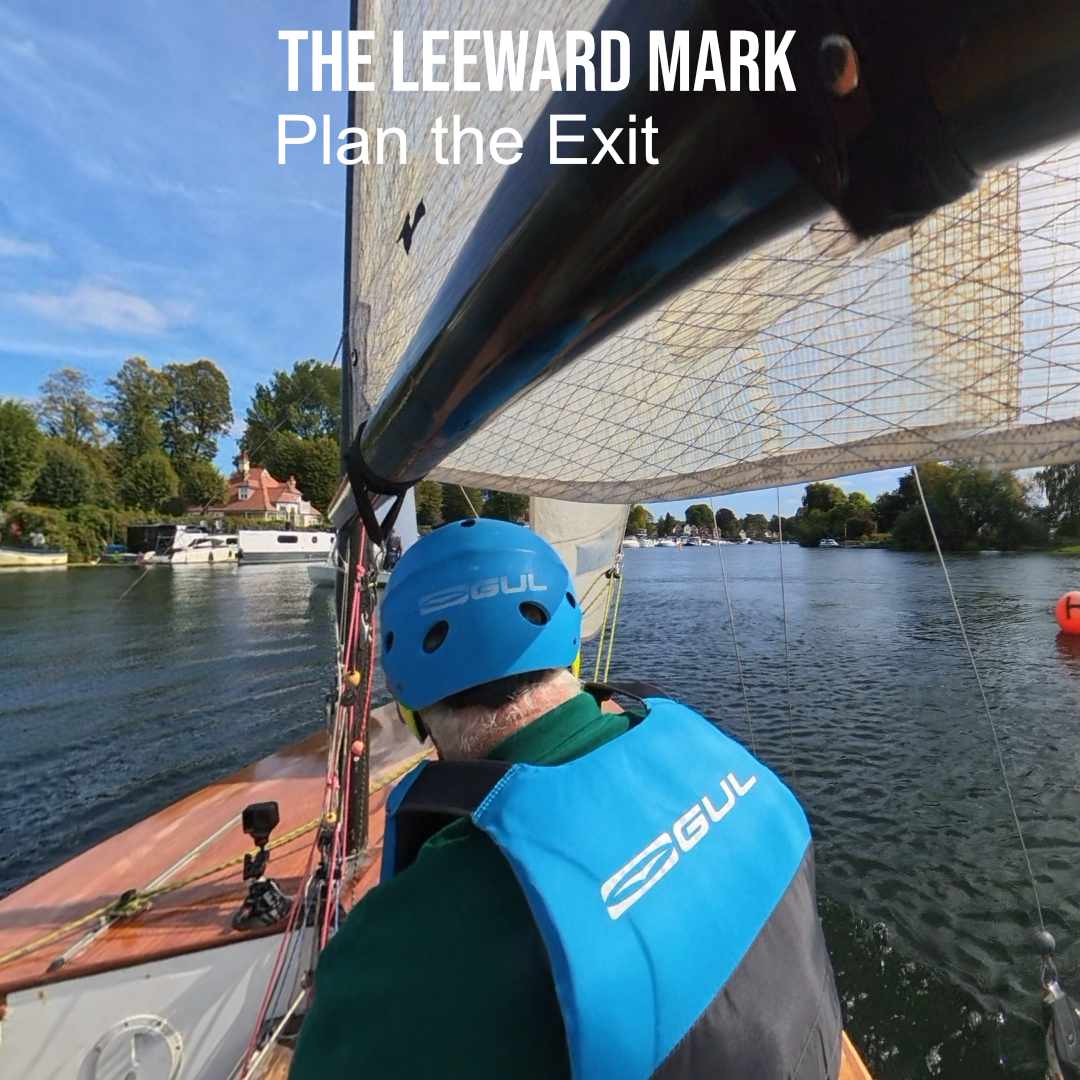
Part 19. The Leeward Mark — Plan the Exit Before You Arrive
First to the leeward mark—but slowest away? The rounding finishes when you’re accelerating onto the next beat. How do you plan that exit aboard Champagne?
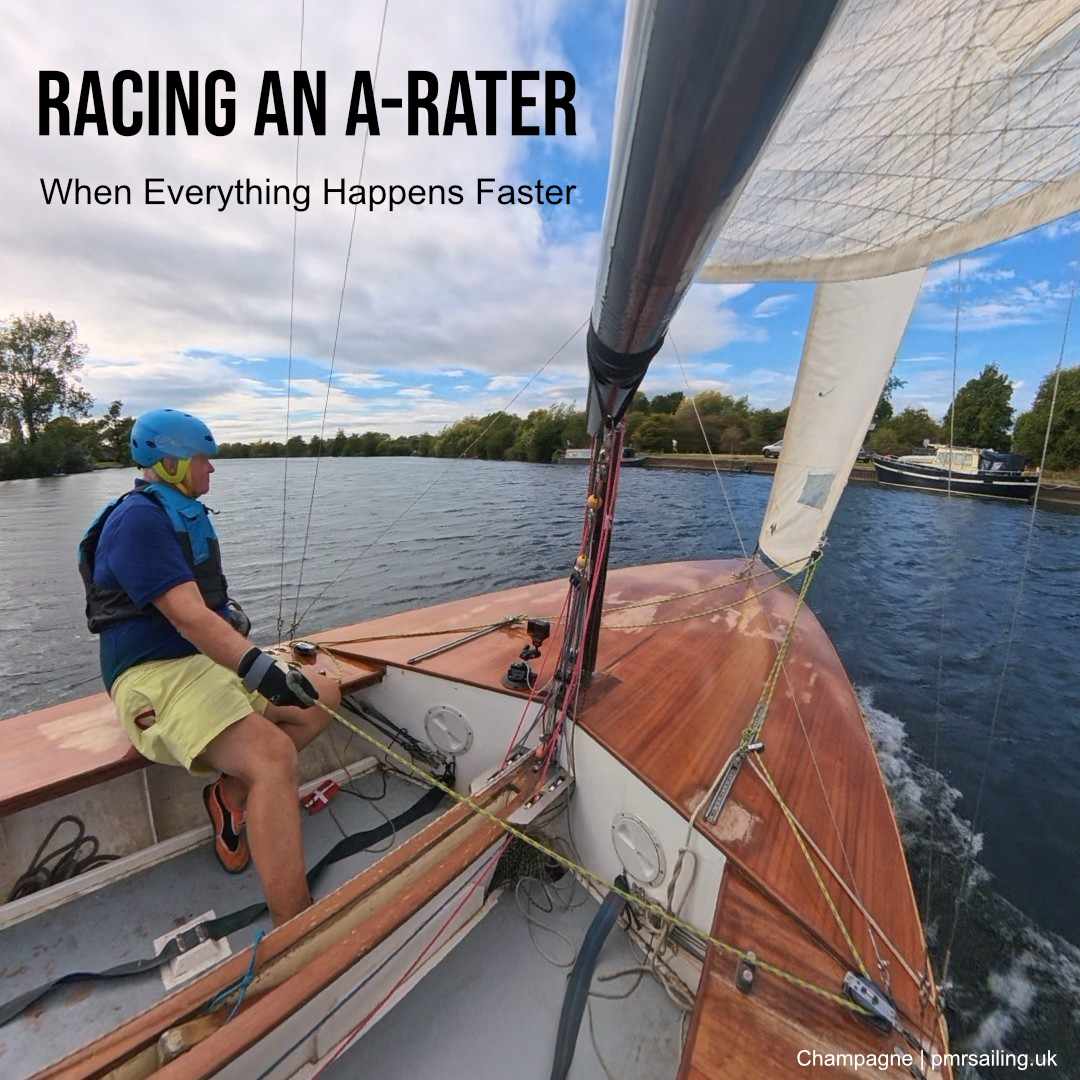
Part 20. Racing an A-Rater — When Everything Happens Faster
A gust. A starboard boat. A riverbank getting closer.
Aboard Champagne, how early is early enough to decide?
Racing an A-Rater puts anticipation and teamwork to the test.
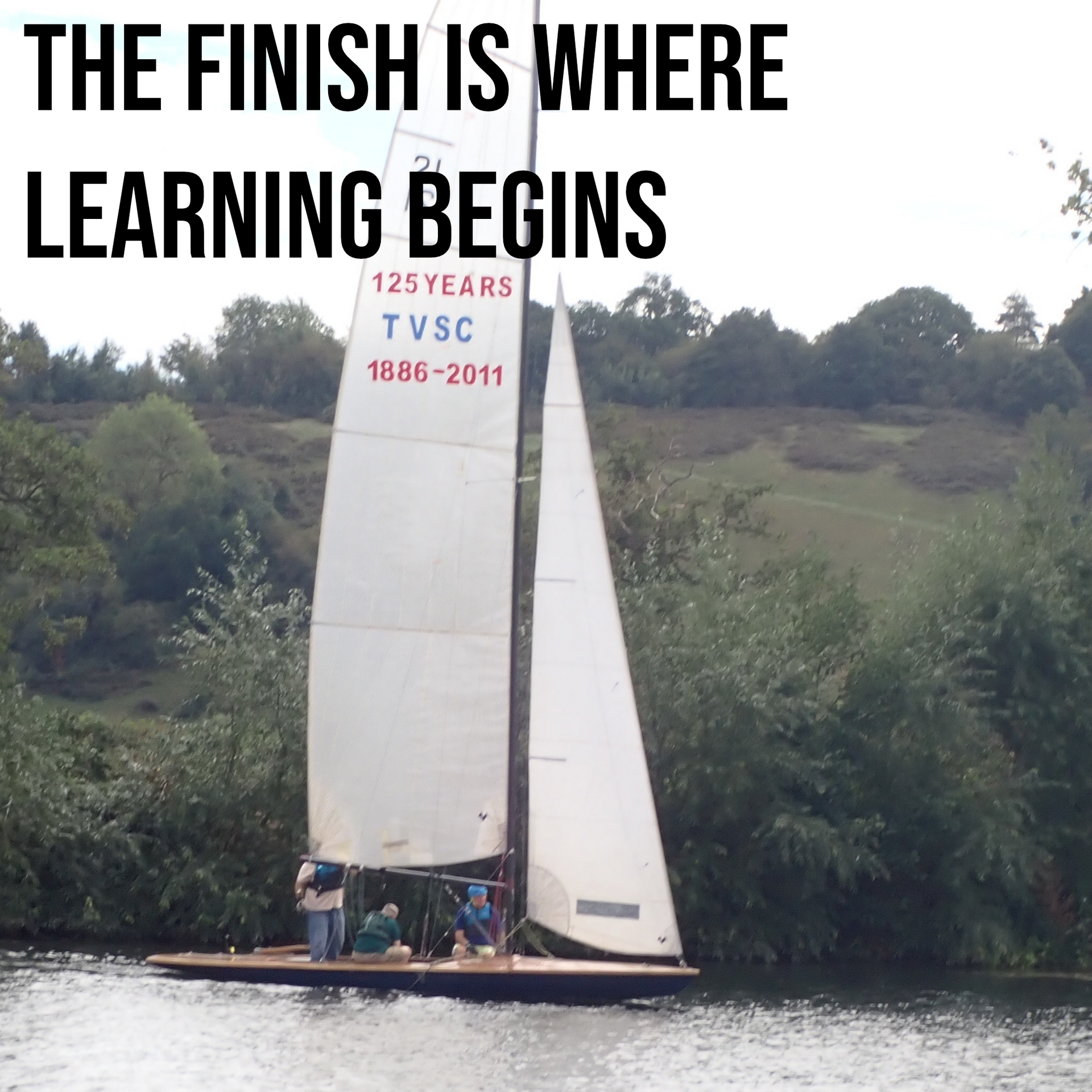
Post 21. From Finishing Your First Race to Racing Better — How Do You Keep Improving?
The finish line gives you a result. Can you explain it?
A better start? A costly tack? The wrong stretch of river?
The Learning to Race finale: what to review, what to practise, and why changing one thing helps.