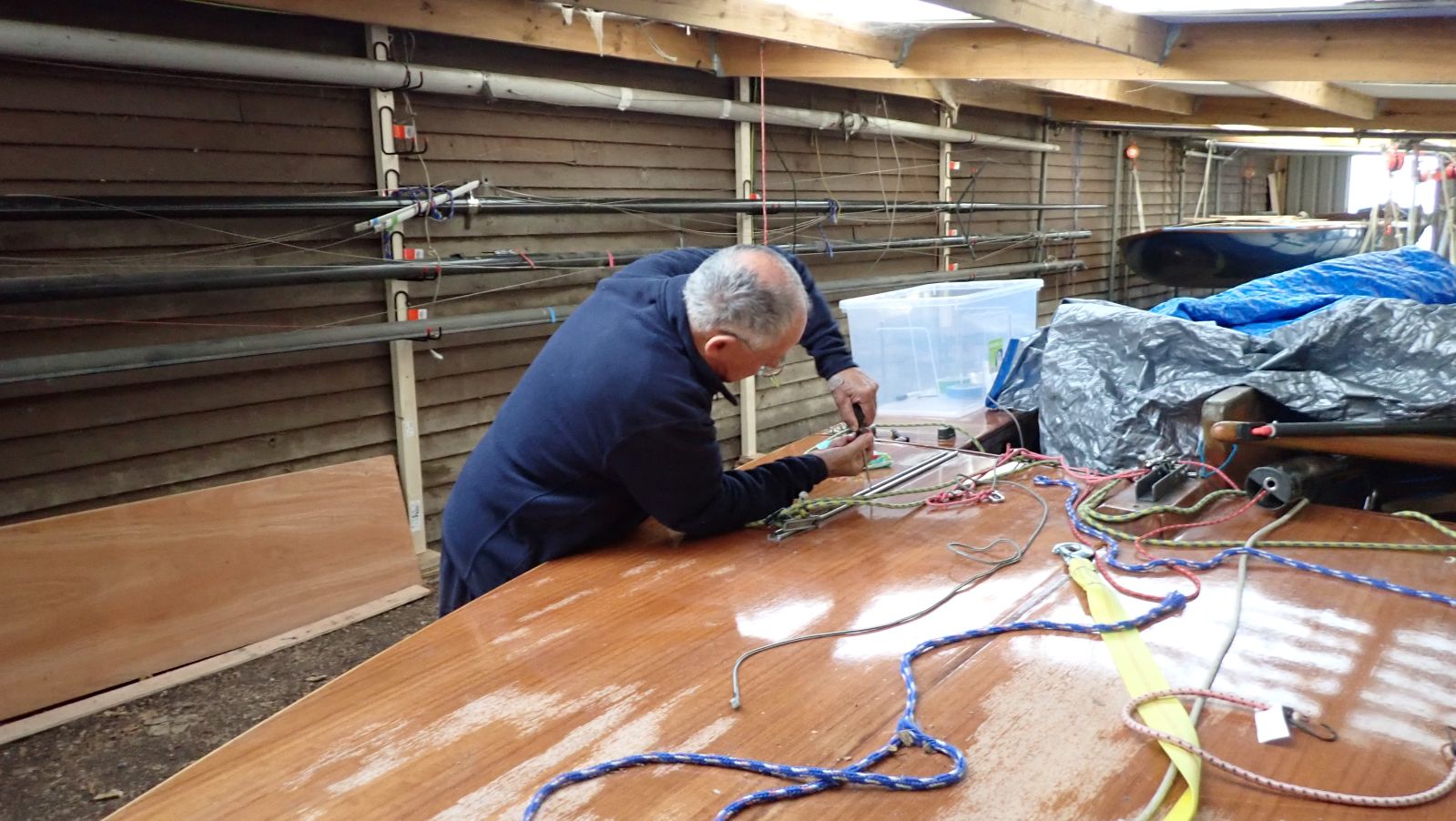
Series introduction:
When the river is flooded, the rain is horizontal and the boats are under their covers, sailing has not stopped completely. Winter is when we discover what wore out, repair what annoyed us and decide which improvements might make next season safer, easier and more enjoyable.
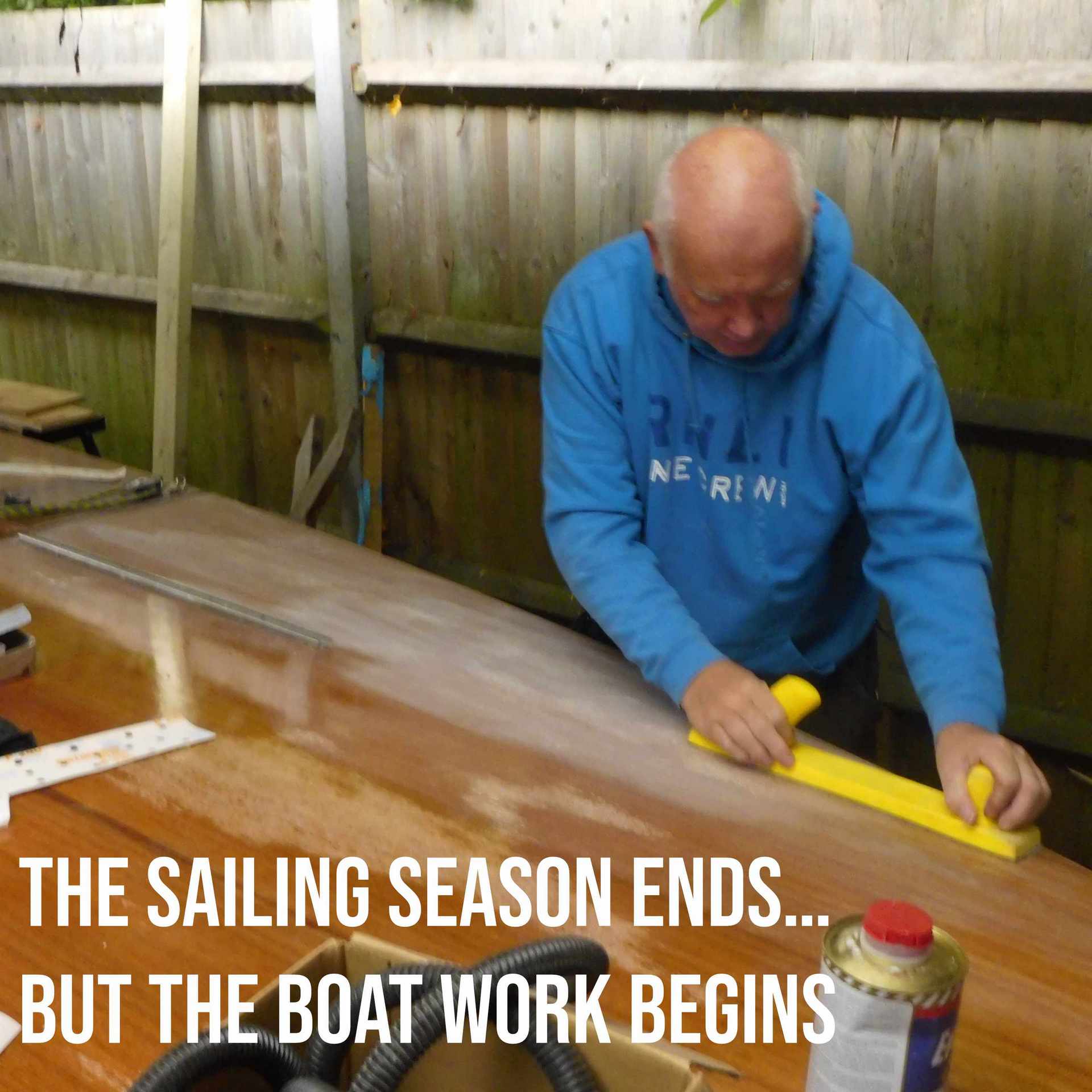
The Sailing Season Ends — But the Boat Work Begins
What annoyed you most on your boat last summer? That’s where your winter maintenance list should start. Champagne, our RS Toura and Whaly Coyote: three boats, three lists — essential repairs, useful improvements and things that can wait.
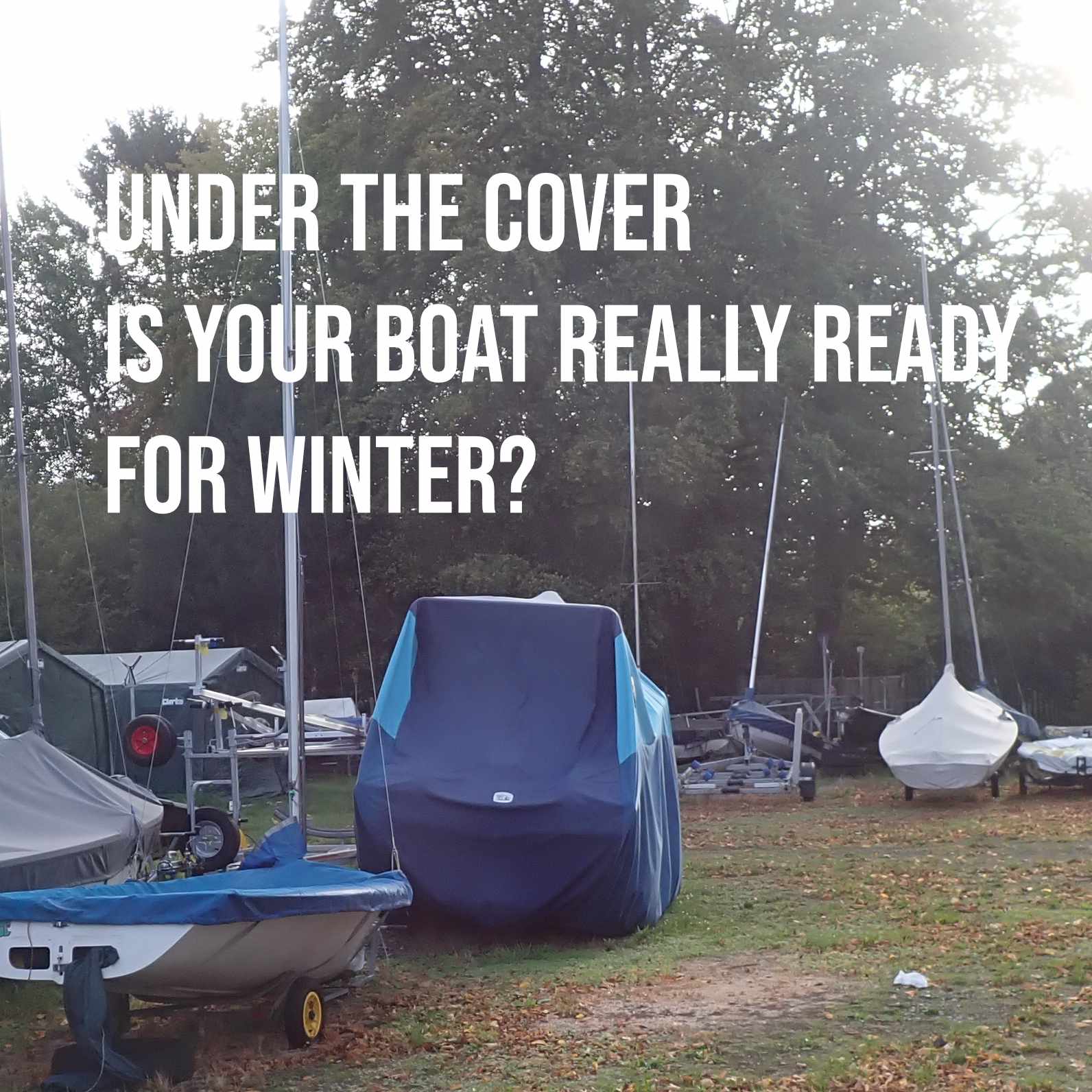
Under the Cover — Is Your Boat Really Ready for Winter?
Champagne’s in the lean-to.
Coyote’s covered.
The Toura’s tied down outside.
Winter-ready?
After the storms, the real test is underneath: pooling water, loose straps and hidden damp.
When did you last check yours?
Flooded River, Stored Boat — What Still Needs Checking?
A boat ashore can still be affected by a rising river. What happens to the trolley, tie-downs—and your route home?
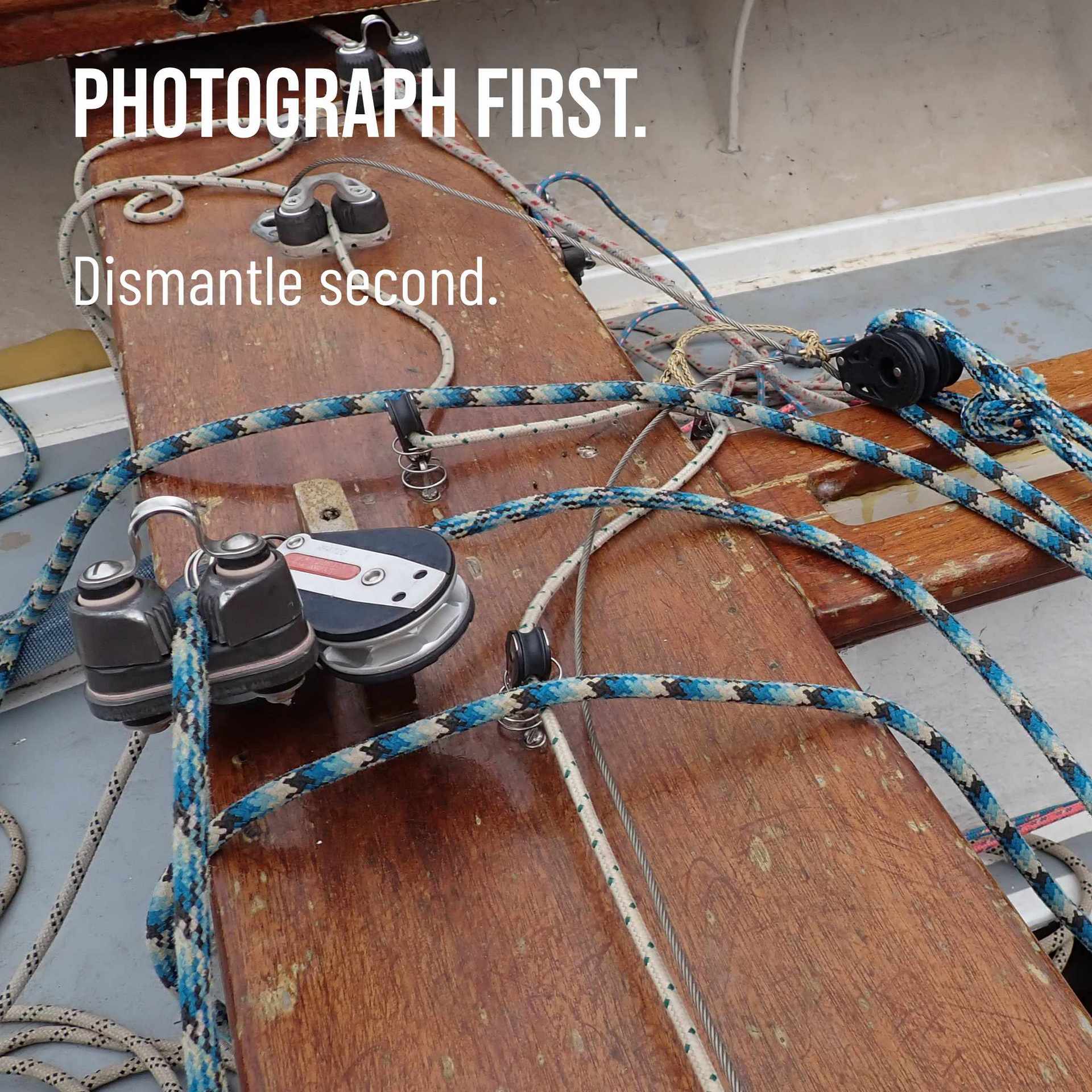
Photograph First dismantle Second
That rope route looks obvious now. Will it in March?
Before dismantling your boat, take three views: the whole arrangement, the route and the detail. Then label the parts.
Your spring self will thank you.
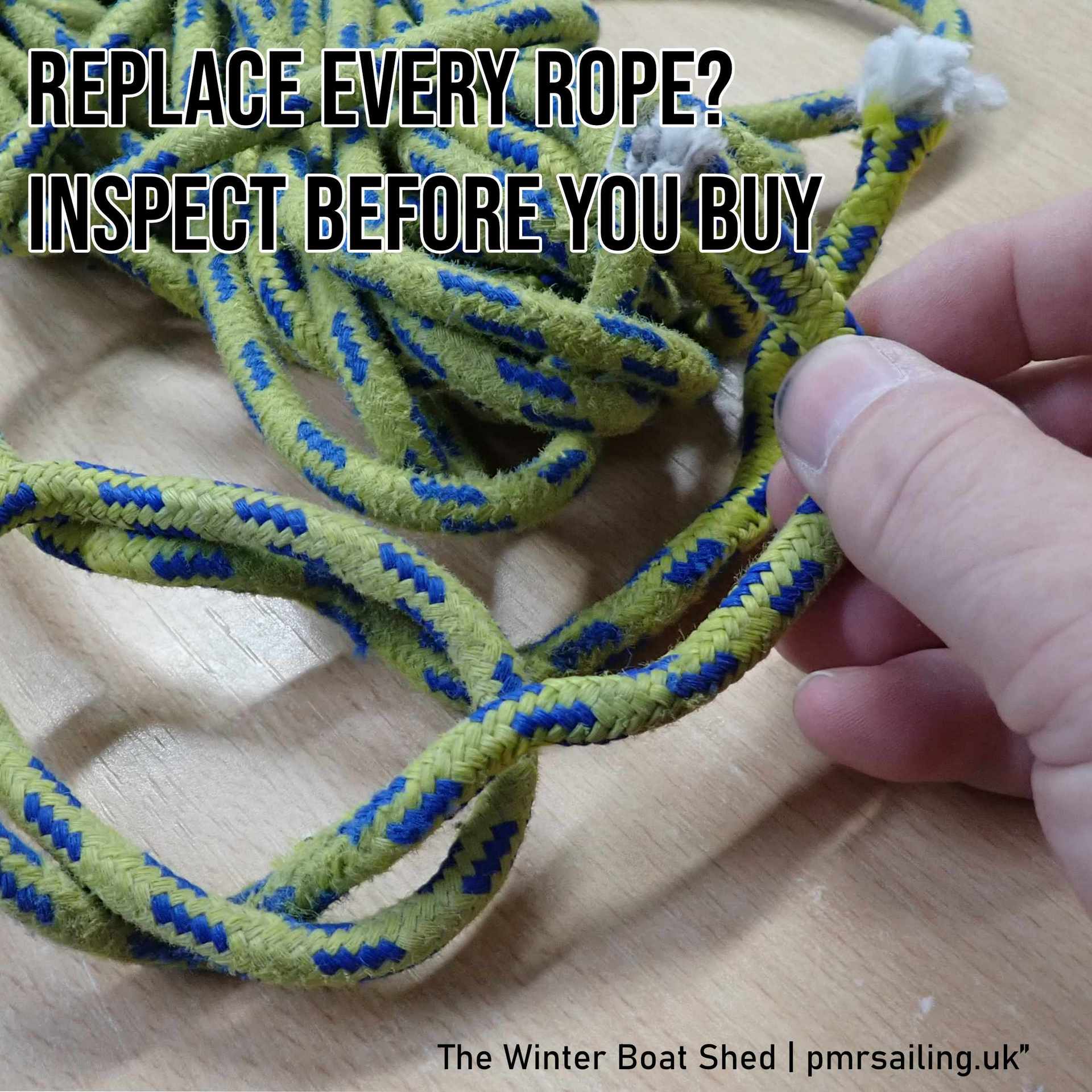
Replace Every Rope — Or Just the Ones That Need It?
A faded rope may have life left. A smart-looking one may hide a problem. Before buying new sheets and halyards, inspect, measure and record what you have. And check what caused the wear.
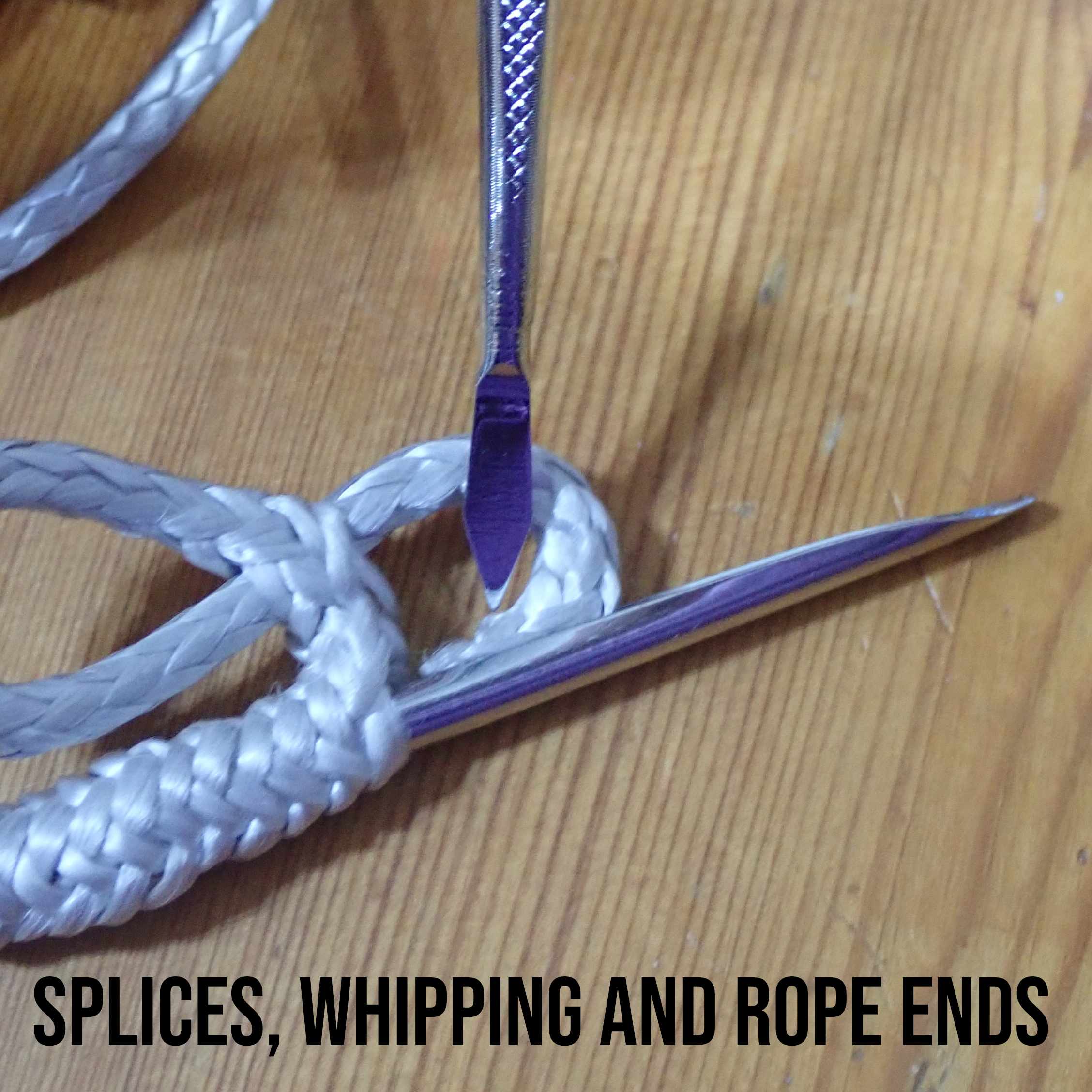
Splices, Whipping and Rope Ends — Useful Skills for Wet Winter Evenings
Rain outside? Bring a little sailing indoors. A rope offcut and some whipping twine can turn a wet winter evening into a useful workshop session. Start with tidy ends. Learn why the right splice depends on the rope—and keep practice pieces clearly labelled.
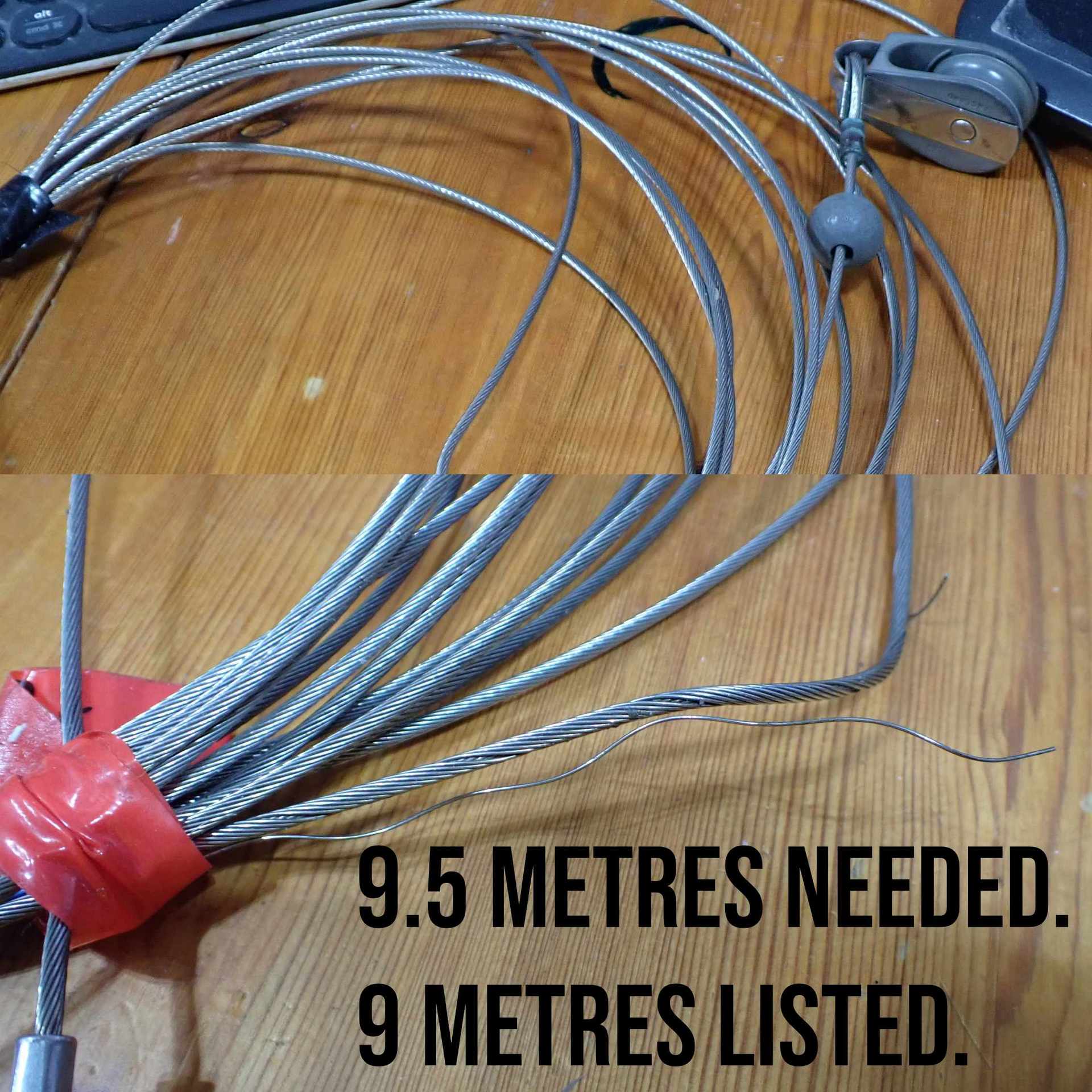
Champagne Needs 9.5 Metres — What If the Catalogue Stops at Nine?
Champagne needs 9.5 metres of rigging. The catalogue stops at nine. Order longer wire? Fit our own ends? First, we need to answer one deceptively simple question: where does that measurement start and finish?
The Small Parts Holding Up a Very Tall Mast
Champagne’s tall mast catches the eye. But when did you last look closely at the pins, terminals and chainplates supporting your rig? This winter, follow the connections—and know when to call a rigger.
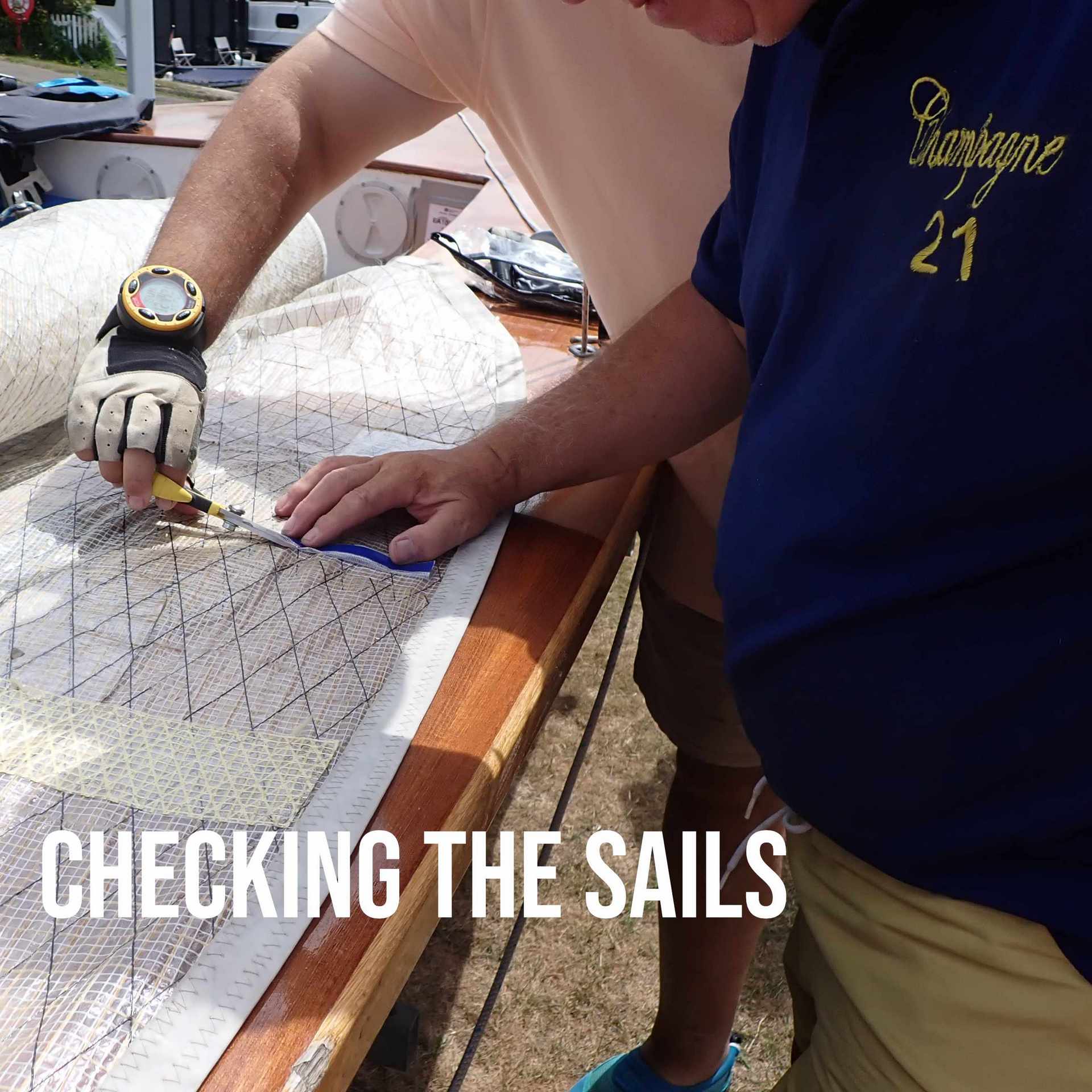
Spread the Sails Out — What Can You Learn Before Spring?
Some of the most useful sail inspections happen nowhere near the water. Spread yours out this winter. What could the stitching, batten pockets and old repairs reveal before spring?
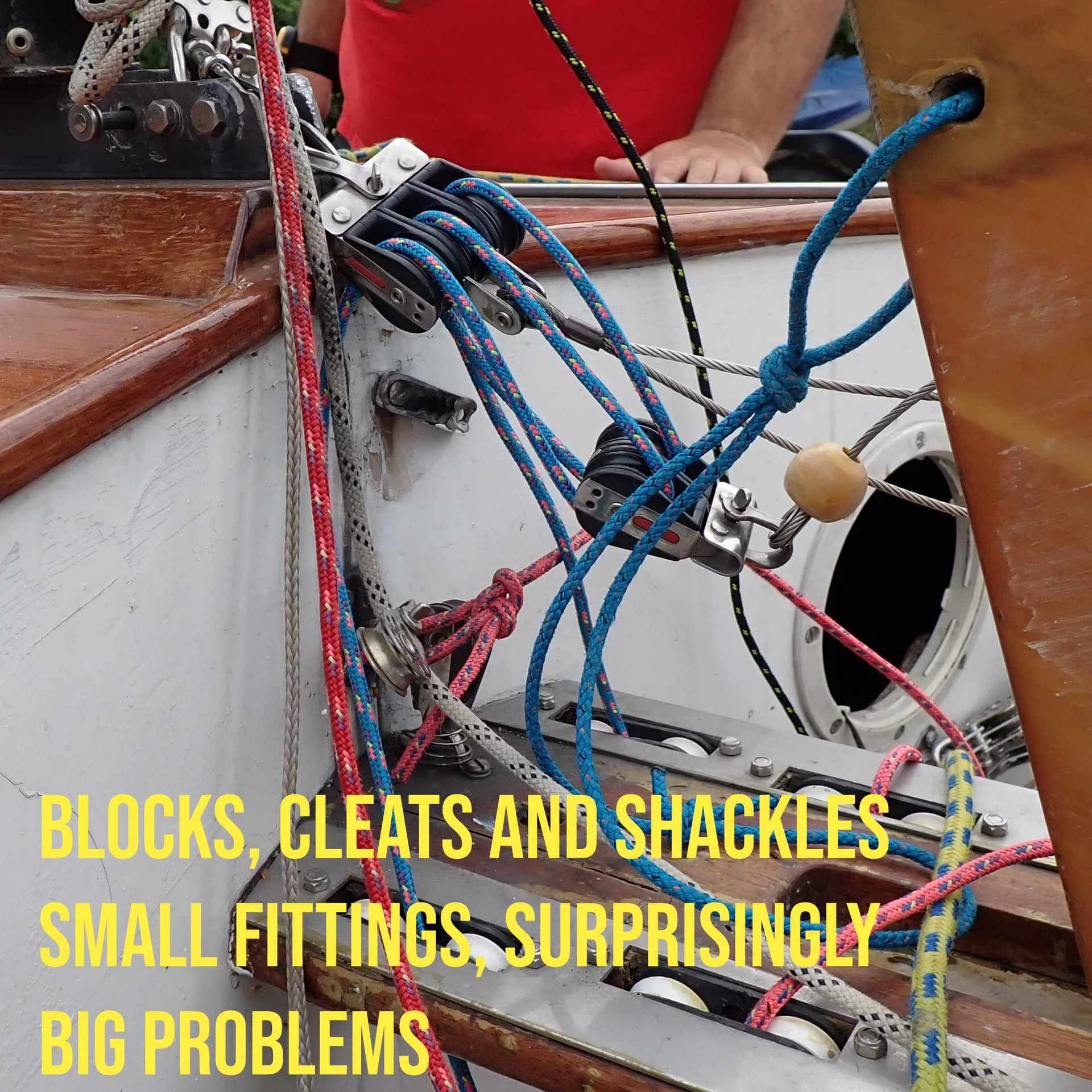
Blocks, Cleats and Shackles — Small Fittings, Surprisingly Big Problems
Does your boat have a rope that always needs “one more tug”? A worn sheave, sticky cleat or awkward lead can make sail handling harder long before anything breaks. Follow one troublesome rope this winter. Can you see the damaged cleat in the photo?
Three Boats, Different Materials — Why One Repair Method Will Not Suit Everything
Three boats. Would one repair kit do? Champagne mixes GRP and timber. Our RS Toura and Whaly Coyote have polyethylene hulls — and that changes the repair question. Before opening the glue, identify the material
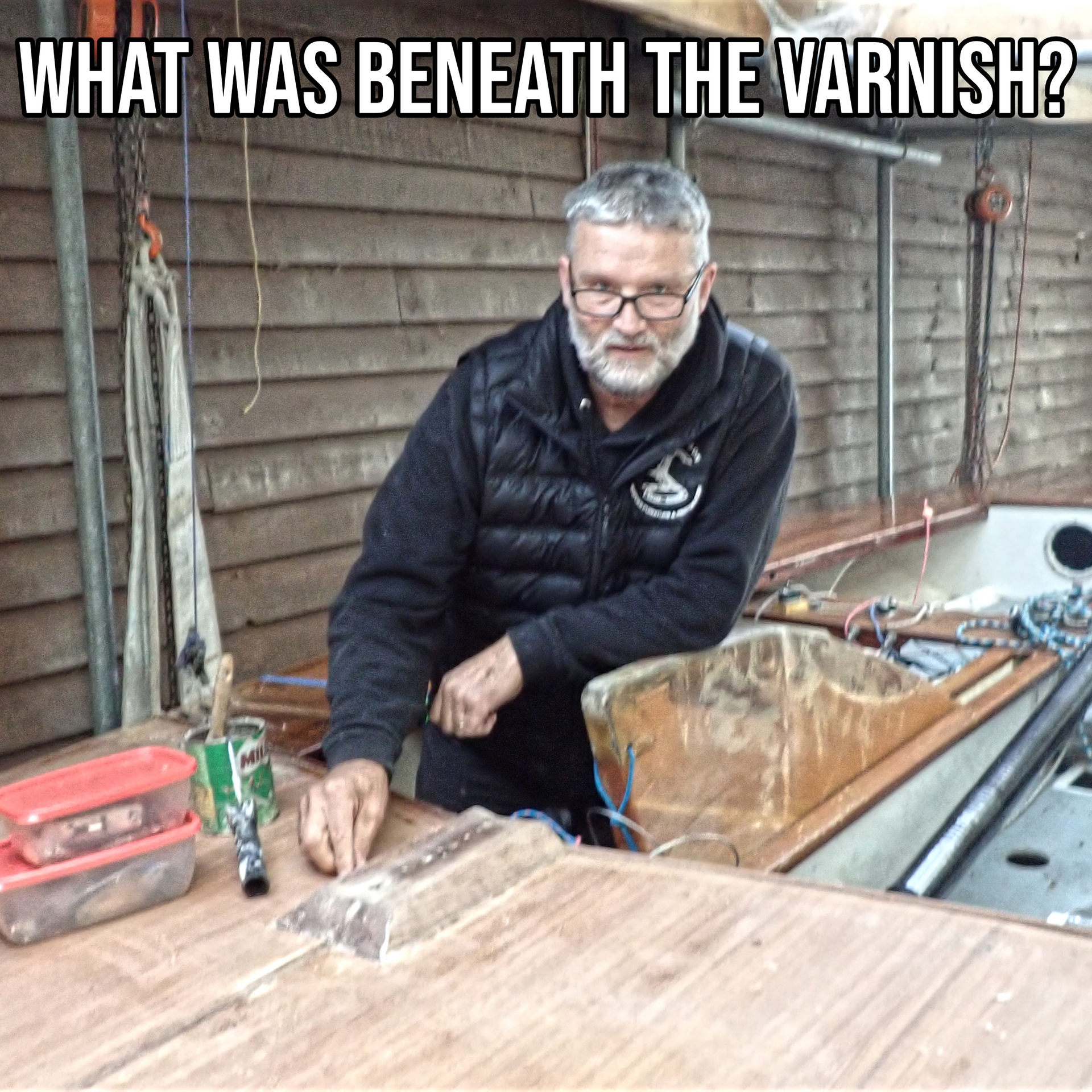
Whitening Under the Finish — Why Champagne Is Going to a Boatbuilder
Whitish marks beneath Champagne’s varnish: what would stripping reveal? Richard Stent removed the finish and uncovered undamaged teak plywood. Lifted areas are now glued down, ready for refinishing.
More Than a Meeting: Why Join a Sailing Class Association?
Paul discovered A-Raters at university. Now we own Champagne—and on Sunday we’re off to our first class association AGM. What can an association offer beyond racing? And what can we give back?
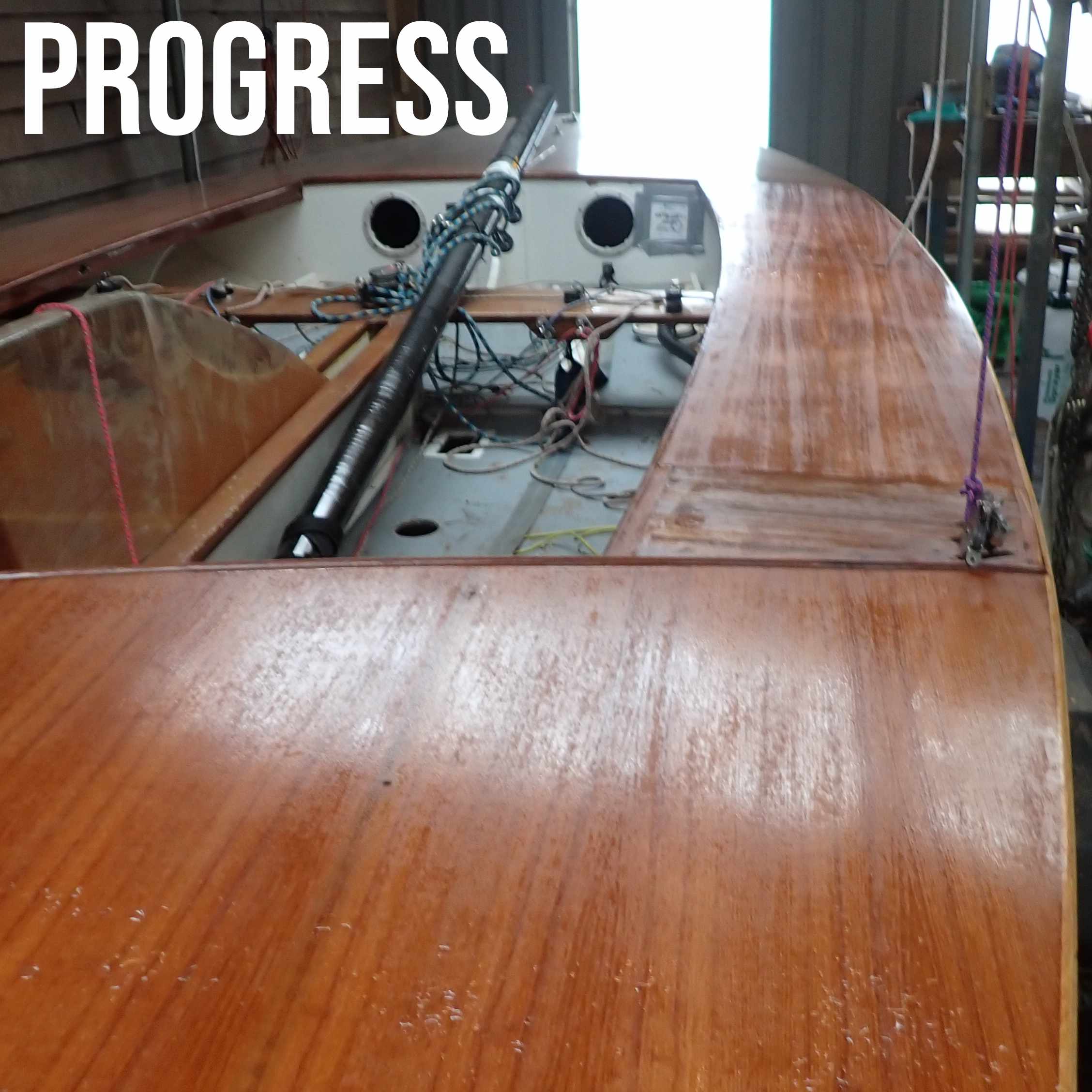
The first coat goes on Champagne — and the water marks are gone
I knew exactly where to look for the water marks on Champagne’s bow. After the first coat of varnish, all I could see there was the grain. What else is coming off our Thames A-Rater this winter?